
Choosing an MH community is not just about finding an open lot. It is about choosing the place where your daily routines, monthly budget, commute, safety, and long-term comfort will all come together.
For many San Antonio buyers, a manufactured housing community can be a smart path to homeownership because it may reduce the need to buy land upfront while still giving you the benefits of owning your home. But every community is different. Lot rent, lease terms, approval standards, home rules, utilities, and management quality can vary widely.
Before you move, take time to evaluate the community with the same care you would use when choosing a floor plan. A beautiful home can become stressful if the lot is poorly drained, the rules do not fit your lifestyle, or the total monthly cost is higher than expected.
First, understand what an MH community is
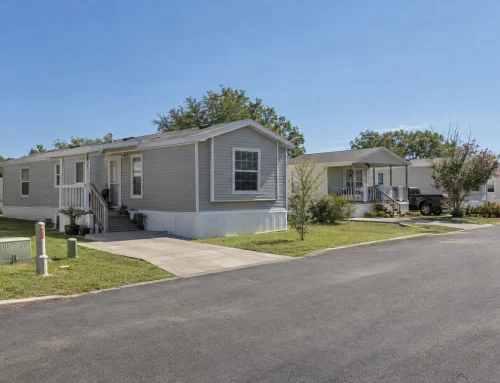
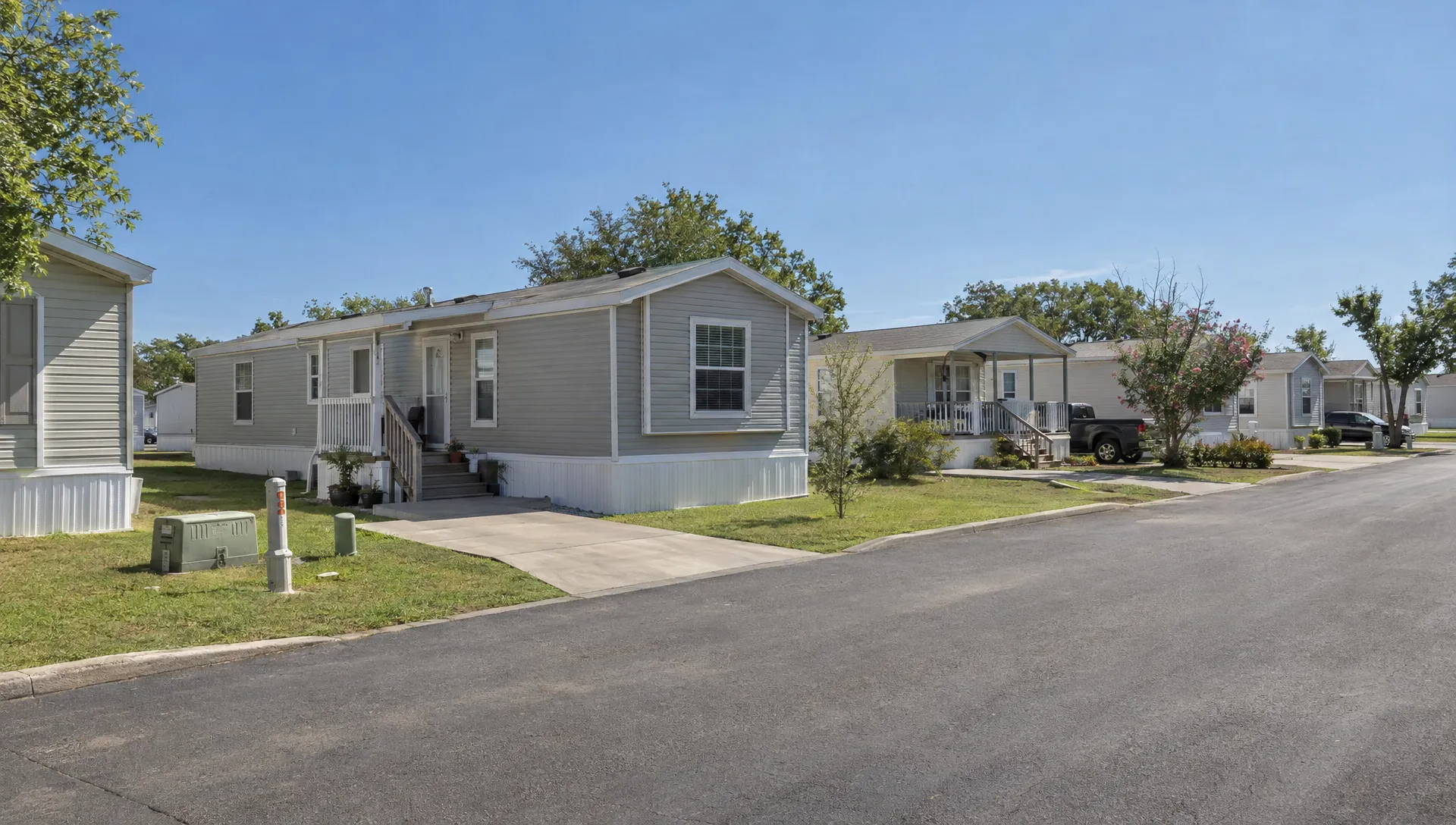
An MH community, short for manufactured housing community, is a neighborhood designed for manufactured homes. In many cases, you own the home and lease the lot underneath it. Some communities may also offer rental homes, resident-owned models, or homes already set up for sale.
Modern manufactured homes are built to the federal HUD Code if they were constructed after June 15, 1976. You can learn more about that federal construction standard through the HUD Manufactured Housing Program. In Texas, manufactured housing titles, installations, and related consumer information are handled through the Texas Department of Housing and Community Affairs Manufactured Housing Division.
The key point is simple: the home and the community are two separate decisions. You need both to work for your budget, lifestyle, and financing plan.
Compare the true monthly cost, not just lot rent
Lot rent is usually the first number buyers ask about, but it is only one part of the real monthly cost. A lower lot rent may not be a better deal if utilities, trash, lawn care, fees, or required services add up quickly.
Ask the community for a written breakdown of all recurring charges before you apply. If the price is only discussed verbally, request it in writing.
| Cost to ask about | Why it matters before you move |
|---|---|
| Lot rent | This is the base monthly cost for leasing the home site. |
| Application or screening fees | These can apply before approval and may be nonrefundable. |
| Utilities | Water, sewer, electric, gas, and trash may be billed separately or through the community. |
| Pet fees | Some communities charge monthly pet rent or one-time pet deposits. |
| Lawn or maintenance fees | You need to know whether upkeep is included or your responsibility. |
| Late fees | These affect your risk if a payment is delayed. |
| Rent increases | Ask how often lot rent can change and how notice is provided. |
For budgeting, combine your expected home payment, lot rent, insurance, taxes if applicable, utilities, and maintenance. This gives you a clearer picture than comparing home prices alone.
If you are still comparing homes and community living versus private land, the Homes2Go San Antonio mobile home buyer guide is a helpful next read.
Read the lease and community rules before you fall in love with the location
A well-run community should be able to provide lease terms, rules, and approval requirements clearly. Do not wait until move-in week to learn that your work vehicle, pet breed, fence plan, or exterior upgrade is not allowed.
Important rules to review include parking, pets, guests, quiet hours, home appearance, decks, sheds, skirting, landscaping, occupancy limits, and whether rentals or subleasing are allowed. If the community is age-restricted, ask for details about eligibility and documentation. Housing rules must comply with fair housing laws, and HUD provides a general overview of the Fair Housing Act.
Also ask how rules are enforced. Consistent enforcement is usually a good sign. Selective or unclear enforcement can create frustration for residents.
Confirm the home will fit the lot and meet community standards
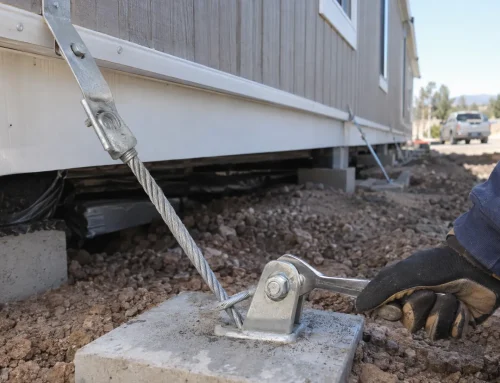
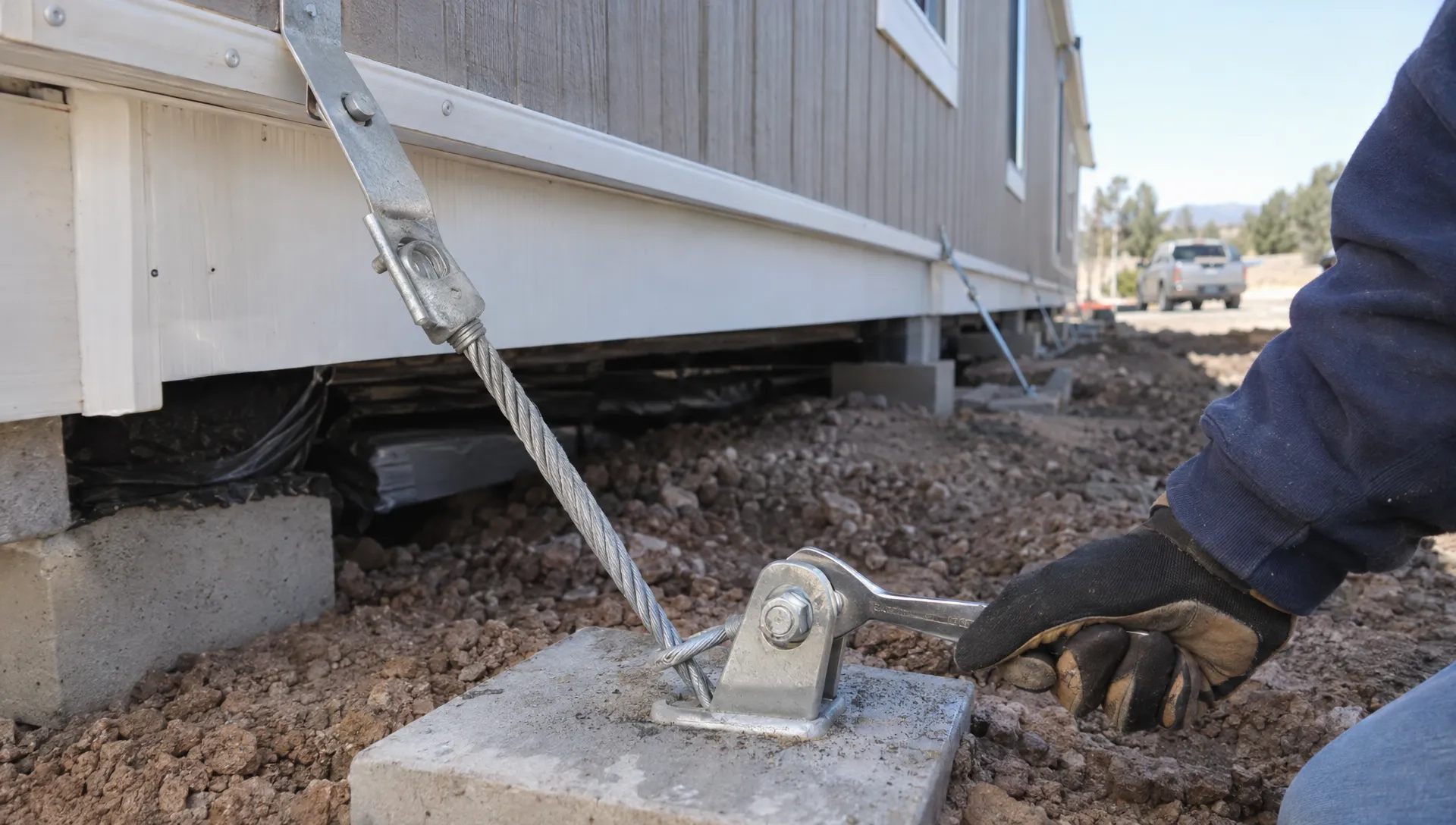
If you already own a manufactured home or plan to buy one for a specific community, confirm compatibility early. Communities may have requirements for home age, size, exterior condition, roof style, skirting, porches, steps, and installation standards.
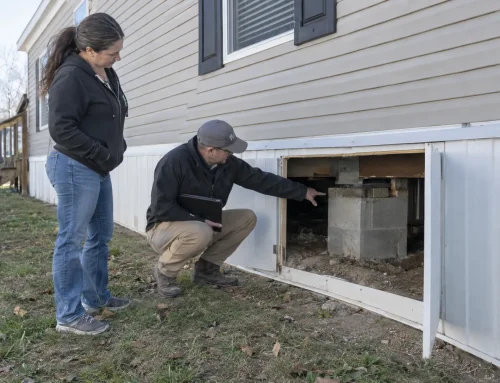
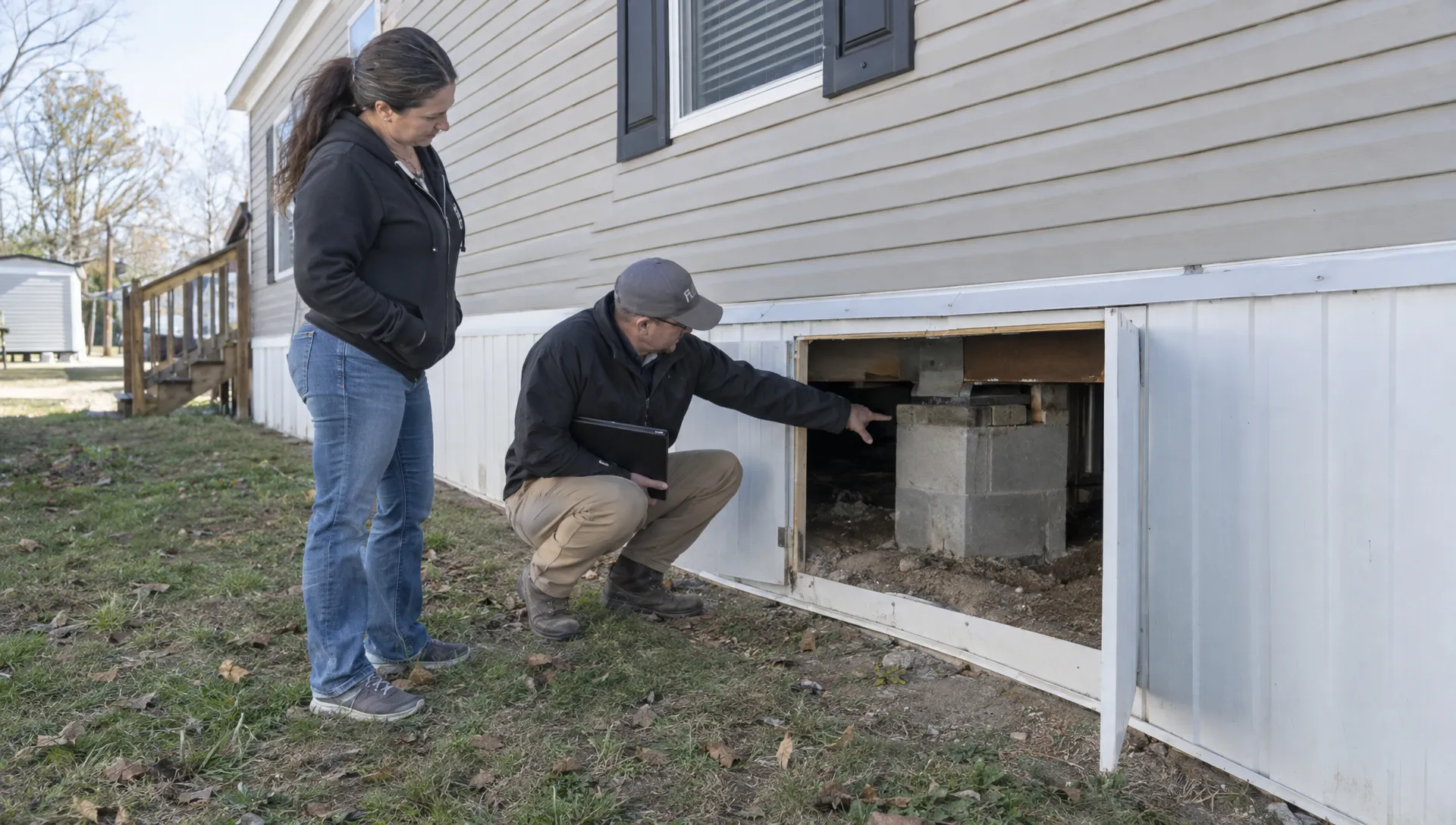
A lot that looks open may still have limitations. The home must fit the site, meet setbacks, connect safely to utilities, and allow for proper access during delivery and installation. In San Antonio and surrounding areas, also think about drainage, tree clearance, road width, and whether the delivery route can handle the home size.
Before you commit to a home or lot, ask these questions:
- What home sizes are accepted on this lot?
- Are single-wide and double-wide homes both allowed?
- Is there a minimum or maximum home age?
- Who approves the home before move-in?
- Are decks, carports, sheds, fences, or ramps allowed?
- Are utility hookups already in place and inspected?
- Who is responsible for skirting, steps, driveway work, and landscaping?
This is where expert guidance matters. Homes2Go San Antonio can help buyers compare available home models, review floor plans, and think through whether a home is a practical match for a community or site.
Look closely at utilities, drainage, and infrastructure
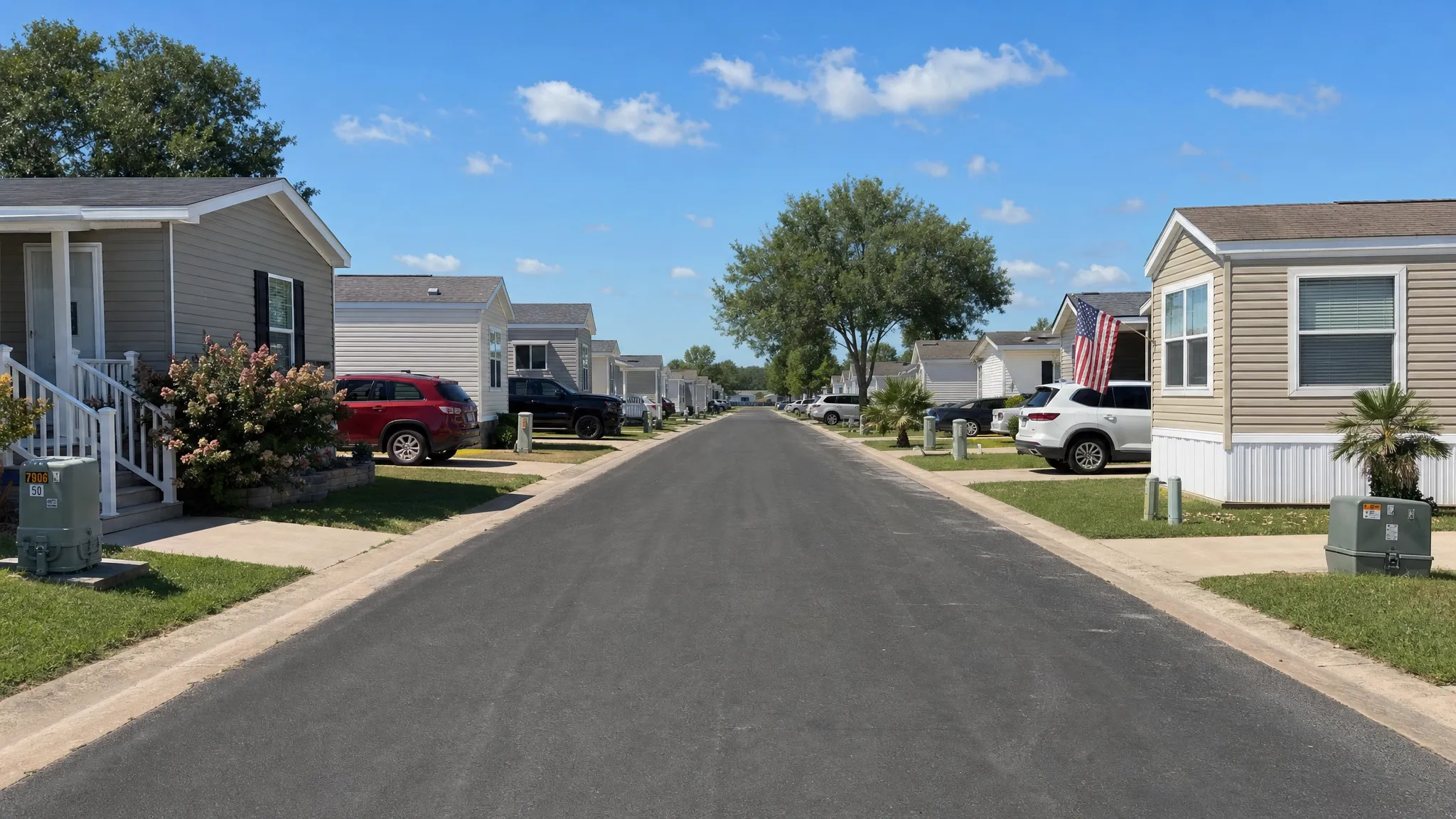
A manufactured home community is more than individual lots. Roads, drainage, lighting, utilities, and common areas all affect daily life.
During your tour, look for signs of standing water, uneven roads, overloaded parking, damaged utility pedestals, poor lighting, or neglected common spaces. South Texas weather can bring intense heat and heavy rain, so drainage is especially important. A lot that stays wet can make yard use difficult and may contribute to moisture problems around the home.
Ask whether water and sewer are public or private, how utility outages are handled, and who residents call for utility issues. If electric service is older, ask whether it can support the home you plan to place there, especially if you are choosing a larger model with modern HVAC needs.
For flood risk, you can check general area information using the FEMA Flood Map Service Center, but you should still ask the community and your insurance provider about property-specific concerns.
Evaluate location like you already live there
A community may look convenient on a map, but daily life is different during school drop-off, evening traffic, summer heat, or weekend errands. If possible, visit the area at different times of day.
In the San Antonio area, consider access to Loop 410, Loop 1604, I-35, I-10, US-90, and your most common destinations. A few extra miles may feel minor until you drive them five days a week.
Also think about practical needs near the community: grocery stores, pharmacies, urgent care, schools, childcare, public transportation, work locations, and family support. If you have children, research school boundaries directly with the district because boundaries can change and may not match listing descriptions.
A good location is not just close to something. It is close to the things your household actually uses.
Pay attention to management and resident experience
Community management can make or break your experience. Clean roads and fresh signage are nice, but responsive management is often more important over time.
When touring, notice how the office handles your questions. Do they answer clearly? Do they provide documents without hesitation? Do they explain the approval process? Do they seem organized?
It can also help to speak with current residents respectfully if the opportunity comes up. Ask general questions about maintenance response times, rule enforcement, noise, and whether they would choose the community again.
| Green light | Red flag |
|---|---|
| Written fee schedule is provided upfront | Fees are vague or keep changing |
| Lease and rules are available before application | You are told to apply before seeing documents |
| Lots, roads, and common areas look maintained | Standing water, trash, or neglected repairs are common |
| Approval process is clear | Requirements are unclear or inconsistent |
| Management answers questions directly | Staff avoid basic questions about costs or rules |
| Utility responsibilities are explained | No one can explain who handles utility issues |
A community does not have to be fancy to be a good fit. It does need to be clear, stable, and well-managed.
Match amenities to your real lifestyle
Amenities can add value, but only if you will use them and they fit your budget. A clubhouse, pool, playground, walking area, or gated entrance may be worth paying for in one household and unnecessary in another.
Ask whether amenities are included in lot rent or tied to separate fees. Also ask about hours, guest rules, maintenance, and whether any facilities are currently closed or under repair.
If you are comparing family-friendly options, it may help to review this guide on family mobile home parks near you for more questions related to children, schools, and all-age communities.
Understand approval requirements before you spend money
Many MH communities require residents to apply and be approved before moving in. The screening may include income verification, identification, background checks, rental history, or credit review. Requirements vary by community.
Ask what documents are needed, how long approval usually takes, whether every adult occupant must apply, and whether approval is required before financing can be finalized. If you are buying a home, ask your lender whether community approval or a lot lease is needed for the loan file.
This matters because a delay in community approval can affect your closing timeline, delivery schedule, and move-in date. First-time buyers should be especially careful to line up home selection, financing, community approval, and installation requirements in the right order.
Homes2Go San Antonio works with buyers who need help understanding home options, financing paths, and community fit. The goal is to avoid surprises after you have already chosen a home.
Think about long-term flexibility
Before moving into any community, think beyond the first year. Your household may grow, your job may change, or you may eventually want to sell the home.
Ask whether the home can remain in the community if sold to another approved buyer. Ask whether there are resale restrictions, transfer fees, or home age requirements that could affect future value. If you might move the home later, understand that relocation can be expensive and may require permits, transport coordination, and a receiving site that accepts the home.
Also ask about lease renewal. A one-year lease with unclear renewal terms may feel different from a community that clearly explains notices, rent changes, and resident responsibilities.
Bring a checklist when you tour
A tour is the best time to slow down and gather facts. Take photos if allowed, write down answers, and compare communities side by side instead of relying on memory.
Use this simple checklist before you move forward:
- Get the lot rent and all fees in writing.
- Review the lease, rules, and approval requirements.
- Confirm your home type, size, and age are accepted.
- Ask who pays for utilities, trash, lawn care, and repairs.
- Check drainage, roads, lighting, and common area upkeep.
- Visit during both daytime and evening if possible.
- Confirm pet, parking, guest, and exterior improvement rules.
- Ask about rent increases, renewal terms, and move-out rules.
- Verify school boundaries, commute times, and nearby services.
- Make sure your lender is comfortable with the lot arrangement.
If you want a deeper look at fees and warning signs, see this Homes2Go guide to local mobile home parks, fees, rules, and red flags.
Frequently Asked Questions
What does MH community mean? An MH community is a manufactured housing community where manufactured homes are placed on individual lots. In many communities, residents own the home and lease the lot, although arrangements can vary.
Is lot rent the same as a mortgage payment? No. Lot rent is paid for the use of the home site. If you finance the manufactured home, your home loan payment is separate from lot rent unless a specific agreement says otherwise.
Can I move any manufactured home into an MH community? Not always. Communities may have rules about home size, age, condition, exterior style, and installation requirements. Always confirm approval before buying or moving a home.
What should I ask before applying to a community? Ask for the full fee schedule, lease terms, rules, approval requirements, utility responsibilities, pet and parking policies, and any home standards that apply.
Are MH communities a good option for first-time buyers? They can be, especially for buyers who want homeownership without purchasing land right away. The key is comparing total monthly cost, rules, financing, and long-term fit before committing.
Find the right home and community fit in San Antonio
The best MH community for you is the one that supports your budget, lifestyle, commute, and long-term plans. Do not choose based on lot availability alone. Review the lease, inspect the lot, understand the rules, and make sure the home you want is accepted before you move.
Homes2Go San Antonio helps buyers explore affordable manufactured homes, compare floor plans, understand financing options, and connect with community opportunities in the San Antonio area. If you are ready to look for a home that fits both your needs and your preferred community, visit Homes2Go San Antonio to get started.
 How Manufactured Homes Help the Housing Affordability Crisis
 FHA Mobile Home Requirements Buyers Should Know