
Choosing between local mobile home parks is not just about finding the lowest lot rent. The better question is: what will it actually cost to live there, what rules will shape your day-to-day life, and what warning signs should make you slow down before you apply?
For buyers in the San Antonio area, this decision can affect your financing, your monthly budget, your home model choice, and your long-term flexibility if you later sell or move. A manufactured home can be an affordable path to ownership, but the community you choose matters almost as much as the home itself.
How Local Mobile Home Parks Usually Work
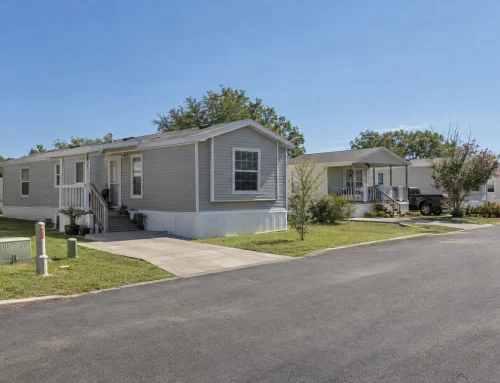
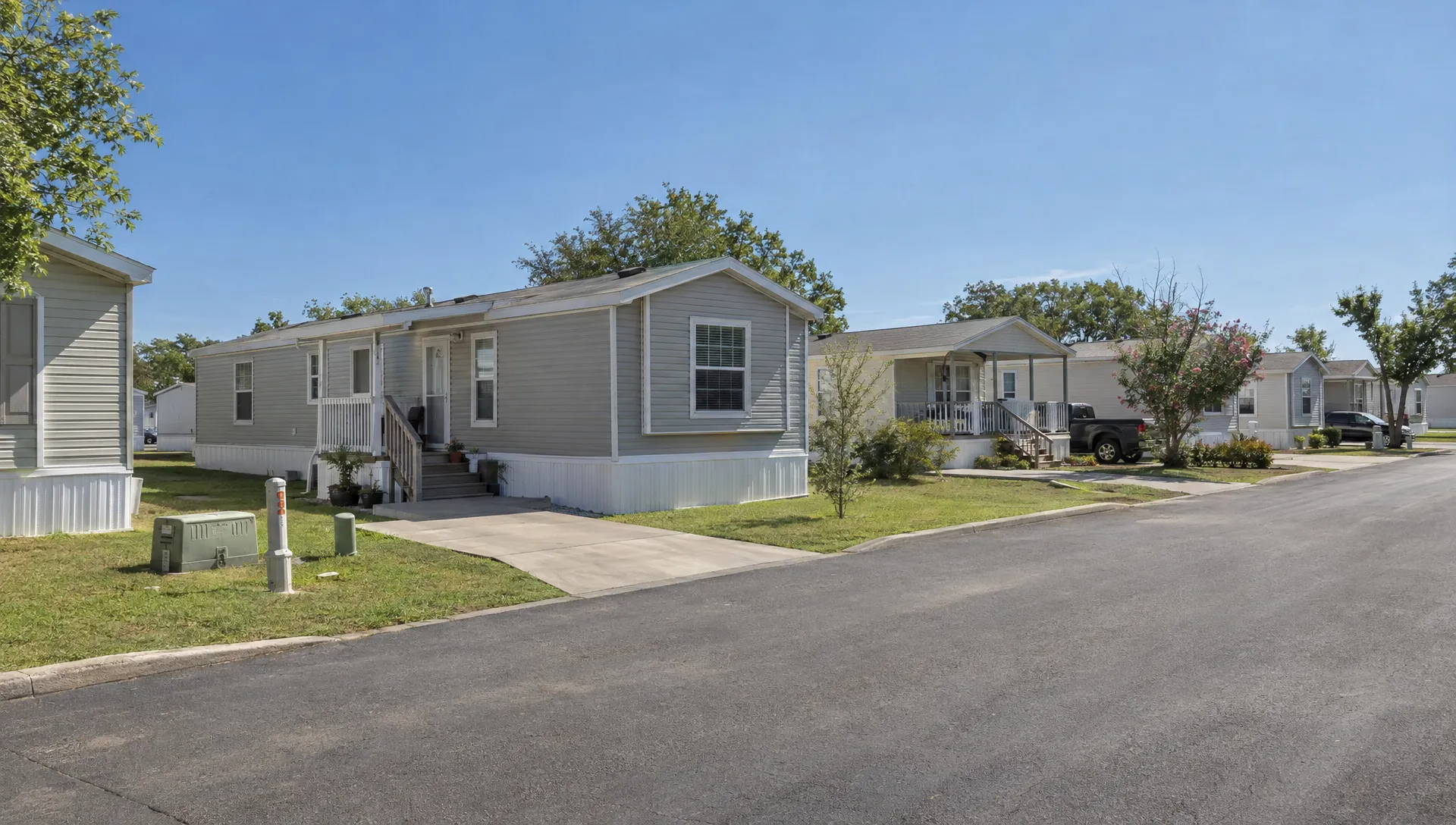
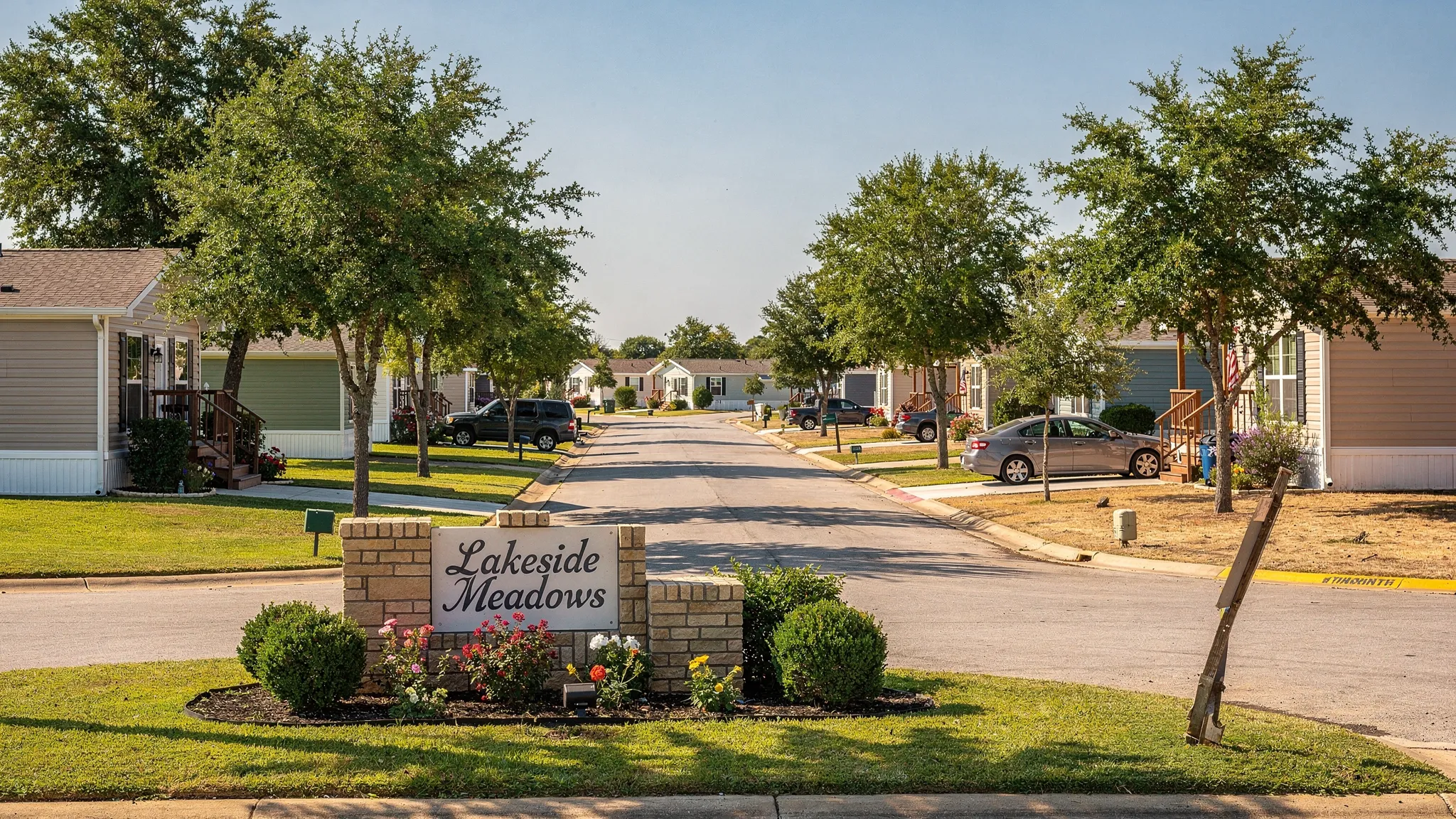
Most mobile home parks, often called manufactured home communities today, operate on a land-lease model. In that setup, you own or finance the home, but you lease the lot where the home sits. Your monthly cost may include a home payment, lot rent, utilities, insurance, taxes, and community-related fees.
This is different from buying a traditional house on land. You may have ownership rights in the home itself, but the community controls the lease terms for the homesite, the resident rules, and the approval process. That is why it is so important to review the lease, community rules, and fee schedule before you commit.
Terminology can be confusing. Homes built after June 15, 1976, are generally regulated as manufactured homes under federal HUD standards, while “mobile home” is still commonly used in everyday searches. You can learn more about the federal manufactured housing program through HUD’s manufactured housing resources. In Texas, ownership documents and manufactured housing records are handled through the Texas Department of Housing and Community Affairs Manufactured Housing Division.
Common Fees to Ask About Before You Apply
The biggest mistake buyers make is comparing only advertised lot rent. A park with lower lot rent may still cost more if utilities, deposits, amenity charges, parking, or move-in costs are higher. Fees vary by community, so the goal is not to memorize a fixed number. The goal is to get every charge in writing.
Ask for a current fee schedule before you pay an application fee or place a deposit. If a fee is not written down, ask whether it is optional, recurring, refundable, and whether it can change during the lease term.
| Fee category | What it may cover | Questions to ask |
|---|---|---|
| Application or screening fee | Credit, background, income, and rental history review | Who must apply, and is the fee refundable if denied? |
| Administrative or move-in fee | Account setup, gate access, mailbox keys, or processing | Is this a one-time fee or a recurring charge? |
| Security deposit | Protection against unpaid rent, damage, or lease violations | What conditions must be met for a refund? |
| Lot rent | Right to occupy the homesite | What is included, and how often can rent change? |
| Utilities | Water, sewer, electricity, gas, trash, or septic service | Are utilities metered, submetered, flat-rate, or billed separately? |
| Amenity fee | Access to clubhouse, pool, playground, gate, or community services | Is the fee mandatory even if you do not use the amenity? |
| Pet fee or pet deposit | Pet screening, pet rent, or added deposit | Are there breed, size, or number limits? |
| Parking or storage fee | Extra vehicles, trailers, boats, RVs, or work trucks | How many vehicles are included with the lot? |
| Late or violation fees | Late rent, rule violations, returned payments, or notices | Is there a grace period and a chance to correct violations? |
| Resale or transfer fee | Processing when you sell the home or transfer occupancy | Must the buyer be approved by the park before closing? |
A transparent community should be able to explain the total move-in amount, the recurring monthly amount, and the circumstances that could add extra charges. If the answer is “don’t worry about it” instead of a written explanation, treat that as a warning sign.
Rules That Can Affect Your Home, Budget, and Lifestyle
Community rules are not automatically bad. Good rules can help protect safety, reduce conflicts, and keep the property well maintained. The issue is whether the rules are clear, reasonable, consistently enforced, and compatible with your home and lifestyle.
Home Requirements
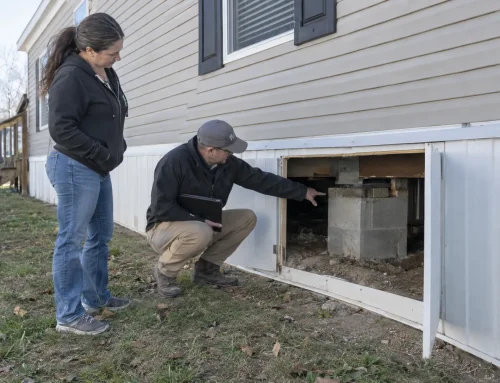
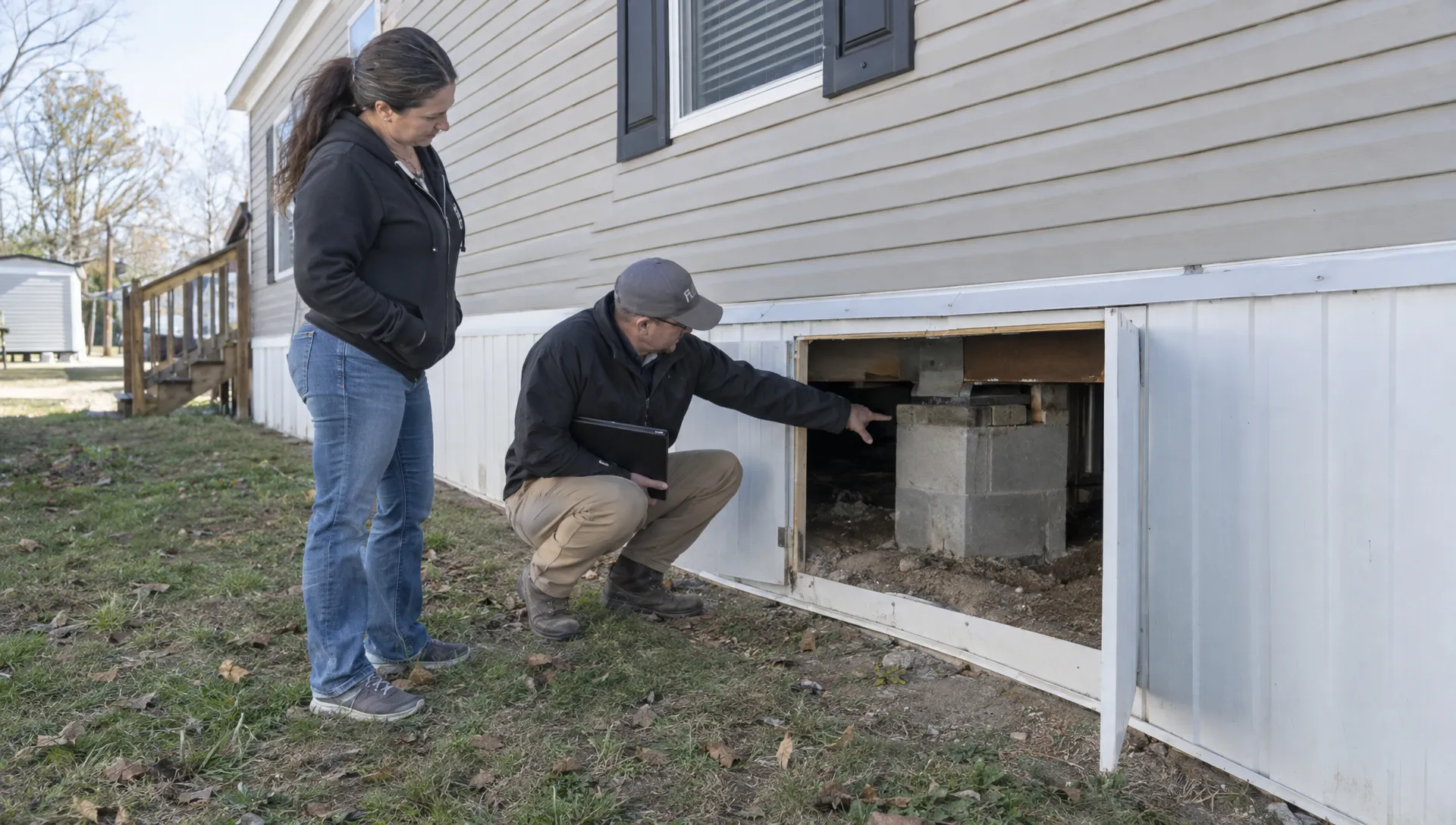
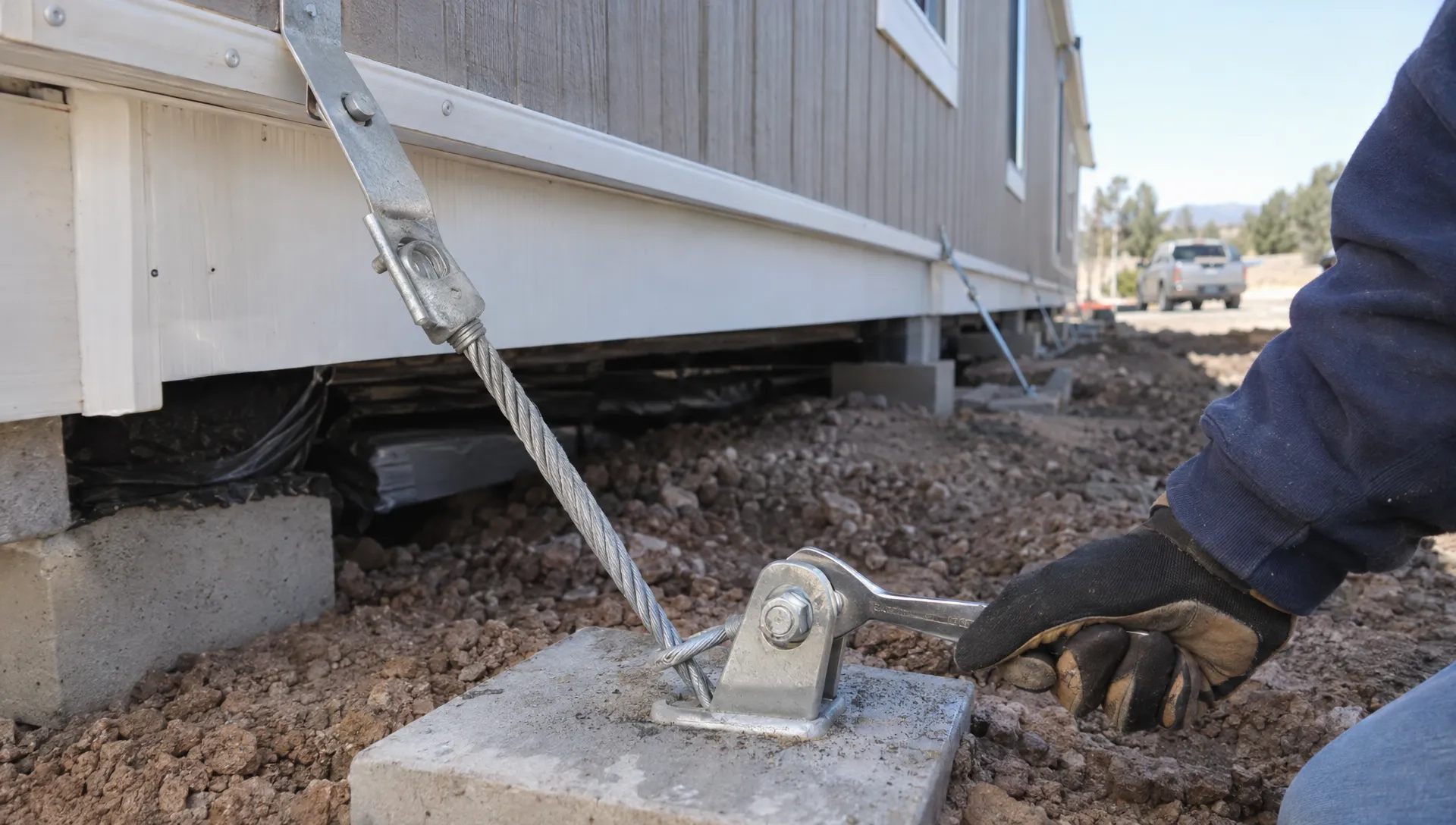
Before you choose a home model, confirm the park’s home standards. Some communities have requirements for home age, size, exterior condition, roof type, skirting, steps, decks, porches, air conditioning, tie-downs, or installation contractors.
This matters because a home that works perfectly on private land may not be accepted by every community. If you are shopping for a new manufactured home, ask the park to confirm in writing that the floor plan, dimensions, exterior features, and installation plan meet their requirements. Homes2Go San Antonio can help buyers compare models and review fit with community standards, but the park’s written approval is still a key step.
Lease Length and Rent Changes
Ask how long the lease lasts, what happens at renewal, and how rent increases are handled. A month-to-month agreement may offer flexibility, but it can also create uncertainty. A longer lease may provide more stability, but you still need to understand renewal terms, notice requirements, and any conditions that could lead to nonrenewal.
Do not rely on verbal promises like “rent never goes up much.” Instead, ask where rent adjustments are described in the lease or addendum. If the language is unclear, consider having a qualified professional review it before you sign.
Occupancy, Guests, and Use of the Home
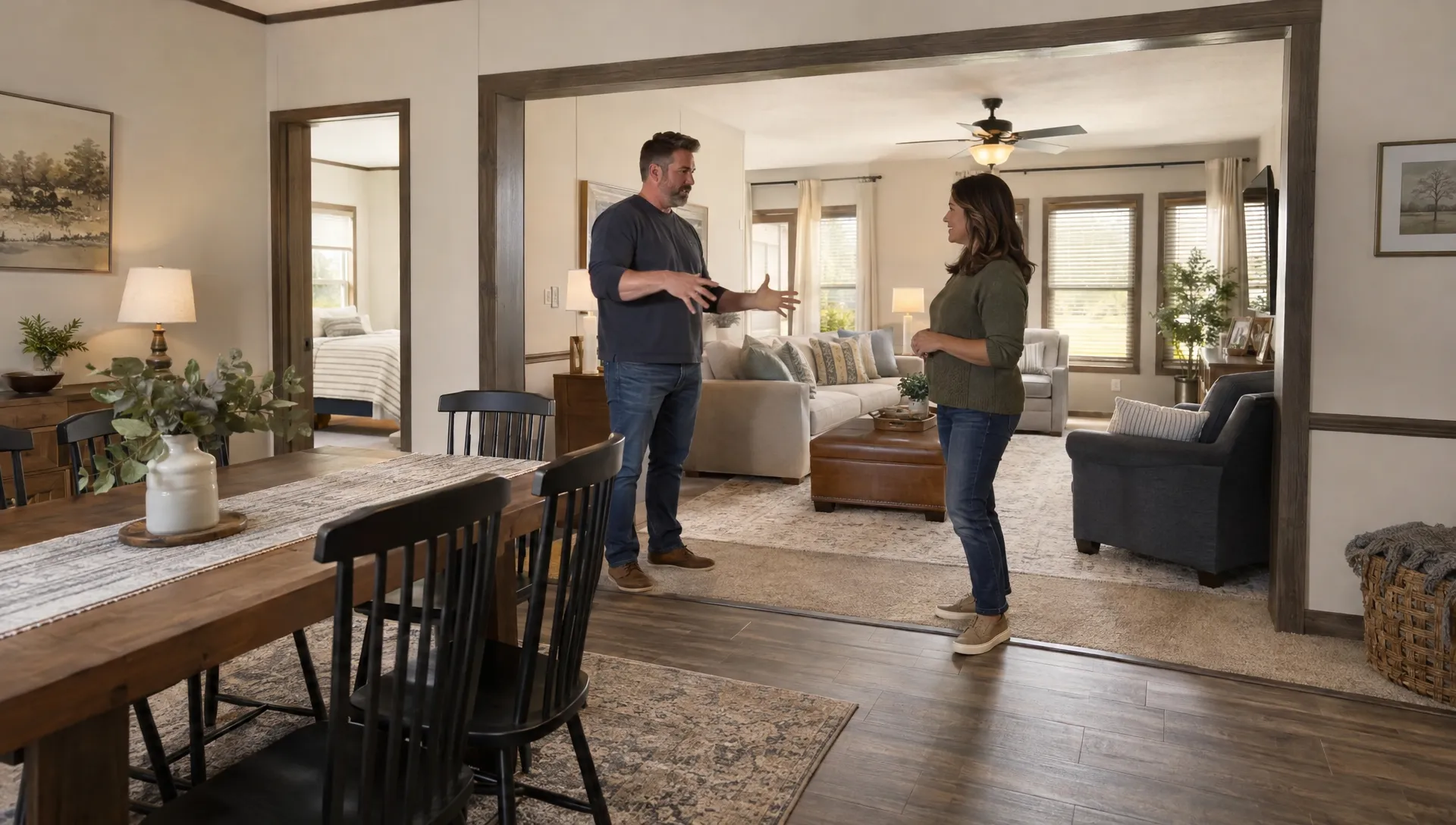
Parks may have rules about how many residents can live in the home, how long guests can stay, whether you can operate a business from the home, and whether short-term rentals or subleasing are allowed. These rules can be especially important for multigenerational households, families expecting a change in household size, or buyers who may relocate for work later.
If you expect relatives to stay for extended periods, ask about guest policies in advance. A misunderstanding about occupancy can become a lease issue later.
Pets, Vehicles, and Outdoor Areas
Pet rules can include breed restrictions, weight limits, pet rent, leash requirements, fencing rules, and vaccination documentation. Vehicle rules can cover work trucks, commercial vehicles, extra cars, boats, trailers, RVs, and inoperable vehicles.
Outdoor rules may address mowing, landscaping, grills, sheds, fencing, holiday decorations, trash containers, and exterior repairs. These details may seem small during the buying process, but they shape how comfortable the home will feel once you live there.
Red Flags to Watch for in Local Mobile Home Parks
When you tour local mobile home parks, pay attention to both paperwork and property conditions. A well-run community should be willing to answer questions, provide documents, and explain its approval process. Red flags do not always mean you should walk away immediately, but they do mean you should slow down and verify before spending more money.
| Red flag | Why it matters | Safer response |
|---|---|---|
| The park will not provide rules, lease terms, or fees in writing | Verbal promises are hard to rely on later | Ask for written documents before paying nonrefundable money |
| Fees are vague or change during the conversation | Your true monthly cost may be higher than expected | Request a complete fee schedule and total move-in estimate |
| You are pressured to apply or deposit immediately | Pressure can lead to rushed decisions | Take time to compare communities and review documents |
| Lot availability is unclear | You may buy a home before securing a place for it | Confirm lot assignment and home compatibility in writing |
| Home standards are explained only after you choose a model | You could face added costs or rejection | Get park approval before finalizing the home purchase |
| Roads, drainage, lighting, or common areas look neglected | Property condition can affect safety, comfort, and resale appeal | Visit at different times and ask current residents about maintenance |
| Utility billing is confusing | Utility costs can significantly change your budget | Ask whether utilities are metered, submetered, or flat-rate |
| Resale rules are unclear | Selling your home later may be harder than expected | Ask how buyer approval and home transfers work |
| Management avoids questions about rent increases | Long-term affordability may be uncertain | Review the lease language and compare alternatives |
One of the biggest red flags is a mismatch between the home you want and the community’s requirements. For example, a park may require a newer home, specific skirting, a certain minimum size, or professional installation standards. Those requirements may be manageable, but only if you know them before you buy.
San Antonio-Area Factors Buyers Should Not Ignore
Local conditions matter. Comparing mobile home parks in San Antonio is different from comparing communities in a cooler climate, a smaller rural town, or an area with different utility infrastructure.
Heat and Energy Costs
San Antonio summers can put serious pressure on cooling systems. Ask how the lot is positioned, whether there is shade, and whether the home you are considering has strong insulation, efficient windows, and a properly sized HVAC system. Energy-efficient design can make a noticeable difference in comfort and monthly bills. For more guidance, read Homes2Go’s article on energy-efficient manufactured homes in Texas heat.
Drainage and Flood Awareness
Do not judge drainage only on a dry afternoon. Look for standing water, low spots, eroded driveways, muddy common areas, or homes with visible moisture issues. You can also review flood information through the FEMA Flood Map Service Center. Flood maps are a starting point, not a guarantee, so it is still smart to ask the community about drainage history and past water issues.
Commute, Schools, and Services
Drive the route during the times you would actually commute. A park that looks close on a map may feel very different during morning traffic. If schools matter to your household, verify boundaries directly with the school district rather than relying only on listing descriptions or map apps.
Also check nearby services that affect daily life: grocery stores, medical care, childcare, public transportation, job centers, and major roads. A lower lot rent may not be a bargain if transportation costs and time increase significantly.
Utilities and Installation Requirements
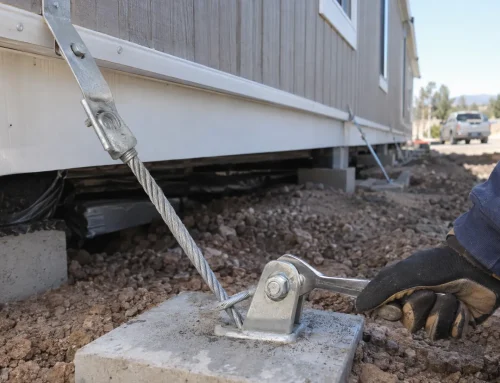
Ask whether the community uses city water, private water, septic, sewer, propane, natural gas, or all-electric service. Utility setups can affect home selection, installation, and monthly costs. In Texas, manufactured home installation and ownership documentation must be handled properly, so make sure your dealer, installer, lender, and community are aligned before move-in.
If you are still deciding between a community and private land, Homes2Go’s manufactured homes in San Antonio buyer guide explains how site prep, permits, utilities, and financing can change the total cost.
How to Compare Parks Without Guessing
A simple side-by-side comparison can prevent expensive surprises. Instead of asking “Which park is cheapest?” ask “Which park gives me the best total fit for my budget, home, commute, and long-term plans?”
Use this formula as a starting point:
Estimated monthly cost = home payment + lot rent + utilities + insurance + taxes + recurring park fees + maintenance reserve
Then fill out a comparison table for every community you are seriously considering.
| Cost or factor | Park 1 | Park 2 | Park 3 |
|---|---|---|---|
| Lot rent | |||
| Utilities included | |||
| Estimated separate utilities | |||
| Required deposits or move-in fees | |||
| Pet, parking, or amenity fees | |||
| Lease term | |||
| Rent increase policy | |||
| Home age or size rules | |||
| Commute time | |||
| Drainage and property condition | |||
| Resale or transfer rules |
If you are financing the home, talk with your lender about how lot rent and other monthly obligations affect your approval. The Consumer Financial Protection Bureau also provides a helpful overview of the Loan Estimate form, which can help you compare financing costs more clearly. You can also review Homes2Go San Antonio’s manufactured home financing options to understand common loan paths.
Questions to Ask the Park Manager
Bring the same questions to every community so you can compare answers fairly. Take notes and ask for documents when a topic affects your money, lease, or home choice.
- What is the current lot rent, and what does it include?
- What fees are due before move-in, and which are refundable?
- How long is the lease term, and what happens at renewal?
- How are rent increases handled and communicated?
- Are utilities billed by the provider, the park, or a submetering system?
- What home age, size, exterior, skirting, deck, or porch standards apply?
- Does the park need to approve my home model before purchase?
- What are the pet, parking, guest, and occupancy rules?
- What happens if I want to sell the home in the future?
- Can I take the lease, rules, and fee schedule home for review before paying?
A professional manager should not be offended by these questions. Serious buyers need serious information.
Signs a Park May Be a Good Fit
It is easy to focus only on red flags, but green lights matter too. A strong community will usually have clear documents, consistent communication, visible maintenance, and a straightforward approval process. The manager should be able to explain fees without confusion and should be willing to confirm home requirements before you invest in a model.
Look for residents who appear comfortable maintaining their homes, common areas that are cared for, roads that are passable, lighting that works, and rules that seem to be enforced consistently. No community is perfect, but transparency is a strong signal.
The right park should also fit your homeownership goals. If you plan to stay long term, lease stability and resale rules matter. If you are a first-time buyer, clear guidance and predictable costs may matter most. If you are choosing a family home, commute, schools, safety, and outdoor space may weigh heavily in your decision.
Frequently Asked Questions
What fees should I expect in local mobile home parks? Common fees may include application fees, deposits, lot rent, utilities, amenity fees, pet fees, parking or storage charges, late fees, and resale or transfer fees. Not every park charges every fee, so always request a written fee schedule.
Can a mobile home park reject my manufactured home? Yes, many communities have standards for home age, size, condition, exterior appearance, skirting, installation, and setup. Confirm the park’s requirements before buying or moving a home into the community.
Is lot rent the same as a mortgage payment? No. Lot rent pays for the homesite lease, while a mortgage or home loan pays for the home itself. If you finance the home in a land-lease community, your monthly budget may include both a home payment and lot rent.
Should I apply to the park before choosing a home? In many cases, yes. Park approval, lot availability, and home compatibility should be confirmed early. This helps avoid buying a home that cannot be placed in your preferred community.
Are mobile home park rules legally binding? Community rules are typically part of the lease or related documents, so they can affect your rights and responsibilities. This article is not legal advice. If a rule or lease term concerns you, consider speaking with a qualified legal professional before signing.
Get Help Comparing Homes, Communities, and Financing
Local mobile home parks can offer an affordable path to homeownership, but the details matter. Before you sign, compare total monthly costs, read the rules, verify home requirements, and watch for red flags that could affect your budget or lifestyle.
If you are shopping in the San Antonio area, Homes2Go San Antonio can help you explore manufactured home models, review floor plans, connect with financing guidance, and think through community fit before you move forward. Start with the home you want, then make sure the park, payment, and rules support the life you are planning.
 Family Mobile Home Parks Near Me: How to Compare
 How to Rent Out a Mobile Home the Right Way