
A Clayton mobile home warranty can give new buyers extra confidence, but it is important to understand what the warranty actually does, and does not, cover. The short version: a new Clayton manufactured home is typically protected by a limited manufacturer warranty for covered defects in materials and workmanship, while appliances, installation, cosmetic items, storm damage, land issues, and owner maintenance may fall under separate rules or separate warranties.
That distinction matters. A warranty is not the same as home insurance, a maintenance plan, or a guarantee that every issue after move-in will be repaired for free. The written warranty documents for your specific home, model, purchase date, retailer, and state will always control.
If you are shopping for a Clayton home in or around San Antonio, use this guide to ask better questions before signing, protect your coverage after move-in, and avoid surprise repair costs.
First, clarify: mobile home or manufactured home?
Many buyers still say mobile home, especially when searching online, but most new homes sold today are technically manufactured homes. A manufactured home is built in a factory to the federal HUD Code, then transported and installed on a site. The federal construction standards are found in 24 CFR Part 3280, which covers areas such as structure, fire safety, plumbing, heating, and electrical systems.
So when people ask about a Clayton mobile home warranty, they usually mean the warranty on a newer Clayton manufactured home. If the home is pre-owned, much older, moved from a prior site, or sold as-is, warranty coverage can be very different.
For San Antonio buyers, the key takeaway is simple: do not rely on the phrase mobile home warranty by itself. Ask for the exact written warranty packet tied to the home you are buying.
What a Clayton mobile home warranty commonly covers
For many new Clayton manufactured homes, the main warranty is a limited new-home warranty that applies to covered defects in factory materials or workmanship for a defined period, commonly discussed as the first year. Some components may have separate product warranties, and some home lines or packages may include additional coverage. Always verify the current terms in writing before purchase.
In general, manufacturer warranty coverage may apply when a problem comes from how the home was built or from a covered component supplied as part of the home. It usually does not apply when the issue is caused by site conditions, improper maintenance, unauthorized changes, weather events, pests, or normal wear.
Here is a practical way to think about the main coverage areas:
| Area of the home | What may be covered | What to confirm before closing |
|---|---|---|
| Structural components | Covered defects in factory-built structural elements, subject to warranty limits | Whether any extended structural warranty applies to your model |
| Interior materials | Defects in covered factory-installed materials such as trim, cabinets, doors, or flooring | Which cosmetic items must be noted during the walkthrough |
| Plumbing system | Covered defects in factory-installed plumbing components | Whether fixtures, water heater, and site utility connections are separate |
| Electrical system | Covered defects in factory-installed wiring and electrical components | Whether damage from utility hookup or owner-added circuits is excluded |
| HVAC-related components | Covered issues with factory-installed equipment or duct components, if included | Whether the HVAC unit has a separate manufacturer warranty |
| Windows and exterior doors | Covered defects in materials, operation, or installation from the factory | How leaks, glass breakage, and settlement-related adjustments are handled |
| Roof and siding | Covered defects in factory-installed roof or exterior materials | Whether weather damage, branches, hail, and sealant maintenance are excluded |
| Appliances | Often covered by the appliance manufacturer rather than Clayton directly | Registration steps, warranty length, and service contact for each appliance |
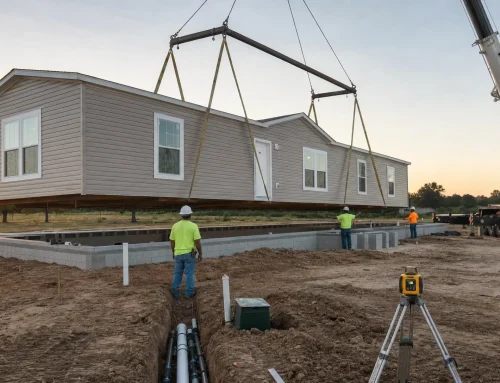
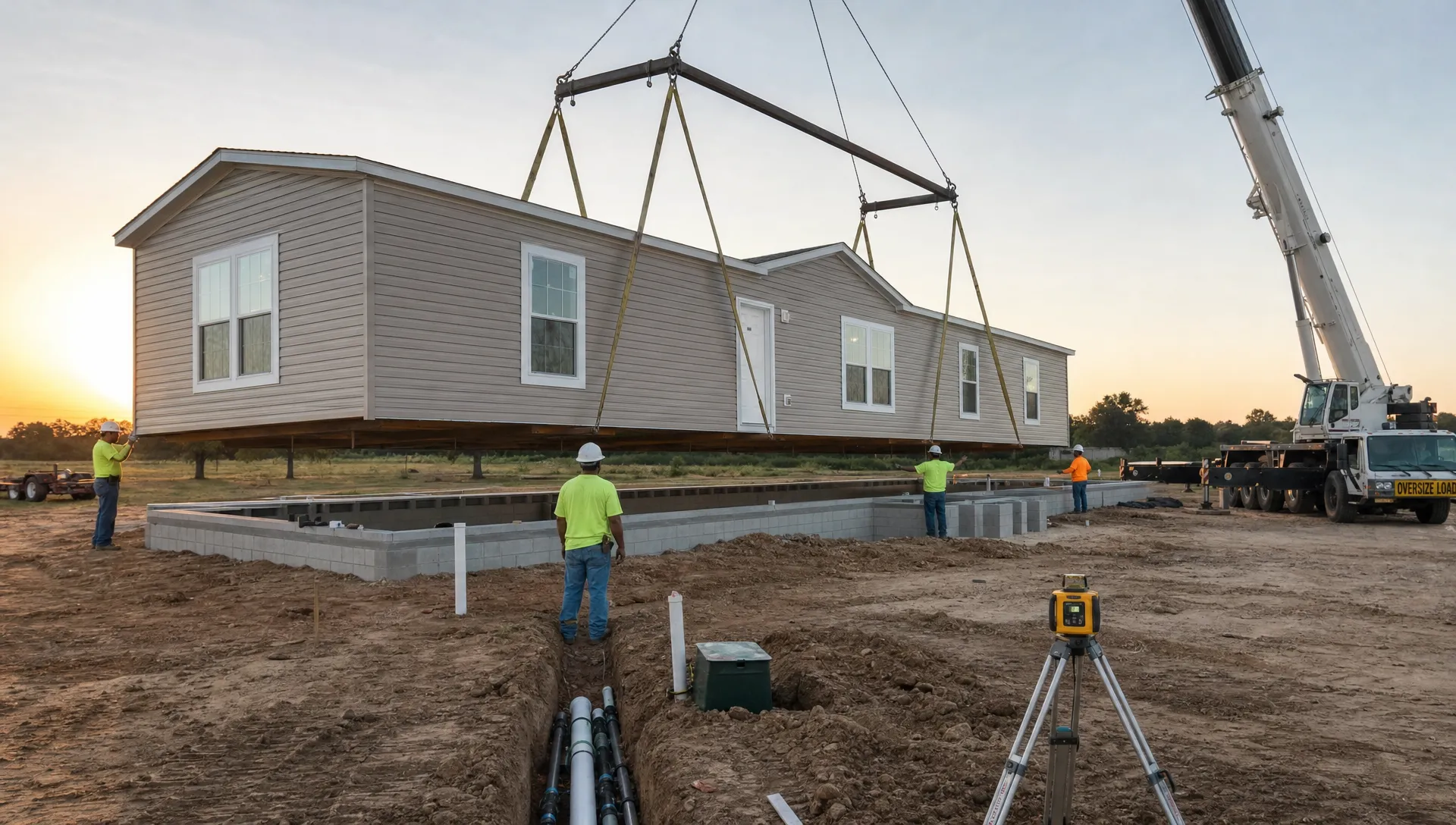
| Delivery and setup items | May involve retailer, transporter, or installer responsibilities | Who handles transport damage, leveling, tie-downs, skirting, and utility connections |
The most important phrase is covered defect. A door that never latched correctly because of a factory issue may be treated differently than a door that sticks months later because the home has settled, the site drainage is poor, or the home needs leveling.

What is usually not covered
A limited warranty protects against specific problems, not every possible repair. While the exact exclusions depend on your documents, manufactured home warranties commonly exclude several categories of issues.
Common exclusions may include:
- Normal wear and tear from daily use
- Damage caused by neglect, misuse, or lack of maintenance
- Cosmetic issues not documented during the delivery or move-in inspection
- Damage from storms, hail, flooding, lightning, freezing, or high winds
- Pest damage, including rodents, termites, or insects
- Problems caused by improper site preparation, drainage, foundation work, or utility hookups
- Unauthorized repairs, remodels, or alterations
- Appliances or equipment covered by separate third-party warranties
- Damage caused by moving the home after original installation
This is where many warranty misunderstandings happen. For example, a roof leak caused by a covered factory defect may be handled differently than roof damage caused by hail. A plumbing leak inside the factory-built portion of the home may be handled differently than a leak at a site utility connection. Cracks caused by transport, installation, or settling may depend on who performed the work and what the inspection documents show.
That is why your purchase file should clearly separate the manufacturer warranty, retailer responsibilities, installer responsibilities, appliance warranties, and insurance coverage.
Clayton warranty vs. appliance warranties vs. home insurance
A new manufactured home can involve several layers of protection. They often overlap in the buyer’s mind, but they are not the same.
| Protection type | What it is for | Example |
|---|---|---|
| Manufacturer limited warranty | Covered defects in the home’s factory construction or covered factory-installed components | A covered cabinet, door, plumbing, or electrical defect tied to workmanship |
| Appliance warranty | Separate coverage from the appliance maker | Refrigerator, range, dishwasher, or water heater service under brand warranty |
| Installer or setup responsibility | Issues related to transportation, blocking, leveling, anchoring, utility connections, or setup | A home that needs re-leveling after installation, depending on cause and contract |
| Homeowners insurance | Sudden losses from covered events | Hail, fire, theft, wind, or certain water damage, depending on policy |
| Service contract | Optional paid protection, if offered | Added coverage for certain repairs after the main warranty period |
Do not assume home insurance will cover a construction defect, and do not assume a manufacturer warranty will cover storm damage. In San Antonio and South Texas, hail, wind, heavy rain, heat, and drainage issues can all create problems that may fall outside a standard manufacturer warranty.
If you are comparing homes, it is smart to review warranties alongside monthly payment, energy efficiency, and site costs. For more on comfort and operating costs in local weather, read our guide to energy-efficient manufactured homes in Texas heat.
What San Antonio buyers should pay close attention to
A warranty is only as useful as the installation, documentation, and maintenance behind it. In the San Antonio area, local conditions can affect how a manufactured home performs over time.
Heat is the obvious one. Long cooling seasons can put extra demand on HVAC systems, ductwork, insulation, windows, and roof materials. If your home includes factory-installed HVAC equipment, ask whether the equipment has a separate warranty and what maintenance is required to keep that warranty active.
Drainage is another major issue. South Texas storms can expose low spots, poor grading, or water that runs under the home. If moisture sits beneath the home, it can lead to odor, soft spots, pests, mold concerns, or damage that may not be treated as a manufacturer defect.
Soil movement can also matter. Parts of Texas have expansive soils that shift with wet and dry cycles. If the home is not properly installed, leveled, and maintained, doors, windows, trim, and floors may show movement. Whether that is a warranty issue depends on the cause.
Finally, check community rules if the home will be placed in a manufactured home community. Some communities have requirements for skirting, steps, decks, exterior appearance, utility connections, and approved contractors. A community rule violation is not the same as a manufacturer warranty claim.
The Texas Department of Housing and Community Affairs Manufactured Housing Division is the official state resource for manufactured housing regulation, licensing, installation, and related consumer information in Texas.
What to ask before you buy a Clayton manufactured home
Before you sign, ask for the warranty terms in writing. A verbal explanation is helpful, but it should never replace the actual warranty packet.
Good questions include:
- What is the exact length of the manufacturer limited warranty?
- When does the warranty period start?
- What is covered by Clayton, and what is covered by separate manufacturers?
- Are appliances registered automatically, or does the buyer need to register them?
- Is there any extended structural coverage on this specific home?
- What cosmetic items must be listed before move-in?
- Who handles transport damage, setup issues, leveling, and anchoring?
- What maintenance is required to keep coverage valid?
- How do I file a claim, and what documentation is required?
- Is the warranty transferable if I sell the home?
If the home is part of a land-home purchase, also ask which items are outside the home warranty. Driveways, septic systems, utility trenching, grading, decks, porches, and site-built additions may involve different contractors and different warranties. Our land and manufactured home packages guide explains how scope, timeline, and responsibility can vary.
Do a careful walkthrough before move-in
Your pre-delivery or move-in walkthrough is one of the best ways to protect yourself. This is when you should document visible defects, cosmetic concerns, missing parts, damaged materials, appliance issues, and anything that does not work correctly.
Bring a phone or camera, take clear photos, and keep a written punch list. Test windows, doors, lights, outlets, faucets, toilets, appliances, cabinet doors, locks, and HVAC operation. Look at flooring seams, wall panels, trim, countertops, tubs, showers, and exterior siding. If something looks damaged from transport or setup, document it immediately.
This is especially important for cosmetic items. Many warranties treat visible cosmetic damage differently after the home has been accepted and occupied. A scratch, dent, chipped cabinet, torn flooring section, or damaged countertop is easier to address when documented before move-in.
Do not feel rushed. A manufactured home is a major purchase, and a careful walkthrough can save weeks of frustration later.
How to file a warranty claim the right way
If a problem appears after move-in, start with the process listed in your warranty documents. In many cases, you will need to contact the retailer, manufacturer warranty department, installer, or appliance manufacturer, depending on the issue.
A smart claim file should include the purchase documents, warranty packet, model and serial information, photos, dates, a written description of the issue, and copies of any emails or service requests. If the problem is active, such as a leak, document it quickly and ask what immediate steps are allowed to prevent further damage without affecting the claim.
Avoid making unauthorized repairs before the responsible party has a chance to inspect, unless there is an emergency or a safety issue. Even then, keep receipts and photos. Warranty claims can become harder to resolve when the original condition is changed before it is reviewed.
Also, report issues promptly. Waiting too long can create disputes over whether the problem was a covered defect, a maintenance issue, or damage that worsened because it was not addressed.
How to keep your warranty from becoming a dispute
Many warranty disputes come from unclear responsibility. A buyer may think the manufacturer should fix something, while the manufacturer may point to installation, maintenance, site conditions, or a third-party product warranty. You can reduce that risk by keeping everything organized from day one.
Keep these documents in one folder:
- Purchase agreement and closing documents
- Clayton warranty packet for your specific home
- Appliance and equipment warranty booklets
- Delivery and installation records
- Walkthrough checklist and photos
- Site preparation and utility connection paperwork
- Maintenance receipts and service records
- Insurance policy and claim information
Routine maintenance matters. Change HVAC filters, keep vents clear, maintain proper drainage around the home, check skirting and ventilation, watch for roof or siding damage after storms, and address plumbing leaks quickly. A warranty can protect you from certain defects, but it will not replace homeowner maintenance.
For buyers still learning the process, our mobile homes in San Antonio buyer guide explains key decisions such as communities, private land, financing, permits, and site readiness.
What about used Clayton mobile homes?
A pre-owned Clayton home may have little or no remaining manufacturer warranty. If the original warranty period has expired, the home may be sold as-is unless the seller, retailer, or a third-party service contract provides written coverage.
This does not mean a used Clayton home is a bad choice. It simply means you should inspect it differently. Ask for the age of the home, prior repair records, installation history, roof condition, HVAC age, appliance condition, title documents, and whether the home has ever been moved. If possible, use a qualified inspector familiar with manufactured housing.
For used homes, the most important protection is often due diligence before purchase, not warranty coverage after purchase.
Bottom line: read the warranty before you rely on it
A Clayton mobile home warranty can be a valuable protection for a new manufactured home buyer, especially when it covers factory-related defects during the early ownership period. But the details matter. Coverage depends on the written warranty, the home model, the purchase terms, the installation, the site, and how the home is maintained.
Before you buy, ask for the warranty packet, identify who is responsible for each part of the home, document the walkthrough, and keep every service record. That extra effort can make the difference between a smooth warranty repair and a frustrating back-and-forth.
Frequently Asked Questions
Does a Clayton mobile home warranty cover everything for the first year? No. A limited warranty usually covers specific defects in materials or workmanship, subject to written terms and exclusions. It does not cover every repair, normal wear, storm damage, owner-caused damage, or issues caused by poor maintenance or site conditions.
Are appliances covered by the Clayton warranty? Appliances are often covered by separate warranties from the appliance manufacturer. Ask whether each appliance must be registered, how long coverage lasts, and who to contact for service.
Does the warranty cover installation problems? Not always. Installation, leveling, anchoring, utility connections, skirting, steps, and site preparation may involve the retailer, installer, contractor, or landowner. Ask for written clarification before closing.
Is a used Clayton manufactured home still under warranty? Maybe, but often not. Many used homes are beyond the original warranty period or sold as-is. Ask for written proof of any remaining coverage or service contract.
Can I lose warranty coverage if I remodel the home? Unauthorized alterations can create warranty issues, especially if the change affects plumbing, electrical, structure, HVAC, roofing, or moisture control. Review the warranty and ask before making major changes.
What should I do if I find a defect after move-in? Document the issue with photos and dates, review your warranty instructions, contact the correct party promptly, and keep written records. Avoid unauthorized repairs before inspection unless immediate action is needed for safety or to prevent further damage.
Compare homes, warranties, and financing with local guidance
Buying a manufactured home is easier when you understand the floor plan, warranty, financing, land or community fit, and long-term costs before you commit. Homes2Go San Antonio helps buyers compare affordable manufactured home options, review important details, and connect with flexible financing resources.
If you are shopping for a new home in the San Antonio area, visit Homes2Go San Antonio to explore available options and get guidance before your next step.
 What to Look for in an MH Community Before You Move
 FHA Mobile Home Requirements Buyers Should Know