
Searching for a trailer house price in Texas can feel simple at first, until you realize that the number on a listing rarely tells the whole story. One buyer may be looking at a used single-section home in a community. Another may be pricing a new double-wide on private land with utilities, a driveway, skirting, steps, and financing. Both may use the same phrase, trailer house, but the budgets can be very different.
In Texas, most people who say trailer house are really shopping for a manufactured home. These homes are built in a factory to federal HUD Code standards, then transported and installed on a homesite or in a manufactured home community. If you want a clearer explanation of the terminology, Homes2Go has a helpful guide on what a trailer house means today.
The short answer is this: a realistic trailer house price in Texas depends on the home itself, where it is going, how it will be installed, and how you plan to finance it. In 2026, buyers should treat any advertised price as a starting point, not a final move-in budget.
Quick answer: what is a typical trailer house price in Texas?
As a broad planning range, many new single-section manufactured homes in Texas may be advertised from the $60,000s to $120,000 plus, while many new double-wide homes may range from the low $100,000s to $250,000 plus before land, site work, taxes, insurance, and financing costs. Larger homes, upgraded finishes, land-home packages, rural utility work, and premium communities can push the total higher.
Used homes can cost less upfront, but they may need repairs, relocation, re-leveling, new skirting, HVAC work, plumbing updates, roof repairs, or inspection items. A low purchase price does not always mean a low total cost.
The best way to compare prices is to separate the home price from the full project cost.
| Cost layer | What it usually means | Why it matters |
|---|---|---|
| Advertised home price | The home model, often before delivery and setup | Useful for comparing floor plans, but incomplete |
| Delivered and installed price | Home plus transportation, setup, tie-downs, trim-out, and related work | Closer to the real purchase cost |
| Move-in ready budget | Home, installation, site prep, utilities, steps, skirting, permits, insurance, and other requirements | The number buyers should use for affordability |
| Total monthly cost | Loan payment plus lot rent or land costs, utilities, insurance, taxes, and maintenance | The most important number for long-term comfort |
1. Size and floor plan have the biggest impact
The biggest driver of trailer house price in Texas is the home size. A smaller single-section home generally costs less than a multi-section home because it uses fewer materials, is easier to transport, and requires less installation work.
A double-wide usually costs more because it is built in two sections, delivered in multiple pieces, joined onsite, and finished after installation. You are also paying for more square footage, more roof area, more flooring, more cabinetry, more exterior materials, and often more bathrooms or bedrooms.
Floor plan complexity also matters. A simple three-bedroom, two-bath layout can price very differently from a home with a large kitchen island, walk-in closets, a den, a utility room, a glamour bath, or a more open living area. If you are mainly comparing multi-section homes, this breakdown of double wide trailer prices goes deeper into the specific cost factors.
2. New vs. used changes both price and risk
A new manufactured home usually has a higher purchase price, but buyers often value the warranty coverage, modern layouts, energy-efficient design, updated appliances, and fewer immediate repair concerns. New homes can also be easier to customize with colors, finishes, flooring, cabinets, and fixtures depending on the model and availability.
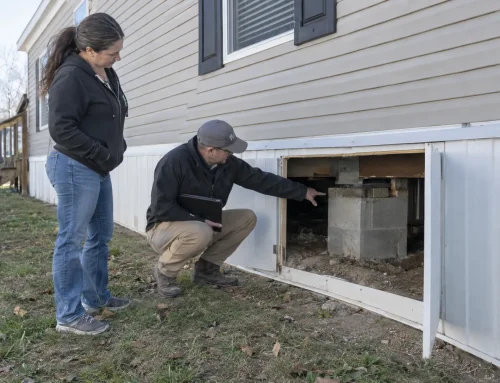
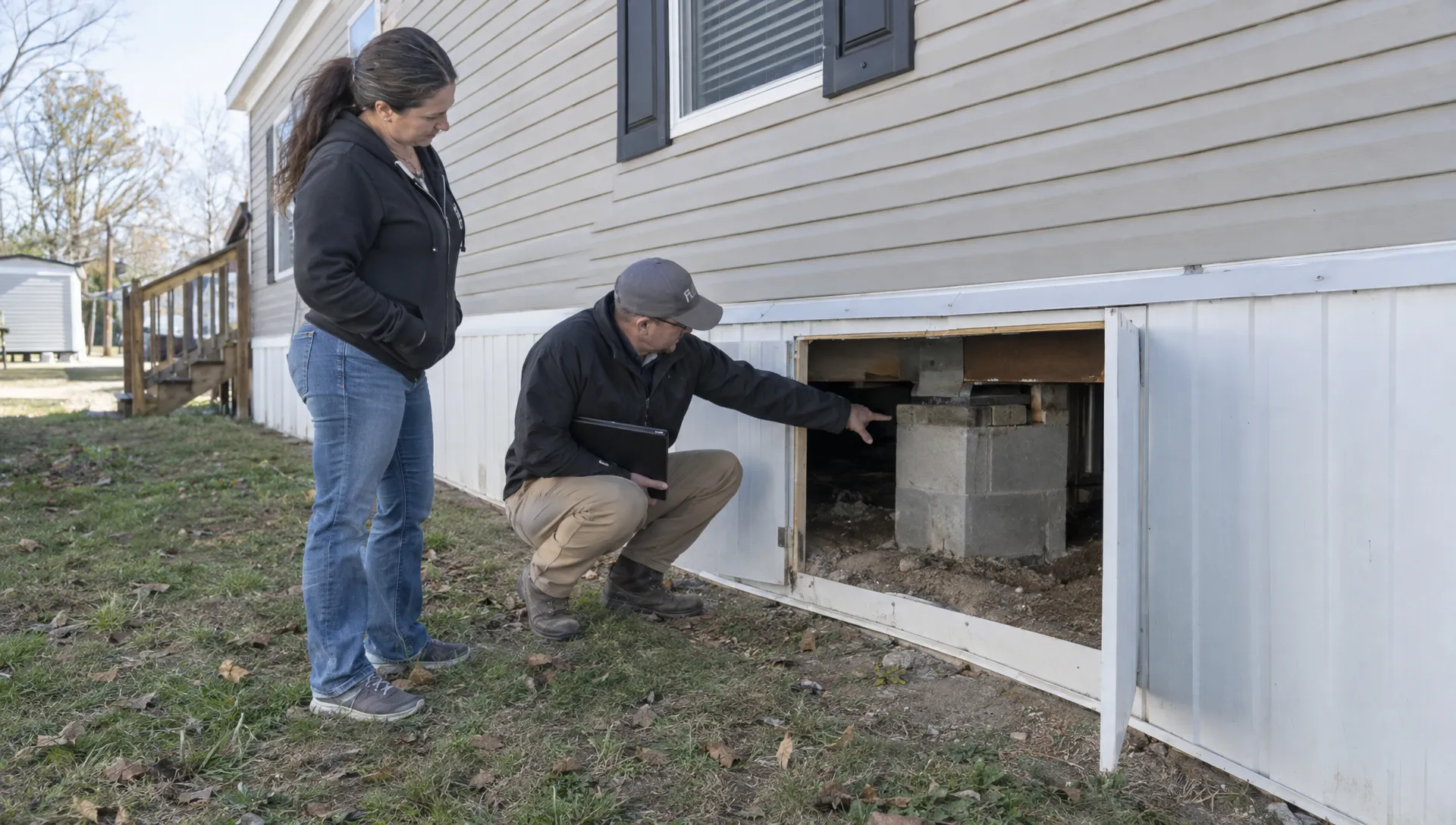
A used trailer house may look attractive because of the lower price, especially if it is already in a community and does not need to be moved. However, the condition of the roof, subfloor, plumbing, electrical system, HVAC, windows, tie-downs, skirting, and foundation support can change the real cost quickly.
For used homes, buyers should pay close attention to documentation, age, HUD labels, title or ownership records, liens, community approval, and whether the home can legally stay where it is. An inspection is especially important if the home is older or has been moved before.
3. Location in Texas affects delivery, permits, and labor
Texas is a large state, and location matters. A home delivered near San Antonio may have a different transportation cost than a home delivered to a rural ranch, a remote county road, or a tight urban lot.
Delivery costs can increase when the route requires special permits, escort vehicles, bridge restrictions, utility coordination, tree trimming, or difficult access. A site with a narrow driveway, steep grade, soft soil, tight turns, or limited equipment access can also cost more to prepare and install.
Local rules matter too. City, county, subdivision, and community requirements can affect where a manufactured home may be placed, what foundation is required, what permits are needed, and whether skirting, steps, decks, or utility upgrades must meet specific standards.
4. Delivery and setup are not small details
A manufactured home is not complete when it leaves the factory. It must be transported, positioned, leveled, secured, connected, and finished properly. These steps are a major part of the final price.
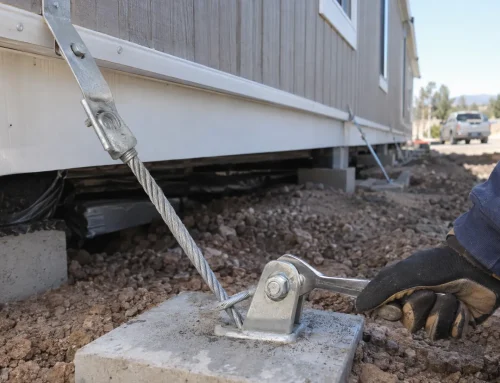
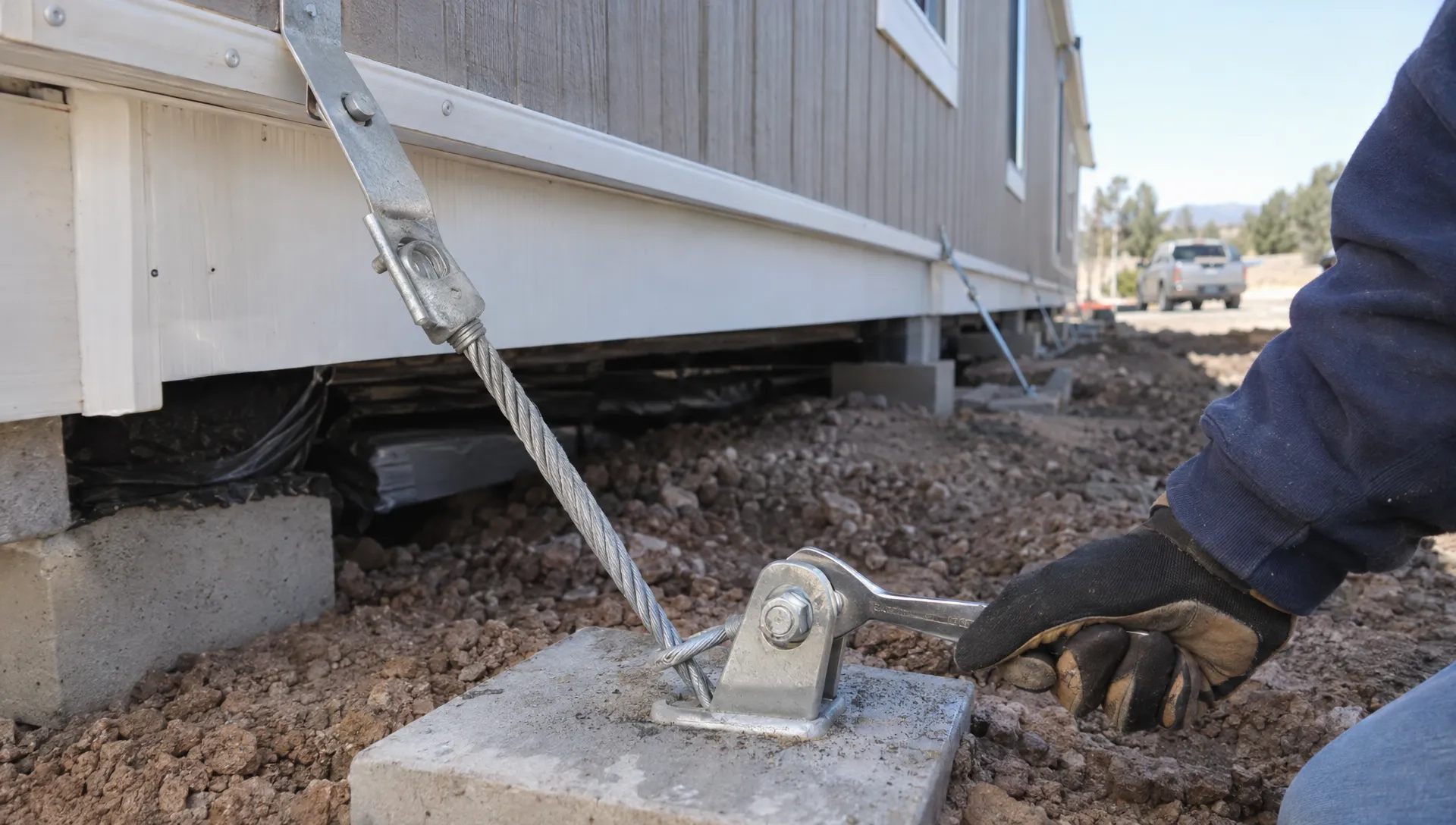
Setup costs can include blocking and leveling, anchoring or tie-down systems, connecting the home sections, completing interior and exterior trim-out, installing skirting, setting steps, connecting utilities, and making sure the home is ready for inspection or occupancy requirements.
The cheapest quote is not always the safest quote. A poorly installed home can create long-term problems such as uneven floors, doors that do not close correctly, roofline stress, plumbing issues, water intrusion, or failed inspections. In a state with high heat, storms, expansive soils, and regional wind considerations, proper installation is part of protecting your investment.
5. Site preparation can change the budget dramatically
Site work is one of the most overlooked parts of a trailer house budget. If a home is going into an established manufactured home community, much of the infrastructure may already exist. If the home is going onto private land, the buyer may need to budget for much more.
Common site-related costs can include grading, pad preparation, drainage work, a driveway, culverts, utility trenching, electrical service, water connections, septic systems, propane, surveys, soil considerations, and tree clearing. In some areas, floodplain reviews or special foundation requirements may also apply.
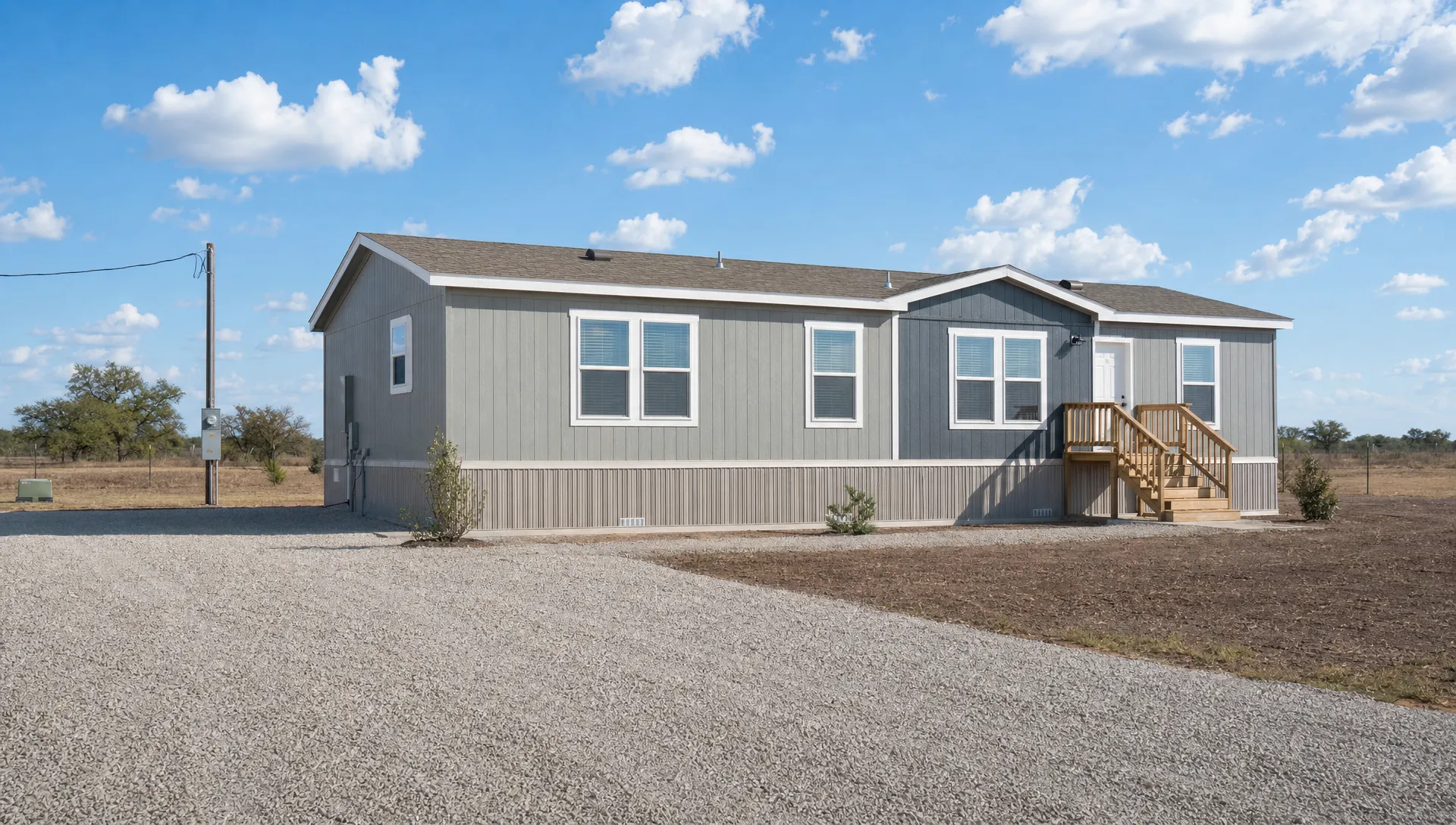
A private land setup can be a great path to homeownership, but it requires a wider budget conversation than simply choosing a floor plan. Buyers should ask early whether the quote includes site prep or whether those costs are separate.
6. Land, lot rent, or community placement affects the true cost
A trailer house price in Texas is not only about the home. You also need a place to put it.
If you already own suitable land, your budget may focus on the home, site improvements, utilities, permits, and installation. If you are buying land and a home together, your budget may include land price, closing costs, utility development, and a different financing structure.
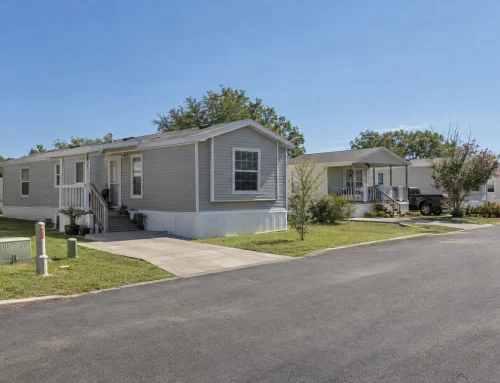
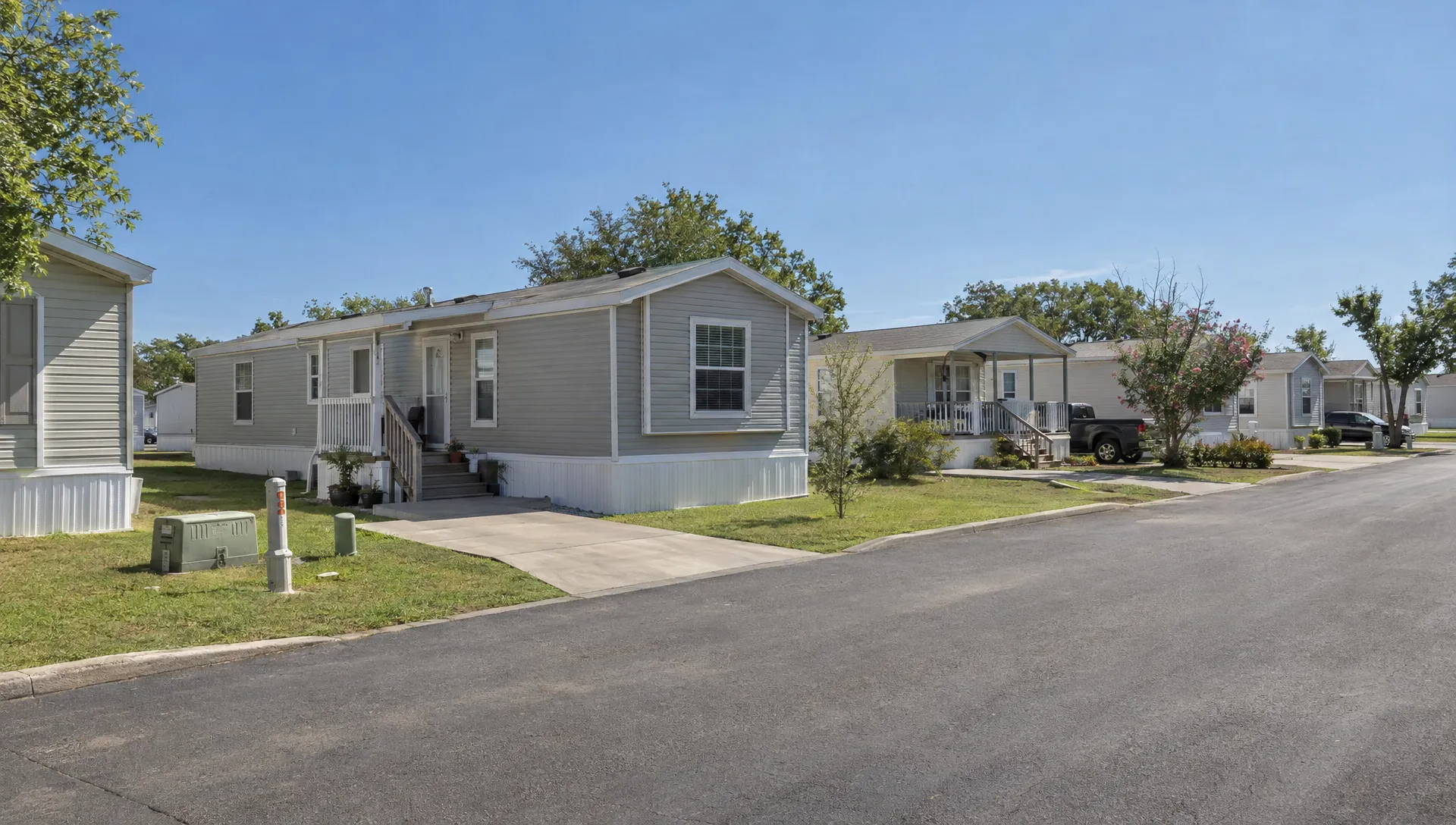
If you place the home in a manufactured home community, you may pay lot rent each month instead of buying land. Lot rent can make the upfront cost more manageable, but it becomes part of your ongoing housing expense. Buyers should ask what is included, such as trash, amenities, lawn rules, parking, utility billing, pet policies, and community fees.
The right choice depends on your goals. Community living may offer convenience and access to existing infrastructure. Private land may offer more control and long-term flexibility, but usually requires more upfront planning.
7. Features, finishes, and energy efficiency influence the final price
Two homes with similar square footage can have very different prices. Finishes and features make a major difference.
Cabinet quality, countertops, flooring, roof pitch, exterior siding, insulation, windows, appliances, bathroom fixtures, ceiling height, lighting, and built-in storage can all affect the final cost. Energy-efficient designs may cost more upfront in some cases, but they can improve comfort and may help reduce monthly utility costs over time.
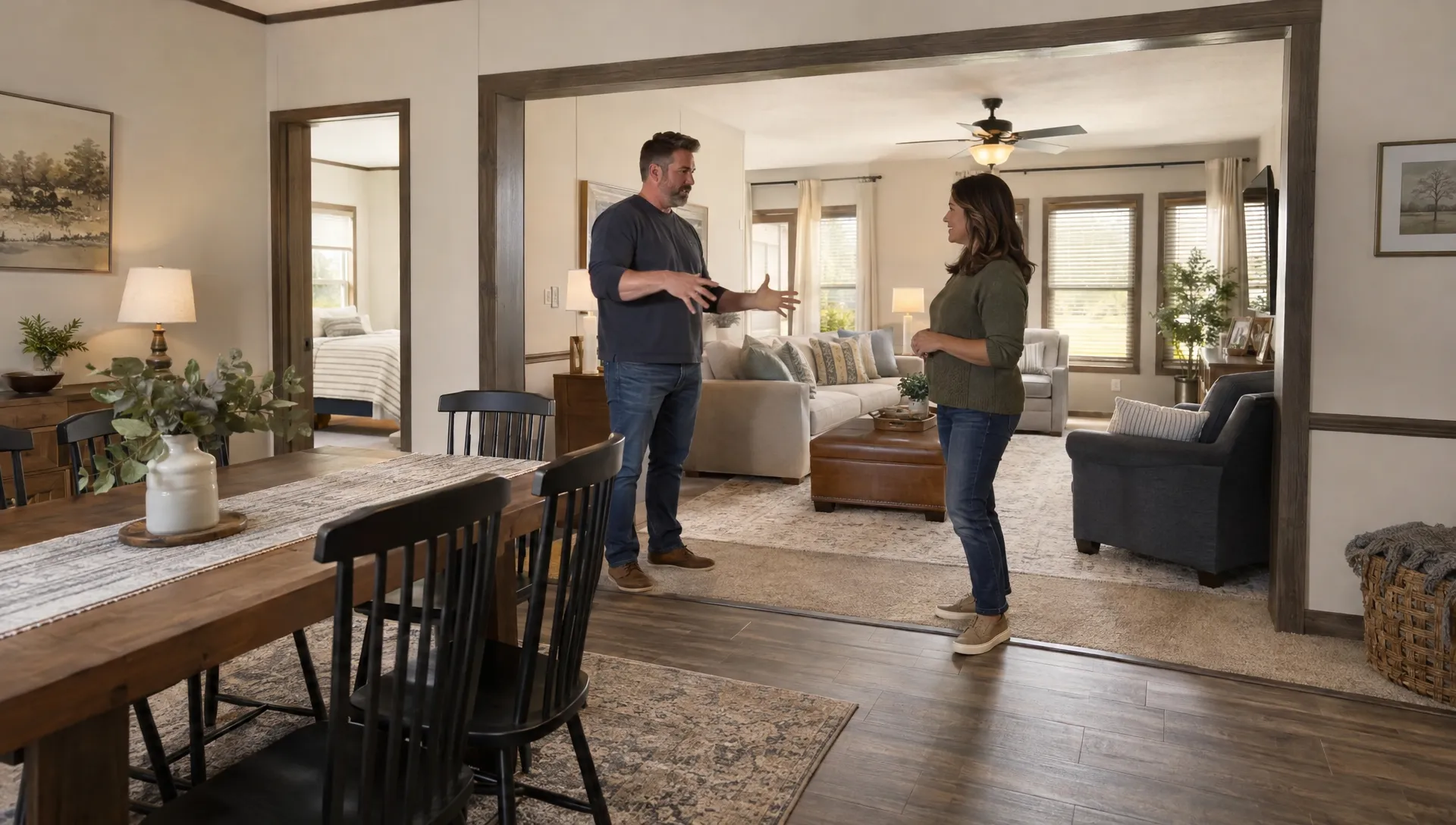
Modern manufactured homes often offer open layouts, large kitchens, attractive bathrooms, and practical storage. The key is deciding which upgrades improve daily life and which ones are nice but not necessary for your budget.
8. Financing changes the monthly cost, not just the approval
Many Texas buyers focus on the purchase price first, but financing can change affordability just as much. Your monthly payment depends on the loan amount, down payment, interest rate, loan term, credit profile, insurance, taxes, and whether the home is financed as personal property or real property.
Manufactured home financing can differ from traditional site-built home financing, especially if the home is in a community and the buyer does not own the land. Some buyers use chattel financing for the home itself. Others use a land-home structure when the home and land are financed together.
A lower price with a higher interest rate can sometimes cost more per month than a slightly higher price with better financing terms. That is why it is smart to compare total monthly payment, not just the sticker price.
9. Insurance, taxes, utilities, and maintenance should be in the budget
A realistic budget includes recurring costs after closing or move-in. These may include insurance, property taxes or personal property taxes depending on how the home is titled, utility bills, lot rent if applicable, community fees, maintenance, and repairs.
Insurance pricing can vary based on location, age of the home, replacement value, storm risk, tie-downs, roof condition, and coverage level. Utility costs can vary based on insulation, HVAC efficiency, home size, shade, and local rates.
Maintenance should not be ignored. Skirting, roof sealants, plumbing, HVAC service, leveling checks, gutters, drainage, and pest prevention all affect long-term comfort and cost.
10. Alternative structures are a different comparison
Some Texas property owners compare manufactured homes with other factory-built or modular structures, especially for ranch land, rentals, storage, workshops, or accessory space. For example, someone planning a rural property may research shipping containers for sale with nationwide delivery while also exploring manufactured homes.
That comparison can be useful, but these are different categories. A HUD-code manufactured home is designed and regulated as a dwelling. A shipping container build, tiny home, or modular accessory structure may involve different permitting, insulation, foundation, plumbing, electrical, zoning, and financing requirements. Before choosing based only on price, compare the full path to legal occupancy and everyday livability.
How to compare trailer house quotes in Texas
The best quote is itemized, specific, and easy to understand. If one quote is much lower than another, it may be missing important costs.
Ask each seller or dealer these questions before comparing numbers:
- Does the price include delivery, setup, tie-downs, trim-out, skirting, steps, and HVAC?
- What site preparation is included, and what is the buyer responsible for?
- Are utility connections, permits, inspections, and titling fees included or separate?
- Is the home new or used, and what warranties or condition disclosures apply?
- Does the monthly estimate include insurance, taxes, land payment, or lot rent?
- What financing options are available, and what down payment is required?
A clear answer to these questions helps you avoid surprises and compare homes fairly. It also helps you decide whether a lower-priced home is truly affordable after setup and monthly costs are included.
A practical Texas budgeting example
Here is a simple way to think about the full cost, without relying on one-size-fits-all pricing.
| Budget category | Lower-cost scenario | Higher-cost scenario |
|---|---|---|
| Home type | Smaller single-section home | Larger double-wide or upgraded model |
| Placement | Existing community lot | Raw or rural private land |
| Site work | Minimal preparation needed | Grading, septic, driveway, utility extensions |
| Delivery | Shorter route with easy access | Long route, rural access, special logistics |
| Finishes | Standard finishes | Upgraded kitchen, bath, flooring, and exterior |
| Financing | Strong credit, larger down payment | Smaller down payment, higher rate, added fees |
This is why two buyers can choose homes with similar advertised prices and end up with very different final budgets. The details around land, installation, utilities, and financing often decide the real cost.
Frequently Asked Questions
What is the average trailer house price in Texas? There is no single average that fits every buyer. As a planning range, new single-section homes are often advertised from the $60,000s to $120,000 plus, while many double-wide homes may range from the low $100,000s to $250,000 plus before land, site work, delivery, taxes, insurance, and financing. Always request an itemized quote for your location.
Does the advertised trailer house price include land? Usually not. Many advertised prices are for the home only or the home with limited included items. Land, lot rent, site prep, utilities, permits, taxes, and insurance may be separate. Always ask whether the price is home only, delivered and installed, or move-in ready.
Is a used trailer house cheaper than a new manufactured home? It can be cheaper upfront, but not always cheaper overall. A used home may need repairs, relocation, leveling, skirting, HVAC service, roof work, or utility updates. Condition, age, paperwork, and inspection results matter.
Why do double-wide trailer homes cost more? Double-wide homes are larger and are delivered in multiple sections. They require more materials, more transportation coordination, more setup work, and more onsite finishing. They also often include more bedrooms, bathrooms, storage, and upgraded living space.
What is the biggest hidden cost when buying a trailer house in Texas? Site preparation is often the biggest surprise, especially on private land. Driveways, grading, utility connections, septic systems, electrical service, permits, and drainage can add significantly to the budget.
Get a clearer price before you choose a home
The right trailer house price in Texas is the one that matches your home needs, land or community plan, financing options, and move-in budget. A low advertised number is not enough. You need a full picture of the home, setup, location, and monthly cost.
If you are shopping in the San Antonio area, Homes2Go San Antonio can help you compare manufactured home models, review floor plans, explore flexible financing options, and understand what affects your total cost before you commit.
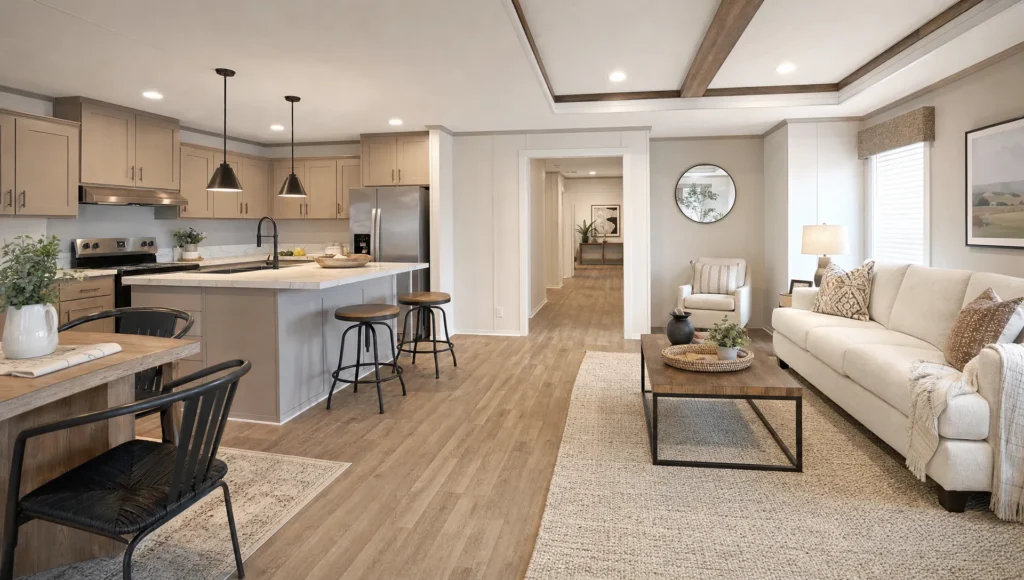 Trendy Mobile Home Interiors That Still Age Well
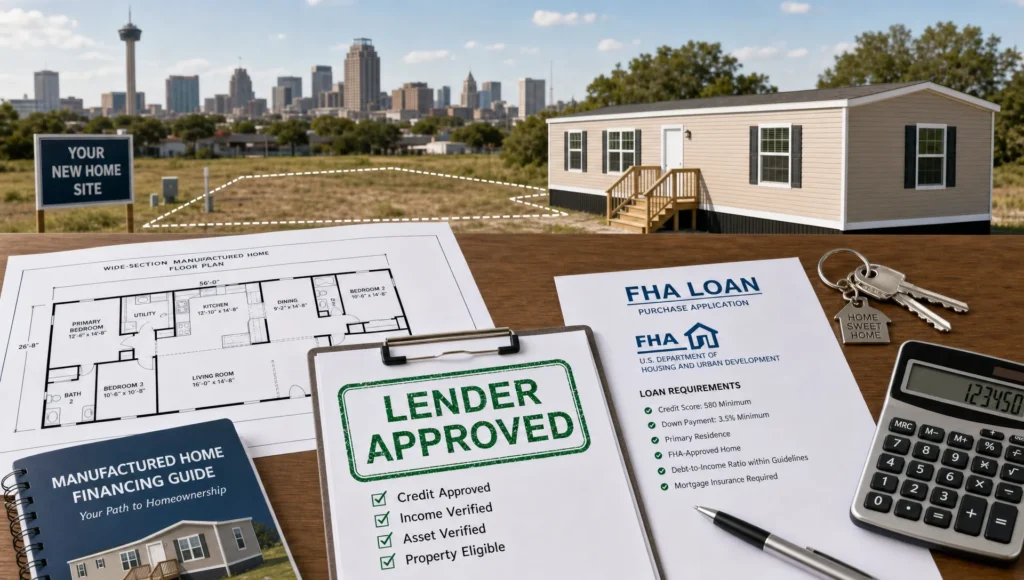 FHA Single Wide Mobile Home Loans: Key Requirements