
For many San Antonio buyers, the 2026 housing question is simple: Can a manufactured home get me into a comfortable, modern home for less than a traditional house? In many cases, yes. But the smartest comparison is not just the advertised home price. It is the total cost to buy, place, finance, insure, maintain, and live in the home.
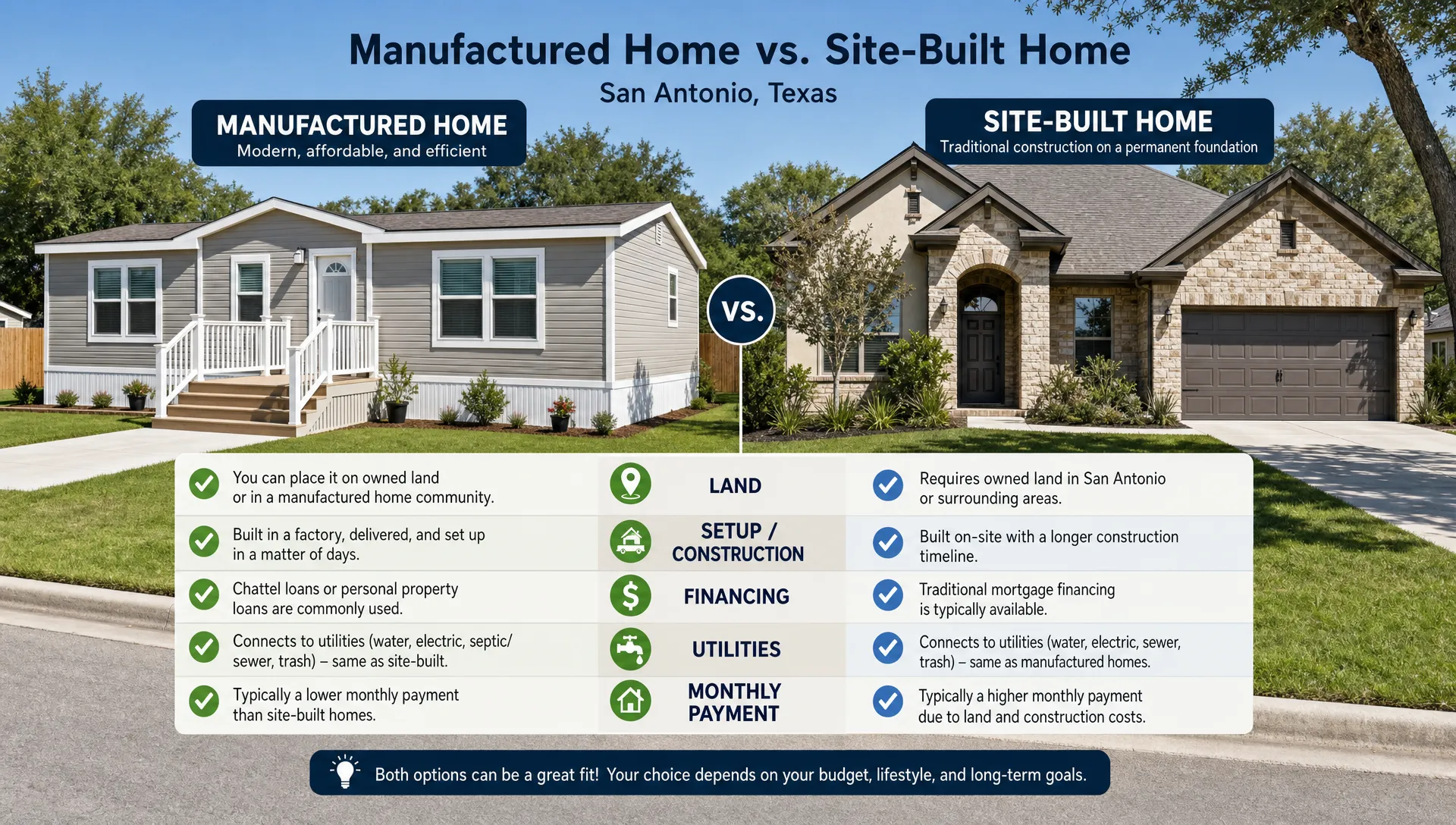
Manufactured homes often start with a lower structure cost because they are built in a factory-controlled environment. Traditional site-built homes usually cost more because they involve on-site labor, longer timelines, land development, and local construction variables. Still, land, setup, financing type, community fees, and upgrades can change the final math quickly.
This guide breaks down manufactured homes vs traditional cost in 2026 so you can compare both options fairly, especially if you are buying in or around San Antonio.
The short answer: manufactured homes usually lower the entry cost
A manufactured home is typically less expensive than a comparable traditional site-built home because the building process is more efficient. The home is constructed in a factory, transported to the site, and installed according to applicable requirements. Traditional homes are built piece by piece on the property, which can mean more labor, weather delays, subcontractor scheduling, and material waste.
The U.S. Census Bureau Manufactured Housing Survey tracks manufactured housing shipments and prices, while Census new home data tracks site-built new home sales separately. These datasets are not an apples-to-apples comparison because new site-built sales often include land, while manufactured home prices are frequently reported as home-only prices. That is why buyers should compare total move-in cost, not just the headline number.
In practical terms, manufactured homes tend to be strongest for buyers who want:
- A lower upfront home price
- More square footage for the budget
- A faster path to move-in readiness
- Modern floor plans without paying traditional new construction prices
- Flexibility to live in a land-lease community or on private land
Traditional homes may be stronger for buyers who prioritize bundled land ownership, conventional mortgage simplicity, neighborhood resale patterns, or extensive custom construction.
What counts as “cost” in a real comparison?
When buyers compare manufactured homes vs traditional cost, the biggest mistake is comparing one number from one option to a different type of number from the other.
A manufactured home listing may show the home price before land, delivery, foundation, utility connections, steps, skirting, permits, and other site-related items. A traditional home sale price usually includes the home and land together, though repairs, closing costs, taxes, insurance, HOA dues, and upgrades still matter.
For a fair 2026 comparison, look at five categories:
| Cost category | Manufactured home | Traditional site-built home | Why it matters |
|---|---|---|---|
| Home structure | Often lower because of factory-built efficiency | Usually higher due to on-site construction | This is where manufactured homes often have the clearest advantage |
| Land or lot | Can be leased in a community or purchased separately | Usually included in the purchase price | Land cost can narrow or widen the gap |
| Delivery and setup | Must be included in the full estimate | Usually already part of the built home | Missing setup costs can make a quote look artificially low |
| Financing | May use personal property or real estate financing, depending on land and title | Usually financed with a traditional mortgage | Loan type affects monthly payment and total interest |
| Taxes, insurance, and utilities | Vary by title, land, home size, and location | Vary by property value, location, and home condition | Monthly affordability depends on more than the purchase price |
If you want a deeper manufactured-home-only budget breakdown, Homes2Go’s guide to the cost of manufactured homes explains the kinds of expenses buyers should ask about before signing.
Why manufactured homes can cost less in 2026
Manufactured homes are built under the federal HUD Code, which sets construction and safety standards for manufactured housing. HUD explains that manufactured homes are built in a factory and transported to a site, unlike conventional site-built homes that are constructed on location. You can review the federal program through the HUD Manufactured Housing Program.
The cost advantage comes from several practical factors.
Factory construction helps reduce weather interruptions. Materials can be stored and handled in a controlled environment. Crews repeat proven construction processes. Manufacturers can often buy materials at scale. Floor plans are designed to be efficient to build and transport.
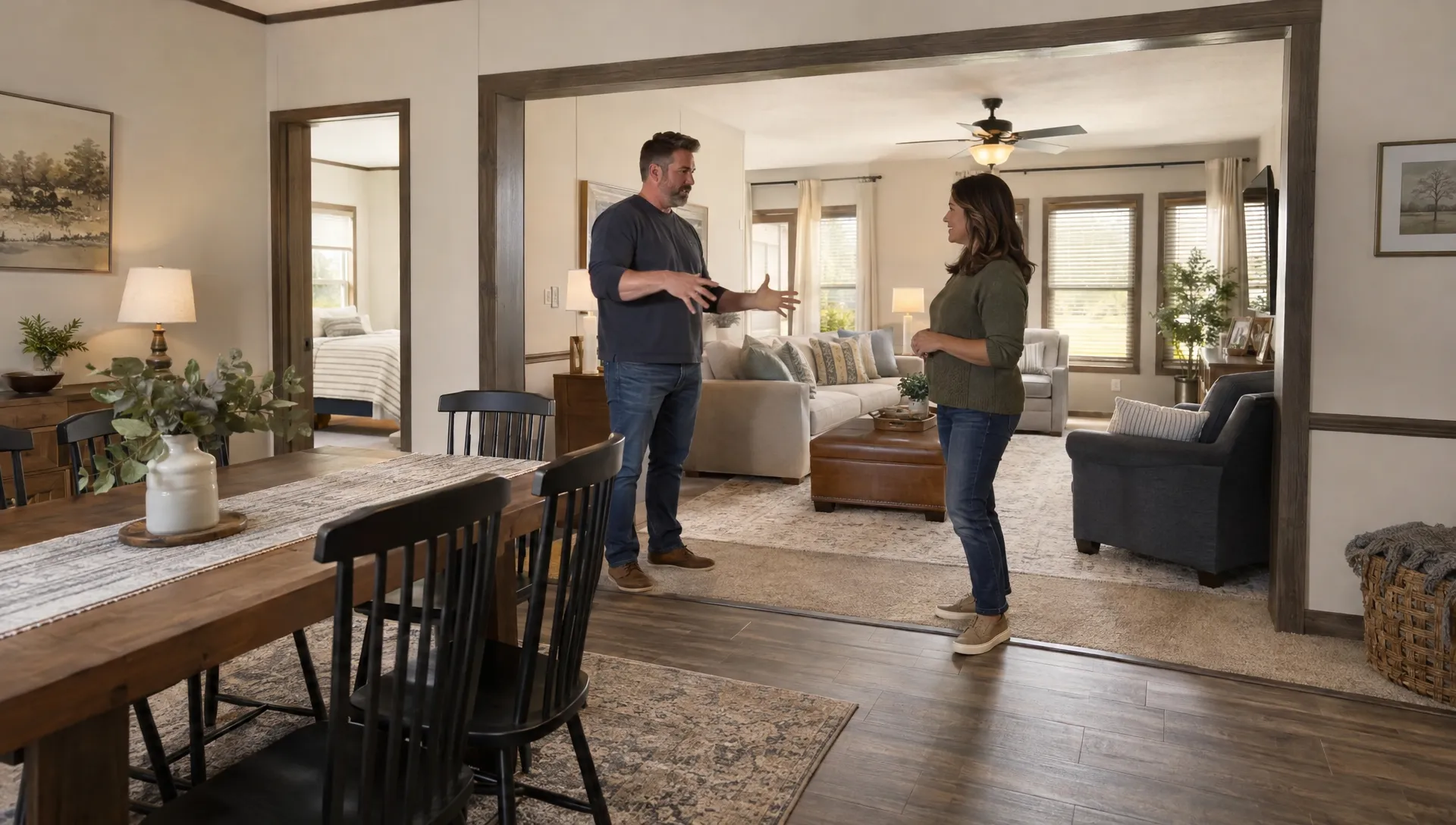
That does not mean manufactured homes are basic or outdated. Many 2026 models include open-concept layouts, energy-conscious features, modern kitchens, upgraded bathrooms, and flexible bedroom configurations. The key is choosing upgrades that improve daily living without turning an affordable home into an over-customized purchase.
For San Antonio buyers, this matters because affordability remains a major concern. A lower home structure cost may free up budget for land, community living, better insulation, a more comfortable layout, or a stronger emergency fund after move-in.
What you pay for with a traditional site-built home
Traditional homes usually cost more because the purchase includes more bundled components. In many cases, you are buying the structure, the land, the site improvements, the driveway, the permanent utility infrastructure, and the neighborhood location in one package.
That bundled structure can be convenient. Financing is often more familiar because the home and land are typically real property from the beginning. Appraisals and resale comparisons may be more straightforward in established neighborhoods. Buyers who want a specific school zone, a custom build on a particular lot, or a traditional subdivision may prefer this route.
But convenience comes at a price. Site-built homes are affected by labor availability, local permitting timelines, material costs, builder overhead, and land scarcity. A new traditional home can also include costs for options, lot premiums, design upgrades, landscaping, HOA fees, and closing expenses.
The important point is not that one option is always better. It is that traditional homes usually hide fewer setup costs in the early quote because those costs are already baked into a higher purchase price.
The manufactured home costs buyers should not overlook
Manufactured homes can be highly cost-effective, but only when the buyer understands the full project. A low home-only price does not automatically equal a low move-in cost.
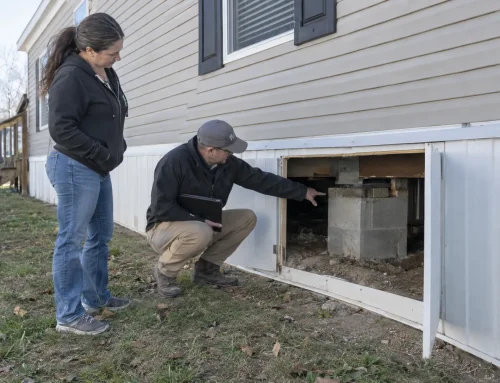
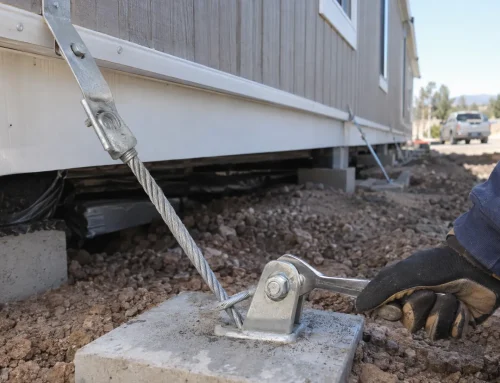
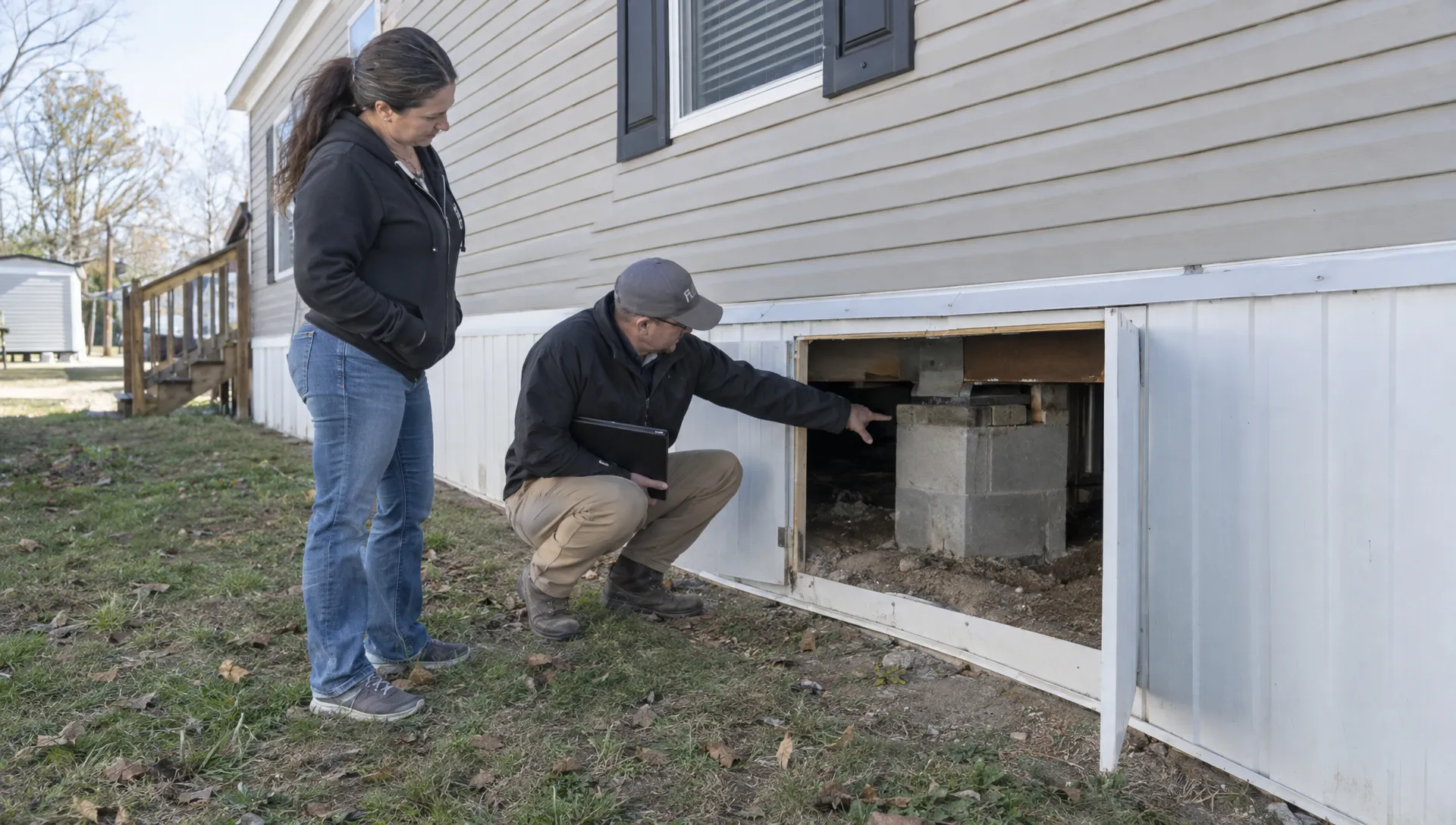
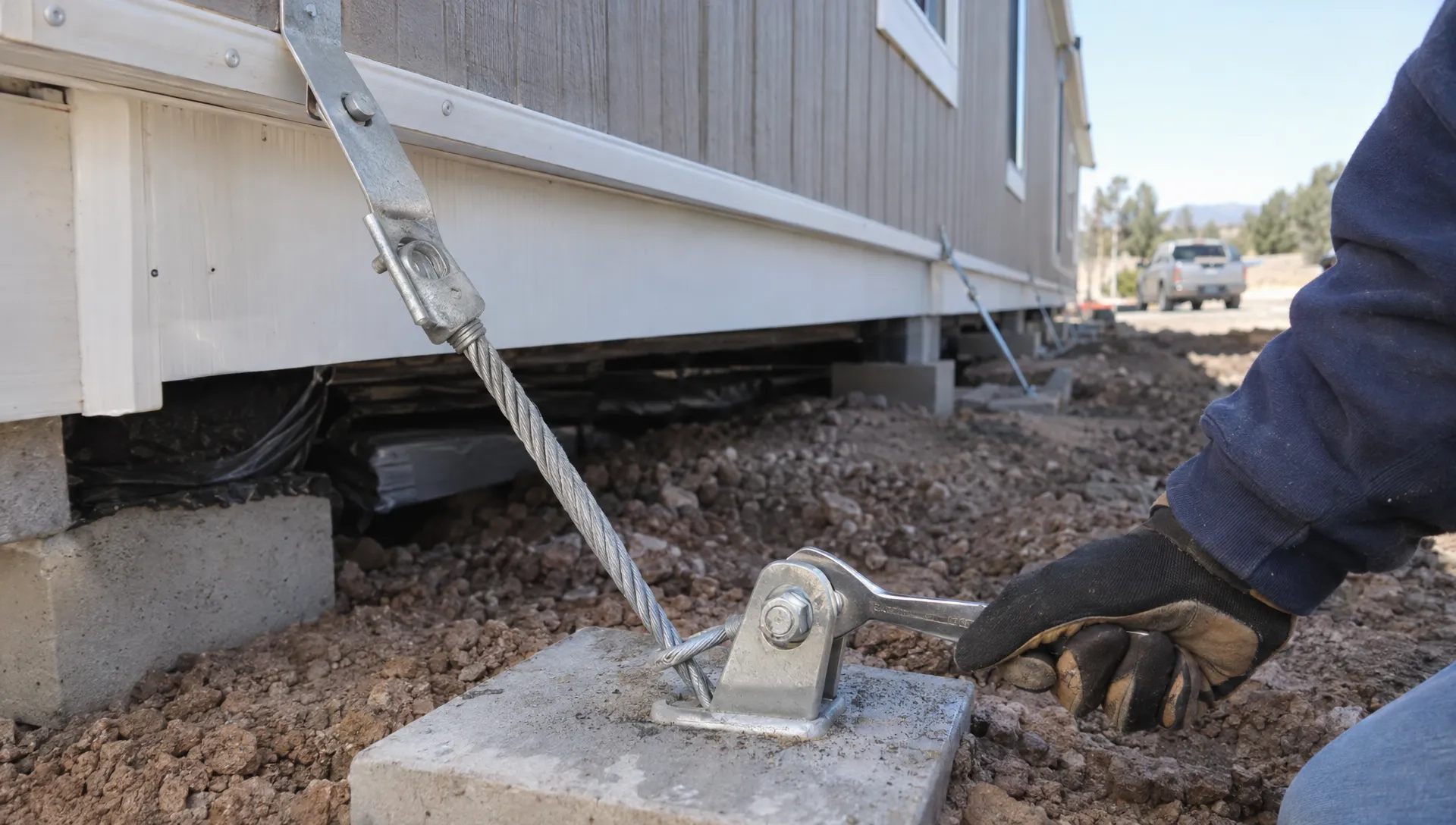
Common additional cost areas include delivery, installation, foundation or support system, utility hookups, septic or sewer connection, electrical service, water access, permits, skirting, steps, driveway work, land clearing, and optional upgrades. If the home is placed in a community, the buyer should also understand lot rent, community rules, included services, and any future fee adjustments.
This is where an itemized estimate becomes essential. Ask what is included, what is estimated, what is excluded, and what may vary based on the final site inspection. A transparent quote should make it easier to compare one manufactured home to another and to compare manufactured housing with traditional housing.
Monthly cost may matter more than purchase price
The lowest purchase price is not always the lowest monthly cost. A manufactured home with a lower financed amount may still include lot rent if it is placed in a land-lease community. A traditional home may have a higher mortgage but no separate lot rent. Taxes and insurance can also change the monthly picture.
A realistic monthly comparison should include:
- Principal and interest payment
- Lot rent or land payment, if separate
- Property taxes or personal property taxes, depending on how the home is titled
- Homeowners insurance or manufactured home insurance
- Utilities, including electricity, water, sewer, trash, and gas if applicable
- HOA or community fees
- Maintenance reserve
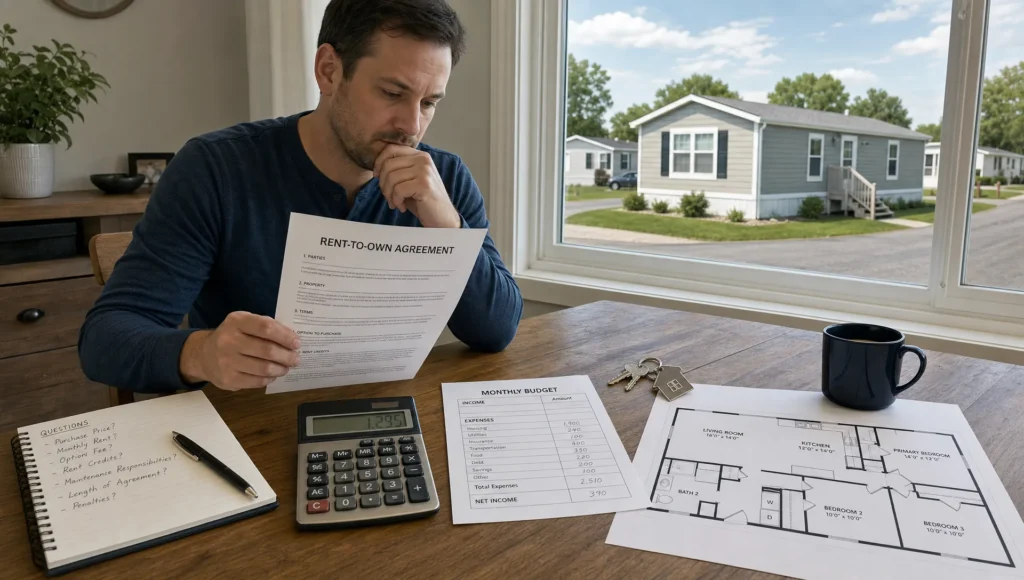
In 2026, financing terms remain one of the biggest variables. Interest rate, loan type, down payment, credit profile, home title, and land ownership can all affect what you pay over time. This is especially important for manufactured homes because financing may differ depending on whether the home is titled as personal property or real property.
Financing differences: manufactured vs traditional
Traditional site-built homes are usually financed with a mortgage secured by the home and land together. That makes the process familiar to many buyers, although approval still depends on income, credit, debt, appraisal, and other lender requirements.
Manufactured home financing can work several ways. If the buyer owns the land and the home is permanently installed and titled as real property, mortgage-style financing may be available through certain lenders and programs. If the home is in a land-lease community or not titled with land, financing may be structured more like a personal property loan. Terms can vary widely.
This does not mean manufactured home financing is a problem. It means buyers should compare loan options early. A lower home price can still be a strong advantage, but the exact savings depend on the interest rate, term length, down payment, fees, and whether land is included.
Homes2Go works with buyers who need guidance through the process, including support for first-time buyers and access to trusted local lenders. If you are comparing options locally, the 2026 buyer guide to manufactured homes in San Antonio can help you think through location, budget, communities, and next steps.
Land: the biggest swing factor in the comparison
Land is often the deciding factor in manufactured homes vs traditional cost.
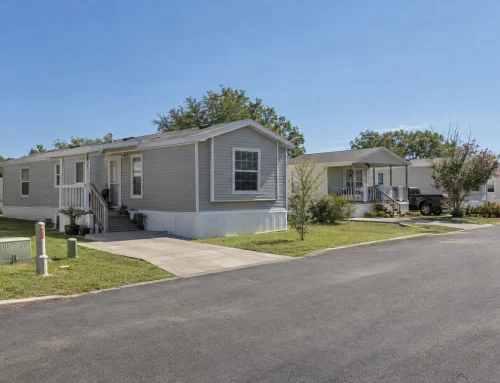
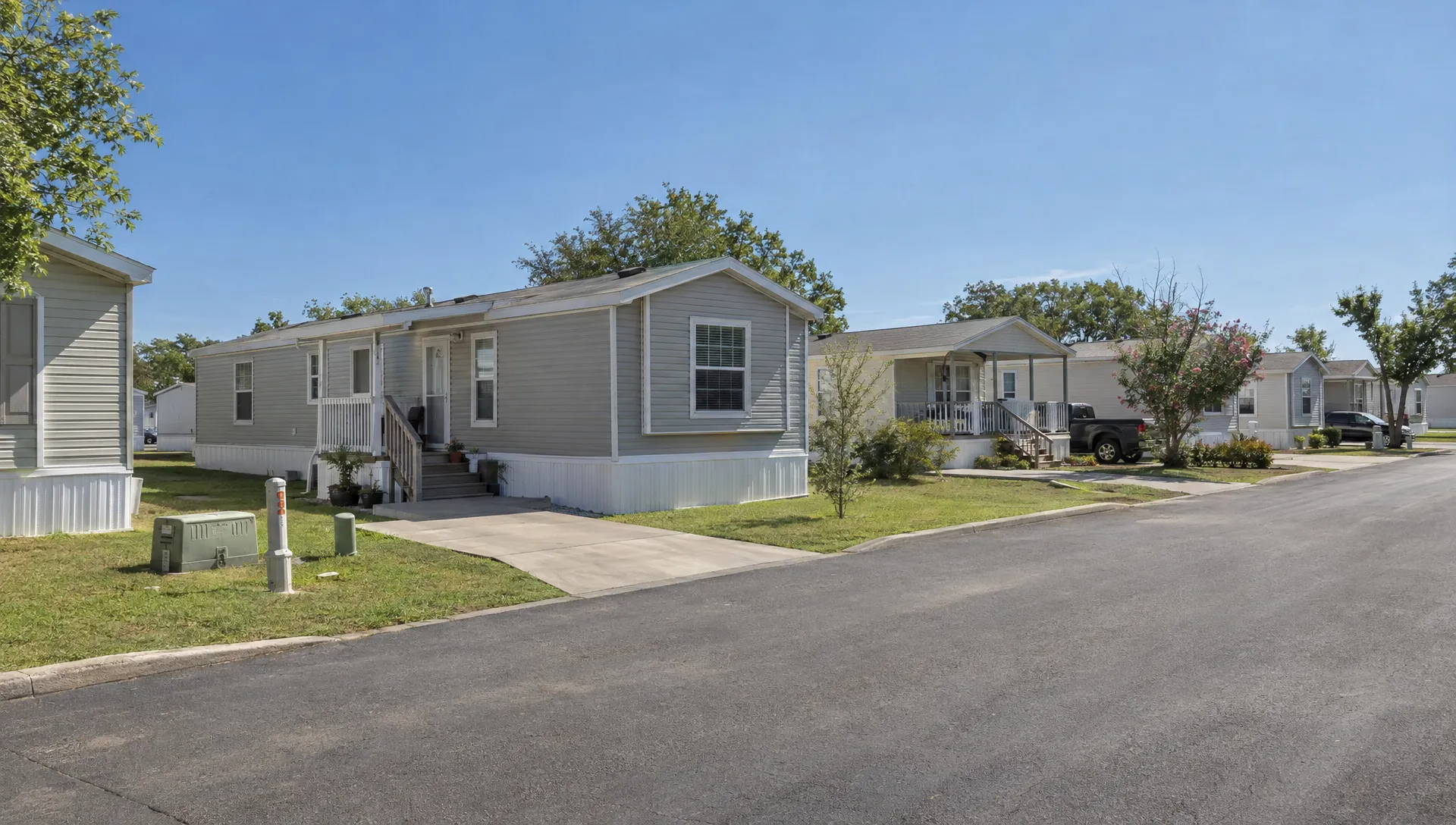
If you place a manufactured home in a community, you may reduce the upfront burden of buying land. This can make ownership accessible sooner, especially for buyers who want a move-in ready home and a managed community setting. The tradeoff is that lot rent becomes part of your monthly housing cost.
If you buy land for a manufactured home, the long-term comparison changes. You may have more control, more privacy, and potential land appreciation, but you also take on site development responsibilities. Rural or edge-of-city lots may require utility extensions, septic evaluation, driveway work, grading, drainage planning, or permitting steps.
Traditional homes usually include the land in the sale price. That can make the transaction simpler, but it also means you are paying for land from day one, often in a more expensive neighborhood or subdivision.
The right choice depends on whether you value the lowest initial path to housing, long-term land ownership, location, privacy, or monthly predictability.
Resale value and long-term equity
Cost is not only about what you pay today. It is also about what you may own later.
Traditional site-built homes have a long resale history in most neighborhoods, and land often drives a significant portion of appreciation. A site-built home in a desirable area may benefit from neighborhood demand, school zones, lot scarcity, and comparable sales.
Manufactured home value depends on several factors: age, condition, manufacturer, floor plan, maintenance, installation quality, title status, land ownership, and local demand. A manufactured home on owned land may behave differently from a manufactured home on a leased lot because the land is part of the overall property value.
If resale is a major concern, separate the value of the home from the value of the land and look carefully at comparable sales. Homes2Go’s guide to estimating manufactured home value explains why this distinction matters when you evaluate long-term equity.
Energy efficiency and maintenance costs
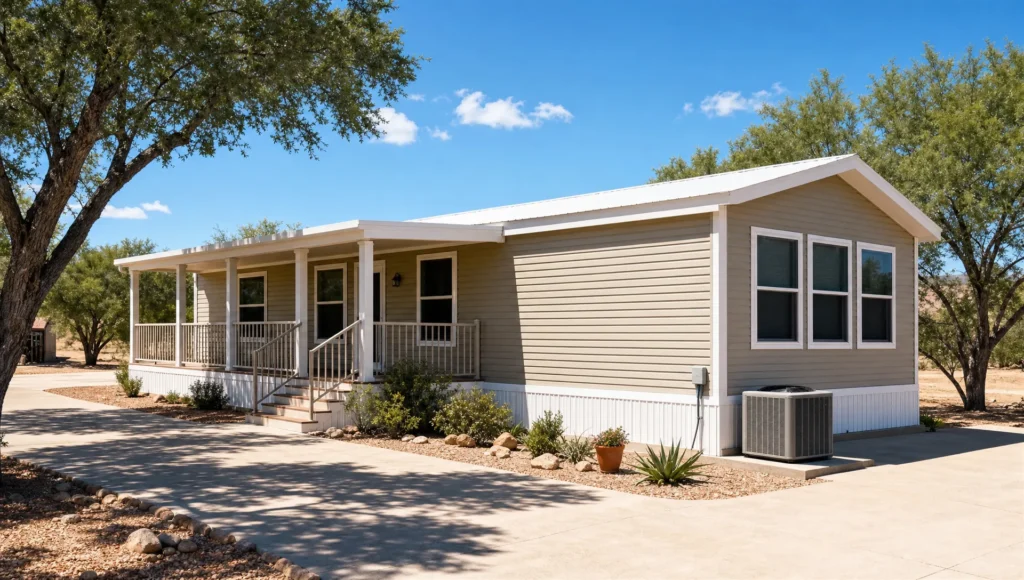
Energy costs should be part of your 2026 comparison, especially in South Texas. San Antonio summers can put serious demand on air conditioning, insulation, window quality, roof performance, and HVAC sizing.
Modern manufactured homes may include energy-efficient designs and updated building materials, but buyers should still compare specifications. Ask about insulation, windows, HVAC system, ductwork, appliance efficiency, and ventilation. A lower purchase price is even more valuable when the home is comfortable and affordable to operate.
Traditional homes vary widely. A newer site-built home may perform well, while an older home may need windows, insulation, HVAC replacement, roof work, plumbing updates, or electrical improvements. A resale home with deferred maintenance can turn into a more expensive choice than it looked at first.
For either type of home, ask for realistic utility expectations and set aside money for maintenance. Affordability is strongest when your budget includes both move-in costs and ongoing ownership costs.
How to compare manufactured and traditional homes fairly
Before choosing, create a side-by-side worksheet. The goal is to compare total cost, not marketing language.
Include the home price, land or lot cost, site work, delivery, installation, utilities, taxes, insurance, financing terms, closing costs, expected monthly payment, commute, maintenance, and any community or HOA fees. Use the same assumptions for both options whenever possible.
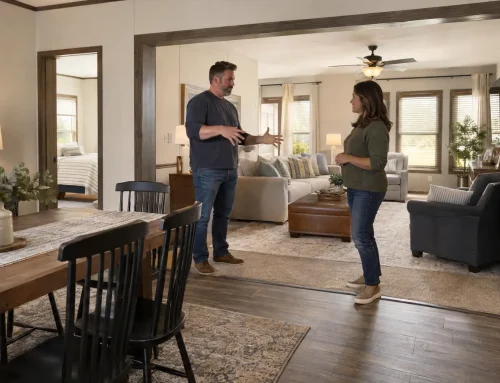
Also compare livability. A smaller traditional home is not the same as a larger manufactured home with a better floor plan. A low-cost manufactured home is not a bargain if the layout does not fit your family. The best value is the home that fits your budget and your daily life.
A strong comparison should answer these questions:
- What is the total estimated move-in cost?
- What will the monthly payment look like after taxes, insurance, and fees?
- Is land included, leased, or purchased separately?
- What financing options are available based on the home and site?
- Which upgrades are necessary, and which can wait?
- How long will it take before you can move in?
- What maintenance costs are likely in the first five years?
Which option is more affordable for your situation?
Here is a simple way to think about the decision.
| Buyer priority | Manufactured home may fit better if… | Traditional home may fit better if… |
|---|---|---|
| Lower entry cost | You want a modern home with a lower structure price | You can afford a higher purchase price for bundled home and land |
| Faster move-in | You choose a move-in ready model or community option | You find an existing home that needs little work |
| Land ownership | You already own land or can buy suitable land affordably | You want land included in a standard purchase |
| Financing simplicity | You have a lender experienced with manufactured housing | You prefer a conventional mortgage process |
| Long-term resale | You understand title, land, condition, and local comps | You want a more traditional resale market |
| Customization | You are comfortable choosing from available models and options | You want extensive custom design control |
For many buyers, manufactured homes win on affordability. Traditional homes win on familiarity and bundled land. The best decision comes from comparing total cost, monthly payment, and long-term goals rather than assuming one category is automatically better.
Frequently Asked Questions
Are manufactured homes always cheaper than traditional homes? Usually, the home structure costs less, but the final answer depends on land, setup, financing, taxes, insurance, and community fees. Always compare total move-in cost and monthly cost.
What is the biggest hidden cost with a manufactured home? Site-related costs are often the biggest surprise. Delivery, installation, foundation, utility hookups, permits, grading, steps, skirting, and land preparation can significantly affect the final budget.
Can a manufactured home be financed like a traditional home? Sometimes. If the home is permanently installed on owned land and titled as real property, mortgage-style financing may be available through certain lenders. If the home is on leased land, financing may be different.
Do manufactured homes appreciate in value? It depends on condition, age, market demand, title status, and whether land is included. Land ownership can have a major impact on long-term equity, so buyers should separate home value from land value when comparing options.
Is a manufactured home a good choice in San Antonio in 2026? It can be, especially for buyers seeking affordability, modern layouts, flexible financing options, and access to home communities. The best fit depends on your budget, location needs, and whether you prefer leased land or owned land.
Ready to compare your options in San Antonio?
If you are weighing manufactured homes vs traditional cost in 2026, the next step is to look at real floor plans, realistic move-in costs, and financing options that fit your situation. Homes2Go San Antonio helps buyers explore affordable manufactured homes, compare models, understand available communities, and move through the buying process with expert guidance.
Start by exploring Homes2Go San Antonio and see how a modern manufactured home could fit your budget, lifestyle, and path to homeownership.
 How Manufactured Homes Reduce Heating and Cooling Costs
 Rent-to-Own Mobile Homes With Bad Credit: Real Options