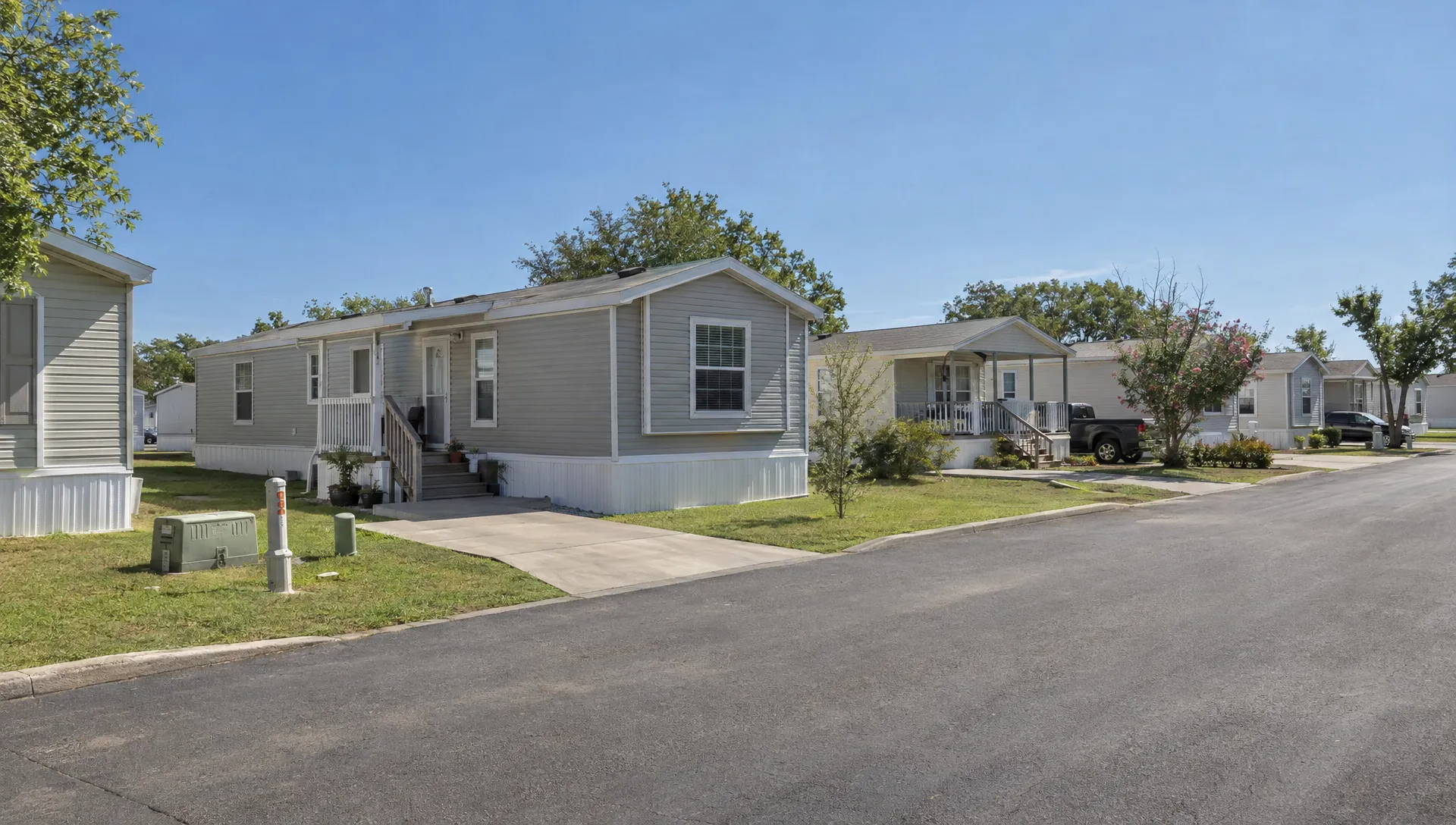

Searching for family mobile home parks near me can give you a long list of pins on a map. The harder part is knowing which community will fit your household, your budget, your commute, and the manufactured home you want to buy.
For San Antonio buyers, the best choice is rarely based on lot rent alone. A community that looks affordable at first can become stressful if the rules are unclear, the commute is too long, the home does not meet park requirements, or utilities and fees are not explained in writing. Use the comparison process below to narrow your options with confidence.
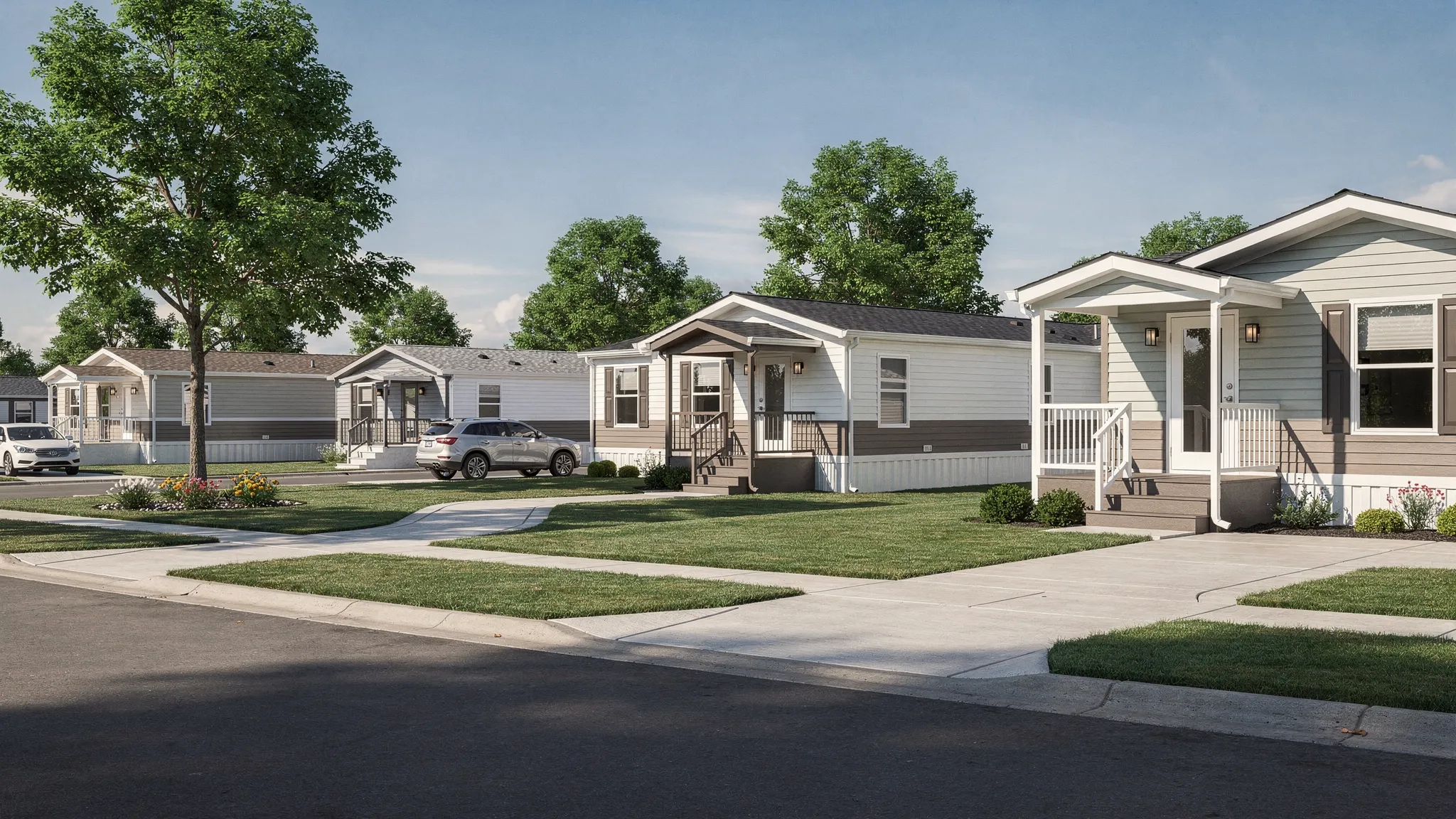
What “family mobile home park” really means
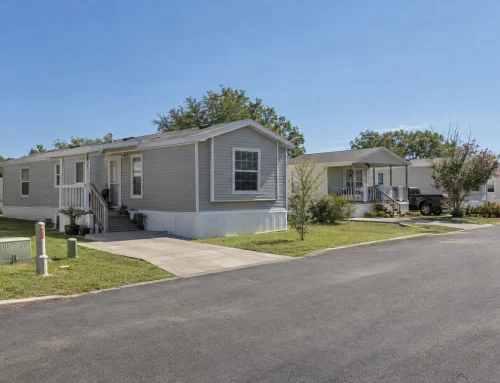
Most people use the phrase “family mobile home park” to mean an all-age manufactured home community where households with children, couples, singles, retirees, and multigenerational families may live. In housing terms, it is better to ask whether a community is all-age or 55+.
That distinction matters. The Fair Housing Act generally protects households from discrimination based on familial status, while certain housing for older persons may qualify for age restrictions. So instead of asking whether a park “allows families,” ask: “Is this an all-age community, and do you currently have homesites available?”
It also helps to know the terminology. Many buyers still search for “mobile homes,” but homes built after June 15, 1976 are federally regulated manufactured homes built to the HUD Code. Communities may still call themselves mobile home parks, manufactured home communities, or land-lease communities, but the home standards, financing options, and placement rules can vary.
Start with a shortlist, not the perfect park
A good comparison starts before you schedule tours. Instead of looking at every result within 50 miles, define what “near me” means for your daily life. In San Antonio, a community that is 12 miles away can feel close or far depending on traffic patterns, school routes, work hours, and access to Loop 410, I-35, I-10, or Highway 90.
Start by saving four to six communities that appear to fit your location and price range. Then call each one before visiting. Ask whether they have open lots, whether they sell homes onsite or accept outside homes, and whether they can send current rules, lot rent details, and application requirements.
If you are still choosing a manufactured home, compare the community and floor plan together. A beautiful double-wide may not work in a park that only has smaller lots available. A move-in ready home may solve timing issues if you need to relocate quickly. Homes2Go San Antonio can help buyers review home models, floor plans, financing paths, and community options so the home and location make sense together.
For a broader local overview, you can also read our quick buyer guide to mobile homes in San Antonio.
The 10-point checklist for comparing family mobile home parks near you
Use the same questions for every community so you are comparing fairly. A lower lot rent is not always the better deal if the rules, utility costs, or location create problems later.
| Comparison factor | What to ask | Good sign |
|---|---|---|
| All-age status | Is this an all-age community or a 55+ community? | The answer is clear and consistent with the written community rules. |
| Availability | Are there open lots or move-in ready homes now? | Management can explain current availability and expected timing. |
| Total monthly cost | What is included in lot rent, and what is billed separately? | You receive a written fee schedule before applying. |
| Home compatibility | What home sizes, ages, exterior standards, and installation requirements are accepted? | The park reviews the actual home details before saying yes. |
| Lease and rules | Can I review the lease, community rules, pet policy, parking rules, and guest policy? | Documents are provided without pressure. |
| School access | Which school district serves this address, and should I verify assignment directly? | Management encourages you to confirm with the district. |
| Commute | How long is the drive during your actual work and school hours? | You test the route, not just the mileage. |
| Utilities and drainage | Who provides water, sewer or septic, trash, electricity, and road maintenance? | Responsibilities are explained in writing. |
| Management | How are maintenance requests and resident concerns handled? | There is a clear contact process and documented rules. |
| Community condition | How do roads, lighting, common areas, lots, and neighboring homes look? | The community appears consistently maintained, not just near the office. |
Compare total monthly cost, not just lot rent
When buyers search for affordable manufactured housing, lot rent often becomes the first number they compare. It is important, but it is only one part of your monthly housing cost.
A community with slightly higher lot rent may be a better value if it includes more services, shortens your commute, or offers a lot that fits the home you want. On the other hand, a low advertised rent can become less attractive if utilities, trash, fees, or transportation costs are higher than expected.
| Cost category | Questions to ask before applying |
|---|---|
| Lot rent | What is the current monthly amount, when is it due, and how are increases handled? |
| Home payment | Will you finance the home separately, or is there a land-home option? |
| Utilities | Are water, sewer, trash, electricity, gas, or internet included or billed separately? |
| Deposits and application fees | What fees are due upfront, and are any refundable? |
| Insurance and taxes | What insurance is required, and how are taxes handled for your home type? |
| Pet, parking, or storage fees | Are there extra monthly charges for pets, additional vehicles, sheds, or trailers? |
| Maintenance responsibilities | Who handles lawn care, skirting, steps, decks, utility connections, and lot upkeep? |
If you plan to finance the home, compare the full monthly payment rather than the interest rate alone. Loan type, down payment, term, insurance, taxes, and lot rent can all affect affordability. Homes2Go explains common options on its manufactured home financing page, including chattel loans, FHA, VA, USDA, and conventional paths where eligible.
Read the rules before you fall in love with the community
Community rules shape daily life. They can affect parking, guests, pets, fencing, exterior colors, porches, sheds, lawn care, quiet hours, vehicle repairs, and whether you can operate certain home-based activities. These rules are not automatically bad. In many communities, they help keep the neighborhood orderly and protect residents’ quality of life.
The key is transparency. Ask for the current lease or site agreement, community rules, fee schedule, and application criteria before you pay any nonrefundable fees. If a rule matters to your household, do not rely on a verbal answer. Get it in writing.
Pay close attention to parking if you have multiple drivers, work vehicles, or frequent guests. Ask about overnight parking, street parking, trailers, boats, RVs, and commercial vehicles. Also confirm pet rules, especially breed restrictions, size limits, deposits, and fencing requirements.
Make sure the home fits the lot and park standards
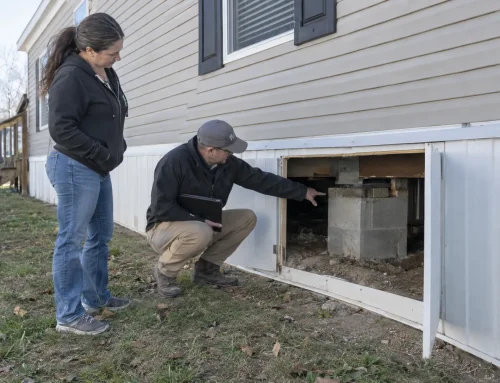
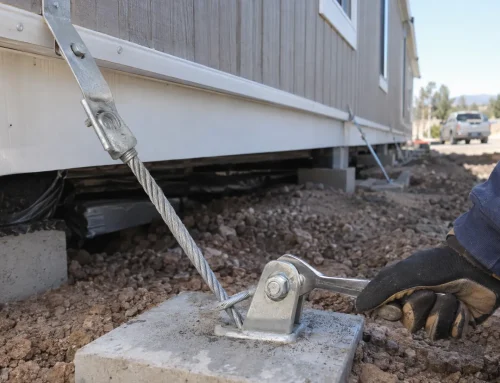
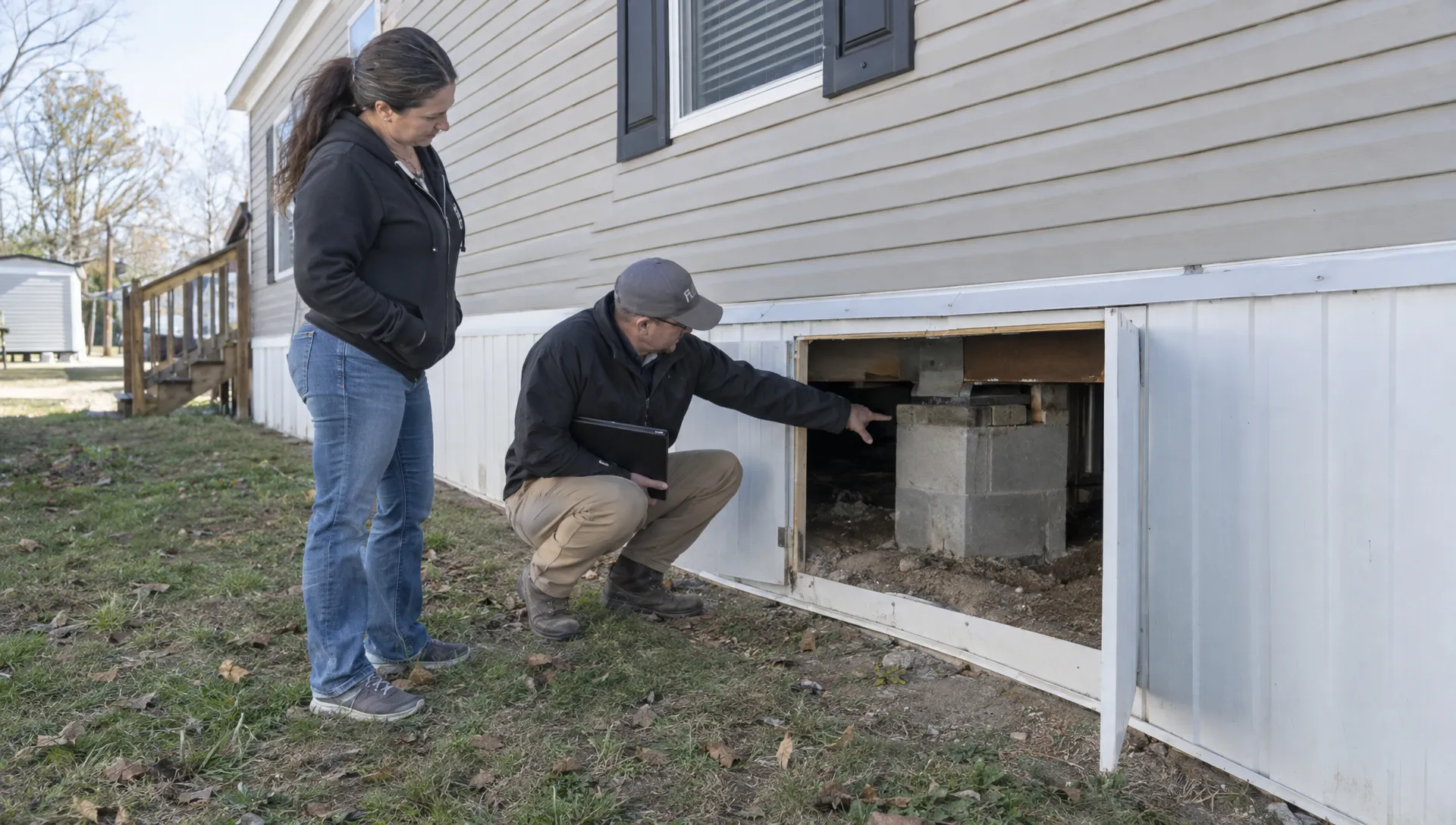
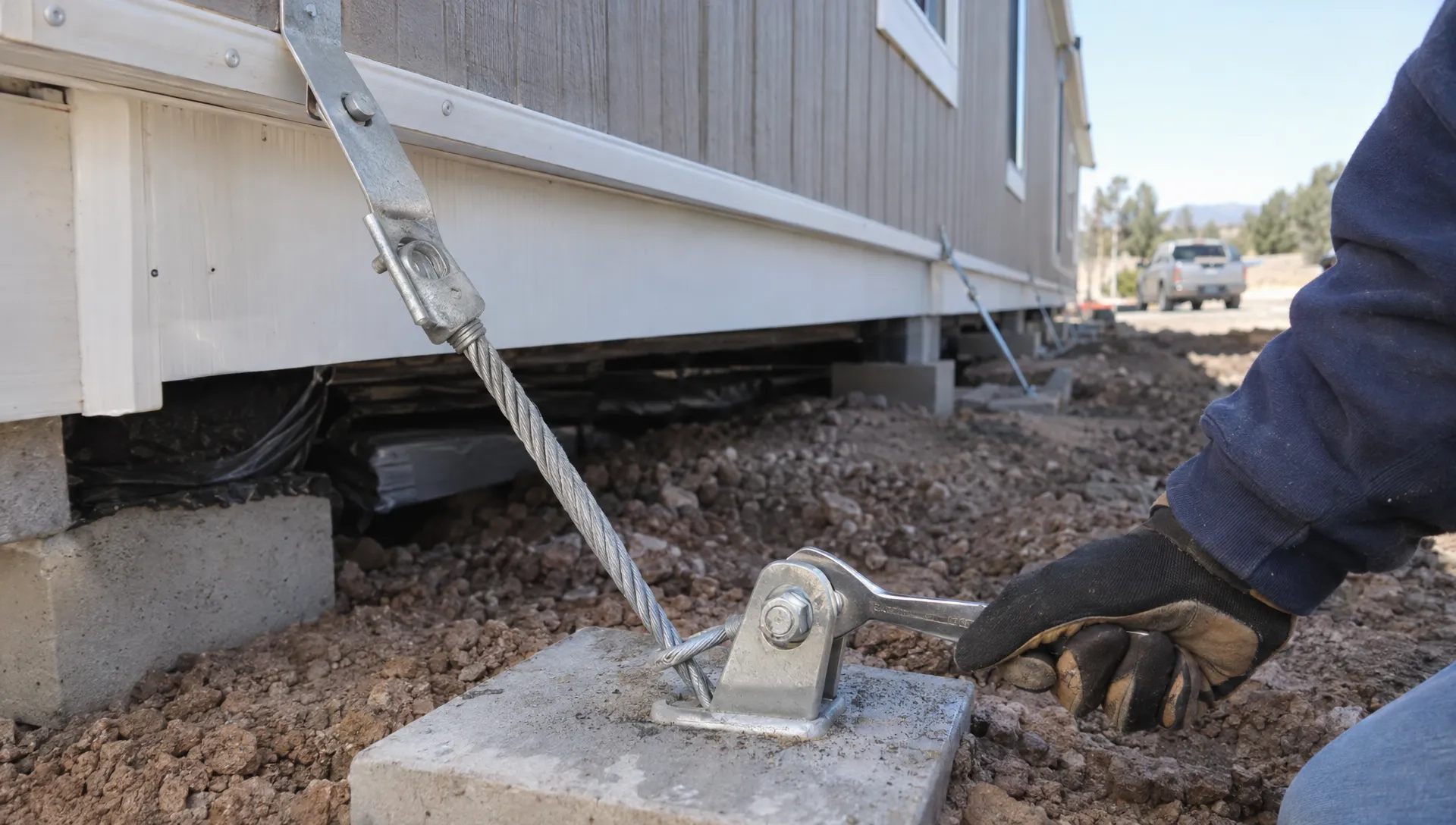
Not every manufactured home can be placed in every community. Parks may have standards for home size, age, exterior condition, skirting, roof pitch, steps, decks, driveway layout, and installation details. Some communities may only accept certain widths or may have limited double-wide lots.
Before buying a home for a specific park, confirm the home’s dimensions, year, manufacturer, HUD label information, and exterior features with park management. If possible, ask for written approval tied to that specific home and lot.
In Texas, manufactured home installation, statements of ownership, and related consumer requirements are regulated through the Texas Department of Housing and Community Affairs Manufactured Housing Division. The park may have its own approval process, but state installation and documentation requirements still matter.
This is where expert guidance can prevent expensive mistakes. If you are comparing homes and communities at the same time, Homes2Go San Antonio can help you review detailed floor plans and talk through practical fit, financing, and move-in considerations.
Tour like you already live there
Online photos can help you narrow the list, but they cannot replace an in-person visit. Tour each community at least once during the day and, if possible, drive by again during the evening. You are looking for how the community functions when residents are actually home.
During your visit, pay attention to everyday details:
- Drive your real commute during the hours you would normally travel.
- Check access to grocery stores, clinics, child care, schools, parks, and major roads.
- Look for street lighting, road conditions, speed control, drainage, and standing water.
- Confirm cell service and internet options at the actual lot or home.
- Notice whether rules appear to be applied consistently across the community.
- Ask management how residents report maintenance concerns or rule violations.
- Speak with current residents if the conversation happens naturally and respectfully.
Do not judge a community by one perfect model home or one negative review. Look for patterns. A well-run community usually has clear paperwork, consistent answers, maintained common areas, and a management team that is willing to explain the process without rushing you.
San Antonio-specific checks to add to your list
San Antonio buyers should think beyond the front gate of the park. Heat, drainage, commute patterns, and utility setup can all affect comfort and monthly costs.
Texas heat is a major factor. Ask about home orientation, shade, HVAC age, insulation, windows, and energy-efficient features. A manufactured home with better cooling performance can be more comfortable and may help control energy use during long summer months. For more detail, see our guide to energy-efficient manufactured homes in the Texas heat.
Drainage also matters. After heavy rain, low-lying lots, poor grading, and clogged ditches can create problems. Before committing, check whether the address appears in a flood-risk area using the FEMA Flood Map Service Center, and ask the community who maintains drainage features.
School assignments should be verified directly with the school district, not assumed from a listing site. Boundaries can change, and some San Antonio-area communities sit near district lines. If schools are a major factor in your decision, confirm the exact address before applying.
Finally, consider whether a land-lease community is the right fit or whether a land and home package would serve your family better. Parks can offer convenience and a neighborhood setting, while private land may offer more control and outdoor space. Private land also brings added responsibilities such as utilities, septic, permits, and site prep. To compare that path, read our land and home packages guide for San Antonio.
Red flags and green lights when comparing communities
No community is perfect, but certain signs should make you slow down and ask more questions. Use this table during your search.
| Red flag | Better sign |
|---|---|
| You cannot review the lease or rules before paying. | Documents are available early in the process. |
| Fees change from one conversation to the next. | Lot rent, deposits, and extra charges are listed clearly. |
| You are pressured to pay immediately to “hold” a deal. | The application process is explained without high-pressure tactics. |
| Management gives vague answers about utilities or maintenance. | Responsibilities are specific and written down. |
| The community has visible drainage, road, or lighting issues. | Infrastructure appears maintained, and repair processes are clear. |
| The home approval process is casual or verbal only. | The community reviews the actual home and lot requirements. |
| Rules seem unclear or inconsistently enforced. | Policies are written and applied in a predictable way. |
If you find a concern, ask about it directly. A professional manager should be able to explain what is happening, what has been fixed, and what residents can expect. If answers stay vague, keep looking.
How to make the final decision
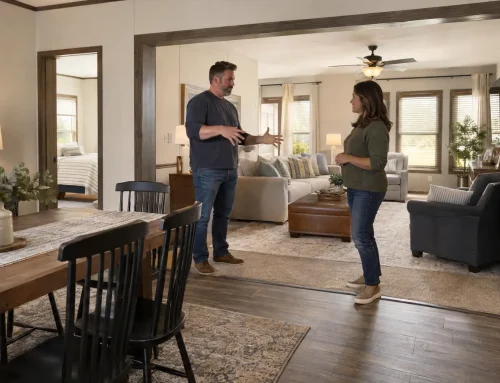
Once you have toured two or three strong options, create a simple scorecard. Rate each park from 1 to 5 for location, total cost, rules, school fit, commute, home compatibility, utilities, management, and overall comfort. Then add dealbreakers separately. A park can score well overall but still be the wrong choice if it does not allow your pet, does not fit your home, or pushes your budget too far.
Think in terms of the next three to five years, not just move-in day. Will the space still work if your household changes? Is the commute sustainable? Are the rules something you can live with? Does the total payment leave room for repairs, insurance, transportation, and savings?
The best community is the one where the home, lot, lease, budget, and location all work together.
Frequently Asked Questions
What should I ask when searching for family mobile home parks near me? Ask whether the community is all-age, what lots or homes are available, what the total monthly cost includes, which home sizes are accepted, and whether you can review the lease and rules before applying.
Are family mobile home parks different from 55+ communities? Yes. People often use “family mobile home park” to mean an all-age community. A 55+ community may have age restrictions if it qualifies under federal rules for housing for older persons.
Can I place any manufactured home in a mobile home park? Not always. Communities may have requirements for size, age, condition, exterior features, skirting, parking, and installation. Always get approval for the specific home and lot before buying.
Is it cheaper to live in a mobile home park or buy land? It depends on lot rent, home payment, utilities, taxes, site prep, financing, and long-term goals. A park may reduce upfront land costs, while private land may offer more control but usually requires more planning.
How do I compare two parks with similar lot rent? Look at what is included, commute time, utility costs, school access, rules, maintenance standards, management responsiveness, and whether the lot fits the home you want.
Find the right home and community in San Antonio
Comparing family mobile home parks near me is easier when you can evaluate the home, financing, and community together. Homes2Go San Antonio helps buyers explore manufactured home models, review detailed floor plans, consider move-in ready options, and connect with flexible financing resources and local guidance.
If you are ready to compare communities and homes with more confidence, contact Homes2Go San Antonio or start by reviewing your options on the financing page.
 Cheap Mobile Homes for Rent by Owner: Avoid Bad Deals
 Local Mobile Home Parks: Fees, Rules, and Red Flags