
Strong manufactured construction is easy to misunderstand. Many buyers notice the visible things first, like countertops, flooring, cabinet colors, and open-concept layouts. Those details matter for daily comfort, but they are not the foundation of a well-built home.
A truly strong manufactured home is a complete system. The frame, floor, walls, roof, fasteners, insulation, moisture control, transport preparation, foundation, and installation all have to work together. If one part is weak, the whole home can feel less solid over time.
For San Antonio buyers, this matters even more. Heat, heavy rain, shifting soils, and seasonal storms can test a home year after year. So when you hear the phrase strong manufactured construction, think beyond “does it look nice?” and start asking, “How was it built, transported, set, anchored, and protected?”
Strong construction starts with the HUD Code
Modern manufactured homes are not built casually or informally. In the United States, manufactured homes built after June 15, 1976 must comply with the federal Manufactured Home Construction and Safety Standards, commonly called the HUD Code. These standards cover areas such as structural design, durability, fire safety, energy conservation, plumbing, heating, electrical systems, and transportability.
The official standards are published in 24 CFR Part 3280, and they are important because manufactured homes are built in a factory, then transported and installed on a homesite. That means the home must be strong enough not only for everyday living, but also for the stresses of delivery and setup.
This is one of the biggest differences between older “mobile homes” and today’s manufactured homes. If you are still sorting out the terminology, Homes2Go SA has a helpful guide to the key differences between manufactured and mobile homes.
A strong manufactured home should have proper HUD certification labels and a data plate. The data plate helps identify important details such as the home’s wind zone, roof load zone, and thermal zone. Buyers should not guess on these details, especially when comparing homes from different manufacturers or model years.
The frame and floor system: where strength begins
The floor system is one of the first places to look when evaluating construction quality. Manufactured homes are typically built on a steel chassis designed to support the home during transport and installation. Above that, the floor system distributes weight, supports furniture and appliances, and helps the home feel stable underfoot.
Strong floor construction is not just about one heavy piece of material. It is about how the chassis, cross members, outriggers, floor joists, subfloor, fasteners, and marriage line connections work together. In a multi-section home, the marriage line is especially important because it is where the sections meet. If the home is properly built and installed, that connection should feel tight, level, and integrated.
When walking through a model, pay attention to how the floor feels. A solid home should not feel bouncy in normal walking areas. Interior doors should not swing open or shut on their own because of unevenness. Flooring should not show waves, soft spots, or gaps that suggest movement or moisture issues.
| Construction area | What it supports | What buyers should ask |
|---|---|---|
| Steel chassis | Transport strength and structural support | Is the chassis appropriate for the home size and design? |
| Floor joists and subfloor | Daily load, furniture, appliances, foot traffic | Does the floor feel firm and level throughout the home? |
| Marriage line | Connection between sections | How is the home sealed and joined after delivery? |
| Moisture protection | Long-term floor durability | How are plumbing areas, underbelly materials, and drainage handled? |
A home can have attractive flooring and still hide weaknesses underneath. That is why buyers should look at construction details, not only the finish layer.
Wall strength is about alignment, fastening, and load paths
Walls in a manufactured home do more than divide rooms. They help carry loads, resist movement, support cabinets and fixtures, and connect the floor and roof systems. Strong wall construction depends on proper framing, alignment, fastening, sheathing, and openings for windows and doors.
One practical sign of good wall construction is consistency. Doors should close cleanly. Trim lines should be straight. Windows should sit square in their openings. Cabinets should feel securely attached, not flimsy or loosely fastened. Interior walls should not flex excessively when normal pressure is applied.
Still, buyers should be careful not to judge by cosmetics alone. A smooth painted wall does not automatically prove strong construction, and a minor trim imperfection does not always mean the structure is poor. The better question is whether the home feels aligned, sealed, and properly connected from floor to roof.
San Antonio buyers should also think about wind resistance. The home’s wind zone rating should match the location requirements shown on the data plate and applicable installation standards. Do not assume that every home is appropriate for every site. Ask the retailer, installer, or manufacturer how the home’s construction and anchoring requirements apply to your property or community.
Roof construction protects the whole home
A strong roof is one of the most important parts of manufactured construction because it protects everything beneath it. Roof framing, decking, underlayment, shingles or roofing material, ventilation, flashing, and fastening all matter.
In a showroom, roof construction is harder to inspect than flooring or cabinetry, but you can still ask smart questions. What roof load zone is the home built for? How is attic ventilation handled? What roofing materials are used? How are roof penetrations, such as vents, sealed? What maintenance does the roof require over time?
The roof also plays a role in comfort and energy efficiency. In a hot climate like San Antonio, insulation, ventilation, roof color, and HVAC design can affect indoor temperature and utility costs. Energy-efficient manufactured home designs can make a noticeable difference, but only when construction, installation, and maintenance all support the same goal.
Strong construction is visible in the details you use every day
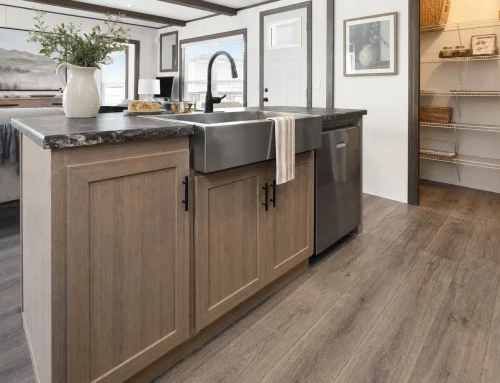
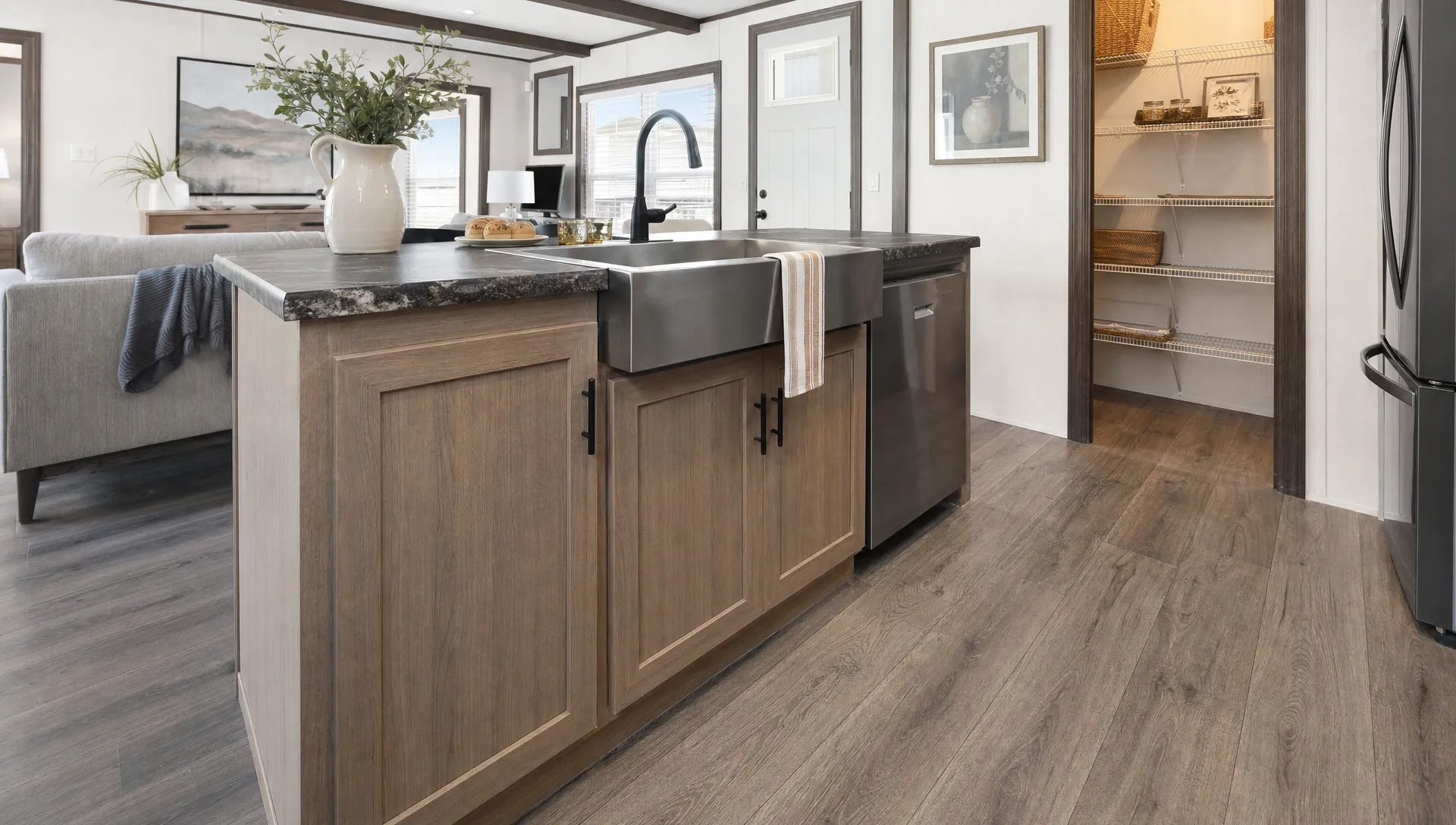
While the structure matters most, daily-use details can reveal a lot about build quality. A well-built manufactured home usually feels consistent from room to room. Cabinet doors line up. Drawers slide smoothly. Interior doors latch without rubbing. Plumbing fixtures feel firmly mounted. Exterior doors seal properly.
These details are not just cosmetic. They often reflect whether the home was assembled carefully and whether the structure stayed square during transport and setup. A door that does not latch might be a simple adjustment, but several doors that rub or swing oddly could point to leveling or installation concerns.
Pay special attention to kitchens, bathrooms, laundry rooms, and utility areas. These spaces combine plumbing, electrical, cabinetry, ventilation, and flooring. Strong construction in wet areas includes secure fixtures, accessible shutoffs, proper sealing, and flooring that is appropriate for moisture exposure.
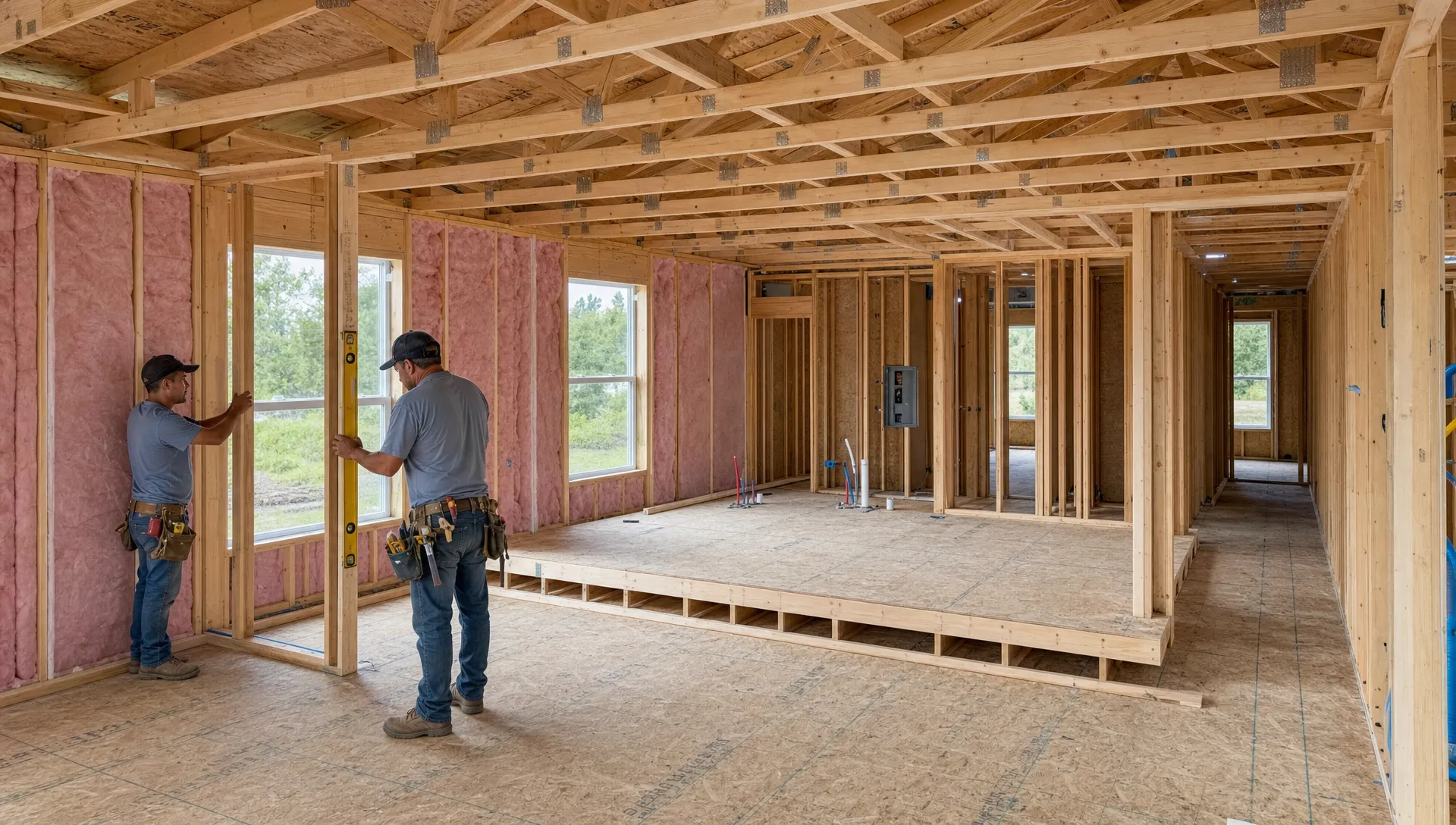
Installation is part of the strength of the home
Even a well-built manufactured home can perform poorly if it is not installed correctly. This is one of the most important points for buyers to understand. Construction quality does not stop at the factory door.
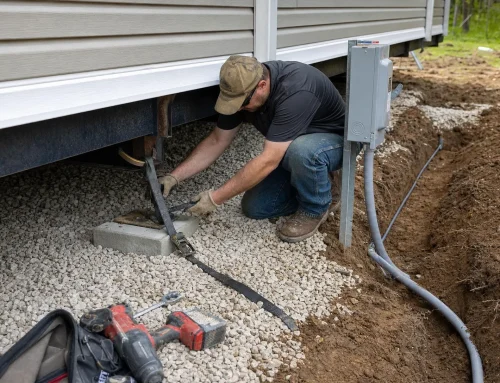
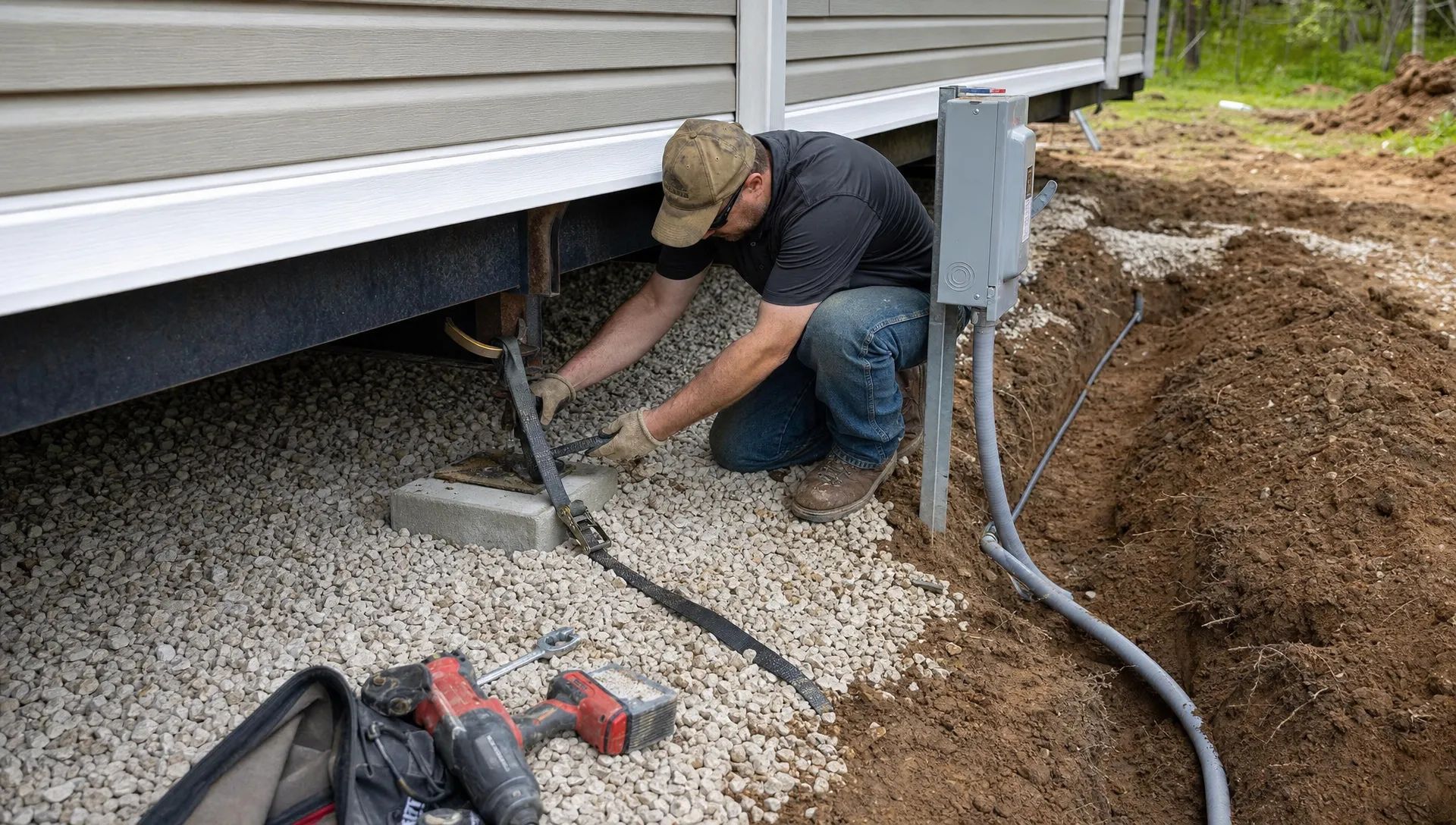
After delivery, the home has to be placed, leveled, supported, anchored, connected to utilities, sealed at the marriage line if it is a multi-section home, and protected from water. The foundation and site conditions are critical. Poor drainage, incorrect pier placement, inadequate anchoring, or an unlevel setup can create problems that buyers may mistakenly blame on the home itself.
A proper foundation helps transfer loads safely into the ground. It also helps the home resist movement from wind, soil shifts, and everyday use. If you want to understand what an inspector looks for, review this guide to a manufactured home foundation inspection, which explains details like piers, anchors, drainage, skirting, utilities, and site grading.
| Factory-built strength | Site-built strength after delivery |
|---|---|
| Frame, floor, walls, roof, wiring, plumbing, insulation | Foundation, leveling, anchoring, utility connections, drainage |
| Controlled indoor construction environment | Proper site preparation and qualified installation |
| HUD Code compliance and factory inspections | Local requirements, lender requirements, and final setup quality |
The best outcome happens when the home, site, foundation, and installation plan are considered together before purchase.
San Antonio conditions that test manufactured homes
Strong manufactured construction should match the environment where the home will live. In and around San Antonio, several local factors deserve attention.
Heat is a major consideration. Long summers can put pressure on roofing, insulation, windows, doors, seals, and HVAC systems. A home with good insulation and properly sealed openings can help maintain comfort, while poor sealing can make rooms feel uneven and increase energy use.
Rain and drainage also matter. Heavy downpours can expose weak grading, clogged gutters, poor site slope, or skirting problems. Water should move away from the home, not collect beneath it. Moisture under a home can contribute to odors, deterioration, pest activity, and long-term structural concerns.
Soil movement is another important issue in parts of Texas. Expansive soils can shift with changes in moisture. That does not mean manufactured homes are a poor choice, but it does mean the site and foundation plan should be taken seriously. Buyers should ask how the foundation system fits the property and whether any site-specific preparation is needed.
Wind is also part of the conversation. Manufactured homes are built for specific wind zones, and anchoring systems are designed to work with those requirements. The home’s data plate and installation plan should align with the site, not just with the buyer’s preferred floor plan.
How to evaluate strong manufactured construction before buying
When comparing homes, it is easy to get distracted by square footage and the advertised price. Those are important, but they do not tell the whole story. A lower upfront price may not be the best value if the home requires more site work, has weaker finishes, lacks energy-efficient features, or is not suited to your long-term needs.
If you are actively shopping, compare the full package: home construction, delivery, setup, foundation, utility connections, warranty terms, financing, insurance, and community or land costs. Homes2Go SA has a deeper guide on how to compare manufactured housing for sale beyond the sticker price.
Use this practical checklist when touring a model or reviewing a floor plan:
- Ask to see the HUD label and data plate information.
- Walk every room and notice whether floors feel firm and level.
- Open and close interior doors, exterior doors, cabinets, and drawers.
- Look for straight trim lines, tight seams, and consistent wall alignment.
- Ask about roof materials, insulation, ventilation, and energy-efficiency features.
- Review how the home will be delivered, joined, leveled, anchored, and sealed.
- Ask what foundation options are appropriate for the site or community.
- Confirm what is included in the price and what costs are separate.
- Discuss warranty coverage and what maintenance is expected from the homeowner.
A reputable retailer should welcome these questions. Strong construction is not a mystery, and buyers should not feel pressured to make decisions based only on décor or monthly payment estimates.
Red flags that deserve a closer look
Not every issue is a dealbreaker, but certain signs should prompt more questions. If a home feels noticeably uneven, if multiple doors fail to latch, if windows appear out of square, or if floors feel soft in several areas, do not ignore it.
Water stains, musty smells, damaged underbelly material, separated trim, roof leaks, loose fixtures, or visible gaps at the marriage line may indicate problems that need professional evaluation. In used homes, these issues may come from age, installation, maintenance, storm damage, or prior repairs. In new homes, they may point to transport or setup adjustments that need to be corrected before move-in.
The key is to separate minor finish touch-ups from structural or installation concerns. A small paint flaw is not the same as poor leveling. A cabinet adjustment is not the same as water-damaged subflooring. When in doubt, ask for documentation, request corrections in writing, and consider a qualified inspection.
Strong does not mean overbuilt, it means properly built
A common misconception is that the strongest home is always the heaviest or the most expensive. In reality, strong manufactured construction means the home is properly engineered, properly assembled, properly transported, properly installed, and properly maintained.
A smart floor plan also contributes to long-term satisfaction. Strength is not only about resisting wind or supporting weight. It is also about how well the home supports everyday life. Good storage, practical traffic flow, private bedrooms, durable surfaces, and efficient mechanical systems all reduce wear and make the home more livable.
The best manufactured home for one family may not be the best for another. A first-time buyer may prioritize affordability and low maintenance. A growing family may need bedroom separation and storage. A retiree may care more about accessibility, quiet rooms, and efficient utility costs. Strong construction provides the foundation, but the right model should also fit the way you live.
Frequently Asked Questions
Are manufactured homes strong enough for long-term living? Yes, modern manufactured homes are built to federal HUD Code standards and can serve as long-term housing when properly installed and maintained. Strength depends on the home’s construction, foundation, anchoring, site drainage, and ongoing care.
What is the most important part of strong manufactured construction? There is no single part that matters most. The frame, floor, walls, roof, fastening systems, insulation, moisture control, and installation all work together. A strong home is a complete system.
How can I tell if a manufactured home is well built? Look for firm floors, square doors and windows, tight seams, solid cabinetry, clear documentation, proper HUD label and data plate information, and a detailed installation plan. Ask questions about materials, setup, anchoring, foundation, and warranty coverage.
Does the foundation affect manufactured home strength? Yes. The foundation and installation are critical to how the home performs after delivery. Leveling, piers, anchors, drainage, and utility connections can all affect comfort, durability, and long-term value.
Is a more expensive manufactured home always stronger? Not always. Price can reflect size, finishes, brand, features, and options. Strong construction is about proper engineering, quality materials, skilled assembly, correct installation, and suitability for the site.
Find a manufactured home that feels solid from the ground up
If you are shopping for a manufactured home in San Antonio, do not stop at surface finishes. Ask how the home is built, how it will be installed, what foundation approach makes sense, and what total move-in costs look like.
Homes2Go San Antonio helps buyers explore manufactured home models, floor plans, financing options, and local considerations with guidance throughout the process. The right home should look good, feel solid, fit your budget, and be built for the way you plan to live.
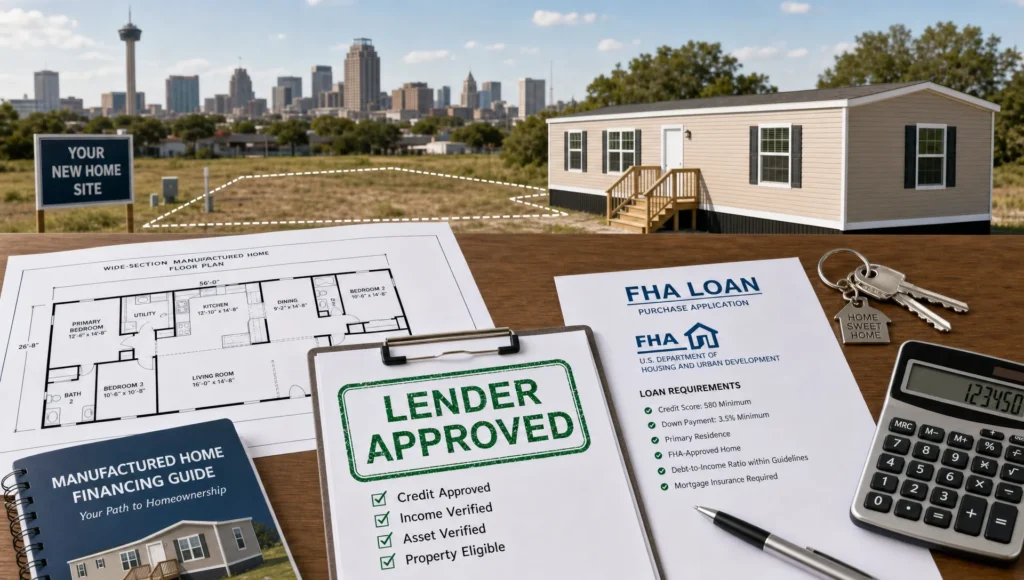 FHA Single Wide Mobile Home Loans: Key Requirements
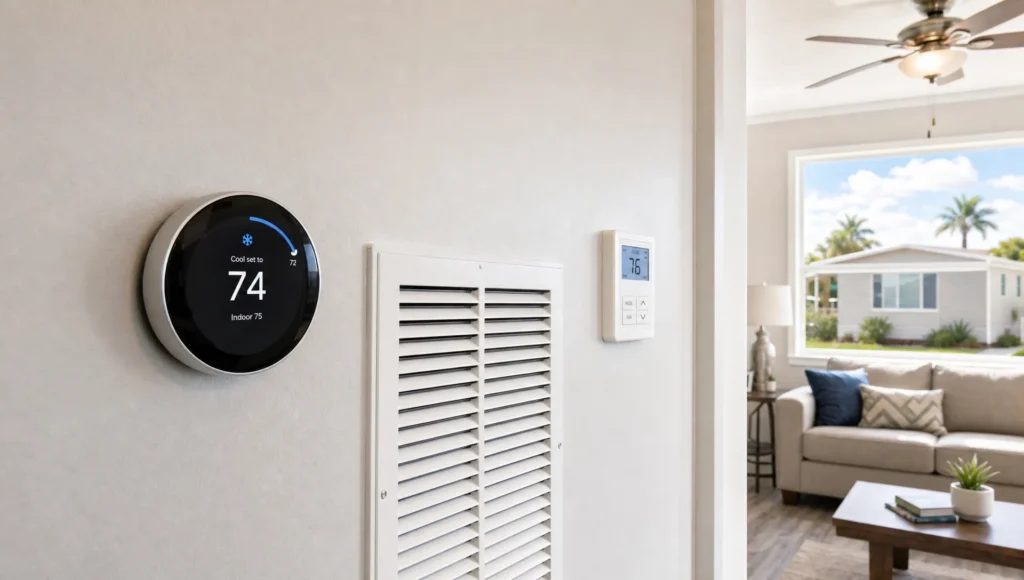 Are Smart Thermostats Worth It in Mobile Homes?