
FHA single wide mobile home loans can be a practical path to homeownership, especially for buyers who want a more affordable home in San Antonio without giving up modern features or a comfortable floor plan. The key is understanding that FHA does not approve every single-wide home automatically. The borrower, the home, the land or homesite, the foundation, and the documents all have to line up.
FHA loans are insured by the Federal Housing Administration but issued by FHA-approved lenders. That means the official FHA rules matter, and so do lender overlays, which are extra requirements a lender may add. If one lender says no, another experienced manufactured-home lender may still be able to help, provided the home and buyer meet the core standards.
Below is a practical requirements guide for buyers comparing single-wide manufactured homes in San Antonio, Bexar County, and nearby areas.
Quick answer: can FHA finance a single-wide mobile home?
Yes, FHA financing can be used for a single-wide manufactured home if the home meets FHA manufactured housing standards and the borrower qualifies. In FHA language, the home is usually called a manufactured home, not a mobile home, when it was built to the HUD Code after June 15, 1976.
For buyers, the most important point is this: a single-wide is not disqualified simply because it is a single-section home. The challenge is making sure the home is eligible, properly documented, correctly installed, and acceptable to a lender that offers manufactured-home FHA financing.
If you are still at the basic eligibility stage, Homes2Go SA has a separate guide that answers whether FHA loans can be used for single-wide mobile homes. This article focuses more on the requirements that usually determine whether a deal can move forward.
The two FHA loan paths for single-wide manufactured homes
FHA financing for manufactured homes usually falls into two broad categories: Title I and Title II. The right path depends heavily on whether you are financing only the home, the land as well, or a home that will be treated as real estate.
| FHA option | Best fit | Land requirement | Key point for single-wide buyers |
|---|---|---|---|
| FHA Title I manufactured home loan | Home-only, lot-only, or home-and-lot financing | Land may be owned or leased if lease rules are met | Often discussed for homes in approved communities or situations where the home is personal property |
| FHA Title II mortgage | Manufactured home and land treated as real estate | Usually requires the home to be permanently affixed to land and classified as real property | Common for buyers purchasing a manufactured home with land or placing it on owned land |
According to HUD’s Manufactured Home Loan Insurance information, Title I can insure loans for a manufactured home, a lot, or both. Title II is the more familiar FHA mortgage structure, but it comes with stricter real-property and foundation expectations.
For both paths, the lender must be comfortable with manufactured housing. Not every FHA lender offers these programs, and some lenders limit single-wide financing even when FHA permits it. That is why it helps to work with a dealership and lender familiar with manufactured homes from the beginning.
Borrower requirements for FHA single wide mobile home loans
The borrower side of FHA approval is similar to other FHA purchase loans, but the details can vary by loan type and lender.
For an FHA Title II mortgage, FHA’s widely known baseline credit rule is 3.5% down for borrowers with a credit score of 580 or higher. Borrowers with scores from 500 to 579 may be eligible with 10% down under FHA rules, although many lenders set higher minimums. Title I loans may have different lender-specific cash investment and loan-to-value requirements, so ask early if you are considering home-only financing.
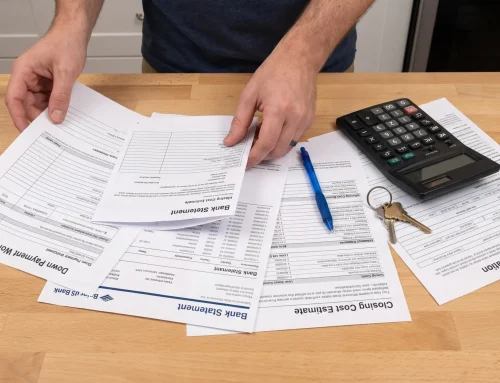
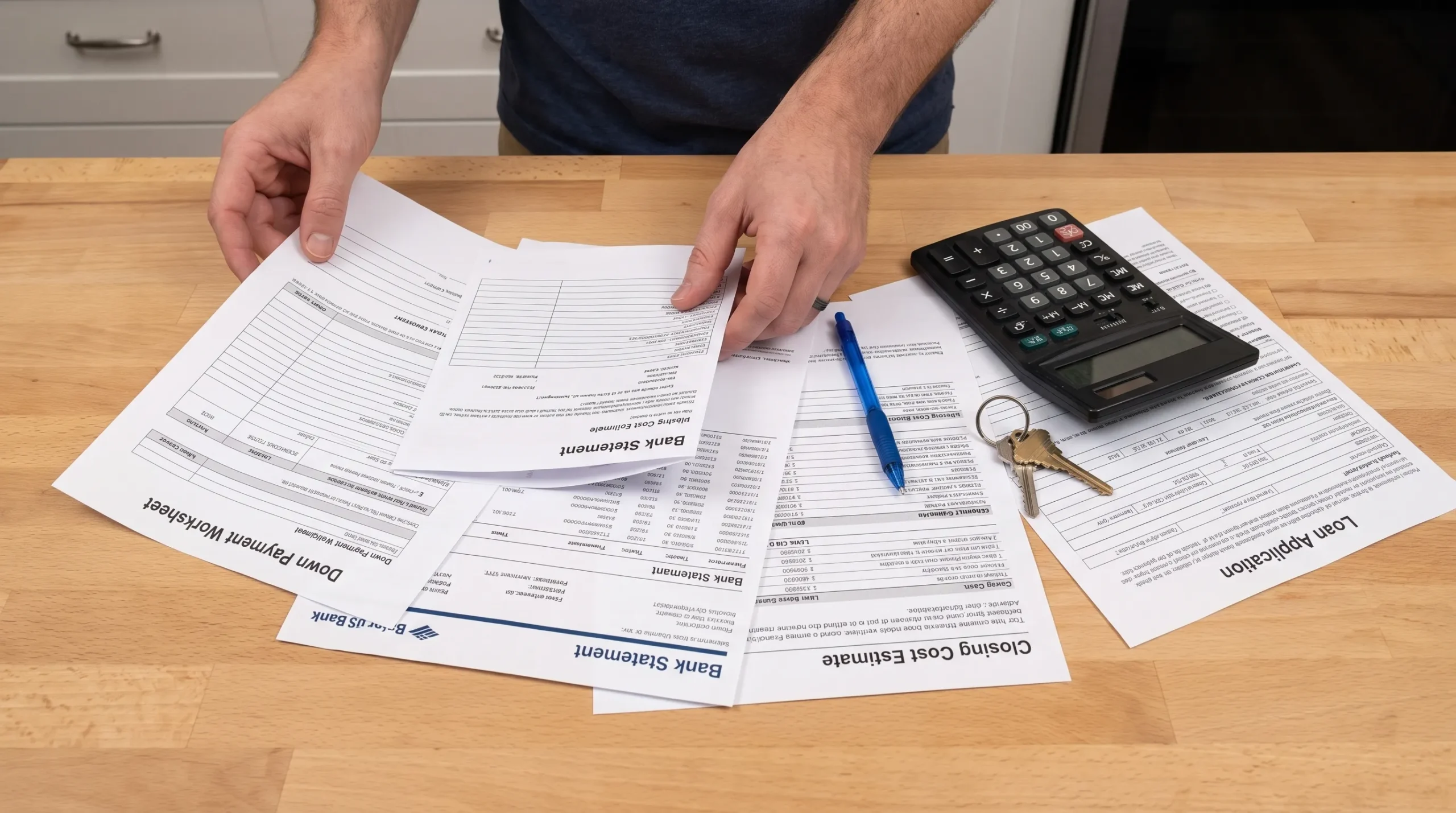
Income also matters. FHA lenders want to see that your income is stable, documentable, and sufficient to support the payment. That usually means reviewing pay stubs, W-2s, tax returns for self-employed borrowers, bank statements, and other documents that show your ability to repay.
Debt-to-income ratio is another major approval factor. FHA can be flexible, but flexibility is not the same as automatic approval. Car payments, credit cards, personal loans, student loans, child support, and other recurring debts may affect how much home you can finance.
FHA financing is also designed for primary residences. In most cases, you must plan to live in the single-wide manufactured home as your main home, not use it as a vacation property or investment rental.
A strong borrower file usually includes:
- A credit profile that meets FHA and lender standards
- Verifiable income and employment history
- Enough funds for down payment, closing costs, setup costs, and reserves if required
- A manageable debt-to-income ratio
- Intent to occupy the home as a primary residence
If you are a first-time buyer, do not assume you need a perfect file. FHA is often attractive because it can work for buyers who have limited savings or less-than-perfect credit. The better approach is to get reviewed early, before you choose a specific home or homesite.
Home requirements: what the single-wide must meet
The home itself must be eligible. FHA will not finance just any older mobile home or relocated unit. The manufactured home must meet HUD Code standards and be acceptable under the loan program being used.
A core requirement is the construction date. FHA manufactured homes must generally have been built after June 15, 1976, when the federal manufactured housing construction and safety standards took effect. Homes built before that date are commonly called mobile homes in the older sense and are usually not eligible for FHA manufactured-home financing.
The home must also have HUD certification labels. These are the red metal labels attached to the exterior of each transportable section. A single-wide normally has one label. The home should also have a data plate, usually located inside the home in a closet, cabinet, utility area, or electrical panel area. The data plate includes manufacturer information, serial numbers, roof load, wind zone, and other important details.
If a HUD label or data plate is missing, the deal is not necessarily dead, but it becomes more complicated. Lenders may require verification through the Institute for Building Technology and Safety, commonly known as IBTS. This should be checked as early as possible because missing documentation can delay underwriting.
The single-wide also needs to be large enough and suitable for year-round residential use. FHA manufactured homes are generally expected to have at least 400 square feet of floor area, be designed as a one-family dwelling, and include required utilities and living facilities.
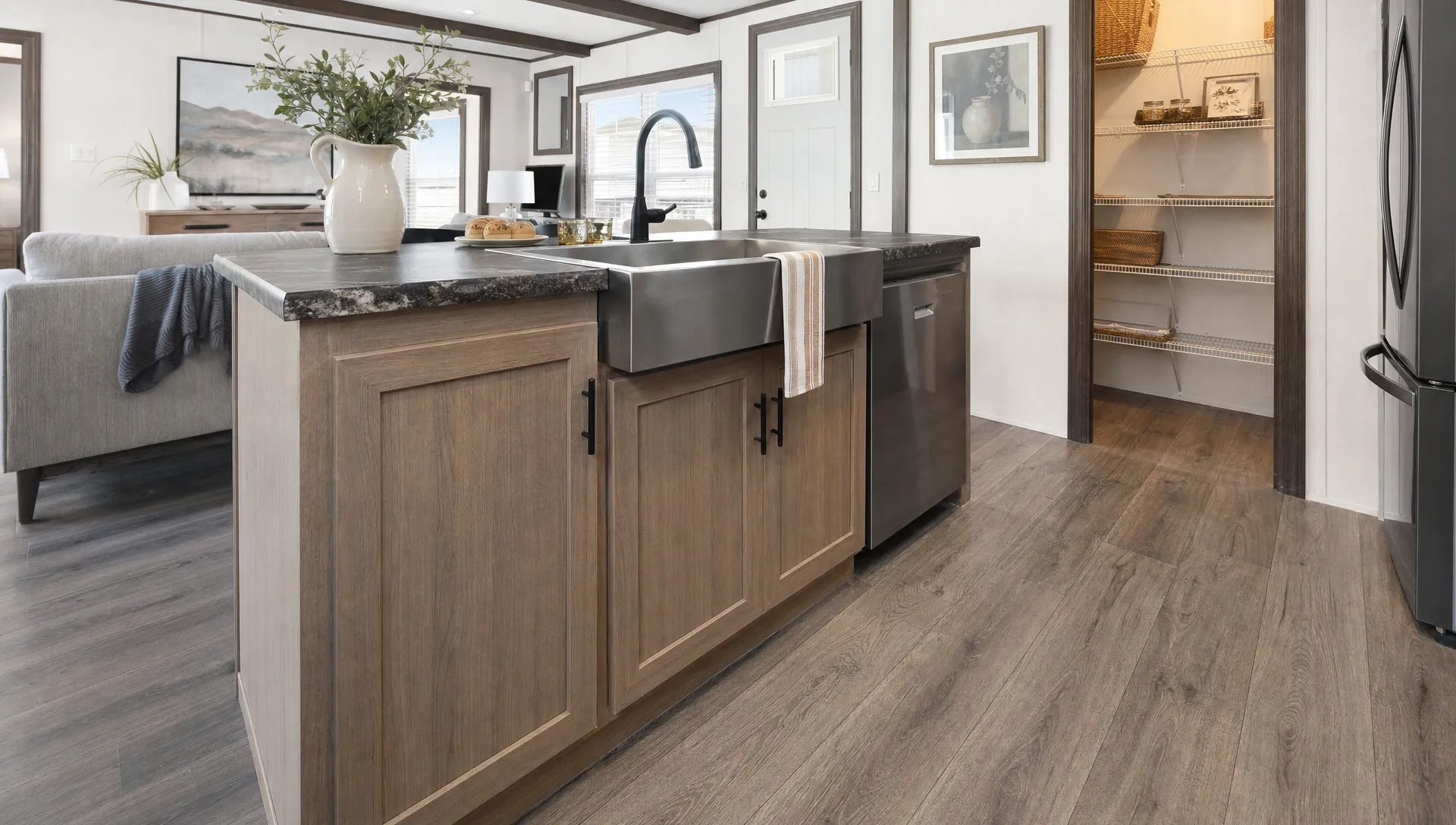
For buyers comparing models, this is where choosing a newer home can help. Newer manufactured homes often have clearer documentation, current energy-efficient designs, modern interiors, and installation records that are easier for lenders and appraisers to review.
Foundation, land, and title requirements
Foundation rules are often where single-wide FHA deals become more detailed. For FHA Title II financing, the home typically must be permanently attached to a foundation that meets FHA standards. HUD’s Permanent Foundations Guide for Manufactured Housing is the main reference used in this area.
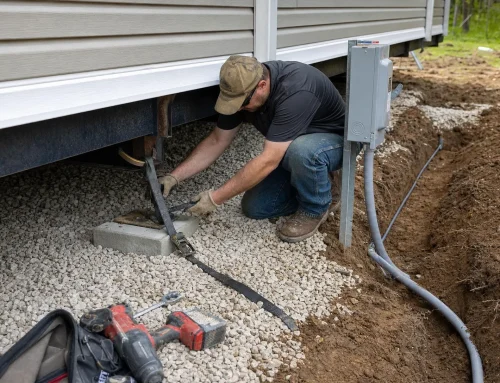
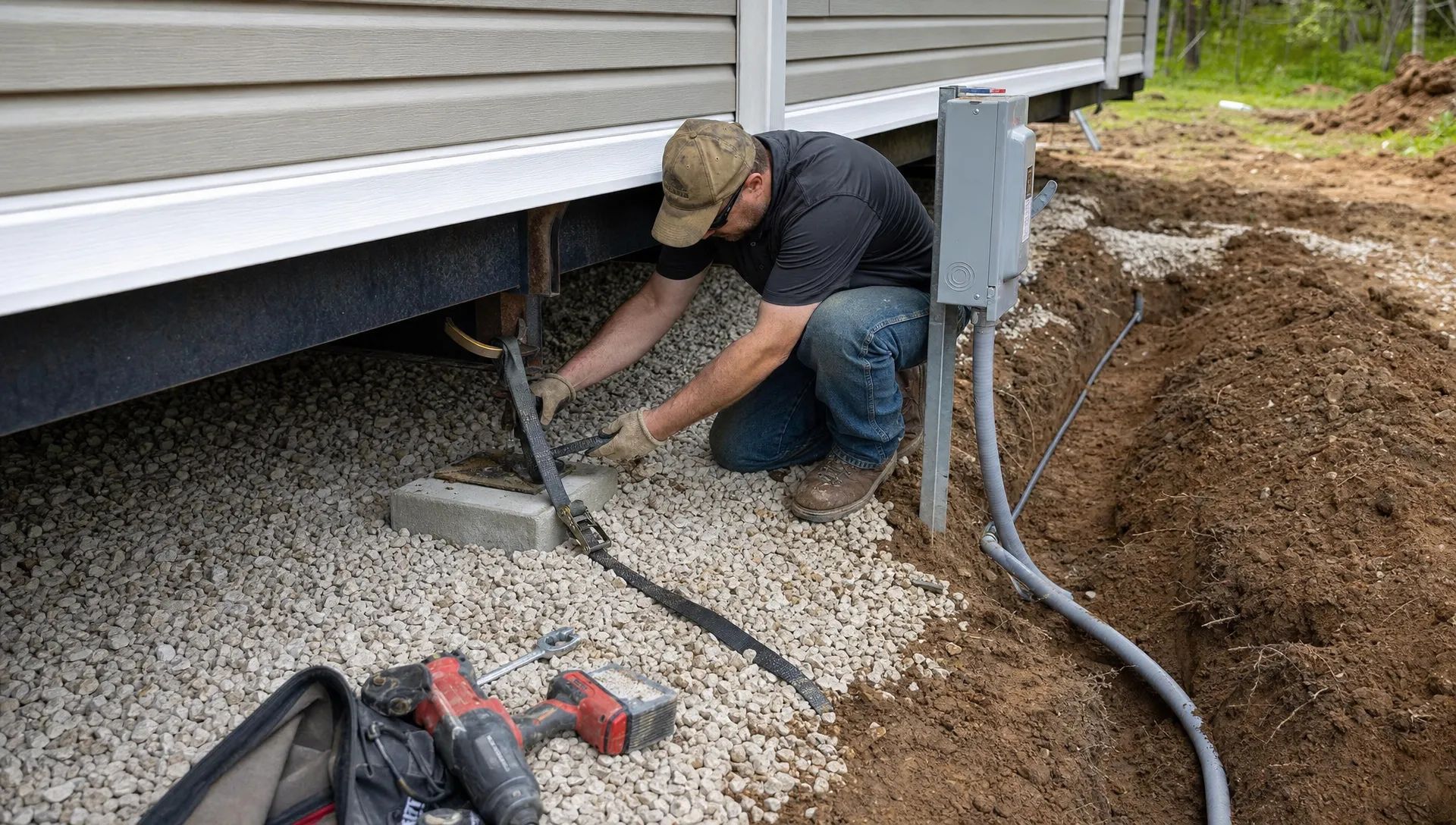
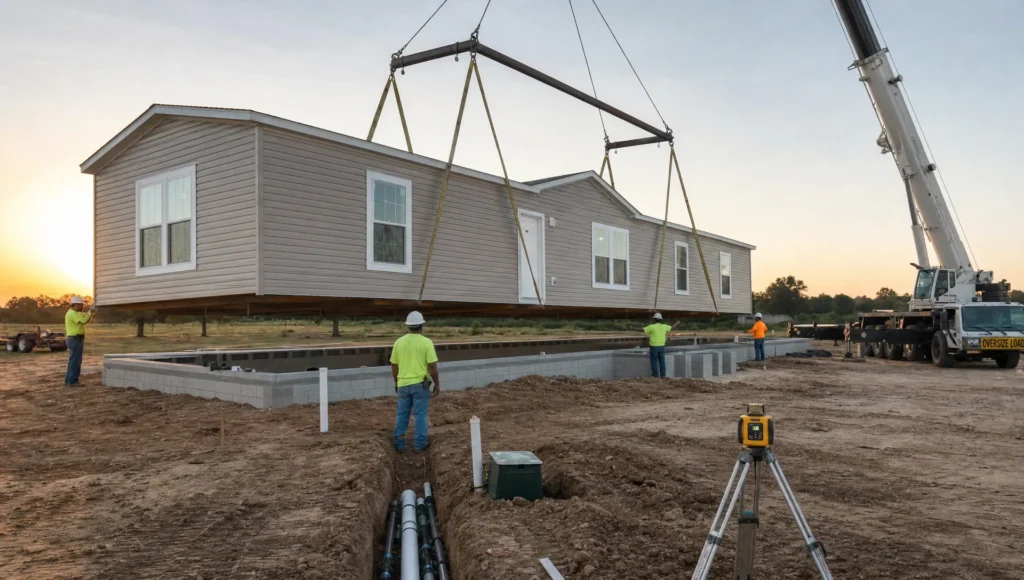
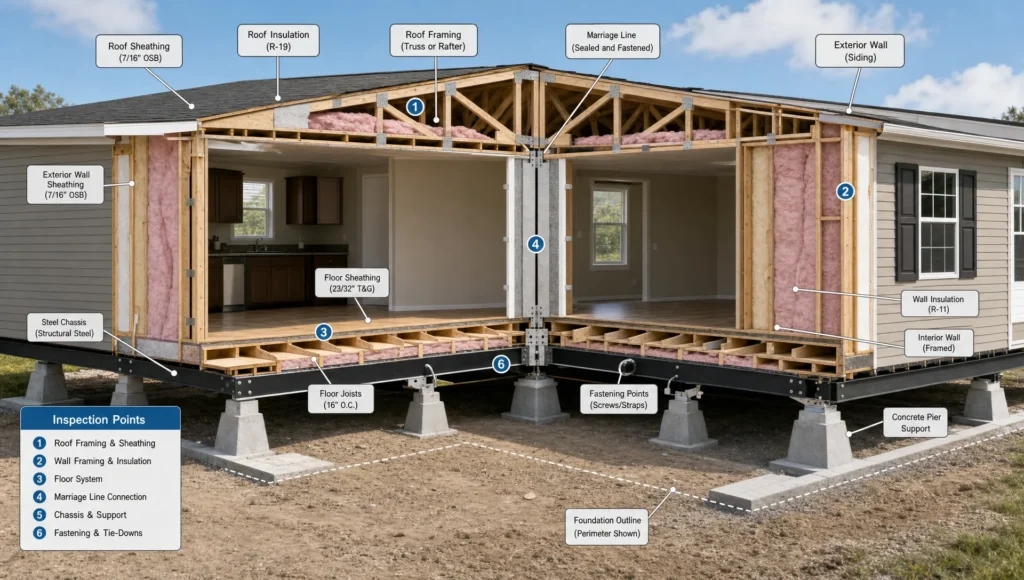
In practical terms, the lender may require a foundation inspection or engineer certification showing that the installation meets permanent foundation requirements. The home should be properly anchored, supported, skirted where applicable, connected to utilities, and protected from drainage problems. The wheels, axles, and hitch are typically removed after installation, while the steel chassis remains part of the manufactured home structure.
Land and title status are just as important. For a Title II mortgage, the manufactured home and land usually need to be treated together as real property. In Texas, manufactured homes are tracked through a Statement of Ownership, and buyers may need to confirm whether the home is classified as personal property or real property. Your lender, title company, and local professionals can help verify what must be updated before closing.
Title I can be more flexible when the land is leased, such as in a manufactured home community. HUD’s Title I rules generally require the lease to meet specific protections, including an initial lease term of at least three years and written notice before lease termination. A lender may also review community rules, lot rent, utility access, and whether the home can remain on the site for the loan term.
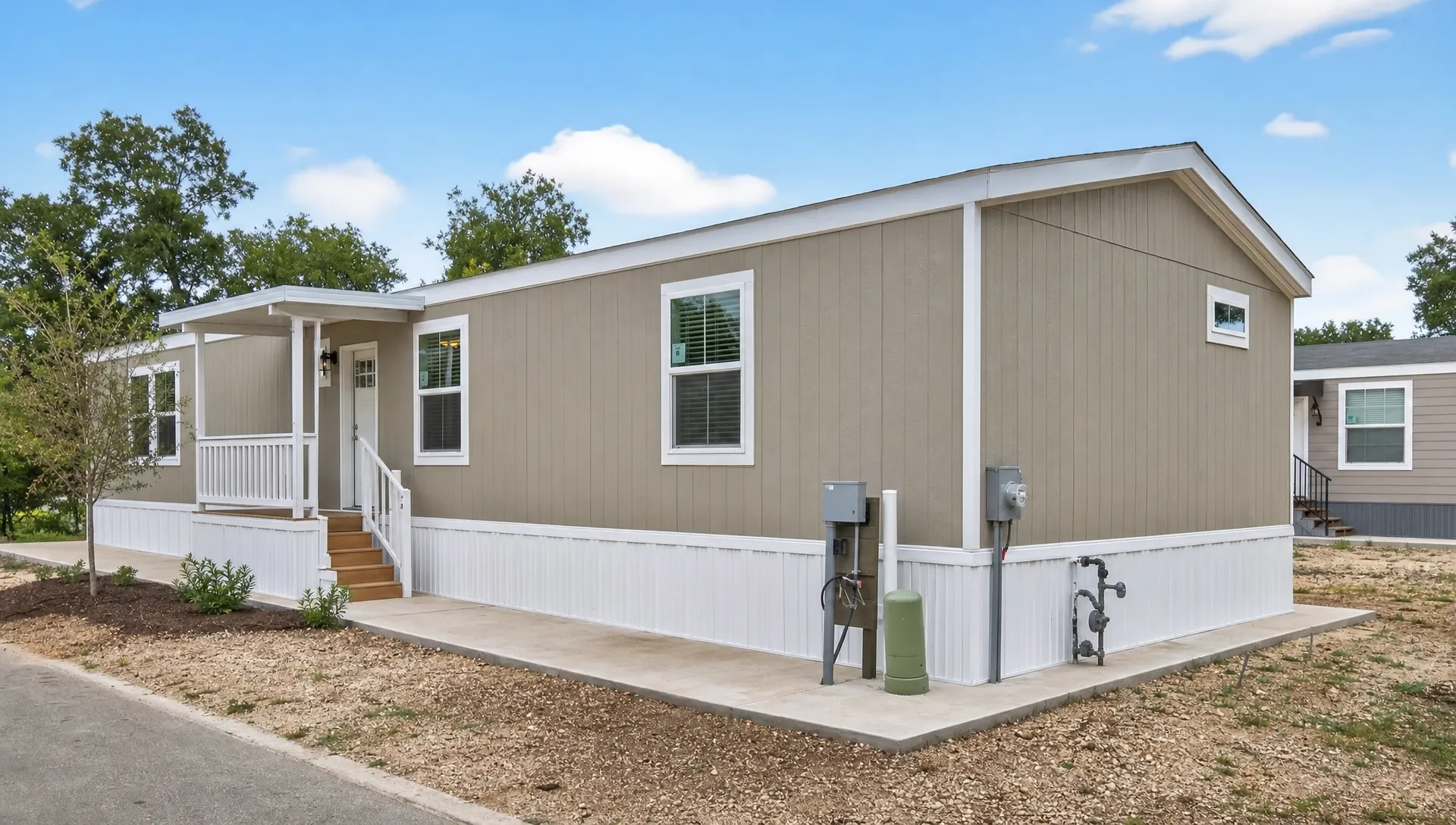
For San Antonio buyers, location matters. A home placed on private land may require site preparation, utility connections, permits, septic or sewer review, driveway access, and confirmation that manufactured homes are allowed on the property. A home in an established community may simplify some of those issues, but the lender will still review the lease, community standards, and total monthly housing cost.
Documents lenders commonly ask for
FHA single wide mobile home loans move faster when the paperwork is complete. The lender needs to document the borrower, the home, the site, and the transaction.
| Requirement area | Common documents | Why it matters |
|---|---|---|
| Borrower approval | ID, income documents, bank statements, credit authorization | Confirms ability to repay and FHA eligibility |
| Home identity | HUD label number, serial number, data plate, manufacturer details | Proves the home is HUD-code manufactured housing |
| Purchase details | Sales contract, invoice, floor plan, options list | Helps lender and appraiser understand the home being financed |
| Land or site | Deed, lease, community agreement, survey if required | Shows where the home will be located and whether the site is eligible |
| Foundation and installation | Installation records, permits, engineer certification if required | Confirms the home is properly installed and acceptable for financing |
| Title status | Texas Statement of Ownership and title-related documents | Helps determine whether the home is personal property or real property |
| Appraisal | FHA appraisal report and comparable sales | Supports value, safety, condition, and marketability |
A broader overview of these property standards is available in Homes2Go SA’s guide to FHA mobile home requirements buyers should know.
Common reasons a single-wide FHA loan can run into problems
Many FHA issues are preventable if they are caught early. The biggest mistake is shopping for a home, land, or community before confirming that all pieces can work together under FHA rules.
Common problems include:
- The home was built before June 15, 1976
- HUD labels or the data plate cannot be verified
- The home has been moved from a previous installation site and the lender will not accept it
- The foundation does not meet FHA or lender standards
- The home is not titled or classified correctly for the loan type
- The homesite lacks required utilities, access, permits, or zoning approval
- The lender does not offer FHA manufactured-home financing or has stricter single-wide overlays
- The appraiser cannot support the value with acceptable manufactured-home comparable sales
The last point is easy to overlook. FHA appraisals are not just about condition. The appraiser also has to support the value using market data. In some areas, single-wide comparable sales may be limited, which can affect the appraisal process.
How to improve your odds of approval
Start with the loan type. If you plan to place a single-wide on land you own, ask whether Title II financing is realistic and what foundation and title steps are required. If you want a home in a land-lease community, ask whether Title I financing or another manufactured-home loan option is a better fit.
Next, choose the home with financing in mind. A model with complete manufacturer documentation, a clear floor plan, energy-efficient features, and a straightforward installation path is easier to review than a home with missing records or uncertain site history.
Then, confirm the homesite before you spend money on improvements. In and around San Antonio, site conditions can vary widely. A property may look ready but still need grading, utility extensions, septic review, flood-zone checks, or local approvals. HUD’s FHA mortgage limits tool can also help buyers and lenders confirm applicable county loan limits for Title II loans.
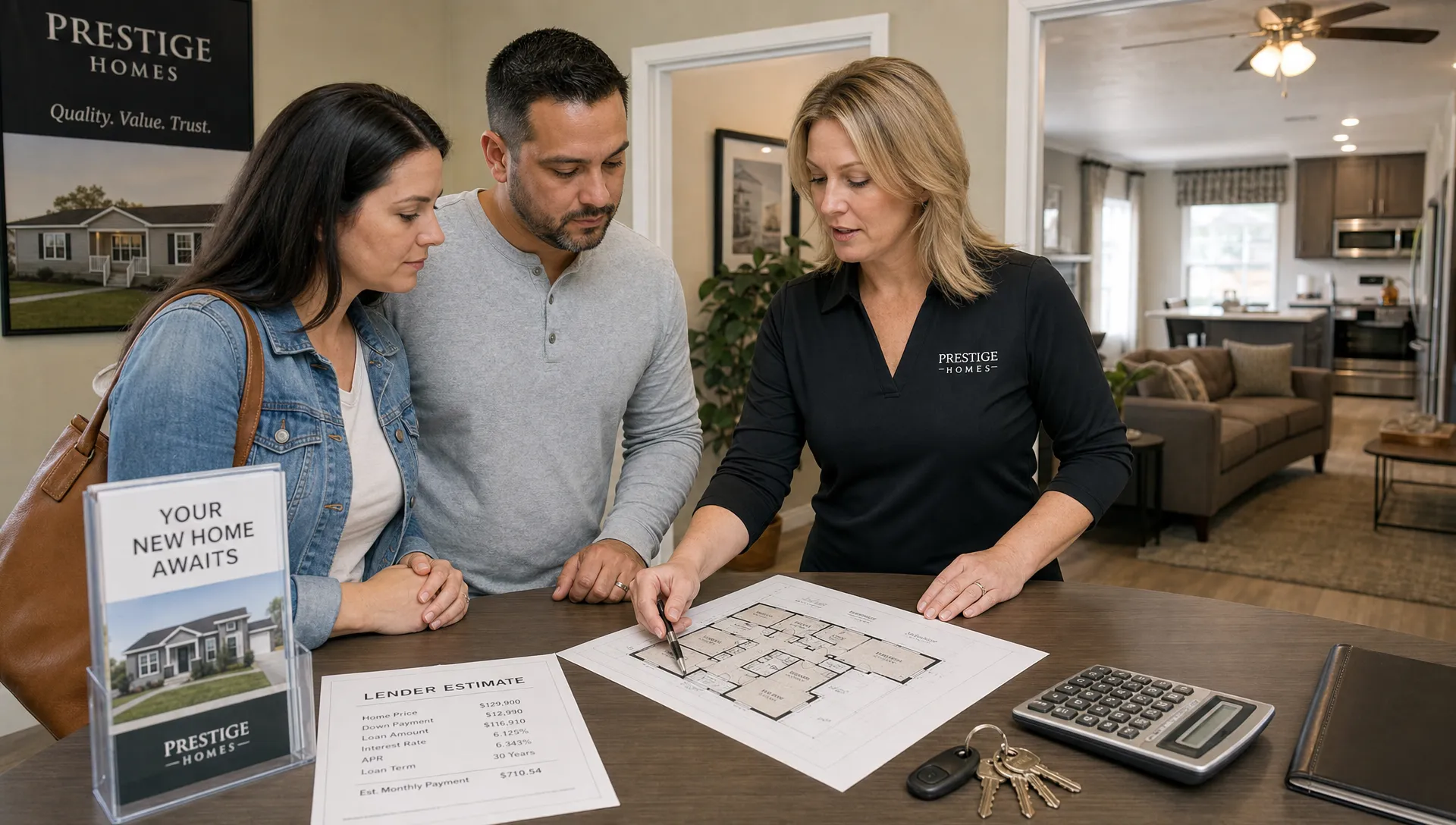
Finally, work with people who handle manufactured-home transactions regularly. Homes2Go San Antonio offers a wide selection of manufactured home models, detailed floor plans, guidance for first-time buyers, and access to local financing resources. That combination can help you identify homes and communities that are more likely to fit the financing path you want.
FHA single-wide requirements at a glance
| Category | Key requirement |
|---|---|
| Occupancy | Usually must be your primary residence |
| Construction standard | Built to HUD Code after June 15, 1976 |
| Size | Generally at least 400 square feet |
| Identification | HUD certification label and data plate should be available or verifiable |
| Loan type | Title I or Title II, depending on home, land, and title structure |
| Foundation | Permanent foundation usually required for Title II real-property financing |
| Land or lease | Owned land, eligible leasehold, or qualifying community lease depending on program |
| Title status | Must match the loan structure, especially if treated as real property |
| Appraisal | Must meet FHA condition, safety, marketability, and value standards |
| Lender | Must offer FHA manufactured-home financing and accept single-wide homes |
Frequently Asked Questions
Are FHA single wide mobile home loans available in Texas? Yes, FHA financing may be available for eligible single-wide manufactured homes in Texas, including the San Antonio area. The home, borrower, lender, land or lease, foundation, and title documents all need to meet the applicable FHA program requirements.
Does FHA require a permanent foundation for a single-wide manufactured home? For FHA Title II mortgage financing, a permanent foundation is usually required because the home is treated as real property. Title I may be different, especially for home-only or land-lease situations, but the home still must be properly installed and meet program standards.
Can I use FHA for a single-wide in a manufactured home community? It may be possible, especially under FHA Title I, if the community lease and homesite meet FHA and lender rules. The lease terms, lot rent, utility access, and community approval process should be reviewed before you commit.
What credit score do I need for an FHA single-wide loan? FHA Title II rules allow 3.5% down with a 580 or higher credit score and 10% down for scores from 500 to 579, but many lenders have overlays. Title I lenders may apply different standards, so the best step is to get prequalified with a lender that handles manufactured homes.
Can an older mobile home qualify for FHA? Homes built before June 15, 1976 generally do not qualify because they were not built to the federal HUD Code. A post-1976 manufactured home may qualify if it meets documentation, condition, installation, and lender requirements.
Is a single-wide harder to finance than a double-wide? Sometimes. FHA rules can allow single-wide manufactured homes, but some lenders have stricter overlays, and appraisals may be more challenging in areas with fewer comparable sales. A newer home with complete documents and a clear installation plan can improve your chances.
Ready to compare FHA-friendly single-wide options?
FHA financing can make a single-wide manufactured home more accessible, but approval depends on choosing the right home, homesite, loan type, and lender. The earlier you check the requirements, the easier it is to avoid delays.
If you are shopping in San Antonio, Homes2Go San Antonio can help you explore manufactured home models, review floor plans, and understand financing paths with guidance from a local team that works with manufactured-home buyers every day.
 Trailer House Price in Texas: What Affects the Cost
 What Strong Manufactured Construction Really Looks Like