
Shopping for manufactured housing for sale can feel simple at first: choose a model, check the price, and ask about financing. In reality, the smartest comparison happens below the surface. Two homes with similar square footage can have very different layouts, energy performance, installation needs, financing options, and long-term costs.
For buyers in San Antonio and the surrounding South Texas area, that matters even more. Heat, land conditions, commute routes, community rules, and lender requirements can all affect whether a home is truly affordable and comfortable after move-in.
This guide gives you a practical way to compare manufactured homes side by side, so you can focus on the best fit instead of getting distracted by the lowest sticker price.
First, compare the right type of home
Before comparing homes, confirm what you are actually looking at. Many people use terms like mobile home, manufactured home, modular home, and prefab home interchangeably, but they are not always the same.
A manufactured home is built in a factory to the federal HUD Code, then transported to a homesite or manufactured home community. HUD explains that manufactured homes are regulated under federal construction and safety standards through its Manufactured Housing Program. That federal standard is one reason documentation, labels, and installation requirements matter so much during financing.
A mobile home usually refers to a factory-built home constructed before the HUD Code took effect in 1976. In everyday conversation, many buyers still say “mobile home” when they mean a newer manufactured home. A modular home is also factory-built, but it is typically built to local or state building codes rather than the HUD Code.
When you compare listings, do not rely only on the label in the ad. Ask:
- Is the home HUD-code manufactured, modular, or pre-1976 mobile?
- Is it new or pre-owned?
- Is it a single-section or multi-section home?
- Is the listed price home-only, or does it include delivery, setup, and site work?
If you are still clarifying terms, Homes2Go San Antonio’s quick buyer guide to mobile homes in San Antonio can help you understand the differences before you compare specific homes.
Compare total cost, not just the advertised price
The advertised price is important, but it is not the full cost of ownership. A home that appears less expensive upfront may need more site preparation, higher utility setup costs, or more upgrades to meet your needs. Another home may cost more at first but include features that reduce future expenses or make financing smoother.
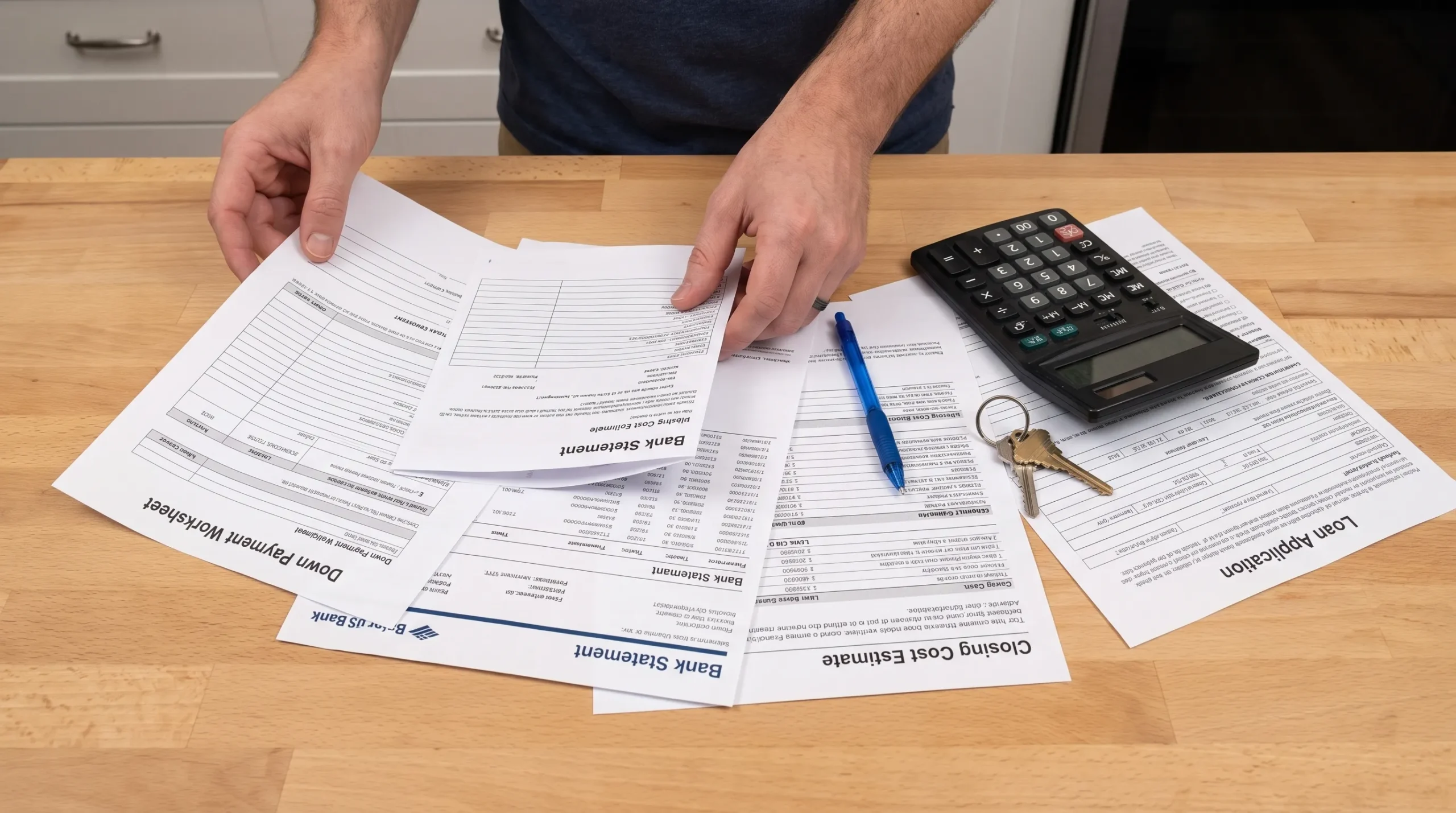
A smart comparison starts with a written breakdown. Ask what is included, what is optional, and what will be quoted separately.
| Cost category | Why it matters | What to ask |
|---|---|---|
| Home price | Base price is only the starting point | What model, size, and options are included? |
| Delivery and setup | Transport and installation can vary by location | Is delivery included for my area? |
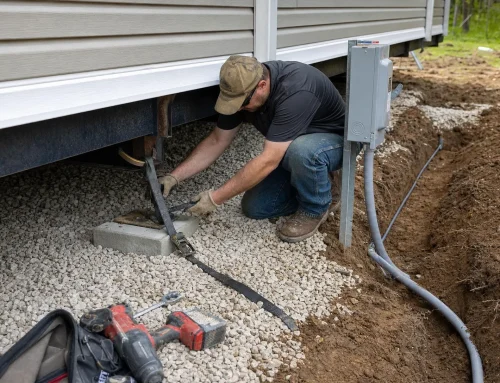
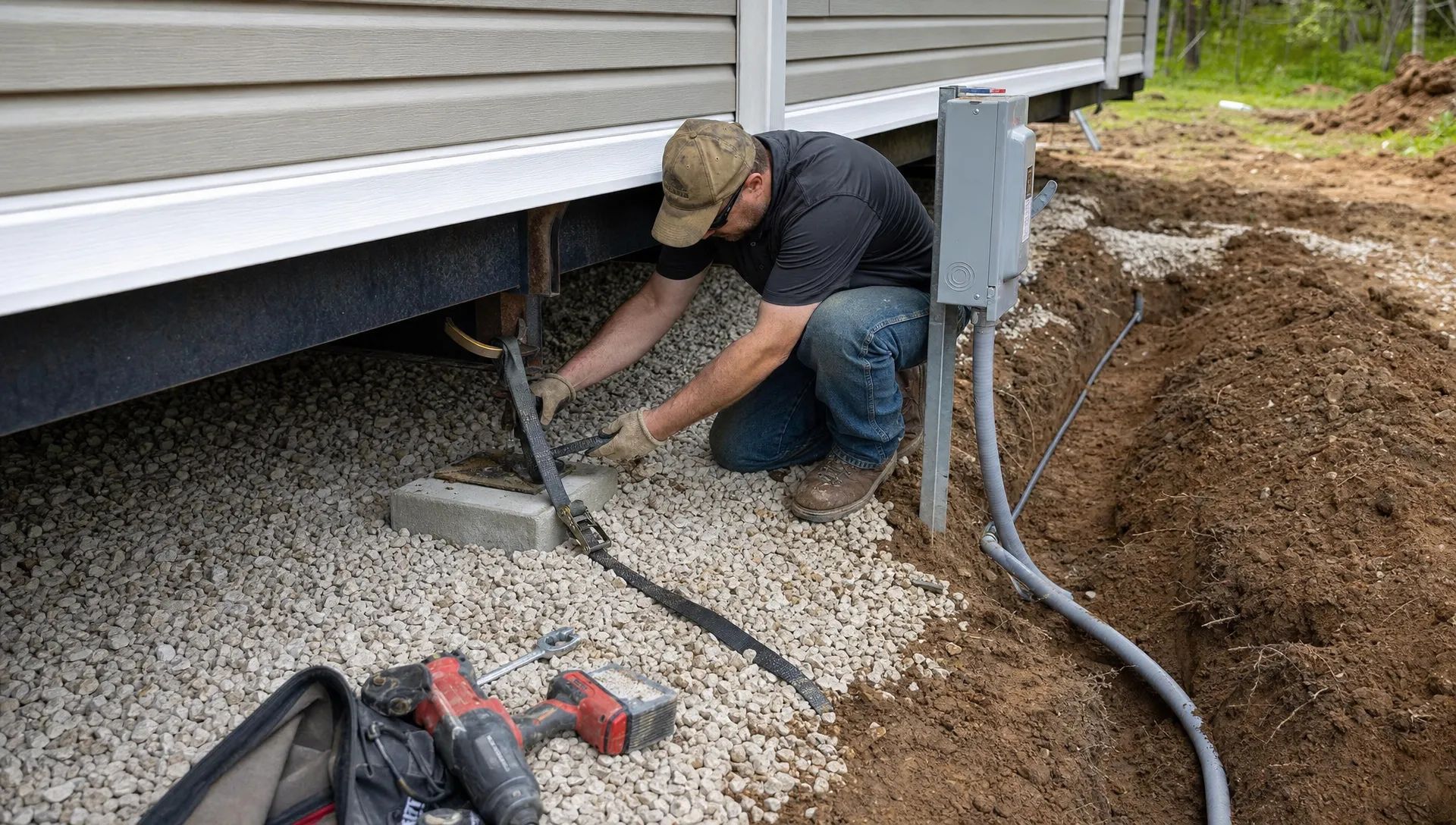
| Foundation or anchoring | Requirements depend on site, lender, and home type | What foundation or tie-down system is needed? |
| Utility connections | Water, sewer, septic, electric, and gas can add cost | Who handles utility coordination? |
| Land or lot rent | Community living and private land have different costs | What is the monthly lot rent or land payment? |
| Taxes and insurance | These affect your monthly budget | Can I estimate these before applying? |
| Options and upgrades | Interior finishes and energy features can change pricing | Which upgrades are must-have versus optional? |
| Financing costs | Loan type, term, fees, and down payment all matter | Can I compare payment scenarios? |
For San Antonio buyers, site-related costs can vary widely depending on whether the home goes into an established community, onto private land, or into a land and home package. If you are comparing homes without comparing the full scope, you may be comparing the wrong numbers.
Look at the floor plan like you already live there
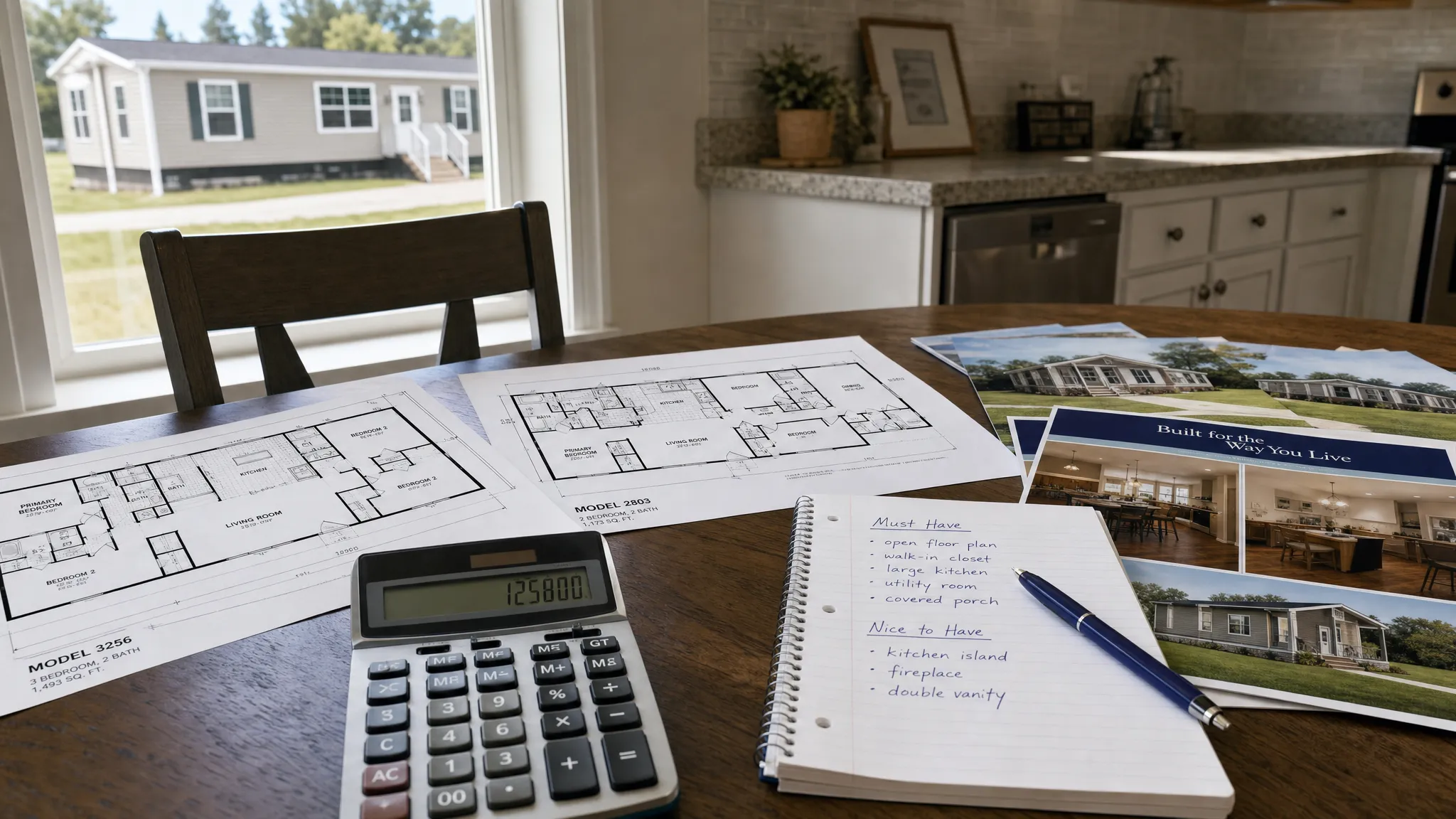
Square footage can be misleading. A 1,500-square-foot home with a smart layout may feel more useful than a larger home with wasted hallway space or poorly placed bedrooms. Instead of asking, “How big is it?” ask, “How will this home work on a normal weekday?”
Think through morning routines, laundry, storage, meal prep, kids’ rooms, guests, pets, and work-from-home needs. In many manufactured homes, the floor plan is where the real value shows up.
| Feature to compare | Why it affects daily life |
|---|---|
| Bedroom placement | Split-bedroom layouts can add privacy for parents, guests, or roommates |
| Kitchen flow | Open kitchens work well for entertaining, but some buyers prefer more separation |
| Utility room size | A larger laundry area can help with storage and household organization |
| Bathroom access | Guest access matters if you host often or have a larger family |
| Flex space | A den or bonus room can serve as an office, nursery, hobby room, or study area |
| Closet and pantry storage | Storage can make a smaller home feel much more livable |
Single-section homes can be a strong fit for buyers who want a simpler setup, lower monthly payment, or a home for a smaller lot. Multi-section homes often provide more living space, wider common areas, and layouts that feel closer to many site-built homes.
Neither is automatically better. The right choice depends on your budget, site, financing, family size, and lifestyle.
Check construction quality and comfort features
Modern manufactured homes can offer attractive interiors, open layouts, and practical design options. Still, you should compare beyond surface finishes. Cabinets, flooring, windows, insulation, HVAC sizing, roof materials, and installation quality all affect how the home performs over time.
This is especially important in South Texas. A beautiful home that struggles to stay cool in July can become expensive and uncomfortable. When touring homes, ask about insulation, window performance, air sealing, ductwork, and HVAC specifications. You do not need to become an energy expert, but you should understand which features support comfort in the Texas heat.
Energy efficiency is not just a “green” feature. It can influence monthly utility bills and long-term satisfaction. For a deeper breakdown, see Homes2Go San Antonio’s guide on energy-efficient manufactured homes in Texas heat.
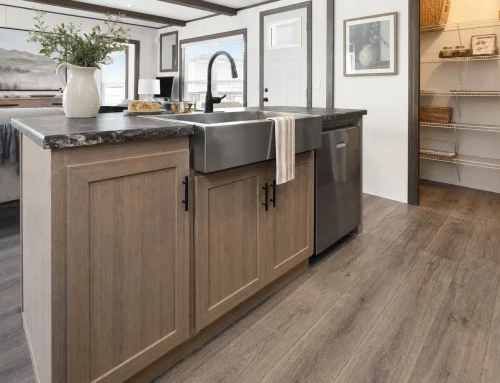
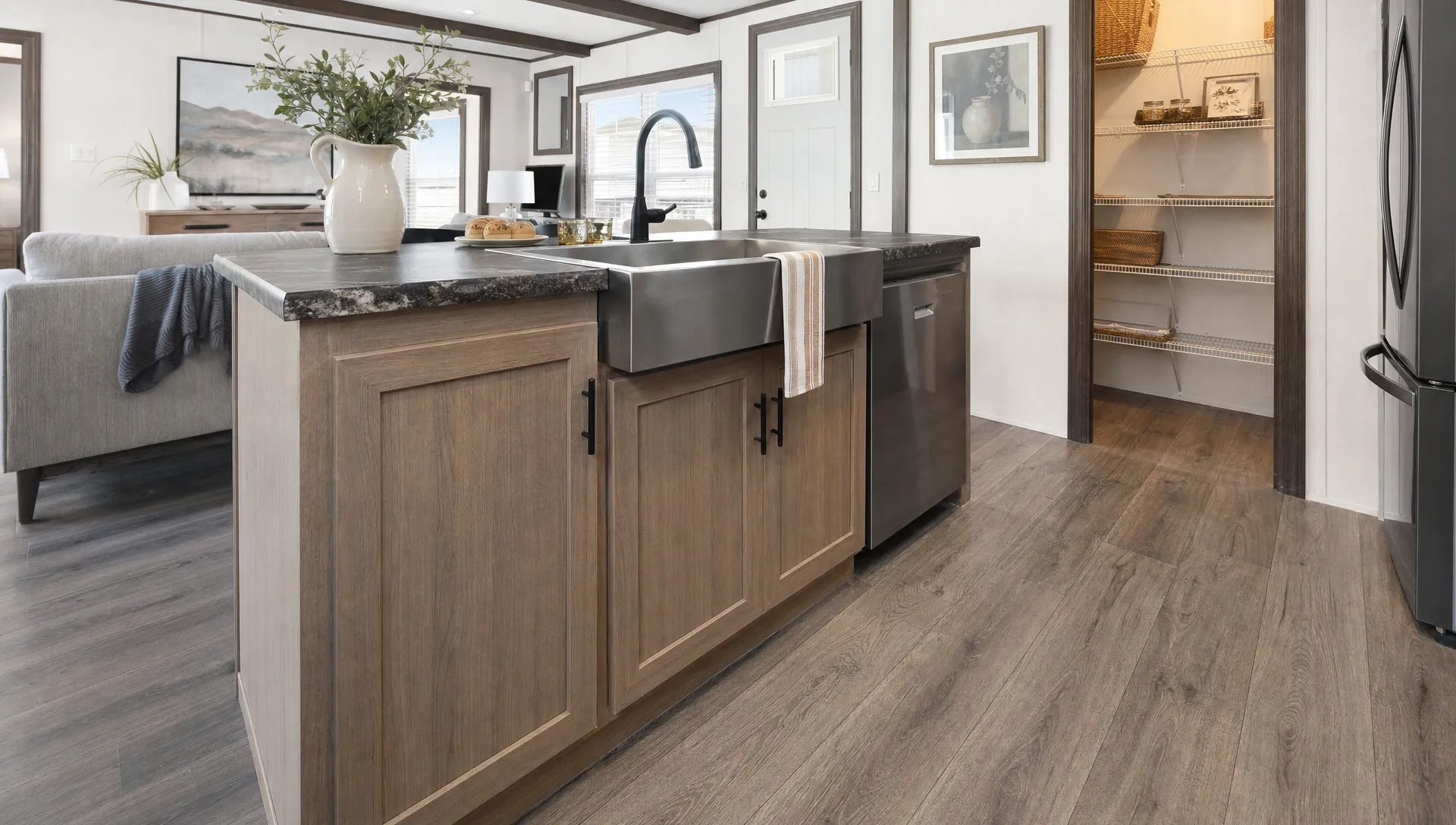
Also pay attention to the home’s finish quality. Open and close cabinet doors. Walk through high-traffic areas. Check the feel of flooring underfoot. Look at trim, fixtures, doors, and storage areas. A quick walkthrough can reveal whether the home feels solid and practical, not just photogenic.
Compare placement options before falling in love with a model
A manufactured home does not exist in a vacuum. Where you place it can affect financing, timeline, monthly cost, commute, utilities, school access, and resale flexibility.
Most buyers compare one of two placement paths: a manufactured home community or private land. Both can work well, but they should be evaluated differently.
A community may offer existing infrastructure, faster placement, neighborhood amenities, and access to established lots. However, you need to review lot rent, community rules, pet policies, parking, approval requirements, and any restrictions on home size or age.
Private land may offer more control, space, and long-term flexibility. It also requires more due diligence. You may need to confirm zoning, access, utilities, floodplain status, septic feasibility, driveway requirements, and installation conditions.
If you are considering land, review how land and home packages in San Antonio work before comparing homes. A model that looks perfect on paper may not be the best fit for a specific lot.
Compare financing in real monthly-payment terms
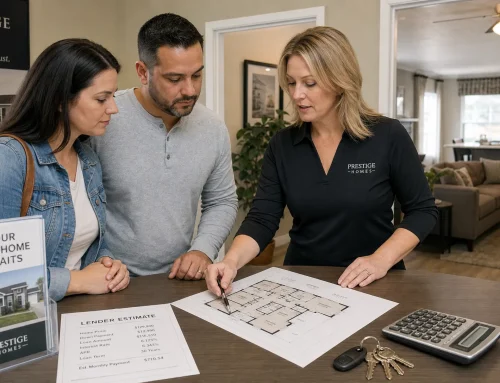
Financing can change the entire comparison. A lower-priced home is not always the lower-payment home if the loan terms, down payment, insurance, lot rent, or site costs differ. Compare financing based on total monthly affordability, not just sale price.
The Consumer Financial Protection Bureau recommends reviewing key loan details through the Loan Estimate when comparing mortgage offers. While manufactured home financing can vary by loan type, the principle is the same: compare the full cost, not just the headline number.
Common manufactured housing financing paths may include home-only loans, land-home financing, FHA options, and other lender programs depending on the buyer, home, land status, and property requirements. Each option has different documentation and approval steps.
When comparing financing, look at:
- Estimated monthly payment
- Down payment requirement
- Interest rate and APR
- Loan term
- Taxes, insurance, and any mortgage insurance
- Lot rent, if the home will be in a community
- Whether land is included or separate
- Closing costs and lender fees
- Home, foundation, and title requirements
Homes2Go San Antonio works with buyers who need flexible financing options and can help connect buyers with trusted local lenders. If you want to understand one common option in more detail, read the guide to manufactured housing chattel loans or review FHA mobile home requirements if you are exploring FHA financing.
Review documents before you commit
A smart comparison includes paperwork. This is not the exciting part of shopping, but it can prevent expensive surprises.
For a new manufactured home, ask for model details, floor plans, warranty information, included features, option sheets, financing estimates, and a written scope of what the purchase includes. For a pre-owned home, documentation becomes even more important. You may need to confirm title status, liens, HUD labels, condition, repair history, and whether the home can be financed or moved.
If the home is already in a community, request community rules and current lot rent information before assuming the home fits your budget. If the home is going on private land, confirm site-related requirements early.
Red flags include vague pricing, pressure to decide before you understand the full cost, missing paperwork, unclear ownership status, and verbal promises that are not reflected in writing. A reputable dealer or professional should be willing to slow down and explain the details.
Use a simple scoring system
When you tour several homes, details start to blur. A simple scorecard helps you compare objectively. Rate each home from 1 to 5 in the categories that matter most to you, then add notes while the tour is still fresh.
| Category | Questions to answer | Score 1 to 5 |
|---|---|---|
| Budget fit | Does the full monthly cost work comfortably? | |
| Floor plan | Does the layout match daily life? | |
| Comfort | Does it include features that support cooling, storage, and livability? | |
| Placement | Does it fit the chosen community or land? | |
| Financing | Are the loan path and requirements realistic? | |
| Timeline | Can delivery, setup, and move-in happen on your needed schedule? | |
| Long-term value | Will the home still fit your needs in five to ten years? |
Do not automatically choose the highest score if one category is a deal-breaker. For example, a home with a great layout may still be the wrong choice if it cannot fit your preferred community or if the total payment is too tight.
Balance wants, needs, and future flexibility
Every buyer has a wish list. The challenge is knowing which items are truly essential. A second living area may be worth paying for if you have a large family. A luxury finish package may be nice, but less important than a floor plan that gives everyone enough space. A smaller home in the right location may be better than a larger home with a difficult commute.
Separate your priorities into three groups: must-have, strong preference, and optional. Must-haves might include bedroom count, payment range, accessibility needs, school access, or placement in a specific community. Strong preferences may include kitchen layout, exterior style, or flex space. Optional items are upgrades you would enjoy but can live without.
Future flexibility matters too. If your household may grow, if you work from home, or if you plan to care for relatives later, consider how the home can adapt. Smart comparison is not just about today’s payment. It is about whether the home continues to serve you after the excitement of move-in is over.
How Homes2Go San Antonio helps buyers compare confidently
Homes2Go San Antonio focuses on helping families and individuals find affordable, high-quality manufactured and mobile homes in the San Antonio area. Instead of leaving buyers to sort through models alone, the team can help you compare floor plans, understand available home options, explore flexible financing paths, and think through placement in local communities or other suitable settings.
That guidance can be especially valuable for first-time buyers. Manufactured housing involves several moving parts: home selection, financing, site fit, delivery, setup, and community or land requirements. Having knowledgeable local support can make it easier to ask the right questions before you commit.
When comparing homes, ask to see detailed floor plans, available models, financing options, and move-in ready opportunities that fit your budget and lifestyle. The goal is not just to find a home for sale. The goal is to find the home that works.
Frequently Asked Questions
What is the most important thing to compare when looking at manufactured housing for sale? The most important factor is total value, not just price. Compare the full monthly cost, floor plan, financing terms, setup needs, energy features, and placement options before deciding.
Is a single-wide or double-wide manufactured home better? Neither is automatically better. A single-section home may offer a simpler, more budget-friendly path, while a multi-section home may provide more space and a wider layout. The best choice depends on your budget, site, financing, and lifestyle.
Should I choose the home first or the location first? Ideally, compare both together. A home must fit the community rules or private land conditions where it will be placed. Choosing a model before checking placement requirements can create delays or extra costs.
How do I know if a manufactured home is financeable? Financeability depends on the home type, age, HUD-code documentation, condition, title status, foundation or installation requirements, land arrangement, and borrower qualifications. A knowledgeable dealer and lender can help you review these details early.
What should I bring when touring manufactured homes? Bring a budget range, list of must-have features, preferred location or community ideas, financing questions, and notes about your household needs. Taking photos and using a comparison scorecard can help you remember each model clearly.
Ready to compare manufactured homes the smart way?
If you are searching for manufactured housing for sale in San Antonio, Homes2Go San Antonio can help you compare models, floor plans, financing options, and community access with more confidence.
Visit Homes2Go San Antonio to explore available manufactured and mobile home options, ask questions, and start narrowing your choices with local guidance built around your budget and goals.
 FHA Mobile Home Requirements Buyers Should Know
 How to Compare All-Age Manufactured Home Communities