
FHA loans for mobile homes in parks can help eligible buyers finance a manufactured home without buying the land beneath it. The key is choosing the right FHA program: a home on a rented park lot is usually a different financing arrangement from a house and land purchased together.
For a typical leased-lot purchase, FHA Title I is the program to ask about first. Approval still depends on the borrower, the home, the installation and the lot lease. This guide explains how those pieces fit together, what costs to expect and what to confirm before paying a deposit.
How FHA loans for mobile homes in parks are structured
FHA insures loans made by participating lenders; it does not lend buyers the money directly. Not every lender offering FHA mortgages also offers Title I manufactured-home loans.
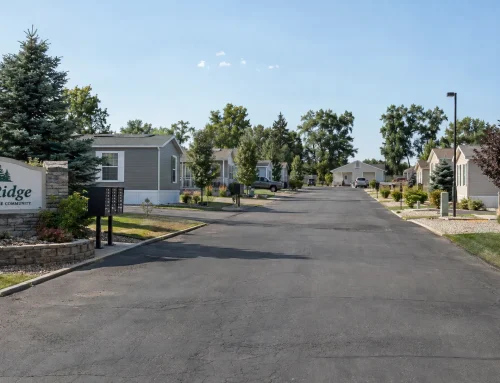
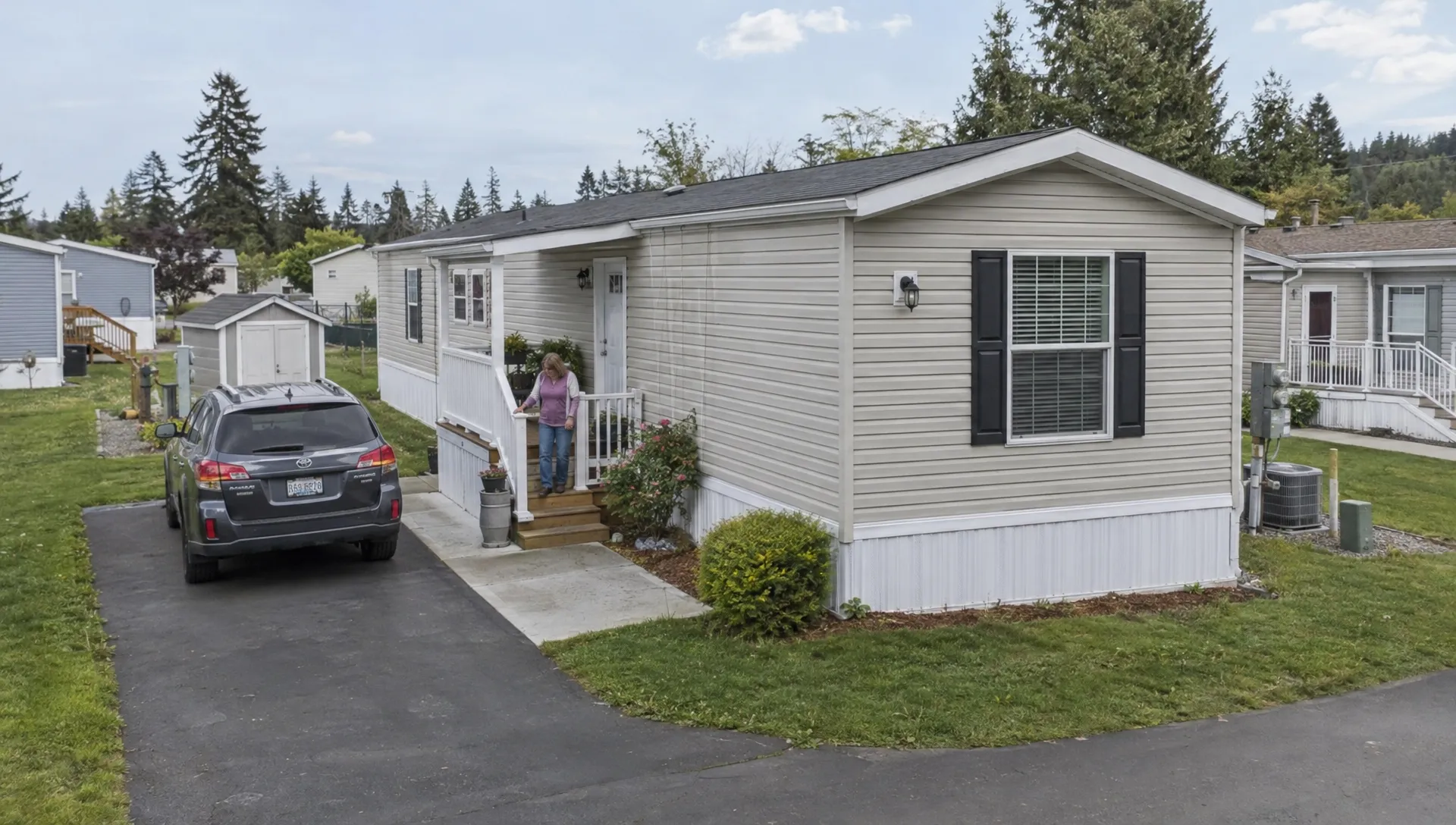
In a park, you generally buy the home and sign a separate agreement to rent its lot. Your loan payment builds ownership in the home, but your lot rent does not buy the land.
| Purchase arrangement | FHA financing to ask about | Main consideration |
|---|---|---|
| Home on an ordinary rented park lot | Title I home-only financing | The home, installation and lease must meet applicable requirements |
| Manufactured home and land purchased together | Title II mortgage or an eligible Title I combination loan | Property classification, foundation and program requirements differ |
| Home on a qualifying long-term leasehold estate | Potentially Title II, subject to detailed review | An ordinary park rental agreement is not automatically an eligible leasehold |
The key distinction with FHA loans for mobile homes in parks is whether the lender is financing the home alone or an eligible real estate interest as well.
Title II, the program behind many familiar FHA mortgages, generally involves a manufactured home treated as real property on an acceptable permanent foundation. Eligible leasehold arrangements exist, but buyers should not assume a standard monthly lot rental qualifies.
If a community advertises that it accepts FHA financing, ask which program and lender it means. Our explanation of what “FHA-approved mobile home park” actually means clarifies why that phrase is not a guarantee of approval.
What the park lease must establish
The lease deserves attention before you choose a floor plan or negotiate a purchase price. A home that otherwise qualifies can still run into financing problems if its site arrangement does not satisfy the lender.
For Title I financing on leased land, federal requirements generally call for an initial lease term of at least three years. Required protections also include at least 180 days’ advance written notice of lease termination, subject to exceptions such as nonpayment or other lease violations. The lender must review the actual agreement against the applicable FHA Title I regulations.
For buyers using FHA loans for mobile homes in parks, a verbal promise from the community manager is not a substitute for an acceptable written lease.
Beyond minimum financing requirements, review how the agreement handles rent increases, utility charges, renewal and resale. Ask whether a future buyer must obtain park approval and whether the home can remain on the lot after a sale.
A three-year initial lease does not necessarily freeze your rent for three years. Read the rent-adjustment provisions separately. Also ask what happens if the community closes or changes its use, because moving a manufactured home can involve transportation, permits, setup and a new financing review.
Which homes and buyers can qualify?
The home must meet manufactured-housing standards
Although buyers often use “mobile home” as a general term, FHA financing generally concerns manufactured homes built on or after June 15, 1976 under the federal HUD construction standards. An older pre-HUD-code mobile home is not made eligible simply because it has been remodeled.
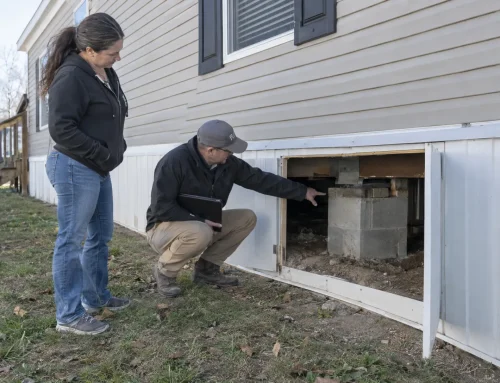
Expect the lender to review the home’s identification, condition, installation and site. Alterations, additions or missing documentation can require further investigation. A park’s permission to install a home does not replace the lender’s property review.
With FHA loans for mobile homes in parks, both a new home awaiting installation and an existing home already on a lot need transaction-specific review. Previously occupied homes may also face lender restrictions involving age, condition or relocation history.
Our guide to FHA mobile home requirements explains the housing standards and documentation in more detail.
Borrower approval and park approval are separate
The lender evaluates documented income, credit history, existing debts and available funds. The home must be your principal residence, rather than a vacation property or investment rental.
The park may conduct its own application review. Passing that screening does not establish loan eligibility, and loan prequalification does not guarantee that the park will accept your application.
Tell the lender the expected lot rent early. It is an ongoing housing obligation, not an optional expense to leave out of an affordability discussion.
Down payments, loan limits and monthly costs
Do not assume the down payment is 3.5%
Title I manufactured-home financing generally requires at least a 5% borrower investment, subject to the transaction and applicable requirements. A lender may require more. The familiar 3.5% minimum associated with qualifying Title II mortgages should not be applied automatically to a home-only park purchase.
For example, a 5% investment on a $100,000 purchase is $5,000. That does not mean $5,000 covers every expense needed to close and move in. Closing costs, prepaid insurance, park deposits and installation charges may create additional cash needs.
When comparing FHA loans for mobile homes in parks, request a written estimate showing the purchase price, required investment, financed charges and total cash due. Ask which costs are eligible to be financed rather than assuming all delivery or setup expenses are included.
Title I also has maximum loan amounts and repayment terms that depend on the transaction and home configuration. Have the lender confirm the current limits instead of relying on an older online chart.
Build a budget that includes the lot
A low home payment can be misleading when lot rent and other charges are excluded. The following figures are a budgeting illustration, not a Homes2Go price or lender quote.
| Illustrative monthly expense | Example amount |
|---|---|
| Home loan payment | $850 |
| Lot rent | $600 |
| Homeowners insurance | $90 |
| Property taxes, if paid separately | $60 |
| Maintenance reserve | $100 |
| Total before utilities and any additional charges | $1,700 |
Ask whether the quoted loan payment includes any required FHA insurance charges and whether taxes or homeowners insurance are collected with it. Avoid counting an escrowed expense twice, but do not leave it out entirely.
Then add utilities, park service fees and any other required charges. Test the budget against a possible rent increase at renewal. Your loan payment may remain fixed while the cost of keeping the home in the community rises.
How to move from an available home to a financeable purchase
Confirm the lender’s program before paying application costs
Ask a prospective lender: “Do you currently originate FHA Title I manufactured-home loans for homes on leased park lots in this area?” That is more useful than asking only whether it offers FHA loans.
For San Antonio buyers, also confirm that the lender serves the specific community and will consider the home’s age, size and purchase arrangement. Program availability and lender eligibility standards can narrow the options.
A lender offering only Title II mortgages may be unable to finance an otherwise suitable home-only purchase. That does not establish that the home is ineligible under every financing program.
Have the home and lease reviewed together
The most useful early review for FHA loans for mobile homes in parks includes the proposed home, the community address and the actual lease, not just your income and credit information.
Provide the lender with the seller’s quote or purchase agreement, available home identification documents and the park’s lease package. For a new installation, identify who is responsible for delivery, site preparation, utility connections and required inspections.
Ask which items remain unresolved. A preliminary borrower approval is not the same as final approval of the home and site. If documents are missing or the lease needs changes, find out who must resolve the issue before you commit to a closing date.
Coordinate the purchase, installation and park acceptance
For a home already in a community, confirm that the lot agreement can be established in your name and that the park permits the home to remain after the sale.
For a newly delivered home, coordinate the dealer, installer, park and lender. A delay in utility connections or site approval can affect when the home is ready for occupancy and when financing can close.
Request written terms for deposits and cancellation rights. If financing or park acceptance falls through, the purchase agreement should explain what happens to money already paid. Do not assume a deposit is refundable unless the agreement says so.
Problems that can stop the transaction
Some barriers involve the buyer, such as insufficient documented income or debts that make the payment unaffordable. Others involve the property or lease and cannot be fixed by a stronger credit score.
Common issues include a pre-HUD-code home, an unacceptable lease, unresolved ownership records, installation deficiencies or a lender that does not offer the necessary program. A purchase price above the lender’s supported value can also create a funding gap.
When evaluating FHA loans for mobile homes in parks, separate a program requirement from a particular lender’s restriction. Ask for the specific reason a transaction cannot proceed. Another lender might have different eligibility standards, but no lender can simply waive an applicable FHA requirement.
Remember that the loan and lot lease create separate obligations. Paying the home loan does not excuse unpaid lot rent, and owning the home does not guarantee an indefinite right to keep it in that location.
Frequently asked questions
Will an FHA loan cover both land and a manufactured home? It can. Eligible Title II mortgages can finance a manufactured home and land together, and Title I also permits certain home-and-lot transactions. A home-only loan in a rented-lot park does not purchase the underlying land.
What is the lowest down payment for a home in a park? Title I financing generally requires at least a 5% borrower investment, with additional cash potentially needed for closing and other expenses. The exact requirement depends on the transaction and lender. Do not assume an advertised 3.5% FHA down payment applies to a leased-lot purchase.
How much income do I need to qualify? There is no single salary requirement for FHA loans for mobile homes in parks. The lender considers documented income, debts, the proposed loan payment and applicable housing expenses. Lot rent matters, so two similarly priced homes can produce different affordability results in different communities.
Does FHA approval protect me from lot rent increases? No. FHA financing does not establish a rent freeze. Review the lease’s rent-increase provisions and ask the park for its current schedule of fees before deciding whether the home fits your budget.
Can a first-time buyer use this financing? Yes, an eligible first-time buyer may qualify, but FHA financing is not limited to first-time purchasers. Approval still depends on the borrower, home, site arrangement and lender requirements.
Start with the home, the community and a realistic budget
A workable park purchase needs all three: a home the lender can finance, a lease that meets the requirements and a total monthly cost you can afford.
If you are exploring manufactured homes around San Antonio, Homes2Go San Antonio can help you compare models, review floor plans and discuss financing options with local lenders. Bring the community address and proposed lot rent to that conversation so you can evaluate the purchase beyond the home’s advertised price.
 Mobile Homes Without Land for Sale and What Buyers Must Check