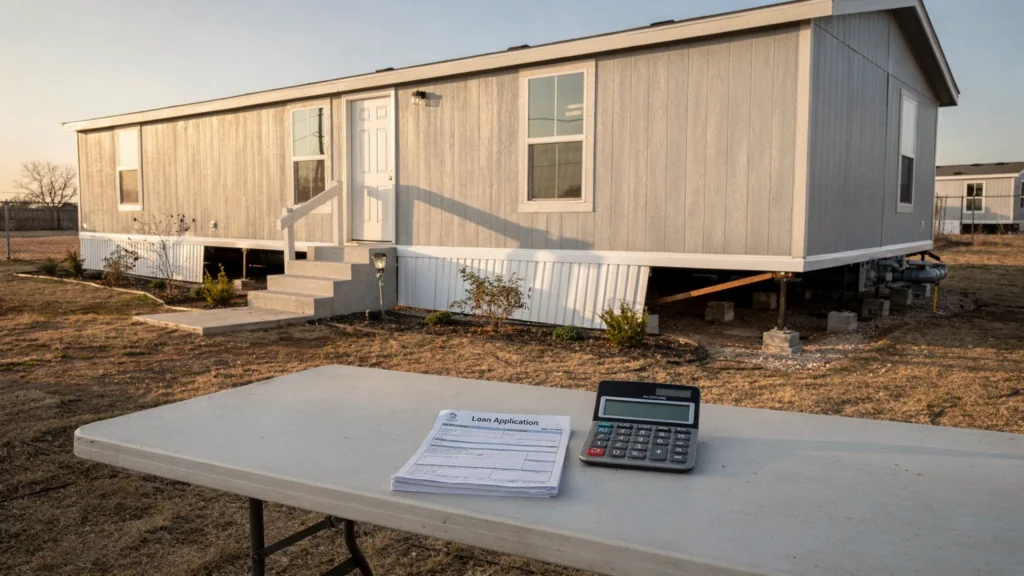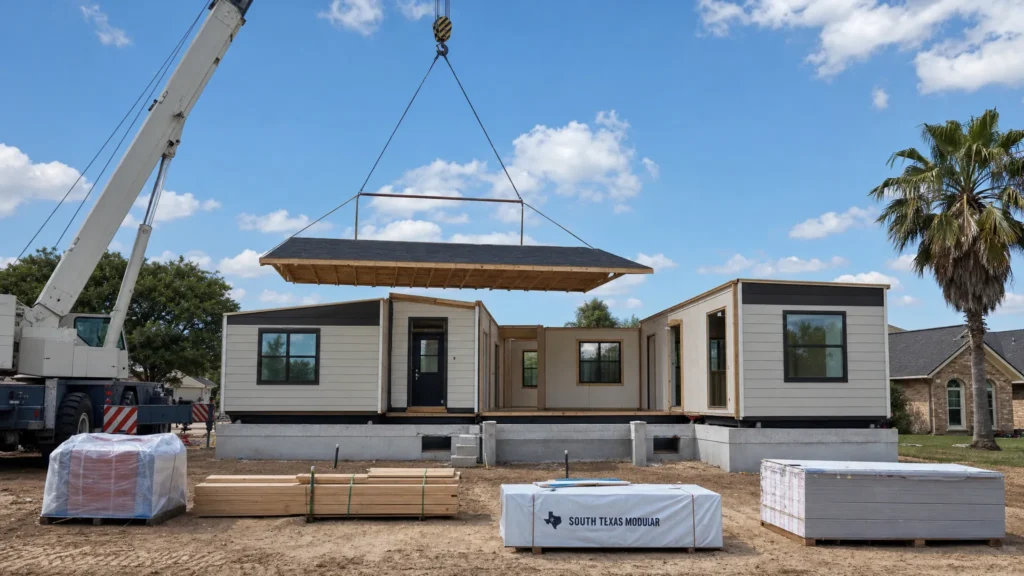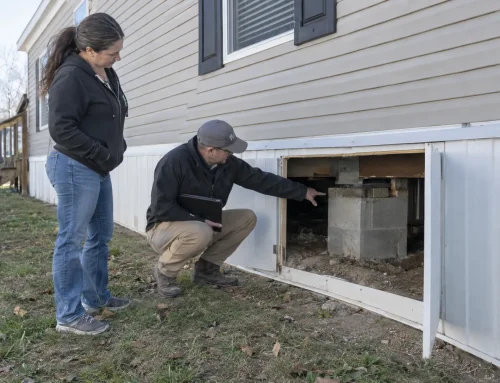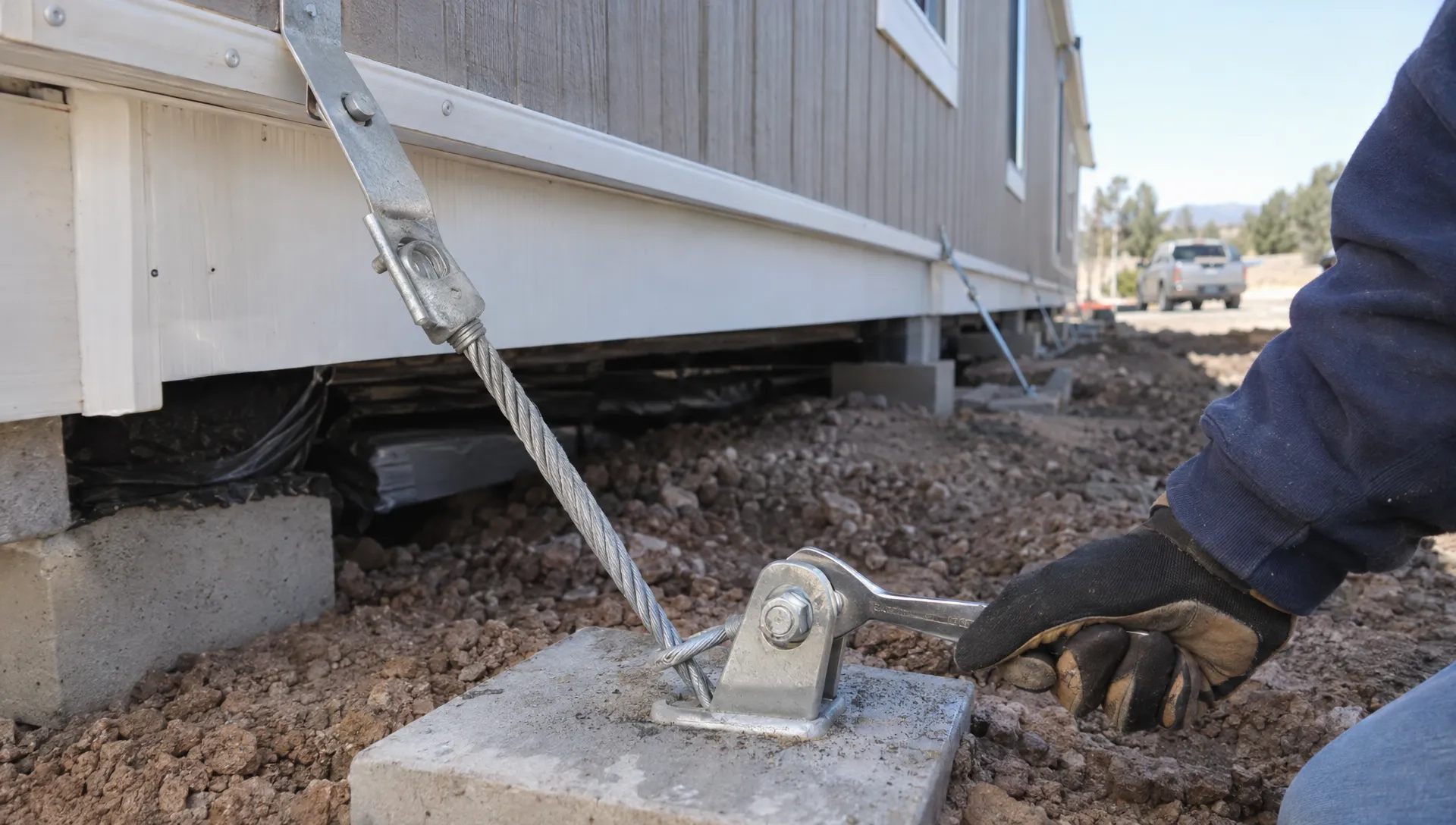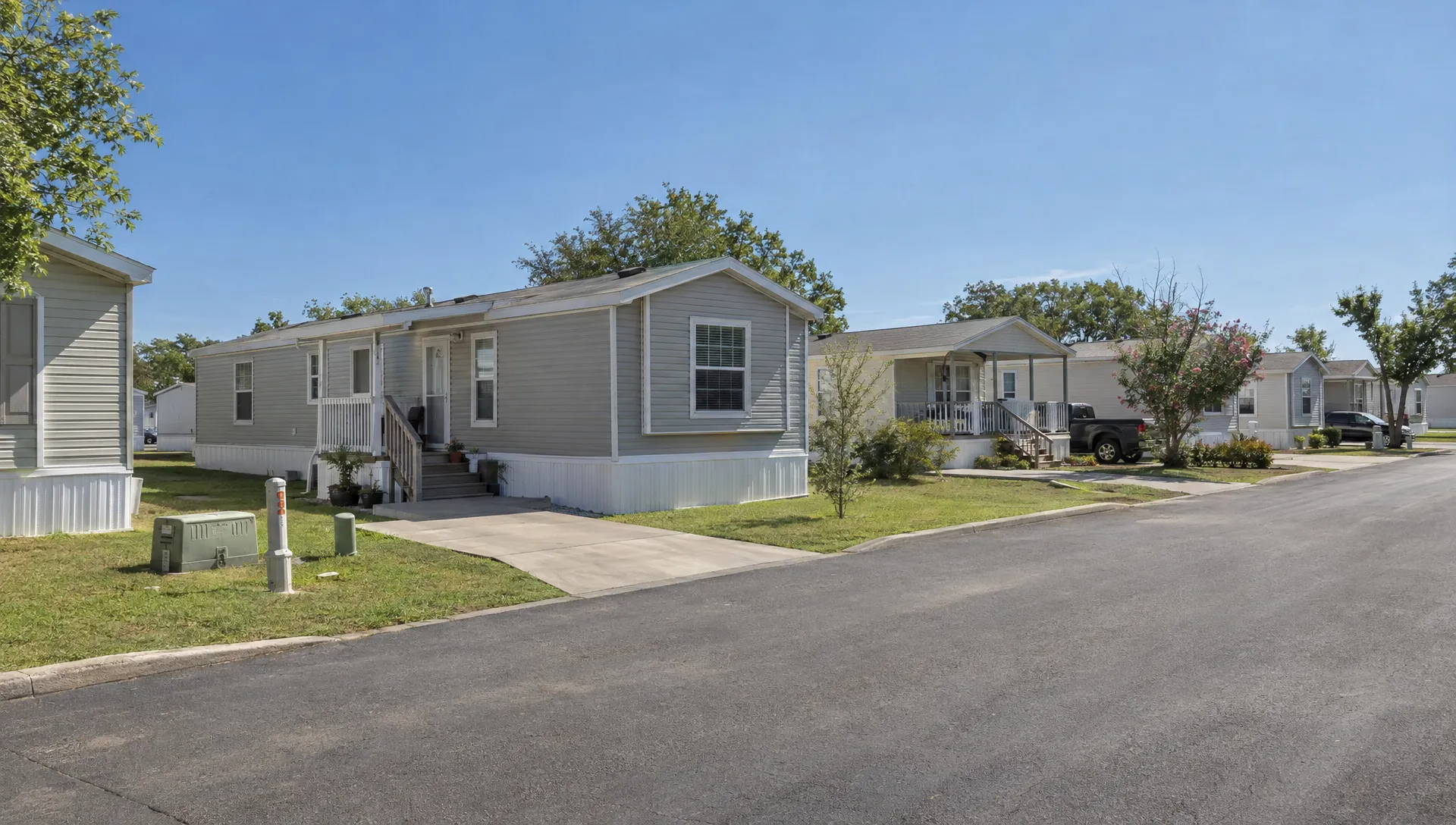

For many San Antonio buyers, the biggest financing question is not only “Can I afford the home?” It is also “What happens if I am buying the manufactured home, but not the land?” That is where manufactured housing chattel loans come in.
A chattel loan can be a practical path when the home is treated as personal property instead of real estate. It is commonly used for manufactured homes placed in leased communities, on family land, or in situations where the land is not part of the loan. But it is not just a smaller version of a mortgage. The collateral, costs, risks, and long-term equity picture can be very different.
This guide explains how chattel loans work, their main pros and cons, and how to decide whether this financing option fits your manufactured home plans in the San Antonio area.
What Is a Manufactured Housing Chattel Loan?
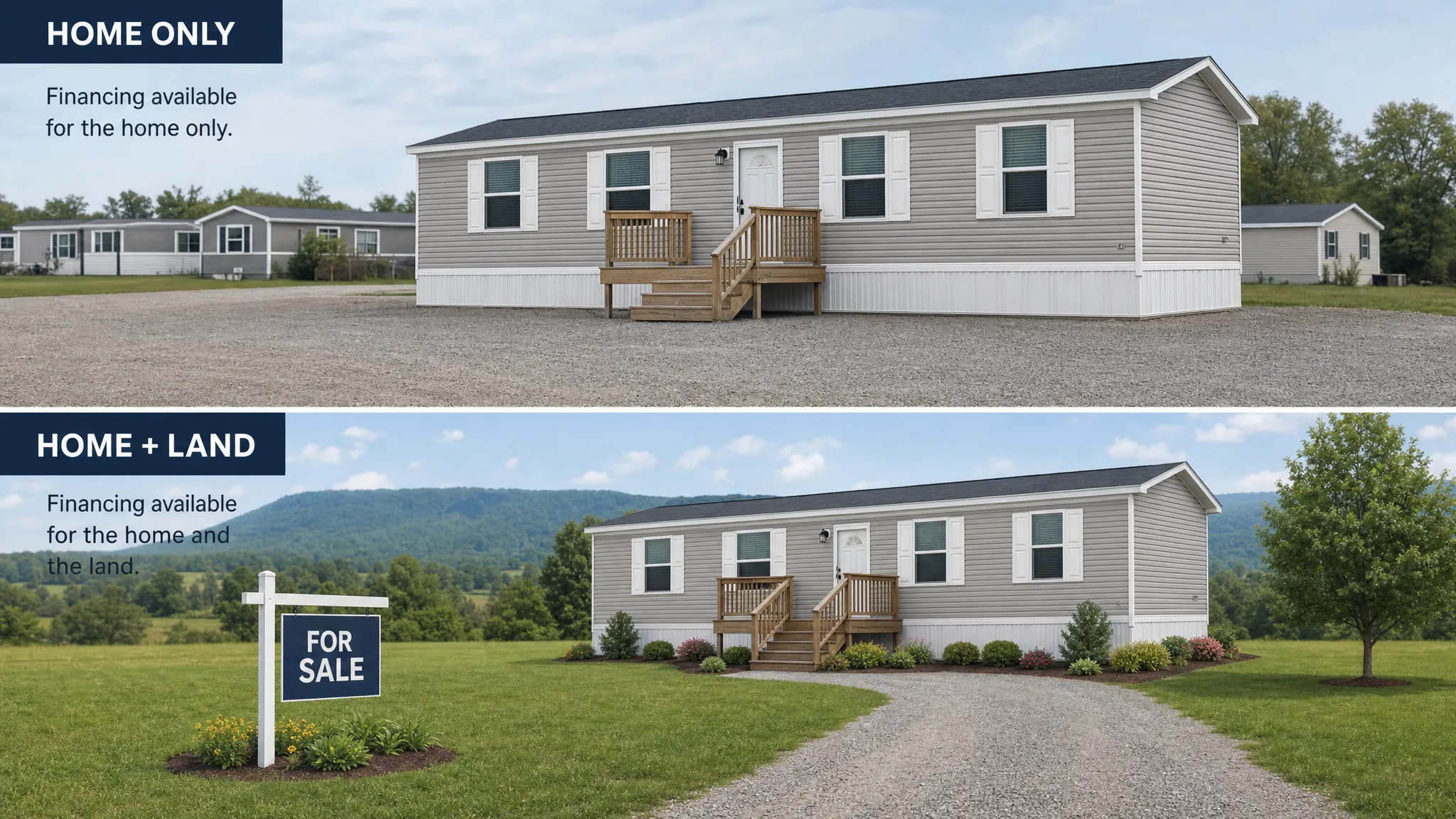
A chattel loan is a loan secured by movable personal property. For manufactured housing, that personal property is usually the home itself. The land underneath the home is not typically included as collateral.
That distinction matters. With a traditional mortgage, the lender usually secures the loan with real estate, such as land plus a permanently attached home. With a chattel loan, the lender’s security interest is generally tied to the manufactured home, not the land. If the borrower defaults, the legal process can look different from a real estate foreclosure.
Manufactured homes built after June 15, 1976 are constructed to the federal HUD Code. You can learn more about the national construction standards through the HUD Manufactured Housing Program. Financing, however, depends not only on the home itself, but also on how the home is titled, where it will be placed, and what the lender accepts.
In Texas, manufactured homes are documented through a Statement of Ownership, and the home may be classified as personal property or real property depending on the situation. If you own the land and the home is permanently attached, conversion to real property may be possible. If you lease the lot, the home will typically remain personal property.
| Feature | Chattel loan | Land-home mortgage |
|---|---|---|
| Collateral | Manufactured home only | Land and home together |
| Land purchase required | Usually no | Usually yes |
| Common use | Leased lot, community placement, home-only purchase | Private land with permanent foundation |
| Title classification | Often personal property | Usually real property |
| Approval focus | Home value, borrower credit, income, site or community approval | Home, land, appraisal, title, foundation, borrower qualifications |
| Long-term equity driver | Home value and loan payoff | Home value plus land value |
Why Chattel Loans Are Common in Manufactured Housing
Manufactured housing serves buyers who want a more accessible path to homeownership, and many of those buyers do not want to buy land upfront. In and around San Antonio, that may mean placing a home in a manufactured home community, leasing a lot, or using land owned by family.
The Consumer Financial Protection Bureau has reported that manufactured home lending includes a significant share of personal property lending, and that these loans can differ from mortgage lending in pricing, lender availability, and borrower experience. In plain terms, chattel loans exist because many manufactured home purchases do not look like traditional real estate transactions.
That can be a benefit, especially when buying land would stretch the budget too far. But it also means buyers need to compare the total cost carefully.
The Pros of Manufactured Housing Chattel Loans
You May Not Need to Buy Land
The biggest advantage is simple: chattel financing can allow you to finance the manufactured home without purchasing the land. For buyers who want to live in a community or lease a private lot, this can reduce the upfront barrier to homeownership.
Buying land in the San Antonio area can add major costs, including the purchase price, surveys, utility setup, driveway work, septic or sewer planning, permits, and site preparation. A chattel loan may help you focus your budget on the home itself.
The Process Can Be More Direct
Because the land is not part of the collateral, chattel loans may involve fewer real estate steps than a full land-home mortgage. There may be no land appraisal, no land title policy, and fewer property-related documents.
That does not mean approval is automatic. Lenders still review income, credit, debts, down payment, home value, and other factors. The home also needs a legal place to go. But for the right buyer, the process can feel more straightforward than combining land, construction, site work, and a home into one mortgage package.
They Can Fit Community Living
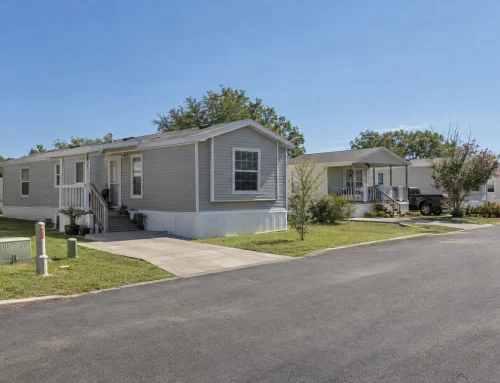
Many buyers choose manufactured home communities because they want an established neighborhood setting, existing utility access, and a defined lot arrangement. A chattel loan can be well suited for this structure because the buyer owns the home while leasing the lot.
If you are comparing community options, it is important to look beyond the home payment. Lot rent, community rules, pet policies, parking, age restrictions, school access, and approval requirements can all affect whether the total deal works. For more on that process, see this guide to comparing family mobile home parks near you.
The Initial Commitment May Be Lower
A home-only purchase can be less expensive upfront than a land-home package. That can make chattel financing useful for buyers who want a manufactured home now, but are not ready to purchase land yet.
This can be especially appealing for first-time buyers who are trying to move out of renting, keep a manageable payment, or choose a home with modern features without taking on the full cost of land development.
It Can Help You Focus on the Home You Want
When the land is not part of the loan, buyers can compare floor plans, bedroom counts, interior finishes, energy features, and community fit more directly. Homes2Go San Antonio offers a wide selection of manufactured home models, which can help buyers compare layouts and features before narrowing financing options.
For buyers in South Texas, energy performance also matters. A home with efficient HVAC, good insulation, quality windows, and smart layout choices may help control cooling costs in hot weather. If that is a priority, this guide to energy-efficient manufactured homes in Texas heat is worth reviewing.
The Cons of Chattel Loans
Rates and Terms May Be Less Favorable Than Mortgages
Chattel loans often carry higher interest rates than traditional real estate mortgages. That is partly because the lender is financing personal property rather than land-backed real estate. Loan terms may also be shorter, which can raise the monthly payment even if the purchase price is lower.
This does not mean a chattel loan is a bad deal. It means the monthly payment should be compared carefully against other options, especially if you qualify for a land-home mortgage, FHA Title II loan, VA loan, USDA loan, or conventional financing.
Lot Rent Changes the Real Monthly Cost
If the home is placed in a community, your total housing cost is not just the loan payment. You may also pay lot rent, utilities, insurance, taxes, trash, community fees, or other charges.
A chattel loan can look affordable when you review the home payment alone. The better comparison is the all-in monthly cost. A lower home payment can become less attractive if the lot rent is high, the commute is expensive, or community fees are unclear.
You Do Not Build Land Equity
When you finance only the home, you are not building equity in land. Land can be an important part of long-term wealth building because it may appreciate over time, depending on the location and market. A manufactured home can still have value, but the equity picture is different when land is not included.
If owning land is part of your long-term goal, compare a chattel loan against a land and home package in San Antonio. A land-home option may take more planning, but it may better fit buyers who want long-term control over the property.
Community Rules Can Affect Your Flexibility
When your home sits on leased land, the community’s rules matter. The community may have requirements for home age, size, exterior appearance, skirting, parking, pets, occupancy, and resale approval. You may need to be approved by both the lender and the community.
This is not necessarily a problem, but it should be reviewed before you commit. A good loan on the wrong lot can still create stress.
Moving a Manufactured Home Is Not Simple
A manufactured home is technically movable, but moving it is not like moving furniture. Transporting, permitting, disconnecting utilities, preparing a new site, and reinstalling the home can be expensive. Some older homes may not be practical or eligible to move, and community rules can limit where a home may go.
For that reason, buyers should choose the lot or community carefully before closing on the home.
Who Is a Chattel Loan Usually Best For?
A chattel loan is often a good fit when the buyer wants the manufactured home, but does not need to finance the land. It can also work well when speed, simplicity, or community placement are higher priorities than land ownership.
| Buyer situation | Why chattel may fit | What to verify first |
|---|---|---|
| You are placing the home in a manufactured home community | The loan can focus on the home while you lease the lot | Community approval, lot rent, rules, home size requirements |
| You have permission to place a home on family land | You may not need to buy the land yourself | Written land permission, zoning, utilities, lender requirements |
| You want a home-only purchase | The structure may reduce upfront land-related costs | Total monthly cost, insurance, taxes, delivery and setup |
| You are not ready for a land-home package | It can be a stepping stone into homeownership | Long-term plan, resale options, refinance possibilities |
| You want a faster path than land development | Fewer land-related steps may simplify the process | Site readiness, permits, installation timeline |
A chattel loan may not be ideal if:
- You want to build equity in land from the beginning.
- You qualify for a lower-cost mortgage option and can meet the property requirements.
- You need maximum long-term control over the land.
- You are unsure about the community lease or lot rent.
- You plan to move the home soon after purchase.
The best fit depends on the full picture, not just the loan type.
Chattel Loan vs. Other Manufactured Home Financing Options
Manufactured home financing is not one-size-fits-all. The right option depends on the home, the land, your credit profile, your military or rural eligibility, and how the property will be titled.
| Financing option | Typically best when | Key tradeoff |
|---|---|---|
| Chattel loan | You are financing the home only, often on leased land | May have higher rates and shorter terms than mortgages |
| FHA Title I | You need manufactured home personal property financing and can meet program rules | Lender availability, loan limits, and requirements vary |
| FHA Title II | The home and land will be financed as real property | Requires eligible foundation, title, appraisal, and property standards |
| Conventional mortgage | You are buying land and home together with strong qualifications | Usually more documentation and stricter property requirements |
| VA loan | You are an eligible veteran, service member, or surviving spouse and the property qualifies | Program and lender requirements must be met |
| USDA loan | The property is in an eligible rural area and the borrower qualifies | Location, income, and property rules apply |
If you want a broader overview, Homes2Go’s manufactured home financing page explains several loan paths and how local guidance can help buyers compare them.
How to Compare a Chattel Loan Offer
Do not compare loan options by monthly payment alone. A longer term can lower the payment but increase total interest. A lower payment can also hide higher fees, lot rent, or required insurance costs.
Ask for written numbers and compare the complete cost of ownership.
| Item to compare | Why it matters | Question to ask |
|---|---|---|
| Interest rate and APR | APR helps show the cost of credit more completely | What is the APR, and what fees are included? |
| Loan term | Affects monthly payment and total interest | How many years is the loan, and what is the total paid over time? |
| Down payment | Impacts cash needed and loan balance | How much cash is required before closing or delivery? |
| Fees | Can change the real cost of the loan | What origination, documentation, title, or closing fees apply? |
| Prepayment terms | Matters if you refinance or pay early | Is there a prepayment penalty or payoff fee? |
| Insurance requirements | Protects the home and lender | What coverage is required, and what is the estimated premium? |
| Taxes and assessments | Personal property treatment may affect taxes | How will the home be taxed in this situation? |
| Lot rent and community fees | Changes total monthly cost | What will I pay monthly besides the loan? |
| Delivery, setup, and site work | Can add major costs if not included | What is included in the home price and what is separate? |
The goal is not simply to find the lowest payment. The goal is to understand what you are agreeing to, what you can afford comfortably, and what the financing means for your next five to ten years.
San Antonio Factors to Think About Before Choosing Chattel Financing
San Antonio buyers should think locally. A financing option that works well in one situation may not work as well in another because the lot, community, utility setup, and commute all affect the final decision.
If you plan to live in a manufactured home community, review the community lease before committing to the home. Ask whether lot rent can increase, how notices are handled, and whether the community must approve a future buyer if you sell the home.
If you plan to place the home on private land, confirm zoning, access, utilities, septic or sewer needs, floodplain status, driveway requirements, and installation rules. Even with chattel financing, the home still needs a legal, prepared site.
Also consider Texas heat. A home with better insulation, efficient cooling, and thoughtful window placement may cost more upfront, but it can make everyday living more comfortable. Since chattel loans often focus on home-only financing, this is a good time to compare floor plans and energy features carefully.
For a broader buying overview, this mobile homes in San Antonio buyer guide covers community living, private land, financing, title, and common mistakes to avoid.
A Practical Step-by-Step Path
If you think a chattel loan may fit your situation, use a structured process before you sign.
- Decide where the home will go: Choose whether you are looking at a community, private leased land, family land, or land you may buy later.
- Compare home models and floor plans: Review sizes, bedroom counts, energy features, and delivery or setup requirements.
- Build a full monthly budget: Include loan payment, lot rent, insurance, taxes, utilities, commute, and maintenance.
- Get financing guidance early: Ask which loan types may fit your credit, income, down payment, and site plan.
- Confirm site or community approval: Make sure the home is allowed before you move too far into the loan process.
- Review written loan terms: Compare APR, term, fees, prepayment rules, down payment, and total cost.
- Plan installation and move-in timing: Coordinate delivery, setup, inspections, utilities, and any community requirements.
This process can help prevent a common mistake: falling in love with a home before confirming that the financing, site, and total monthly cost all work together.
Frequently Asked Questions
What is a manufactured housing chattel loan? A manufactured housing chattel loan is a personal property loan secured by the manufactured home rather than the land. It is often used when the buyer will place the home on a leased lot, in a community, or on land that is not included in the loan.
Is a chattel loan the same as a mortgage? No. A mortgage is usually secured by real estate, such as land and a permanently attached home. A chattel loan is generally secured by the home as personal property. The approval process, interest rate, term, legal documents, and default process can differ.
Do chattel loans have higher interest rates? They often do compared with traditional real estate mortgages, but the exact rate depends on the lender, borrower qualifications, loan amount, down payment, home, and market conditions. Always compare APR, fees, term, and total monthly cost.
Can I use a chattel loan for a home in a mobile home park? Often, yes. Chattel loans are commonly used for manufactured homes in leased communities. You still need to confirm that the community will approve you and that the home meets its size, age, appearance, and installation rules.
Can I refinance a chattel loan later? It may be possible, but it is not guaranteed. Refinancing options depend on your credit, home value, loan balance, lender programs, and whether the home can qualify for another loan type. If you later own land and convert the home to real property, additional options may be available.
Is a chattel loan better than FHA financing? It depends on your situation. A chattel loan may fit a home-only purchase on leased land. FHA Title II may be better for a qualifying land-home purchase with a permanent foundation. FHA Title I may be another option in some home-only situations, depending on lender and program availability.
Ready to Compare Manufactured Home Financing Options?
A chattel loan can be a smart fit for the right buyer, especially if you want a manufactured home without buying land right away. It can also be the wrong fit if you want land equity, a mortgage-style structure, or long-term control over the property.
Homes2Go San Antonio helps buyers compare manufactured home models, understand financing paths, review floor plans, and connect with trusted local lending resources. Whether you are a first-time buyer, looking at a community, or considering a land-home plan, local guidance can make the process clearer.
Start by exploring your options with Homes2Go San Antonio or review available manufactured home financing options to see which path may fit your budget and goals.