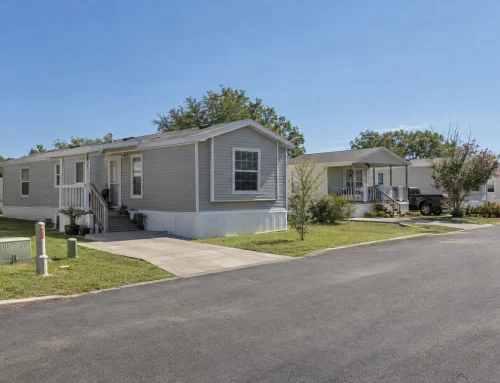

Searching for double wide homes for rent near me usually means you want more room, a real kitchen, a yard or driveway, and a monthly payment that feels manageable. A double wide rental can deliver that, especially around San Antonio where manufactured housing communities are a practical option for many families.
But before you hand over an application fee or sign a lease, slow down. A double wide is not exactly the same as renting an apartment. You may be dealing with a private owner, a manufactured home community, a separate lot lease, or a rent-to-own offer with terms that are easy to misunderstand.
The goal is simple: confirm what you are renting, what it will really cost, who is responsible for repairs, and whether the home and community fit your life.
First, confirm what “double wide” means in the listing
A double wide is a manufactured home built in two sections and joined together on-site. Many listings still use terms like “mobile home,” “trailer,” or “manufactured home” interchangeably, but they are not always the same thing.
Modern manufactured homes are built to the federal HUD Code if they were built after June 15, 1976. HUD explains that manufactured homes are constructed in a factory and then transported to a site, where they are installed according to federal standards through HUD’s manufactured housing program.
For a renter, the exact label matters because it can affect condition, safety expectations, financing history, insurance, and whether the home is allowed in a specific community. If the listing says “double wide,” ask for the year, manufacturer, number of bedrooms and bathrooms, square footage, and whether it is located in a manufactured home community or on private land.
Here is what to clarify early:
| Listing term | What it may mean | What to ask before applying |
|---|---|---|
| Double wide for rent | A two-section manufactured home available as a rental | Is the lot included in the rent? |
| Mobile home for rent | Could be an older mobile home or a manufactured home | What year was it built? |
| Home in a community | The home sits on a leased lot in an MH community | Do I need separate community approval? |
| Rent-to-own double wide | A lease with a possible purchase path | How much goes toward purchase, and when does title transfer? |
| Private land rental | Home and land may be leased together | Who maintains the yard, utilities, septic, or well? |
Do not rely only on photos. A listing can look clean online while hiding major cost or lease issues.
Check whether rent includes the home, the lot, or both
This is one of the biggest differences between renting a double wide and renting a typical apartment. The home may be owned by one person, while the land or community lot may be controlled by someone else.
In some cases, the advertised rent includes both the home and lot. In others, you pay rent to the home owner and separate lot rent to the community. If the home is in a manufactured housing community, the community may also charge application fees, pet fees, parking fees, trash fees, or utility charges.
Ask this question directly: “Is the amount listed the total monthly amount I will pay to live there?”
Then request the answer in writing. A lower advertised rent may not be a better deal if the lot rent, utilities, and fees push the total payment higher than expected. If you are comparing communities around San Antonio, this guide to local mobile home parks, fees, rules, and red flags can help you think through the full cost.
Calculate the real monthly cost
The base rent is only one part of the budget. In Texas, cooling costs can also make a noticeable difference, especially during long, hot summers. A double wide with weak insulation, older windows, poor skirting, or an aging HVAC system may cost more to keep comfortable.
Before you decide a rental is affordable, compare the full monthly picture.
| Cost item | Why it matters | What to verify |
|---|---|---|
| Base rent | The main advertised price | Lease amount and due date |
| Lot rent | May be separate in a community | Whether it is included or billed separately |
| Utilities | Can vary by home condition and season | Electric, water, sewer, trash, gas, internet |
| Deposits | Can affect move-in cash needed | Security deposit, pet deposit, utility deposits |
| Application fees | Often nonrefundable | Home owner fee and community fee, if separate |
| Insurance | Renters insurance may be required | Coverage requirements and monthly premium |
| Maintenance charges | Some leases shift small repairs to tenants | Exact tenant responsibility |
| Late fees | Can add up quickly | Grace period and fee schedule |
If the landlord cannot explain the costs clearly, treat that as a warning sign. A legitimate rental should have a written lease and a clear breakdown of recurring charges.
Inspect the home like you plan to live there for years
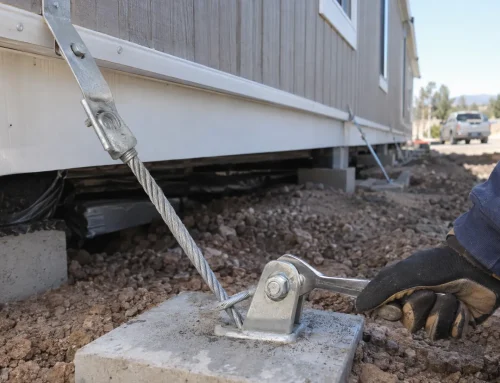
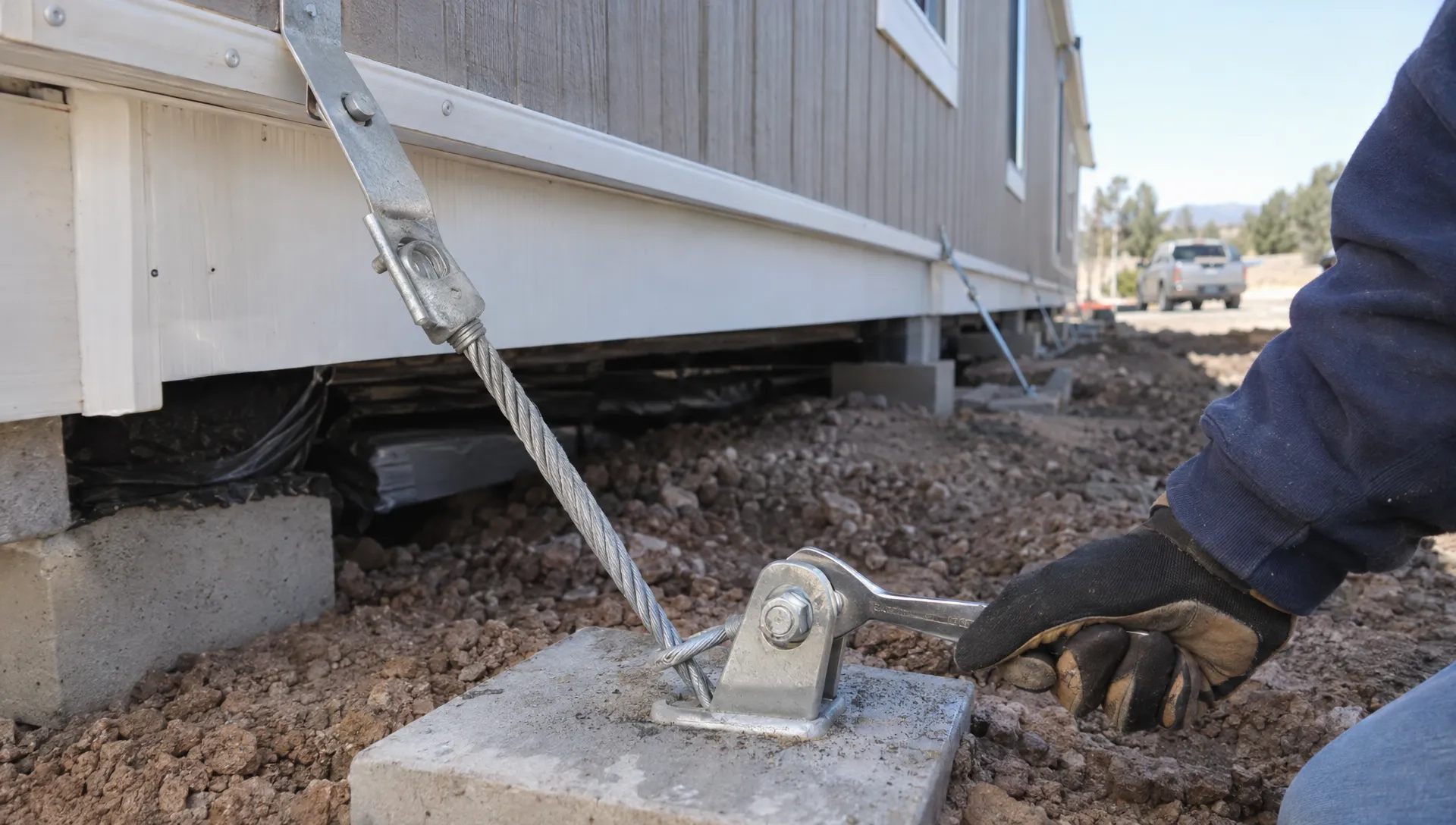
Even if you only expect to rent for a year, the condition of the home matters from day one. A double wide has more systems than many renters think about, including skirting, tie-downs, marriage line connections, ductwork, roof seams, and under-home plumbing.
Walk through slowly. Open cabinets. Turn on faucets. Flush toilets. Run the air conditioner. Check whether doors latch properly and windows open without major gaps. Look for soft spots in the floor, ceiling stains, musty smells, pest activity, exposed wiring, and signs of water intrusion.
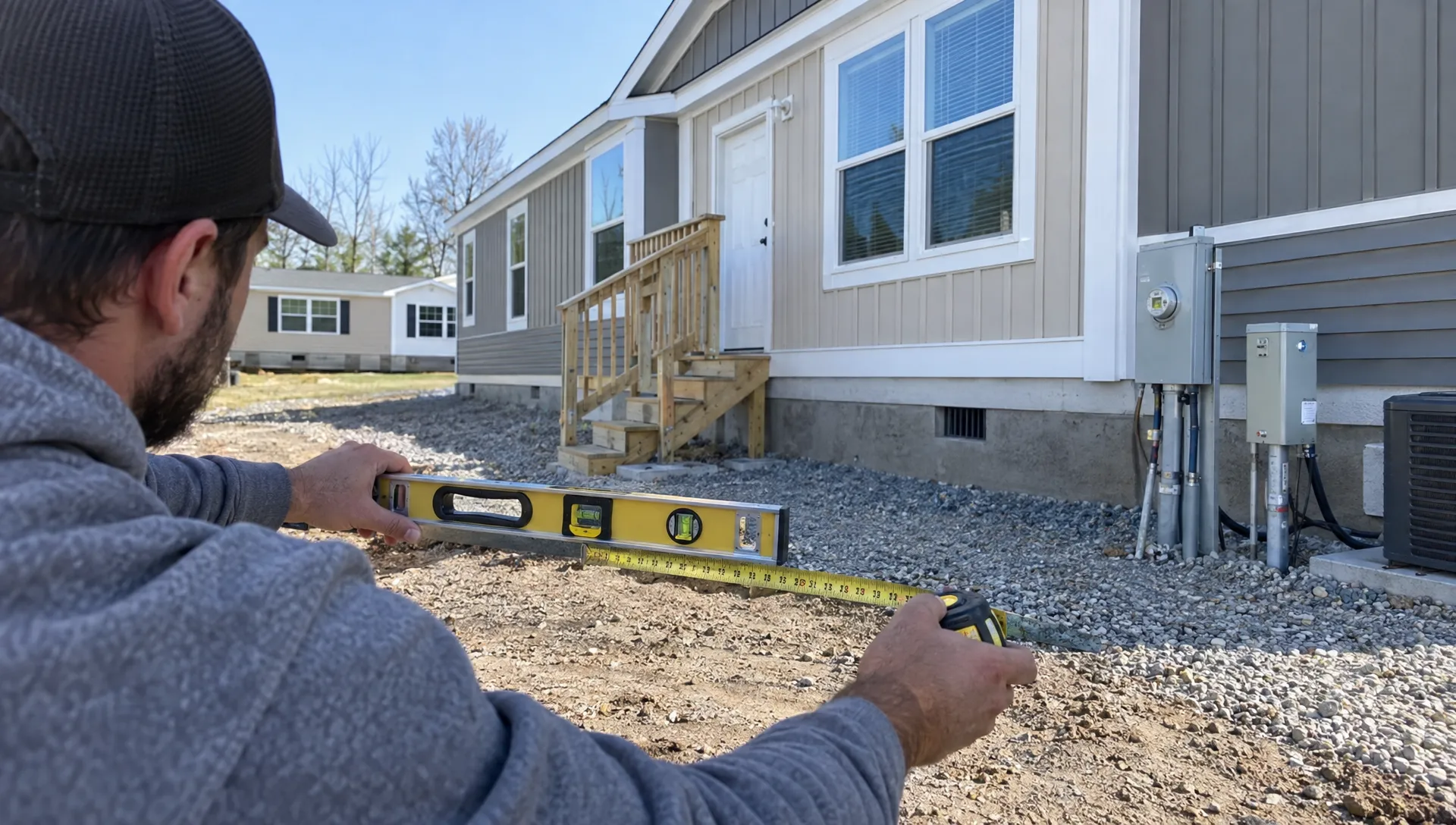
Pay close attention to the exterior. Skirting should be intact, since damaged or missing skirting can expose plumbing and ductwork. The ground around the home should drain away from the structure. Standing water near the home can lead to moisture problems, insects, and foundation concerns.
For San Antonio renters, the HVAC system deserves extra attention. Ask when it was last serviced, whether the filters are clean, and whether every room cools evenly. If the home feels hot during a short showing, it may be uncomfortable during peak summer.
Ask who handles repairs before something breaks
Repair responsibility should never be based on a verbal promise. It should be written in the lease.
In a typical rental, the landlord is responsible for keeping the property habitable, but leases can still assign specific responsibilities to the tenant, such as lawn care, filter replacement, pest prevention, minor repairs, or damage caused by guests or pets. Texas landlord-tenant rules can be complex, so it is smart to review neutral resources like the Texas State Law Library’s landlord and tenant guide if you are unsure about your rights or obligations.
Ask these questions before signing:
- Who repairs the HVAC, plumbing, roof, appliances, and electrical systems?
- How do I submit maintenance requests?
- What is considered an emergency repair?
- Am I responsible for repairs under a certain dollar amount?
- Who maintains the yard, steps, deck, driveway, skirting, and exterior?
- Are appliances included, and are they covered if they stop working?
If the landlord says “you fix everything,” be careful. That may make sense in some rent-to-own agreements, but it can be risky in a normal rental, especially if the home is older.
Review community rules before you fall in love with the home
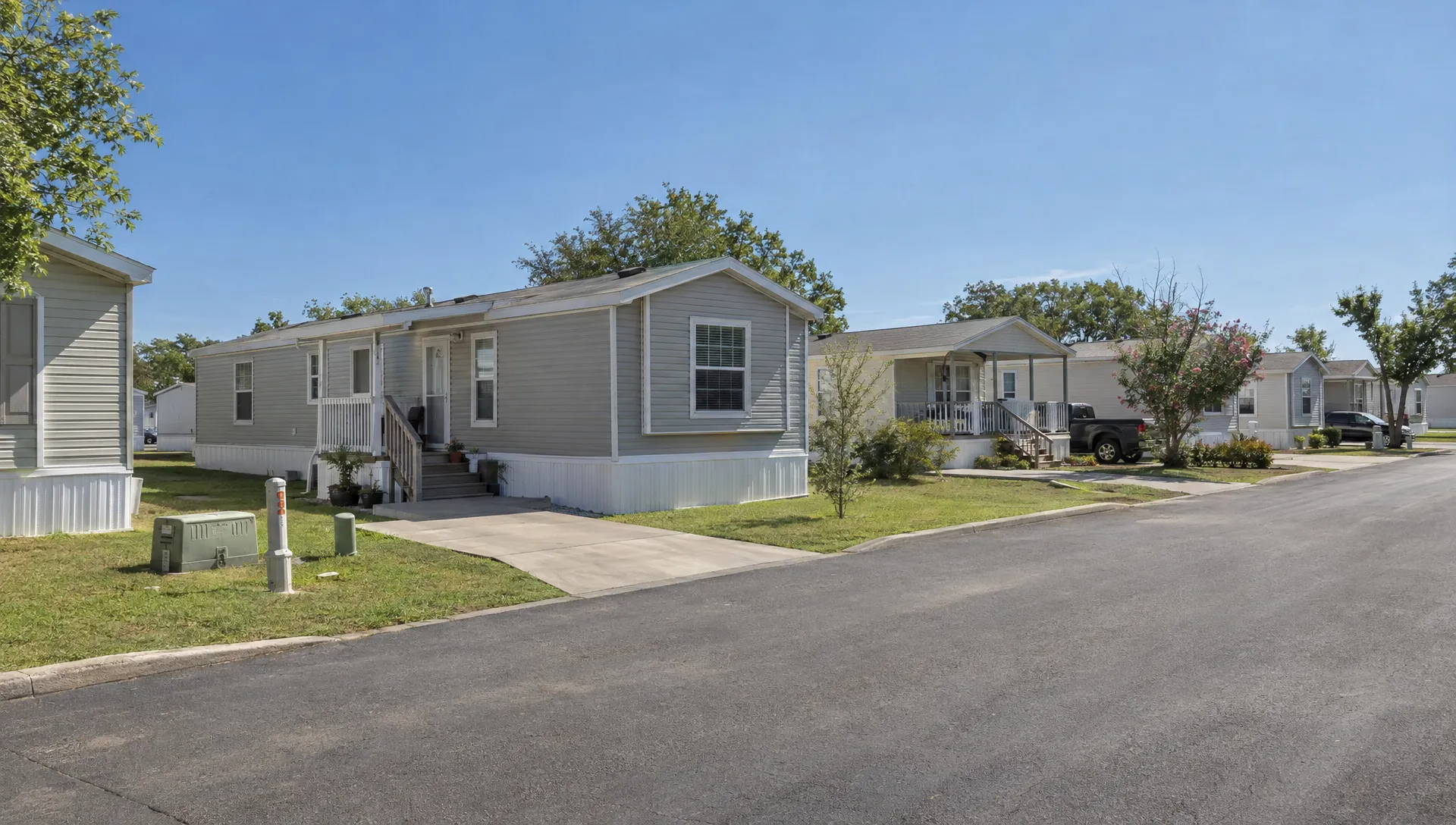
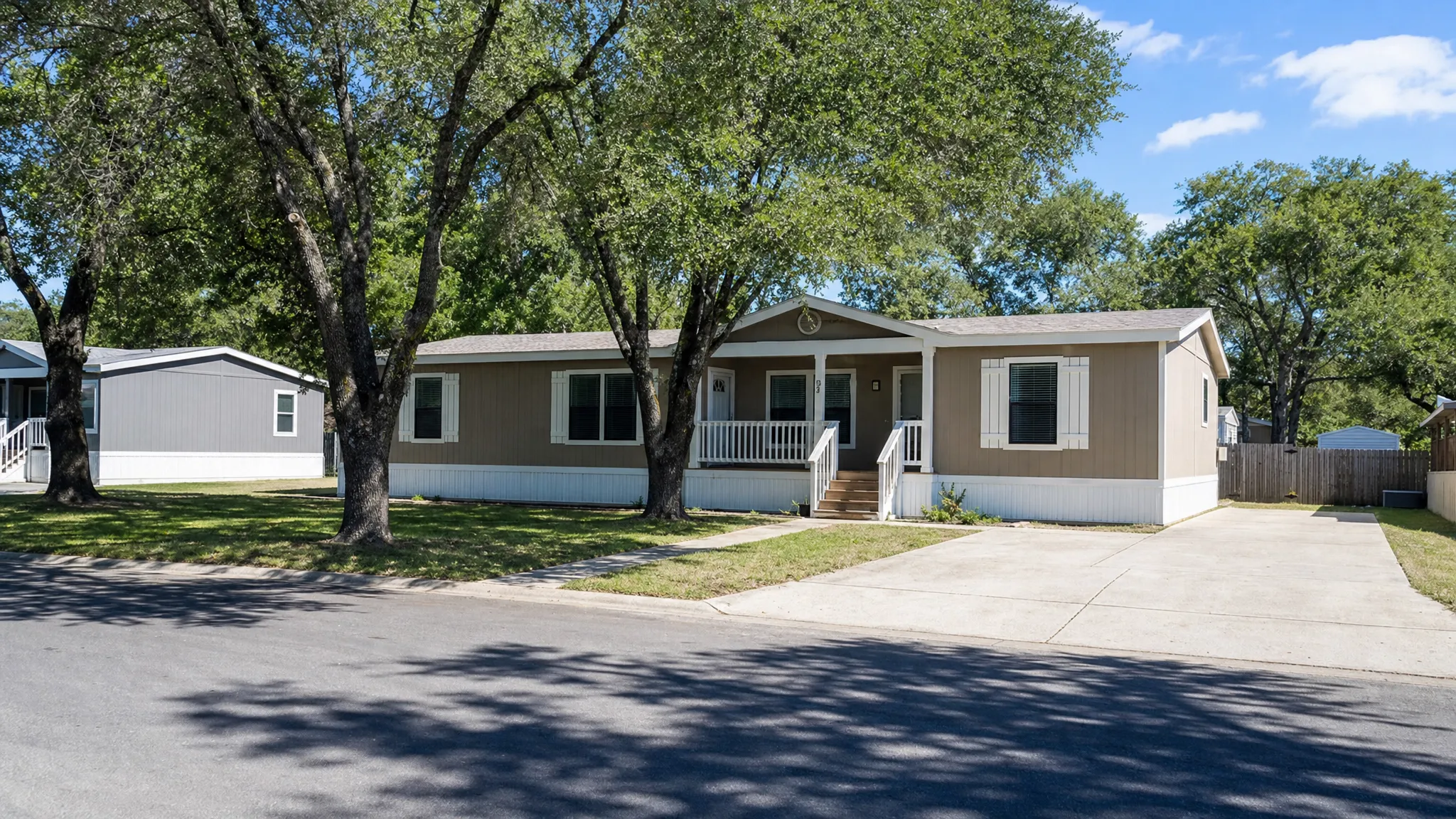
If the double wide is located in a manufactured home community, you may have to qualify with both the landlord and the community. That means your lease with the home owner is only part of the picture.
Community rules can cover pets, parking, guest stays, quiet hours, fencing, outdoor storage, landscaping, trash pickup, vehicle repairs, home appearance, and occupancy limits. These rules may be reasonable, but you need to know them before moving in.
Ask for the current community rules in writing. Also ask whether rules have changed recently and whether lot rent increases are expected. If you are touring several communities, use the questions in this mobile home courts tour guide to compare them more confidently.
A good community should be able to explain:
- Application requirements
- Background and income screening
- Pet restrictions
- Parking limits
- Lot rent and fee schedule
- Maintenance standards
- Rules for guests and additional occupants
Do not assume a landlord can override community rules. If the community says no large dogs, extra vehicles, or certain exterior items, that rule may apply even if the home owner seems flexible.
Verify the landlord has the right to rent the home
Rental scams happen in every housing category, including manufactured homes. Be cautious if someone pressures you to send money before a tour, refuses to meet in person, avoids written documents, or claims they are out of town and can mail you the keys.
In Texas, manufactured home ownership is generally documented through the Texas Department of Housing and Community Affairs Manufactured Housing Division. You can learn more from the TDHCA Manufactured Housing Division. For a rental, you may not need to research every detail yourself, but you should feel confident the person signing the lease has authority to rent the home.
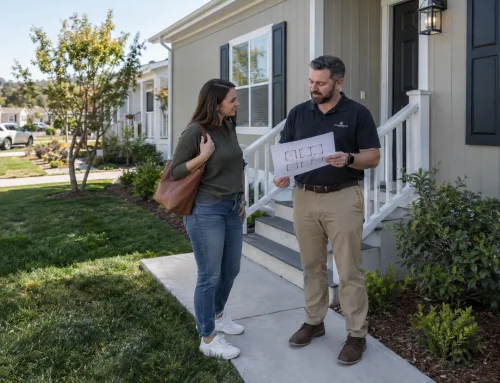
Practical checks include asking for the landlord’s full legal name, confirming the property address, requesting a written lease, and verifying whether a property manager is involved. If the home is in a community, call the community office directly using a phone number you find independently, not only the number in the listing. Ask whether the home is approved as a rental and whether the person advertising it is authorized.
Never pay cash without a receipt. Never wire money to someone you have not verified. Never sign a lease for a home you have not been allowed to enter and inspect.
Read the lease for the details that cause problems later
A lease can look standard at first glance, but small clauses can create big issues. Take your time, especially if you are signing with a private owner.
Focus on the parts that affect your money, your responsibilities, and your ability to stay in the home.
| Lease section | What to check | Red flag |
|---|---|---|
| Lease term | Month-to-month or fixed term | No clear start and end date |
| Rent increases | When and how rent can change | “At any time” language without limits |
| Deposits | Amount, use, and return process | No written deposit terms |
| Repairs | Who handles what | Tenant responsible for major systems without clarity |
| Utilities | Which accounts you must open | Unknown or shared utility billing |
| Community rules | Whether rules are attached | Rules mentioned but not provided |
| Early move-out | Fees and notice requirements | Large penalties not explained upfront |
| Rent-to-own terms | Purchase price and title transfer | No clear written purchase agreement |
If something sounds unclear, ask for a written revision. A serious landlord should prefer clear expectations too.
Be extra careful with rent-to-own double wides
Many people searching for double wide rentals also see rent-to-own offers. Some are legitimate, but others are structured in a way that leaves the renter taking on repair costs without building real ownership.
Before entering a rent-to-own agreement, understand whether you are signing a lease-option, a lease-purchase, or another type of contract. Ask how much of each payment, if any, applies to the purchase price. Confirm the final purchase price, deadline to buy, title transfer process, tax responsibility, insurance responsibility, and what happens if you miss a payment.
Also ask whether the home can legally remain where it is after purchase. If the home is in a community, the community may need to approve you as an owner, not just as a renter. If financing will be needed later, the age, condition, title status, and foundation can matter. For buyers considering ownership, this overview of FHA rules for double wide mobile homes explains why documentation and installation details can become important.
If the seller will not put the rent-to-own terms in writing, walk away.
Check the location beyond the address
A double wide rental may look perfect, but the location still has to work for daily life. Around San Antonio, commute patterns can change quickly depending on whether you need access to Loop 410, I-35, I-10, Highway 90, or Loop 1604.
Visit the area at different times if possible. Morning and evening traffic can feel very different from a quiet weekend showing. Check nearby grocery stores, schools, medical care, public transportation options, and whether delivery or rideshare services are reliable in that area.
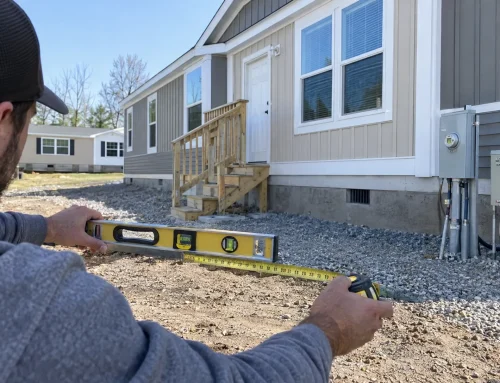
Drainage is another local consideration. Heavy rain can reveal problems that are not obvious on a dry day. Look for low spots, washed-out areas, standing water, damaged roads, and lots where water appears to run toward the home. If you are concerned about flood risk, the FEMA Flood Map Service Center can help you look up general flood map information by address.
Also test phone service and ask about internet providers. In some edge-of-town or rural areas, the home may be affordable but internet options may be limited.
Compare renting with buying if you plan to stay long-term
Renting can make sense if you need flexibility, are new to the area, or are not ready for ownership. But if you are looking for a double wide because you need long-term space for your household, it may be worth comparing the cost of renting with the cost of buying a manufactured home.
Double wide rentals are not always easy to find, and monthly rent can rise over time. Buying may offer more control over floor plan, finishes, energy-efficient features, location, and long-term housing stability. The right choice depends on your credit, income, savings, desired location, and how long you expect to stay.
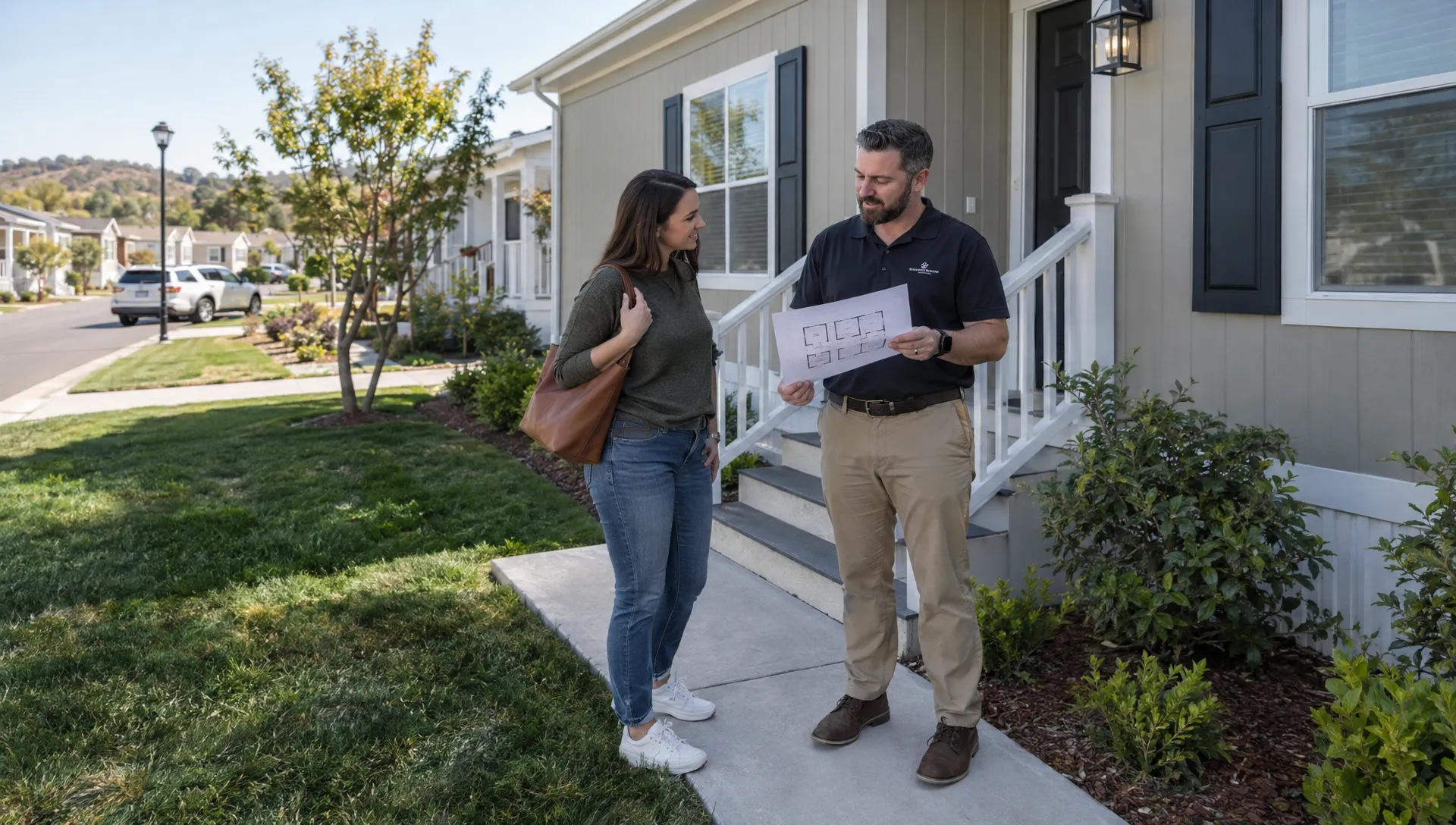
Homes2Go San Antonio helps buyers explore manufactured home options, floor plans, communities, and financing paths with trusted local lenders. If you are not sure whether renting or buying makes more sense, a side-by-side payment conversation can help you see the full picture. You can also review this San Antonio manufactured homes market guide to understand current buying considerations.
Quick checklist before you sign
Use this final checklist before committing to a double wide rental:
- Confirm whether the rent includes the home, lot, and community fees.
- Tour the home in person and document condition with photos or video.
- Test the HVAC, plumbing, electrical outlets, doors, windows, and appliances.
- Ask for the lease, community rules, and fee schedule in writing.
- Verify who handles major repairs and emergency maintenance.
- Confirm the landlord or manager has authority to rent the home.
- Review pet, parking, guest, and occupancy rules.
- Ask about utility providers and average seasonal costs if available.
- Be cautious with rent-to-own terms that are not fully written.
- Compare the rental cost with buying if you plan to stay several years.
A good rental should feel clear, not rushed. If the numbers, rules, or responsibilities keep changing, keep looking.
Frequently Asked Questions
Are double wide homes for rent usually cheaper than houses? Sometimes, but not always. The best comparison is total monthly cost, including lot rent, utilities, deposits, insurance, and community fees. A lower base rent can become expensive if extra charges are not included.
Can I rent a double wide in a manufactured home community? Yes, some communities allow rental homes, but approval rules vary. You may need to apply with the home owner and the community separately, so always ask for both sets of requirements before paying fees.
What should I inspect first in a double wide rental? Start with the roof, floors, HVAC, plumbing, electrical system, windows, doors, skirting, drainage, and signs of moisture. In San Antonio, the air conditioning system is especially important.
Is rent-to-own a good idea for a double wide? It can be, but only when the purchase price, payment credit, repair duties, title transfer, taxes, insurance, and default rules are written clearly. If the agreement is vague, it is safer to get advice before signing.
Should I rent or buy a double wide manufactured home? Renting may be better for short-term flexibility. Buying may be better if you want long-term stability, more control over the home, and the ability to choose a floor plan and community that fit your needs.
Thinking beyond renting?
If your search for double wide homes for rent near you is really a search for more space, a better monthly payment, or a place that feels like home, it may be time to compare rental options with ownership.
Homes2Go San Antonio can help you explore manufactured homes, review floor plans, understand financing options, and connect with local guidance for the San Antonio area. Start with a conversation, compare your options, and decide whether renting or buying gives you the best path forward.
 FHA Construction Loans for Manufactured Homes Explained
 How to Find Nice Mobile Homes for Rent Without Overpaying