
Finding nice mobile homes for rent is not just about locating the lowest monthly price. The better goal is to find a clean, comfortable, well-managed home with a lease you understand, a total monthly cost you can afford, and no surprise fees after move-in.
That matters especially in San Antonio, where manufactured housing can offer more space and privacy than many apartments, but rental listings vary widely in quality. Two homes with the same advertised rent can feel completely different once you factor in utilities, community fees, commute costs, AC performance, pet rules, and repair responsibilities.
Here is how to search smarter, compare listings fairly, and avoid overpaying for a mobile home rental that looks good online but costs more than expected in real life.
Start by defining what “nice” actually means
A “nice” mobile home rental is not always the newest, largest, or most upgraded home on the market. For most renters, nice means the home is safe, clean, comfortable, functional, and located in a community or area that fits daily life.
Before you start applying, decide what matters most. A home with updated floors and cabinets may look great in photos, but if the AC struggles in August, the skirting is damaged, or the lease is unclear, it may not be a good deal.
In practical terms, a strong rental should have:
- A clear written lease with rent, deposits, fees, and responsibilities explained
- Working heating and cooling, especially reliable air conditioning in South Texas
- Solid floors, functioning windows, secure doors, and no obvious moisture damage
- Reasonable utility costs for the size and condition of the home
- A clean lot or community with rules that match your lifestyle
- Transparent pet, parking, guest, and maintenance policies
Also remember that many people use “mobile home” as a general search term, but newer homes are usually manufactured homes built to federal HUD standards. HUD explains that manufactured homes are factory-built homes constructed according to the federal Manufactured Home Construction and Safety Standards, commonly called the HUD Code. You can learn more from HUD’s manufactured housing program.
That distinction matters because a newer manufactured home may offer better construction standards, insulation, layouts, and energy performance than an older pre-HUD mobile home.
Build your real monthly budget before you tour
The easiest way to overpay is to compare listings by advertised rent only. Mobile home rentals can include different cost structures depending on whether the home is in a manufactured home community, on private land, or part of a rent-to-own arrangement.
Ask for the full monthly cost in writing before you apply. A home advertised at $1,250 per month may cost much more if utilities, trash, lawn care, pet rent, or lot fees are separate.
| Cost item | What to ask | Why it matters |
|---|---|---|
| Base rent | Is this the full home rent? | Some listings separate home rent and lot rent. |
| Lot rent or community fee | Is it included or billed separately? | This can significantly change the real monthly cost. |
| Utilities | Which utilities are tenant-paid? | Water, sewer, electric, gas, trash, and internet vary by property. |
| Deposit | Is it refundable, and under what conditions? | A low rent with a high nonrefundable fee may not be the best value. |
| Application fees | How much per adult applicant? | These add up quickly if you apply to multiple homes. |
| Pet fees | Is there pet rent, a pet deposit, or breed restriction? | Pet costs can change affordability. |
| Lawn care | Who handles mowing and lot upkeep? | Some communities require tenant maintenance. |
| Repairs | Which repairs are landlord responsibilities? | The lease should clearly explain this. |
A realistic budget should also include renter’s insurance if required, commuting costs, moving expenses, furniture needs, and utility deposits. For San Antonio renters, electricity deserves special attention because cooling costs can rise sharply during the hottest months.
If the listing does not clearly explain what is included, do not assume. Ask directly: “What is the total amount I should expect to pay each month to live here, not counting my personal internet or cable?”
Compare the home, the lot, and the community together
When looking for nice mobile homes for rent, the home itself is only one part of the decision. The location and lot can affect comfort, safety, convenience, and long-term satisfaction.
A beautiful home may be less appealing if the lot floods after heavy rain, the driveway is too tight, the commute is unrealistic, or the community rules do not match your household. On the other hand, a slightly older but well-maintained home in a convenient, well-managed community may be the better value.
Pay close attention to:
- Commute times during your actual work or school schedule
- Access to groceries, medical care, childcare, and public services
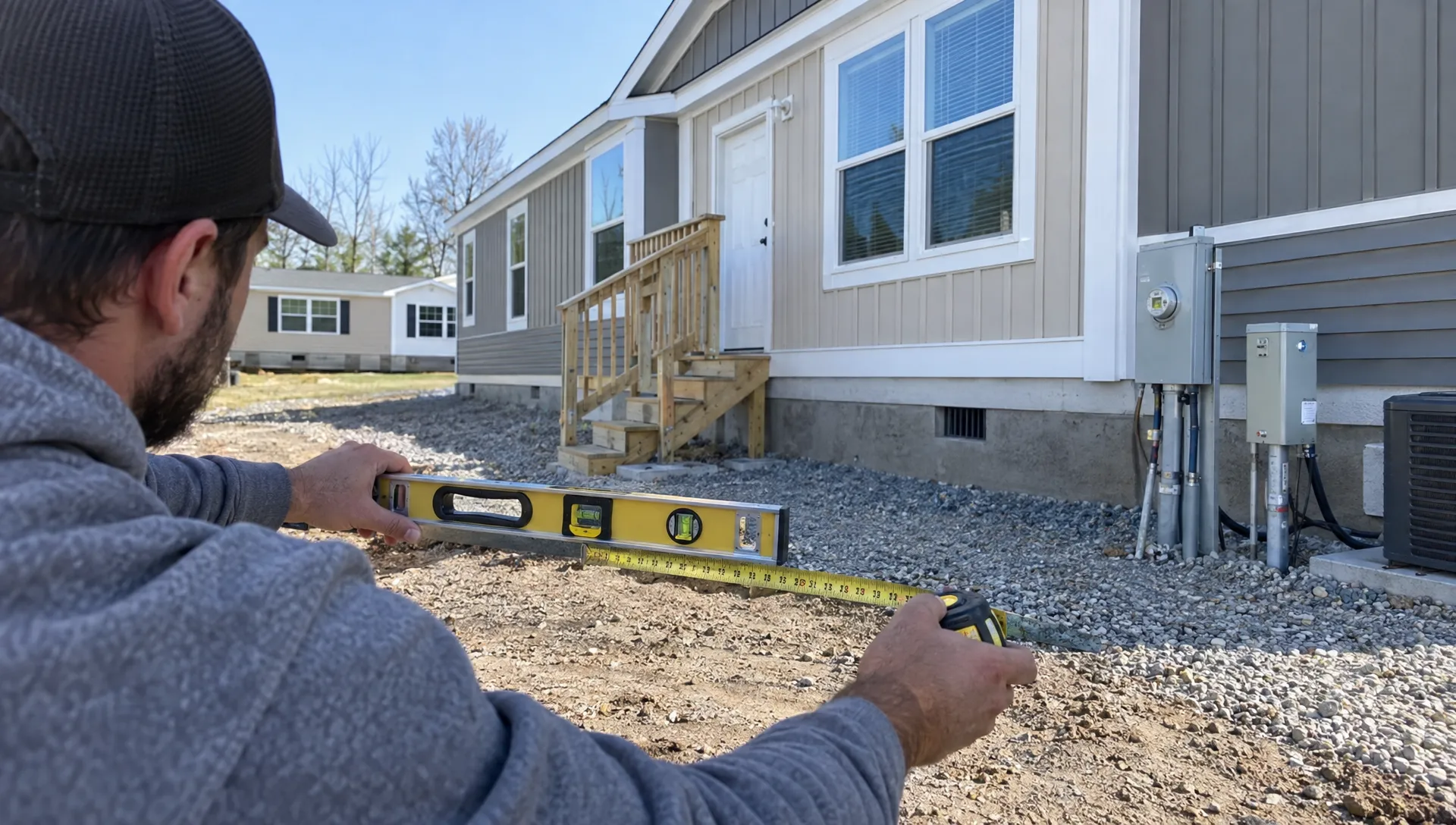
- Drainage around the lot after rain
- Parking rules for multiple vehicles, work trucks, trailers, or guests
- Community rules on pets, outdoor storage, fences, grills, and noise
- Management responsiveness and how maintenance requests are handled
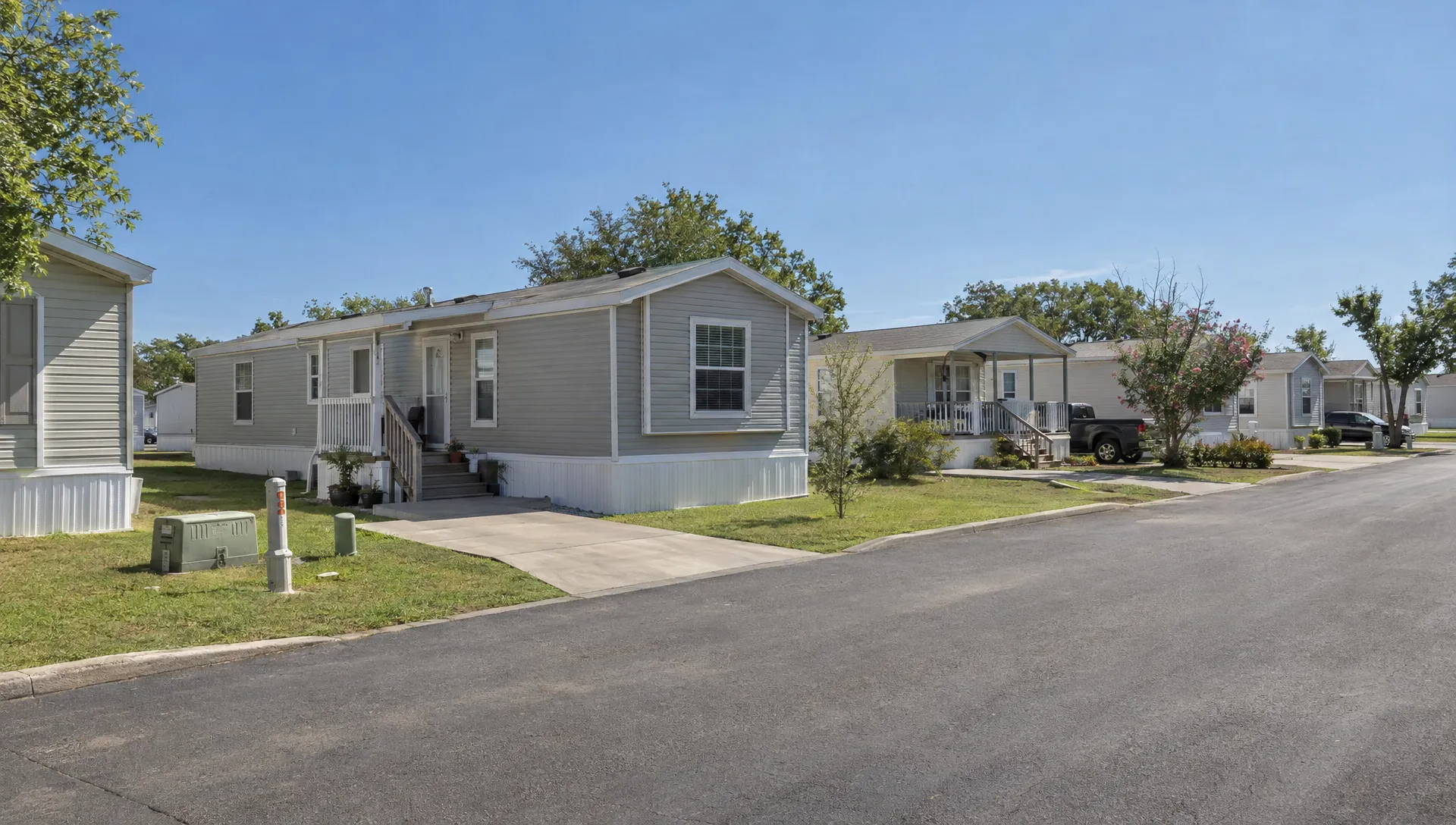
If the home is in a manufactured home community, request the community rules before paying a deposit. You are not just renting the home, you are agreeing to live under those rules. For a deeper community checklist, see this guide on what to look for in an MH community before you move.
Search in more than one place
Good rentals do not always stay available long. If you rely on only one listing website, you may miss better options or end up competing for the same overpriced homes everyone else sees.
Use a mix of search sources:
- Manufactured home communities with rental homes or available homes for lease
- Local housing websites and rental platforms
- Property management companies that handle manufactured homes
- Local social media groups, with caution and scam awareness
- Drive-through visits to communities that allow leasing inquiries
- Referrals from coworkers, family, or local residents
Use several search terms, not just one. Try “mobile homes for rent,” “manufactured homes for rent,” “single wide for rent,” “double wide for rent,” “mobile home community rentals,” and “manufactured home rentals near me.” If you need more room, you can also read this guide on double wide homes for rent near me.
When searching online, save listings that seem realistic and track them in a simple spreadsheet. Include rent, fees, home size, location, included utilities, pet rules, and move-in costs. After comparing five to ten listings, overpriced homes become easier to spot.
Know the signs of an overpriced rental
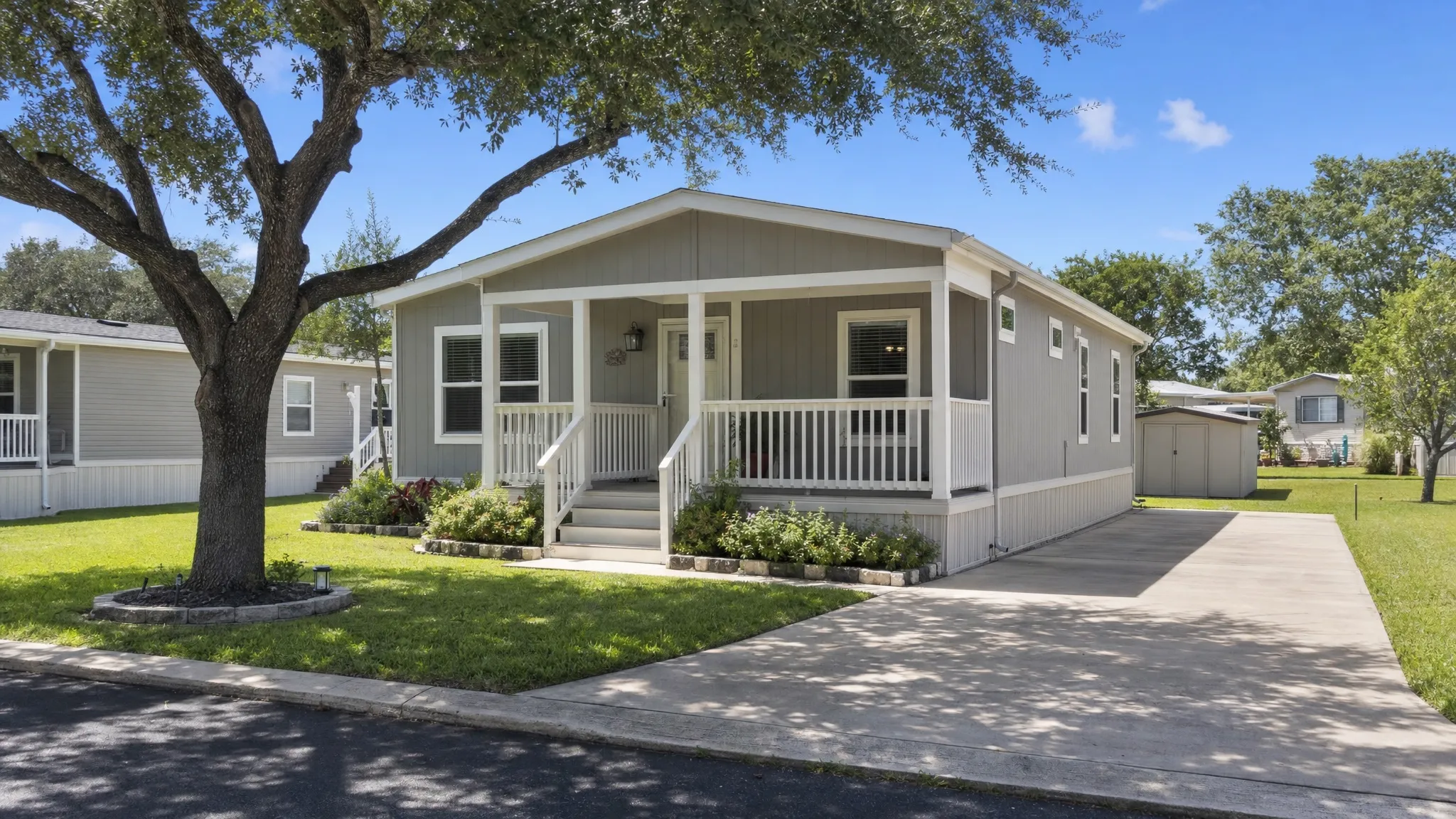
A rental is not automatically overpriced just because it is more expensive than another listing. A newer home with lower utilities, better location, more space, and included amenities may be worth more. The problem is paying premium rent for a home that does not deliver premium value.
Use this comparison to evaluate listings more fairly:
| Listing sign | Usually a good value if | Could be overpriced if |
|---|---|---|
| Higher monthly rent | Utilities, lot rent, or amenities are included | Fees are unclear or added after you apply |
| Recently updated interior | Updates include functional items like HVAC, flooring, and appliances | Only cosmetic updates hide older systems or damage |
| Larger home | The layout fits your household and lowers crowding | Extra space increases utility bills beyond your budget |
| Community amenities | You will actually use them | You pay for amenities you do not need |
| Lower advertised rent | The home is clean, safe, and lease terms are clear | Repairs, deposits, or separate lot fees make it costly |
A common mistake is choosing a rental because it has the lowest move-in cost. Low move-in costs can be helpful, but only if the home is in good condition and the monthly payment is sustainable. A cheap first month does not help if the lease includes expensive fees, unclear repair duties, or a rent increase you were not expecting.
Tour the home like an inspector, not just a renter
Photos can hide a lot. Tour the home in person whenever possible, and avoid sending money before you have verified the listing, the landlord or property manager, and the rental terms.
During the tour, slow down and inspect the details. Open cabinets. Turn on faucets. Flush toilets. Test lights. Check windows. Look under sinks. Notice smells. Walk every room and feel for soft spots in the floor.
Pay extra attention to these areas:
- Air conditioning: Ask how old the system is, when it was last serviced, and whether it cools the whole home evenly.
- Moisture signs: Look for stains, swelling, soft flooring, musty smells, or patched ceiling areas.
- Doors and windows: Poor sealing can raise cooling costs and reduce comfort.
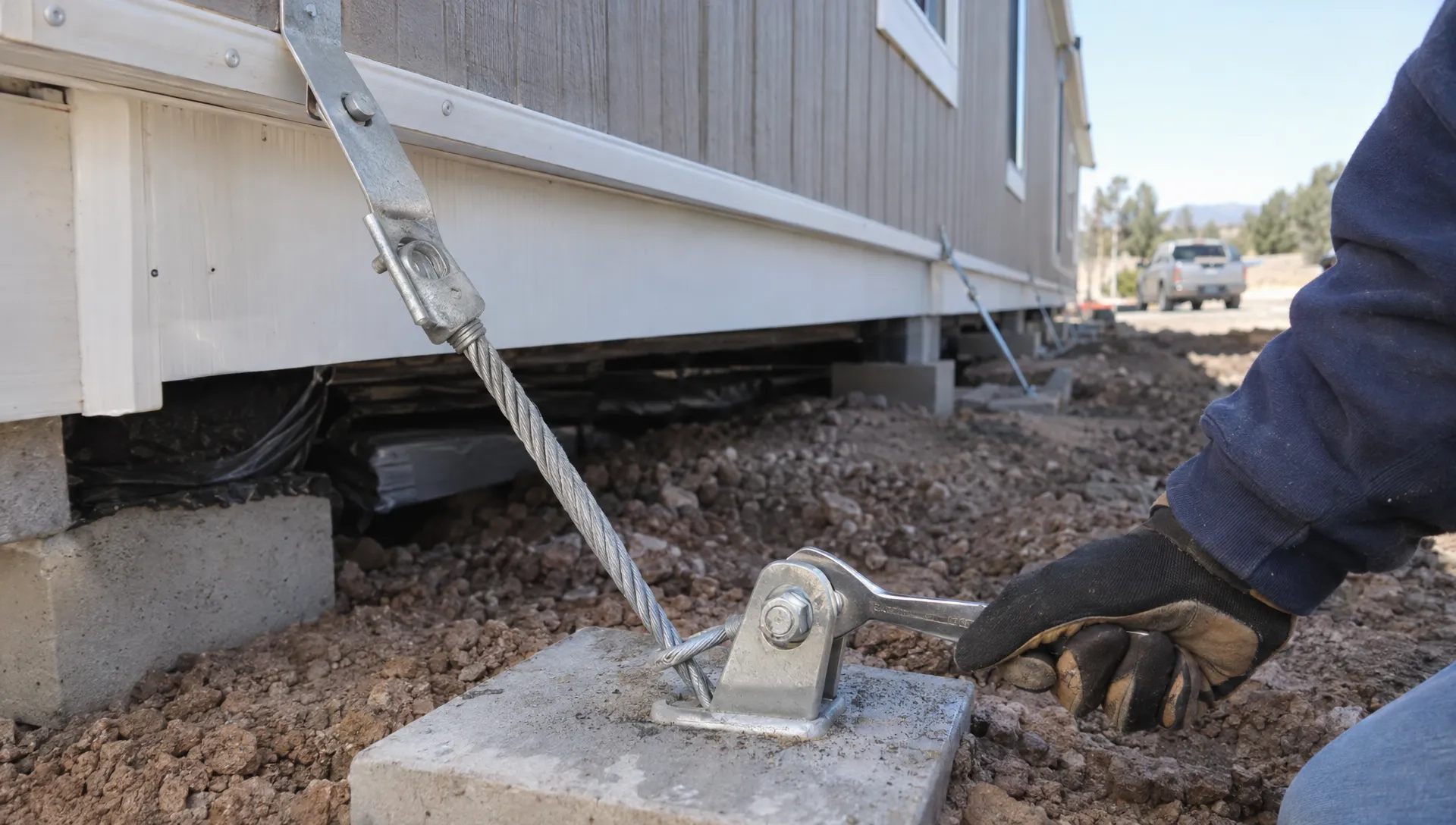
- Skirting and exterior: Damaged skirting can invite pests and moisture problems.
- Appliances: Confirm which appliances are included and whether they are guaranteed to work at move-in.
- Plumbing: Check water pressure, hot water, leaks, and drainage.
- Electrical: Make sure outlets, breakers, and visible wiring appear safe and functional.
In San Antonio, energy performance is not just a nice bonus. It affects monthly affordability. A home with decent insulation, sealed windows, a properly sized HVAC system, and shade may cost less to live in than a cheaper rental that leaks cooled air all summer.
Read the lease before paying more than an application fee
A nice rental should come with clear paperwork. If someone pressures you to pay a deposit before reviewing the lease, slow down.
The lease should explain the rent amount, due date, late fees, deposit terms, lease length, renewal terms, utilities, maintenance duties, pet policy, parking rules, and what happens if either party ends the lease early. If the home is in a community, review the community rules as well.
Texas renters can review general landlord-tenant information through the Texas State Law Library’s landlord-tenant law guide. This is not a substitute for legal advice, but it can help you understand common lease topics and know when to ask more questions.
Before signing, ask for clarification on any vague clause. For example, “tenant responsible for all repairs” is very different from “tenant responsible for damage caused by tenant.” If repair duties are unclear, ask for them to be rewritten or clarified in writing.
Watch for scams and pressure tactics
Rental scams are common in many housing markets, and mobile home rentals are not immune. Be careful when a listing looks far nicer than the price suggests, the owner refuses to meet in person, or you are asked to send money through unusual payment apps before seeing the home.
Red flags include:
- The landlord says they are out of town and cannot show the property
- The rent is far below similar homes in the area
- You are told to pay immediately to “hold” the home before seeing it
- The listing uses stolen photos or has inconsistent details
- The person cannot prove they own or manage the home
- There is no written lease
- You are asked to pay cash with no receipt
If you are considering a private-owner rental, be extra careful about title, lot permission, lease terms, and who is responsible for repairs. This guide on cheap mobile homes for rent by owner covers additional red flags to watch for.
Be careful with rent-to-own offers
Rent-to-own can sound appealing if you want to become a homeowner but cannot buy immediately. Some arrangements may be legitimate, but they need careful review because the details vary.
Ask these questions before signing anything:
- How much of each payment applies toward the purchase price?
- What is the final purchase price?
- Who owns the home during the rental period?
- Who pays for taxes, insurance, repairs, lot rent, and utilities?
- What happens if you miss a payment?
- When and how does title transfer?
- Is the home staying in the current community or moving later?
If the answers are vague, do not proceed until you understand the agreement. A rent-to-own offer can become expensive if you pay above-market rent but lose your purchase credit after one late payment or if the title transfer is never clearly defined.
How to negotiate without losing the home
In a competitive rental market, you may not be able to negotiate the advertised rent much. But you may still be able to save money or improve the deal by asking the right questions.
You can ask whether the landlord will include lawn care, reduce a pet fee, complete repairs before move-in, provide a longer lease term, or clarify that certain appliances will be maintained by the owner. If the home has been listed for several weeks, you may have more room to negotiate.
Be polite and specific. Instead of saying, “Can you lower the rent?” try: “I like the home and can move in by the first. If I sign a 12-month lease, would you consider including lawn care or reducing the move-in fee?”
Also compare the value of concessions. A $50 rent reduction saves $600 over a year. But if the landlord agrees to service the HVAC, replace a weak appliance, or fix soft flooring before move-in, that may protect you from bigger headaches.
Consider whether buying would serve you better long term
If you only need housing for a short period, renting may make sense. But if you plan to stay in the San Antonio area for several years, it may be worth comparing rental options with buying a manufactured home.
Buying is not right for everyone. You need to consider financing, land or community placement, insurance, taxes, maintenance, and long-term plans. But in some cases, a buyer may prefer building equity and choosing a home layout instead of renewing a lease year after year.
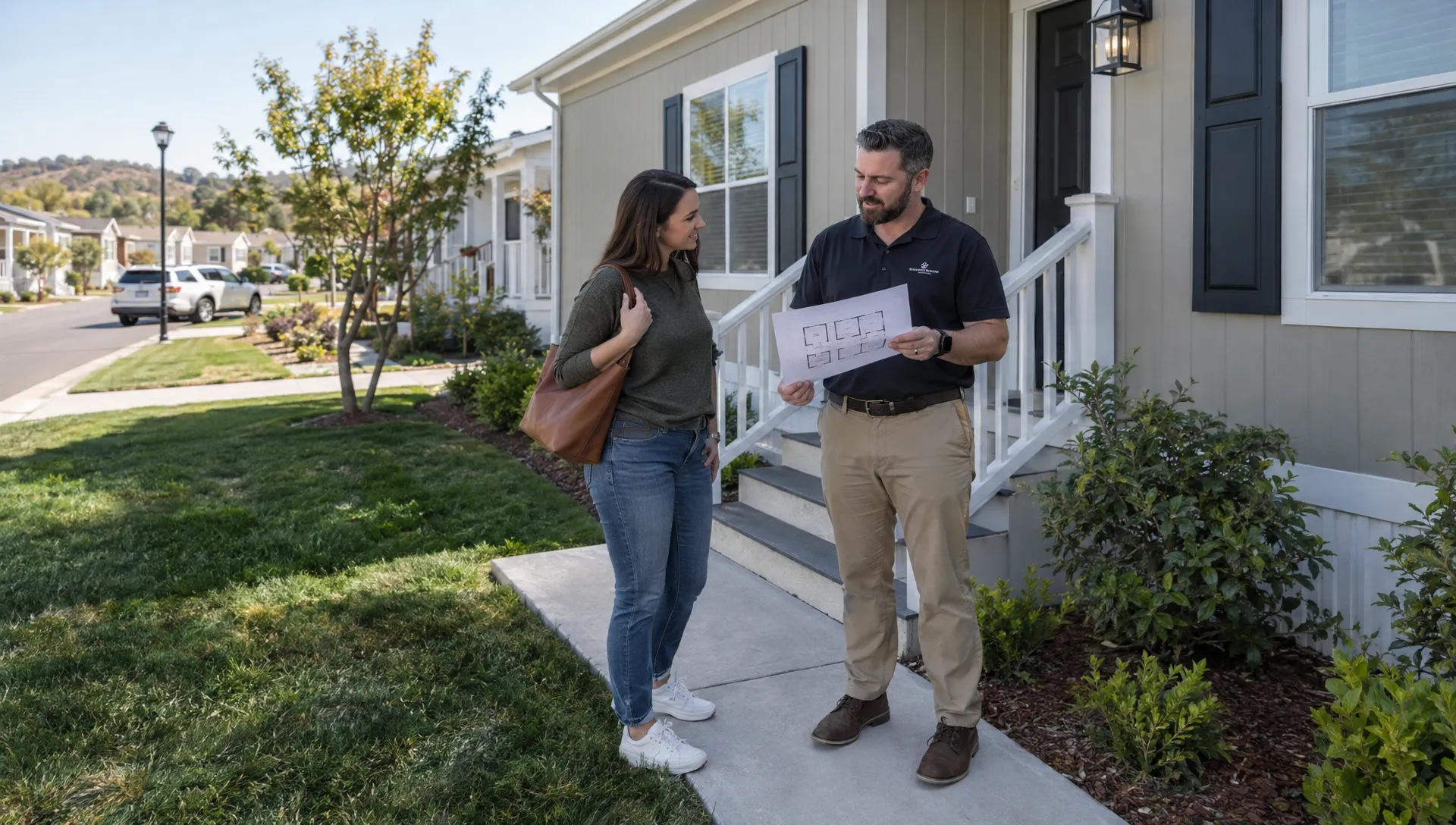
Homes2Go San Antonio helps families and individuals explore manufactured home options, floor plans, communities, and financing paths. If you are frustrated by high rental prices or limited availability, talking through ownership options can help you understand what is realistic for your budget.
For a buyer-focused overview, start with this quick guide to mobile homes in San Antonio.
Final checklist before you apply
Before paying an application fee or deposit, confirm the basics in writing. This simple step can help you avoid overpaying and reduce the risk of surprises after move-in.
Make sure you know:
- The total monthly cost, including rent, lot fees, utilities, trash, pets, and other recurring charges
- The total move-in cost, including deposits and nonrefundable fees
- The lease length, renewal terms, and rent increase policy
- Who handles repairs, appliance issues, lawn care, and pest control
- Whether the home is in a community and what rules apply
- Whether pets, parking, guests, and outdoor storage are allowed
- Whether the landlord or manager can prove they have authority to rent the home
- What condition the home will be in on move-in day
If a listing checks these boxes, fits your budget, and feels comfortable in person, you are much closer to finding a nice mobile home for rent without overpaying.
Frequently Asked Questions
What is a fair price for nice mobile homes for rent? A fair price depends on location, home size, condition, included utilities, community fees, and lease terms. Compare several similar homes in the same area and focus on total monthly cost, not just advertised rent.
Are mobile homes for rent cheaper than apartments? They can be, especially when you need more bedrooms or outdoor space. However, separate lot fees, utilities, lawn care, and deposits can change the real cost, so compare the full monthly payment.
Should I rent from a mobile home community or a private owner? Both can work. Communities may offer clearer rules and on-site management, while private owners may offer more flexibility. Either way, review the lease, fees, repair responsibilities, and proof of authority to rent the home.
How can I avoid scams when renting a mobile home? Tour the home in person when possible, verify who owns or manages it, avoid paying large deposits before reviewing the lease, and never rely only on online photos or pressure-filled messages.
Is rent-to-own a good idea for a manufactured home? It depends on the contract. Make sure the purchase price, payment credit, title transfer, repair duties, and default rules are clearly written before you agree.
Looking for a better path to affordable housing in San Antonio?
If rental prices feel high or the available homes do not meet your needs, it may be time to compare renting with owning a manufactured home. Homes2Go San Antonio offers a wide selection of modern manufactured homes, flexible financing options, expert guidance, detailed floor plans, and access to local home communities.
Visit Homes2Go San Antonio to explore manufactured home options and talk with a local team that can help you understand what fits your budget, lifestyle, and next move.
 Double Wide Homes for Rent Near Me: What to Check
 All-Age Mobile Homes for Rent: Rules, Fees, and Fit