
If you are trying to buy land, order a new manufactured home, and roll the site work into one mortgage, an FHA construction loan for a manufactured home may sound like the perfect solution. In some cases, it can be. But it is also one of the more detailed financing paths because the lender is not just approving you as a borrower. The lender is also approving the home, the land, the foundation, the installation plan, and the final conversion to real property.
The key is knowing what FHA will insure, what lenders are willing to offer, and what needs to be in place before you choose a floor plan or make an offer on land.
The short answer
Yes, FHA construction financing may be available for a manufactured home, but it is not the same as a basic home-only mobile home loan. The most common structure is a construction-to-permanent loan, sometimes called a One-Time Close loan. You close once before the home is built or installed, funds are released during the project, and the loan converts into a permanent FHA-insured mortgage after completion.
For a manufactured home, FHA and lender requirements usually include:
- A HUD-code manufactured home built after June 15, 1976
- A permanent foundation that meets FHA standards
- Proper permits, inspections, and installation documentation
- A site that is eligible for residential use
- Conversion of the home to real property, when required for the loan type
- A lender that specifically offers FHA construction-to-permanent financing for manufactured homes
That last point matters. FHA insures eligible loans, but private lenders still decide which programs they offer. Some FHA-approved lenders do not offer construction loans. Others offer FHA construction loans but not for manufactured homes. Before you spend money on land, surveys, engineering, or deposits, confirm the lender can finance your exact scenario.
What is an FHA construction loan for a manufactured home?
An FHA construction loan for a manufactured home is typically a short construction phase plus a long-term FHA mortgage in one package. Instead of getting one loan to build or install the home and then refinancing later, a construction-to-permanent structure is designed to move from project funding to permanent financing without a second full closing.
FHA is not the lender. The Federal Housing Administration provides mortgage insurance to approved lenders, which helps make financing more accessible for qualified buyers. You still apply through a lender, and that lender must follow FHA rules plus any additional lender requirements.
For manufactured housing, the big difference is that the home starts as factory-built personal property but may need to become part of the real estate for FHA Title II mortgage financing. That usually means the home is permanently attached to an approved foundation, the title or ownership records are handled correctly, and the land and home are treated as one real property package.
If you are still comparing basic FHA manufactured home rules, start with this FHA requirements checklist for manufactured homes. This article focuses specifically on the construction loan side, where timing, site work, and documentation become even more important.
What can the loan cover?
Every lender structures construction-to-permanent financing differently, so you should ask for a written breakdown. In general, a land-home FHA construction loan may include more than just the manufactured home invoice.
| Cost category | What it may include | Why it matters |
|---|---|---|
| Manufactured home | Base model, selected options, delivery, manufacturer documentation | The home must meet HUD-code and lender requirements |
| Land | Purchase of an eligible lot, or payoff of land already owned in some cases | The site must support residential use and FHA collateral requirements |
| Site preparation | Grading, clearing, driveway, drainage work, pad preparation | Poor site planning can delay installation and inspections |
| Foundation | FHA-compliant permanent foundation, engineering when required | The foundation is central to FHA manufactured home approval |
| Utilities | Water, sewer or septic, electric, gas if applicable | Utility availability affects budget, appraisal, and livability |
| Permits and inspections | Local permits, installation inspections, final sign-offs | FHA and the lender need proof the home is legally and safely completed |
| Closing and escrow items | Some closing costs, prepaid taxes, insurance, reserves when allowed | These affect cash needed to close and your total monthly payment |
Some items may not be financeable, or they may be limited by appraisal value, loan limits, lender overlays, or FHA rules. For example, upgrades that do not add appraised value may need to be paid separately. A large site-work budget can also become a problem if the completed property does not appraise high enough.
FHA construction loan vs. regular FHA manufactured home loan
A regular FHA manufactured home purchase usually involves a home that is already completed, installed, and ready for appraisal. A construction loan is different because the lender must approve the project before the final home exists on the site.
That means more moving parts. The lender may need plans, specs, contractor or installer documents, a land contract, a site plan, a foundation plan, cost estimates, permits, and an appraisal based on the completed project. The appraiser is not just looking at the home model. They are estimating the value of the finished land-and-home package.
Here is a simple comparison:
| Financing path | Best fit | Main limitation |
|---|---|---|
| FHA construction-to-permanent loan | Buying land and placing a new manufactured home with one long-term mortgage | Fewer lenders offer it, and the file requires more documentation |
| FHA Title II loan on completed manufactured home | Buying a manufactured home already attached to land as real property | The home usually must already meet FHA foundation and title rules |
| FHA Title I manufactured home loan | Home-only or certain manufactured housing situations | Not the same as a land-home construction mortgage |
| Chattel loan | Buying the manufactured home without the land, often for a leased lot | Typically not secured by land and may have different terms than a mortgage |
| Conventional, VA, or USDA options | Buyers who qualify and have an eligible property | Program rules vary by borrower, location, and lender |
If the home will be placed in a manufactured home community on a rented lot, an FHA construction-to-permanent mortgage is often not the simplest fit. In that case, you may want to compare other manufactured home financing options, including manufactured housing chattel loans.
Core FHA requirements buyers should understand
FHA manufactured home rules are detailed, and a construction loan adds timing requirements on top. You do not need to become an underwriter, but you should understand the main approval areas before you commit to a project.
Borrower requirements
FHA loans are designed to help qualified owner-occupants buy a primary residence. The lender will review your credit, income, employment history, debts, down payment funds, and ability to repay the loan. FHA may allow lower down payments than many conventional programs, but approval is not automatic.
Lenders can also set stricter requirements than FHA minimums. These are often called overlays. For construction loans, overlays may be more common because the lender is taking on project completion risk.
Manufactured home requirements
The home must be a true HUD-code manufactured home, not an older pre-HUD mobile home. According to HUD, manufactured homes are built to the federal Manufactured Home Construction and Safety Standards, commonly called the HUD Code. Homes built before the HUD Code effective date of June 15, 1976 are generally not eligible for FHA manufactured home mortgage financing.
For a new construction-to-permanent loan, the lender will usually want the manufacturer invoice, floor plan, specifications, serial numbers when available, HUD label information, and other documents needed to confirm the home qualifies.
Foundation and installation requirements
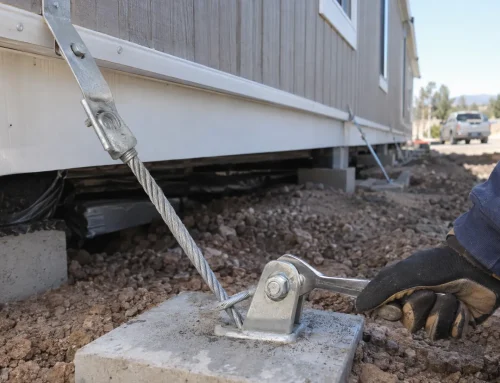
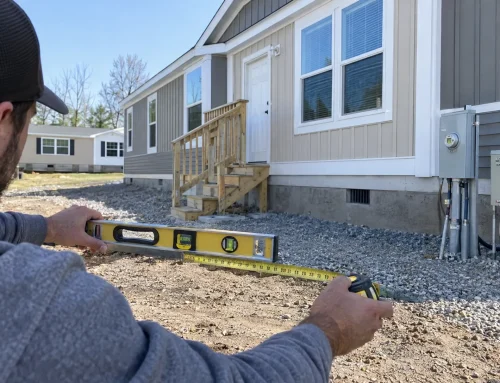
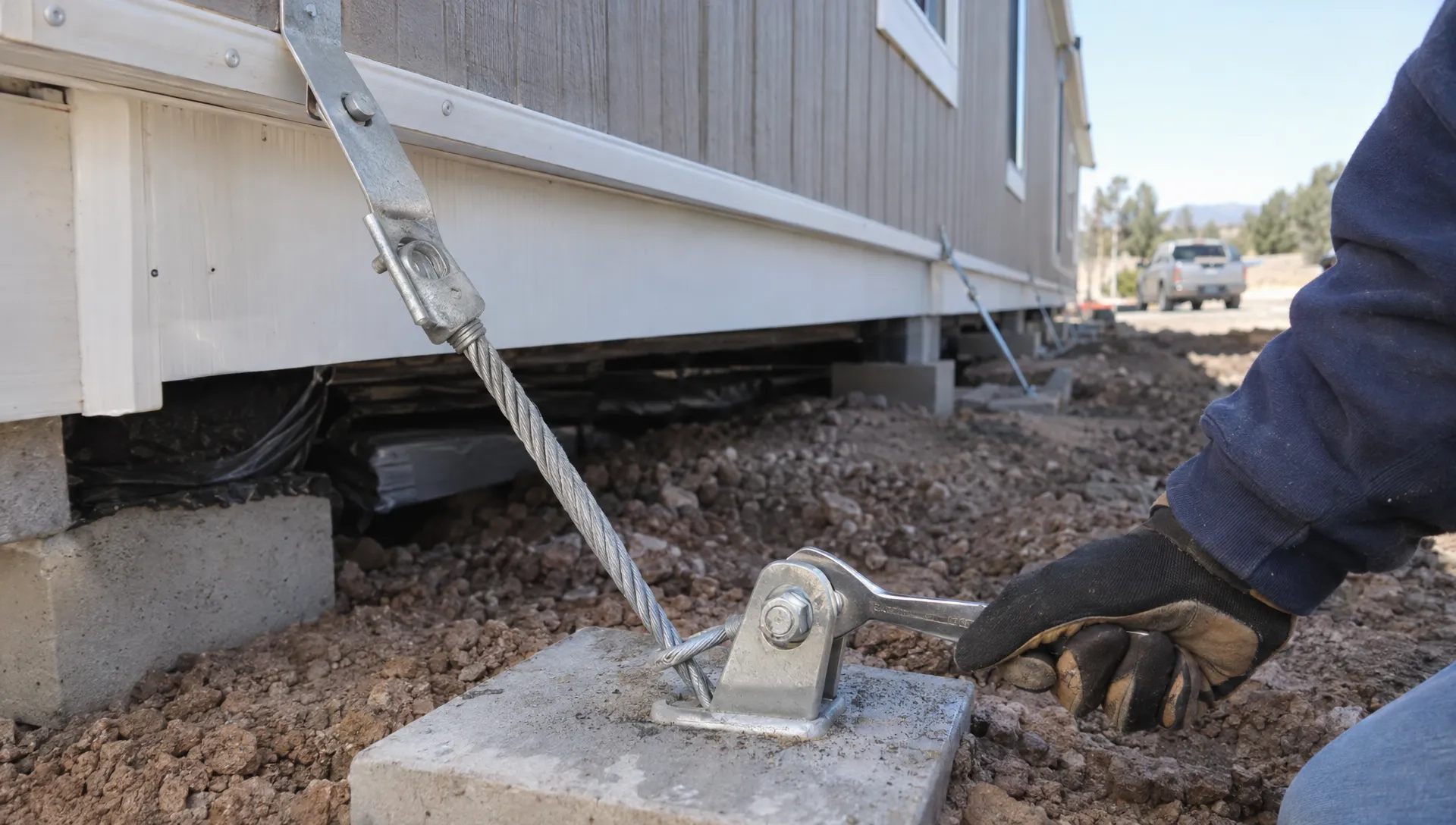
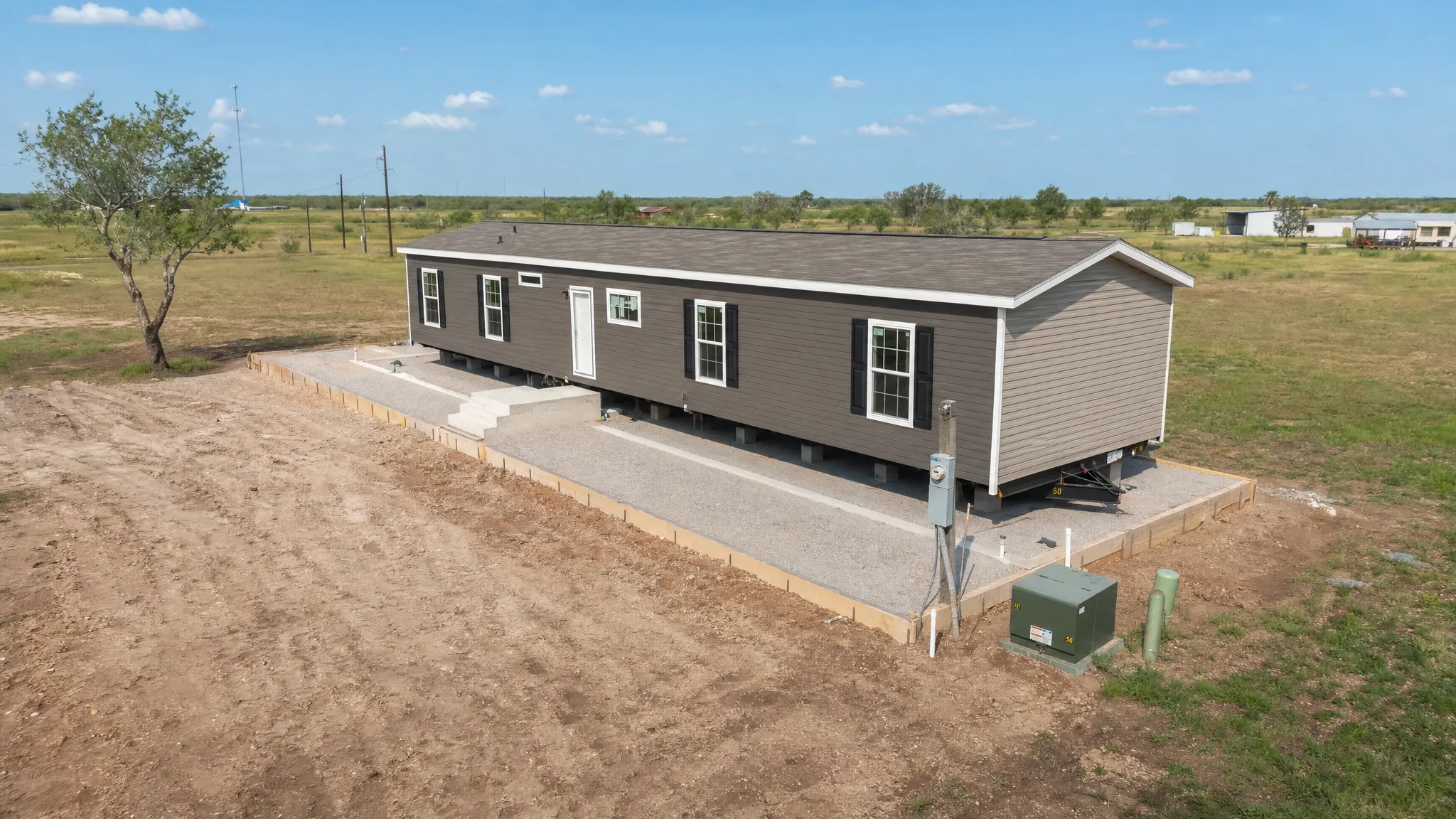
The foundation is one of the most important pieces of the file. FHA manufactured home financing generally requires a permanent foundation that meets applicable FHA standards. The lender may require an engineer certification, foundation plan, installation inspection, or other evidence that the home is properly attached.
This is where many projects get delayed. A home can be beautiful, affordable, and brand new, but if the foundation plan does not satisfy lender and FHA requirements, the loan may stall.
Land and real property requirements
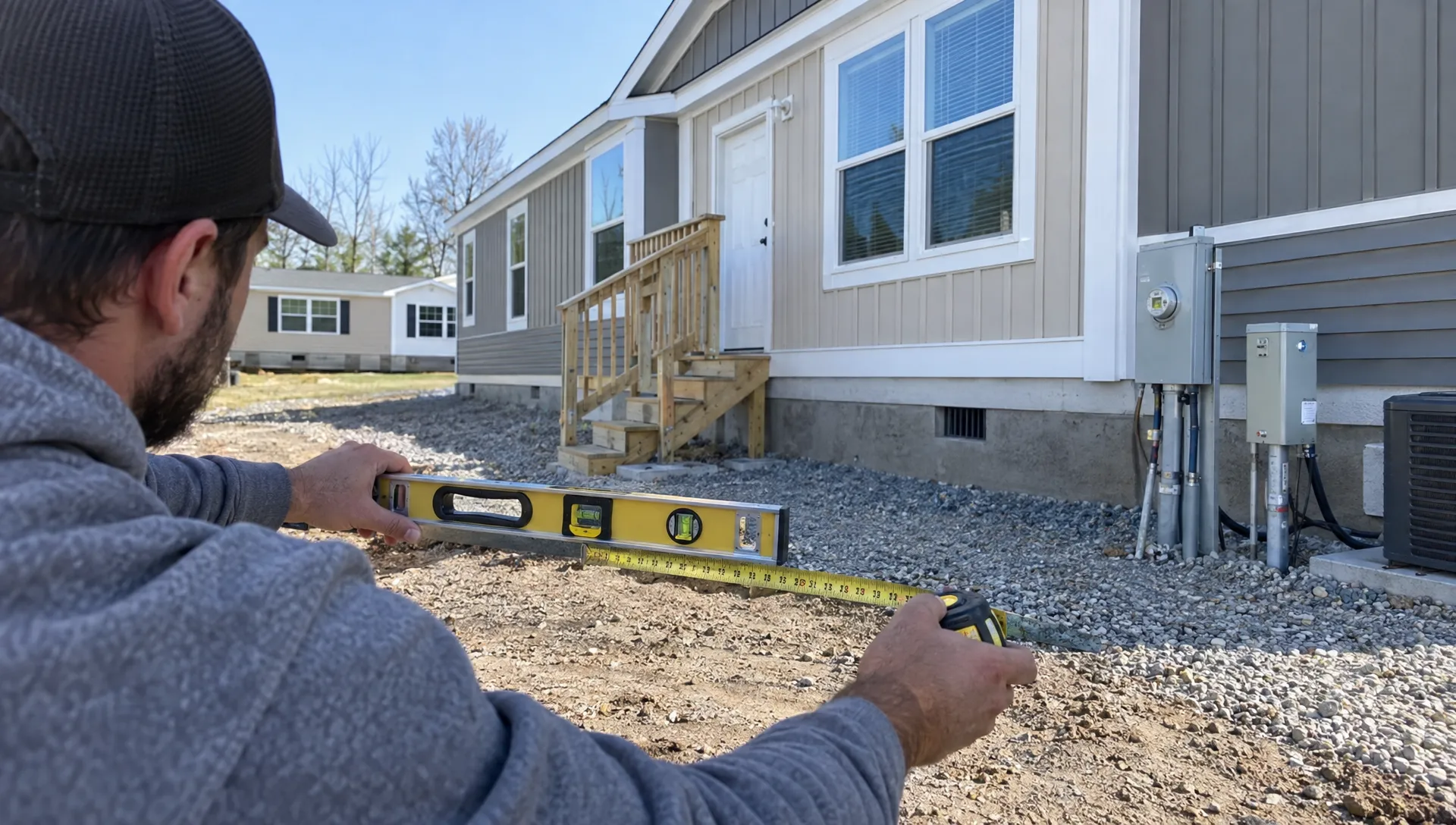
For a construction-to-permanent mortgage, the site matters as much as the home. The lender will review zoning or land-use eligibility, access, utilities, flood zone status, deed restrictions, survey information, and whether the property can legally support the manufactured home.
In Texas, manufactured home ownership records are handled through the Texas Department of Housing and Community Affairs Manufactured Housing Division. When a manufactured home is attached to land and treated as real property, the ownership and title process must be handled correctly. Your lender, title company, retailer, and closing team should coordinate this, but you should ask about it early.
How the FHA construction loan process usually works
The exact process depends on the lender, land, home model, and local permitting requirements. Still, most FHA construction-to-permanent manufactured home projects follow a sequence like this.
- Pre-qualification: You speak with a lender that offers FHA construction financing for manufactured homes and get an initial review of credit, income, debts, and cash needed.
- Home selection: You choose a manufactured home model, options, and floor plan that fit your budget and FHA requirements.
- Land review: The lender reviews the land you own or want to buy, including access, utilities, flood zone, restrictions, and residential eligibility.
- Project budget: The home price, land cost, foundation, site work, delivery, installation, permits, and utility work are combined into a full cost estimate.
- Appraisal and underwriting: The lender orders an appraisal based on the completed project and underwrites both you and the property plan.
- Closing: If approved, you close before the home is completed, and construction funds are placed into a controlled draw or escrow process.
- Construction and installation: The home is built, delivered, set on the foundation, connected to utilities, inspected, and completed according to the approved plans.
- Final approval and permanent loan phase: After final inspections and required documents are complete, the loan moves into its permanent mortgage phase.
One reason buyers like the one-time close concept is that it can reduce the need for two separate loan approvals. But it also means you need a realistic plan before closing. Changes after closing can be difficult, especially if they affect cost, value, foundation design, or the approved scope of work.
San Antonio and South Texas factors that can affect approval
In the San Antonio area, land-home manufactured housing can be a smart path to ownership, but local site conditions need careful review. A lot that looks affordable online may need expensive improvements before a lender will approve the full project.
Common local considerations include drainage, floodplain status, driveway access, septic feasibility, water availability, electric service distance, soil conditions, subdivision restrictions, and city or county permitting. Outside city limits, you may still face county requirements, utility provider rules, deed restrictions, or private road issues.
Texas heat is another practical factor. FHA approval focuses on safety, eligibility, and value, but your real budget includes monthly utility costs. Choosing efficient windows, insulation, HVAC, and ductwork can help make the home more comfortable over time. If cooling costs are a concern, review Homes2Go’s guide to energy-efficient manufactured homes in Texas heat.
Common reasons FHA construction loans get delayed
Most delays are not caused by one big problem. They happen because one missing document or unplanned cost creates a chain reaction. Here are some of the most common issues to watch for.
| Delay point | What can happen | How to reduce the risk |
|---|---|---|
| Lender does not offer the program | Buyer gets pre-qualified for FHA but not for FHA construction financing | Ask specifically about FHA One-Time Close or construction-to-permanent loans for manufactured homes |
| Land restrictions | Deed restrictions, zoning, or community rules do not allow the home | Verify land use before signing or make the contract contingent on approval |
| Utility costs are unclear | Budget increases after closing or appraisal does not support the full project | Get utility estimates early, especially for septic, well, and electric extensions |
| Foundation plan is incomplete | FHA foundation approval or engineer certification is delayed | Use installers and contractors familiar with FHA manufactured home requirements |
| Appraisal comes in low | Loan amount may need to be reduced or cash to close may increase | Keep upgrades realistic and compare completed land-home values in the area |
| Title or real property conversion is not planned | Closing or final approval can be delayed | Confirm who handles Texas manufactured home ownership paperwork and when |
| Permits take longer than expected | Installation and final inspection are pushed back | Ask about local permit timelines before setting move-in expectations |
The best defense is coordination. Your lender, retailer, installer, land seller, title company, and utility providers all need to work from the same project plan.
Questions to ask before choosing this loan path
Before you decide that FHA construction financing is the right fit, ask direct questions. A vague “we do FHA” is not enough. You want confirmation that the lender and project team understand manufactured home construction-to-permanent financing.
Good questions include:
- Do you offer FHA construction-to-permanent loans for manufactured homes specifically?
- Can the loan include land, home, foundation, delivery, installation, site work, and utilities?
- What down payment, reserves, and credit requirements do you use for this program?
- Do you require the land to be owned before closing, or can the land purchase be included?
- What foundation documentation or engineer certification will you require?
- How are construction draws released, and who approves each draw?
- What happens if the appraisal is lower than the total project cost?
- Who handles Texas manufactured home title or real property documentation?
- What changes are allowed after closing, and which changes require re-approval?
If the answers are unclear, slow down. Construction loans are not the place to rely on assumptions.
Is an FHA construction loan always the best option?
Not always. It can be useful when you want to combine land, a new manufactured home, and site improvements into one mortgage. It may also help buyers who want FHA’s owner-occupant financing structure and plan to place the home permanently on land.
But it may not be the best fit if you are buying a home for a leased-lot community, want the fastest possible closing, have land with unresolved access or utility problems, or are choosing a lender that rarely handles manufactured home construction files.
In some situations, a different path may be easier. For example, a buyer placing a home in a community may compare home-only financing. A buyer purchasing an already installed manufactured home on land may use a standard FHA manufactured home mortgage if the property already meets requirements. A buyer renovating an existing manufactured home might look at limited FHA 203(k) possibilities, though those rules are narrow. You can learn more in this guide on FHA 203(k) loans for manufactured homes.
Practical tips for first-time buyers
If this is your first manufactured home purchase, focus on the total project, not just the home price. A great monthly estimate can change quickly if land improvements, utility runs, or foundation costs were not included.
Start with a realistic budget and ask for written estimates. Compare the full payment, including principal, interest, mortgage insurance, taxes, homeowners insurance, and any land-related costs. If you are considering a community instead of private land, compare lot rent and community fees separately because that may point you toward a different loan structure.
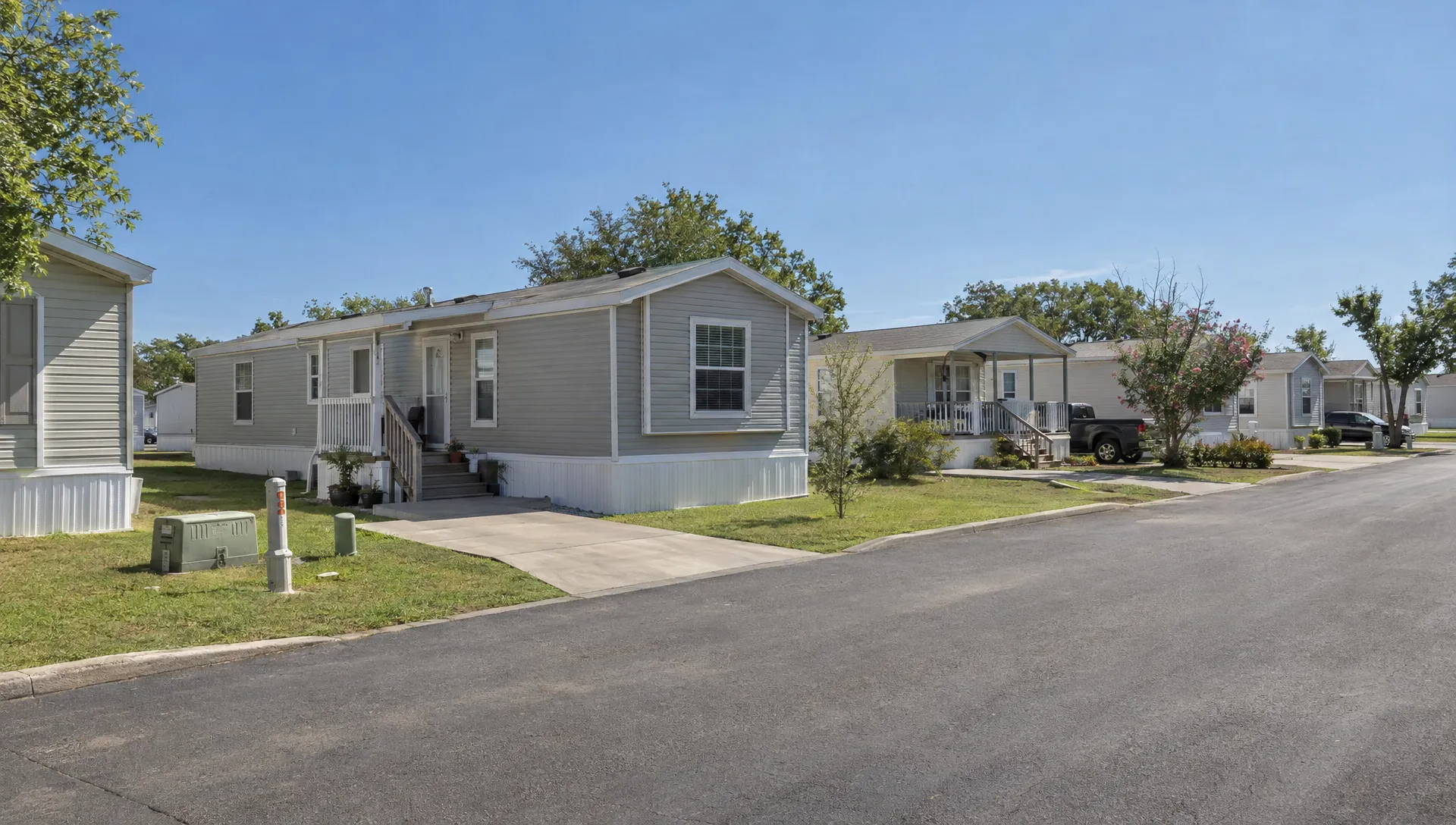
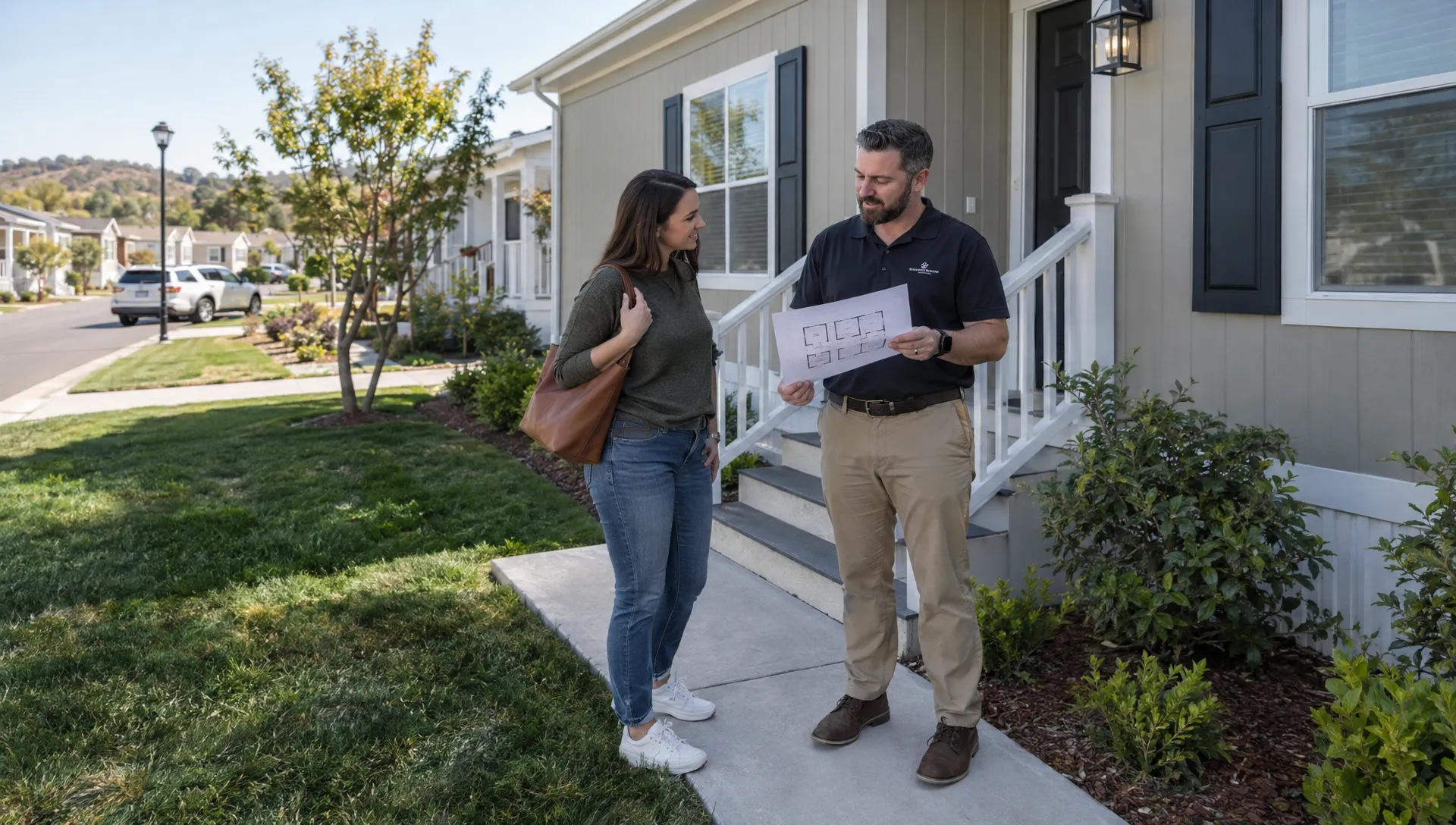
It also helps to choose the home and financing path together. A floor plan may fit your family perfectly, but it still needs to fit the lender’s requirements, the land dimensions, setback rules, transportation route, installation plan, and appraised value. Homes2Go San Antonio can help buyers compare manufactured home models, review floor plans, and understand financing options before they get too far into the process.
For a broader overview of land-home planning, see this complete guide to land and home packages in San Antonio.
Frequently Asked Questions
Can I use an FHA construction loan to buy land and a manufactured home together? In some cases, yes. A construction-to-permanent FHA loan may allow the land, manufactured home, foundation, installation, and eligible site work to be financed together. The land and project must meet FHA and lender requirements.
Is an FHA construction loan the same as an FHA Title I mobile home loan? No. FHA Title I is often associated with manufactured home or home-and-lot financing in certain situations, while a construction-to-permanent loan is designed to fund a project and convert into a mortgage after completion. Ask the lender which FHA program they are offering.
Can I use this loan for a manufactured home in a park? Usually, an FHA construction-to-permanent mortgage is a better fit for a home placed permanently on eligible land. If the home will be on a rented lot, you may need to compare home-only or chattel financing options instead.
Does the manufactured home have to be new? For a construction loan, lenders generally focus on a new home being ordered, delivered, installed, and completed as part of the project. Existing manufactured homes may qualify for other FHA financing if they meet FHA requirements.
What is the biggest challenge with FHA construction financing for manufactured homes? The biggest challenge is coordination. The borrower, home, land, foundation, installer, permits, appraisal, and title documentation all have to line up. A lender that truly understands manufactured home construction financing is essential.
Can land I already own help with the loan? It may, depending on lender rules, equity, liens, appraised value, and how the land is titled. Ask the lender early whether land equity can be considered and what documentation they need.
Ready to explore manufactured home financing in San Antonio?
FHA construction loans for manufactured homes can open the door to a land-home setup, but they require the right home, the right land, and the right financing team. Before you commit to a property or floor plan, make sure the full project can qualify.
Homes2Go San Antonio helps buyers compare affordable manufactured home models, review detailed floor plans, and explore flexible financing options with trusted local lenders. If you are planning a manufactured home purchase in or around San Antonio, contact Homes2Go SA to talk through your next step with a local team that understands the process.
 Double Wide Mobile Homes for Rent Near Me: Smart Search
 Double Wide Homes for Rent Near Me: What to Check