
Yes, you can use an FHA construction loan for a modular home in many cases, but the details matter. The home must qualify as real property, meet FHA property standards, be built and installed according to applicable codes, and be financed through a lender that offers FHA construction-to-permanent loans.
The biggest point to understand is that modular homes and manufactured homes are not treated the same way. Modular homes are typically built in sections in a factory, transported to the site, and assembled on a permanent foundation. Once completed, they are generally treated more like site-built homes because they are built to state and local building codes. Manufactured homes, by contrast, are built to the federal HUD Code and follow a different set of FHA rules.
If you are shopping for affordable home options around San Antonio and trying to compare modular, manufactured, and other prefab housing types, this guide breaks down how FHA construction financing works, what lenders look for, and where buyers often run into delays.
What Is an FHA Construction Loan?
An FHA construction loan is commonly structured as a construction-to-permanent loan, sometimes called a one-time close loan. Instead of getting one loan to build the home and another loan after construction is complete, a construction-to-permanent loan combines both phases into a single mortgage process.
During the construction phase, loan funds are typically released in scheduled draws as work is completed. After the home is finished, inspected, and approved, the loan converts into a permanent FHA mortgage. This can reduce the need for a second closing and may make financing more accessible for buyers who need FHA’s lower down payment options.
According to the U.S. Department of Housing and Urban Development, FHA-insured mortgages must meet borrower, property, appraisal, and documentation requirements. With construction loans, lenders also add extra review because the property does not yet exist in final completed form.
That extra review is why not every FHA-approved lender offers construction loans. A lender may handle standard FHA purchases but avoid new construction, modular builds, or one-time close structures because they require more coordination with builders, appraisers, inspectors, title companies, and permit offices.
Can an FHA Construction Loan Be Used for a Modular Home?
Yes, an FHA construction loan may be used for a modular home if the project meets FHA and lender requirements. In practical terms, the lender needs to be comfortable that the completed home will be a permanent, code-compliant, owner-occupied residence secured by real estate.
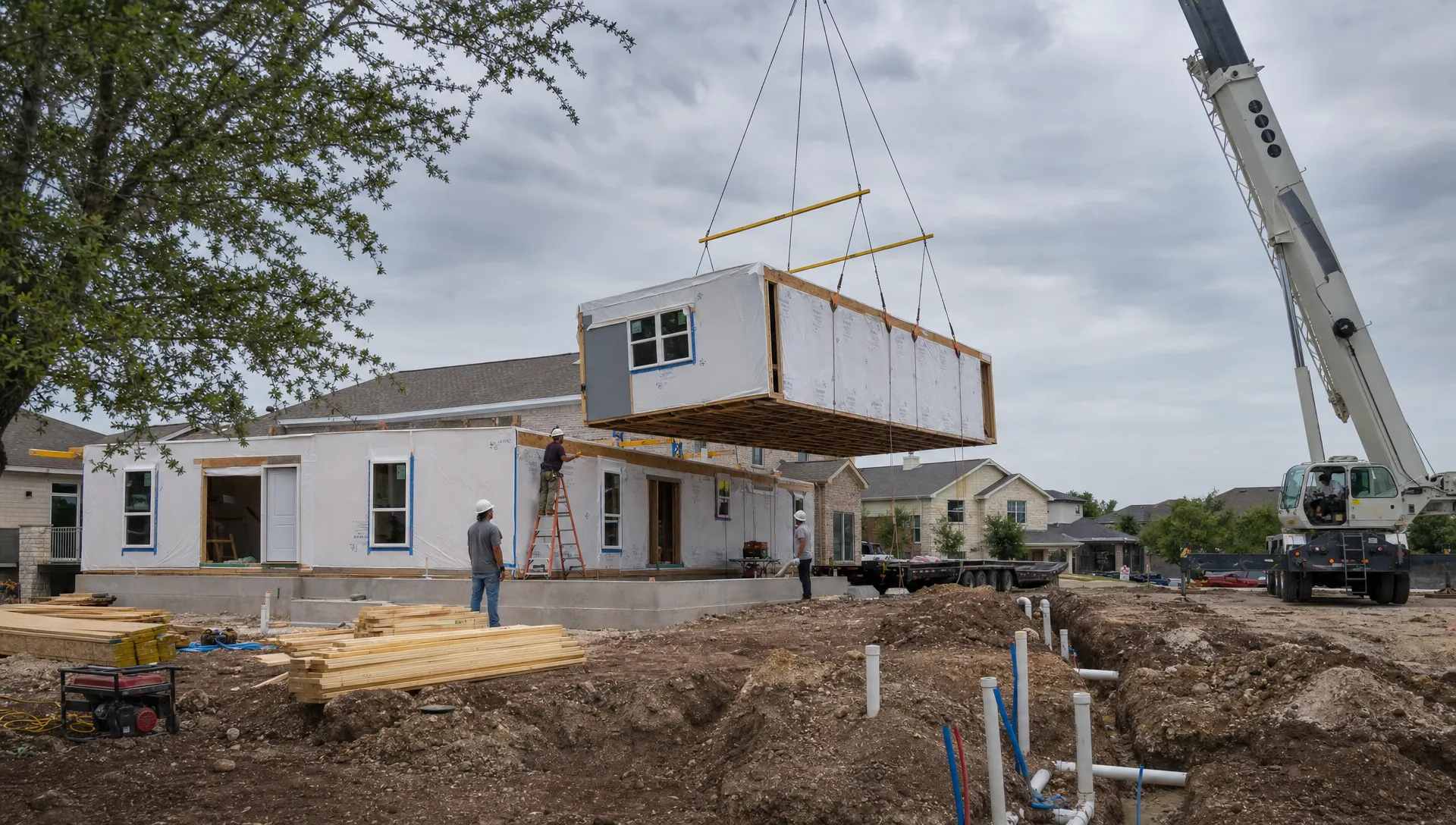
A modular home is usually more likely to fit standard FHA construction financing than many buyers expect because it is not the same thing as a mobile home. Modular sections are factory-built, but the finished home is assembled on-site and typically must comply with the same state or local residential building codes that apply to site-built homes.
In Texas, modular housing may fall under industrialized housing rules, while manufactured housing follows HUD Code requirements. The label, plans, code approvals, and title treatment can all affect financing. If you are unsure which category a home falls into, it is worth reviewing the differences in an FHA context through this guide on how an FHA loan for a modular home differs from manufactured housing.
Here is the simple way to think about it:
| Home type | Built to | Typical FHA treatment | Key issue for construction financing |
|---|---|---|---|
| Modular home | State or local building code | Often treated similarly to site-built housing after completion | Must be permanently installed and classified as real property |
| Manufactured home | Federal HUD Code | Eligible only under specific FHA manufactured housing rules | Must meet HUD, foundation, age, installation, and title requirements |
| Mobile home | Often used casually to describe older or manufactured homes | Depends on actual classification and date built | Older mobile homes may not qualify if they do not meet FHA standards |
This distinction is important because many people use the words modular, manufactured, mobile, and prefab interchangeably. Lenders do not. FHA eligibility depends on what the home legally and technically is, not just what a seller calls it.
Core FHA Requirements for Modular Home Construction
To use an FHA construction loan for a modular home, several pieces must line up. FHA rules matter, but lender overlays can be just as important. A lender overlay is an extra requirement that a lender adds on top of FHA’s minimum standards.
The home must be your primary residence
FHA financing is designed for owner-occupants, not investors building rental properties. The modular home must generally be intended as your primary residence. If you are building a vacation home, short-term rental, or investment property, FHA construction financing is usually not the right fit.
The home must be permanently attached to land
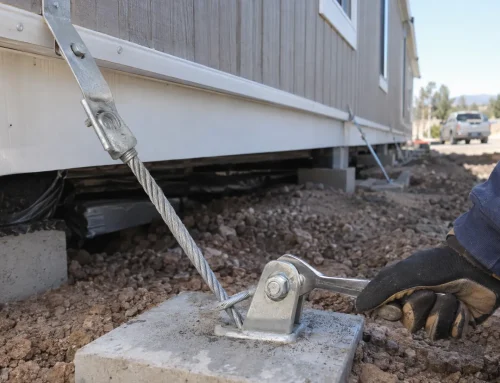
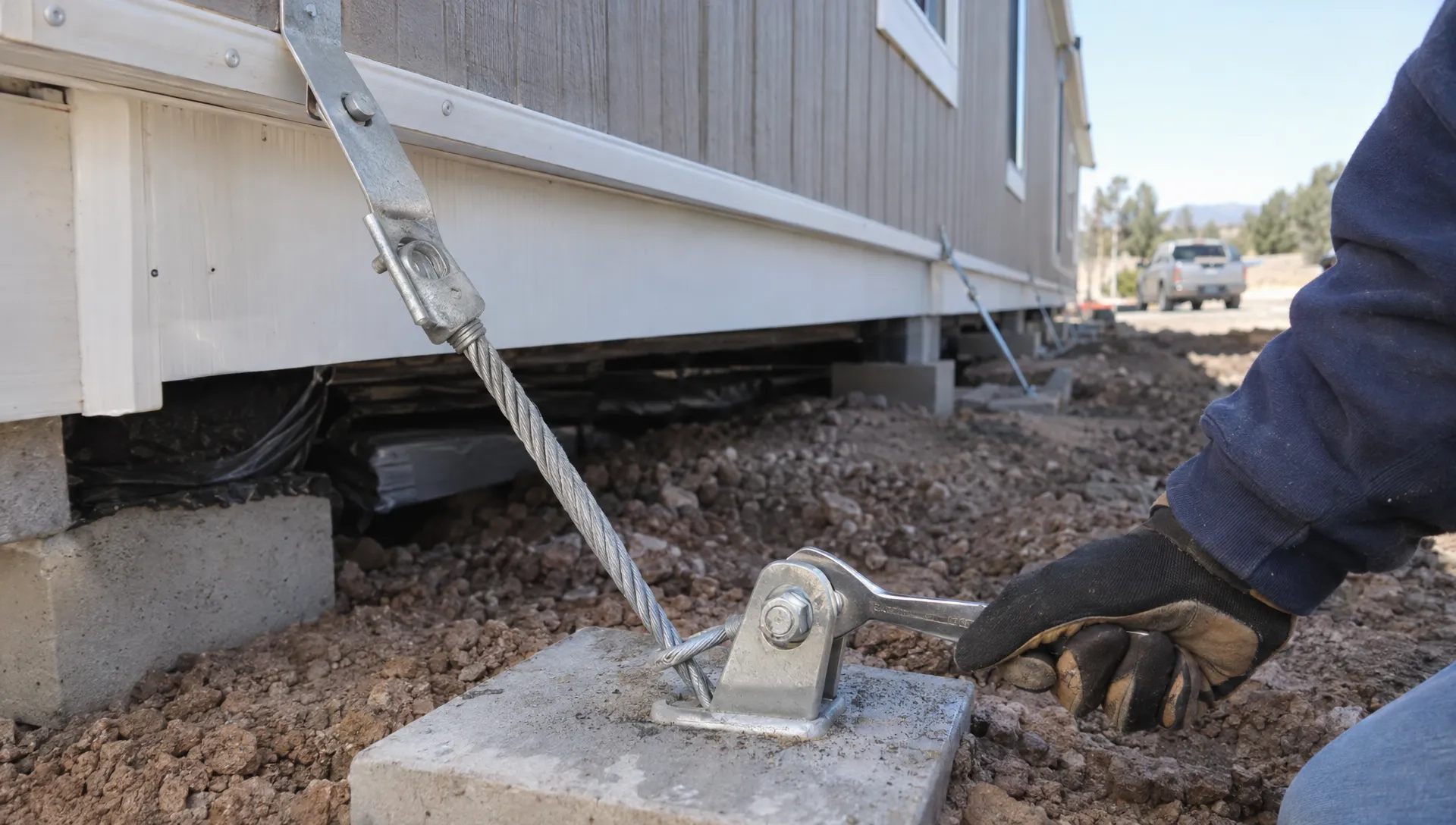
The completed modular home must sit on a permanent foundation that meets applicable requirements. FHA wants the property to be real estate, meaning the home and land function together as one secured property.
This is especially important if the home is being placed on land you already own. The lender will need to evaluate the land, title, access, utilities, zoning, and whether there are any liens or restrictions that could interfere with the mortgage.
The project must meet local code and permit rules
A modular home project still needs local approvals. Around San Antonio, this may include building permits, inspections, utility approvals, septic or sewer considerations, driveway access, flood zone review, and subdivision or deed restriction checks.
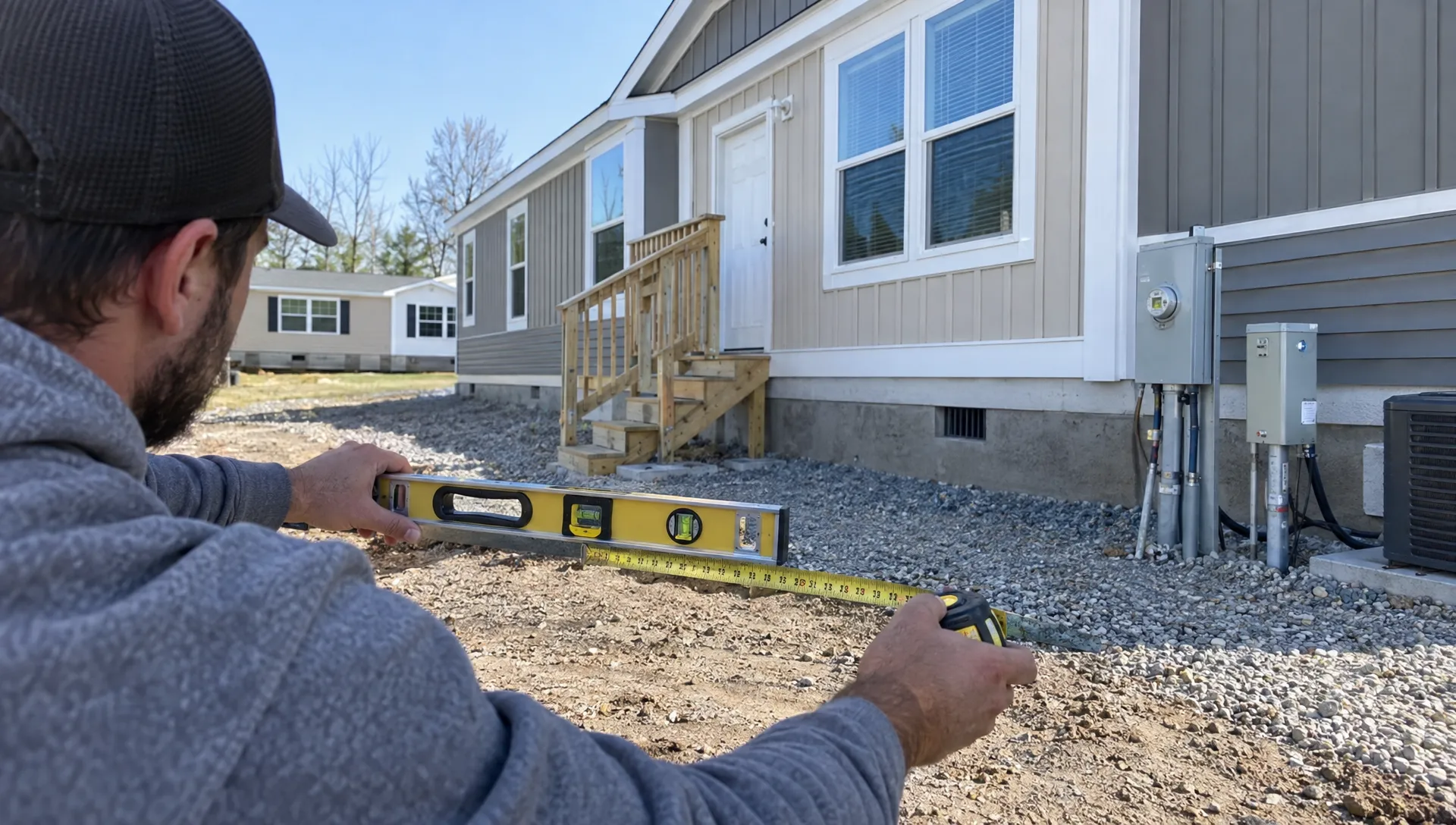
Factory construction can make the building process more efficient, but it does not remove the need for site compliance. The foundation, installation, utility connections, and final occupancy approval are all important to the lender.
The builder and manufacturer must be acceptable to the lender
FHA construction lenders usually require detailed builder documentation. This may include licensing, insurance, experience, contracts, plans, specifications, cost breakdowns, warranties, and draw schedules.
For modular homes, the lender may also review the manufacturer’s documentation, delivery process, set crew, crane or transportation logistics, and how factory-built sections will be integrated with site-built work. The lender needs confidence that the project can be completed on budget and in compliance with approved plans.
The home must appraise based on completed value
Because the home is not finished when the loan closes, the appraiser typically evaluates the property subject to completion. The appraisal is based on plans, specs, site information, comparable sales, and the projected finished condition of the home.
If the completed value is lower than expected, the buyer may need to adjust the budget, bring more funds to closing, choose a different plan, or renegotiate costs. This is one reason detailed floor plans and realistic site estimates matter early in the process.
What Can the Loan Cover?
An FHA construction loan for a modular home may cover more than just the factory-built sections. The exact eligible costs depend on the lender, loan structure, contract, appraisal, and FHA guidelines.
Commonly reviewed cost categories include:
| Cost category | May be included? | Notes |
|---|---|---|
| Land purchase | Often, if part of the transaction | Land value and title must be acceptable to the lender |
| Modular home sections | Usually | Must match approved plans and specifications |
| Foundation work | Usually | Permanent foundation is critical for FHA eligibility |
| Site preparation | Often | Grading, clearing, access, and drainage may be reviewed |
| Utility connections | Often | Water, sewer or septic, electric, and related work must be documented |
| Permits and fees | Often | Must be tied to the approved construction project |
| Contingency reserves | Sometimes required | Lenders may require reserves for unexpected costs |
| Appliances or upgrades | Depends | Must be part of the approved contract and appraisal support |
The main takeaway is that the lender wants a complete and realistic budget. Modular construction can reduce some uncertainty, but the site work can still create surprises. Soil conditions, utility distance, driveway access, floodplain concerns, and local permitting timelines can all affect the total cost.
FHA Construction Loan Steps for a Modular Home
The process can vary by lender, but most buyers move through a similar sequence. Expect more paperwork than a standard home purchase because the lender must approve both you and the build.
- Confirm the home type: Before applying, verify whether the home is truly modular, manufactured, or another type of prefab housing. This determines which FHA rules apply.
- Talk with an FHA construction lender: Ask specifically whether the lender offers FHA construction-to-permanent loans for modular homes. Do not assume every FHA lender does.
- Review your budget and credit profile: FHA borrowers may qualify with lower down payments than many conventional programs, but lenders still review credit, income, debt-to-income ratio, reserves, and overall risk.
- Choose land or confirm your existing land qualifies: The lender will review title, access, zoning, utilities, liens, restrictions, and whether the land supports the proposed home.
- Gather plans and specifications: The lender and appraiser need detailed plans, a cost breakdown, builder contract, timeline, and information about the modular manufacturer.
- Order the appraisal: The appraiser evaluates the property based on the completed home, land, and approved project details.
- Close the construction-to-permanent loan: If approved, the loan closes before construction begins, and funds are held for approved disbursements.
- Complete construction and inspections: Funds are released as work progresses, subject to lender draw procedures and inspections.
- Convert to the permanent mortgage phase: Once the home is complete and all requirements are satisfied, the loan transitions into the long-term FHA mortgage.
The timeline is not always fast. Even if the modular home itself can be built efficiently, the financing, land review, permitting, appraisal, and inspections can take time. Buyers who prepare documentation early are usually in a better position to avoid last-minute problems.
FHA Down Payment and Credit Considerations
FHA loans are popular because they can offer a lower down payment path than many conventional loans. FHA’s widely known minimum down payment is 3.5% for borrowers with qualifying credit scores of 580 or higher, while borrowers with scores between 500 and 579 may need at least 10%. However, construction lenders may set stricter minimums.
That last point matters. A lender may require a higher credit score, additional cash reserves, or more conservative debt-to-income ratios for construction financing than for a standard FHA purchase. Construction adds risk because the home has to be completed, inspected, and converted into a permanent mortgage.
You should also budget for FHA mortgage insurance, closing costs, inspections, title fees, prepaid expenses, and potential construction-related reserves. If you already own the land, your land equity may help in some situations, but the lender must verify its value and lien status.
Common Problems That Can Delay Approval
Many FHA modular construction delays happen because the buyer starts with the home model but does not fully verify the financing structure. The home may be appealing and affordable, but the land, builder paperwork, or appraisal can still create issues.
Common roadblocks include:
- Calling a home modular when it is actually HUD-code manufactured housing
- Choosing a lender that offers FHA loans but not FHA construction loans
- Underestimating site work, utility, or foundation costs
- Buying land with access, zoning, floodplain, or title problems
- Working with a builder or installer the lender will not approve
- Providing incomplete plans, specs, contracts, or cost breakdowns
- Expecting the appraisal to match the full project cost automatically
The best prevention is to bring the lender, builder, land information, and home plans together before you commit too far. A modular home can be a strong fit for FHA construction financing, but only when the entire package supports the loan.
How This Differs From FHA Financing for Manufactured Homes
If the home you are considering is manufactured rather than modular, the financing path may still be possible, but the rules are different. Manufactured homes must meet HUD Code requirements and often face more specific FHA conditions related to age, installation, foundation certification, title surrender, and whether the home is classified as real property.
Homes2Go SA works with buyers who are comparing affordable manufactured and mobile home options in the San Antonio area, where terminology can get confusing quickly. If your real goal is a factory-built home with flexible financing, you may want to compare modular construction financing with FHA construction loans for manufactured homes to see which route better matches the type of home you want.
You can also get a broader overview of how different prefab categories are treated in this guide to how FHA loans work for prefab homes.
Is an FHA Construction Loan the Best Option?
An FHA construction loan can be a good fit if you want to build a modular home as your primary residence and need a lower down payment option. It may also be attractive if you prefer one closing instead of separate construction and permanent loans.
However, it is not the only option. Some buyers compare FHA construction financing with conventional construction-to-permanent loans, VA construction loans if eligible, USDA loans in eligible rural areas, or buying an already completed manufactured or modular home with a standard mortgage. The right choice depends on your credit profile, available cash, land situation, timeline, and the kind of home you are actually buying.
For many San Antonio buyers, the smartest first step is not choosing the loan product. It is confirming the home type, the land plan, and the total project budget. Once those are clear, financing options become easier to compare.
Frequently Asked Questions
Can I use an FHA construction loan to buy land and build a modular home? In many cases, yes. An FHA construction-to-permanent loan may include land purchase and construction costs if the land, home, builder, appraisal, and borrower all meet lender and FHA requirements.
Is a modular home the same as a manufactured home for FHA financing? No. Modular homes are generally built to state or local building codes, while manufactured homes are built to the federal HUD Code. FHA can finance both in certain situations, but the requirements are different.
Do all FHA lenders offer modular home construction loans? No. Many FHA-approved lenders only handle standard purchase or refinance loans. You need to ask whether the lender specifically offers FHA construction-to-permanent financing for modular homes.
Can I use an FHA 203(k) loan instead? An FHA 203(k) loan is mainly for purchasing or refinancing an existing home that needs repairs or improvements. It is not the usual loan for building a new modular home from the ground up.
Does the modular home need a permanent foundation? Yes, the completed home generally needs to be permanently attached to an acceptable foundation and treated as real property for FHA mortgage purposes.
Can I use FHA financing if I already own the land? Possibly. The lender will review the land value, title, liens, access, zoning, utilities, and whether the land is suitable for the proposed modular home. Land equity may help, but it must be documented and approved.
Ready to Compare Your Factory-Built Home Options in San Antonio?
If you are exploring modular, manufactured, or mobile home options, the financing language can feel overwhelming. The key is to match the right home type with the right loan path before you get too far into contracts, land decisions, or site work.
Homes2Go San Antonio helps buyers understand affordable factory-built home options, available models, floor plans, communities, and financing possibilities. If you are trying to decide whether FHA financing fits your situation, start by exploring Homes2Go SA and speaking with a local team that understands the San Antonio market.
 Mobile Home Inspection Checklist for Texas Buyers
 Eco Homes in San Antonio: What Buyers Should Look For