
Eco homes in San Antonio are not just about looking modern or adding a few “green” features. For local buyers, an eco-friendly home should do three practical things well: stay comfortable in long stretches of heat, use energy and water wisely, and fit your household without wasting space or money.
That is especially important in South Texas, where cooling comfort can be a major part of monthly living costs. Whether you are comparing manufactured homes, modular options, or newer mobile homes, the right eco-minded choice starts with knowing what to inspect, what questions to ask, and which features matter most after move-in.
What “eco home” should mean for San Antonio buyers
An eco home is often marketed as a home that reduces environmental impact. In real life, buyers should translate that into measurable benefits: better insulation, tighter construction, efficient heating and cooling, lower water use, durable materials, and a floor plan that does not force you to heat and cool rooms you rarely use.
Factory-built homes can be a strong fit for this goal because many construction steps happen in a controlled environment. That can help reduce material waste and improve consistency, although the final result still depends on the home model, selected options, installation quality, and site conditions.
If you are still comparing housing types, Homes2Go has a helpful overview of affordable eco friendly modular homes that explains how factory-built options can support buyers looking for value and efficiency.
Start with the building envelope
The “building envelope” is the shell of the home, including the walls, roof, floors, windows, doors, and air sealing. It is one of the most important parts of an eco home because it controls how much outdoor heat enters and how much conditioned air escapes.
In San Antonio, a weak envelope can make the air conditioner work harder for longer. A strong envelope helps the home feel more even from room to room and can reduce the strain on HVAC equipment.
When comparing homes, ask about insulation levels, window type, door quality, and air sealing details. You do not need to become a building scientist, but you should understand whether the home is designed to handle hot summers efficiently.
| Feature to compare | Why it matters in San Antonio | What to ask before buying |
|---|---|---|
| Insulation | Helps slow heat transfer through walls, ceilings, and floors | What insulation is included in the roof, walls, and floor system? |
| Air sealing | Reduces unwanted air leaks that can waste cooled air | How is the home sealed around ducts, doors, windows, and penetrations? |
| Windows | Impacts heat gain, glare, and comfort near exterior walls | Are the windows double-pane or designed for energy performance? |
| Ductwork | Leaky or poorly placed ducts can reduce HVAC efficiency | Where are the ducts located, and how is the system tested or inspected? |
| Roofing and exterior color | Lighter and reflective surfaces can help reduce heat absorption | Are there exterior finish options that improve heat performance? |
For deeper guidance on the features that help homes perform better in Texas heat, review this Homes2Go guide to energy efficient manufactured homes.
Look closely at HVAC size and efficiency
A common mistake is focusing only on the air conditioner brand or size. Bigger is not always better. An oversized system may cool quickly but cycle on and off too often, which can affect humidity control and comfort. An undersized system may run constantly and struggle during peak heat.
The best approach is to ask how the HVAC system is matched to the home’s square footage, insulation, windows, and layout. Efficient cooling is a whole-home question, not just an equipment question.
The ENERGY STAR program is a useful resource for understanding how energy-efficient products and homes are evaluated. Even if a specific home is not advertised with a certification, ENERGY STAR guidance can help you ask smarter questions about appliances, HVAC performance, air sealing, and overall comfort.
Choose a floor plan that avoids wasted space
Eco-friendly living is not only about materials and mechanical systems. The size and layout of the home matter too. Every unused room, oversized hallway, or poorly placed living area adds space that must be cooled, cleaned, furnished, and maintained.
For many San Antonio buyers, the best eco home is one that is right-sized. That means enough bedrooms and storage for your life today, with a layout that can adapt as your needs change, but not so much square footage that utility costs and maintenance creep higher than necessary.
For example, the Cavco Abeline is a 3 bedroom, 2 bathroom, 1,493 sq ft doublewide manufactured home based on Cavco Homes floor plan Valu 28563U. A buyer comparing eco-minded layouts might look at how the home’s square footage supports daily living, storage, and shared spaces without automatically assuming that a larger home is always the better value.
Another option to compare is the Oak Creek Walnut Cove, a 3 bedroom, 2 bathroom, 1,312 sq ft doublewide manufactured home based on Oak Creek Homes floor plan P48P. For some households, a slightly smaller 3-bedroom layout may support efficiency goals by reducing conditioned space while still offering the bedroom count they need.
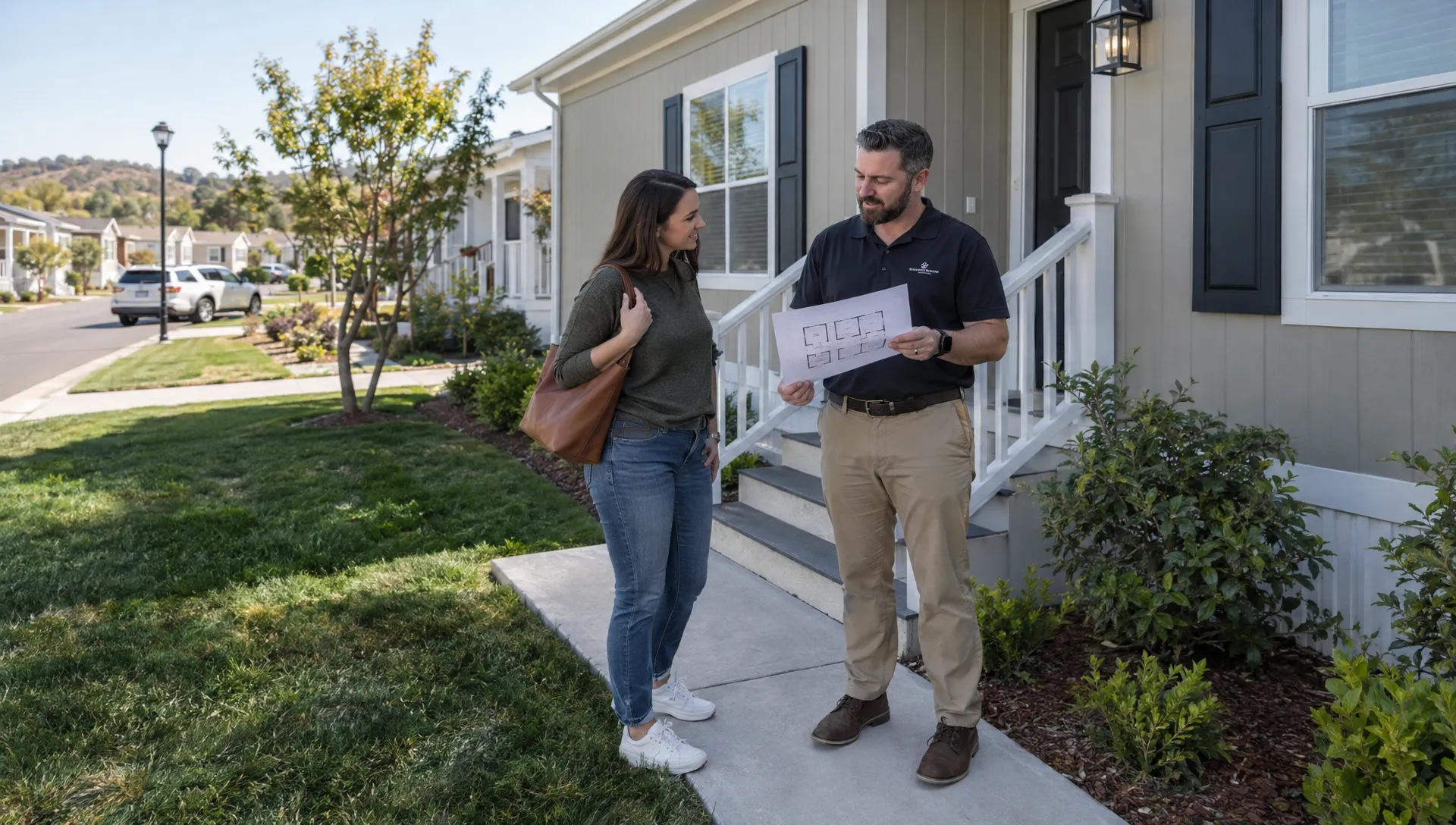
The key is not to pick a home by square footage alone. Walk the floor plan, study the room placement, and ask how the home can be configured or selected to balance comfort, privacy, storage, and long-term operating costs.
Ask about indoor air quality
Eco homes should feel healthy, not just efficient. Indoor air quality is especially important in a tightly built home because less air leakage can mean pollutants linger longer if ventilation is not handled properly.
Ask about ventilation, kitchen and bathroom exhaust fans, moisture control, and the materials used inside the home. Good ventilation helps remove humidity, odors, and airborne particles. Moisture control is also important because excess humidity can make a home feel warmer and may contribute to mold or mildew problems over time.
If anyone in your household has allergies, asthma, or sensitivity to odors, pay extra attention to flooring, cabinetry, paints, adhesives, and filter options. A home can be energy-efficient and still disappoint if the indoor environment does not feel comfortable day to day.
Think beyond electricity: water efficiency matters too
San Antonio buyers should also think about water use. Eco-friendly housing is not complete if the home saves on cooling but wastes water indoors and outdoors.
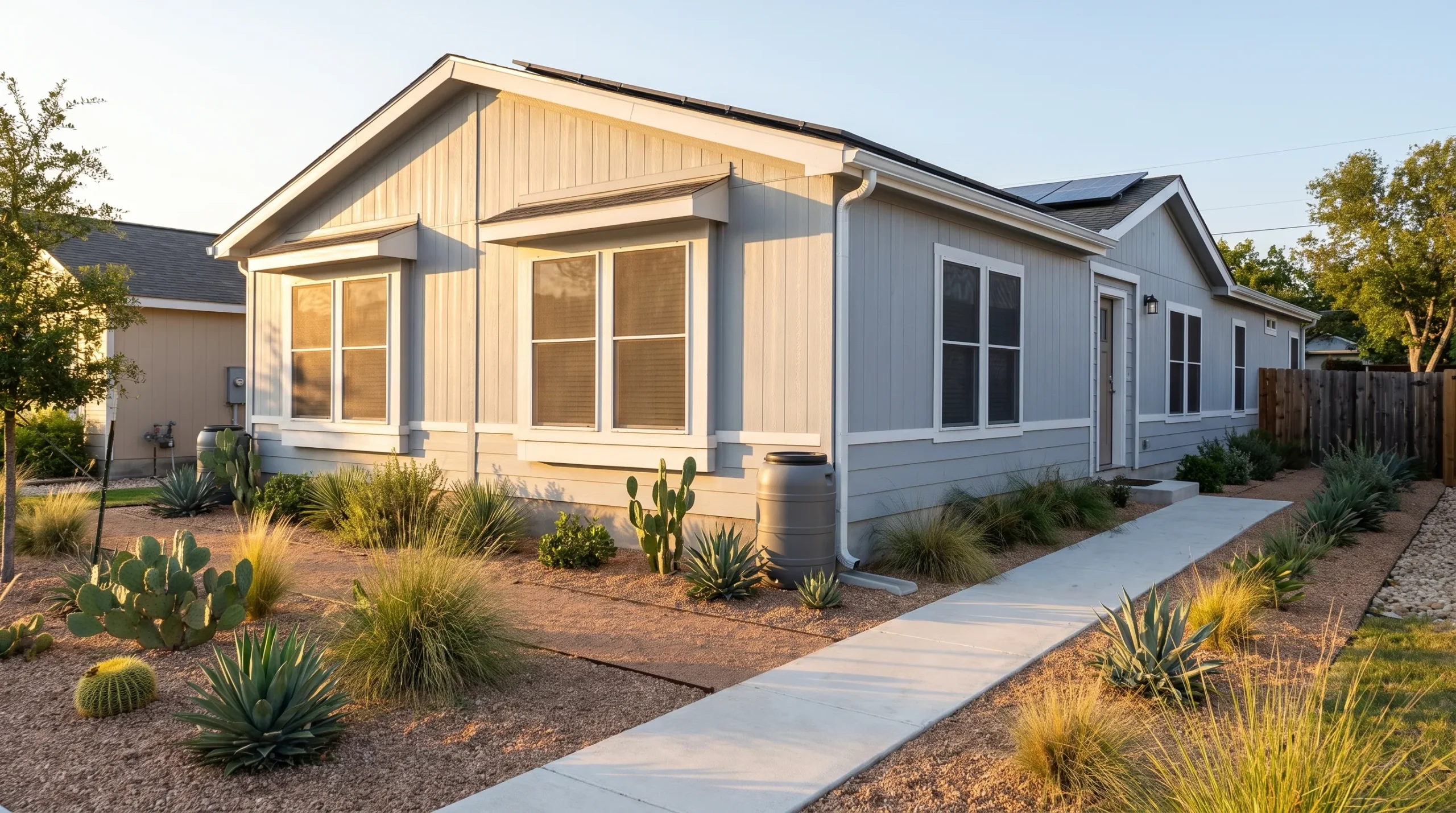
Inside the home, ask about low-flow fixtures, efficient toilets, and appliance options. Outdoors, landscaping can have an even bigger impact. Native and drought-tolerant plants, efficient irrigation, mulch, and shade trees can reduce water demand while improving curb appeal.
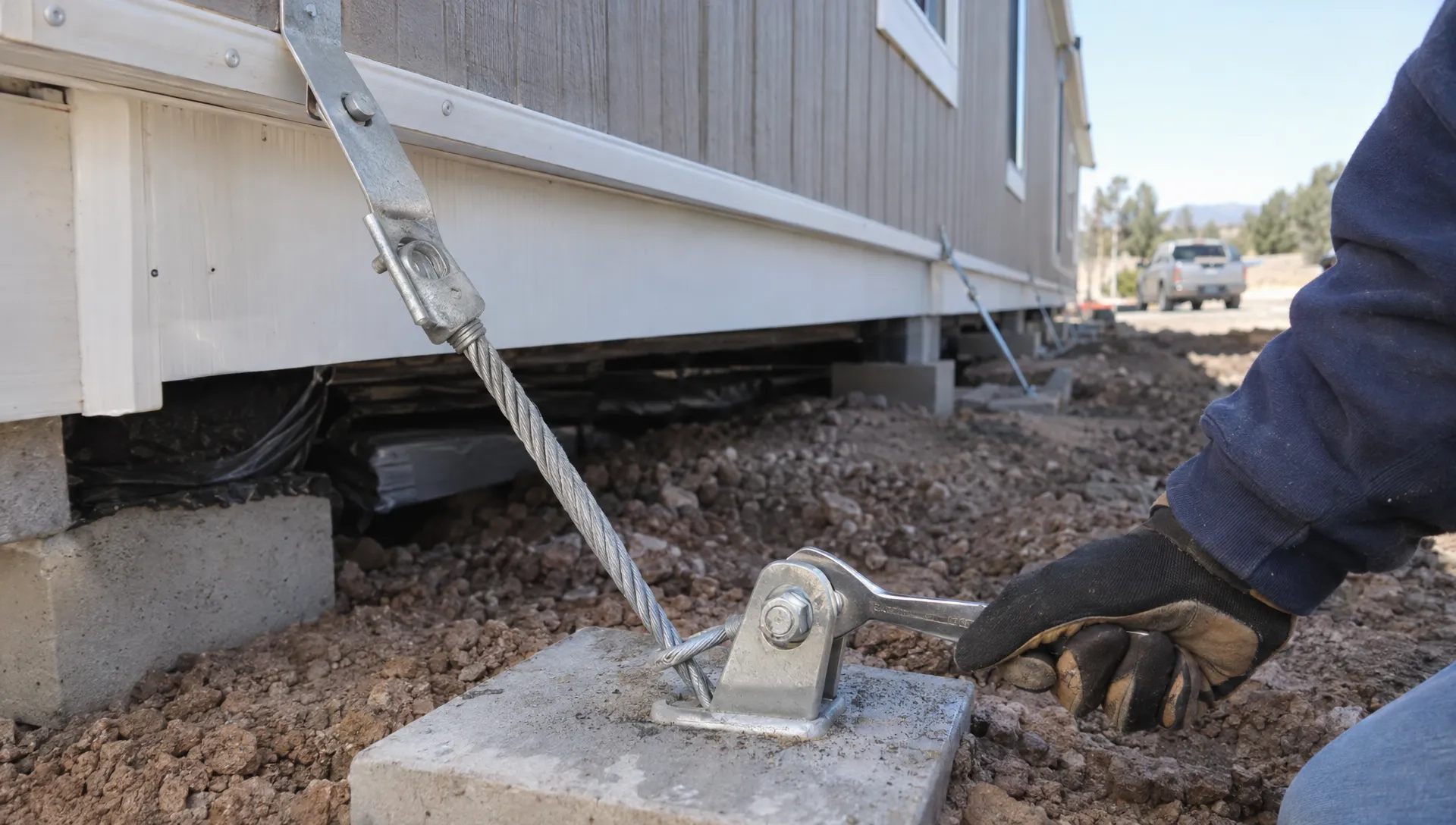
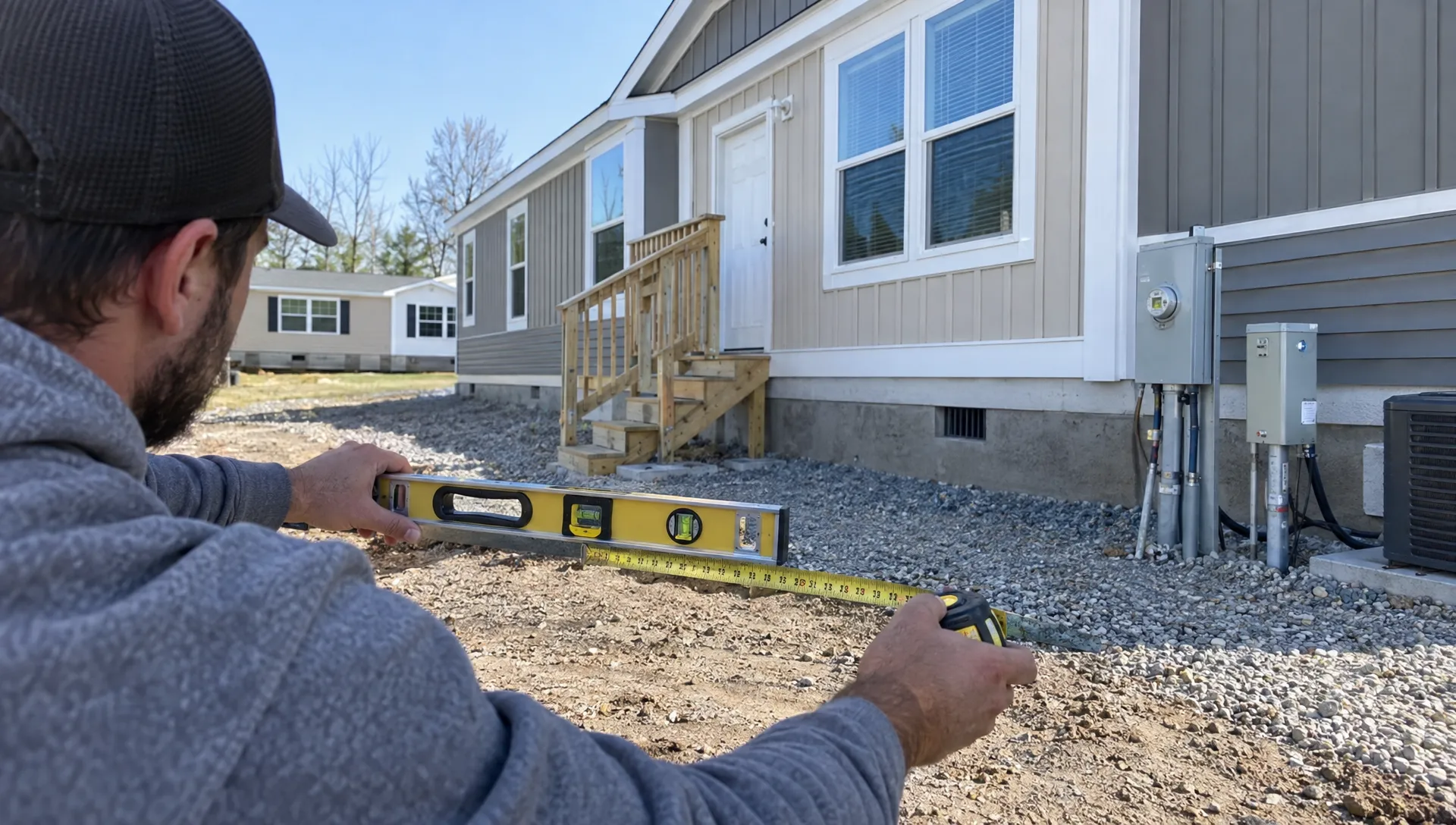
The home site matters as well. Proper drainage, grading, and skirting or foundation details can help protect the home from moisture issues. Eco-friendly choices should support durability, not just lower monthly bills.
Consider the community and location
An efficient home in the wrong location can still cost more than expected. Before you buy, think about commute distance, school needs, access to groceries, medical care, and daily errands. Shorter drives can reduce fuel costs and make everyday life easier.
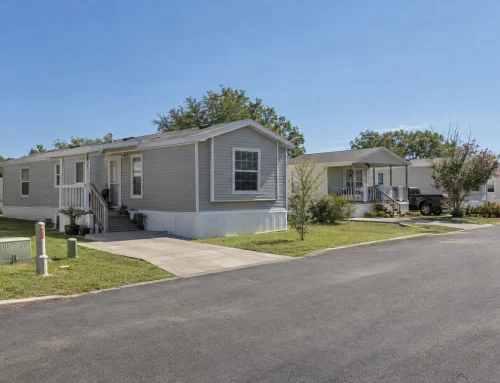
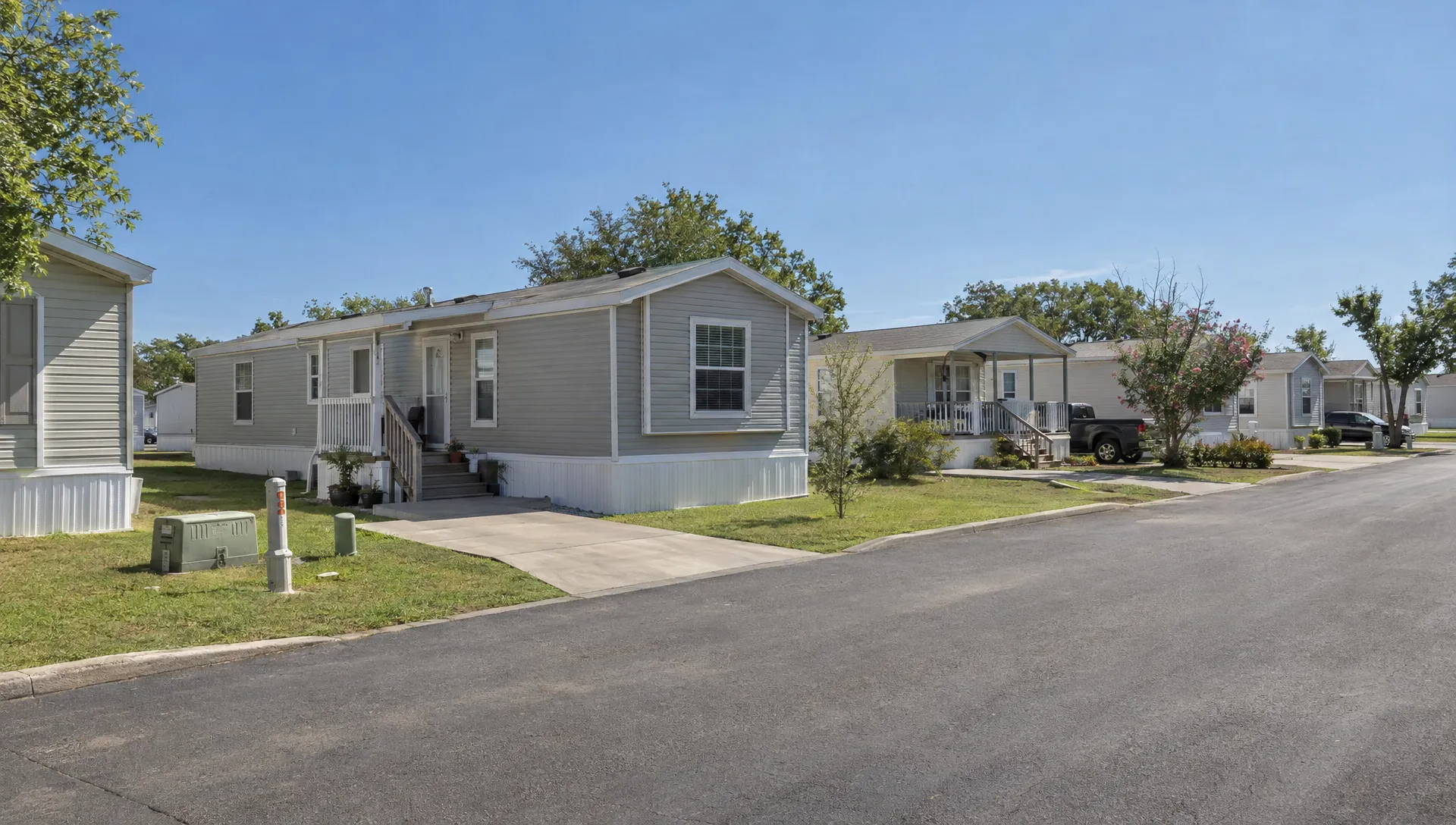
If you are considering a manufactured home community, ask about utility setup, community rules, landscaping requirements, trash service, parking, and long-term costs. If you are placing a home on private land, ask about site preparation, utility connections, permits, septic or sewer service, and access.
The U.S. Department of Housing and Urban Development provides federal standards for manufactured housing through the HUD Code, but local site conditions, installation, and community rules still play a major role in the final ownership experience.
Compare total cost, not just purchase price
A lower purchase price can be attractive, but eco-minded buyers should compare the full cost of ownership. Monthly housing costs may include financing, land or lot rent, insurance, taxes, utilities, maintenance, and community fees if applicable.
Energy-efficient features may improve comfort and help reduce utility usage, but buyers should be careful about vague promises. Ask for specific feature details rather than relying on broad claims like “green” or “low-cost living.”
If you are early in the process, the Homes2Go 2026 buyer guide to manufactured homes in San Antonio can help you understand broader budgeting, location, and home selection considerations.
Questions to ask before choosing an eco home
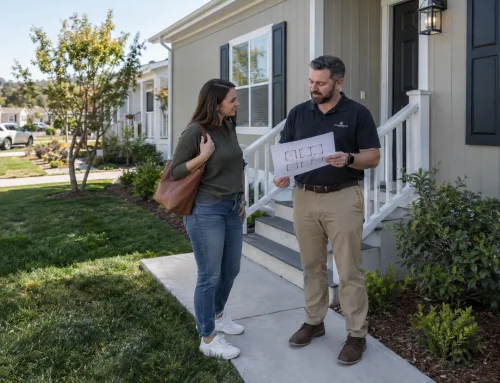
Before you commit to a home, bring a focused list of questions. The goal is to compare homes clearly, not get overwhelmed by every possible specification.
- What insulation, window, and HVAC features are included in this model?
- Are there energy-efficiency upgrades or packages available?
- How is the HVAC system sized for this floor plan?
- What ventilation features are included in kitchens, bathrooms, and living areas?
- Are appliance options available, and are any ENERGY STAR rated?
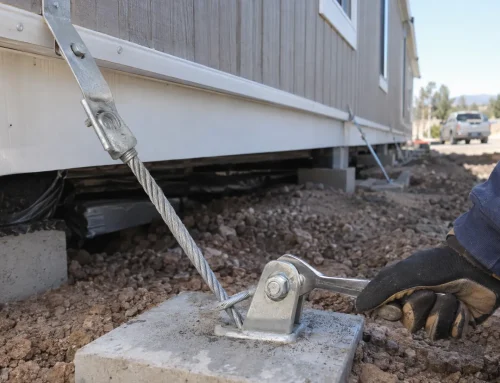
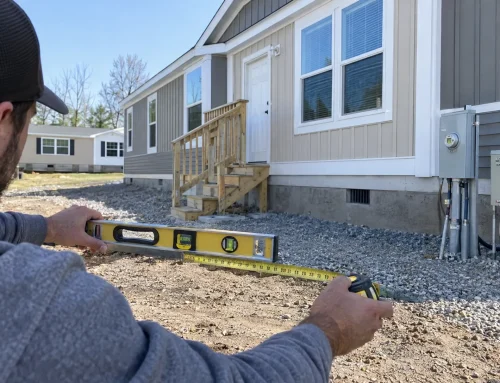
- What setup, foundation, skirting, and site preparation details affect comfort and durability?
- How will utility connections, lot conditions, or community rules affect the final cost?
- Can I review the floor plan in detail before deciding?
These questions help you move past marketing language and focus on the features that make a real difference once you are living in the home.
Red flags to watch for
Be cautious if a home is described as eco-friendly but the seller cannot explain why. A strong answer should mention specific construction, equipment, or design details. It should not rely only on trendy language.
Also be careful with homes that have attractive interiors but little information about insulation, HVAC, windows, or installation. Modern finishes are nice, but they do not automatically make a home efficient.
Finally, avoid making a decision without considering the site. Shade, orientation, drainage, utility setup, and installation quality can all affect performance. A good home deserves a good setup.
Frequently Asked Questions
Are manufactured homes good options for eco homes in San Antonio? Yes, they can be. Many modern manufactured homes offer efficient layouts, updated materials, and energy-conscious features. The key is to compare the specific model, options, HVAC setup, insulation, windows, and installation details.
What is the most important eco feature for San Antonio heat? The most important features usually work together: insulation, air sealing, efficient windows, and a properly sized HVAC system. No single feature can make up for a weak overall design.
Should I choose a smaller home to save energy? Not always, but right-sizing matters. A smaller home can reduce cooled space, but the layout still needs to fit your household. A well-planned 3-bedroom home may be more efficient for your life than a larger home with rooms you rarely use.
Do eco homes always cost more upfront? Not necessarily. Some efficiency features are built into modern home designs, while others may be optional upgrades. Buyers should compare upfront cost with long-term comfort, utility usage, maintenance, and financing.
Can landscaping make a home more eco-friendly? Yes. Shade, native plants, drought-tolerant landscaping, efficient irrigation, and good drainage can all support comfort and lower water use in the San Antonio climate.
Find an eco-minded home that fits your life
The best eco homes in San Antonio are practical, comfortable, and well matched to the buyer’s budget. Look for a strong building envelope, efficient cooling, smart floor plans, healthy indoor air, water-wise choices, and a location that supports your daily routine.
Homes2Go San Antonio helps buyers compare manufactured home options, review detailed floor plans, explore flexible financing options, and get guidance through the home shopping process. If you are looking for an affordable path to homeownership with modern comfort and efficiency in mind, start by exploring available homes with Homes2Go San Antonio.
 Can You Use an FHA Construction Loan for a Modular Home?
 How to Compare Double Wide Manufactured Homes Locally