
Yes, an FHA loan for used mobile home purchases is possible, provided the home and borrower meet the applicable program requirements. Being previously owned does not automatically disqualify a manufactured home. Its construction date, installation history, foundation, condition and legal ownership status can matter much more than its age alone.
For San Antonio buyers, the biggest distinction is often whether you are buying a home already installed on its homesite or purchasing one that must be moved. Before paying for an appraisal or transportation, have a lender evaluate the specific property, not just your income and credit.
What counts as a used mobile home?
People often use “mobile home” and “manufactured home” interchangeably, but the distinction matters for financing. For standard FHA manufactured-home mortgage eligibility, the home generally must have been built on or after June 15, 1976, when federal manufactured housing construction standards took effect.
A home built before that date generally will not qualify for this mortgage program, even if it has been extensively remodeled. A newer kitchen does not change its original construction date or establish HUD Code compliance.
A previously owned manufactured home built to the federal standards may qualify. Start with its manufacturing records rather than the seller’s estimate of its age. HUD’s overview of manufactured housing and FHA mortgage insurance explains the basic program framework.
FHA loan for used mobile home purchases: which program fits?
FHA insures loans made by participating lenders; it does not directly lend buyers the purchase money. Two FHA programs can be relevant, but their requirements are not interchangeable.
| Question | FHA Title II mortgage | FHA Title I manufactured-home loan |
|---|---|---|
| What can it finance? | An eligible manufactured home with a qualifying real-property interest | An eligible home, a lot or a home-and-lot combination |
| Can leased land work? | Only under qualifying leasehold arrangements, not every park lease | May be permitted when the site and lease meet program requirements |
| What is a central property issue? | Permanent foundation and treatment as real estate | Compliance with the applicable home, site and loan requirements |
| Does every FHA lender offer it? | No, manufactured-home policies vary | No, availability must be confirmed separately |
If you are buying an existing home and its land together, ask about Title II first. If you are buying only the home in a community, ask specifically whether the lender offers Title I financing for pre-owned manufactured homes.
Do not assume an ordinary FHA preapproval covers both arrangements. A lender may approve manufactured-home mortgages but decline home-only loans, particular home ages or certain property configurations.
Five used-home issues to check before making an offer
Before pursuing an FHA loan for used mobile home purchases, investigate the property’s history. These checks can reveal problems that a listing photo or basic prequalification will not show.
Installation and relocation history
Buying an existing home in place is different from buying a previously occupied home to move onto another lot. Ask where the home was first installed, whether it has moved since then and whether your purchase requires another relocation.
FHA eligibility rules concerning prior installation and relocation require specific review. Have the lender confirm that the home’s actual history and proposed installation are acceptable under its current program before paying transportation or site-preparation costs.
A seller’s statement that a home is “ready to move” describes its availability, not its financing eligibility.
Missing HUD labels or manufacturing records
HUD certification labels are normally attached to the exterior of each transportable section. The interior data plate contains additional manufacturing information, including identifying details and design information.
Missing documentation does not always end a purchase, but it can delay underwriting. Depending on what is missing, the lender may accept verification from the Institute for Building Technology and Safety. Verification is not a guarantee that the home meets every other requirement.
Ask the seller for clear photographs early. Homes2Go’s guide to manufactured-home titles, HUD tags and data plates explains why these records serve different purposes.
Foundation and ownership status
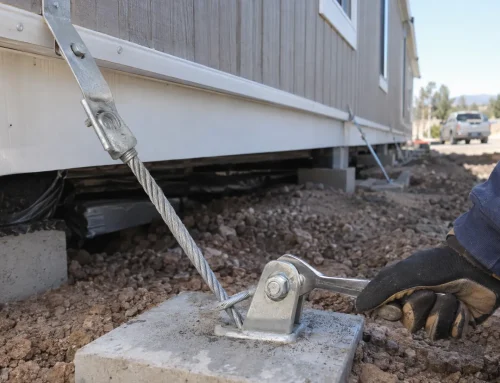
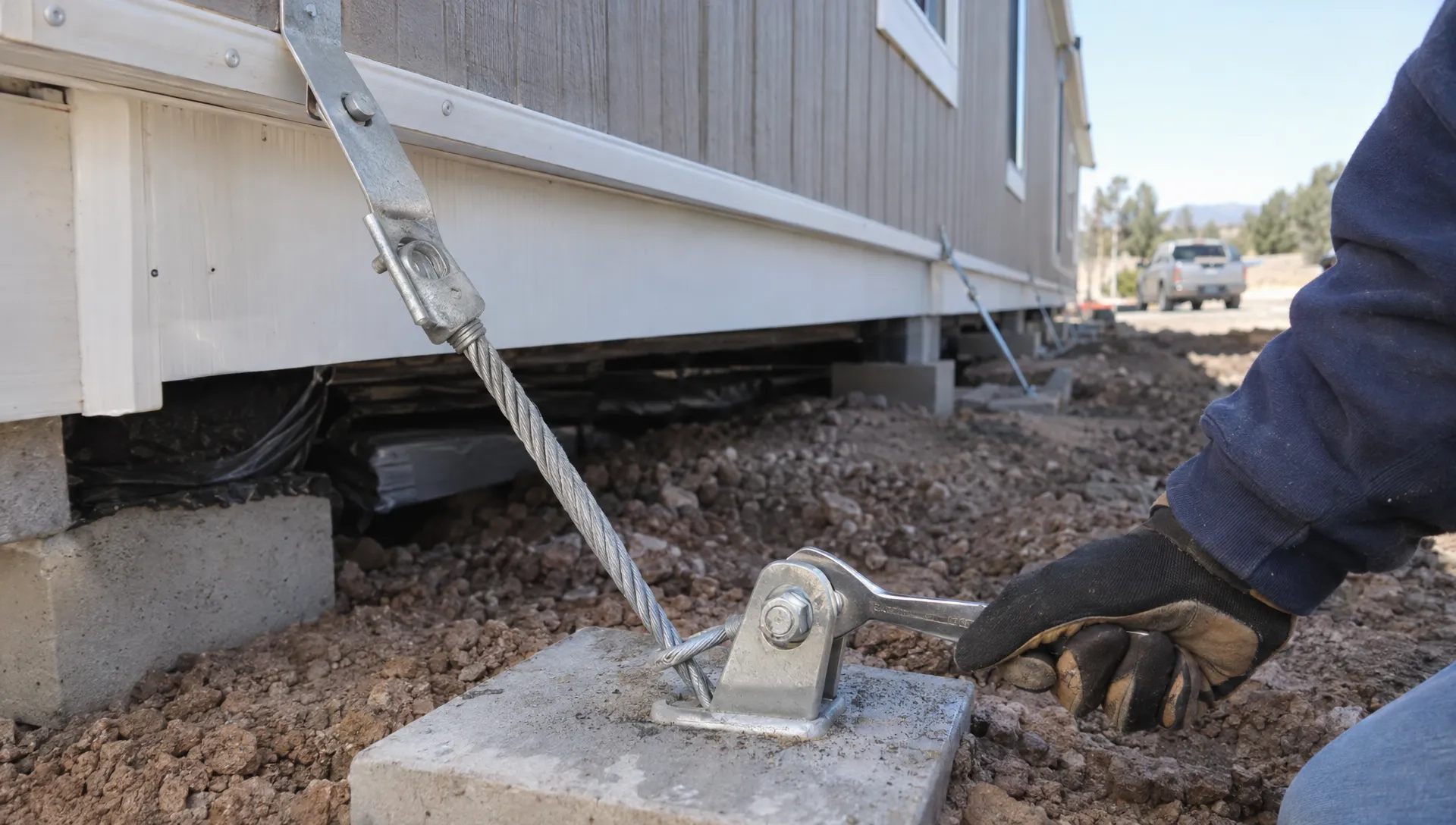
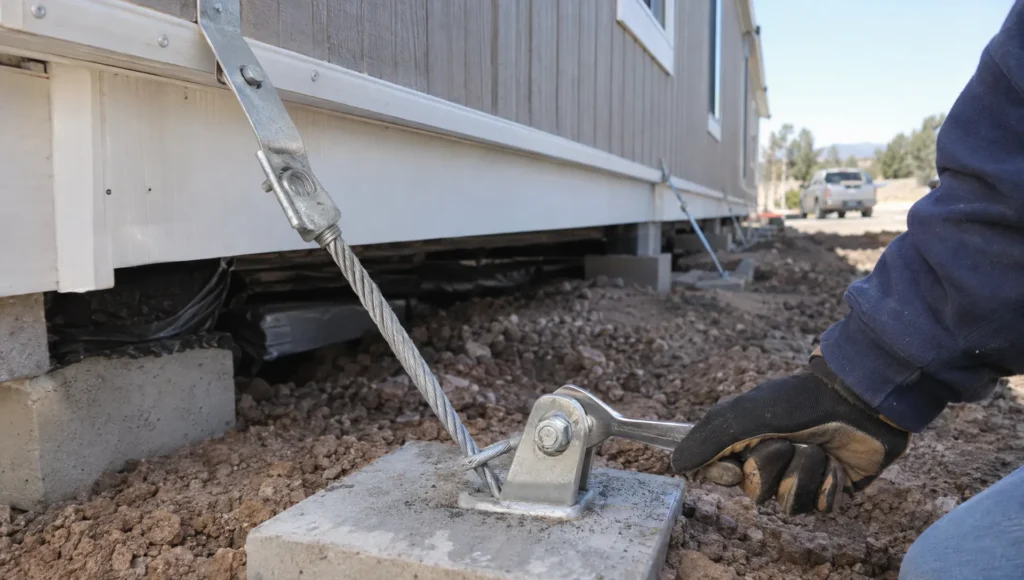
For an FHA loan for used mobile home purchases through Title II, the foundation and legal property status deserve separate checks. A home that looks permanently installed is not necessarily documented as FHA-compliant.
The lender may require a foundation certification from a qualified engineer or architect, as applicable. Decorative skirting, concrete blocks or a seller’s assurance do not establish compliance. The controlling requirements are available through HUD’s Single Family Housing Policy Handbook.
In Texas, review the home’s Statement of Ownership and any recorded liens through the Texas Department of Housing and Community Affairs. Ownership records, real-property status and the land transaction must align with the lender’s requirements. A real-property designation alone does not prove foundation compliance.
Repairs, additions and alterations
An older manufactured home can be well maintained, while a newer one can have serious defects. Focus on actual condition rather than cosmetic updates.
Roof leaks, soft flooring, unsafe electrical work, plumbing problems and damaged structural components can trigger additional review or repairs. Attached rooms, decks, carports and roof structures also deserve attention, especially if they transfer loads to the original home.
Keep repair records, permits and any engineering documentation available. Not every repair issue makes financing impossible, but required work must be resolved through an arrangement the lender accepts. A promise to fix everything after closing may not be sufficient.
Appraised value versus asking price
An FHA loan for used mobile home purchases also depends on the appraisal. The seller’s asking price, renovation spending and sentimental value do not determine the amount a lender will finance.
Comparable sales may be harder to find for unusual homes, extensive additions or properties in areas with few similar transactions. If the appraisal comes in below the contract price, the buyer and seller may need to renegotiate or address the difference within program rules.
An FHA appraisal is not a substitute for an independent home inspection. Arrange an inspection that addresses manufactured-home systems and condition, then obtain specialist evaluations when needed.
Your borrower approval still matters
A qualifying property does not guarantee a qualifying borrower. For standard FHA Title II purchase financing, FHA’s minimum framework allows a 3.5% down payment with a credit score of at least 580. Scores from 500 through 579 generally require at least 10% down.
Those are FHA minimums, not a promise that a particular lender will approve the application. Manufactured-home lenders can set stricter credit requirements, often called lender overlays.
The lender will also evaluate documented income, debts, credit history and available funds. The home generally must be your principal residence, rather than an investment property or vacation home.
Budget beyond the down payment. Closing costs, applicable mortgage insurance, property taxes, homeowners insurance and any community charges affect affordability. Request a written estimate tied to the actual property and financing program, especially if repairs or foundation work may be necessary.
What to verify before spending money
A buyer’s financial preapproval is only part of the process. The property needs its own review, and the sooner that happens, the less likely you are to spend money on a home the lender cannot finance.
Send the lender the listing, property address, approximate construction date and available identification records. Explain whether land is included, whether the home is currently occupied and whether it will be moved. Disclose additions and known repairs rather than waiting for the appraisal.
Ask for answers to these questions before authorizing major expenses:
- Does your program accept this home’s age, size and installation history?
- What HUD identification, ownership and foundation documents will you need?
- Are the land ownership or community lease arrangements acceptable?
- Which property issues must be resolved before closing?
- Which fees become nonrefundable if the property does not qualify?
For an FHA loan for used mobile home purchases, early property screening is especially valuable when the seller has incomplete records or the transaction includes relocation. Ask your real estate professional about appropriate financing, inspection and appraisal protections in the purchase contract.
Preliminary acceptance still is not final approval. Underwriting, appraisal, title review and any required inspections or certifications must be completed.
What if the home needs substantial repairs?
Do not assume a standard purchase mortgage can include every renovation you want. Repairs required for eligibility and optional improvements may need different financing arrangements.
FHA 203(k) rehabilitation financing can be relevant to certain eligible manufactured homes, but it does not override the underlying manufactured-home requirements. The property, proposed work and lender must fit the program. Homes2Go’s explanation of 203(k) loans for manufactured homes covers that separate question.
If FHA is unavailable, ask about conventional manufactured-home financing or home-only financing where appropriate. Compare the interest rate, repayment term, fees, land arrangement and total monthly cost. Another loan type is not automatically a better deal simply because it accepts the property.
Frequently asked questions
Is there a maximum age for an FHA-financed used manufactured home? FHA does not impose a simple universal age cap on otherwise eligible HUD Code homes under standard Title II rules. Construction date, condition and compliance matter, and lenders may impose their own age restrictions.
Can I get an FHA loan for used mobile home purchases on rented land? Potentially. Title I may accommodate an eligible home on an approved leased site. Title II has different real-property and qualifying leasehold requirements. Have the lender review the actual lease, not just the community name.
Does owning land guarantee approval? No. Owning the lot does not resolve problems involving construction eligibility, installation history, foundation compliance, title or condition. Local placement and site requirements also need review.
Can a single-wide qualify if it is used? Potentially, yes. Being single-wide or previously owned is not automatically disqualifying. The home must meet the applicable FHA requirements, and the lender must accept that property type.
Review the home and financing together
Before committing to a used manufactured home in San Antonio, gather its construction records, installation history, ownership documents and land details. Give that information to a lender that handles the specific FHA program you need.
Homes2Go San Antonio offers manufactured-home options, guidance for first-time buyers and access to local lenders. Ask about available homes and financing options, then confirm eligibility for the specific property before paying for an appraisal, moving services or site work.
 How an FHA Title 1 Loan for Manufactured Home Works
 Can You Buy No Money Down Mobile Homes in Texas?