
A mobile home can be one of the most affordable paths to homeownership in Texas, but only if you know what you are buying before you sign. The home may look move-in ready at first glance, while still hiding issues under the skirting, behind wall panels, around roof penetrations, or in paperwork that affects financing and ownership.
This checklist is designed for Texas buyers who want a practical way to prepare for a professional inspection, ask better questions, and avoid expensive surprises. It is not a substitute for hiring a qualified inspector. Instead, use it as your buyer-side guide before, during, and after the inspection.
Why mobile home inspections are different in Texas
Many Texas buyers use the phrase mobile home to describe any factory-built home, but the technical details matter. Homes built after June 15, 1976 are generally manufactured homes built to the federal HUD Code. HUD explains that manufactured homes are constructed to federal construction and safety standards and should have a certification label on each transportable section.
In Texas, the Texas Department of Housing and Community Affairs Manufactured Housing Division oversees important manufactured housing records and consumer resources, including ownership documentation. That makes paperwork a major part of the inspection process, not just a closing detail.
A good home inspection for mobile homes should look at three things together: the home itself, the installation, and the documents. A site-built home inspection usually focuses mostly on the structure and systems. A manufactured home inspection also needs to consider transport sections, marriage lines, tie-downs, skirting, underbelly condition, HUD labels, and whether the home appears properly set for the site.
If you are still learning how Texas rules, land options, and home types fit together, Homes2Go’s guide to mobile homes in TX is a helpful starting point before you schedule inspections or compare homes.
Start with the paperwork before walking the home
Before you inspect the physical condition, confirm that the home can be clearly identified. Paperwork problems can delay financing, insurance, community approval, utility connection, or resale later.
Ask for the Statement of Ownership or available ownership documents, the serial number or VIN, make, model, year, size, and location details. Compare those details against the home’s HUD labels and data plate when available. The HUD certification labels are usually metal tags attached to the exterior of each section. The data plate is often found inside a cabinet, closet, utility area, or electrical panel area.
For a pre-owned home, also ask whether the home has been moved before, whether permits were pulled for relocation or installation, and whether the seller has records for major repairs. If the home is in a land-lease community, review community rules, lot rent, utility responsibilities, pet rules, parking restrictions, and move-in requirements before you rely on the inspection alone.
Texas buyer mobile home inspection checklist
Use this table as your master checklist. You can print it, save it to your phone, or bring it with you when touring homes. The goal is not to replace the inspector’s report, but to help you notice issues early and understand which findings deserve follow-up.
| Inspection area | What to check | Why it matters |
|---|---|---|
| Identity and documents | HUD labels, data plate, serial number, Statement of Ownership, seller name, liens if disclosed | Confirms the home matches the paperwork and can transfer cleanly |
| Site and drainage | Ground slope, standing water, gutters, downspouts, soil erosion, clearance around home | Poor drainage can damage floors, piers, skirting, and underbelly materials |
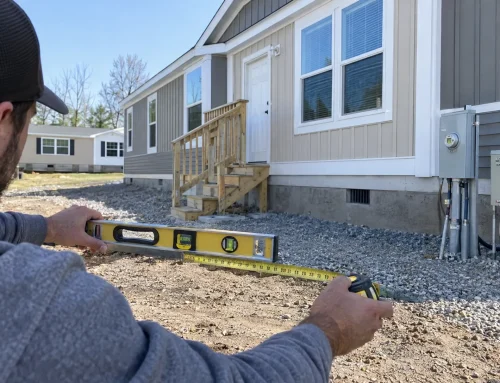
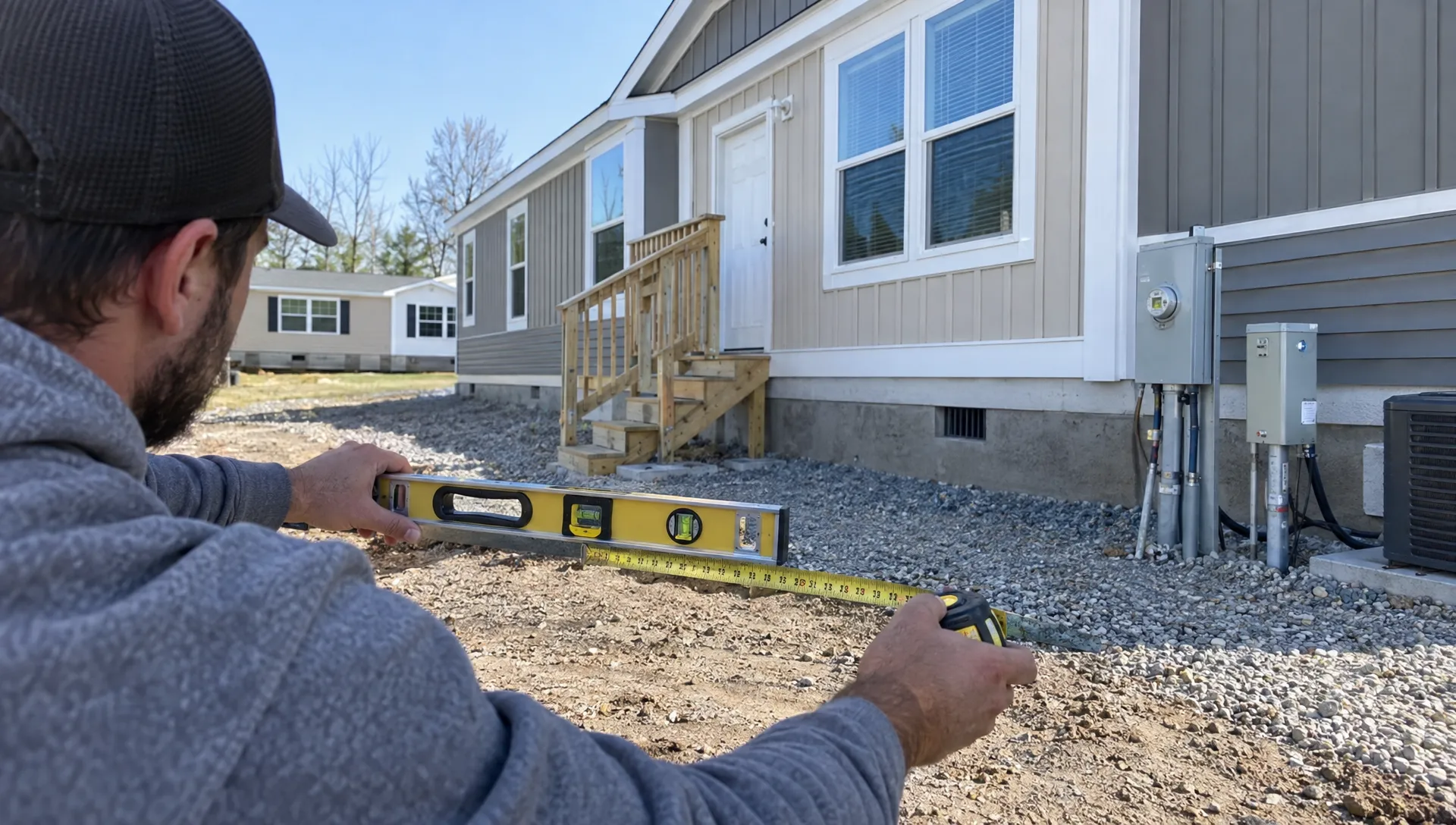
| Foundation and support | Piers, pads, blocking, leveling, marriage line support, visible settlement | Installation issues can cause cracks, sticking doors, roof stress, and financing problems |
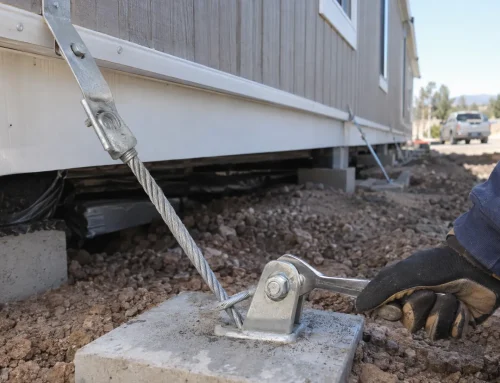
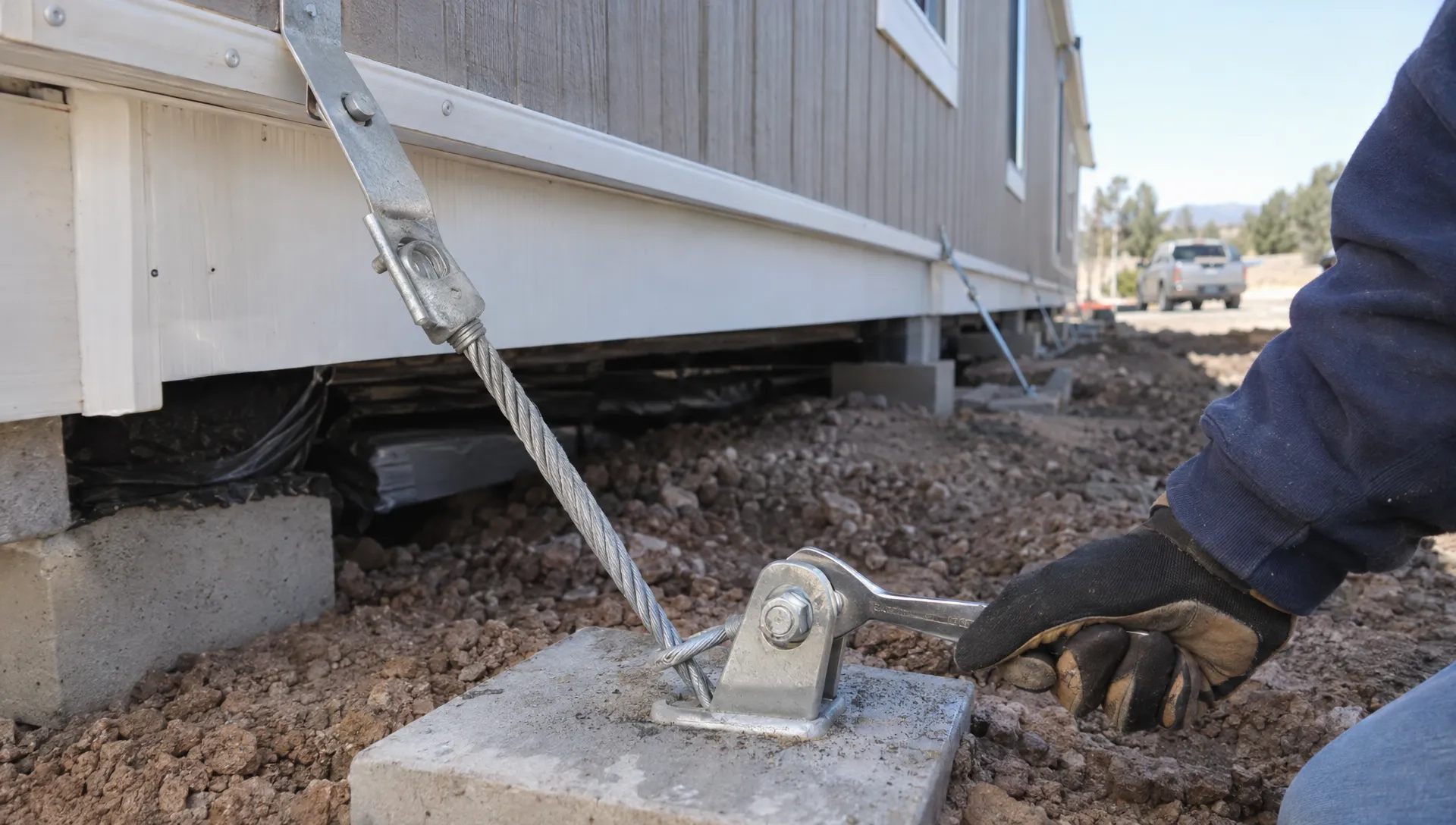
| Tie-downs and anchoring | Straps, anchors, spacing, corrosion, missing hardware, loose connections | Texas wind and storm conditions make anchoring a key safety concern |
| Roof | Roof covering, sealant, penetrations, flashing, ponding, soft spots, ceiling stains | Roof leaks are among the most expensive problems to ignore |
| Exterior walls and trim | Siding, doors, windows, flashing, caulking, damage around openings | Water intrusion often starts at exterior joints and openings |
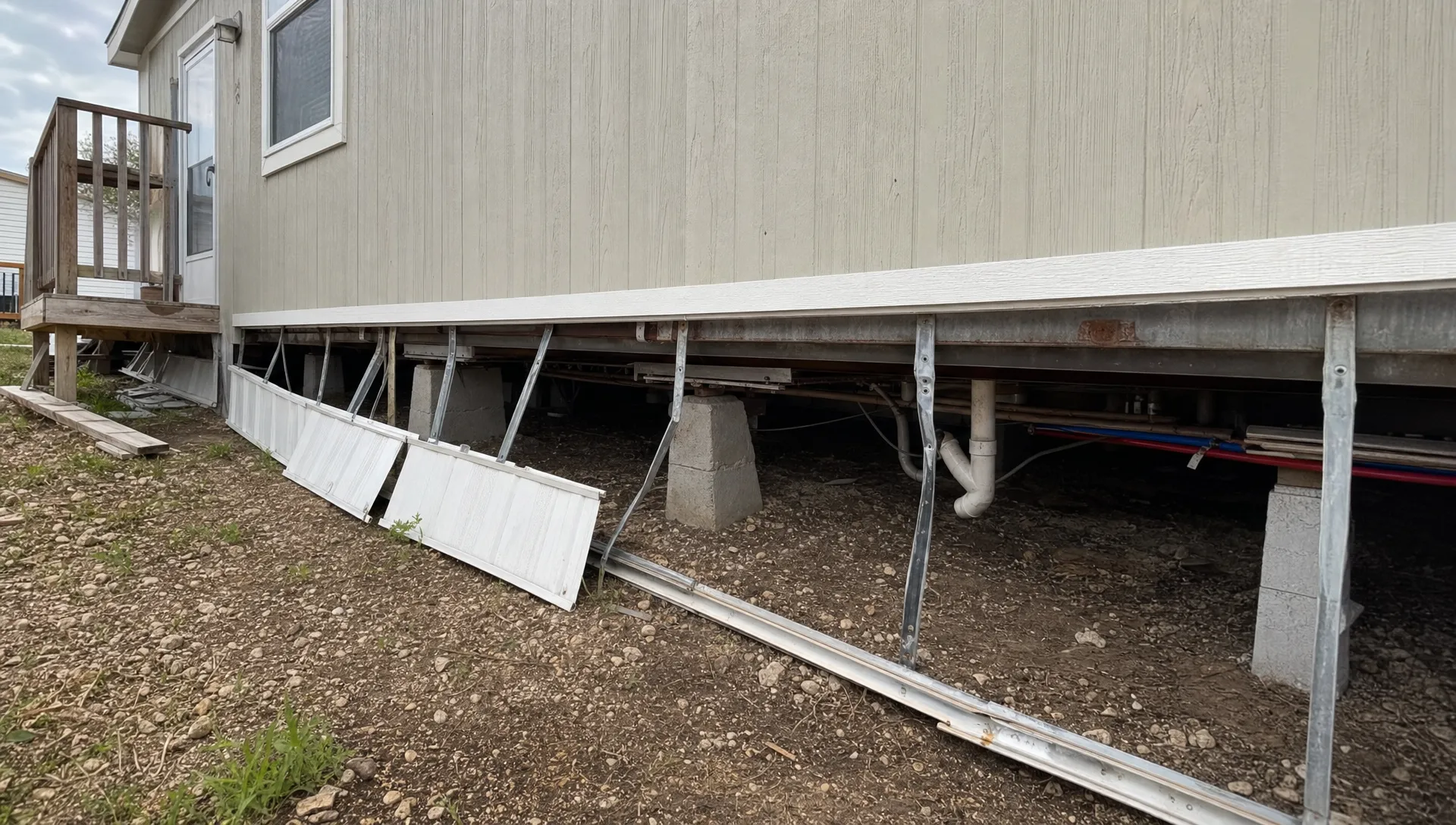
| Skirting and underbelly | Skirting condition, ventilation, belly wrap, insulation, plumbing exposure, animal damage | Hidden under-home issues can affect comfort, utilities, and structural condition |
| Plumbing | Water pressure, leaks, shutoff valves, water heater, drain flow, visible pipe condition | Plumbing leaks can stay hidden and damage subfloors quickly |
| Electrical | Panel condition, labeled breakers, GFCI outlets, exposed wiring, damaged fixtures | Electrical defects can be safety hazards and may affect insurance approval |
| HVAC | Heating and cooling operation, duct condition, filters, thermostat, airflow | Texas heat makes cooling performance and duct integrity especially important |
| Interior | Floor softness, wall cracks, ceiling stains, window operation, cabinet alignment | Interior symptoms often point to moisture, leveling, or installation issues |
| Safety | Smoke alarms, carbon monoxide alarms where appropriate, handrails, egress windows, steps | Safety items are easy to overlook but important before move-in |
| Pest and wood damage | Termite evidence, rodent entry points, damaged insulation, droppings, chewed wiring | Pest damage can spread beyond cosmetic repairs |
| Utilities and site systems | Electric service, water source, sewer or septic, gas connection if present | Utility limitations can change your true move-in cost |
Foundation, leveling, and anchoring deserve extra attention
The foundation and anchoring system are among the most important parts of a manufactured home purchase in Texas. Even a beautiful interior can become a headache if the home is out of level, poorly supported, or missing key anchoring components.
Walk around the home and look for visual clues. Doors that swing open by themselves, diagonal cracks near windows, uneven floors, gaps along the marriage line, or trim that has separated from walls may point to leveling or support movement. Outside, look for leaning piers, damaged pads, soil washout, missing skirting panels, and straps that appear loose, rusted, twisted, or disconnected.
A buyer should not crawl under a home if it is unsafe, wet, unstable, or poorly lit. Let the inspector handle limited-access areas. Still, you can ask whether the inspector will review visible piers, pads, tie-downs, vapor barriers, underbelly material, and drainage. If financing or insurance requires a separate foundation certification, ask about that early because it may not be included in a standard inspection.
For a deeper buyer-focused review of piers, pads, leveling clues, and documentation, use this mobile home foundation inspection checklist alongside the broader checklist in this article.
Roof, exterior, and water intrusion checks
Water is one of the biggest threats to a manufactured home. In Texas, heavy rain, hail, strong sun, and high heat can accelerate wear on roofing, sealants, siding, and trim. A roof that looks acceptable from the ground may still have failed sealant around vents, damaged flashing, or soft areas that only a qualified inspector can evaluate safely.
Inside the home, look for ceiling stains, bubbling wall panels, musty odors, swollen trim, soft flooring near exterior walls, and discoloration around windows. Outside, check whether gutters discharge away from the home, whether soil slopes toward the skirting, and whether siding or trim is cracked or loose.
Different roof types require different concerns. Shingle roofs may show granule loss, lifted shingles, exposed fasteners, or damaged flashing. Metal roofs may show corrosion, loose seams, worn coating, or sealant failure. Low-slope roof areas need special attention because ponding water can shorten roof life.
If the roof condition is a major factor in your decision, Homes2Go has a detailed mobile home roof inspection checklist for Texas buyers that focuses specifically on roof materials, warning signs, and questions to ask.
Underbelly, skirting, and insulation
The area underneath a manufactured home can reveal issues that are not visible during a normal walkthrough. The underbelly, sometimes called the belly wrap or bottom board, protects insulation, plumbing, and ductwork. If it is torn, sagging, wet, or missing, the home may have higher utility bills, frozen pipe risk during cold snaps, pest entry, or hidden water damage.
Skirting should be secure, ventilated, and in good repair. Missing panels allow animals, wind-driven rain, and debris to enter. At the same time, skirting should not trap water or block needed ventilation. Look for standing water, muddy soil, pooled condensation, exposed insulation, and signs of rodents.
Ask the inspector whether they can access the crawlspace area safely. If access is limited, request photos of visible concerns from the perimeter and ask whether further evaluation is recommended.
Plumbing, water heater, and drainage systems
Plumbing defects can be costly because leaks often damage particleboard or OSB subfloors before the buyer notices a problem. During your walkthrough, run faucets, flush toilets, check under sinks, and look around the water heater for corrosion, staining, or active leaks.
Pay attention to water pressure and drainage speed. Slow drains may indicate clogged lines, poor venting, or septic issues if the home is not connected to municipal sewer. If the home uses a private septic system or well, ask whether those systems need separate inspections. A standard home inspector may not provide a full septic or well evaluation unless specifically arranged.
In older pre-owned homes, ask whether plumbing has been updated. Some older materials may be more prone to failure, and repairs can be more involved if pipes are located within enclosed underbelly areas.
Electrical system and safety devices
The electrical panel should be accessible, properly covered, and clearly labeled. Your inspector should look for visible concerns such as double-tapped breakers, damaged wiring, missing covers, improper splices, overheated components, and unsafe outlet conditions.
As a buyer, check for basic function. Test light switches, look for outlets that are loose or damaged, and confirm that GFCI protection exists in typical wet areas such as kitchens, bathrooms, laundry areas, and exterior locations. If the home has additions, sheds, decks, or exterior power, ask whether those were installed properly and permitted when required.
Smoke alarms should be present and functional. Carbon monoxide alarms may be needed depending on fuel-burning appliances or attached enclosed areas. Safety devices are relatively small items, but missing or defective alarms should be corrected before move-in.
HVAC and energy efficiency in Texas heat
Air conditioning is not a luxury in much of Texas. A manufactured home with weak airflow, damaged ducts, poor insulation, or an aging system can become uncomfortable and expensive to cool.
During the inspection period, run the system long enough for the inspector to evaluate operation. Ask about the age of the equipment, visible condition, filter access, thermostat function, temperature split, condensate drainage, and duct condition. Ducts under the home are especially important because disconnected or crushed ducts can waste energy and create uneven cooling.
Energy-efficient designs can help reduce monthly costs, but only when the home is properly installed, sealed, and maintained. Windows, doors, insulation, skirting condition, ductwork, and HVAC sizing all work together. Do not judge energy performance by the thermostat alone.
Interior walkthrough: floors, walls, ceilings, and appliances
The interior tells a story if you know where to look. Soft spots around toilets, tubs, exterior doors, kitchen sinks, water heaters, and laundry areas are common warning signs. Press gently with your foot as you walk, especially near plumbing fixtures and exterior openings. Any spongy, uneven, or patched area should be noted.
Look at the marriage line in double-wide homes. Gaps, uneven ceiling panels, cracked trim, or doors that do not latch may indicate movement or setup issues. Some cosmetic cracking is minor, but repeated patterns deserve closer inspection.
Check windows for smooth operation, broken seals, condensation between panes, and staining below the sill. Open cabinets under sinks and around plumbing walls. If appliances are included, confirm which ones stay with the home and whether they were tested during the inspection.
Site, flood risk, and community considerations
The home may pass a physical inspection, but the site can still create future costs. Review drainage, driveway access, utility locations, stairs, decks, porches, sheds, fencing, and any additions. Additions are especially important because they can affect roof drainage, access, structural loading, and permitting.
Check the property’s flood risk before closing. The FEMA Flood Map Service Center can help buyers research mapped flood zones, although a lender or insurance provider may require additional flood determinations. In Texas, even properties outside high-risk mapped zones can still experience drainage or stormwater issues, so combine map research with on-site observation.
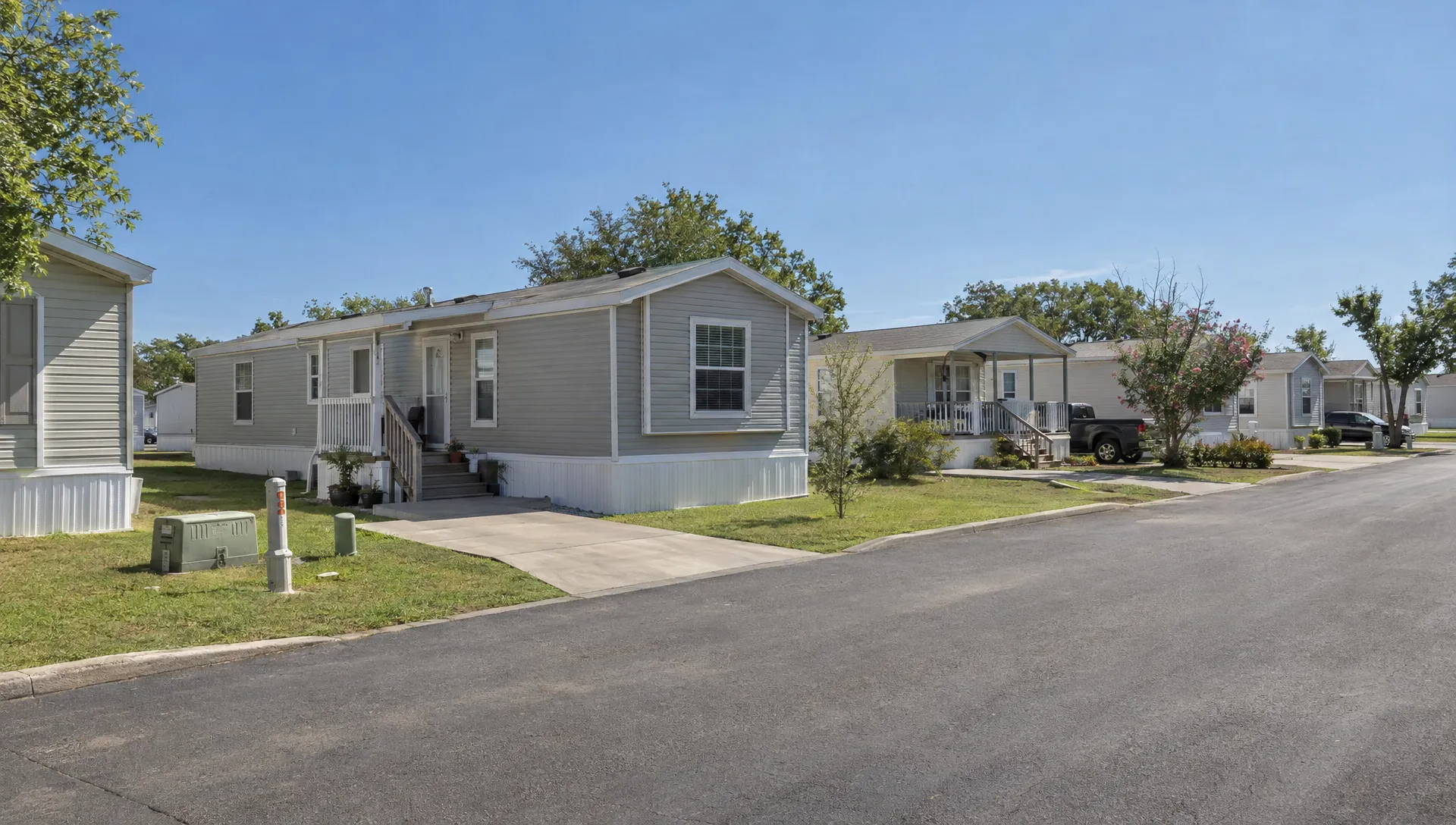
If the home is in a manufactured home community, inspection should include the practical details of living there. Ask who maintains the lot, who repairs utility connections, whether skirting or steps must meet community standards, and whether the home must be approved before move-in. A good home may be a poor fit if the community rules, fees, or location do not match your needs.
Red flags that should slow down the purchase
Not every defect should kill a deal. Many issues can be repaired, negotiated, or planned into your budget. However, some findings should make a Texas buyer pause and gather more information before moving forward.
Major red flags include missing or conflicting ownership documents, no visible HUD labels on a post-1976 home, extensive ceiling staining, active plumbing leaks, severe floor softness, obvious structural movement, unsafe electrical conditions, missing or damaged tie-downs, standing water under the home, and unpermitted additions that affect the roof or foundation.
A seller who refuses reasonable inspection access is another concern. Limited access does not always mean something is wrong, but you should understand what could not be inspected and what risk you are accepting.
How to use the inspection report when negotiating
After the inspection, separate findings into three categories: safety issues, major repair issues, and routine maintenance. Safety items might include electrical hazards, missing handrails, or smoke alarm problems. Major repair issues might include roof leaks, plumbing damage, foundation concerns, or HVAC failure. Routine maintenance might include caulking, minor trim repair, filter replacement, or small skirting fixes.
Ask for repair estimates before assuming a defect is minor. Manufactured home repairs can differ from site-built repairs because of underbelly access, specific materials, transport-section construction, and installation requirements. If a lender, insurer, or community requires certain items to be corrected, prioritize those in negotiations.
Your contract should clearly explain inspection deadlines, repair agreements, credits if allowed, and what happens if serious problems are found. If you are unsure, consult the appropriate real estate, legal, lending, or insurance professional before waiving important protections.
New mobile home vs pre-owned mobile home inspection
A new manufactured home and a pre-owned home both deserve careful review, but the focus may differ.
With a new home, pay close attention to delivery, setup, installation, utility connections, cosmetic walkthrough items, and whether all promised options are present. The home may be new, but installation quality still matters. Doors, windows, skirting, steps, utility connections, grading, and HVAC startup should all be reviewed.
With a pre-owned home, condition history becomes more important. Ask about prior moves, roof age, past leaks, plumbing repairs, HVAC service, pest treatment, and any additions or remodels. Older homes can still be a smart purchase, but only when the price, condition, location, and repair budget make sense together.
When to bring in specialized inspectors
A general manufactured home inspector may recommend additional specialists depending on what they find. That is normal and often wise. Common add-on evaluations include termite or wood-destroying insect inspections, septic inspections, well water testing, foundation certifications, HVAC service evaluations, roof estimates, and licensed electrical or plumbing reviews.
You do not need every specialist for every home. The right approach depends on the age, location, site conditions, financing requirements, and inspection findings. The key is to schedule early enough that you have time to respond before your inspection period ends.
Frequently Asked Questions
Do I really need a mobile home inspection in Texas? Yes, it is strongly recommended. A mobile home inspection can uncover roof leaks, foundation or anchoring issues, plumbing defects, electrical concerns, moisture damage, and paperwork inconsistencies before you commit to the purchase.
What documents should Texas buyers check before inspection? Ask for the Statement of Ownership or available ownership records, serial number or VIN, HUD label information, data plate if available, seller details, lien information if disclosed, and records for installation, relocation, or major repairs.
Can a regular home inspector inspect a manufactured home? Some can, but you should ask about their manufactured housing experience. Mobile and manufactured homes have unique components, including underbelly systems, piers, tie-downs, transport sections, HUD labels, and marriage lines.
What is the biggest inspection issue in older mobile homes? Moisture is one of the most common and costly concerns. Roof leaks, plumbing leaks, poor drainage, torn underbelly material, and soft subfloors can lead to expensive repairs if ignored.
Should I inspect a brand-new manufactured home? Yes. New homes should still be reviewed for proper setup, utility connections, grading, HVAC operation, doors, windows, skirting, steps, and any cosmetic or installation items that need correction before move-in.
Find the right manufactured home with local guidance
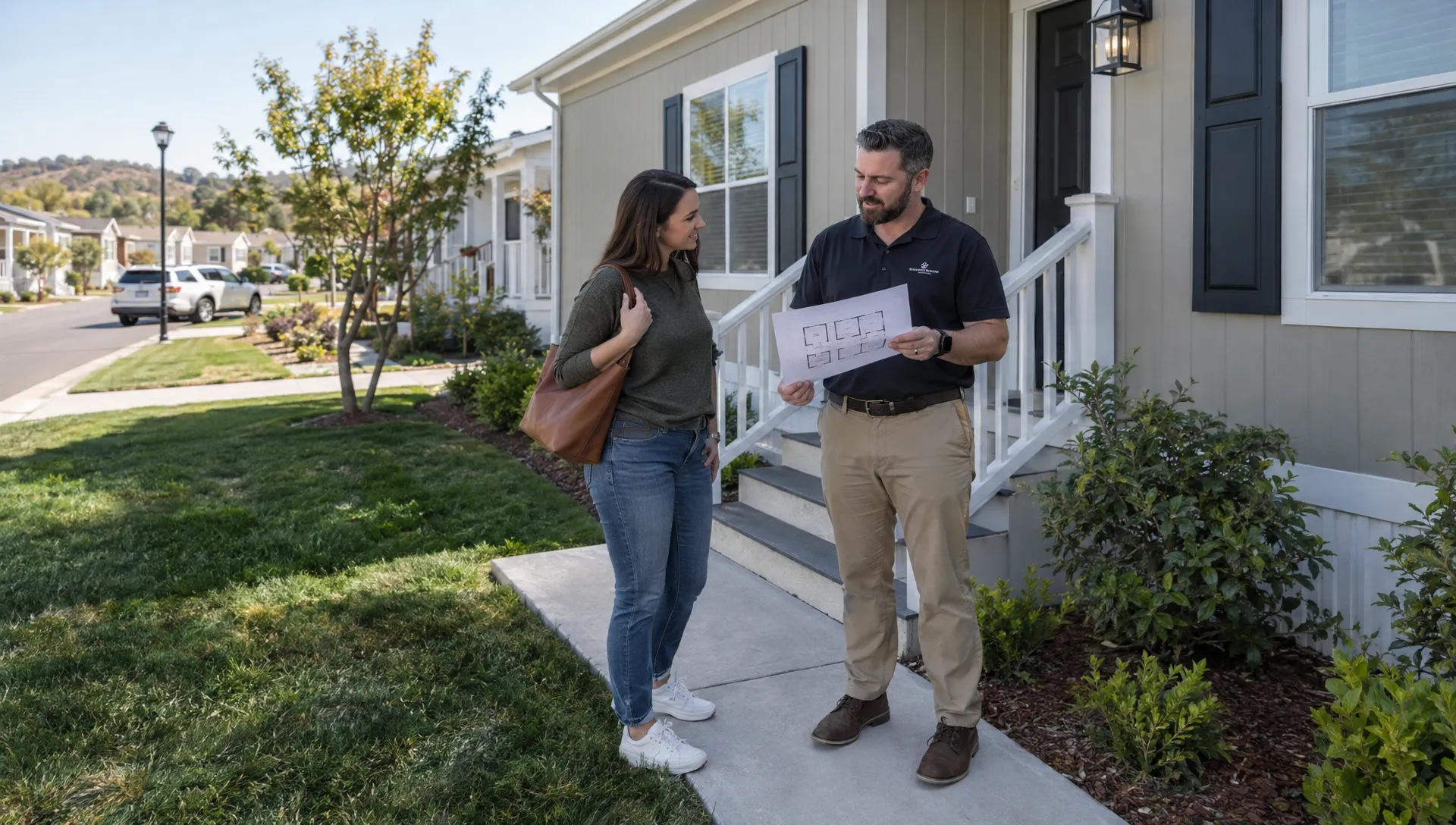
A thorough inspection helps you buy with confidence, but choosing the right home from the start matters just as much. Homes2Go San Antonio helps buyers compare manufactured home models, review floor plans, explore flexible financing options, and understand local community opportunities.
If you are planning to buy in or around San Antonio, start with expert guidance before you schedule tours, inspections, and financing conversations. Visit Homes2Go San Antonio to explore affordable manufactured homes and take the next step toward homeownership with a team that understands Texas buyers.
 How Efficient Windows Cut Costs in Manufactured Homes
 Can You Use an FHA Construction Loan for a Modular Home?