
For many buyers in San Antonio, the question is no longer “Can I find a traditional house I like?” It is “Can I find a home that fits my budget without giving up comfort, location and long-term stability?” That is why single wide homes are still part of the 2026 housing conversation.
The short answer: yes, single wide homes can still be a smart buy in 2026, but only when the full purchase is evaluated correctly. The home price is just one part of the decision. Financing, land or community costs, installation, utilities, insurance, energy efficiency and your expected length of ownership matter just as much.
If you are comparing manufactured housing options around San Antonio, a single wide can offer a practical balance of affordability and livability. It may not be the right fit for every household, but for first-time buyers, downsizers, landowners and budget-conscious families, it can still make strong financial sense.
What Single Wide Homes Offer in 2026
A single wide manufactured home is built in one main section in a factory, then transported to a home site or manufactured home community. Today’s models can include open kitchens, private primary suites, efficient HVAC systems, modern finishes and floor plans that make smart use of every square foot.
It is also worth separating modern manufactured homes from outdated stereotypes. Manufactured homes built after June 15, 1976 must meet the federal HUD Code, which regulates construction, safety and energy standards. HUD’s manufactured housing program explains these federal standards and how they differ from local building codes for site-built homes.
In 2026, the biggest appeal of single wide homes is not that they are the largest option. It is that they can deliver ownership, privacy and a dedicated living space at a lower entry point than many larger manufactured homes or site-built houses.
For buyers who want a deeper local overview, Homes2Go SA has a helpful guide to singlewide mobile homes in San Antonio that explains the basics, common buyer considerations and local fit.
Why Single Wide Homes Can Still Be a Smart Buy
The strongest reason buyers consider single wide homes in 2026 is affordability. A smaller footprint generally means a lower home cost, less space to heat and cool, lower furnishing needs and reduced maintenance compared with a larger home. In a market where monthly payment pressure matters, those savings can be meaningful.
Single wide homes can also be easier to place on certain lots than larger multi-section homes, depending on property dimensions, access, setbacks and local requirements. For buyers who already own land or plan to live in a manufactured home community, that flexibility can simplify the search.
They also fit a wide range of life stages. A single buyer may not need a large home. A couple may prefer a smaller layout with lower upkeep. A retired homeowner may want something manageable and efficient. A first-time buyer may use a single wide as a practical step into ownership instead of waiting years for a larger purchase.
| Buyer goal | Why a single wide may fit | What to check first |
|---|---|---|
| Lower monthly housing cost | Smaller size can reduce purchase and operating costs | Total payment, insurance, site rent or land costs |
| First home purchase | Lower entry point can make ownership more reachable | Loan type, down payment and lender requirements |
| Downsizing | Less space to maintain and furnish | Storage needs, guest space and accessibility |
| Land placement | One-section design may work on narrower lots | Zoning, utilities, setbacks and delivery access |
| Community living | Often available in established manufactured home communities | Rules, monthly fees and lease terms |
The key is to compare the entire housing package, not just the sticker price of the home.
The Costs Buyers Sometimes Miss
A smart purchase starts with the full number. Many buyers focus on the model price, then later discover that their actual cost depends on items tied to delivery, setup and the site itself.
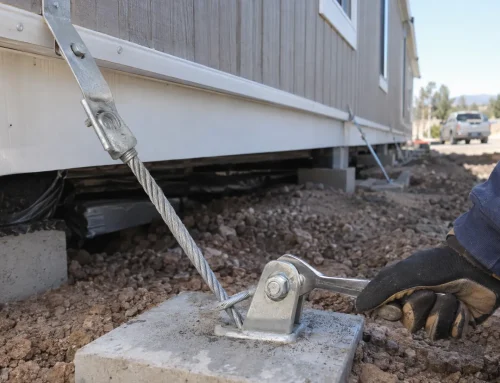
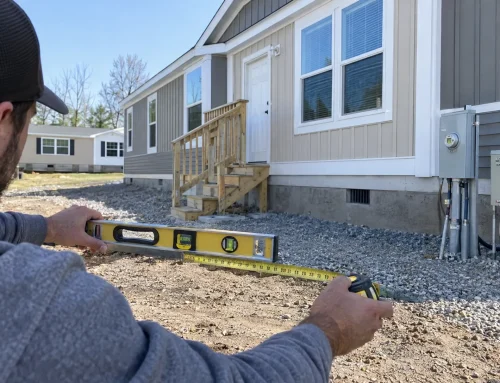
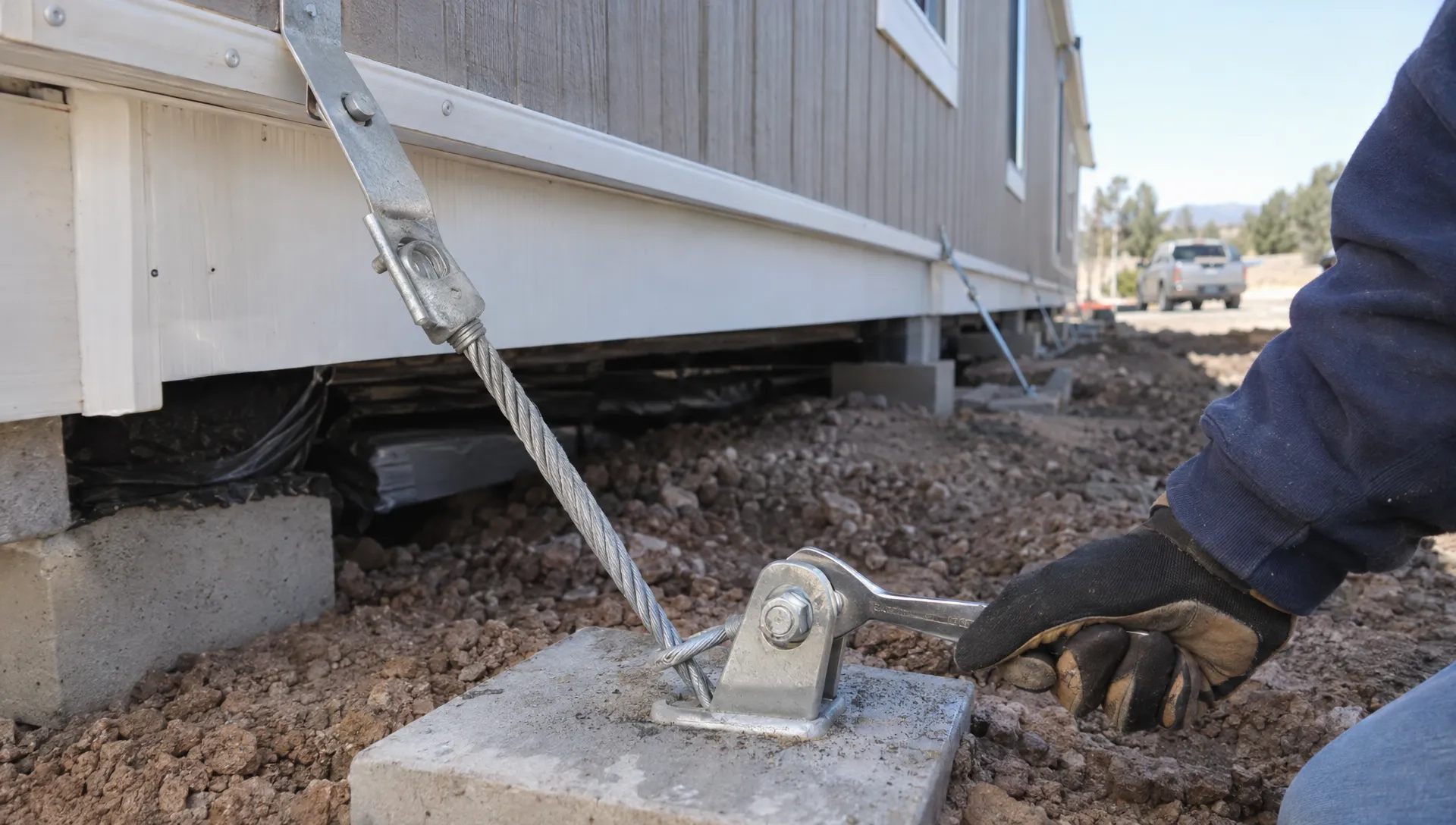
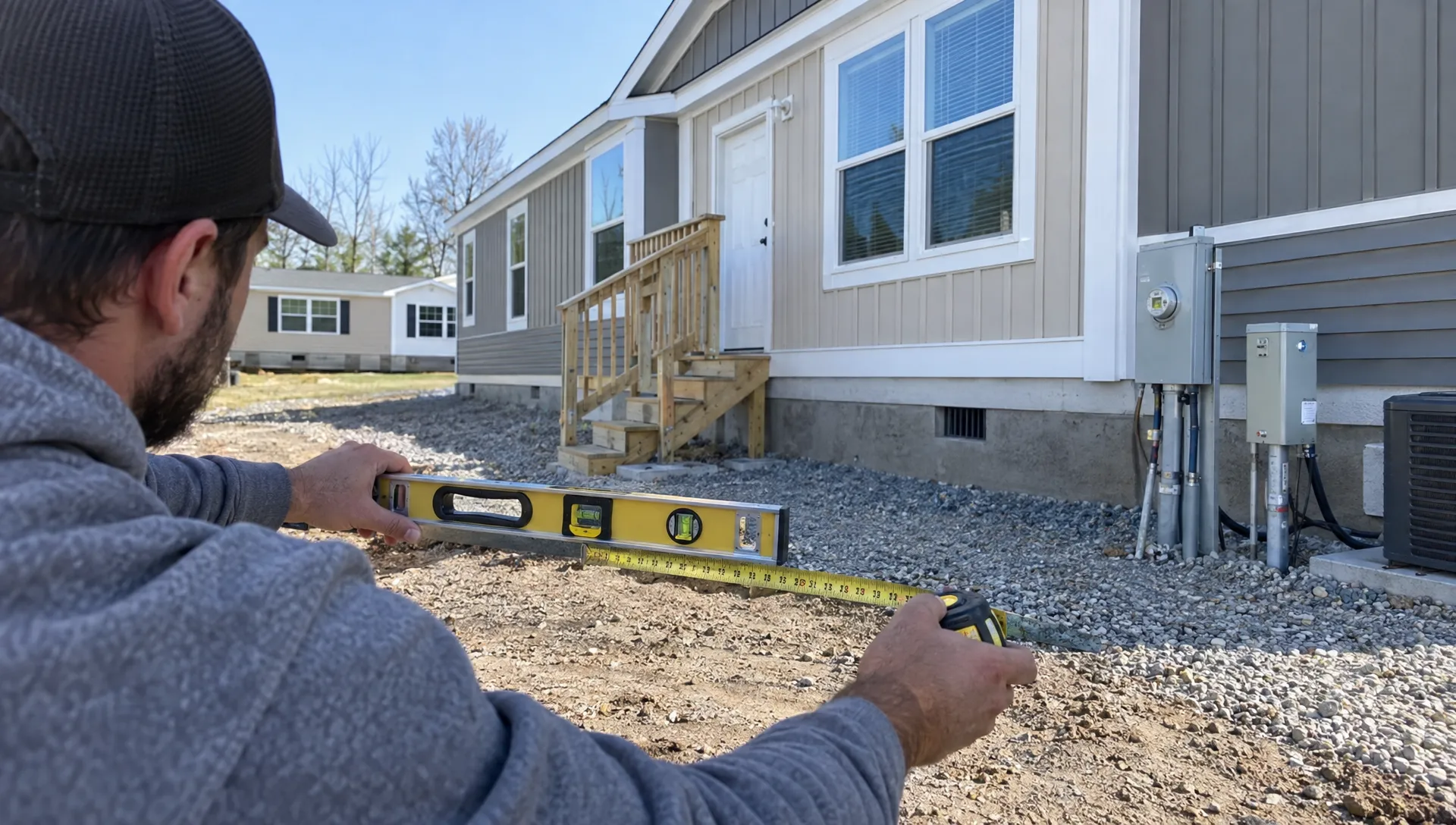
Common cost categories can include transportation, installation, foundation or anchoring, skirting, steps, utility connections, permits, inspections, taxes, insurance and any community-related fees. If the home is going on private land, site prep can also include grading, driveway access, septic, water, electric service or other utility work.
The U.S. Census Bureau’s Manufactured Housing Survey is one credible source buyers can use to follow national trends in manufactured home shipments and average sales prices. Local pricing can still vary widely, so San Antonio buyers should request an itemized estimate based on the model, location and setup conditions.
A single wide may look inexpensive at first glance, but the best question is not “What is the home price?” The better question is “What is my total move-in cost and monthly cost after everything is included?”
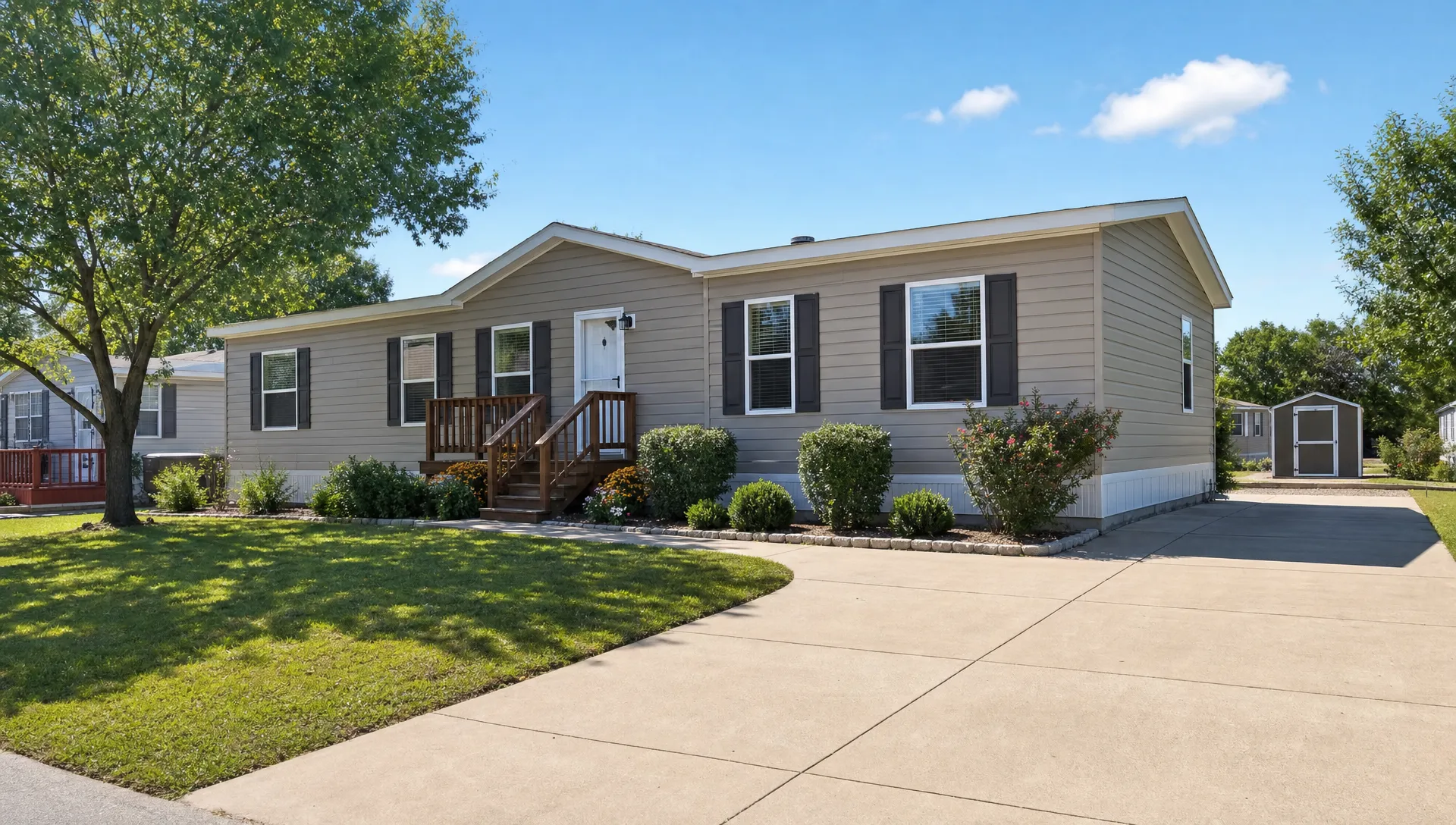
Financing Matters More Than Many Buyers Expect
Financing can make or break whether a single wide home is a smart buy. Some buyers finance only the home. Others finance a manufactured home with land. Some loans treat the home as personal property, often called chattel financing, while others may treat the home and land as real property if certain requirements are met.
That distinction affects the lender, loan terms, required documents and sometimes the long-term cost of borrowing. The Consumer Financial Protection Bureau has reported that manufactured home buyers often use different financing channels than site-built home buyers, so it is important to compare offers carefully instead of assuming every loan works the same way.
FHA financing may be possible for some single wide purchases, but the details depend on the loan program, the home, the site and whether the buyer meets eligibility requirements. If FHA is part of your plan, start with this Homes2Go SA article on whether you can buy a single wide with FHA in 2026, then speak with a qualified lender about your specific situation.
When comparing financing, look beyond the monthly payment. Review the interest rate, APR, term length, down payment, closing costs, insurance requirements and whether the loan structure fits your long-term plans. A lower monthly payment can be helpful, but not if it hides a higher total cost over time.
Land, Community or Both: The Site Decision Is Huge
A single wide home can be placed in different settings, but each comes with tradeoffs.
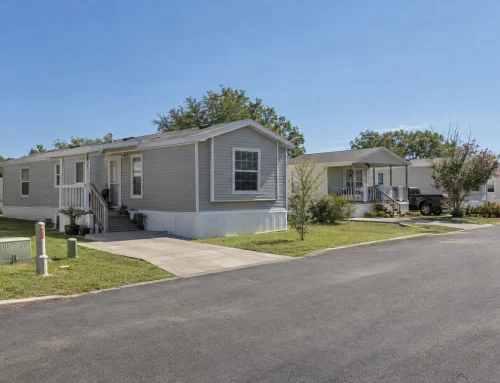
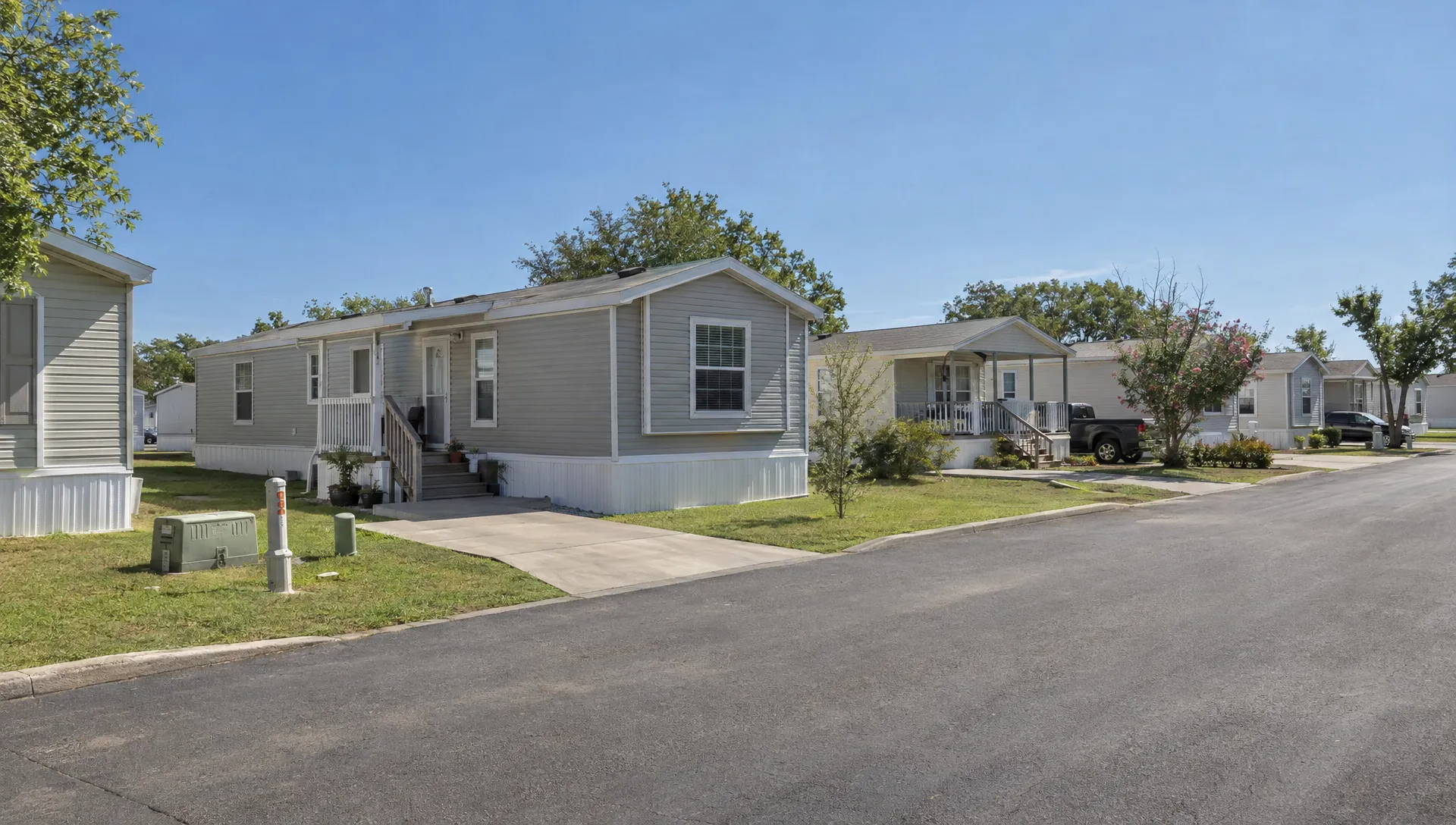
In a manufactured home community, the buyer may own the home but lease the lot. This can reduce the upfront cost compared with buying land, and it may offer access to established infrastructure. The tradeoff is that site rent, rules and community policies become part of your housing decision.
On private land, the buyer may have more control and long-term stability, especially if the home and land are financed together or titled as real property where allowed. The tradeoff is that the buyer must confirm whether the land is ready for a manufactured home. Zoning, deed restrictions, flood risk, drainage, soil, utility access and driveway clearance can all affect feasibility.
Around San Antonio, buyers should also think about heat, shade, energy efficiency and commute patterns. A home that saves money on the purchase price may lose some of that benefit if it sits far from work, schools or daily needs. Likewise, an efficient model with good insulation and properly sized HVAC can matter in South Texas summers.
If you are considering a home and land package or already own property, this guide to mobile homes with land covers many of the checks that still matter for buyers planning a purchase today.
When a Single Wide Is the Better Choice
Single wide homes are often strongest when the buyer values affordability, simplicity and efficient space over maximum square footage. They can be a good choice when the household size is modest, the buyer has a clear budget and the site is already suitable or easy to prepare.
They can also make sense for buyers who want a move-in ready option without taking on the maintenance demands of a larger property. A well-chosen floor plan can feel comfortable for daily life, especially when the layout separates bedrooms well, offers enough kitchen storage and includes practical laundry and closet space.
The smartest single wide buyers usually know their priorities before they shop. They understand how much space they really use, what monthly payment they can comfortably handle and whether they plan to stay in the home long enough for the purchase to make sense.
When a Single Wide May Not Be the Best Fit
A single wide is not automatically the right answer just because it costs less than many alternatives. If you need multiple living areas, extra bedrooms, a large kitchen, a bigger primary suite or more storage, a double wide may be more comfortable.
Resale and placement can also differ by market. Some buyers prefer larger homes, and some communities or land situations may limit what can be placed or financed. If your long-term plan depends on selling quickly or maximizing broad buyer appeal, it is worth comparing single wide and double wide options before deciding.
Families expecting to grow should be especially honest about space. Buying too small can create pressure to move sooner than planned, which may reduce the financial benefit of the lower purchase price. For side-by-side considerations, Homes2Go SA compares a single wide trailer vs double wide in more detail.
A Practical 2026 Buyer Checklist
Before calling a single wide home a smart buy, confirm the parts of the purchase that affect cost, comfort and future flexibility.
- Ask for the full itemized estimate, including delivery, setup and site-related costs.
- Compare at least one financing option when possible, not just one monthly payment quote.
- Confirm whether the home will be placed in a community, on leased land or on private land.
- Review community rules, lot rent, lease terms and future fee policies if applicable.
- Check zoning, deed restrictions, flood maps, utility access and permit needs for private land.
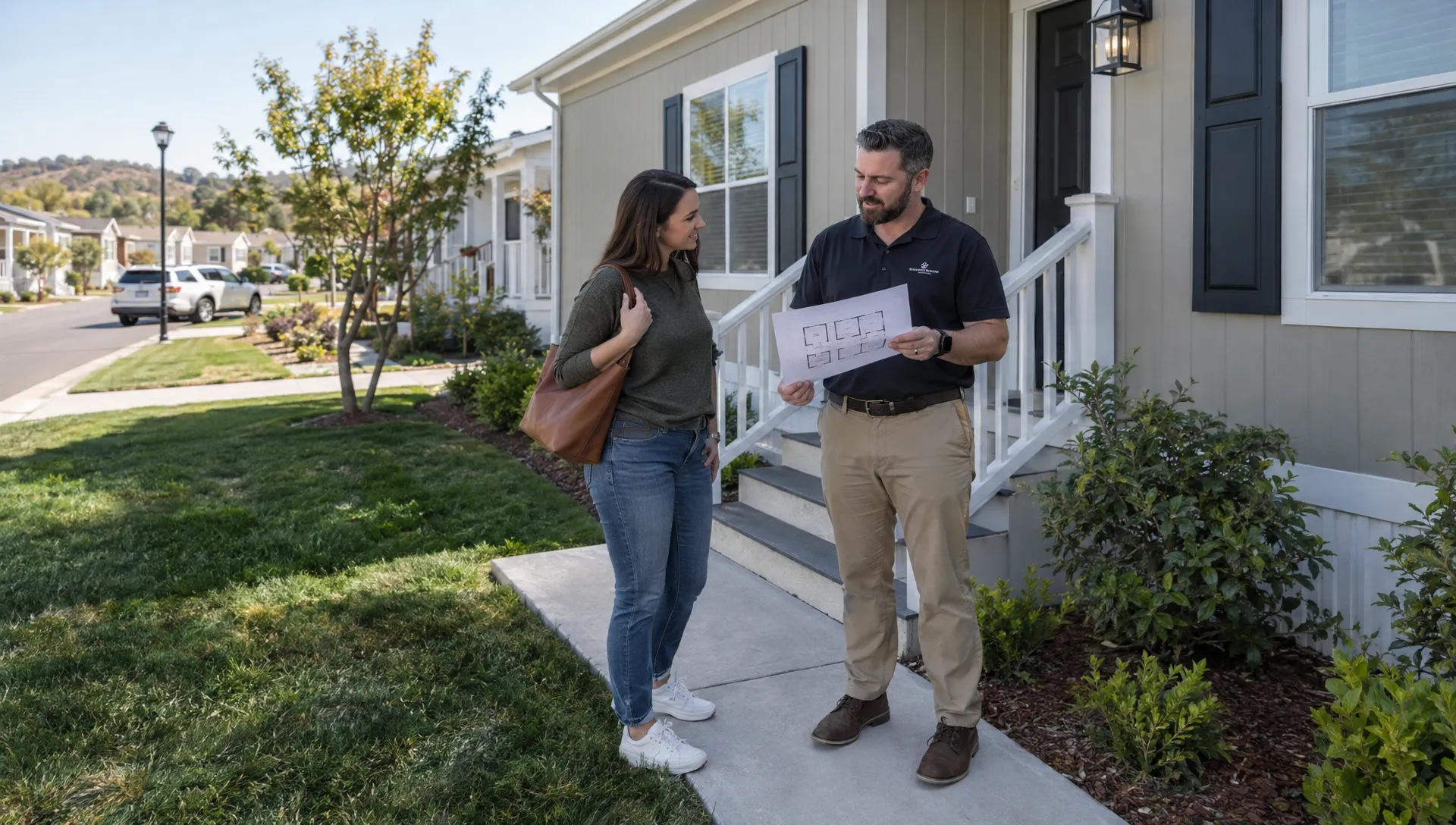
- Walk through the floor plan and measure key furniture areas before committing.
- Ask about energy-efficient features, HVAC sizing and insulation details for the San Antonio climate.
- Keep documents related to the home, installation, warranties, title and lender requirements organized.
This checklist is not complicated, but it prevents the most common mistake: buying based on the visible home alone instead of the full ownership picture.
So, Are Single Wide Homes Still a Smart Buy in 2026?
Yes, single wide homes are still a smart buy in 2026 for the right buyer. They are most compelling when affordability, manageable space and a realistic monthly payment are top priorities. They are less ideal when a household needs more room, wants maximum resale flexibility or has not confirmed land, community and financing details.
The best way to decide is to compare total cost, not just home price. A smart single wide purchase should include the right model, the right site, a clear financing plan and a realistic understanding of ownership costs.
For many San Antonio buyers, that combination can make a single wide manufactured home one of the most practical paths to homeownership in 2026.
Frequently Asked Questions
Are single wide homes cheaper than double wide homes? In many cases, yes. Single wide homes are usually smaller and built in one section, which can reduce the home cost and some setup expenses. The final cost still depends on the model, delivery, site work, utilities, financing and location.
Can a single wide home be financed in 2026? Yes, financing may be available through different loan structures, including personal property loans, land-home loans and certain government-backed options when requirements are met. Buyers should speak with lenders who understand manufactured housing.
Do single wide homes hold value? Value depends on the home’s condition, location, installation quality, demand in the local market and whether the home is tied to land. A well-maintained home in a desirable location generally has a stronger value outlook than one with poor upkeep or uncertain site rights.
Is a single wide big enough for a family? It depends on the family size, floor plan and lifestyle. Some single wide homes have multiple bedrooms and efficient layouts, but larger families may prefer the added living space and storage of a double wide.
What should San Antonio buyers check before buying a single wide? Buyers should review the full cost estimate, financing terms, land or community rules, utility access, energy efficiency, delivery access and installation requirements. Local guidance can help avoid expensive surprises.
Ready to Compare Single Wide Options in San Antonio?
If you are deciding whether a single wide home fits your 2026 budget and lifestyle, the team at Homes2Go San Antonio can help you review available models, floor plans, financing paths and community options. A clear comparison now can help you choose a home that works not just on day one, but for the years ahead.
 Prefabricated Homes for Sale: How to Compare Smartly
 How to Compare Modular Home Communities Near You