
Searching for prefabricated homes for sale can quickly turn into a maze of similar photos, different labels and prices that do not always mean the same thing. One listing may show a base home price. Another may include delivery or setup. A third may be in a land-lease community, which changes the financing and monthly budget entirely.
A smart comparison starts with a simple idea: do not compare prefab homes only by the advertised price. Compare the full path to living in the home, including the home type, floor plan, site needs, financing, installation, utility connections and local support.
For buyers in and around San Antonio, this matters even more. Heat, commute patterns, community rules, land availability and setup logistics can all affect which prefabricated home is actually the better fit.
First, clarify what “prefabricated home” means
“Prefabricated home” is a broad term. It usually means a home built in sections or modules in a factory, then transported to its final location. Under that umbrella, buyers often see several categories.
Manufactured homes are built to the federal Manufactured Home Construction and Safety Standards administered by HUD. HUD explains that the federal manufactured housing standards took effect in 1976, which is why “mobile home” is often used informally but does not always describe newer homes accurately. You can review HUD’s manufactured housing overview through the U.S. Department of Housing and Urban Development.
Modular homes are also factory-built, but they are typically built to state and local building codes and assembled on a permanent foundation. Panelized and kit homes can fall under the prefab umbrella too, though they are less commonly what buyers mean when searching for affordable prefab housing near San Antonio.
The takeaway is practical: when you search for “prefabricated homes for sale near me,” ask the seller exactly what type of home you are viewing. The answer affects financing, placement, permitting, resale considerations and total project cost. If you are comparing modular options specifically, Homes2Go has a separate guide on how to shop modular homes for sale near you that can help you separate those paths.
Compare the total move-in cost, not just the home price
The lowest listed price is not always the lowest total cost. A home that looks less expensive online may require more site work, upgrades, utility connections or transportation costs. Another home may carry a higher base price but include features that reduce add-on spending later.
Ask for an itemized estimate before you get attached to any one model. The goal is not to catch anyone hiding costs. It is to make sure every quote is built the same way, so you can compare fairly.
Common cost categories include:
- Base home price
- Delivery and transportation
- Setup or installation
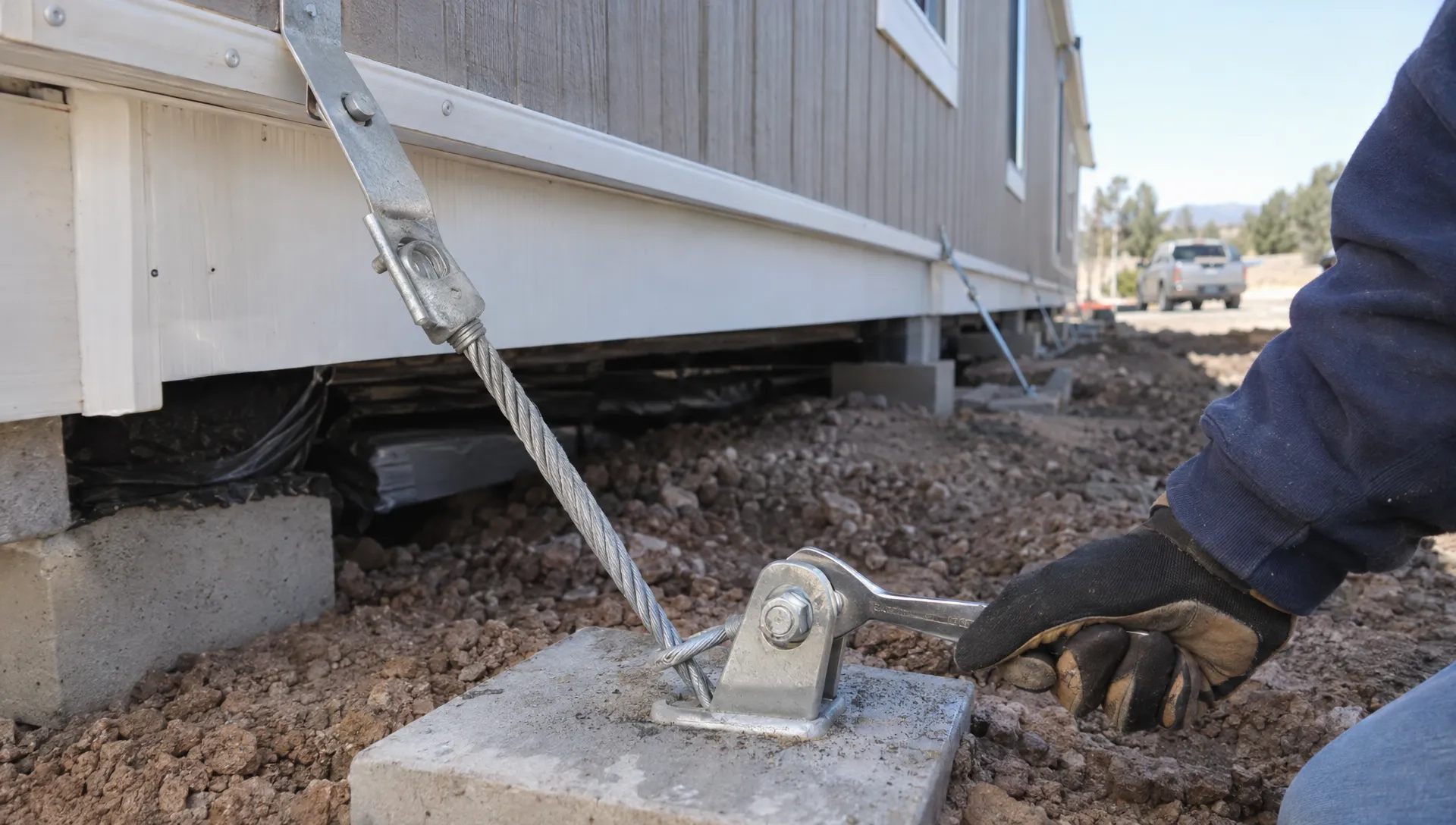
- Foundation or support system requirements
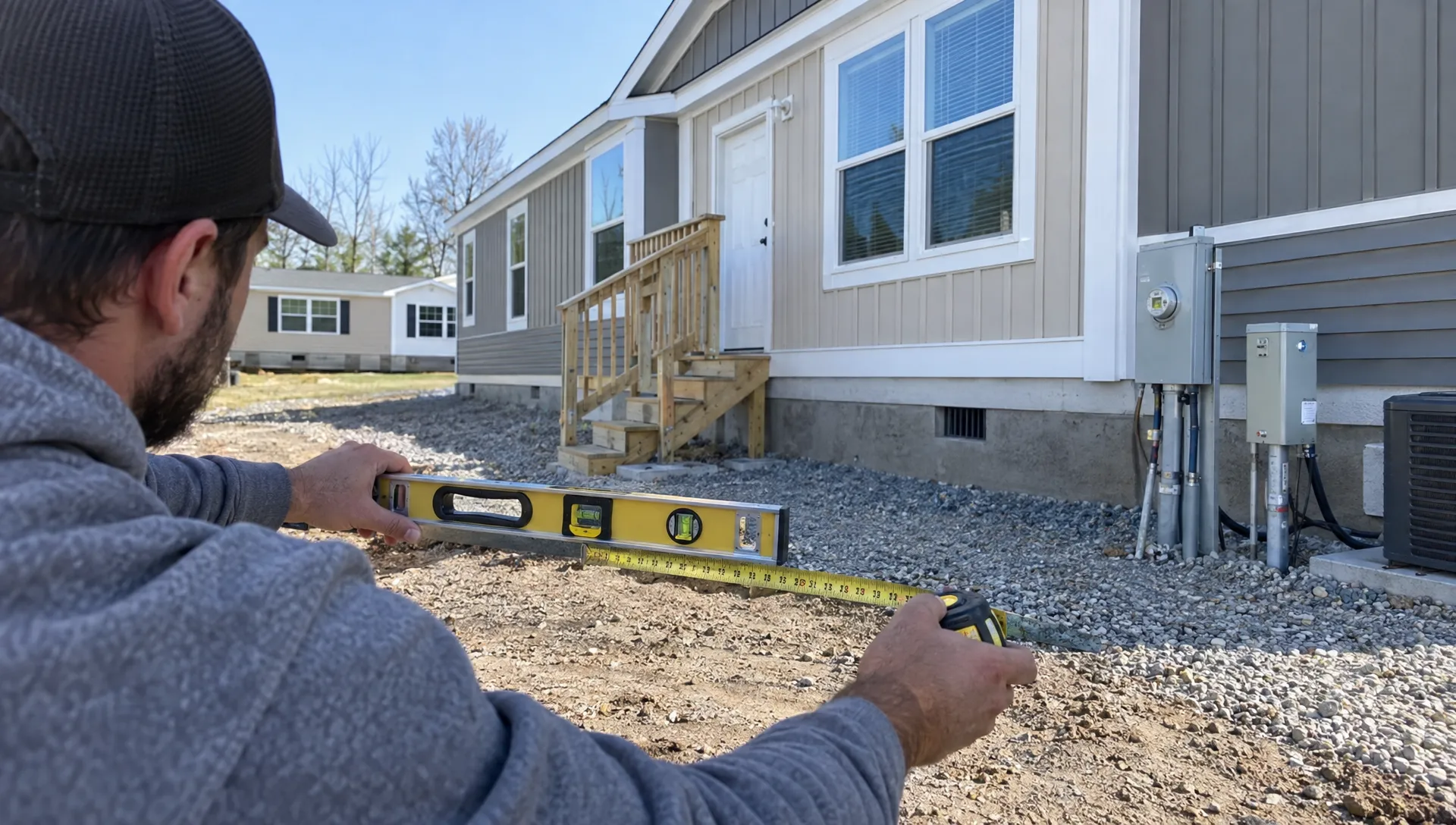
- Site preparation and grading
- Utility connections
- Skirting, steps, decks or porches
- HVAC and appliance details
- Permits, taxes and title-related costs
- Community fees, deposits or land-related expenses
This is also where financing affects the real comparison. A small difference in interest rate, loan term, down payment or included costs can change the monthly payment more than the sticker price suggests. If affordability is your main priority, this guide to cheap manufactured homes for sale goes deeper into spotting the difference between a low price and a genuinely affordable purchase.
Use a side-by-side comparison table
A good comparison table keeps you from making a decision based only on photos. Use the same criteria for each home, then score the options based on your household, budget and location.
| What to compare | Questions to ask | Why it matters |
|---|---|---|
| Home type | Is it manufactured, modular or another prefab type? | The type affects codes, financing, placement and installation. |
| Total move-in cost | What is included beyond the base price? | A lower listed price can become higher after setup and site work. |
| Floor plan | Does the layout match daily routines? | Square footage alone does not guarantee livability. |
| Bedroom and bath count | Will the home still work in 3 to 5 years? | Growing families, guests and home offices need room to adapt. |
| Energy design | What insulation, windows, HVAC and appliance details are included? | Comfort and utility costs matter in San Antonio’s hot climate. |
| Placement option | Will the home go on private land or in a community? | Each path has different costs, rules and timelines. |
| Financing | What loan type, term and payment are available? | Monthly affordability depends on the full financing structure. |
| Dealer support | Who helps with model selection, lenders and next steps? | Guidance can prevent expensive surprises. |
You do not need a complicated scoring system. A simple “best, acceptable, weak” rating for each category can reveal which home is strongest overall.
Look beyond square footage when comparing floor plans
Square footage is useful, but it does not tell the whole story. Two prefabricated homes with similar size can live very differently depending on hallway space, room placement, storage, kitchen flow and where the laundry room sits.
Start with your real routines. If several people leave for work or school at the same time, bathroom access matters. If you cook often, counter space and pantry storage may matter more than a slightly larger living room. If you work from home, a third bedroom may be more valuable than an oversized primary suite.
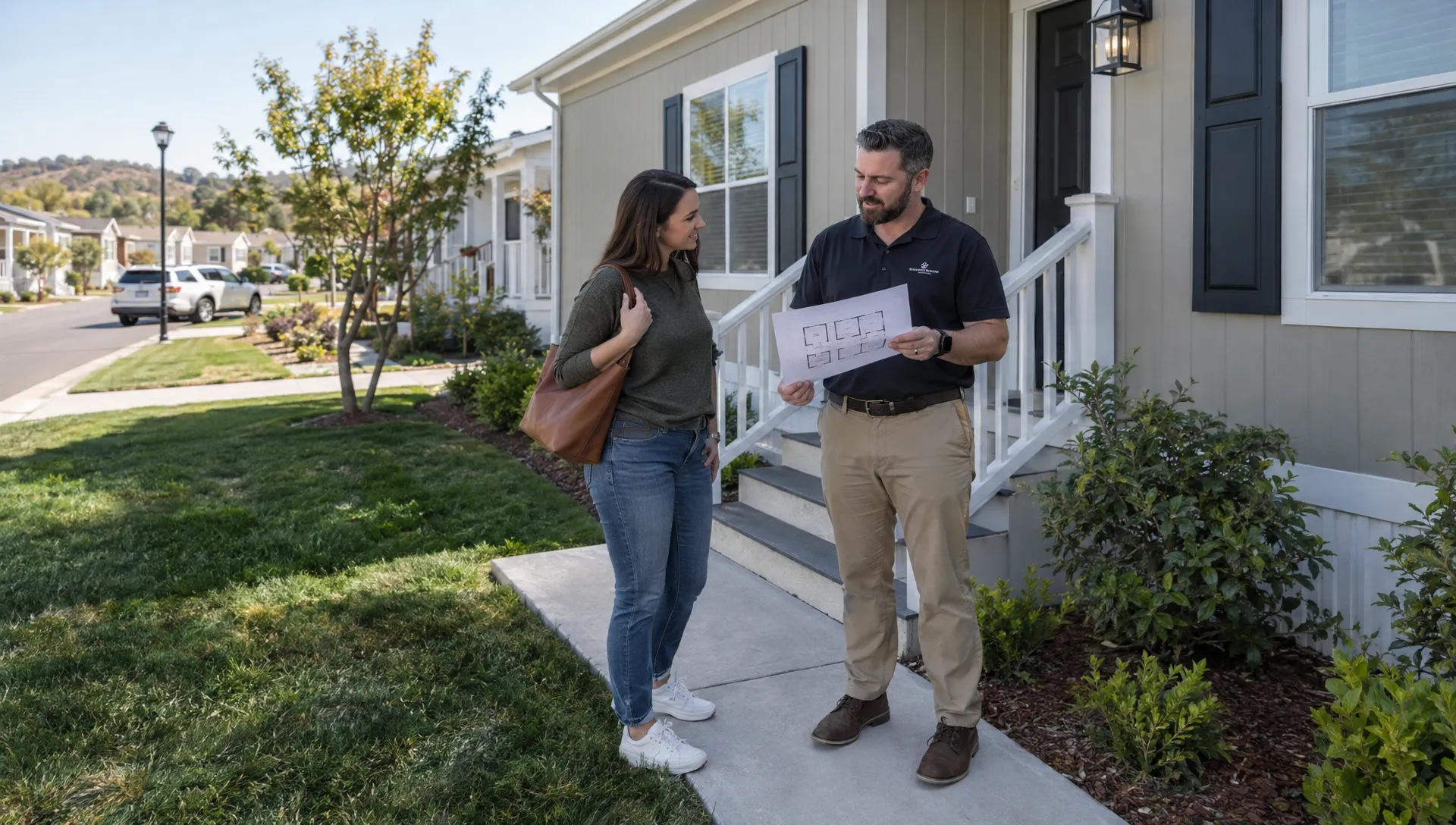
A floor plan should also support privacy. In many doublewide manufactured homes, the primary bedroom is separated from the secondary bedrooms. That can be ideal for families, guests or multi-generational living. In smaller plans, open layouts can make the home feel larger, but only if there is still enough storage for everyday life.
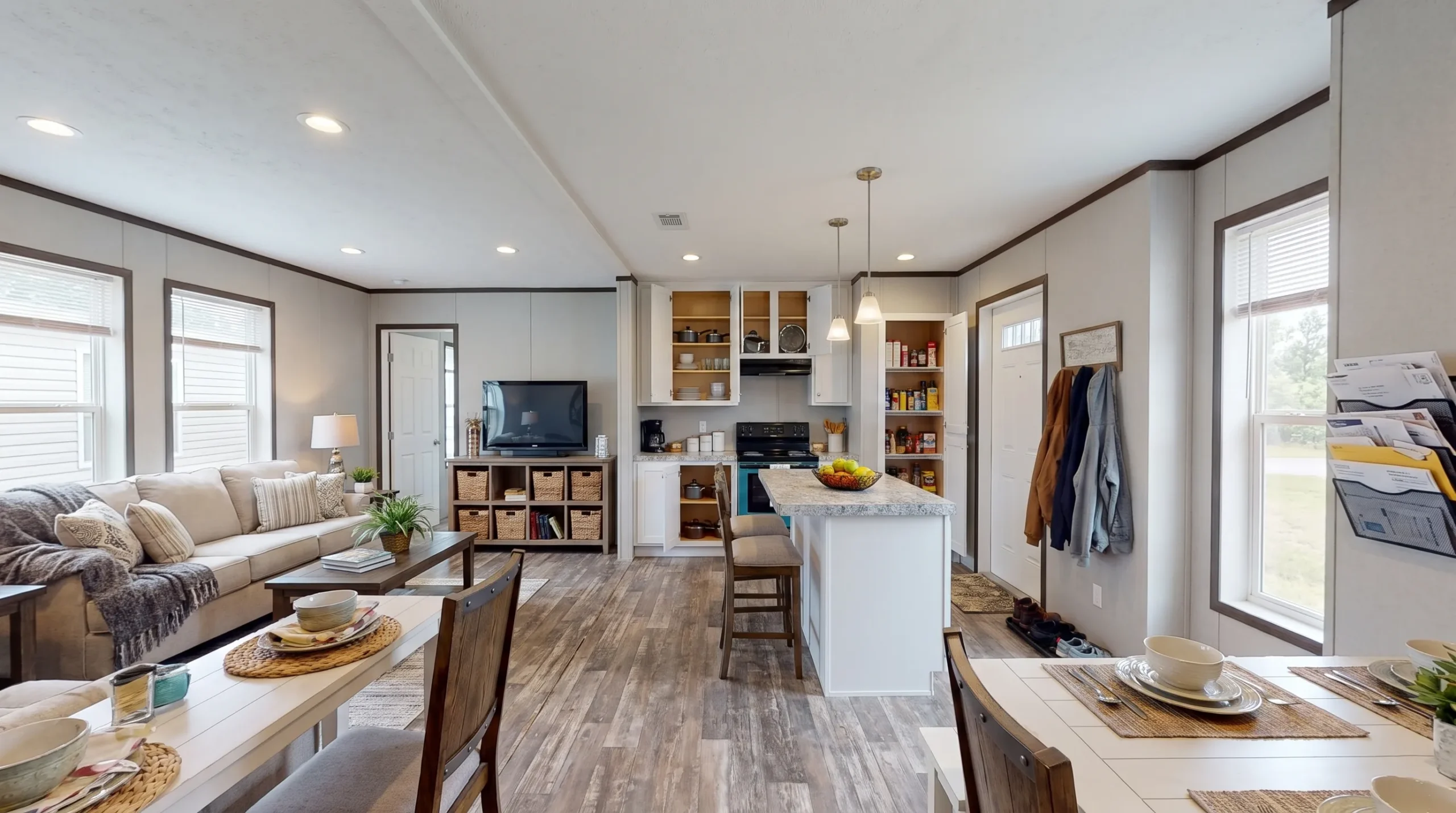
For example, the Cavco Addison gives shoppers a concrete model to evaluate: it is a 3 bedroom, 2 bathroom, 1,717 sq ft doublewide manufactured home, listed as the Cavco Homes floor plan Valu Premier 3256 3G and available from Homes2Go in San Antonio, TX. Even if you are comparing several brands, using a detailed floor plan like this helps you ask better questions about bedroom placement, shared living space and whether the layout fits your household.
Check construction details and energy features
A prefabricated home should be judged by more than exterior style. Construction details affect comfort, durability and long-term ownership costs. You do not need to become a building inspector, but you should know what to ask before choosing a model.
For manufactured homes, confirm that the home is built to HUD standards and ask for details about the home’s specifications. For any prefab home, review the insulation package, window quality, HVAC details, roof materials, flooring, cabinets and appliance information. In South Texas, cooling performance and ventilation deserve special attention because indoor comfort can affect your monthly budget all year.
Energy-efficient designs can help, but the phrase should be backed by specifics. Ask what features are included in the model you are considering, what upgrades are optional and what documentation is available. A home with efficient windows, appropriate insulation and a well-sized HVAC system may be more comfortable than a cheaper home that needs upgrades immediately.
Also ask what warranty information is provided and who handles service questions after delivery. A home purchase should not end with the sale. Clear documentation and local guidance can make the ownership experience smoother.
Decide whether land or community placement fits best
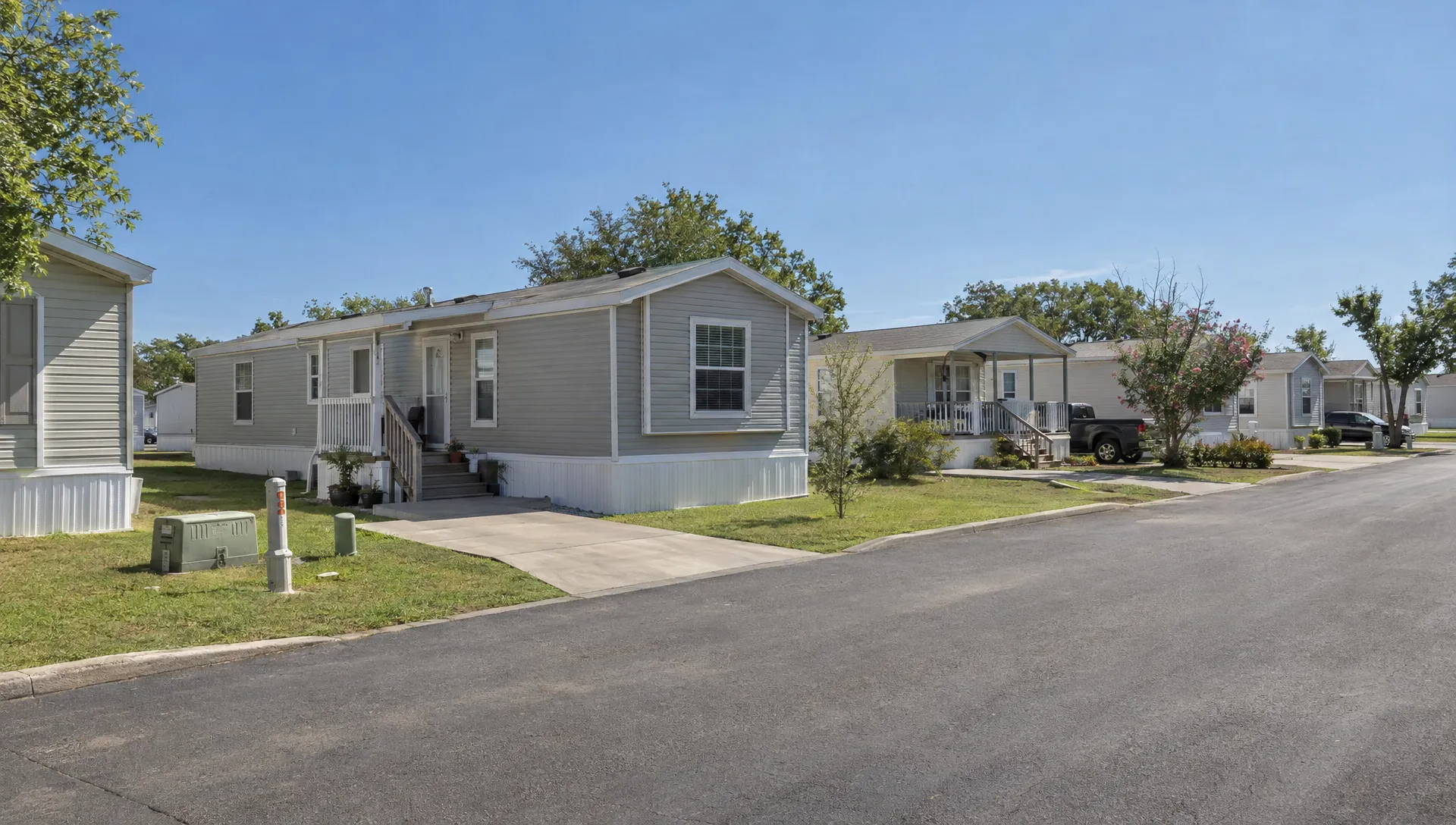
Where the home will sit is one of the biggest comparison points. Some buyers already own land. Others plan to buy land. Many prefer a manufactured home community because it can simplify location, utilities and neighborhood planning.
Private land can offer more control, but it also places more responsibility on the buyer. You may need to confirm zoning, deed restrictions, access, septic or sewer options, water service, electric service, driveway access and site preparation. A great home model can become a poor fit if the land requires unexpected work.
A community may offer a more straightforward path, but you need to understand community rules, monthly site fees, application requirements and what is allowed outside the home. If pets, parking, fencing or outdoor storage matter to your household, ask before you commit.
Homes2Go San Antonio offers access to top home communities and expert guidance through the process, which can be especially helpful for first-time buyers who are still deciding between land and community placement. The right placement choice depends on your budget, timeline and lifestyle, not just the home itself.
Compare financing before you choose the final model
Financing for prefabricated homes can vary depending on the home type, whether land is included and how the home will be titled or placed. That means you should talk through financing early, not after you have already chosen finishes and upgrades.
A smart financing comparison looks at the full payment picture. The monthly payment matters, but so do the down payment, loan term, rate, closing costs, insurance, taxes, community fees and utility expectations. A home that stretches your budget on paper may become stressful once real monthly costs are included.
Ask these financing questions before you narrow your shortlist:
- What financing options are available for this specific home type?
- Does the quote assume land is included or separate?
- What down payment range should I expect?
- Which costs are included in the financed amount?
- Are there trusted local lenders familiar with manufactured homes?
- What documents should I prepare as a first-time buyer?
Homes2Go’s flexible financing options and relationships with trusted local lenders can help buyers understand what is realistic before they fall in love with a model. That does not mean every buyer will qualify for every option, but it does help make the shopping process more grounded.
Visit homes with a practical checklist
Photos can make every home look clean and spacious. An in-person visit helps you understand scale, finishes, storage and room flow. If you are comparing homes remotely first, save the final judgment until you can walk through a model or review a detailed floor plan with someone who understands the product.
During a visit, pay attention to details you touch every day. Open cabinets. Stand in the laundry area. Imagine furniture placement. Check whether bedroom walls can fit your beds and dressers. Look at where shoes, backpacks, cleaning supplies, towels and seasonal items would go.
A home that looks beautiful but lacks storage can feel cluttered quickly. A slightly simpler home with a smarter layout may be the better long-term choice.
Watch for comparison mistakes
Many buyers make the same mistakes because the shopping process moves quickly. The most common is comparing a base price from one seller with a more complete quote from another. That is not a fair comparison.
Another mistake is choosing upgrades before confirming placement and financing. Upgrades can be worthwhile, but they should fit the full budget. It is better to protect essentials first: proper setup, utilities, HVAC comfort, a livable layout and a payment you can sustain.
Buyers also sometimes focus too much on the number of bedrooms. A 3 bedroom home may still feel cramped if the living room is narrow, the kitchen lacks storage or the secondary bedrooms are too small for real furniture. On the other hand, a 2 bedroom home may work well for a couple if the common areas, kitchen and utility space are strong.
Finally, do not ignore local guidance. Buying in San Antonio is not the same as buying in another state. Delivery routes, community availability, land conditions, heat and lender familiarity all shape the experience. A local dealer can help you compare options with fewer assumptions.
A smart process for narrowing your choices
Instead of touring homes randomly, use a clear sequence. Start with budget, then placement, then home type, then floor plan. After that, compare features and financing.
A strong process looks like this:
- Set a comfortable monthly budget, including estimated taxes, insurance, utilities and community or land costs.
- Decide whether you prefer private land, a home community or both options.
- Confirm whether you are shopping for a manufactured home, modular home or another prefab type.
- Shortlist floor plans based on daily life, not just square footage.
- Request itemized quotes so every option can be compared fairly.
- Review financing with lenders who understand the home type.
- Walk through homes or review detailed floor plans before making a final decision.
If you are comparing manufactured options specifically, this local guide to manufactured homes for sale nearby can help you refine the same process for nearby inventory.
Frequently Asked Questions
Are prefabricated homes the same as manufactured homes? Not always. Manufactured homes are one type of prefabricated home and are built to federal HUD standards. Modular homes are also prefabricated, but they are usually built to state and local building codes. Always confirm the exact home type before comparing prices or financing.
What should I compare first when shopping for prefabricated homes for sale? Start with total move-in cost, not the base price. Include delivery, setup, site preparation, utilities, permits, financing terms and any community or land-related costs.
Are prefabricated homes a good option for first-time buyers? They can be, especially when buyers receive guidance on financing, placement and floor plan selection. First-time buyers should ask for itemized estimates and avoid choosing a home based only on photos or the lowest advertised price.
How do I know if a floor plan will work for my family? Compare how the layout supports your daily routines. Look at bedroom separation, bathroom access, storage, kitchen flow, laundry placement and furniture fit. A detailed floor plan is often more useful than square footage alone.
Can I finance a prefabricated home in San Antonio? Financing options may be available, but they depend on the home type, placement, land situation and buyer qualifications. Working with local lenders familiar with manufactured and prefab homes can make the process clearer.
Compare with a local team before you decide
The best prefabricated home is not simply the cheapest or the largest. It is the home that fits your budget, location, household and long-term plans with the fewest surprises.
If you are shopping in the San Antonio area, Homes2Go San Antonio can help you compare manufactured home models, review detailed floor plans, explore flexible financing options and think through community or placement choices before you commit. Start with a clear comparison, then choose the home that works in real life, not just on paper.
 Mobile Home FHA Guidelines Made Simple for Buyers
 Are Single Wide Homes Still a Smart Buy in 2026?