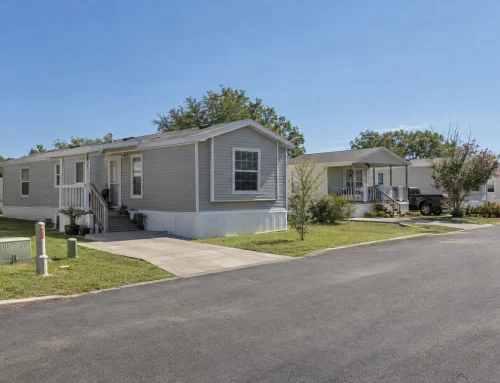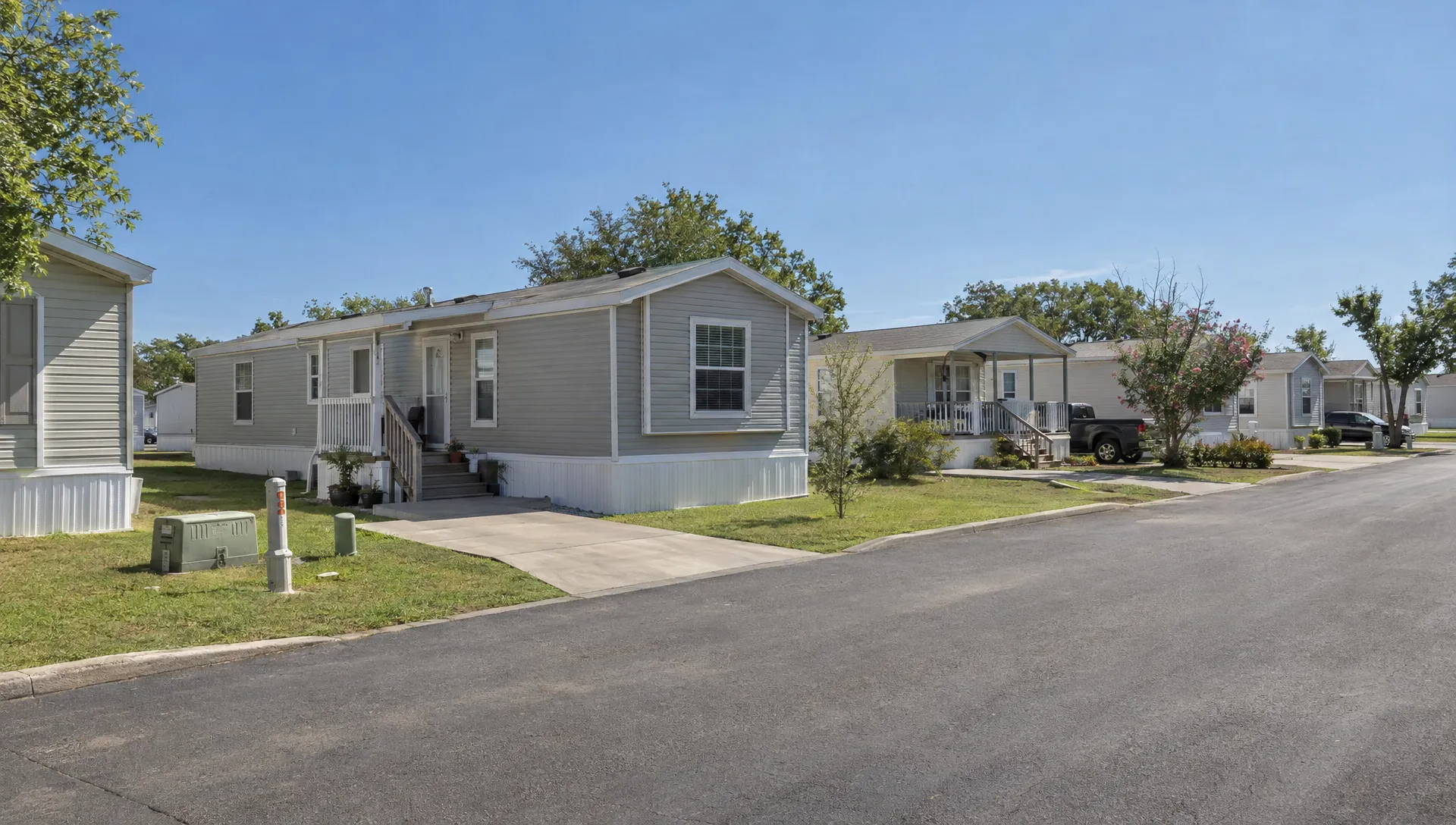

Searching for modular home communities near you can quickly turn into a confusing mix of community websites, home dealer listings, rental parks, land-lease neighborhoods and older listings that use “modular,” “manufactured” and “mobile home” as if they mean the same thing.
The best way to compare communities is not to start with the prettiest photos or the lowest advertised lot rent. Start with fit. A good community should match the type of home you want, your monthly budget, your commute, your financing path and the day-to-day rules you are willing to live with.
For buyers around San Antonio and South Texas, that means comparing both the home and the place it will sit. The community can affect your approval process, insurance, resale options, monthly costs and quality of life just as much as the floor plan itself.
First, confirm what type of home the community allows
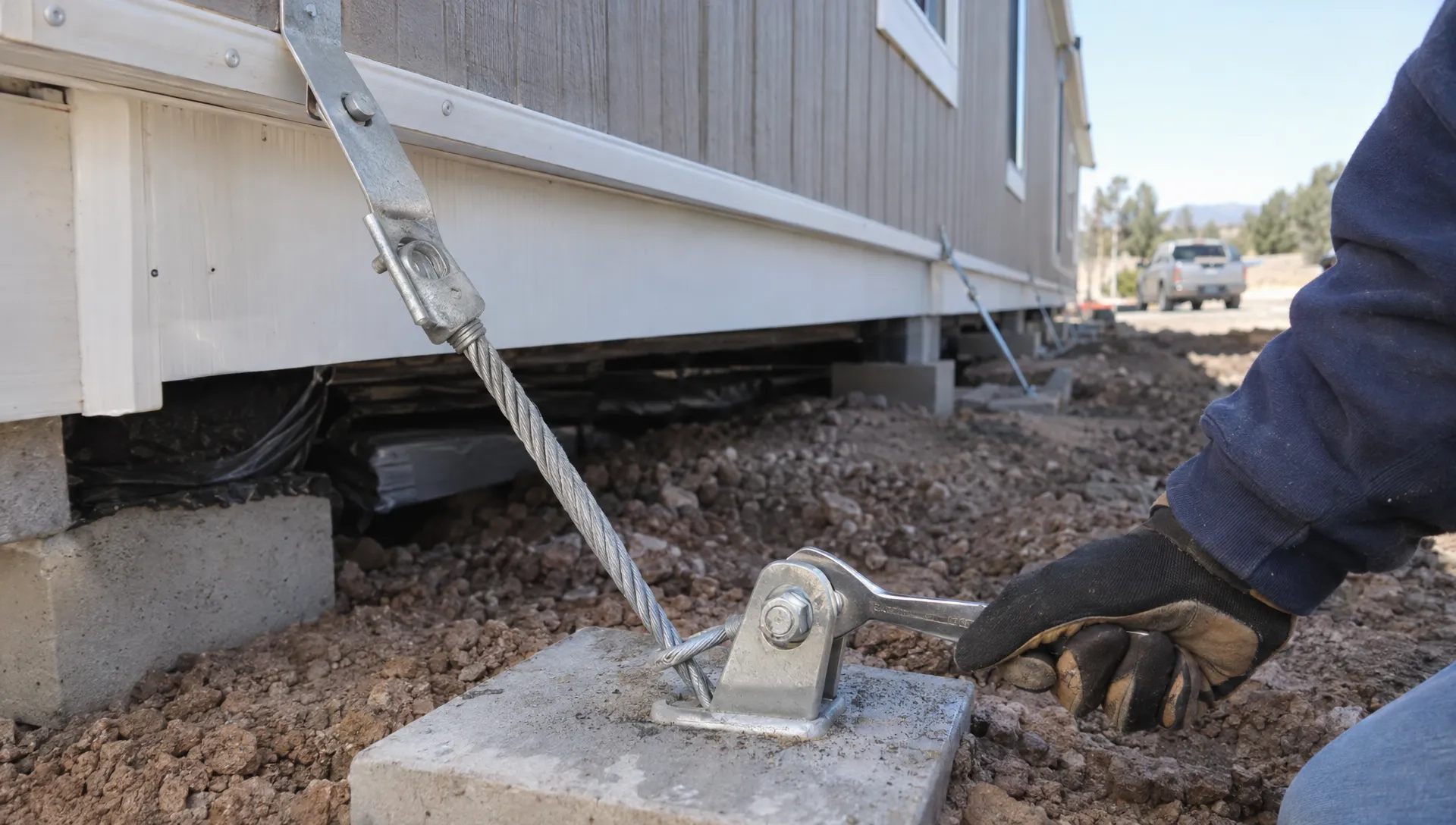
The word “modular” gets used loosely in online searches. Technically, a modular home is factory-built in sections and typically must meet state or local building codes once installed. A manufactured home is also factory-built, but it is constructed to the federal HUD Code. Older “mobile homes” usually refer to factory-built homes produced before the HUD Code took effect in 1976, although people still use the phrase casually.
That distinction matters because not every community accepts every type of home. Some communities are designed for HUD-code manufactured homes. Others may accept certain modular homes, park models or newer multi-section homes only. Some have age restrictions on homes, exterior appearance requirements or installation standards.
Before you compare amenities, ask each community these questions:
- What home types are allowed in the community?
- Are there minimum size, age or exterior condition requirements?
- Does the community accept single-section and multi-section homes?
- Are there restrictions on porches, skirting, carports, decks, sheds or fencing?
- Does the home need to come from an approved retailer, installer or manufacturer?
The HUD Manufactured Housing Program is a useful reference if you want to understand how manufactured housing is regulated at the federal level. In Texas, the Texas Department of Housing and Community Affairs Manufactured Housing Division is also an important resource for manufactured home ownership, titling and consumer information.
If you are still deciding between home types and floor plans, it may help to review how to shop modular homes for sale near you before narrowing your community list.
Compare the true monthly cost, not just lot rent
A community that looks cheaper at first can cost more once you add site rent, utilities, trash, insurance, taxes, financing and recurring fees. When you compare modular home communities near you, build one monthly estimate for each option using the same categories.
This is especially important for first-time buyers. A home payment may be affordable on its own, but the full monthly housing cost has to work after every community-related charge is included.
| Cost category | What to ask | Why it matters |
|---|---|---|
| Home payment | What is the estimated payment based on the home price, down payment and financing terms? | This is usually the largest recurring cost and should be compared consistently. |
| Lot rent or site lease | What is the current monthly site rent and how often can it increase? | A low starting rent may change over time, so ask about increase history. |
| Utilities | Which utilities are included and which are billed separately? | Water, sewer, electricity, gas, trash and internet can change the real monthly cost. |
| Community fees | Are there application, pet, amenity, parking or maintenance fees? | Small recurring fees can add up quickly. |
| Taxes and insurance | What insurance is required and how are taxes handled? | The answer may depend on whether the home is treated as real property or personal property. |
| Move-in costs | What must be paid before move-in approval? | Deposits, setup costs and first month charges affect your cash needed upfront. |
If financing is part of your purchase, compare offers carefully. The Consumer Financial Protection Bureau explains how buyers can use a Loan Estimate to compare loan terms, fees and projected payments. Some manufactured home purchases are financed differently than site-built houses, so ask lenders to explain whether the home, land or lease arrangement affects the loan.
Homes2Go San Antonio works with buyers who need flexible financing options and guidance from local lenders, but every buyer should still compare the full payment picture before choosing a community.
Evaluate location like you already live there
A community can look great during a quiet weekday tour and feel completely different during your actual routine. Drive the area during the times you would normally leave for work, come home, run errands or pick up children from school.
For San Antonio buyers, commute patterns can vary widely depending on whether you are heading toward downtown, the Medical Center, Lackland, Randolph, Stone Oak, New Braunfels, Southside or surrounding towns. Ten extra minutes each way may not sound like much, but over a year it can change how convenient the home feels.
Look beyond the map pin. Compare access to grocery stores, pharmacies, healthcare, childcare, schools, work routes, public transportation and major roads. If you have family nearby, include that too. Convenience is not just about distance, it is about whether the location supports your normal week.
Flood risk is another local factor worth checking. San Antonio and nearby areas can see intense rain, so review drainage on the lot and use FEMA’s Flood Map Service Center as one reference point. A community manager or seller should also be able to explain whether the site has had standing water or drainage issues.
Walk the lot, not just the model home
Model homes help you compare layouts and finishes, but the exact lot you choose affects privacy, parking, drainage, noise, outdoor space and future maintenance. A beautiful home can feel cramped or inconvenient if the site does not fit your household.
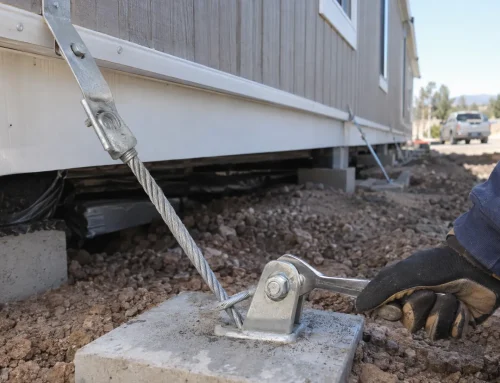
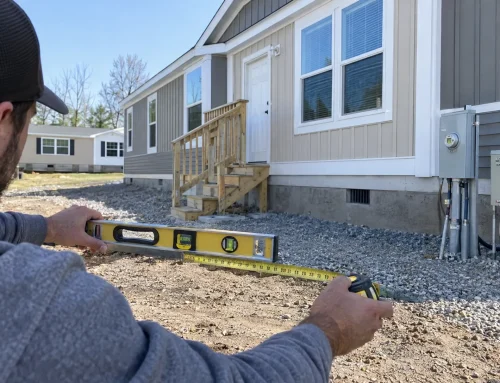
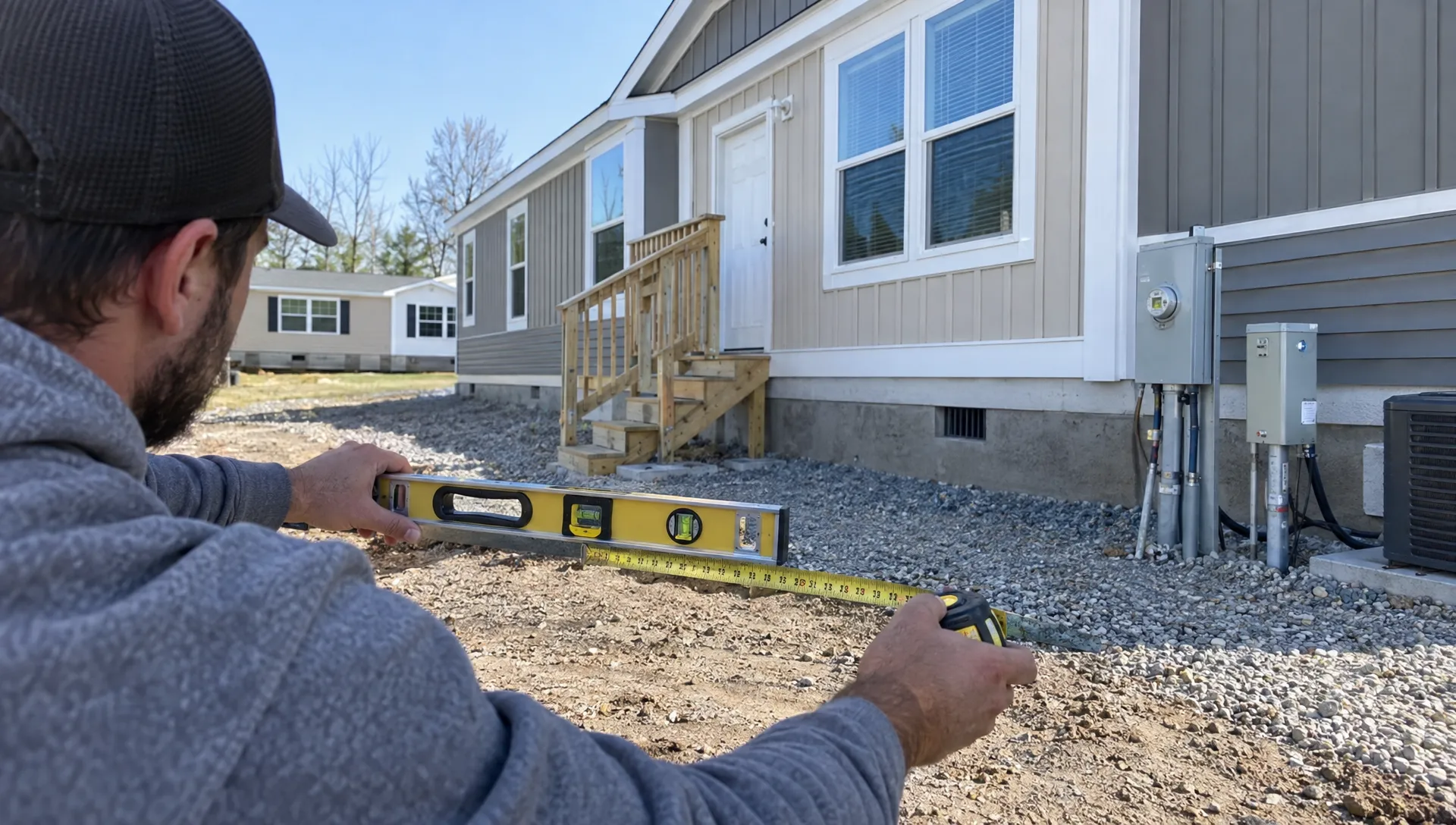
Pay attention to the grade of the lot, the distance between homes, street condition, lighting, available parking and utility access. Ask whether the home pad is ready, whether additional site work is needed and who pays for any required improvements.
A few physical details deserve extra attention:
- Drainage after heavy rain
- Condition of roads and curbs
- Street lighting near the home
- Space for vehicles and guests
- Distance from dumpsters, entrances and busy roads
- Internet and cell service quality
- Yard maintenance responsibilities
If the community has vacant lots, ask how often new homes are added and what the installation process looks like. If the community is mostly full, ask whether homes become available often and whether there is a waiting list.
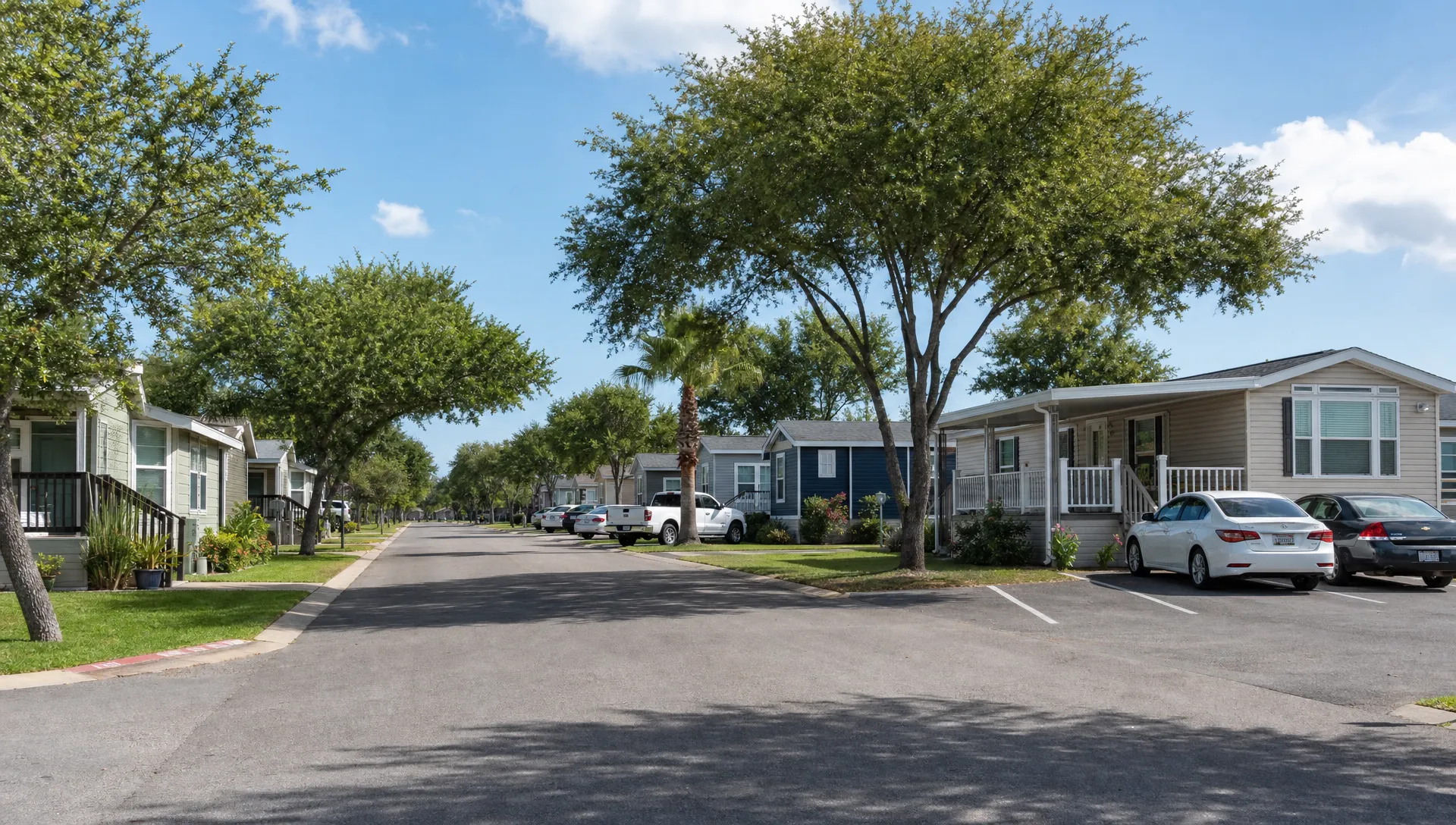
Read the rules before you fall in love with the home
Community rules are not just paperwork. They shape your daily life after move-in. A community may be clean, attractive and affordable, but if its rules conflict with your household, pets, vehicles or work situation, it may not be the right fit.
Ask for written copies of the lease, rules, fee schedule and application requirements before paying nonrefundable fees. Do not rely only on verbal explanations. Rules can cover exterior improvements, quiet hours, parking, pets, home-based businesses, visitors, lawn care, holiday decorations and how quickly repairs must be completed.
For families, pet owners, contractors, multi-vehicle households and people who work from home, rules can make a major difference. For example, a community may restrict commercial vehicles, limit dog breeds, require approval for sheds or prohibit certain exterior changes.
If you want a deeper look at management quality, the guide on how to vet the management of a mobile home community can help you ask sharper questions before you commit.
Compare management as carefully as amenities
Amenities are easy to notice. Management quality takes more work to evaluate, but it often matters more over the long run. A well-managed community communicates clearly, maintains common areas, handles rule enforcement consistently and responds to maintenance concerns in a reasonable time.
During your visit, look for signs of day-to-day care. Are roads maintained? Are common areas clean? Are vacant lots overgrown? Are posted notices current? Does the office answer questions clearly or rush you toward an application?
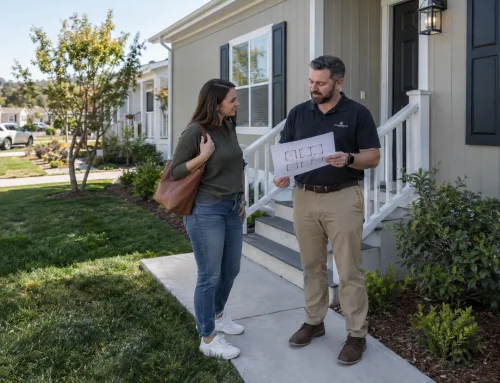
You can also ask current residents about their experience if the setting feels appropriate. Keep the conversation simple and respectful. Ask whether repairs are handled, whether rules are enforced fairly and whether management communicates before changes are made.
A community with fewer amenities but strong management may be a better choice than one with a longer amenity list and poor communication.
Look at long-term flexibility and resale
Many buyers focus on getting moved in, which is understandable. Still, your future options matter. Life can change because of work, family size, school needs or finances. Before choosing a community, understand what happens if you later want to sell the home, refinance, rent it out or move it.
Ask whether the community must approve future buyers. Ask whether the home can remain on the lot if you sell it. Ask whether subleasing is allowed. Ask how much notice is required if you move the home out and whether there are conditions tied to removal.
You should also ask about land ownership. In many manufactured home communities, you own the home but lease the lot. That can work well for many buyers, but it means the site lease is a major part of your long-term housing plan. Review rent increase policies, lease renewal terms and community stability before deciding.
If a community is being upgraded, expanded or redeveloped, ask what that means for current and future residents. Improvements can be positive, but you want to understand timing, costs and any disruption.
Use a simple scoring system to stay objective
After touring several communities, details can blur together. A basic scorecard helps you compare your options without letting one nice feature outweigh serious concerns.
Use a 1 to 5 score for each category, then add notes while the visit is still fresh. If one category matters more to you, such as commute or school access, give it extra weight.
| Category | Score 1 to 5 | Notes to capture |
|---|---|---|
| Home compatibility | Confirm accepted home types, size rules and installation requirements. | |
| Total monthly cost | Include payment, lot rent, utilities, fees, taxes and insurance. | |
| Location fit | Compare commute, errands, schools, healthcare and family access. | |
| Lot quality | Note drainage, parking, privacy, lighting and outdoor space. | |
| Rules and restrictions | Review pets, vehicles, guests, improvements and lawn care. | |
| Management quality | Evaluate communication, maintenance, transparency and resident feedback. | |
| Long-term flexibility | Ask about selling, moving, rent increases and lease renewal terms. |
A scorecard does not make the decision for you. It helps you see tradeoffs clearly. A community with the lowest cost may score poorly on commute or management. Another may cost slightly more but provide better long-term stability and a better daily routine.
Red flags and green flags when touring communities
Not every concern should automatically eliminate a community, but patterns matter. One unanswered question may be harmless. Several vague answers, missing documents and visible neglect are a different story.
| Green flags | Red flags |
|---|---|
| Written rules and fee schedules are easy to review. | Fees are explained verbally but not provided in writing. |
| Management answers questions clearly. | Staff avoid questions about rent increases, approvals or utilities. |
| Roads, lighting and common areas are maintained. | Vacant lots, drainage areas or roads appear neglected. |
| Residents seem comfortable with management communication. | Current residents mention surprise fees or inconsistent enforcement. |
| The community explains home requirements upfront. | You are encouraged to apply before compatibility is confirmed. |
| Lease terms are clear before you pay. | You are pressured to sign quickly or pay nonrefundable fees first. |
Trust your observations. A community should make it easier to understand your responsibilities, not harder.
Questions to ask before choosing a community
Bring the same question list to each visit so your comparisons stay consistent. You do not need to interrogate anyone, but you do need enough information to make a confident decision.
- What is the full monthly cost, including lot rent, utilities and recurring fees?
- How often has lot rent increased in the past few years?
- What home types, ages and sizes are allowed?
- What is the approval process for buyers and residents?
- Are pets, extra vehicles, work trucks or RVs restricted?
- Who maintains the lot, lawn, trees, roads and common areas?
- What happens if I want to sell the home later?
- Can I review the lease, rules and fee schedule before applying?
- Are there planned community improvements, ownership changes or expansions?
- Which utilities are available and who provides service?
If a community cannot answer basic questions, that does not automatically mean it is a bad place to live. It does mean you should slow down and gather more information before committing.
How Homes2Go San Antonio can help you compare communities
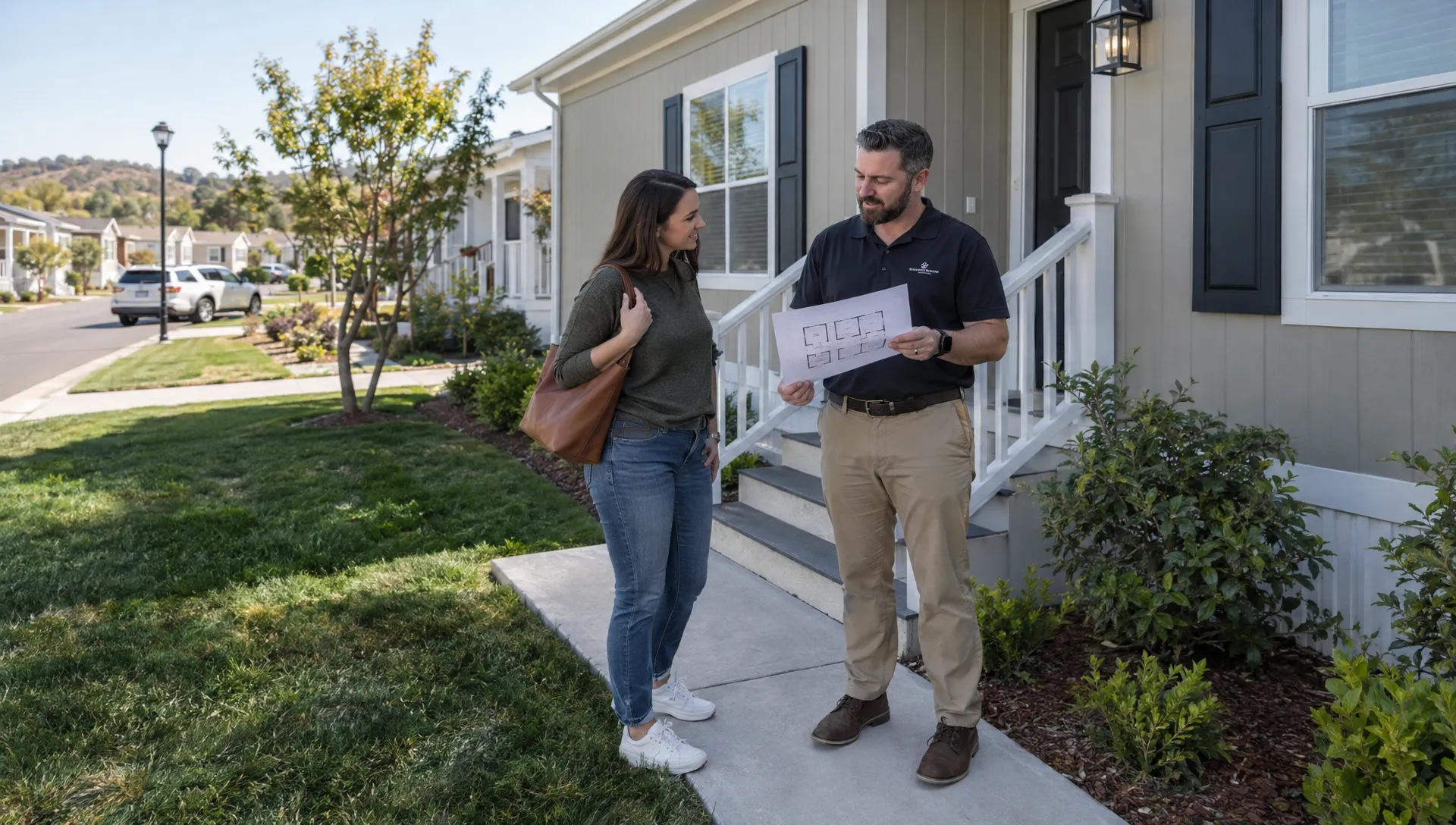
Choosing a home and choosing a community should happen together. The right floor plan needs to match your budget, lifestyle and the community requirements where the home will be placed.
Homes2Go San Antonio helps buyers explore affordable manufactured and mobile home options, review detailed floor plans, understand available models and connect with guidance throughout the process. For buyers who need help with financing, Homes2Go can also discuss flexible financing options and access to trusted local lenders.
If you are comparing communities around San Antonio, start by narrowing your must-haves. Decide your budget range, preferred side of town, home size, pet needs, parking needs and move-in timing. Then compare communities with the same checklist, not just the same search results.
Frequently Asked Questions
What is the difference between a modular home community and a manufactured home community? A modular home community may allow homes built in factory sections to state or local building codes, while a manufactured home community usually allows HUD-code manufactured homes. Many local listings use the terms loosely, so always ask each community which home types it permits.
Is lot rent the same as a mortgage payment? No. Lot rent is paid for the site where the home sits, while a mortgage or home loan payment covers the home itself. In many communities, buyers pay both, along with utilities, insurance and other possible fees.
Should I choose the cheapest community near me? Not automatically. A lower advertised cost can be attractive, but you should compare total monthly cost, management quality, commute, rules, lot condition and long-term flexibility before deciding.
Can a community reject my home? Yes, some communities have requirements for home type, size, age, exterior condition, installation method and appearance. Confirm compatibility before buying a home or paying application fees.
How many communities should I tour before choosing? Tour at least three if possible. Seeing multiple communities helps you compare pricing, rules, management style and lot conditions more accurately.
Ready to compare homes and communities with more confidence?
A good community should support the life you want in your new home, not create surprises after move-in. If you are looking for affordable manufactured or mobile homes in the San Antonio area, Homes2Go San Antonio can help you review home models, floor plans, financing options and community fit before you make your next move.
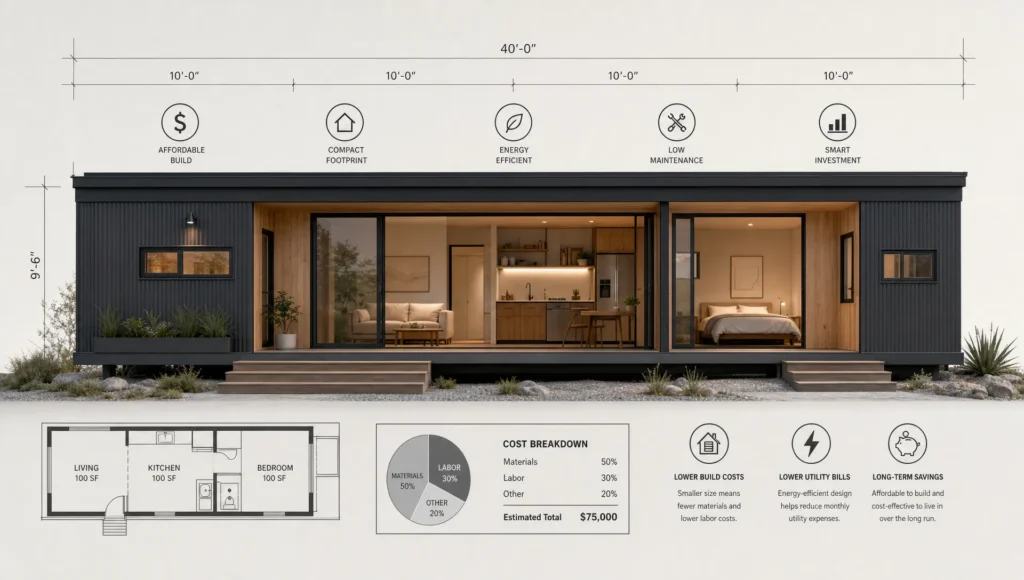 Are Single Wide Homes Still a Smart Buy in 2026?
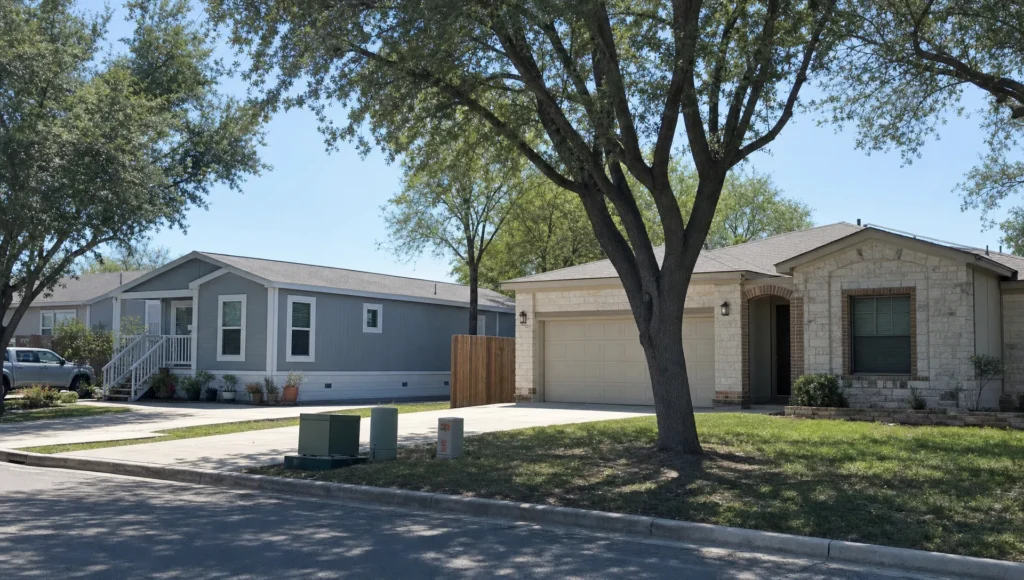 Utility Bills Comparison: Manufactured vs Site-Built Homes