
Buying a singlewide in San Antonio can be a smart path to homeownership if you want a smaller footprint, a lower entry point than many site-built homes, and a home that can fit your life without unnecessary space. But the best choice is not simply the most attractive model on the lot. It is the home that fits your budget, location, financing path, utility needs, and long-term plans.
This guide walks through the decisions San Antonio buyers should make before choosing a singlewide mobile home, from where to place it to how to compare layouts and avoid costly surprises.
What buyers usually mean by “singlewide mobile home”
In everyday conversation, many people still say “mobile home.” In the housing industry, most new homes built in this category are called manufactured homes. According to the U.S. Department of Housing and Urban Development, manufactured homes are built to the federal HUD Code, which applies to factory-built homes constructed after June 15, 1976.
A singlewide is a manufactured home built in one main section. It is transported to the home site as one unit, then installed and connected to utilities. Compared with a double wide, a singlewide usually has a narrower floor plan and a smaller overall footprint, which can make it easier to place in certain communities or on certain lots.
For San Antonio buyers, that combination matters. Land costs, utility access, community availability, and commuting patterns can all affect what “affordable” really means once the full purchase is complete.
Why singlewide mobile homes work well in San Antonio
San Antonio has a wide range of buyers looking for practical housing: first-time buyers, downsizing retirees, workers who want to stay near the city, families seeking a lower monthly payment, and landowners who want to place a home outside denser neighborhoods.
Singlewide mobile homes in San Antonio can be especially attractive because they often offer:
- A more accessible starting point than many larger homes
- Faster decision-making because the footprint is simpler
- Lower space to heat, cool, furnish, and maintain
- Flexible placement options in manufactured home communities or on private land, when allowed
- Modern interiors that can include open kitchens, split-bedroom layouts, and efficient storage
The key is to compare the full living situation, not just the home itself. A great singlewide in the wrong location, or with site costs you did not plan for, can become stressful. A well-matched home in the right community or on properly prepared land can feel like a major step forward.
Start with location: community or private land?
Before you fall in love with a floor plan, decide where the home will go. In the San Antonio area, most singlewide buyers choose between a manufactured home community and private land.
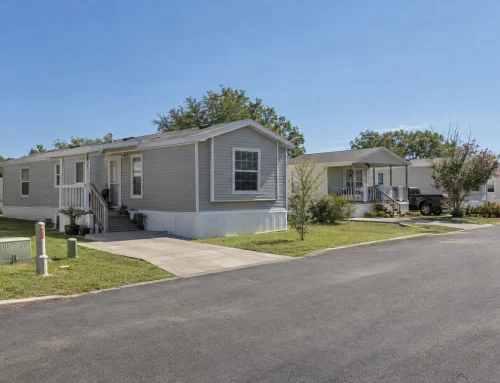
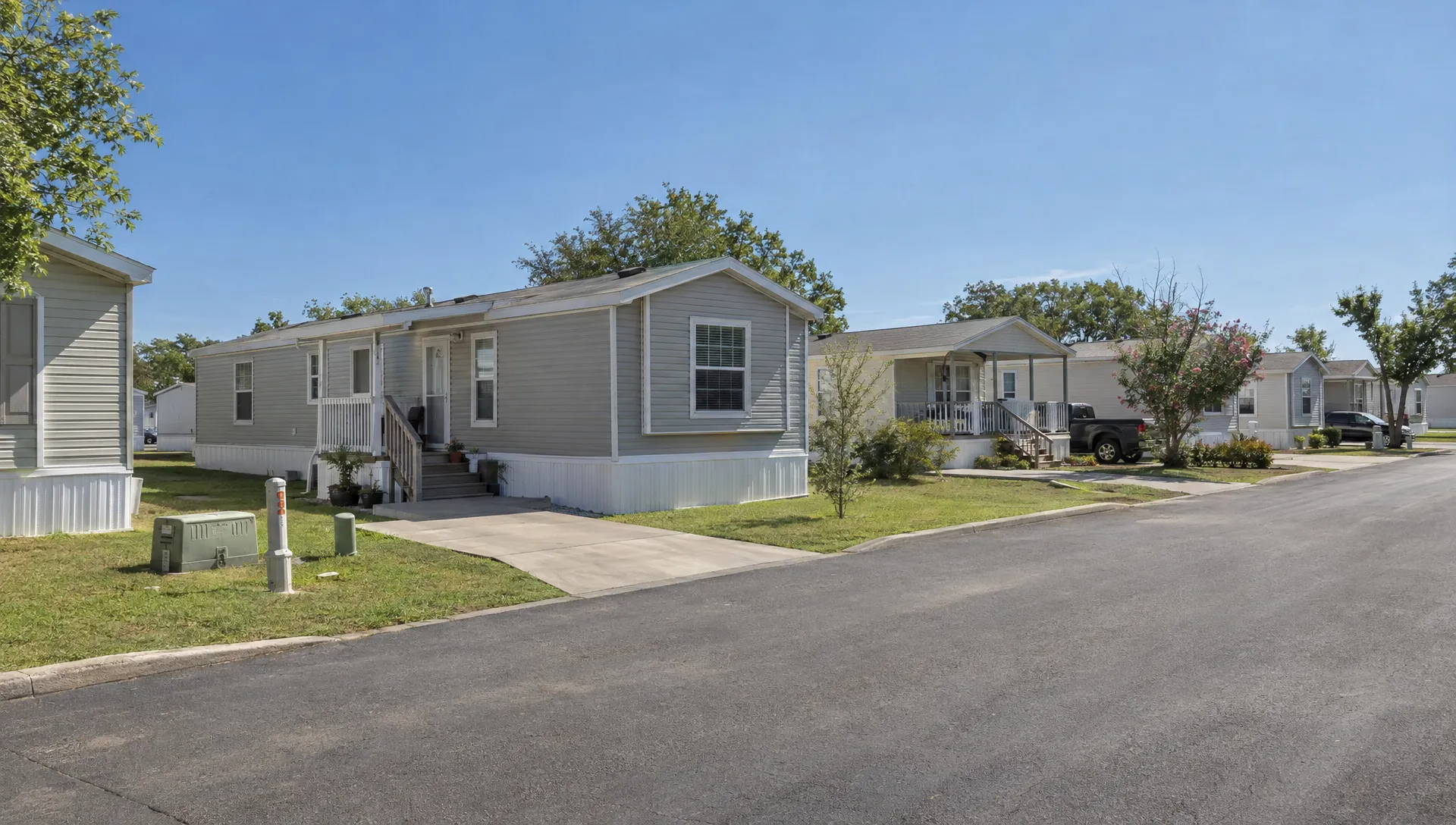
A community can be appealing because the location may already be set up for manufactured homes. You may also gain access to an established neighborhood environment. Private land gives you more independence, but it can require more research, more site preparation, and more coordination.
| Placement option | Best fit for | What to verify first |
|---|---|---|
| Manufactured home community | Buyers who want a simpler setup and neighborhood environment | Lot availability, monthly lot costs, rules, pet policies, parking, home age requirements |
| Private land inside city limits | Buyers who own or plan to buy land in San Antonio | Zoning, permits, setbacks, utility access, driveway access, floodplain status |
| Private land outside city limits | Buyers seeking more space or rural surroundings | County requirements, septic or utility needs, road access, deed restrictions, delivery route |
| Family-owned land | Buyers placing a home near relatives | Legal permission, title or lease agreement, utilities, long-term occupancy expectations |
If you are still deciding between community living and private land, the Homes2Go SA overview of mobile homes in San Antonio explains the broader purchase choices local buyers often compare.
Check local rules before planning the purchase
A singlewide manufactured home cannot be placed anywhere just because land is available. Rules can come from city zoning, county requirements, subdivision deed restrictions, utility providers, community guidelines, and lender requirements.
If the land is inside San Antonio, start by checking with City of San Antonio Development Services before assuming a manufactured home is allowed. If the property is outside city limits, check the relevant county and any private restrictions tied to the land.
Important items to confirm include:
- Whether a manufactured home is allowed on the property
- Minimum home size or exterior requirements
- Required permits and inspections
- Setbacks from property lines, roads, and easements
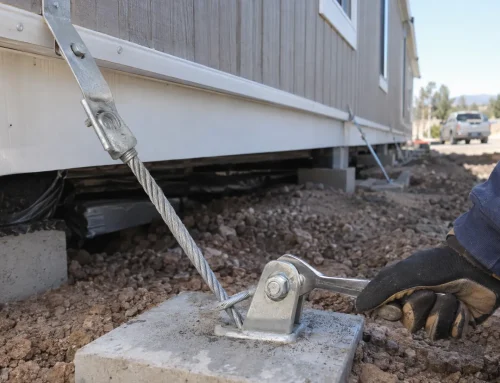
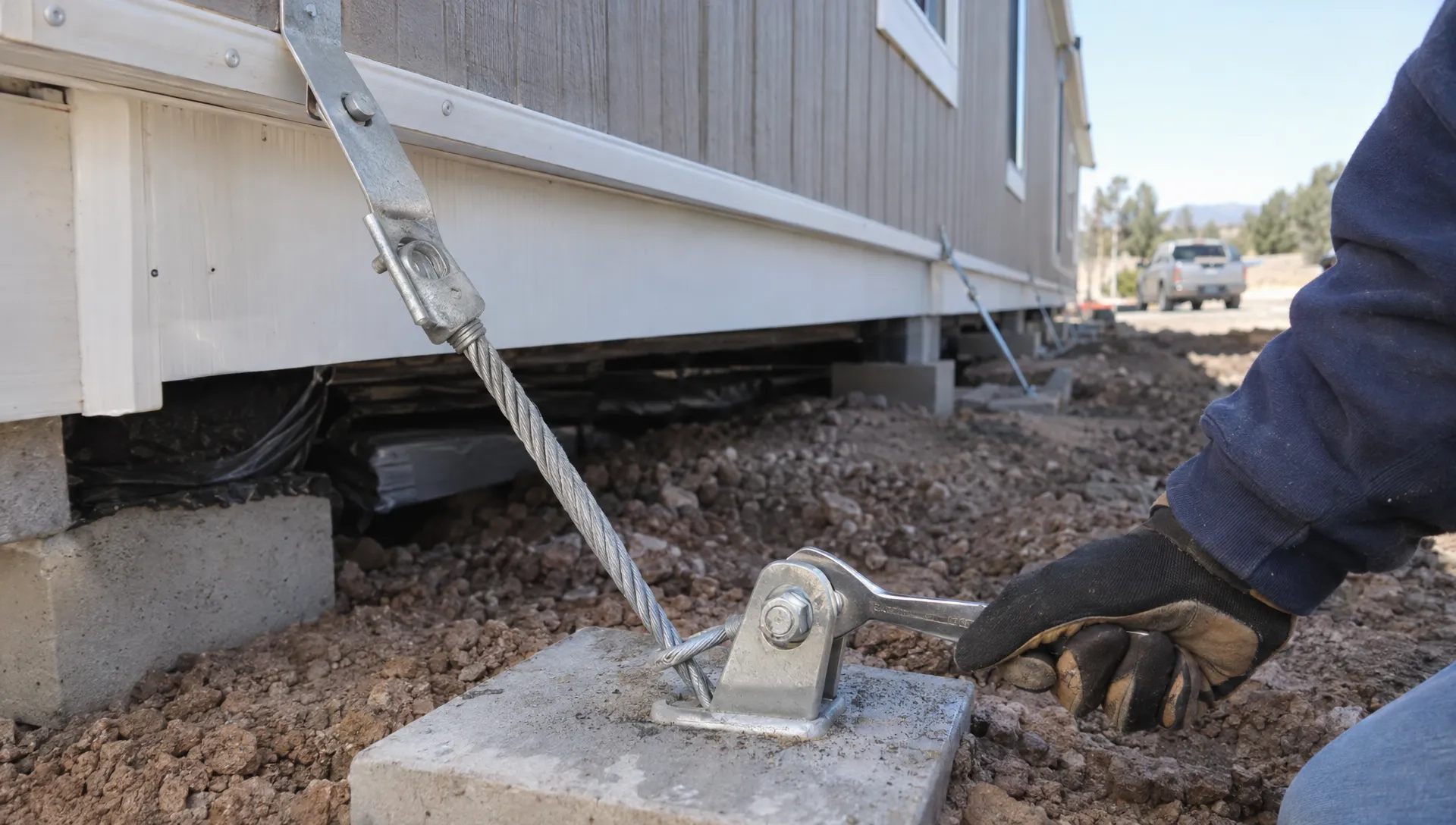
- Foundation, anchoring, skirting, steps, and deck rules
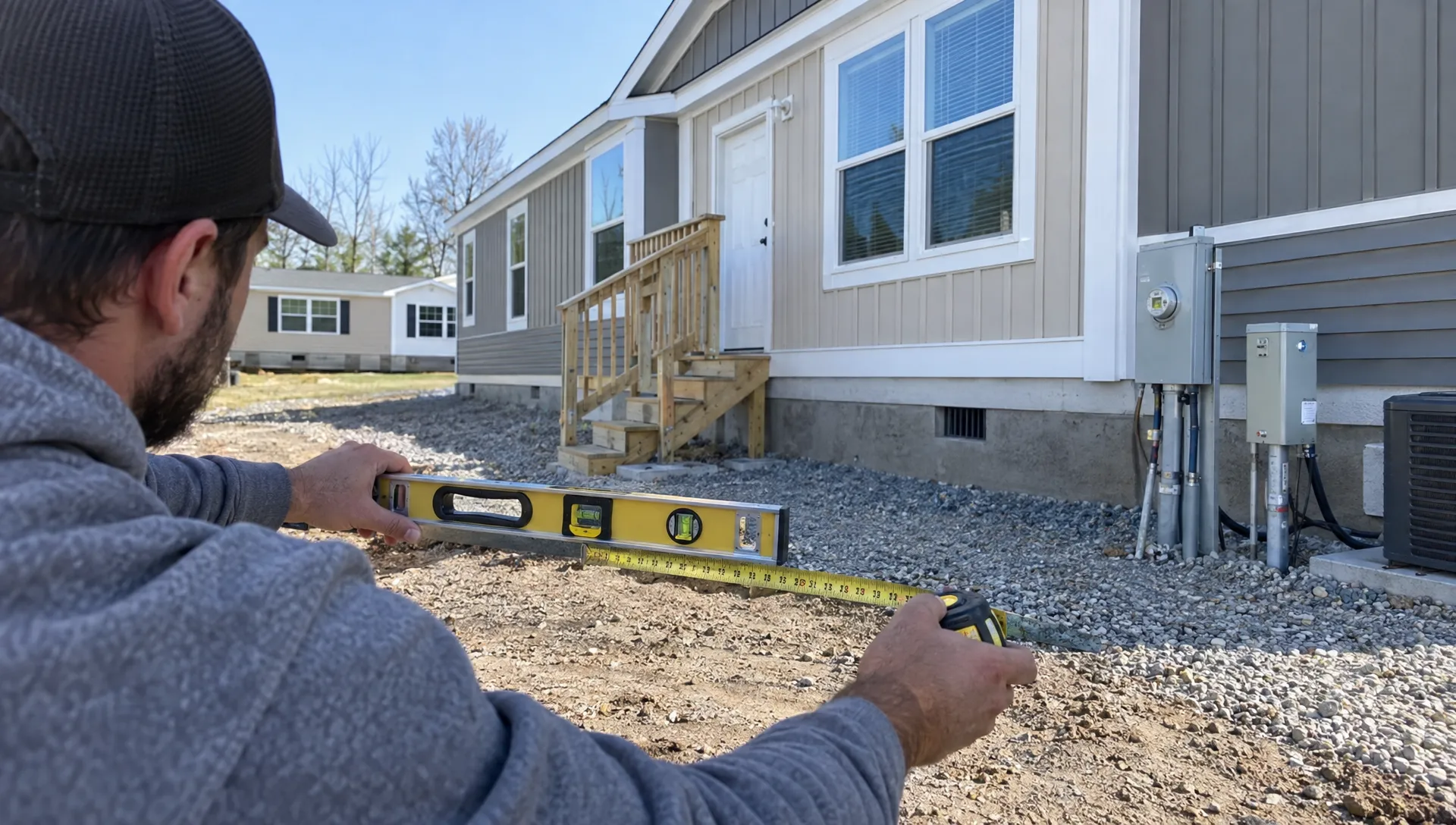
- Water, sewer, septic, electric, and gas availability
- Floodplain or drainage concerns
This step is not exciting, but it can protect you from one of the biggest mistakes buyers make: buying a home before confirming the site can legally and practically accept it.
Build an all-in budget, not just a home budget
The advertised home price is only one part of the total cost of buying a singlewide. Your real budget should include the home, the site, the move, setup, utilities, insurance, taxes, and ongoing monthly costs.
For a fuller explanation of cost factors, Homes2Go SA has a helpful guide to single wide mobile home pros, costs, and best uses. As you compare options, think in terms of total monthly affordability and cash needed before move-in.
Common budget categories include:
- Home purchase price
- Down payment and closing costs, if applicable
- Delivery and professional installation
- Foundation or pad requirements
- Utility connections and meter setup
- Septic, water well, or sewer connection needs, if placing on private land
- Steps, skirting, decks, driveway, and exterior improvements
- Lot rent or land payment
- Home insurance and property taxes
- Maintenance reserve for future repairs
A lower home price can still lead to a higher total cost if the land needs extensive utility work. On the other hand, a slightly higher-priced home in a prepared community may be easier to budget for because fewer site variables are involved.
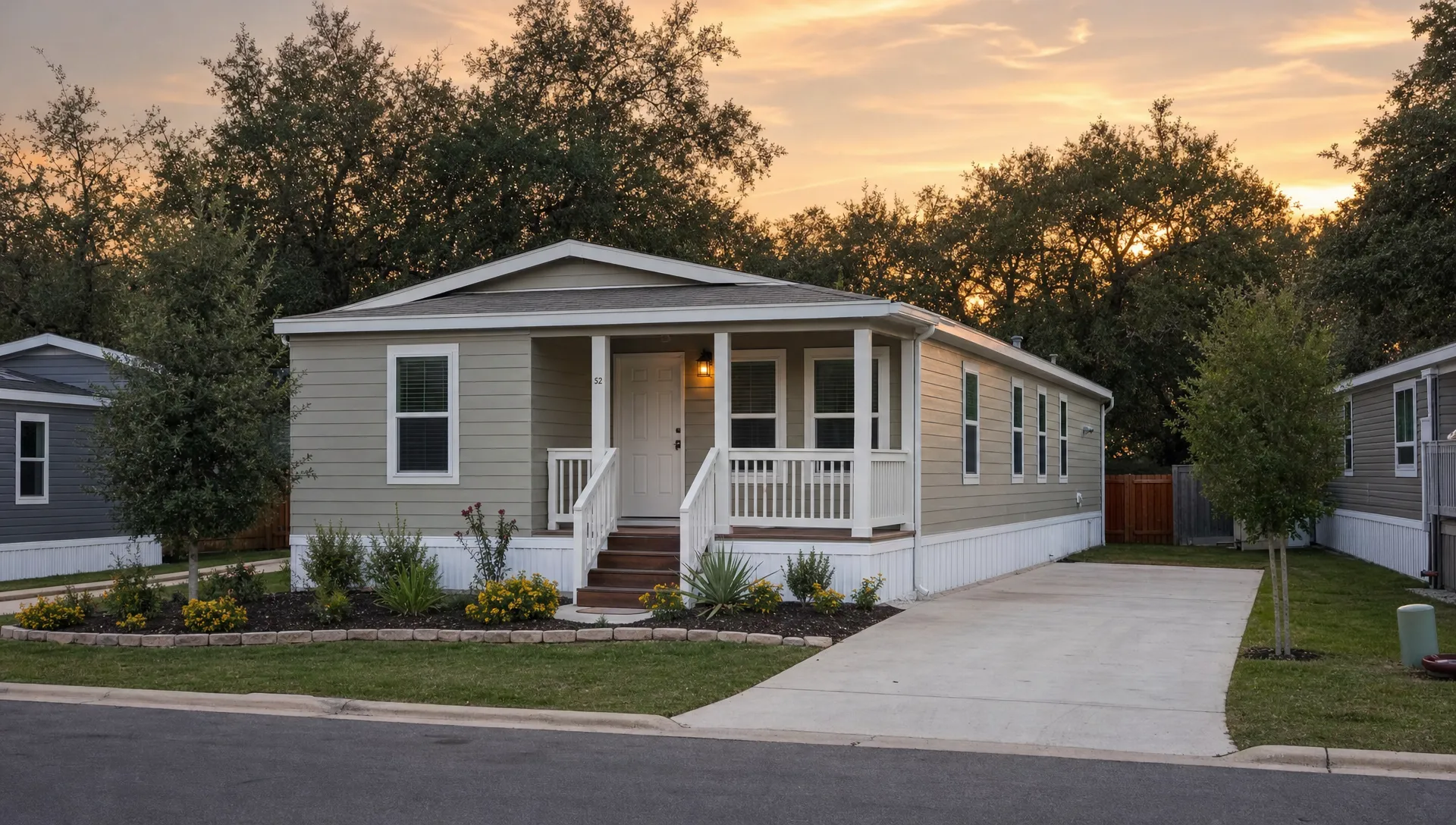
Choose a floor plan around daily life, not just square footage
Square footage matters, but layout matters more. A well-designed singlewide can feel comfortable when it uses space efficiently. A poorly matched layout can feel cramped even if the home looks attractive in photos.
Before touring models, write down how you actually live. Do you cook often? Work from home? Need a bedroom for a child, guest, or parent? Prefer privacy between the primary bedroom and secondary bedrooms? Need extra storage for tools, sports gear, or holiday items?
San Antonio buyers often benefit from looking closely at:
- Kitchen flow: Open kitchens can make the home feel larger, but check cabinet space, counter space, and appliance placement.
- Bedroom separation: Split-bedroom designs offer more privacy for families, roommates, or guests.
- Laundry location: A convenient laundry area matters in a narrower home.
- Storage: Closets, pantry space, linen storage, and exterior storage options can make daily life easier.
- Natural light: Windows can make a singlewide feel more open, but also think about summer heat exposure.
- Bathroom access: Families may want a second bathroom if the budget and floor plan allow it.
If you are comparing new models, the guide to new mobile homes in San Antonio covers practical ways to compare floor plans, budgets, and buying priorities.
Pay attention to energy efficiency in the South Texas climate
San Antonio heat should be part of the buying conversation. A singlewide with efficient design choices can be more comfortable and easier to manage month to month.
Ask about insulation, window performance, HVAC size, ventilation, roofing materials, and appliance efficiency. You do not need to become a building scientist, but you should understand which features affect comfort and utility use.
Also pay attention to where the home will sit. Shade, orientation, skirting, and airflow around the home can all influence comfort. A home placed on an exposed lot with poor drainage may have different needs than the same model placed in a shaded community with prepared infrastructure.
Understand financing before you choose the final model
Financing for a singlewide mobile home depends on the home, the land, how the home will be titled, your credit profile, income, down payment, and lender requirements. Some buyers finance the home only. Others finance a home and land together. The path can differ depending on whether the home is treated as personal property or real property.
Because manufactured home financing is specialized, work with people who understand the local market. Homes2Go San Antonio offers flexible financing options and works with trusted local lenders, which can help buyers understand what may be realistic before getting too far into the shopping process.
Before committing to a home, ask these financing questions:
- What monthly payment range is comfortable after utilities, insurance, and lot costs?
- Is the loan for the home only, or for land and home together?
- What down payment may be required?
- Are delivery, setup, and site improvements included or separate?
- What documents will the lender need?
- Are there community approval steps in addition to loan approval?
Try to get financing clarity early. It helps you compare homes that truly fit your budget instead of wasting time on models that look appealing but do not match your approval range.
Inspect the model and the purchase details carefully
A singlewide may be more straightforward than a larger home, but the purchase still has important details. Review the floor plan, included features, optional upgrades, delivery scope, installation responsibilities, warranties when available, and timelines.
Use this quick review table while comparing homes:
| Item to review | Why it matters |
|---|---|
| Floor plan dimensions | Confirms the home fits the site, community lot, and your furniture needs |
| Included features | Helps you compare models fairly instead of assuming all finishes are included |
| Setup responsibilities | Clarifies who handles delivery, installation, utility connections, and inspections |
| Community rules | Prevents surprises about parking, pets, exterior changes, or occupancy limits |
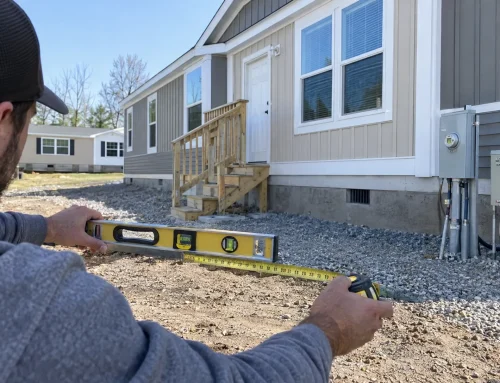
| Land readiness | Identifies site work needed before the home can be delivered |
| Financing terms | Shows the real monthly cost and cash required before move-in |
| Timeline | Helps you plan notice to a landlord, school changes, utility transfers, and moving day |
If you are buying a used singlewide, inspection becomes even more important. Look for signs of roof issues, soft floors, plumbing leaks, electrical concerns, HVAC age, window condition, and past water intrusion. For new homes, focus on what is included, what is optional, and what happens before final move-in.
Avoid the most common San Antonio buyer mistakes
Many singlewide buyers do not run into problems because they chose the wrong home. They run into problems because they skipped one of the less visible parts of the process.
Common mistakes include choosing a home before confirming placement rules, underestimating utility connection costs, comparing homes without checking included features, ignoring commute times, forgetting lot rent in the monthly budget, and assuming every lender handles manufactured homes the same way.
Another mistake is buying only for today. A one-bedroom or compact two-bedroom layout may work now, but think about the next five years. Will your household grow? Will you need office space? Could an aging parent move in? Will you want to resell later? Singlewide homes can be practical, but the right layout should support both your current needs and your near-future plans.
A simple buying path for singlewide mobile homes in San Antonio
The process becomes easier when you move in the right order. Instead of starting with the most eye-catching model, start with your real constraints.
- Set your monthly comfort zone: Include home payment, lot rent or land cost, insurance, taxes, utilities, and maintenance.
- Choose your placement path: Decide whether a community, private land, or family land is most realistic.
- Verify site rules early: Confirm zoning, community requirements, permits, utilities, and access before finalizing the home.
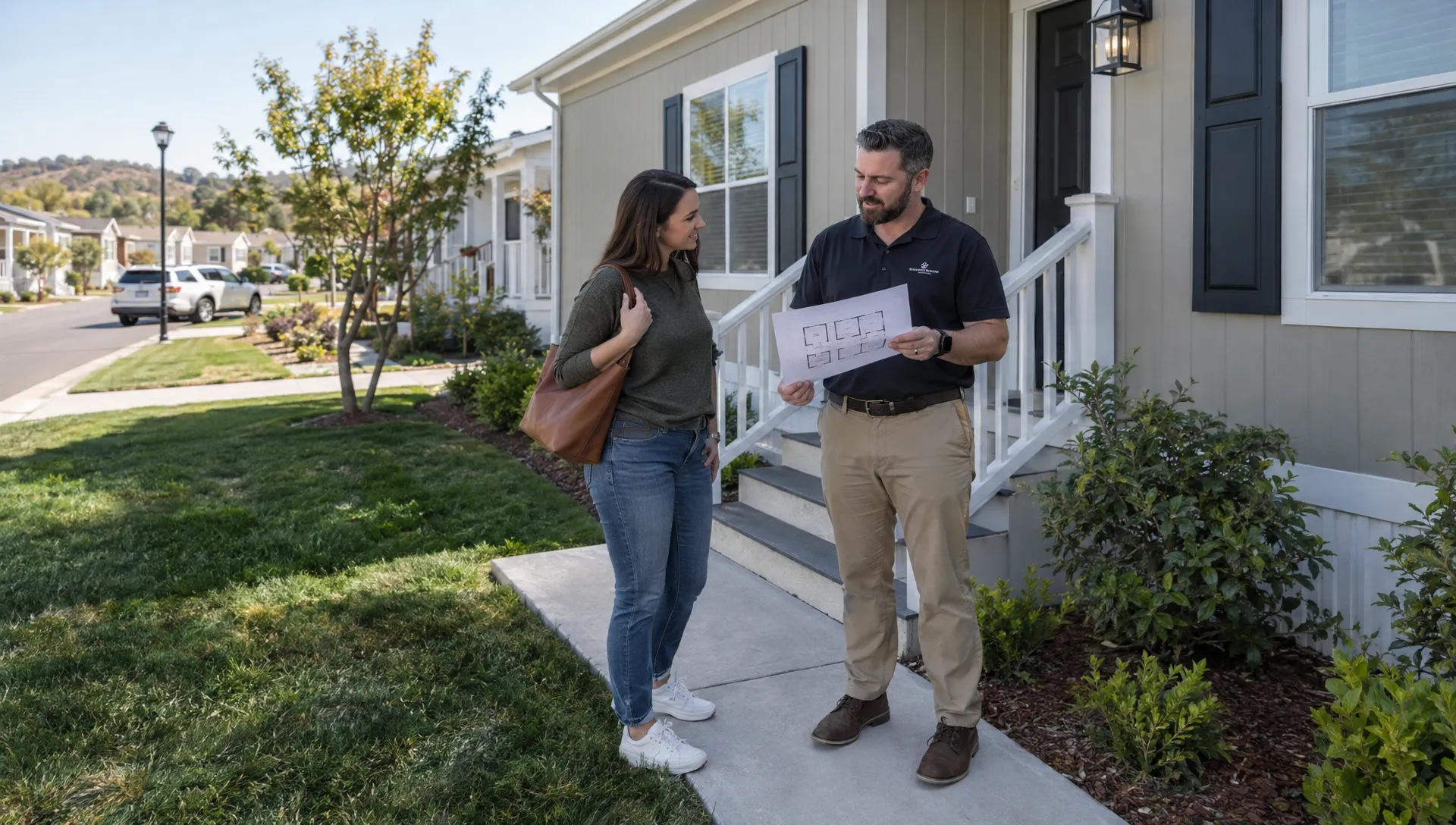
- Compare floor plans in person when possible: Walk through the kitchen, bedrooms, bathrooms, and storage areas as if you already live there.
- Review financing options: Ask what loan type, down payment, and documents may apply to your situation.
- Confirm delivery and setup details: Know what is included, what is separate, and what must happen before move-in.
- Plan your move-in timeline: Coordinate utilities, community approval, school or work changes, and furniture needs.
This sequence helps you stay practical while still enjoying the process of choosing a home.
Frequently Asked Questions
Are singlewide mobile homes allowed in San Antonio? They may be allowed in some areas, but it depends on zoning, land use rules, permits, deed restrictions, and community guidelines. Always verify the specific property or community before buying.
Is a singlewide usually more affordable than a double wide? A singlewide often has a lower starting cost because it is smaller and built in one section, but total affordability depends on land, delivery, setup, financing, utilities, insurance, and monthly lot costs.
Can first-time buyers purchase a singlewide mobile home? Yes, many first-time buyers consider singlewide manufactured homes because they can offer a more accessible path to ownership. Financing approval depends on credit, income, down payment, home type, and lender requirements.
Should I place a singlewide in a community or on private land? A community may simplify placement and provide an established setting, while private land can offer more independence. The better choice depends on your budget, rules, utility access, and long-term plans.
What should I look for in a singlewide floor plan? Focus on bedroom privacy, kitchen function, storage, bathroom access, laundry placement, natural light, and whether the layout fits your household for the next several years.
Find the right singlewide with local guidance
Singlewide mobile homes in San Antonio can make homeownership more realistic, but the best results come from choosing carefully. The home, location, financing, setup, and timeline all need to work together.
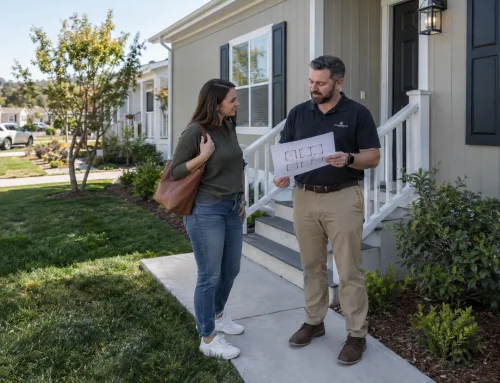
If you are ready to compare models, floor plans, communities, and financing options, connect with Homes2Go San Antonio. Their team can help you explore affordable manufactured homes and understand the next steps toward a move-in ready option that fits your needs.
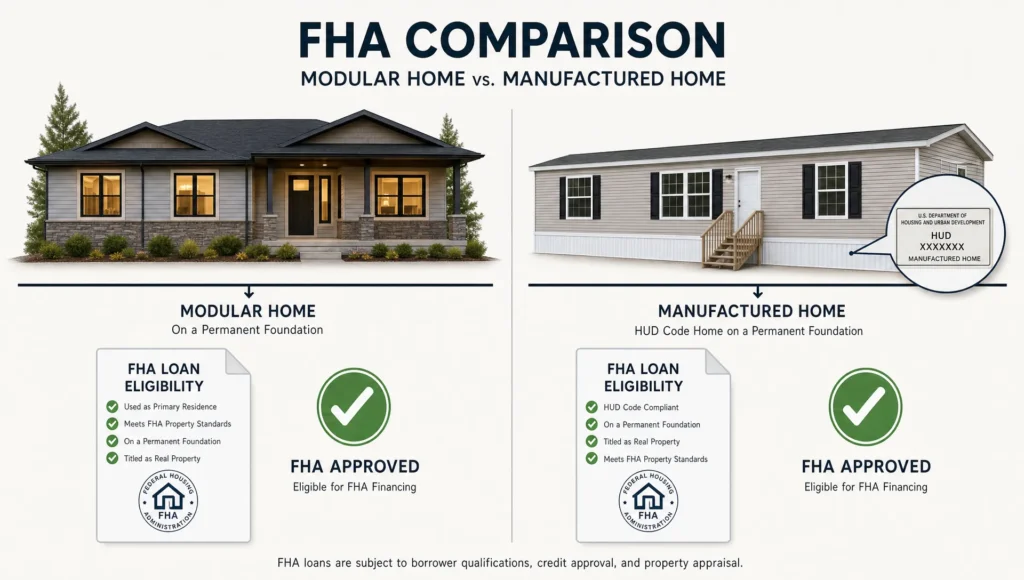 FHA Modular and Manufactured Home Loans Compared
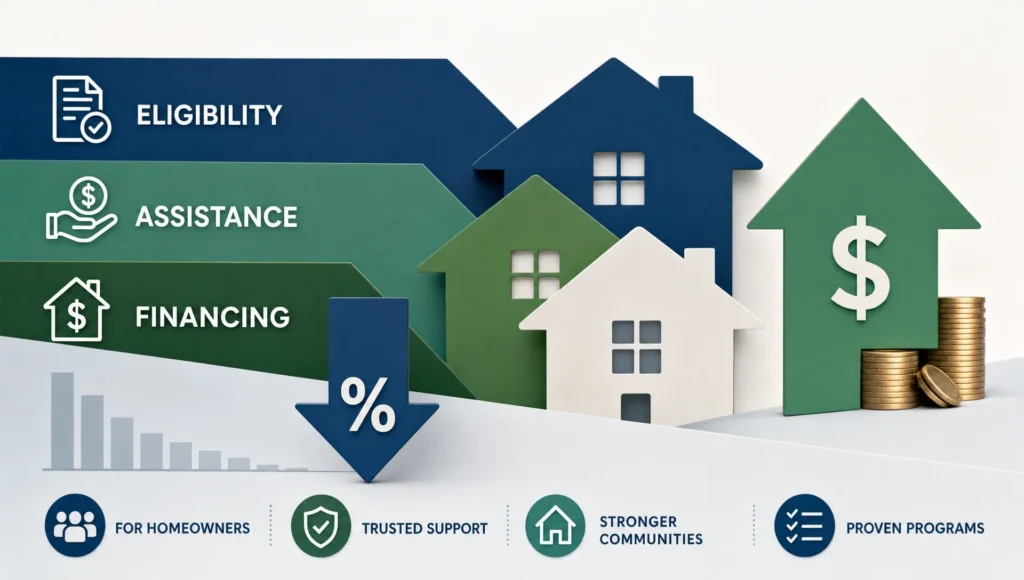 Texas Affordable Housing Programs for Home Buyers