
Yes, you can buy a single wide with FHA in 2026, but the answer comes with important conditions. FHA does not reject a home simply because it is a single wide. The bigger questions are whether the home is a HUD-code manufactured home, whether the site and foundation meet the right program rules, and whether the borrower qualifies through an FHA-approved lender.
For San Antonio buyers, this matters because single wides can be one of the most affordable paths to homeownership. They often cost less than multi-section homes, can fit well in manufactured home communities, and may offer a practical monthly payment when paired with the right financing. Still, not every single wide will qualify for FHA, and choosing the wrong loan type early can create delays.
The short answer: FHA can work for a single wide
An FHA single wide purchase is possible when the home meets FHA manufactured housing standards and the buyer qualifies for the loan. FHA loans are insured by the Federal Housing Administration, but they are made through FHA-approved lenders. That means lender experience matters, especially with manufactured homes.
The most important point is that FHA looks at a single wide as a manufactured home, not as a lower-tier category. A single-section home may qualify if it was built to the federal HUD Code, has the required identification labels and data plate, meets minimum size and condition standards, and is installed on an acceptable site.
FHA financing is usually discussed in two main ways for manufactured homes: Title I and Title II. The right option depends on whether you are buying only the home, the home and land together, or a home that will be placed on leased land in a community.
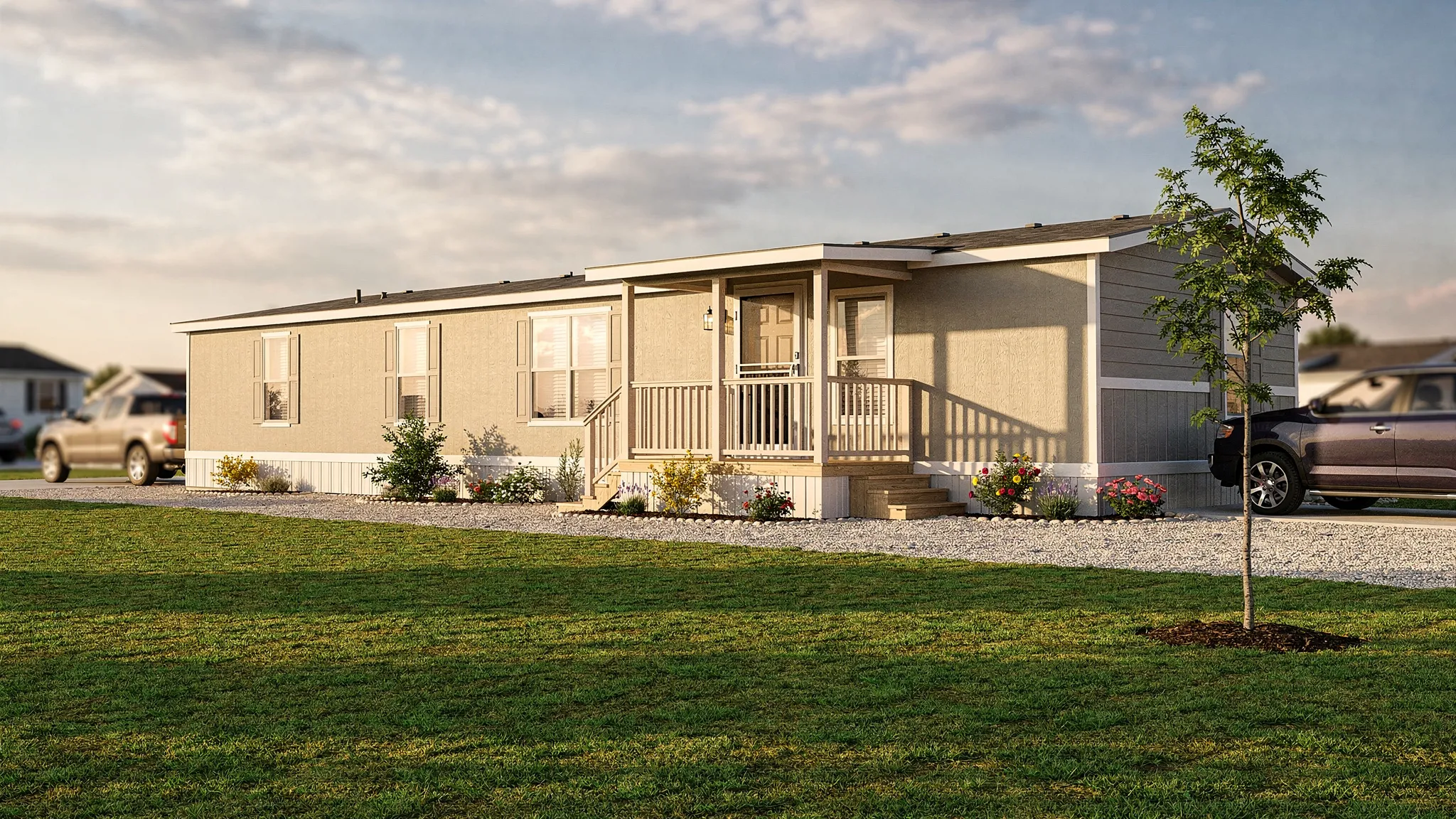
FHA Title I vs. Title II for single wide manufactured homes
The biggest source of confusion is that “FHA manufactured home loan” can refer to more than one program. In 2026, buyers should understand the difference before shopping, because the property setup affects what is possible.
| FHA option | Best fit | Land requirement | Key point for single wides |
|---|---|---|---|
| FHA Title I manufactured home loan | Home-only, lot-only, or home-and-lot financing | May be used in some leased-land situations if program and lender rules are met | Can be useful when the home is in a manufactured home community rather than on land you own |
| FHA Title II mortgage | Manufactured home and land financed as real property | Typically requires the home to be permanently affixed to land that is part of the real estate transaction | Often used for land-home packages or homes already installed on owned land |
| FHA 203(k) | Purchase or refinance with eligible repairs | Usually requires the manufactured home to meet FHA real-property rules | Not the default choice for a new single wide, but may apply in limited repair situations |
According to HUD’s Title I manufactured home loan information, the program is designed to help finance manufactured homes, lots, or both. Title II, by contrast, is the FHA mortgage path most buyers think of when buying a home and land together as real estate.
If you are buying a single wide to place in a community, Title I or another manufactured home loan may be more realistic than a standard FHA mortgage. If you are buying a single wide with land, or a land and home package, Title II may be the better conversation to have with a lender.
What makes a single wide FHA-eligible?
FHA eligibility depends on the home, the land or lot, the installation, and the borrower. A beautiful, move-in ready single wide can still run into trouble if the paperwork, foundation, title status, or site approval is not in order.
| Requirement | What it usually means | Why it matters |
|---|---|---|
| HUD-code construction | The home must be a manufactured home built to HUD standards, generally after June 15, 1976 | Older “mobile homes” built before the HUD Code are usually not eligible for FHA manufactured home financing |
| HUD certification label and data plate | The home should have exterior HUD labels and an interior data plate or acceptable documentation | Lenders and appraisers use these to verify the home’s identity and compliance |
| Minimum size | FHA manufactured homes generally must be at least 400 square feet | Most single wides meet this, but it should still be confirmed |
| Primary residence | The buyer must intend to occupy the home as a primary residence | FHA is not meant for vacation homes or typical investor purchases |
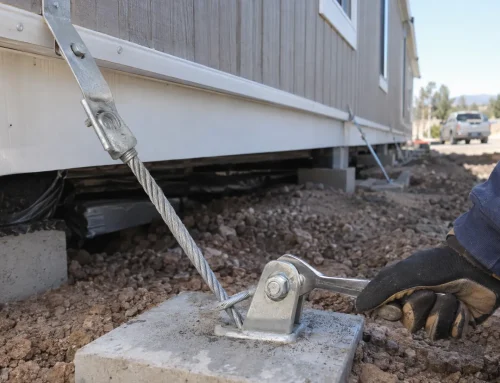
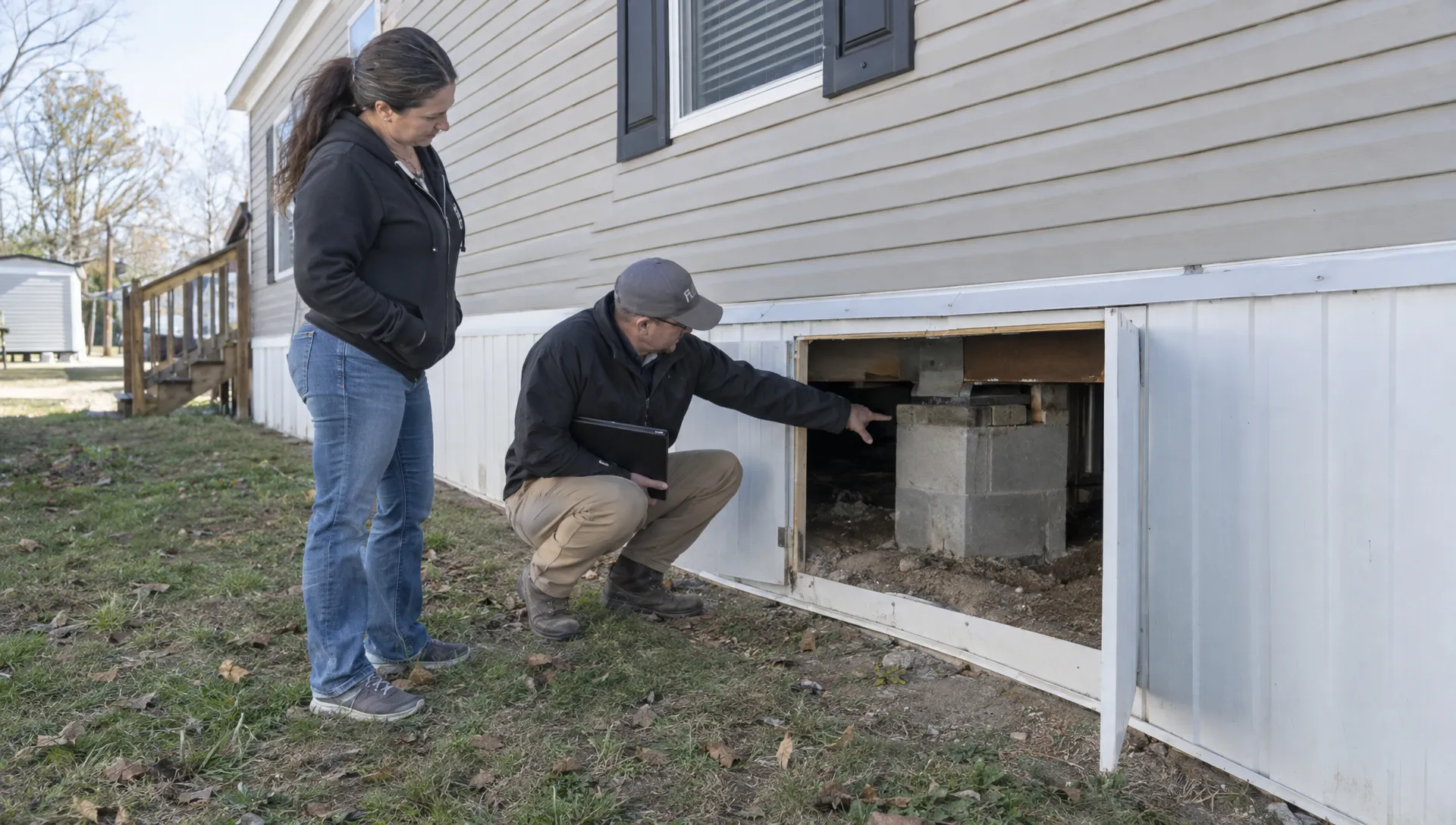
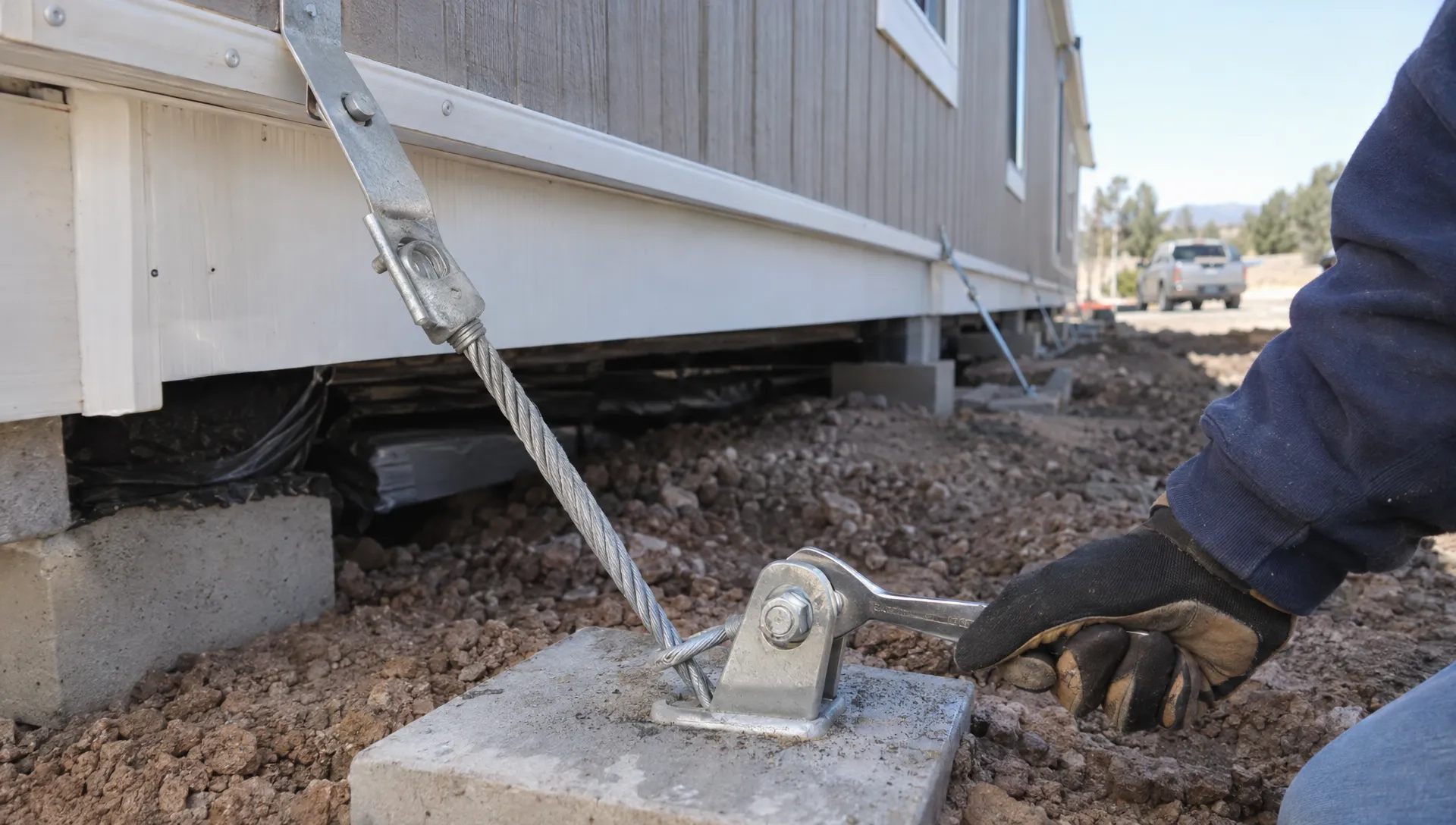
| Acceptable installation | The home must be installed according to applicable FHA, HUD, manufacturer, state, and local requirements | Poor installation can affect safety, appraisal, insurability, and loan approval |
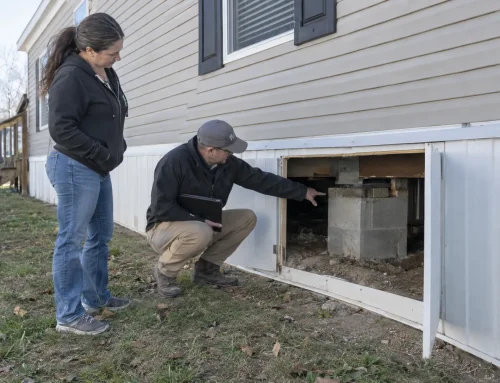
| Foundation standards | Title II generally requires a permanent foundation that meets FHA standards | This is one of the most common issues for manufactured home mortgages |
| Property classification | For Title II, the home and land usually need to be treated as real property | If the home remains personal property, a different loan structure may be needed |
| Appraisal and condition | The home must meet FHA minimum property standards and be acceptable to the lender | Repairs, safety issues, missing utilities, or site problems can delay closing |
HUD’s Single Family Housing Policy Handbook is the core reference lenders use for FHA property and borrower standards. Buyers do not need to memorize the handbook, but they should work with a dealer and lender who understand how manufactured housing files are reviewed.
Does FHA allow used single wides?
It can, but used single wides are more complicated than new homes. A lender may need to verify the home’s original installation history, HUD labels, data plate, title records, foundation, and current condition. A home that has been moved from one installed site to another can be difficult or impossible to finance with certain FHA mortgage structures.
For many buyers, a new single wide is simpler because the documentation is cleaner and the installation can be planned around the financing requirements from the start. If you are considering a pre-owned home, ask the lender early whether that exact home and site setup can qualify. Do not wait until after you have paid for inspections, moving arrangements, or site work.
Common reasons an FHA single wide loan gets denied or delayed
FHA manufactured home loans are very detail-driven. A denial is not always about the buyer’s credit. Often, it is about the home or site not matching the loan program.
Common problems include missing HUD labels, an unavailable data plate, unclear Texas title history, a home that was built before HUD Code standards, an installation that does not meet lender requirements, or a foundation that cannot be certified for Title II financing. Other issues may include zoning conflicts, floodplain concerns, incomplete utilities, septic problems, community restrictions, or an appraisal that comes in lower than expected.
The best way to avoid these problems is to choose the financing path before choosing the home. If the goal is FHA, the home model, installation plan, land status, and lender requirements should all line up before you sign a purchase agreement.
San Antonio and Texas factors to check before applying
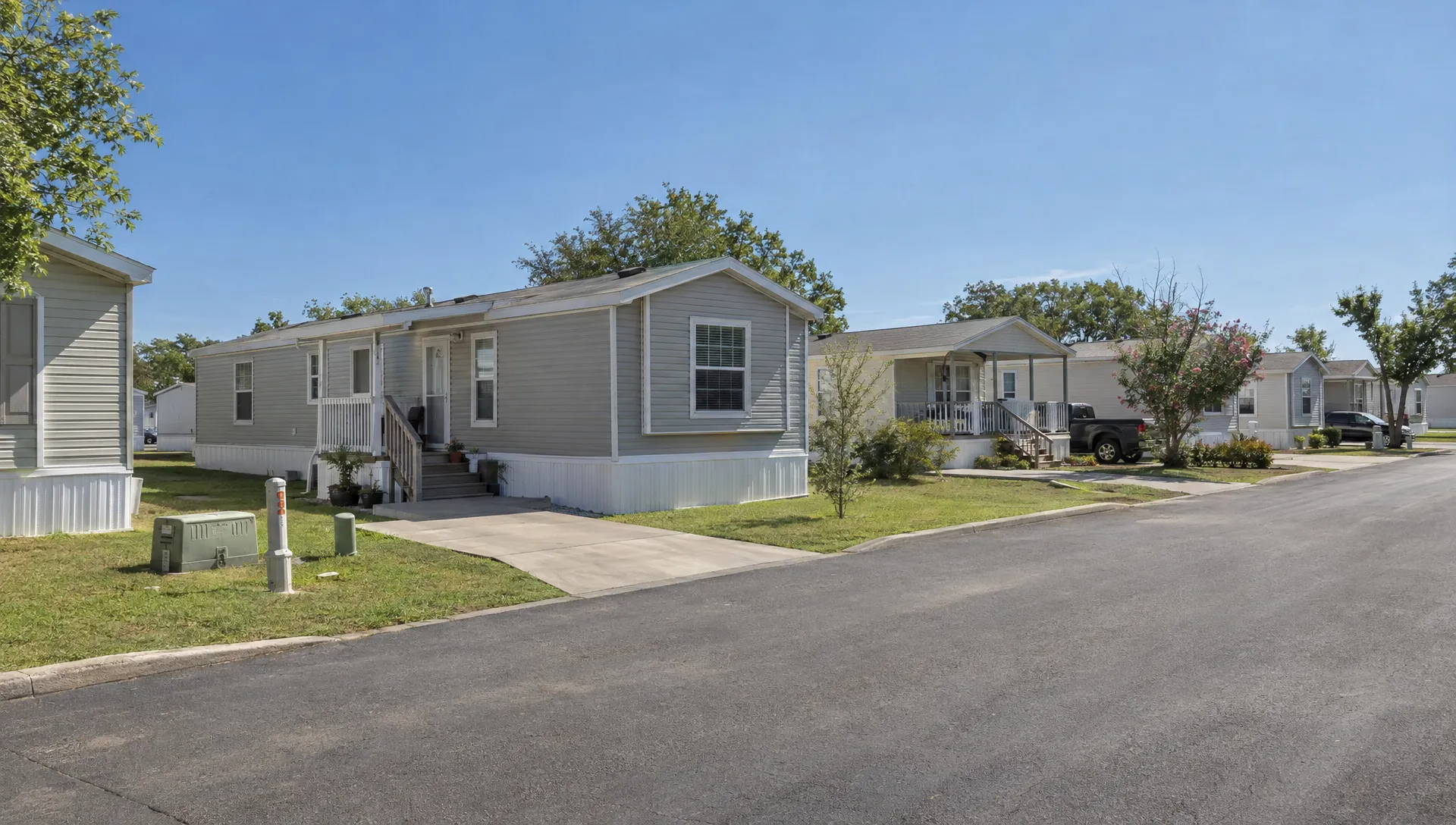
In the San Antonio area, the home itself is only part of the approval picture. Where the home will be placed matters just as much. A single wide going into a manufactured home community has different financing and approval questions than a single wide being placed on private land outside the city.
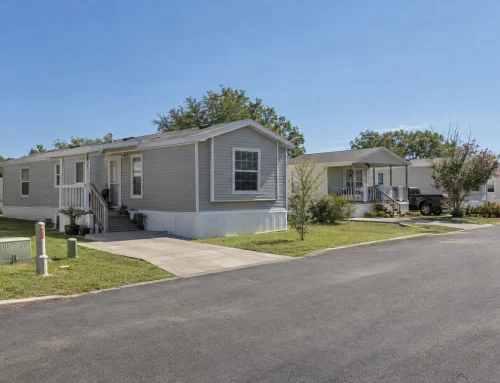
If you are buying land, review zoning, deed restrictions, floodplain status, driveway access, utilities, septic requirements, and local permitting. If you are buying into a community, review lot rent, lease terms, home age rules, skirting requirements, parking, pet rules, and whether the community works with your intended financing type.
Texas also has manufactured housing title and ownership records that need to be handled correctly. Buyers should confirm whether the home will be treated as personal property or converted to real property, because that affects financing options. For FHA Title II, the real-property structure is especially important.
Homes2Go San Antonio helps buyers compare home models, floor plans, communities, and financing paths. If you are still deciding between land and a community, you may also find it helpful to read our land and home packages guide or our mobile homes in San Antonio buyer guide.
Borrower requirements still matter
Even if the single wide qualifies, the buyer must qualify too. FHA lenders generally review credit history, income stability, debt-to-income ratio, employment, down payment funds, and the buyer’s ability to afford the full monthly payment.
For FHA purchase loans, a lower down payment may be available for qualified borrowers, but that does not mean every buyer or every property will be approved. Lenders may also have their own overlays, which are extra requirements beyond FHA’s minimums. Manufactured home loans can be more specialized, so it is wise to compare lenders that regularly handle FHA manufactured housing.
When budgeting, do not focus only on the home price. Your monthly cost may include principal and interest, mortgage insurance, property taxes, homeowners insurance, lot rent if applicable, community fees, utilities, and maintenance. In South Texas, energy efficiency should also be part of the payment conversation because cooling costs can affect affordability during long hot seasons.
Step-by-step: how to buy a single wide with FHA in 2026
A smooth FHA single wide purchase usually follows a clear order. The goal is to prevent mismatches between the home, the land, and the loan.
- Talk to an FHA-approved lender with manufactured home experience first: Ask whether they offer Title I, Title II, or both, and describe whether you plan to buy land, use leased land, or move into a community.
- Choose the right loan path before choosing the home: A single wide in a community may need a different financing approach than a single wide permanently installed on owned land.
- Select a HUD-code home model: Confirm the home’s size, HUD compliance, floor plan, energy features, and documentation before moving forward.
- Confirm the site: Review community approval, land restrictions, utilities, permits, flood risk, and installation requirements.
- Get a complete payment estimate: Include loan payment, insurance, taxes, mortgage insurance, lot rent, utility estimates, and any site-related costs.
- Prepare for appraisal and inspections: The appraiser and lender will review both property condition and program compliance.
- Finalize title, installation, and closing documents: Make sure the home’s ownership records, foundation documents, and site paperwork match the loan type.
For a deeper look at FHA rules beyond single wides, see our guide to FHA loan guidelines for manufactured homes.
Is FHA always the best loan for a single wide?
Not always. FHA can be a strong option for buyers who need flexible credit guidelines or a lower down payment, but it is not the only manufactured home financing path.
| Financing type | When it may fit | What to watch |
|---|---|---|
| FHA | Buyers seeking flexible qualification and a government-insured option | Property rules can be strict, especially for foundations and real-property status |
| Chattel loan | Home-only purchases, often in communities or on leased land | Rates and terms may differ from mortgage loans |
| Conventional manufactured home loan | Buyers with stronger credit or qualifying land-home purchases | Guidelines vary by lender and investor |
| VA loan | Eligible veterans, service members, and surviving spouses | Must meet VA and lender manufactured home requirements |
| USDA loan | Eligible rural-area buyers with qualifying income and property | Location and income limits apply |
Homes2Go San Antonio works with buyers who are comparing these paths and can help connect you with financing guidance based on your home choice, site plan, and budget. You can start with our manufactured home financing overview to understand the main options.
Practical tips before you shop
If your goal is to use FHA for a single wide, be upfront about that from the beginning. Tell the dealer, lender, and community manager or land seller that FHA financing is part of your plan. This helps everyone check requirements before time and money are spent on a home or lot that may not qualify.
Ask for the floor plan, home specifications, estimated delivery and installation timeline, and any available energy-efficiency details. In San Antonio, features like better insulation, efficient HVAC, tight ductwork, and quality windows can help with comfort and long-term costs. A lower purchase price is helpful, but the best home is the one that fits both your monthly budget and your lifestyle.
Most importantly, do not assume that every single wide advertised for sale is FHA-ready. “Move-in ready” and “FHA eligible” are not the same thing. The safest path is to verify financing, home documentation, site approval, and installation requirements together.
Frequently Asked Questions
Can you buy a single wide with FHA in 2026? Yes. FHA can finance a single wide manufactured home if the borrower, home, installation, and site meet the applicable FHA and lender requirements.
Does FHA require a double wide? No. FHA does not automatically require a double wide. A single wide may qualify if it meets HUD-code manufactured home standards, minimum size rules, condition standards, and the correct foundation or site requirements for the loan type.
Can I use FHA for a single wide in a mobile home park? Possibly, but the loan structure matters. FHA Title I may be more relevant for some leased-land or community situations, while Title II is typically for a home and land financed as real property.
Can FHA finance a used single wide? It may be possible, but used homes require careful review. Missing HUD labels, title issues, prior moves, foundation problems, or condition concerns can prevent approval.
What is the biggest FHA issue with single wides? The biggest issue is often not the width of the home. It is usually documentation, foundation compliance, real-property status, site approval, or whether the lender offers the right manufactured home program.
Should I get preapproved before choosing a single wide? Yes. Preapproval with a lender experienced in manufactured homes helps you understand your budget and avoid choosing a home or site that does not match FHA rules.
Ready to explore FHA single wide options in San Antonio?
Buying a single wide with FHA in 2026 can be realistic, but the details matter. The right home, the right site, and the right lender need to work together from the start.
Homes2Go San Antonio helps buyers compare manufactured home models, review floor plans, explore financing options, and understand community or land-home possibilities in the San Antonio area. If you want an affordable path to homeownership, reach out to Homes2Go San Antonio to discuss your budget, your preferred home style, and the financing route that may fit your situation.
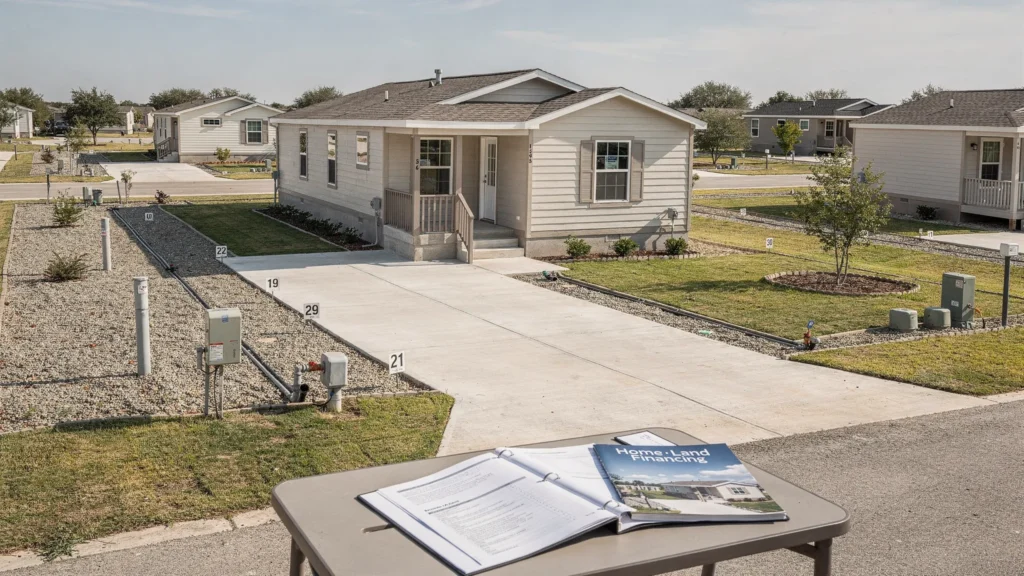 FHA Loan Guidelines for Manufactured Homes in 2026
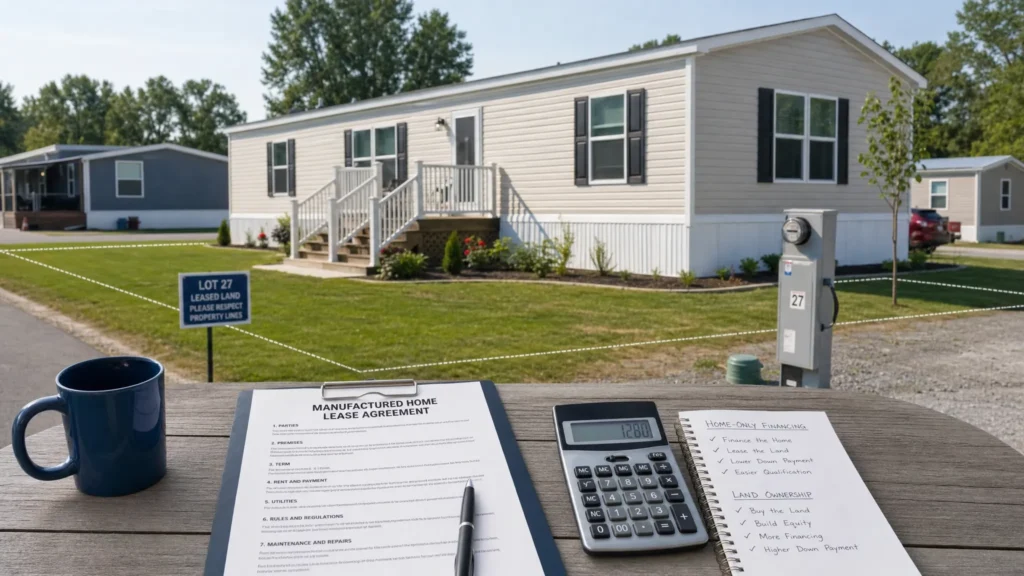 Manufactured Housing Chattel Loans: Pros, Cons, and Fit