
Finding a local manufactured home can feel exciting, especially when you finally see a floor plan that fits your family, budget, and location. But before you sign a purchase agreement, slow down and verify the details that affect your monthly payment, legal ownership, move-in timing, and long-term comfort.
That is especially important in the San Antonio area, where buyers may compare homes in communities, homes placed on private land, and homes sold with land. A listing may look simple online, but the real decision includes financing, delivery, setup, utilities, insurance, and paperwork.
If you are searching for “mobile homes to buy near me,” use this 10-point checklist before you commit.
First, know what you are buying
Many people use the phrase “mobile home” casually, but the industry term for most homes built after June 15, 1976 is manufactured home. These homes are built to the federal HUD Code, which sets construction and safety standards for manufactured housing. You can learn more from HUD’s Manufactured Housing Program.
In Texas, manufactured housing paperwork and ownership records are handled through the Texas Department of Housing and Community Affairs Manufactured Housing Division. Before you sign, make sure the home, seller, and documents all match.
For a broader Texas-specific overview, Homes2Go’s guide to mobile homes in TX is a helpful companion to this pre-sign checklist.
| Check | Why it matters | What to verify before signing |
|---|---|---|
| Home identity | Confirms the exact unit you are buying | Year, make, model, size, serial number, HUD label |
| Seller authority | Protects you from title or ownership issues | Dealer license, owner records, lien status |
| Total cost | Prevents surprise expenses | Delivery, setup, permits, utilities, insurance, lot rent |
| Financing | Determines long-term affordability | APR, term, down payment, fees, conditions |
| Placement | Controls whether you can legally live there | Land rules, community approval, permits, access |
1. Confirm the home’s identity
Do not rely only on photos, brochures, or a verbal description. Confirm the exact home you are buying.
Ask for the year, manufacturer, model name, size, floor plan, and serial number. If the home is already built, look for the HUD certification label on the exterior and the data plate inside the home, often found in a cabinet, closet, utility area, or electrical panel area.
This step matters because two homes can look similar but differ in insulation, layout, included options, construction year, energy features, and value. If you are comparing several local models, the exact identity of the home helps you compare fairly instead of choosing based on the lowest advertised price.
2. Verify the seller and ownership documents
Before money changes hands, confirm that the person or company selling the home has the legal right to do so.
If you are buying from a retailer, ask who will be listed on the purchase agreement and who will handle the Texas manufactured housing documents. If you are buying a used home from a private seller, be extra careful. Confirm the seller’s identity, the home’s ownership record, and whether there are any liens that must be released before ownership can transfer.
In Texas, manufactured homes generally use a Statement of Ownership rather than a traditional vehicle-style title. The information on the paperwork should match the home you toured, including serial numbers and identifying details.
Red flags include pressure to pay cash immediately, missing ownership documents, a seller who refuses to meet in person, or a price that seems far below the local market without a clear reason.
3. Calculate the real total cost, not just the home price
A manufactured home’s advertised price is only one part of the total cost. Before signing, ask for a written breakdown of what is included and what is not.
Your total cost may include:
- Home purchase price
- Delivery and setup
- Foundation or anchoring work
- Steps, skirting, decks, or accessibility features
- Utility connections
- Permits and inspections
- Community deposits or lot rent
- Insurance
- Taxes, closing costs, or lender fees
The goal is not to avoid every extra cost. Many of these items are normal and necessary. The goal is to know the full number before you agree to the purchase.
A good rule of thumb is to compare homes by estimated move-in cost and monthly cost, not just sticker price. A lower-priced home may become more expensive if delivery, land preparation, utility tie-ins, or lot fees are not included.
4. Review financing terms before falling in love with the floor plan
Financing can affect your final decision as much as the home itself. Ask for clear numbers before you sign a purchase agreement.
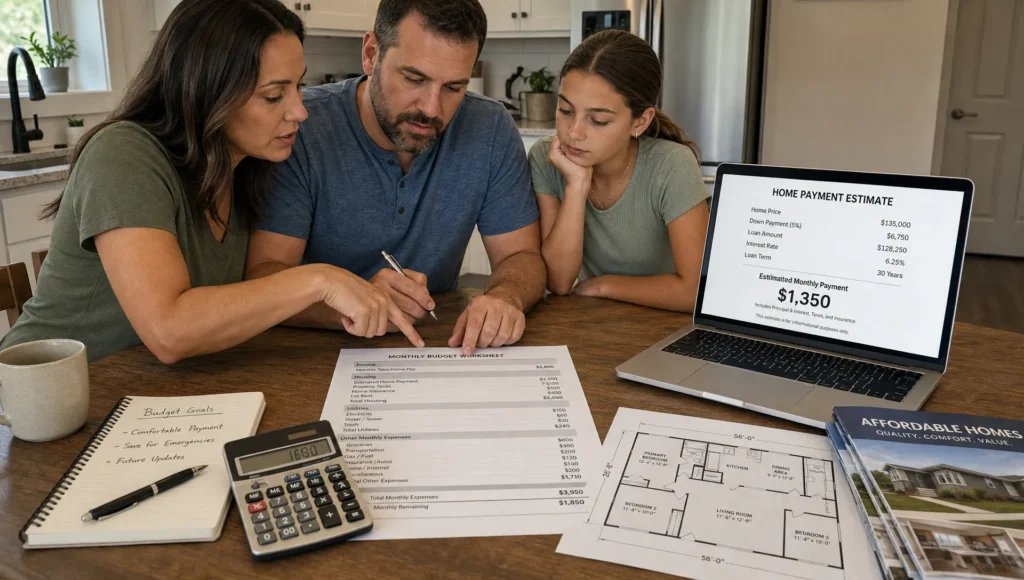
You should understand the down payment, interest rate, term length, estimated monthly payment, required insurance, lender fees, and whether the approval is final or conditional. If the home is going into a community, ask whether lot rent is included in the payment estimate or paid separately.
Manufactured home financing can vary depending on whether you are buying the home only, buying a home with land, or placing the home on land you already own. Some buyers may use personal property financing, while others may qualify for land-home financing. The right path depends on your credit, income, land situation, and lender requirements.
Homes2Go San Antonio works with buyers who need guidance through the process, including flexible financing options and access to local lending resources. Still, you should read every financing document carefully and ask questions until the payment structure is clear.
5. Confirm where the home will be placed
A beautiful home is not enough. It also needs a legal and practical place to go.
If you plan to place the home on private land, verify zoning, deed restrictions, setbacks, floodplain issues, driveway access, utility availability, and permit requirements. Rules can vary depending on whether the property is inside city limits, in an extraterritorial jurisdiction, or in an unincorporated county area.
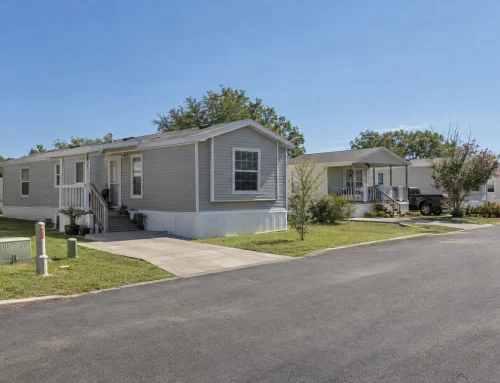
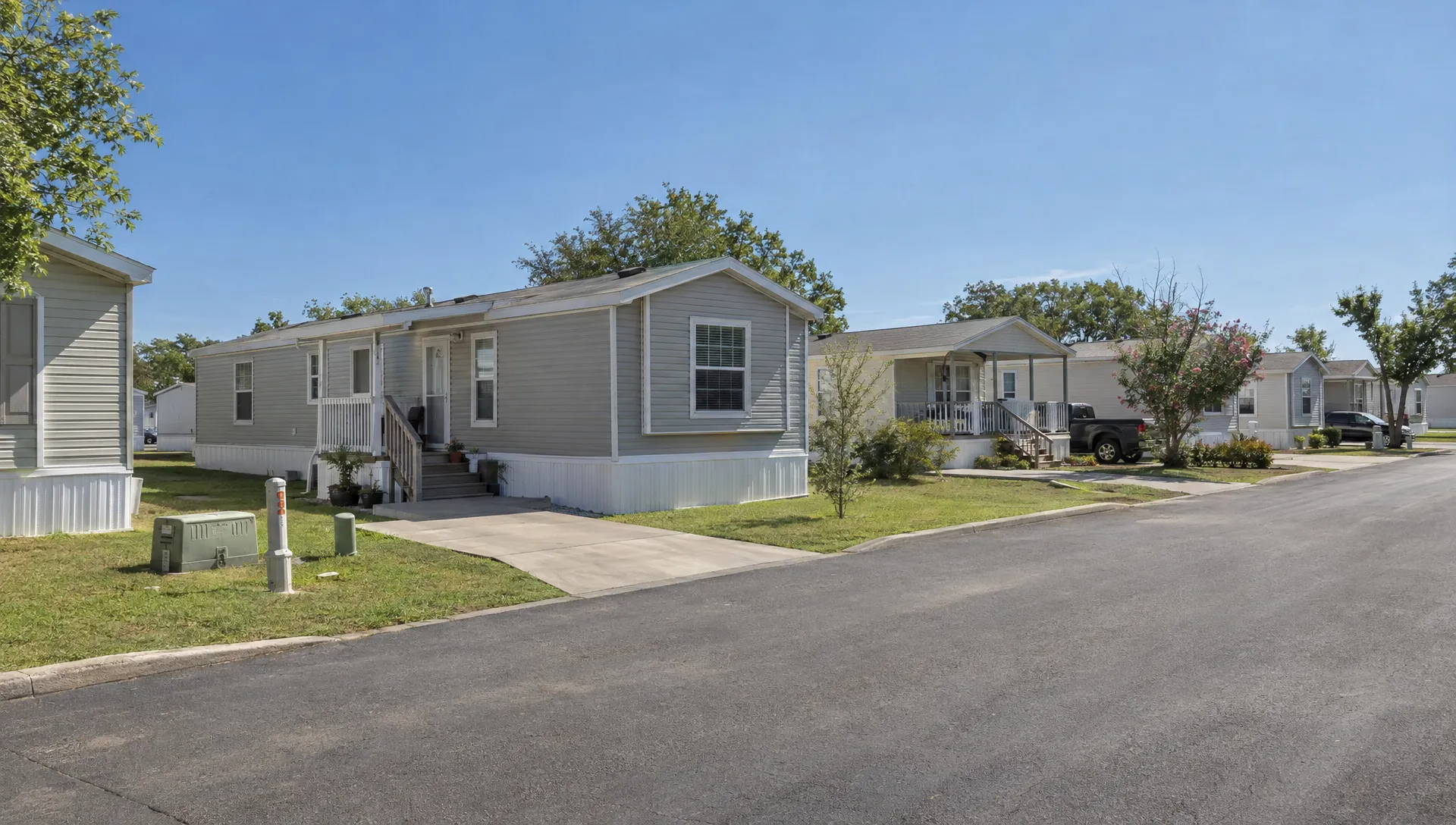
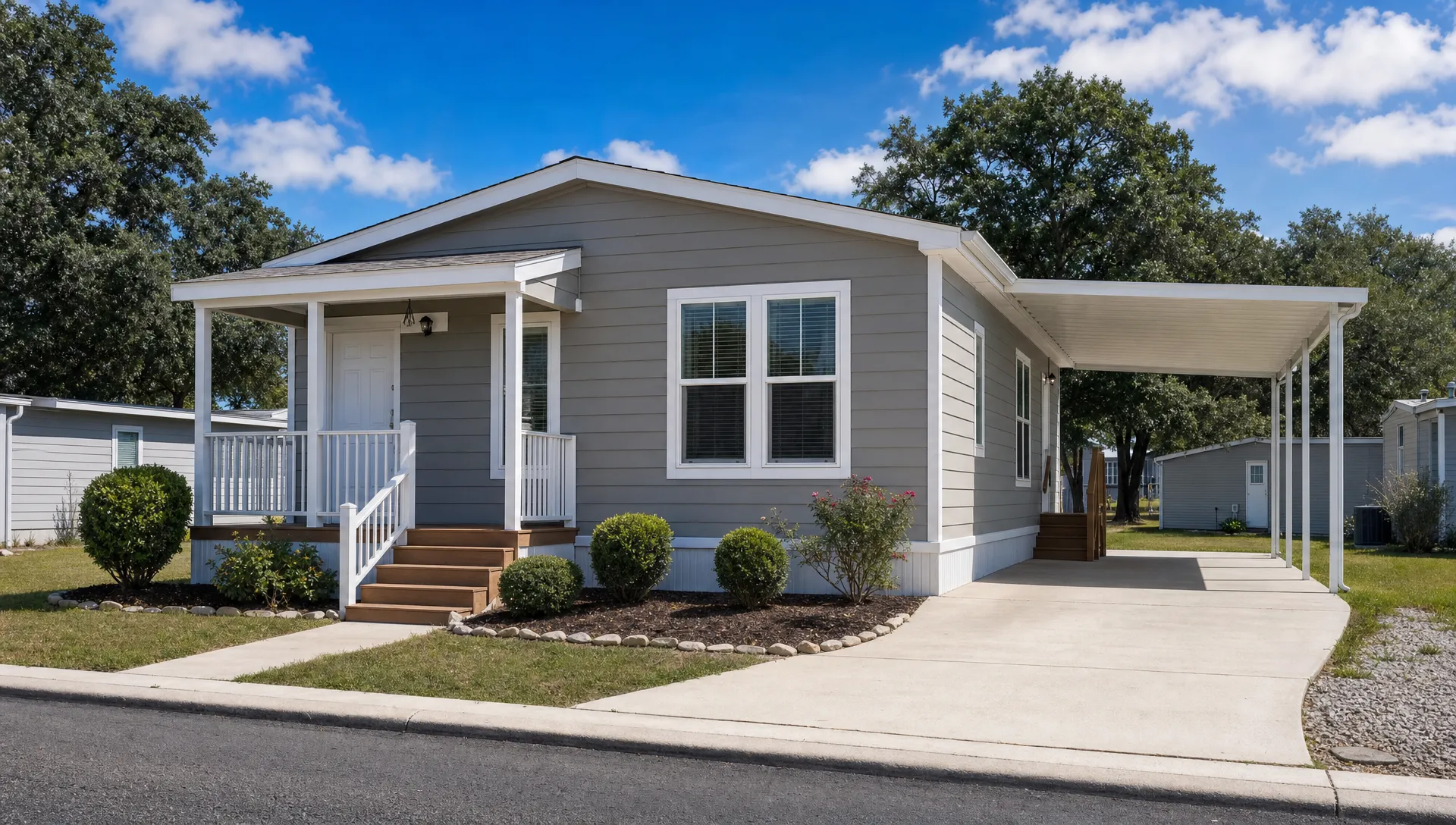
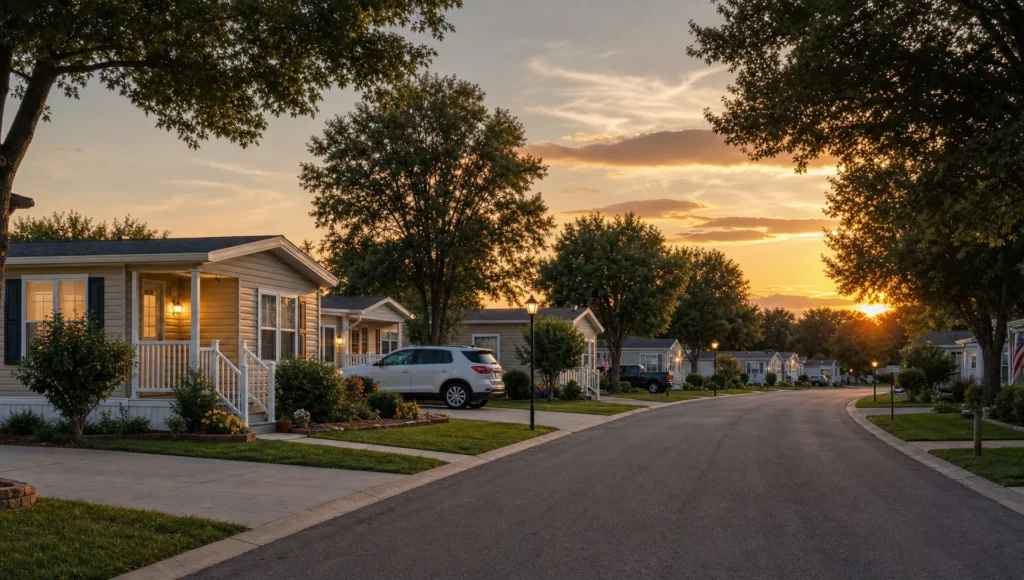
If you plan to live in a manufactured home community, review the community approval process before signing for the home. Ask about lot rent, lease terms, rent increase policies, pet rules, parking, guest rules, maintenance expectations, and what happens if you later sell the home.
If a low lot rent offer is part of the appeal, review Homes2Go’s guide to mobile homes with cheap lot rent so you know what to verify beyond the monthly number.
6. Inspect the home’s condition carefully
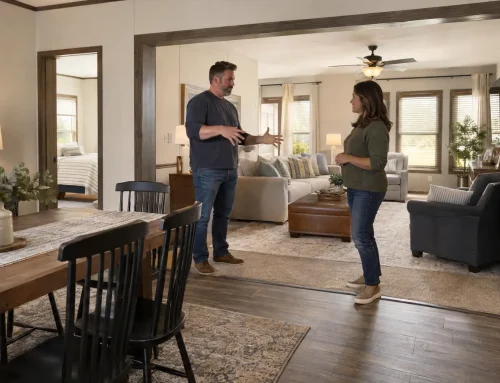
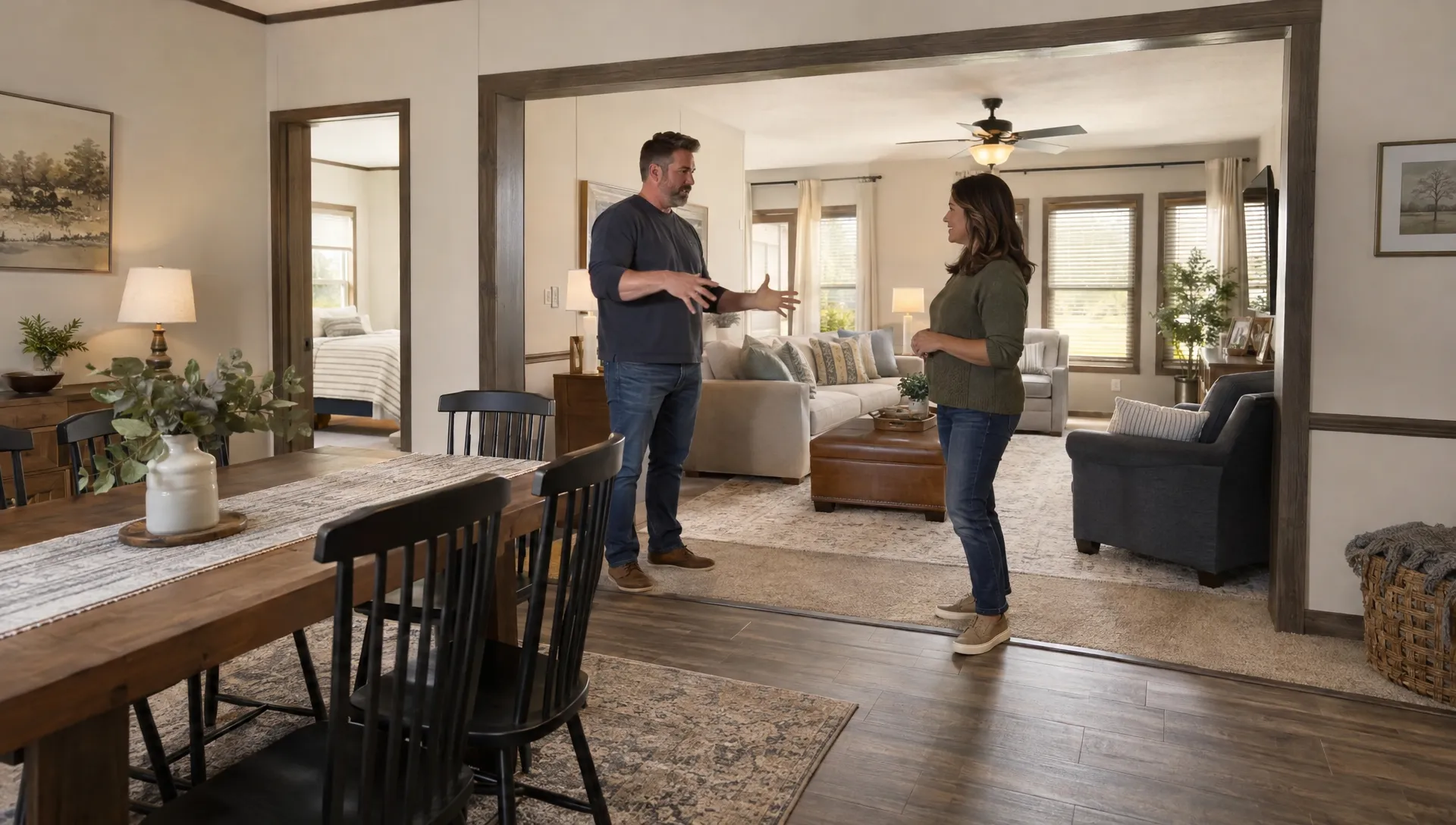
For a new manufactured home, your inspection should focus on confirming that the delivered home matches the agreed floor plan, options, finishes, appliances, and condition. Walk through slowly and document anything that needs correction before move-in.
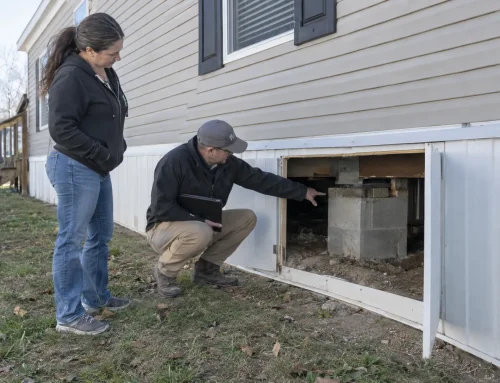
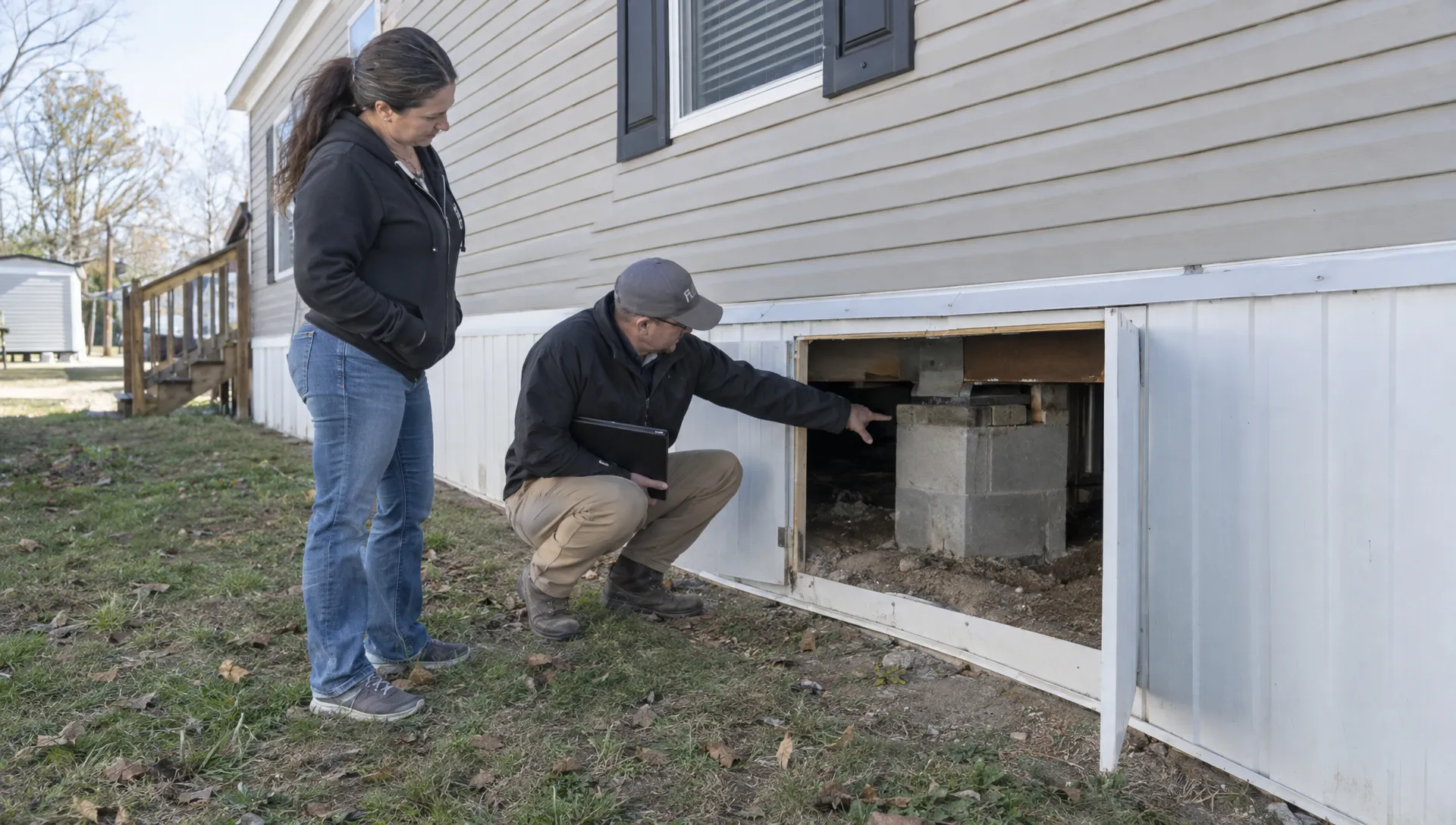
For a used home, the inspection should be more detailed. Pay close attention to water damage, soft floors, roof condition, plumbing, electrical panels, HVAC performance, windows, doors, subflooring, insulation, skirting, and signs of pest activity.
If you are not confident evaluating these items yourself, consider hiring an inspector familiar with manufactured homes. A standard visual tour is not the same as a condition inspection. Small issues can become expensive if they involve moisture, structural support, electrical work, or plumbing.
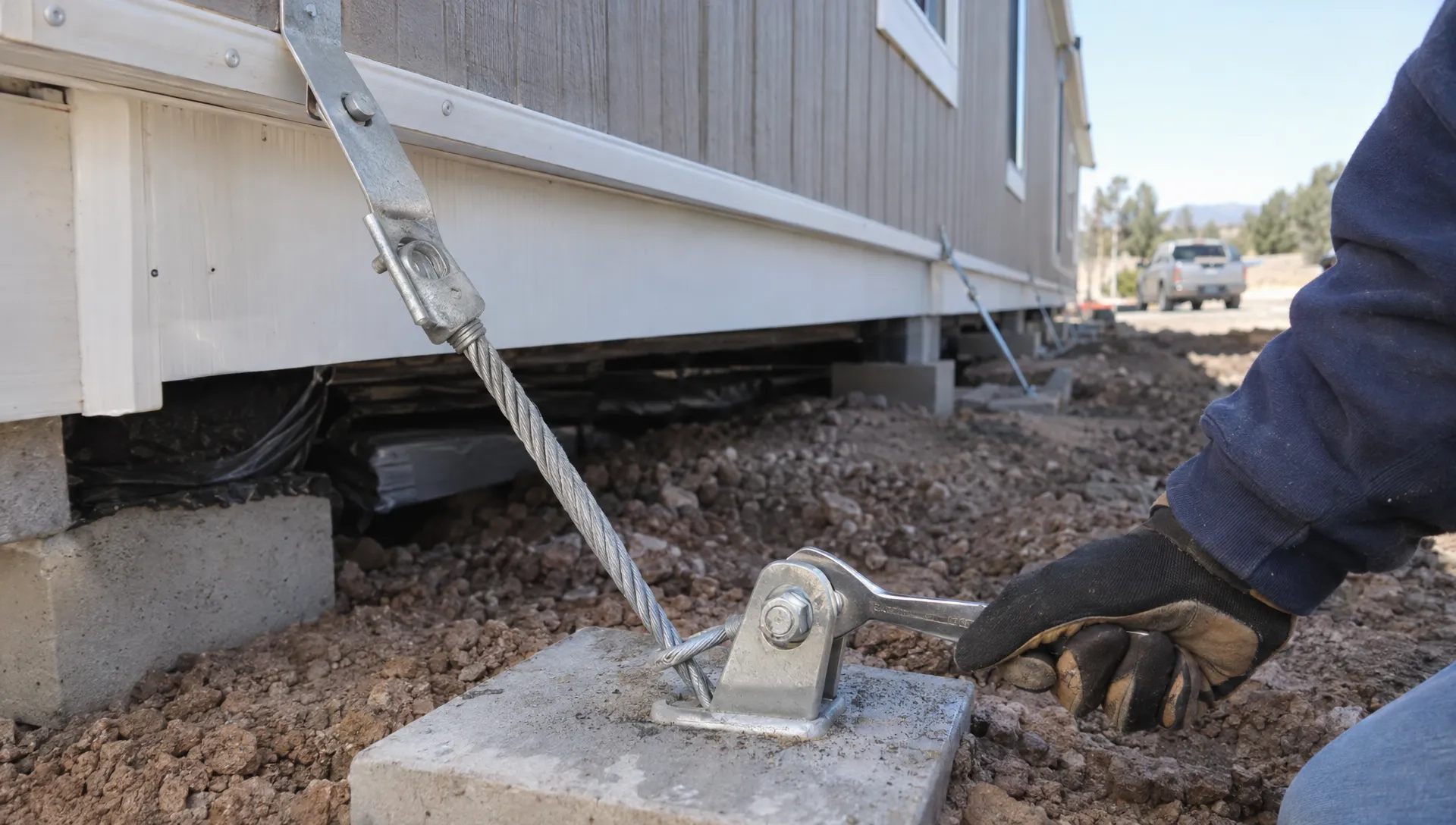
7. Ask who handles delivery, installation, and anchoring
Delivery and installation are not minor details. They affect safety, warranty coverage, timeline, and whether the home passes required inspections.
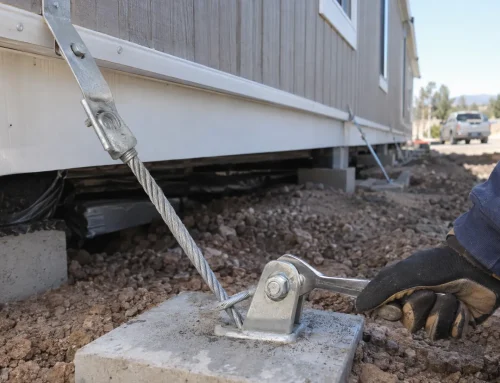
Ask who is responsible for transporting the home, preparing the site, setting the home, leveling it, anchoring it, connecting utilities, adding skirting, and scheduling inspections. Also ask what happens if weather, site access, road conditions, or permit delays affect the schedule.
For private land, make sure the route to the site can handle the home’s delivery. Narrow roads, low tree branches, tight turns, soft ground, steep driveways, and limited clearance can all create problems. It is better to identify access issues early than after the home is already on its way.
8. Verify utilities and monthly operating costs
Utilities can change both your move-in timeline and your monthly budget. Before signing, confirm what services are available and what upgrades may be needed.
For private land, ask about electric service, water source, septic or sewer, gas or propane, trash service, internet availability, and drainage. If septic is needed, confirm whether the existing system is approved for the home size and bedroom count. If a new system is required, get estimates before committing.
For a community, ask which utilities are included in lot rent and which are billed separately. Some communities bill water, sewer, trash, or other services in addition to lot rent. You want a realistic monthly estimate, not a best-case number.
Also check flood risk before buying land or placing a home. FEMA’s Flood Map Service Center can help you start the research, but local officials, surveyors, insurers, and lenders may also have requirements.
9. Get warranty and repair promises in writing
Verbal promises are easy to misunderstand. Written terms protect both the buyer and the seller.
Ask what warranties apply to the home, appliances, installation, and any included improvements. Clarify who handles warranty claims, how repairs are requested, what is excluded, and whether there are deadlines for reporting issues after delivery or move-in.
If the seller promises to repair something, include it in writing before signing. The agreement should state what will be repaired, who will do the work, when it will be completed, and whether completion is required before closing, delivery, or move-in.
This is especially important for used homes. A seller may say, “We will fix that,” but unless the repair is documented, you may have little leverage later.
10. Read the contract slowly before you sign
The final contract should match everything you have been told. Do not rush this step, even if the home seems perfect.
Review the buyer names, seller names, home description, serial number, purchase price, included features, delivery address, installation responsibilities, financing conditions, estimated dates, deposits, cancellation terms, fees, and required approvals.
Look for blank spaces, vague language, missing attachments, or terms that conflict with what you were told. If something matters to your decision, it should be in the agreement.
It is also smart to keep copies of everything, including the signed contract, floor plan, option sheet, financing documents, receipts, community paperwork, warranty details, and all written communications.
Local buying tip: compare more than one path
Some buyers focus only on homes already placed in communities. Others want a home on private land. Some are open to either option if the monthly payment works.
Before you sign, compare at least two realistic paths side by side. For example, compare a home in a community against a home placed on land you own or plan to buy. Include financing, lot rent or land payment, insurance, utilities, commute, school access, maintenance, and long-term resale flexibility.
If you are still early in your search, Homes2Go’s guide on how to shop mobile trailer homes for sale locally can help you organize the comparison before narrowing your options.
Frequently Asked Questions
Is buying a mobile home locally better than buying from an online listing? Buying locally can make it easier to tour homes, compare floor plans, verify the seller, understand delivery costs, and get guidance on San Antonio-area placement options. Online listings can be useful for research, but you should still verify the home and paperwork in person before signing.
What documents should I ask for before buying a manufactured home in Texas? Ask for the purchase agreement, home identification details, serial number, ownership documentation, lien information, financing documents, warranty terms, community lease if applicable, and written estimates for delivery, setup, and utilities.
Can I buy a manufactured home if I do not own land? Yes, many buyers place homes in manufactured home communities where they lease the lot. Before signing, confirm community approval, lot rent, lease terms, rules, utility billing, and whether the specific home is accepted by the community.
Should I inspect a new manufactured home before moving in? Yes. Even with a new home, you should confirm that the delivered home matches the agreement and document any cosmetic, installation, appliance, or finish issues before move-in.
What is the biggest mistake buyers make before signing? The biggest mistake is focusing only on the home price instead of the full move-in cost and monthly cost. Delivery, setup, financing, insurance, utilities, lot rent, and permits can all affect affordability.
Ready to compare local manufactured homes?
A smart purchase starts with the right questions. Before you sign, verify the home, the seller, the financing, the placement plan, and every cost that affects your monthly budget.
If you are looking for affordable manufactured homes in the San Antonio area, Homes2Go San Antonio can help you compare available models, review floor plans, explore financing options, and move through the buying process with local guidance.
 How to Choose the Right Mobile Home Neighborhood
 Is a Double Wide Modular Home Right for Your Budget?