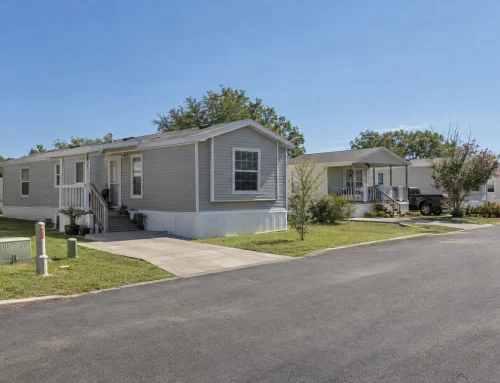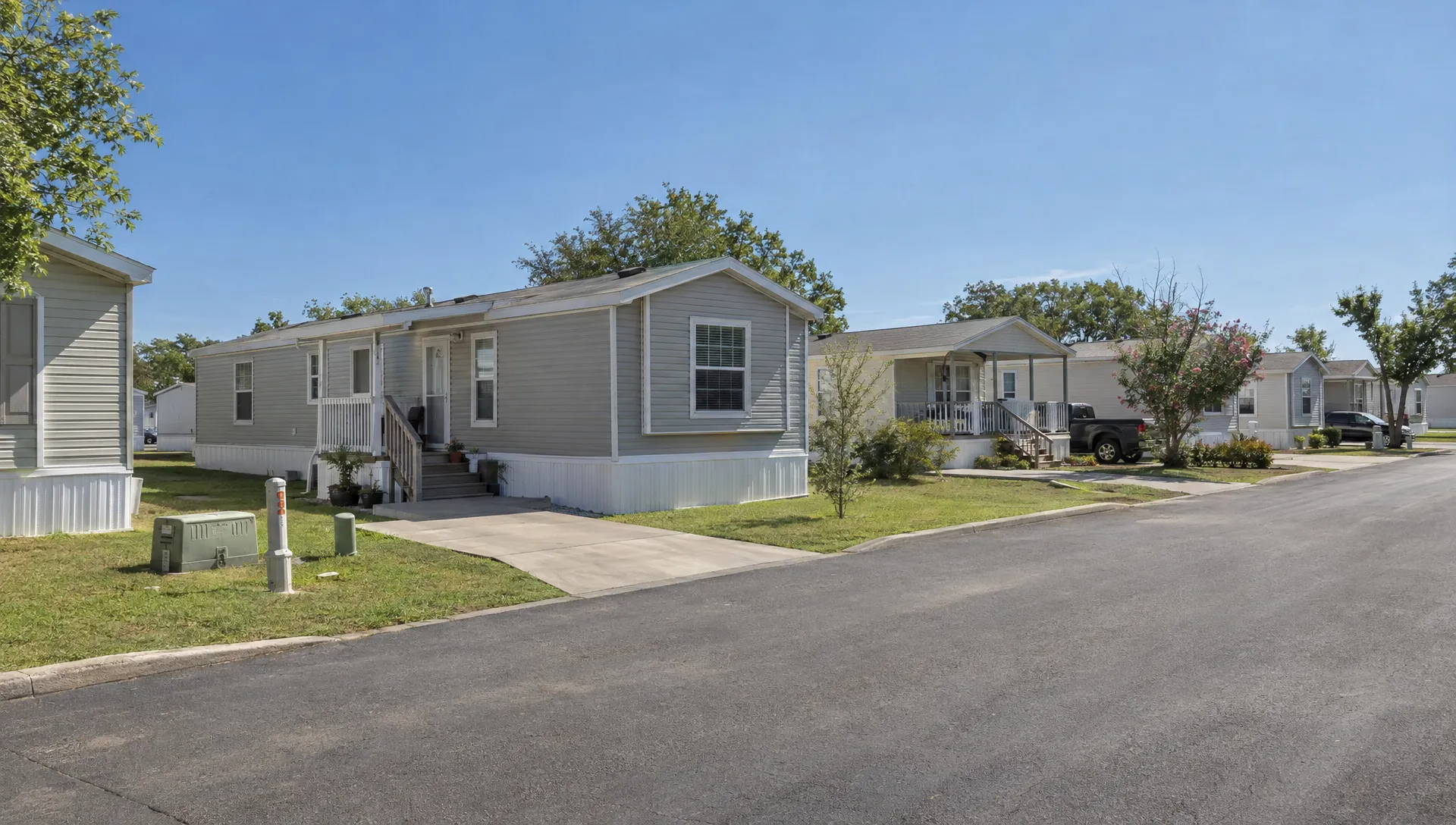

Finding mobile homes with cheap lot rent can be a smart path to more affordable homeownership, especially in a market where apartment rents and site-built home prices can stretch a household budget. But low lot rent is only a good deal if the full agreement holds up under scrutiny.
The monthly number on a listing rarely tells the whole story. A community may advertise attractive lot rent, but the real cost can change once you add utilities, trash, lawn care, pet fees, application fees, insurance, home financing, move-in charges, and future rent increases. The right question is not just “How cheap is the lot rent?” It is “What exactly am I paying for, what can change, and what obligations come with this lot?”
Below is a practical verification checklist for San Antonio-area buyers and renters before you commit to a mobile home lot, manufactured home community, or rent-to-own arrangement.
Start with the setup: are you renting the lot, the home, or both?
Before comparing prices, confirm the structure of the deal. Many misunderstandings happen because “mobile home rent” and “lot rent” get used interchangeably, even though they can mean very different things.
In one arrangement, you own or finance the manufactured home and rent the land underneath it. In another, you rent both the home and the lot from a landlord or community. In a third, you may be looking at a lease-purchase or rent-to-own setup where part of your payment may or may not apply toward ownership.
Modern manufactured homes are built to federal construction and safety standards under the HUD Code, and HUD explains the manufactured housing program for buyers who want to understand the regulatory side. In everyday searches, people still use “mobile home,” but the paperwork should be specific about what type of home is involved and who owns what.
Ask for the arrangement in writing. If the listing says “cheap lot rent,” verify whether that amount includes only land use or whether it includes anything else, such as trash service, water, sewer, or community amenities.
Verify the total monthly cost, not just the advertised lot rent
Cheap lot rent can become less affordable if the required add-ons are high. Before you apply, ask for a written monthly cost sheet. If the community or owner cannot provide one, slow down.
Here is what to verify first:
| Cost item | What to ask | Why it matters |
|---|---|---|
| Base lot rent | What is the current monthly lot rent? | This is only the starting point, not the full cost. |
| Utilities | Are water, sewer, electric, gas, or trash included? | Separate billing can significantly change your monthly budget. |
| Community fees | Are there amenity, maintenance, parking, gate, or admin fees? | Small recurring fees add up over a year. |
| Home payment | If buying, what is the separate loan or purchase payment? | Lot rent plus home payment is your real housing cost. |
| Insurance and taxes | Who pays insurance and any applicable taxes? | Ownership usually brings extra responsibilities. |
| Move-in charges | What are the deposits, application fees, and setup costs? | A low monthly payment may still require a large upfront amount. |
| Late fees | What happens if rent is late? | Strict fee schedules can make a tight budget riskier. |
This is also where you should compare communities on the same basis. One park may have lower lot rent but charge separately for more services. Another may look more expensive but include more in the monthly amount. If you are comparing several options, Homes2Go’s guide to local mobile home parks with fees, rules, and red flags can help you evaluate the bigger picture.
Confirm the lease term and rent increase policy
A low lot rent today does not guarantee low lot rent next year. Ask for the lease term, renewal rules, and rent increase policy before you fall in love with a home or community.
In Texas, manufactured home community tenancies are addressed under Texas Property Code Chapter 94. That does not mean every situation is simple, and this article is not legal advice, but it does mean written terms and notices matter. You should know what the lease says before signing or moving a home onto a lot.
Important questions include:
- Is the lease month-to-month, annual, or another term?
- How much notice is required before a rent increase?
- Are increases capped, scheduled, or based on management discretion?
- What happens when the lease expires?
- Can the community change rules during your lease term?
- What are the reasons the lease can be terminated?
If you plan to buy the home, the lease term matters even more. Moving a manufactured home can be expensive and complicated. A short or unstable lot lease can create risk if you are financing the home but do not have long-term confidence in the location.
Review community rules before you commit emotionally
The cheapest lot in a great location may still be a poor fit if the rules conflict with your lifestyle. Manufactured home communities often have rules about parking, pets, visitors, exterior improvements, noise, lawn care, home appearance, fencing, sheds, and occupancy.
Do not rely on a verbal summary. Ask for the current community rules in writing, then read them before applying. Pay special attention to rules that affect daily life.
For example, if your household has multiple vehicles, parking rules may be just as important as rent. If you own a dog, breed restrictions or pet fees could decide whether the home works. If you work on vehicles, run a home-based business, or have frequent guests, confirm those activities are allowed.
A community that is strict about upkeep is not necessarily bad. Clear standards can protect the appearance and stability of the neighborhood. The issue is whether the rules are clear, reasonable, consistently enforced, and compatible with how you live.
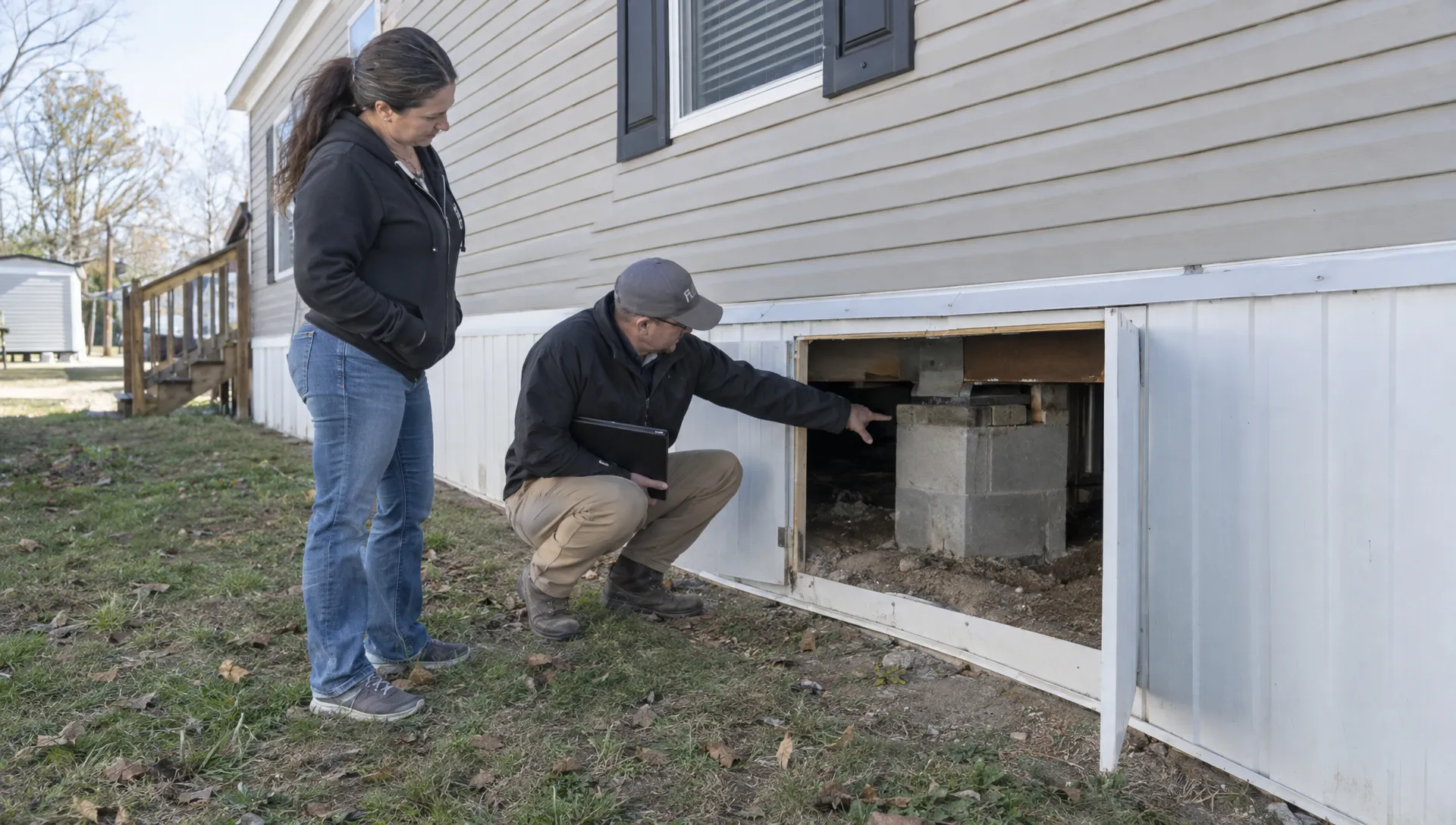
Inspect the lot itself, not only the home
When people tour mobile homes with cheap lot rent, they often focus on the kitchen, bathrooms, flooring, and bedroom sizes. Those matter, but the lot deserves just as much attention.
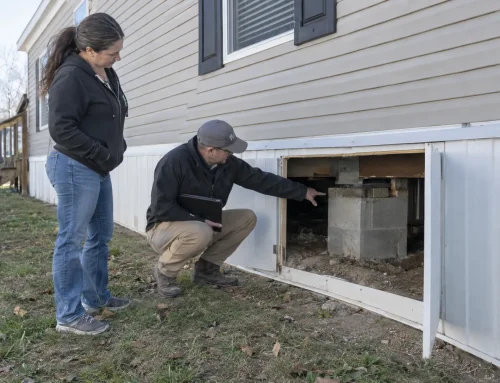
Look at drainage first. In San Antonio and surrounding areas, heavy rain can reveal problems that are not obvious on a dry day. Check whether water appears to flow away from the home site, whether the lot sits lower than neighboring areas, and whether there are signs of standing water, erosion, or soft ground.
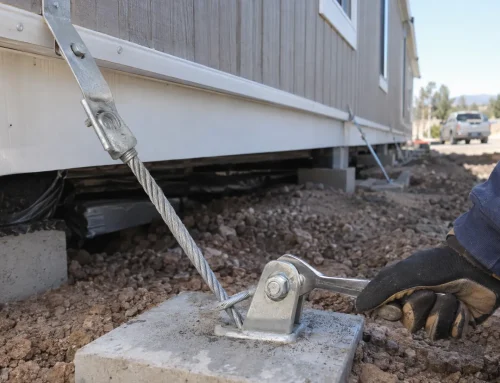
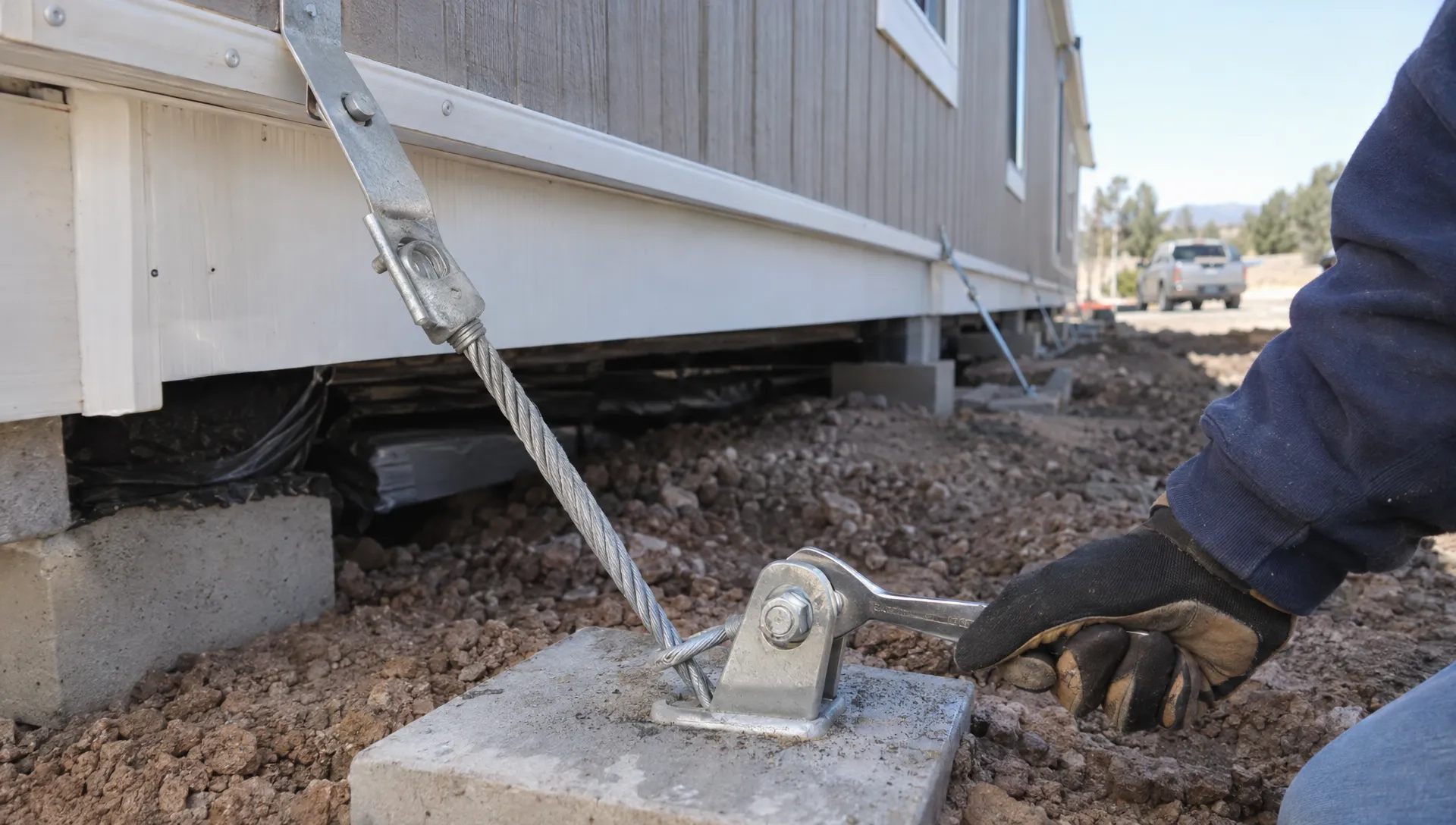
Also check the driveway, steps, skirting, utility hookups, and space around the home. If you are bringing in a home, ask whether the lot is approved for the size and type of home you want. A single-wide and double-wide may have different space, setback, utility, and installation requirements.
For a more complete tour approach, use the questions in this guide to mobile home courts and what to ask during a visit. The goal is to leave the tour with facts, not guesses.
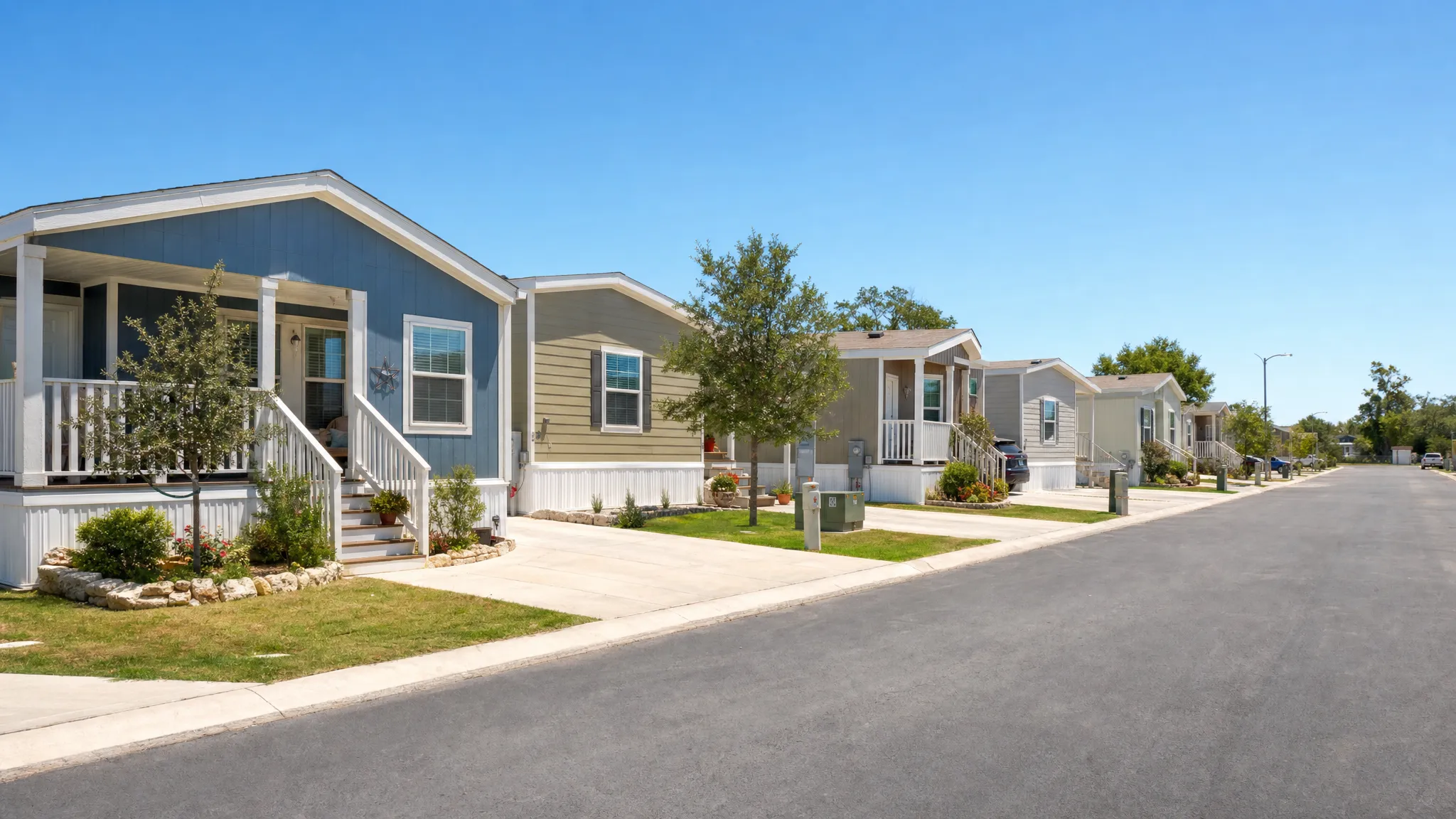
Check utility responsibility and billing method
Utilities are one of the biggest hidden cost areas in low lot rent communities. A listing may advertise a low rent amount because utilities are billed separately. That is not automatically a problem, but you need to know the billing method.
Ask whether water and sewer are individually metered, submetered, or included in lot rent. Ask how trash service is handled. If propane, gas, or electric service is separate, confirm the provider and whether you must set up your own account.
You should also ask about utility deposits and connection fees. If a home has been vacant, services may need to be reconnected. If you are moving a home onto a lot, utility setup can involve inspections, permits, or contractor work. Never assume the advertised lot rent includes utility readiness.
If possible, ask for a realistic range of typical utility costs for a similar home size. The exact amount will depend on usage, weather, insulation, HVAC condition, and household size, but a reasonable estimate helps you avoid a budget surprise.
Verify home approval standards and age restrictions
If you already own a manufactured home or are planning to purchase one, confirm that the community will accept it before you spend money on inspections, transport, or deposits.
Communities may have standards related to home age, exterior condition, size, roof type, skirting, steps, decks, and installation. Some may require approval photos or an in-person inspection before allowing the home into the community.
You should also verify whether the community is all-age or age-restricted. For families, this is essential. Do not assume a community allows all household types just because homes are available. Ask directly and get the answer in writing.
If you are buying through a dealer or working with a housing professional, ask them to help match the home to a community that can accept it. This can save time and reduce the risk of choosing a home that does not fit the lot requirements.
Understand application criteria before paying fees
Low lot rent will not help if you cannot qualify for the community. Before paying application fees, ask about the screening process and approval criteria.
Many communities review income, rental history, background, household size, and pet information. Some may require all adults to apply. If you are buying the home and renting the lot, you may need approval from both the home lender and the community.
Ask whether application fees are refundable. In many cases, they are not. Also ask how long approval usually takes and what documents are needed. A legitimate process should be clear enough for you to understand before you pay.
Be cautious if someone pressures you to pay a deposit immediately to “hold” a lot but will not show you the lease, rules, or fee schedule. Urgency is common in competitive housing searches, but pressure without paperwork is a red flag.
Watch for red flags in cheap lot rent listings
A low advertised price should make you curious, not careless. Some cheap lot rent offers are legitimate. Others are cheap because the location, rules, fees, or ownership situation has issues.
Be especially careful if you notice these warning signs:
- The person advertising the home cannot clearly explain who owns the home and who owns the land.
- The lot rent is quoted verbally, but no written fee schedule is available.
- The lease is not available until after you pay a deposit.
- The community rules are vague or “not a big deal” when you ask for them.
- Utility responsibility is unclear.
- The home title, ownership status, or rent-to-own terms are confusing.
- You are told to send money before touring or verifying the property.
- The advertised photos do not match the home or lot you are shown.
If a private owner is involved, take extra steps to verify the arrangement. Homes2Go has a separate guide on cheap mobile homes for rent by owner and how to avoid bad deals that can help you spot common issues before money changes hands.
Ask what happens if you sell, move, or upgrade later
Most people focus on move-in, but exit terms matter too. If you own the home and rent the lot, ask what happens if you decide to sell the home while it remains in the community. Some communities require buyer approval before the home can stay on the lot. Others may have rules about signage, showings, or transfer fees.
If you later want to move the home, ask what notice is required and whether there are any community requirements for removal. Moving a manufactured home is not like moving furniture from an apartment. It may require licensed transport, permits, utility disconnection, and repairs after relocation.
You should also ask whether upgrades are allowed. Decks, carports, sheds, fencing, landscaping, and exterior changes may require written approval. If you hope to improve the lot over time, confirm what is allowed before signing.
Compare cheap lot rent to overall value
Cheap is not always best, and expensive is not always better. The real goal is affordable stability.
A good-value lot usually has clear terms, reasonable rules, safe access, reliable utilities, transparent management, and a location that works for your daily routine. It should also match the home you want and the way your household lives.
When comparing options, consider commute times, school needs, nearby shopping, medical access, road conditions, community upkeep, and long-term affordability. A slightly higher lot rent may be worth it if it reduces utility uncertainty, improves location, or offers better stability. A lower lot rent may be a great find if the paperwork is transparent and the community is well managed.
The best decision is usually the one where the numbers and the rules both make sense.
Quick verification checklist before signing
Before you commit to a mobile home lot with cheap rent, make sure you can answer each of these questions with confidence:
- What exactly is included in the lot rent?
- What fees are charged monthly, yearly, or at move-in?
- How long is the lease, and how can rent increase?
- Who pays each utility, and how is billing handled?
- Are the community rules available in writing?
- Is the lot suitable for the home size and type?
- What are the application criteria and approval steps?
- Are pets, parking, visitors, and exterior additions allowed?
- What happens if you sell, move, or transfer the home?
- Do all promises appear in the written agreement?
If any answer is unclear, pause and ask for documentation. A reputable community, owner, or housing professional should understand why you want the details before making a decision.
Frequently Asked Questions
Is cheap lot rent a bad sign? Not always. Cheap lot rent can be a legitimate affordability advantage, but you need to verify fees, utilities, lease terms, rules, and rent increase policies before deciding it is a good deal.
Does lot rent include the mobile home payment? Usually, lot rent only covers the land or space where the home sits. If you are buying or financing the home, your home payment is typically separate unless the agreement clearly says otherwise.
Can lot rent go up after I move in? It can, depending on the lease and applicable notice requirements. Always ask how rent increases are handled, how much notice is given, and whether the policy is written into the lease.
What should I ask before paying an application fee? Ask for the full fee schedule, lease terms, community rules, approval criteria, utility responsibilities, and refund policy. Do not pay just because the advertised rent looks low.
Is it better to own the home and rent the lot? It depends on your budget, financing, lease stability, and long-term plans. Owning the home can build personal housing stability, but you still need confidence in the lot lease and community rules.
Get help finding the right manufactured home in San Antonio
If you are looking for affordability without guessing your way through the process, Homes2Go San Antonio can help you explore manufactured home options, compare floor plans, understand financing possibilities, and connect with guidance tailored to local buyers.
Cheap lot rent can be part of a smart housing plan, but only when the details are clear. Start with the home, the lot, the lease, and the full monthly cost, then move forward with confidence.
 Energy Efficient Mobile Homes That Cut Texas Utility Bills
 Double Wide Manufactured Homes for Sale: Buyer Guide