
If you are searching for a double wide modular home for sale around San Antonio, the most important question is not just whether you can afford the home price. It is whether the full monthly and move-in cost fits comfortably into your life.
A double wide can be a strong budget choice for buyers who need more space than a single wide but want to avoid the cost and timeline of a traditional site-built house. The challenge is that the sticker price only tells part of the story. Financing, land, delivery, setup, utilities, insurance, taxes, and long-term upkeep all shape the real answer.
This guide focuses on the budget side of the decision so you can shop with confidence, compare homes more clearly, and avoid surprises after you fall in love with a floor plan.
First, clarify what you mean by double wide modular home
Many buyers use the terms modular home, manufactured home, mobile home, and double wide interchangeably when they search online. In day-to-day conversation, that is common. In financing, placement, and permitting, the distinction matters.
A double wide generally refers to a factory-built home made in two sections that are transported separately and joined together on site. The result is a wider layout than a single wide, often with a more traditional home feel, larger common areas, and more bedroom separation.
Manufactured homes are built to the federal HUD Code, while modular homes are typically built to state and local building codes for the destination site. HUD explains manufactured housing standards as a national code that covers construction, design, performance, and safety.
For shoppers in the San Antonio area, the practical takeaway is simple: when you compare listings, ask exactly what type of home you are viewing, how it is titled, where it can be placed, and what financing options apply. Homes2Go San Antonio specializes in manufactured and mobile homes, so buyers can get guidance on available models, floor plans, communities, and financing paths that fit this category.
The budget advantage of a double wide
A double wide may fit your budget if you want more usable space without jumping into the higher costs of a custom build or many resale homes. The factory-built process can make pricing more predictable because much of the home is built in a controlled environment before installation.
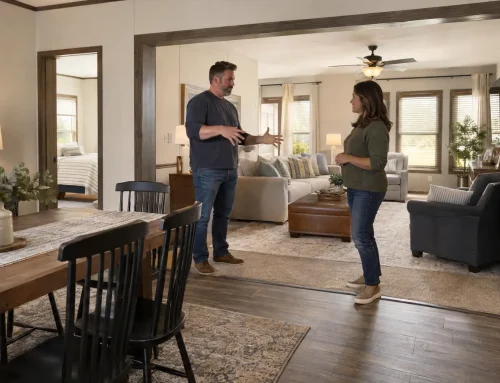
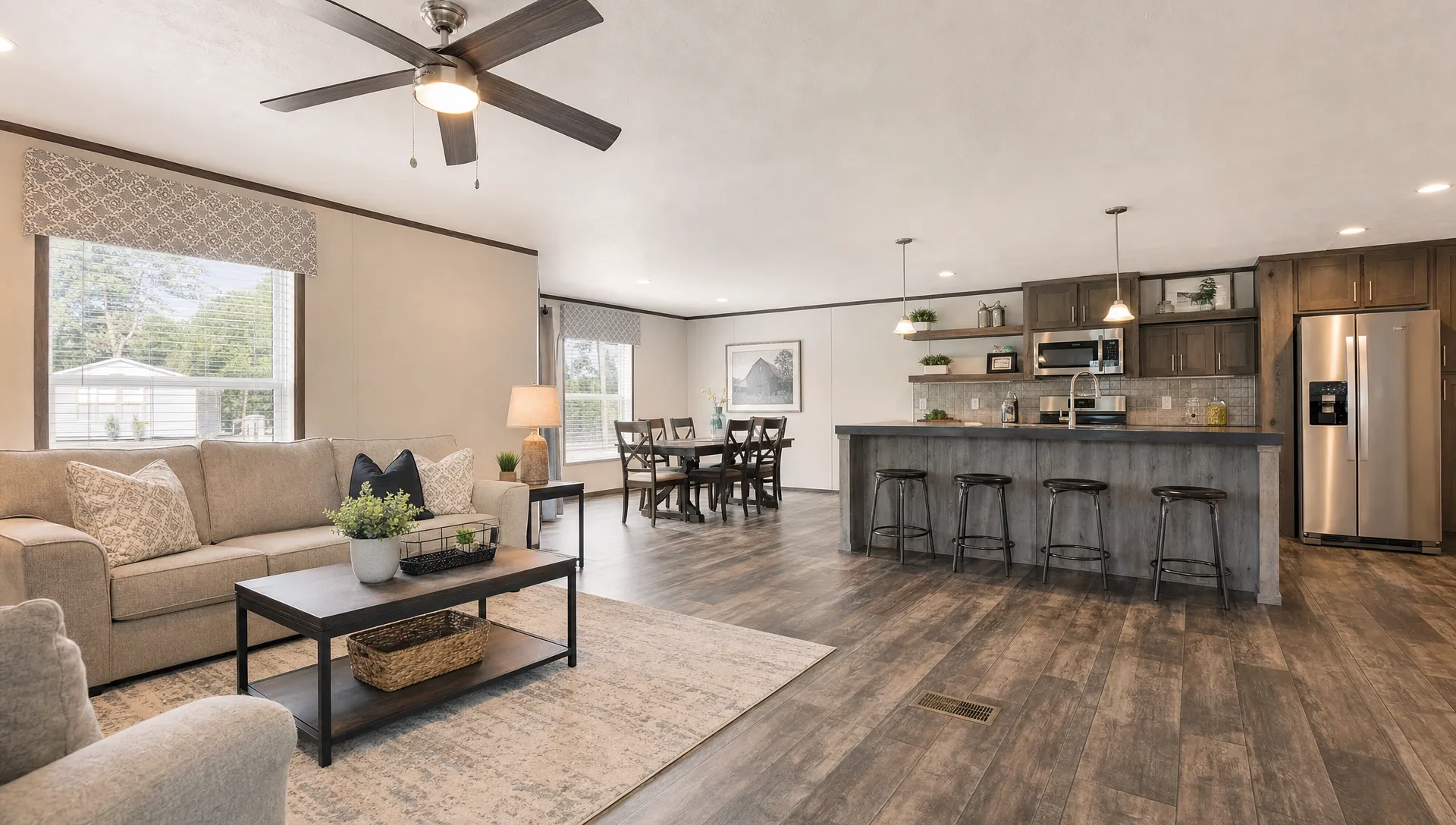
The value is not only square footage. Many double wide homes offer open kitchens, split-bedroom layouts, larger primary suites, utility rooms, and flexible living areas. Those design choices can reduce the need to move again soon, which matters for families trying to keep housing costs stable.
If you are still comparing home types, Homes2Go has a helpful breakdown of the single wide trailer vs double wide decision that explains how space, cost, placement, and long-term usability differ.
What should be included in your real budget?
The right way to budget for a double wide is to think in terms of total ownership cost, not just the advertised home price. A low purchase price can become expensive if the site needs major preparation, utility work, or added features to make the home move-in ready.
Use this table as a quick planning checklist:
| Budget item | Why it matters | Questions to ask |
|---|---|---|
| Home price | This is the starting point for financing and comparison | What is included in the listed price? |
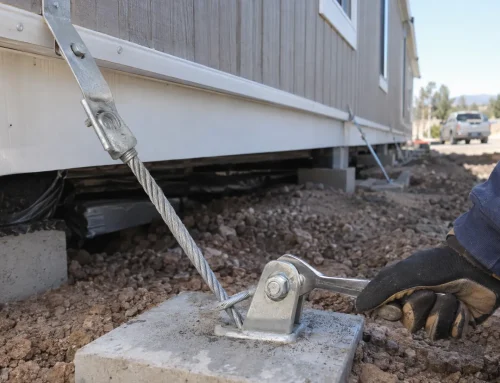
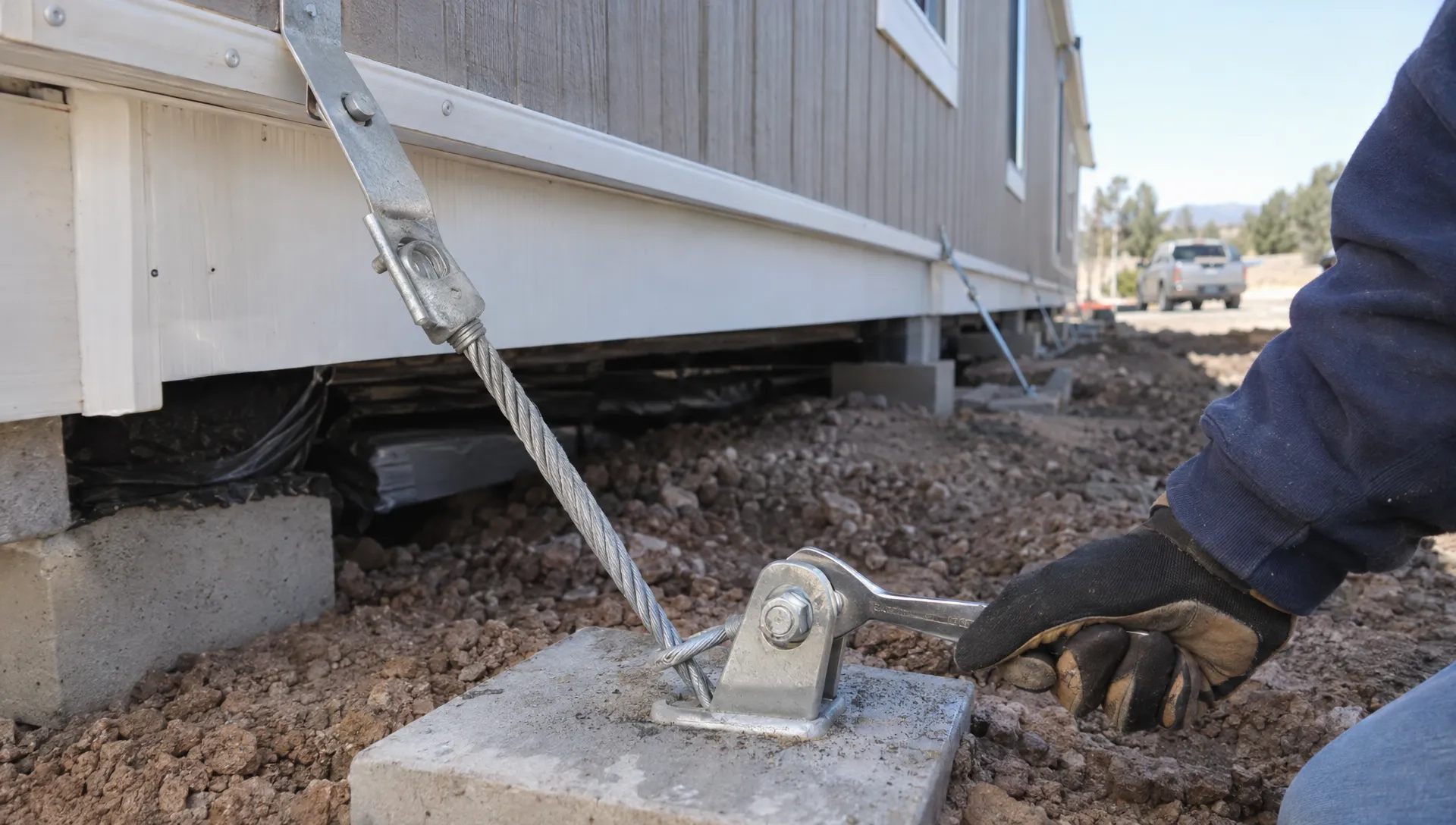
| Delivery and setup | Multi-section homes require transport, joining, leveling, and installation | Are delivery and setup included or separate? |
| Land or lot cost | You may buy land, already own land, or lease a lot in a community | What is the monthly land or lot expense? |
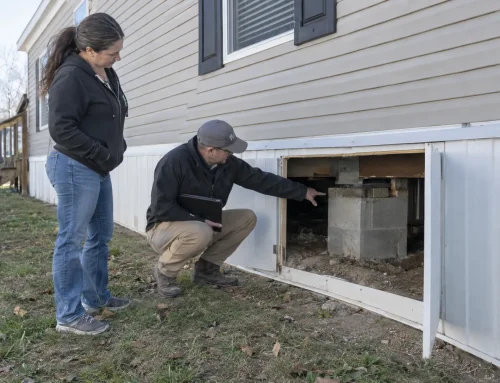
| Site preparation | Grading, access, foundation needs, and drainage can affect cost | Is the site ready for installation? |
| Utility connections | Water, sewer or septic, electric, and gas hookups can vary widely | Which utilities are already available? |
| Permits and inspections | Local requirements affect timeline and final cost | Who handles permits and what do they cost? |
| Taxes and insurance | These continue after move-in and affect monthly affordability | What are realistic annual estimates? |
| Skirting, steps, decks, and driveway | These items improve access, appearance, and daily use | Are they included in your quote? |
| Maintenance reserve | Every home needs ongoing care | Can you set aside money each month? |
For a deeper look at what can change the final number, the Homes2Go guide to double wide trailer prices in 2025 is useful because the same cost drivers, such as setup, utilities, finishes, and site prep, still matter when you budget today.
A simple affordability test
A double wide modular or manufactured home may be right for your budget if the monthly payment still leaves room for savings, transportation, food, healthcare, utilities, and unexpected expenses. The goal is not to qualify for the largest possible payment. The goal is to choose a home you can enjoy without feeling financially squeezed.
Many buyers use the 28/36 guideline as a starting point. That means housing costs are ideally around 28 percent or less of gross monthly income, and total debt payments are ideally around 36 percent or less. This is not a universal lending rule, and your lender may use different standards, but it can help you estimate a comfortable range before you shop.
Your monthly housing estimate should include more than principal and interest. Add taxes, insurance, lot rent or land payment if applicable, utilities, and any community fees. If those numbers are missing, you are not looking at the full picture yet.
If part of your household budget depends on self-employment or business income, keep business investments separate from your housing decision. For example, a small business owner comparing personal home financing and an ATM machine purchase should evaluate each investment on its own cash flow instead of using uncertain future revenue to stretch a home payment.
Financing can make or break the budget
Financing is one of the biggest reasons two buyers can look at the same home and have very different monthly payments. Your credit profile, down payment, income stability, debt level, home type, land situation, and lender options all matter.
Some manufactured homes are financed as personal property, especially when the buyer does not own the land. Others may qualify for real estate-style financing when the home and land are permanently connected and meet lender requirements. Programs may vary depending on the home, location, title, and borrower qualifications.
This is where expert guidance is valuable. Homes2Go San Antonio offers flexible financing options and works with trusted local lenders, which can help first-time buyers understand what is realistic before committing to a model. A good financing conversation should help you compare payment scenarios, not pressure you into the biggest home possible.
Before you decide, ask your lender or housing consultant:
- What down payment range should I plan for?
- What loan terms are available for this specific home and placement situation?
- Will the home be titled as personal property or real property?
- Are delivery, setup, taxes, insurance, and extras included in the financing estimate?
- What monthly payment is comfortable, not just technically approved?
Layout choices affect your budget more than you think
A double wide home can feel like a smart buy because it offers more space, but bigger is not automatically better. The most budget-friendly home is the one that fits your life without paying for rooms you will not use.
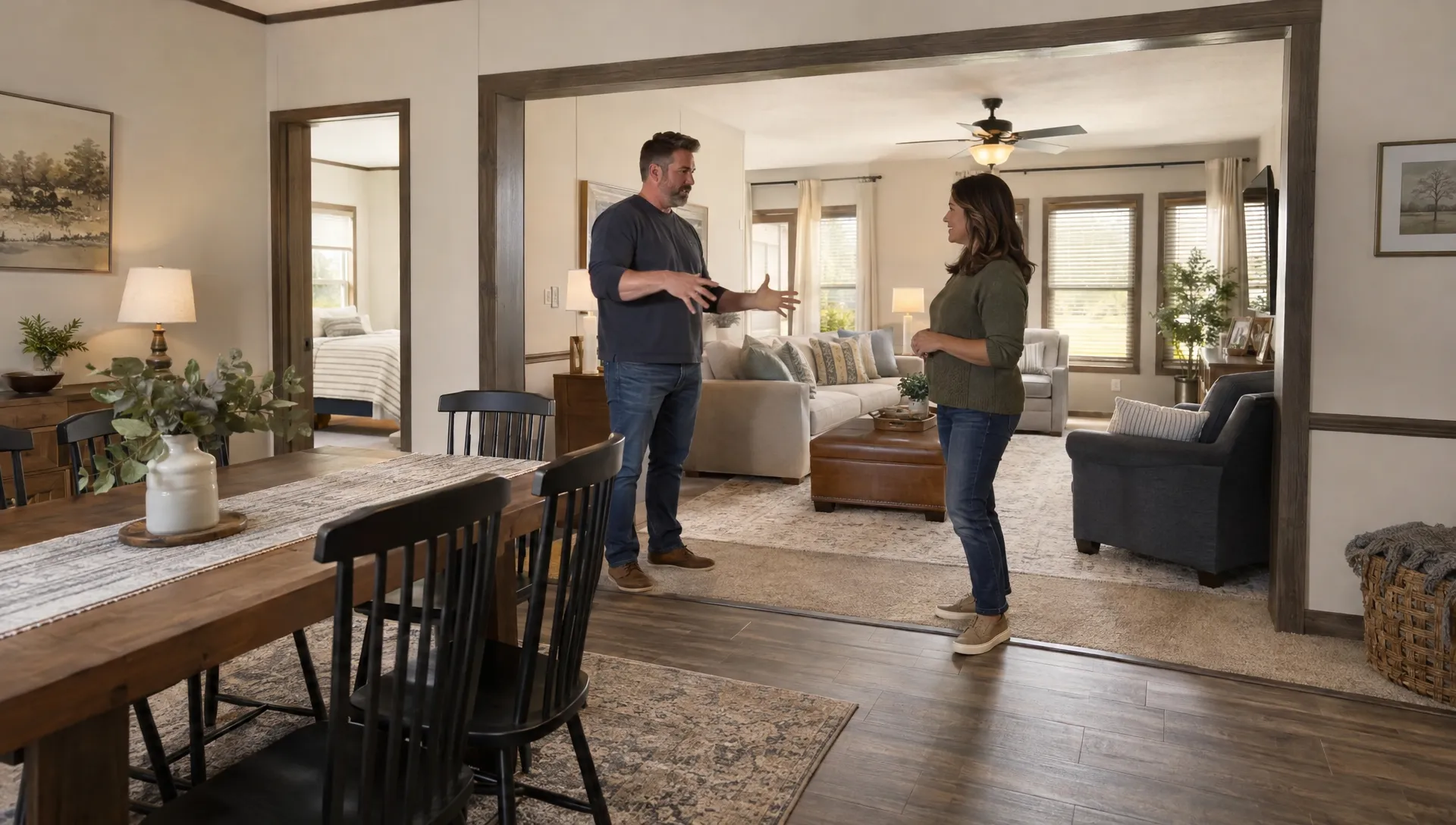
For example, a family with children may get more value from a split-bedroom layout that gives the primary suite privacy. A remote worker may need a flex room more than a larger second living area. Empty nesters may prefer a smaller three-bedroom plan with wider common spaces instead of paying for maximum square footage.
The key is to compare usable space, not just total square footage. A well-designed floor plan can feel larger than a bigger home with awkward hallways, poor storage, or rooms that do not match your routine. If you are comparing layouts now, this guide to double wide manufactured homes, layouts, prices, and tips can help you think through common floor plan options before touring models.
When a double wide is likely right for your budget
A double wide may be a good fit when you need the comfort of a larger home but want a more accessible path to ownership. It can be especially appealing for growing families, multi-generational households, first-time buyers, and people who already own land.
You may be in a good position if your income is stable, your debt is manageable, and you have a clear estimate for the full move-in cost. It also helps if you are open to communities around the San Antonio area where manufactured homes are already supported, since that may simplify placement and utilities.
A double wide can also make sense when energy-efficient designs and modern interiors reduce the need for major upgrades right away. If a home already has the layout, finishes, and features you need, you may spend less after move-in than you would with a fixer-upper resale property.
When a double wide may stretch your budget too far
A double wide may not be the right choice if the land situation is uncertain or expensive. A piece of land can look affordable at first, but costs can rise quickly if it needs clearing, grading, a septic system, long utility runs, driveway work, or special permitting.
It may also be worth pausing if you are relying on overtime, seasonal income, or future raises to afford the payment. Housing should feel stable even in an average month, not only in your best month.
You should also slow down if you have not compared insurance, taxes, community rules, and maintenance expectations. These are not reasons to avoid a double wide. They are reasons to get complete numbers before signing.
San Antonio factors to consider
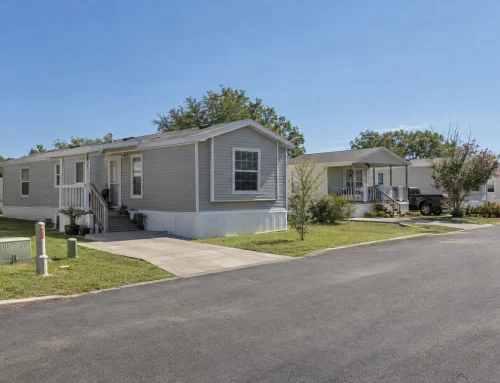
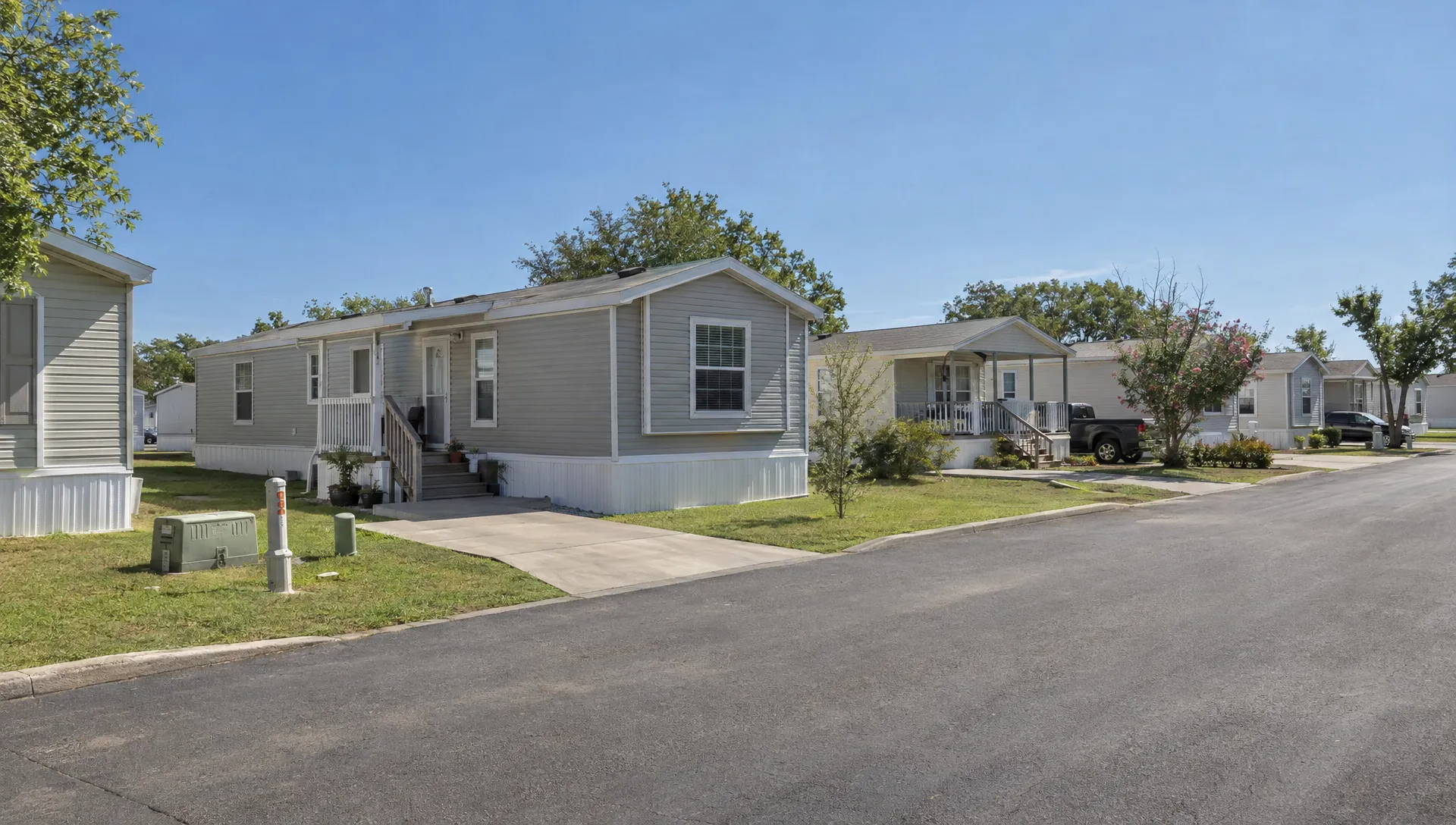
In and around San Antonio, location can have a major impact on the budget. Placement inside the city, outside city limits, in a manufactured home community, or on private land can change what permits, utilities, transportation, and setup requirements look like.
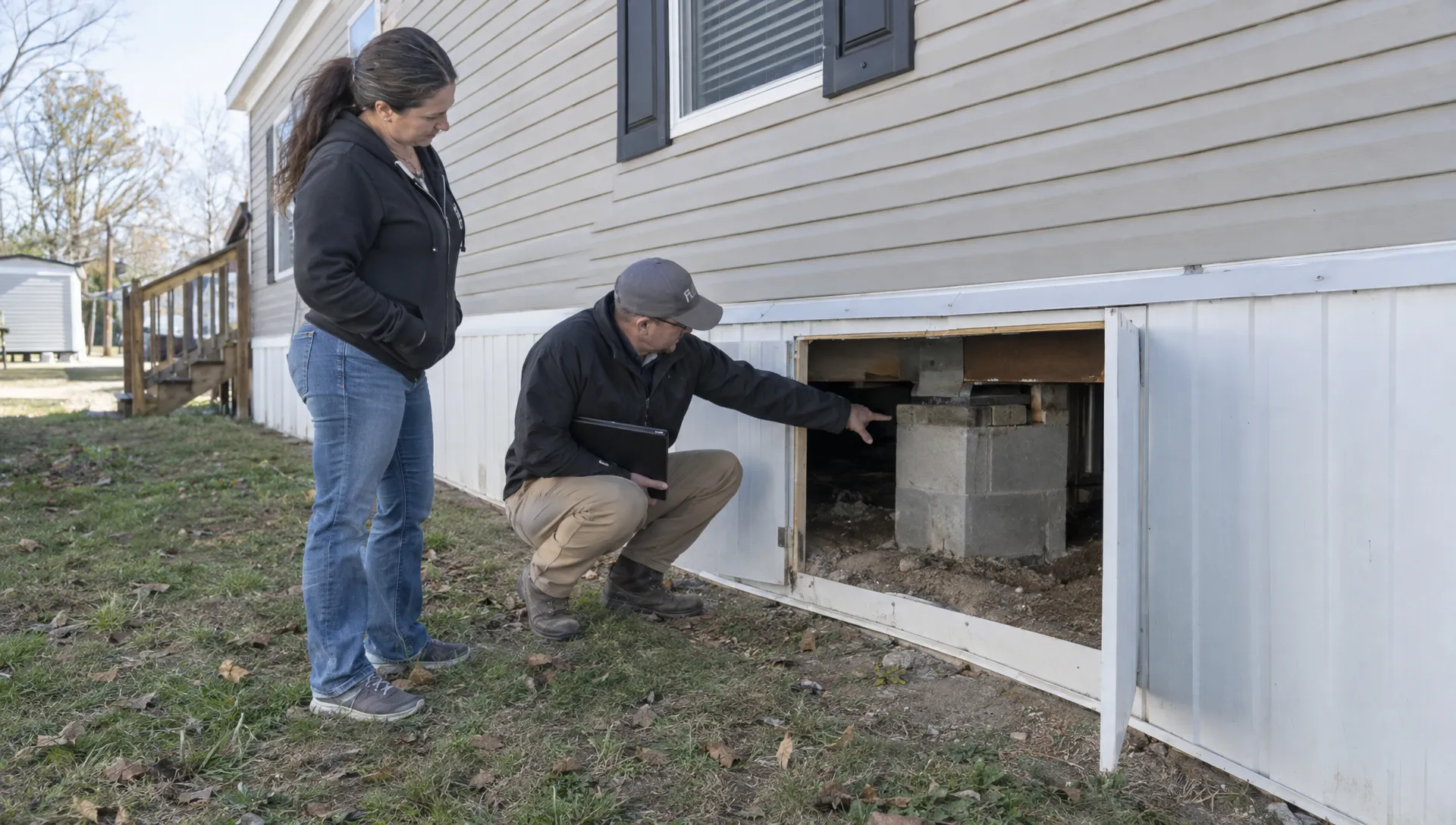
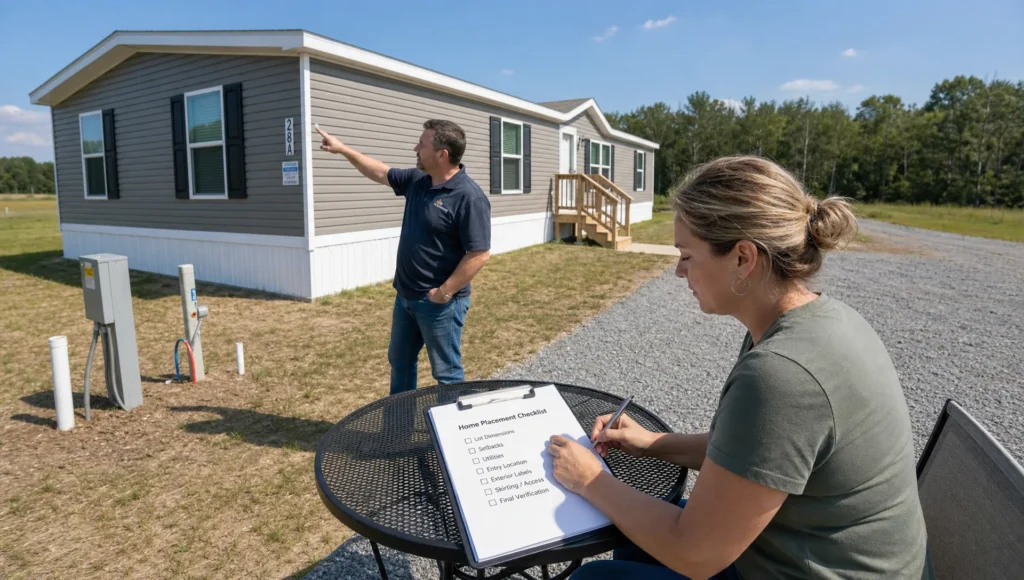
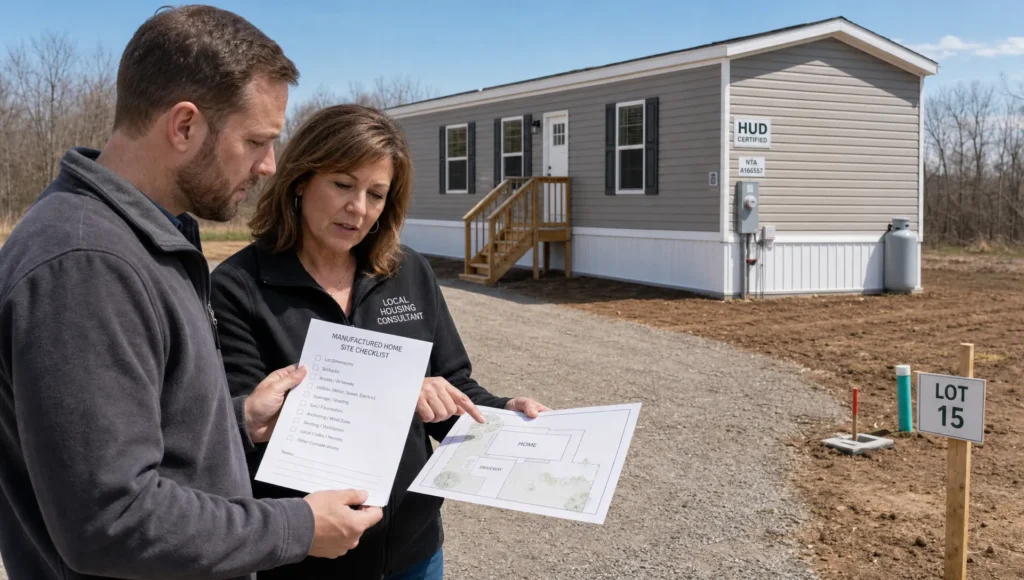
If you already own land, confirm that a manufactured or modular home can be placed there before you shop too far. Check zoning, deed restrictions, floodplain considerations, driveway access, utility availability, and any community or HOA rules. If you plan to lease a lot, ask what the lot rent includes and how often it can change.
Local guidance matters because a home that looks affordable online may not be practical for every site. A knowledgeable team can help you compare move-in ready homes, available communities, and floor plans that match both your lifestyle and your budget.
A practical budget worksheet before you shop
Before touring models, write down your target numbers. This keeps the shopping process focused and helps you avoid falling for a home that is beautiful but financially uncomfortable.
Start with your comfortable monthly housing range. Then estimate your available down payment, emergency savings after move-in, current debts, expected utilities, insurance, taxes, and land or lot costs. Finally, decide which features are must-haves and which are nice-to-haves.
Your must-haves might include three bedrooms, a split layout, a certain school area, or a move-in ready model. Nice-to-haves might include upgraded finishes, extra porch space, or a larger secondary living room. When budget pressure appears, this distinction helps you make tradeoffs without sacrificing what matters most.
Frequently Asked Questions
Is a double wide modular home cheaper than a traditional house? It can be more affordable than many site-built homes, but the final cost depends on the home, land, delivery, setup, utilities, financing, insurance, and local requirements. Compare total move-in cost, not just the home price.
What is the biggest hidden cost with a double wide? Site-related costs are often the biggest surprise. Land preparation, utility connections, permits, access, foundation requirements, skirting, steps, and drainage can all affect the final budget.
Can first-time buyers finance a double wide home? Many first-time buyers do finance manufactured homes, but options depend on credit, income, down payment, the home, and whether land is included. Working with a local housing team and lender can help clarify your choices.
Should I choose a single wide or double wide if my budget is tight? A single wide usually has a lower starting cost, while a double wide offers more space and a more traditional layout. The better choice depends on your monthly budget, household size, land or lot situation, and how long you plan to stay.
How do I know if a double wide floor plan is worth the extra cost? Focus on usable space. If the layout gives you better bedroom separation, storage, work space, or room for family needs, the extra cost may be worthwhile. If you are paying for square footage you will not use, a smaller plan may be smarter.
Ready to compare homes within your budget?
A double wide modular or manufactured home can be a smart budget move when the full numbers make sense, not just the advertised price. The best next step is to compare real floor plans, financing possibilities, and placement options with someone who understands the San Antonio market.
Homes2Go San Antonio helps buyers explore affordable manufactured and mobile homes, modern interiors, energy-efficient designs, flexible financing options, and access to home communities. If you are ready to see what fits your budget, start with Homes2Go San Antonio and get local guidance before you choose your next home.
 Mobile Homes to Buy Locally: 10 Checks Before You Sign
 Things to Know Before Buying a Manufactured Home