
Shopping locally for a mobile or manufactured home is not just about finding the lowest price on a listing site. The better goal is to compare the right home, in the right location, with financing and setup costs you can actually live with.
If you have searched for mobile trailer homes for sale near me, you have probably seen a mix of new manufactured homes, older used homes, homes already in communities, and listings that do not clearly explain what is included. That is normal. Local inventory can move quickly, and the details that matter most are often not visible in the headline.
This guide will help you shop with more confidence, especially if you are buying in or around San Antonio. Use it to organize your search, ask better questions, and avoid comparing homes only by sticker price.
Start by understanding what you are really shopping for
Many buyers use the words mobile home, trailer home, and manufactured home interchangeably. In everyday conversation, that is common. In buying paperwork, financing, and regulations, the differences can matter.
According to HUD’s manufactured housing program, manufactured homes are built to federal construction and safety standards known as the HUD Code. Homes built after June 15, 1976, are generally referred to as manufactured homes. Older homes may be called mobile homes. Modular homes are different because they are built to local or state building codes and placed on a permanent foundation like a site-built home.
Why does this matter when shopping locally? Because the type and age of the home can affect financing options, insurance, community approval, relocation possibilities, and resale value. A listing that says “trailer home” may not give you enough information. Ask for the year, manufacturer, size, HUD label details if applicable, and whether the home has a clear ownership document.
If you want a broader overview before narrowing your search, this quick buyer guide to mobile homes in San Antonio is a useful starting point.
Choose your local search area before comparing homes
A beautiful home in the wrong location can become a frustrating purchase. Before you tour models, define the areas that realistically fit your day-to-day life.
Think through your commute, school needs, access to medical care, nearby grocery stores, public transportation, family support, and preferred community style. In San Antonio, even a short distance can change your traffic patterns, utility access, and available home communities.
It also helps to decide early whether you want to place a home in a manufactured home community or on private land. Each path has different responsibilities. A community may offer existing infrastructure and a more straightforward move-in process, while private land can offer more control but may require zoning checks, utility planning, septic or sewer review, driveway access, and installation coordination.
Do not assume every home can go anywhere. Size, age, condition, roof pitch, exterior requirements, and community rules can all affect whether a home is accepted in a specific location.
Compare the total cost, not just the sales price
One of the biggest mistakes local buyers make is treating the advertised price as the full cost of ownership. A manufactured home purchase can include several cost categories, and some vary based on whether the home is new, used, already installed, or being moved.
Ask for a written breakdown before you compare one home against another. If a seller cannot clearly explain what is included, slow down.
| Cost category | What to ask | Why it matters |
|---|---|---|
| Home price | Is this the base price, sale price, or full installed price? | Base pricing may not include delivery, setup, or selected upgrades. |
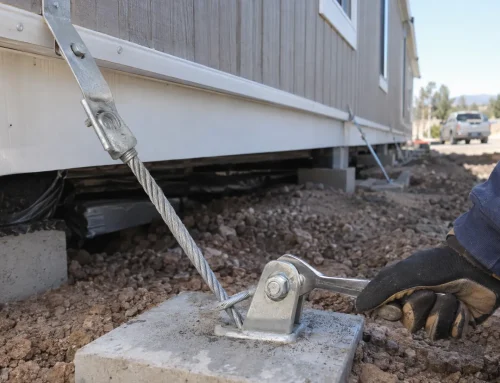
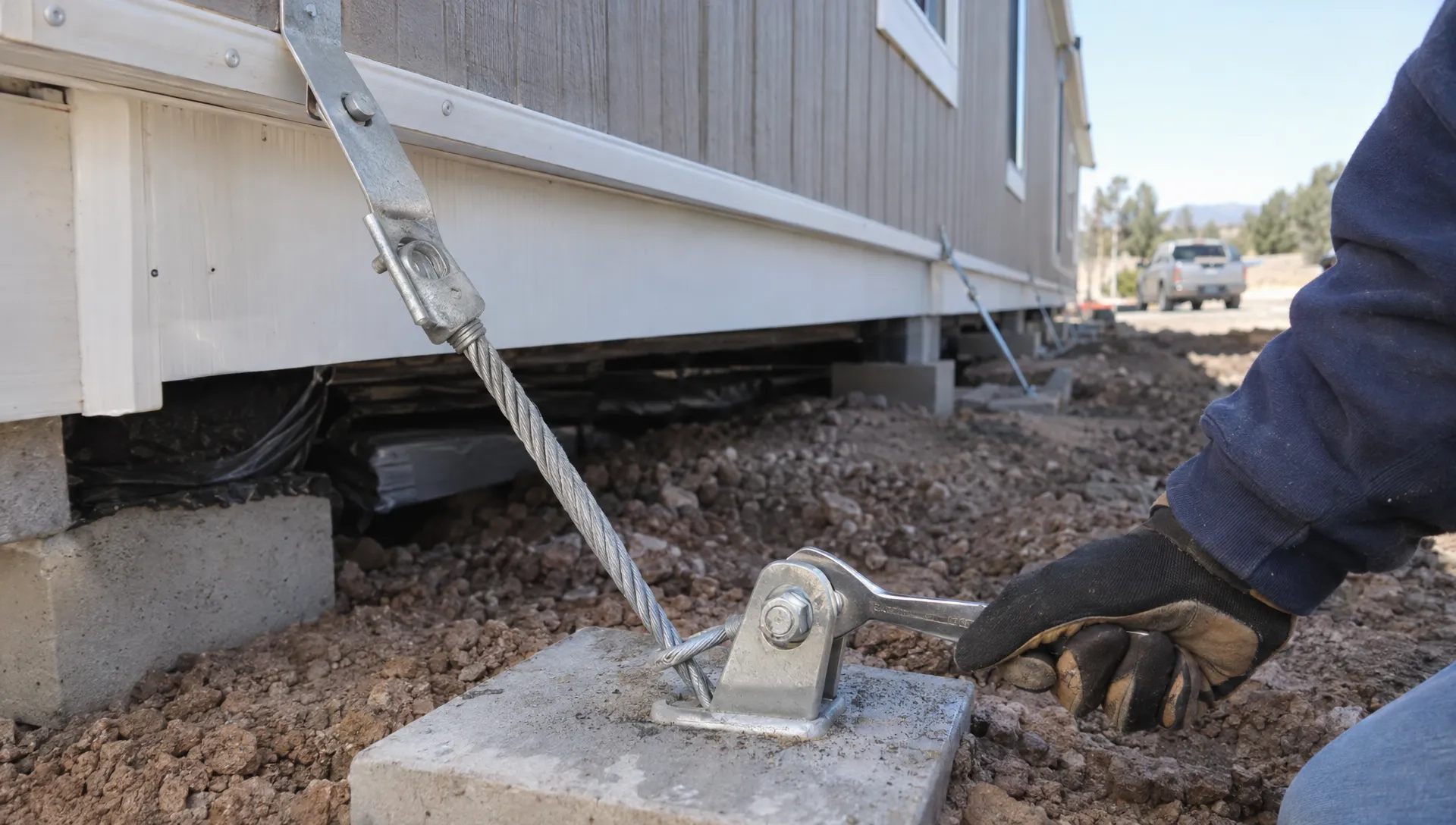
| Delivery and setup | Is transport, blocking, leveling, anchoring, and skirting included? | Setup costs can change the real purchase price significantly. |
| Land or lot costs | Will you own land, lease a lot, or pay community lot rent? | Monthly affordability depends on both home payment and land-related costs. |
| Utilities | Are water, sewer, electric, gas, and internet already available? | Utility connections can affect timeline and budget. |
| Taxes and insurance | What should you estimate for property taxes and insurance? | These costs influence the full monthly payment. |
| Community fees | Are there application fees, deposits, trash fees, or amenity fees? | Lot rent alone may not show the full monthly cost. |
| Financing fees | What are the down payment, term, rate, and closing costs? | Two homes with similar prices may have very different monthly payments. |
A lower-priced home may cost more overall if it needs major relocation, repairs, utility work, or community approval delays. A slightly higher-priced move-in ready home may be the better value if it reduces uncertainty and gets you settled faster.
Decide whether a single wide or double wide fits your needs
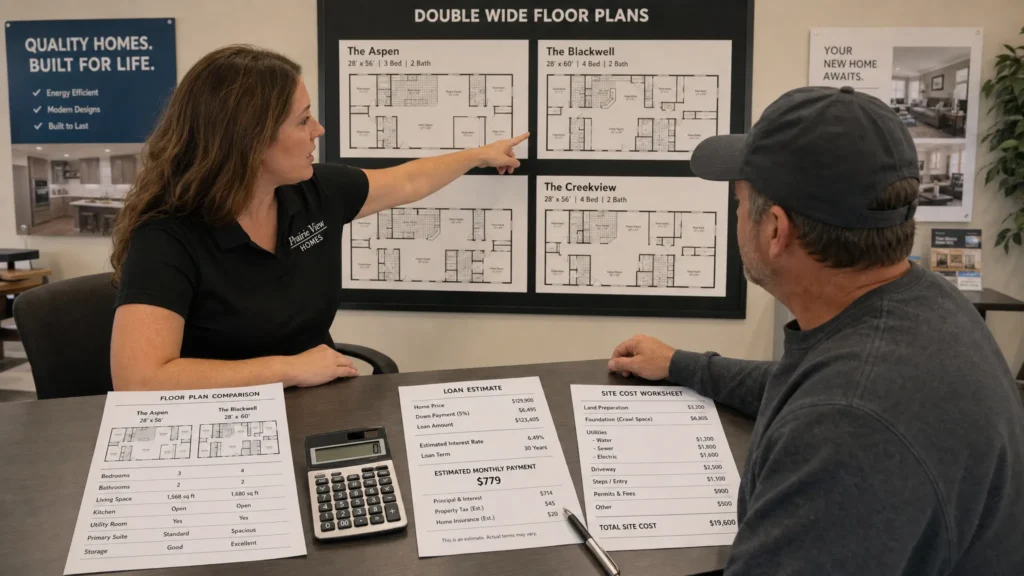
Local buyers often start with price, then realize layout matters just as much. A single wide may be easier to place, more budget-friendly, and efficient for smaller households. A double wide typically offers more living space, wider rooms, and a feel closer to a traditional house.
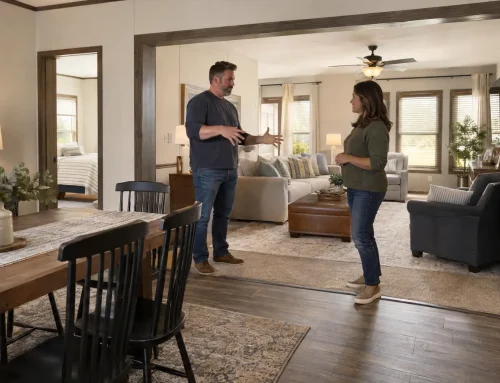
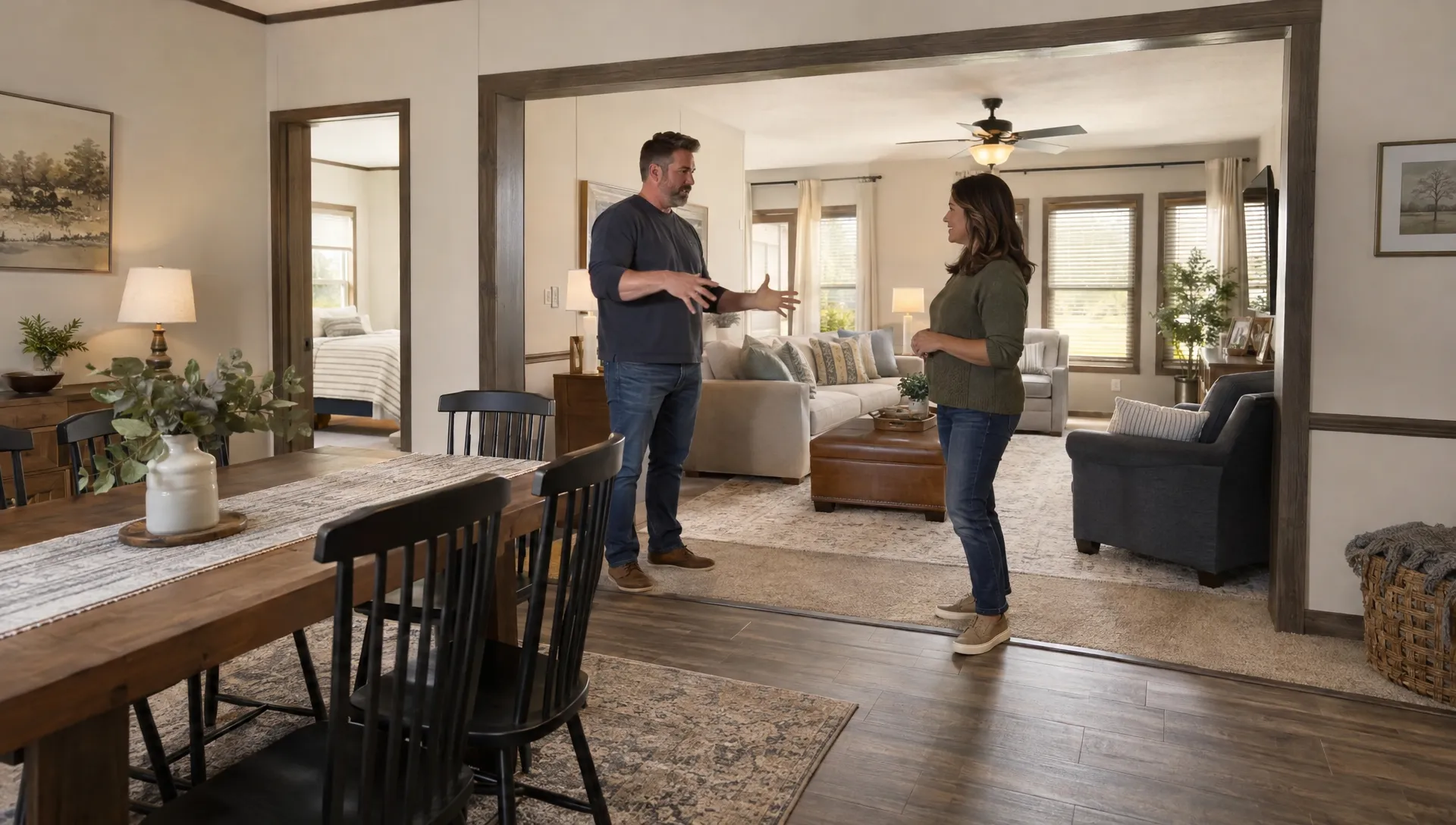
The right choice depends on your household size, furniture, privacy needs, storage expectations, and the lot or community where the home will be placed. Walk through the home as if you already live there. Picture where the dining table goes, how groceries come in from the car, whether bedrooms are far enough from the main living area, and whether bathrooms work for morning routines.
If you are leaning toward a larger layout, it is worth reviewing what to compare in double wide trailer homes for sale before you commit to a floor plan.
Get financing clarity before you fall in love with a home
Financing a manufactured home can vary depending on whether you are buying only the home, the home and land together, or a home already placed in a community. Some purchases are financed more like personal property, while others may qualify for mortgage-style financing when land is involved.
Before you tour heavily, get a realistic idea of what you may qualify for. Ask lenders or your home consultant about down payment requirements, interest rates, loan terms, monthly payment estimates, credit requirements, and what documents you need to provide.
Just as important, compare the full monthly housing cost. A payment that looks comfortable on the home alone may feel tight once you add lot rent, insurance, taxes, utilities, and maintenance.
A helpful local buying team should be able to explain your options in plain language and connect you with trusted local lenders without pressuring you into a home that stretches your budget.
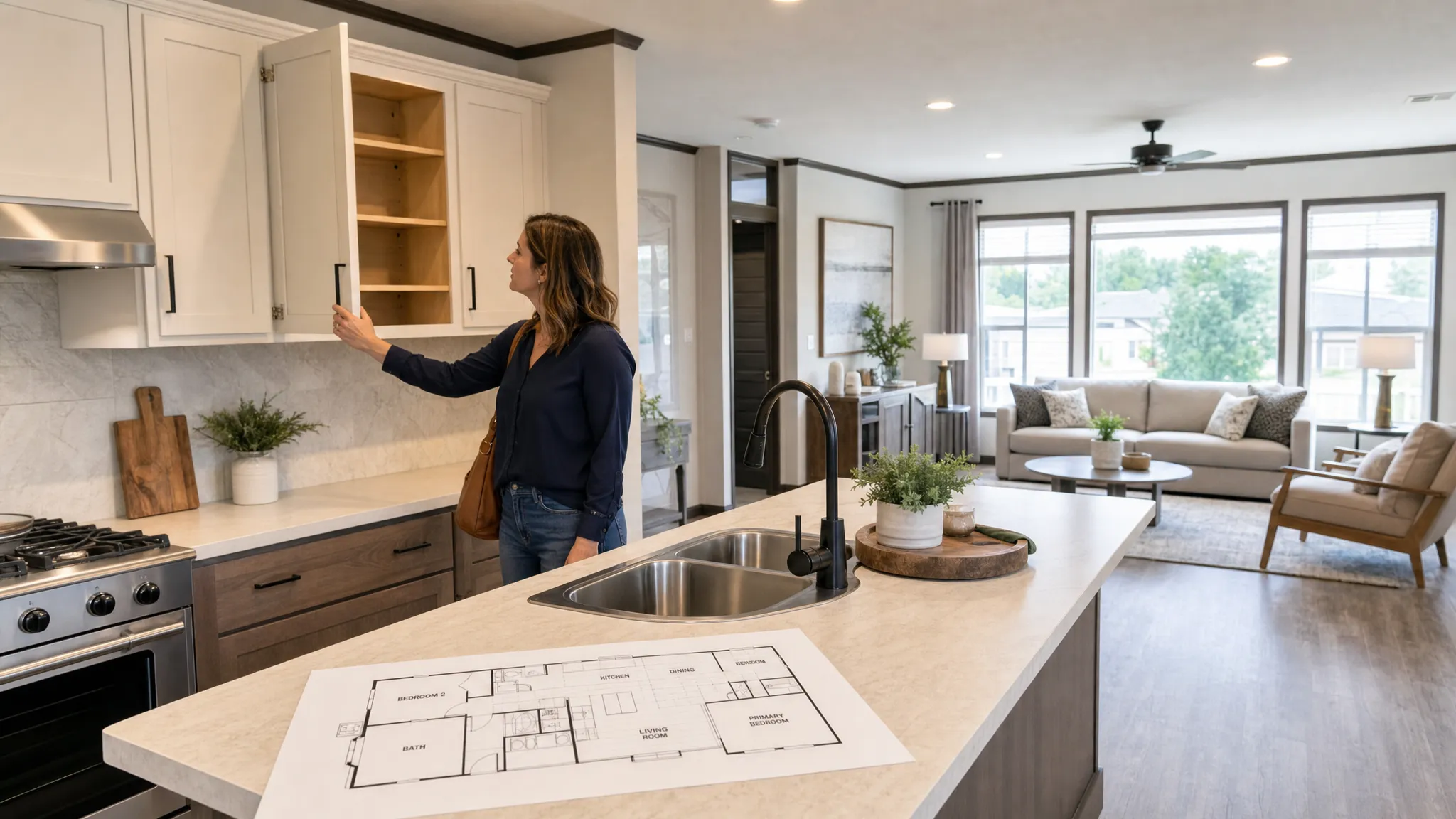
Tour homes with a practical checklist
A model home can look impressive, but your tour should focus on how the home will perform for your lifestyle. Take notes and photos, then compare each home after the tour instead of relying on memory.
Pay close attention to these details:
- Floor plan flow, including kitchen access, hallway width, bedroom separation, and laundry location
- Storage space, especially pantry size, bedroom closets, linen storage, and exterior storage options
- Natural light, window placement, ventilation, and overall comfort in main living areas
- Appliance package, cabinet quality, countertop materials, flooring, and bathroom fixtures
- Energy-efficient features, insulation details, HVAC considerations, and window quality
- Warranty details, what is covered, and who handles service after move-in
- Delivery timeline, setup process, and expected move-in date
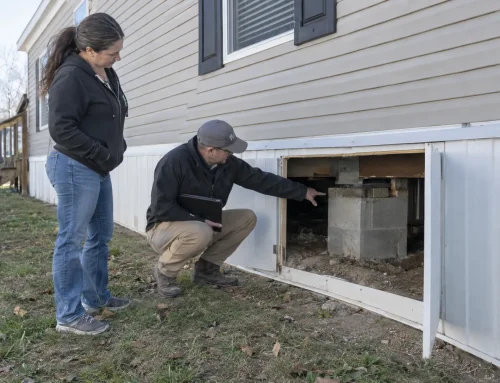
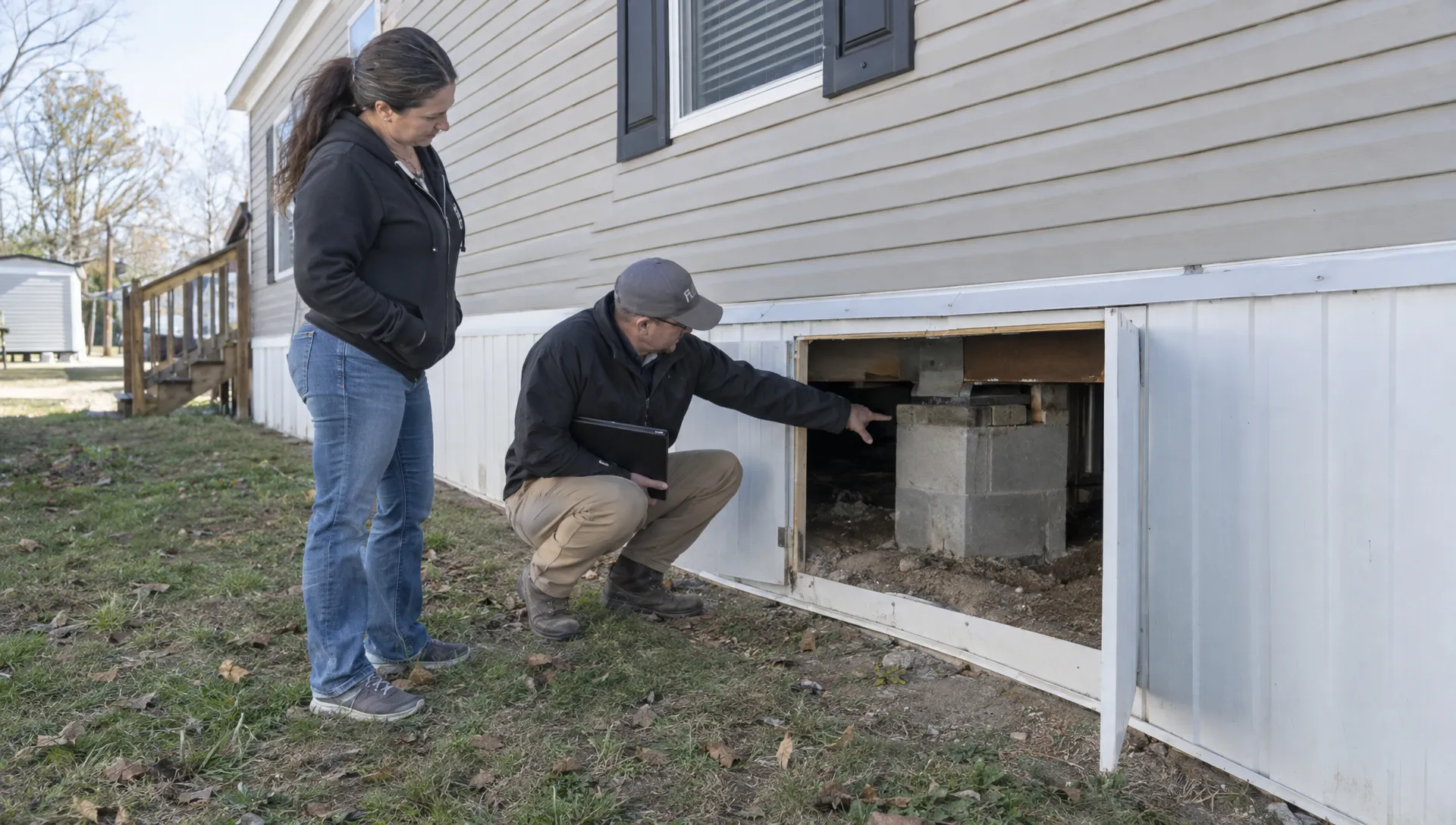
For used homes, look even more closely. Check for soft spots in the floor, stains around ceilings or windows, signs of moisture, damaged skirting, uneven doors, old plumbing fixtures, and signs that the home may need leveling. A professional inspection can be worth the cost, especially if the home is older or has been moved before.
Verify the community before you commit
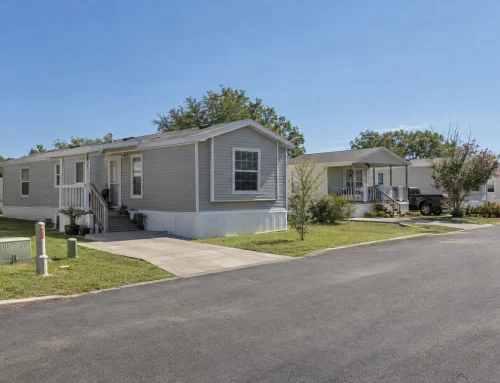
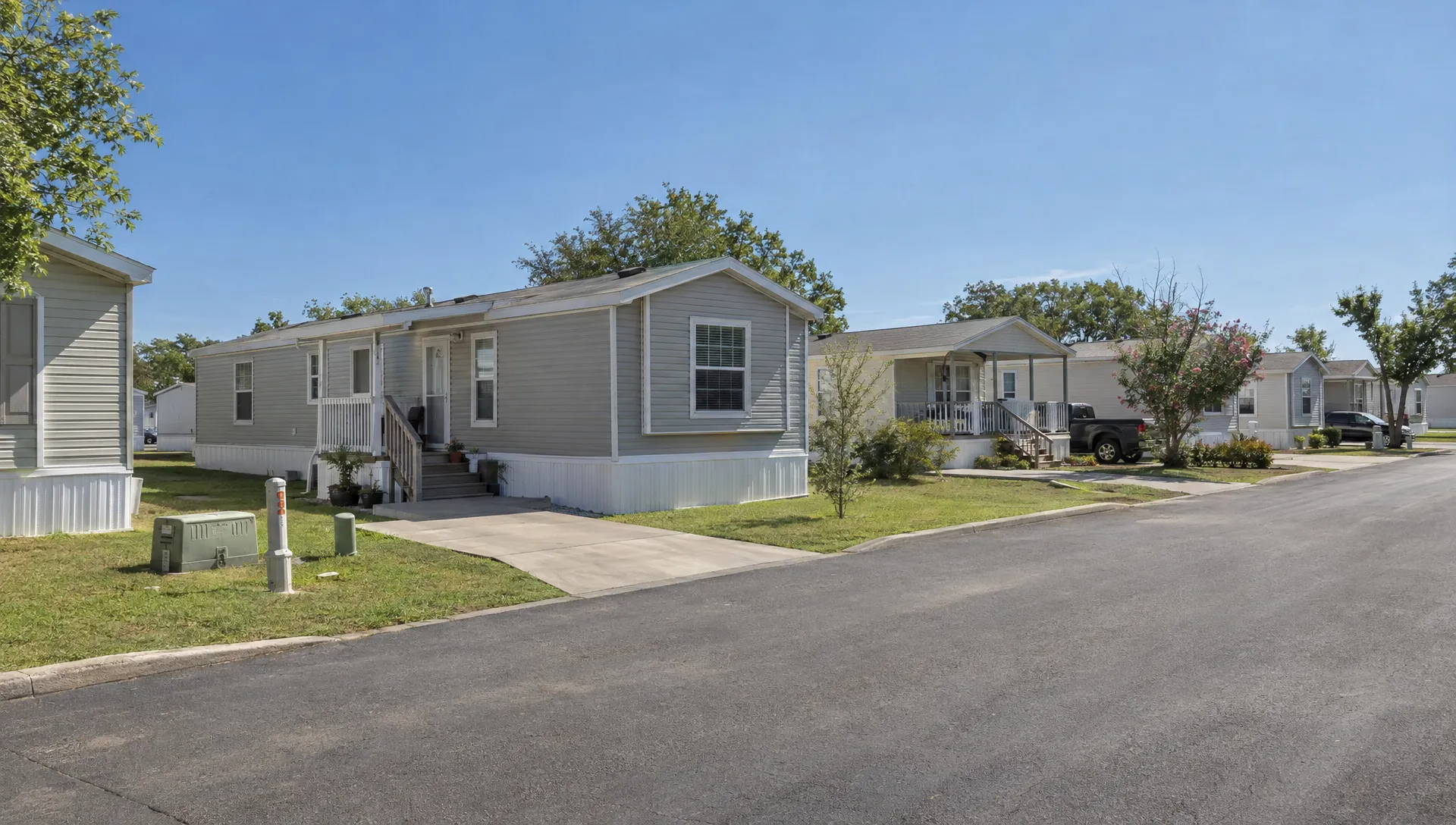
If the home will be placed in a manufactured home community, the community is part of the purchase decision. You are not just buying a home. You are choosing a set of rules, fees, neighbors, parking arrangements, pet policies, and long-term living conditions.
Ask about lot rent, lease length, rent increase policies, application requirements, background checks, pet rules, parking limits, guest policies, maintenance responsibilities, trash service, utility billing, and whether the community has age restrictions.
Tour at different times if possible. A community can feel different on a weekday morning than it does after work or on a weekend. Look at street conditions, lighting, drainage, noise, common areas, mailbox access, and how well homes and lots appear to be maintained.
For a deeper list of questions, use this guide on what to ask when touring mobile home courts before submitting an application.
If buying land, check rules before choosing the home
Placing a manufactured home on private land can be a great option, but it requires more homework. Do not buy the home first and hope the land will work later.
Start by checking local zoning, deed restrictions, floodplain status, utility access, driveway access, septic requirements, and whether the property allows the type, size, and age of home you want. In Texas, manufactured housing ownership and certain installation requirements are handled through the Texas Department of Housing and Community Affairs Manufactured Housing Division.
You may need permits, inspections, utility coordination, foundation or anchoring work, and site preparation. These steps can affect both budget and timeline. A home that seems like a bargain can become expensive if the land needs major improvements before installation.
Watch for red flags in local listings
Local listings can be useful, but not every listing is complete or accurate. Be careful with sellers who avoid written details, refuse to provide ownership information, rush you to send money, or cannot explain whether the home can stay where it is.
Common red flags include vague location details, no clear title or ownership document, unclear lot rent, missing photos of key areas, pressure to pay before touring, unusually low prices with no explanation, and statements like “buyer must move immediately” without a realistic moving plan.
Also be cautious when a listing says “must be approved by park” but gives no information about the approval process. If community approval is required, find out whether you qualify before spending money on inspections, deposits, or moving arrangements.
Work with a local team that explains the process
A strong local buying experience should feel organized, not rushed. You should be able to compare floor plans, understand what is included, ask financing questions, review community options, and receive guidance about next steps.
When evaluating a dealer or seller, ask for clear answers to these questions:
- What home models are available now, and which can be ordered?
- Can I review detailed floor plans before deciding?
- What is included in the quoted price?
- What financing options may be available?
- Which communities or placement options should I consider?
- What is the expected timeline from selection to move-in?
- Who do I contact if I have questions after the purchase?
Homes2Go San Antonio focuses on helping buyers compare affordable manufactured homes, review available models, explore flexible financing options, and get guidance through the local buying process. That kind of support can be especially valuable for first-time buyers who want a clearer path to homeownership.
Build a simple side-by-side comparison
After touring a few homes, it is easy for the details to blur together. Create a simple comparison sheet for each option. Include the model, size, bedroom and bathroom count, location, home price, estimated monthly payment, lot rent or land cost, estimated utilities, setup details, included features, timeline, and any concerns.
Then ask yourself a practical question: “Which home still makes sense after all costs and rules are included?”
That question helps you avoid emotional decisions. It also keeps you focused on long-term comfort, not just the excitement of a new living room or a low advertised price.
Frequently Asked Questions
What is the best way to find mobile trailer homes for sale near me? Start with local manufactured home dealers, nearby home communities, and verified listings. Then compare total cost, financing, location, setup, and community rules before choosing a home.
Is a manufactured home the same as a mobile home? Many people use the terms casually, but homes built after June 15, 1976, to HUD Code standards are generally called manufactured homes. Older homes are often referred to as mobile homes.
Should I buy a home in a community or place one on private land? A community may offer existing lots and a simpler move-in path, while private land may offer more control. Private land usually requires more due diligence around zoning, utilities, permits, and site preparation.
What should I ask before making a deposit? Ask what the deposit covers, whether it is refundable, what conditions apply, what the full price includes, whether financing is approved, and whether the home can be placed in your chosen location.
Can first-time buyers purchase manufactured homes? Yes. Many first-time buyers consider manufactured homes because they can offer a more accessible path to homeownership. The key is to get clear financing guidance and compare the full monthly cost before committing.
Ready to shop locally with more confidence?
If you are comparing manufactured or mobile homes around San Antonio, take your time, ask for written details, and look beyond the listing price. The right home should fit your budget, location, lifestyle, and long-term plans.
To explore available models, floor plans, financing options, and local guidance, connect with Homes2Go San Antonio. A clear process can make shopping locally much easier, especially when you know what to compare before you buy.
 Double Wide Trailer Homes for Sale: What to Compare
 How to Compare Modular Home Parks Before You Move