
Buying mobile homes in TX can be one of the most practical paths to homeownership, especially for buyers who want more space, modern finishes, and a lower barrier to entry than many site-built homes. But Texas is a big state with very different land rules, climate concerns, financing options, and community choices depending on where you plan to live.
The smartest buyers do not start with paint colors or porch ideas. They start with the basics: what type of home they are buying, where it will be placed, how it will be financed, and what must be inspected before signing. If you are shopping in San Antonio or the surrounding Texas Hill Country, this guide will help you understand the major decisions before you tour models or apply for financing.
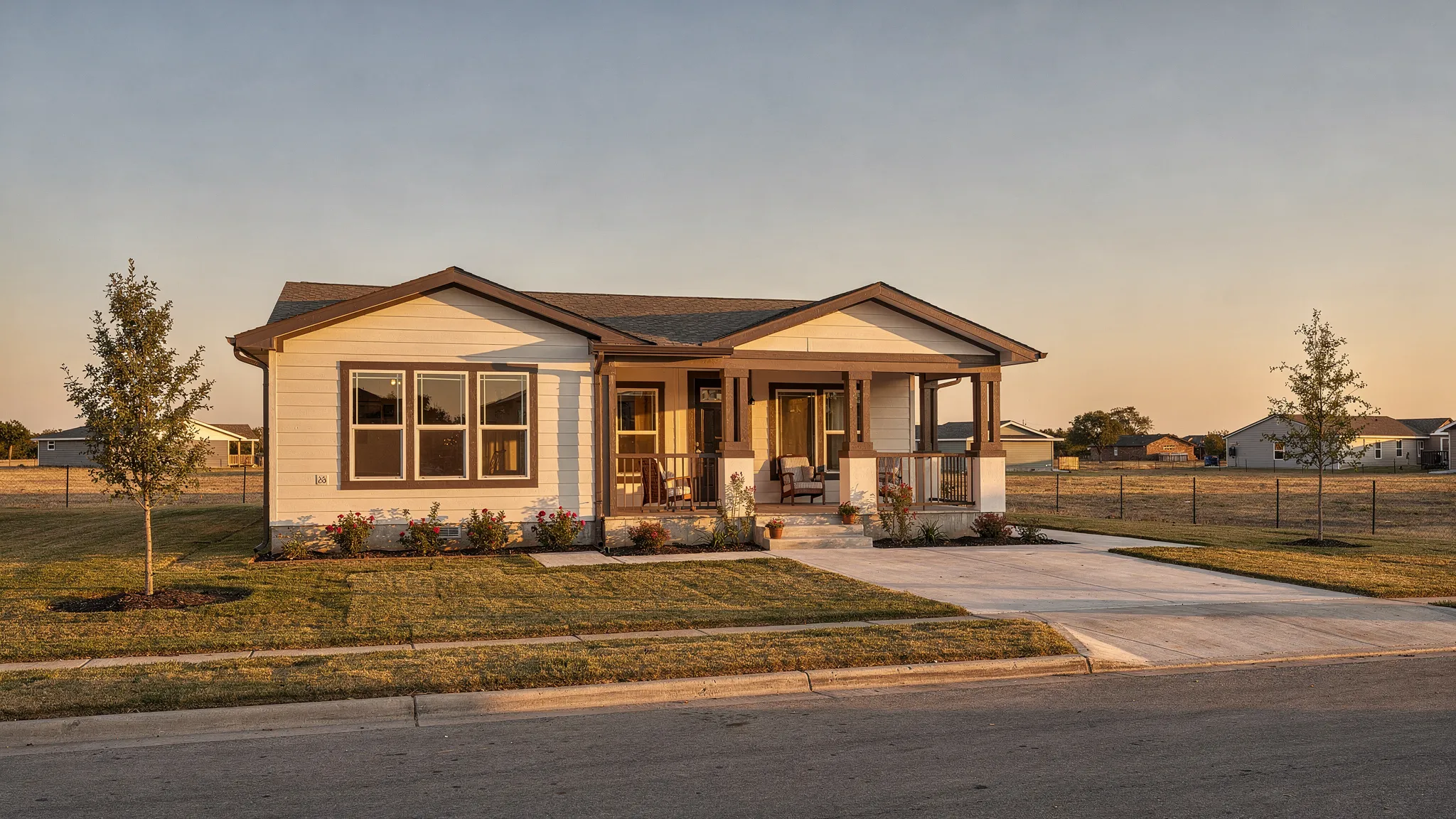
First, understand what mobile home means in Texas
Many buyers use the phrase mobile home to describe any factory-built home. In official housing language, the terms matter.
A true mobile home generally refers to a factory-built home produced before June 15, 1976, when the federal HUD Code took effect. Homes built after that date to federal construction and safety standards are typically called manufactured homes. Modular homes are different again because they are built in sections in a factory but must meet the same state and local building codes as site-built homes.
For everyday searching, mobile homes in TX often means manufactured homes for sale, used mobile homes, and homes placed in land-lease communities. When paperwork, financing, insurance, and permitting are involved, use the correct term so lenders, retailers, installers, and county offices are all talking about the same product.
| Term buyers use | Technical meaning | Why it matters |
|---|---|---|
| Mobile home | Often used casually, but technically pre-1976 factory-built housing | Older homes may have different financing, inspection, and safety considerations |
| Manufactured home | Built after June 15, 1976, to the federal HUD Code | Common option for buyers comparing modern factory-built homes |
| Modular home | Factory-built sections assembled on-site to local building code | Often financed and permitted more like a site-built home |
| Park model or tiny home | Smaller specialty units that may not be HUD-code homes | Placement, lending, and long-term occupancy rules can differ |
The HUD Manufactured Housing Program sets national construction and safety standards for manufactured homes. In Texas, the TDHCA Manufactured Housing Division oversees important parts of the manufactured housing process, including licensing and ownership records.
Why Texas buyers choose manufactured homes
Texas continues to attract buyers looking for affordability, land, and flexible living options. Manufactured homes can fit that demand because they offer multiple sizes, faster construction timelines, and a wide range of layouts.
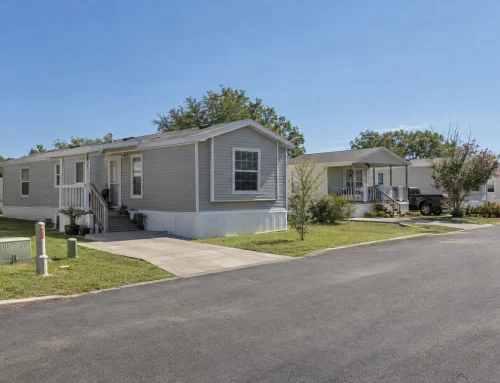
For families in San Antonio, manufactured homes can be especially appealing because the area offers different placement choices. Some buyers want a home in an established community with amenities and neighbors nearby. Others want a land and home package outside the city core, where they can enjoy more room, fewer shared restrictions, and a quieter setting.
The main advantages buyers look for include:
- Lower overall entry cost compared with many traditional site-built homes
- Modern floor plans with open kitchens, split bedrooms, and dedicated utility rooms
- Energy-efficient options that help with Texas cooling demands
- Flexible placement in communities, on private land, or through land and home packages
- Financing paths for qualified buyers, including home-only and land-home options
The tradeoff is that buyers need to be more careful about land rules, installation, transport, financing structure, and title documentation. A great floor plan can become a stressful purchase if the land cannot be permitted, utilities are not ready, or the loan does not match the way the home is classified.
Decide where the home will go before you fall in love with a model
One of the biggest mistakes buyers make is choosing a home before confirming where it can be placed. In Texas, your placement choice affects the budget, lender options, timeline, and long-term lifestyle.
| Placement option | Best for | What to review before committing |
|---|---|---|
| Land-lease community | Buyers who want a lower upfront land cost and a neighborhood setting | Lot rent, rules, pet policies, age restrictions, utilities, and approval process |
| Private land | Buyers who already own land or want more control | Zoning, deed restrictions, access, utilities, septic, floodplain, and permits |
| Land and home package | Buyers who want the home and land planned together | Total package cost, lender requirements, site prep, closing timeline, and utility readiness |
| Family land | Buyers placing a home on land owned by relatives | Legal access, utility easements, ownership agreements, and county rules |
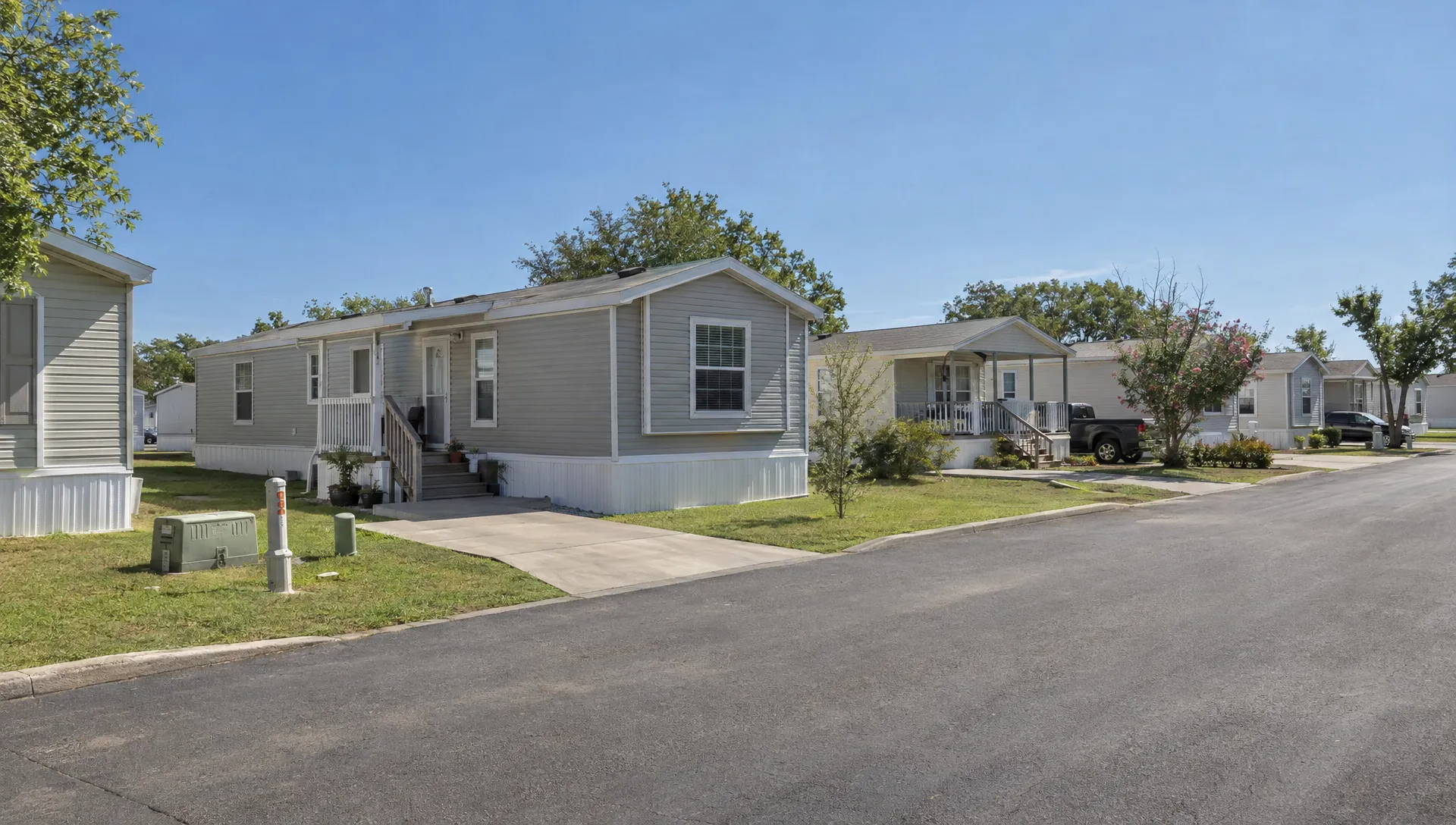
A land-lease community can simplify some of the process because the property is already intended for manufactured homes. However, you will usually pay monthly lot rent and follow community rules. Private land may give you more freedom, but you are responsible for site work, utility connections, driveways, septic or sewer access, and permitting.
If you are exploring communities around San Antonio, this guide to mobile home parks in San Antonio can help you compare neighborhood types, lot rent questions, and red flags.
Know the Texas paperwork before you sign
Paperwork is not the most exciting part of buying a manufactured home, but it protects you. In Texas, manufactured home ownership is generally documented through a Statement of Ownership rather than a traditional vehicle-style title. The Statement of Ownership identifies the home, owner, lienholder if applicable, and whether the home is treated as personal property or real property.
You should also confirm that the seller, retailer, installer, and any brokers involved are properly licensed when required. This matters because installation quality, ownership transfer, and lien releases can affect your ability to finance, insure, sell, or refinance the home later.
Before paying a large deposit or making a final commitment, ask for clarity on:
- The home serial number or HUD label information
- Whether the home is new or used
- Any existing liens or unpaid taxes on a used home
- The Statement of Ownership process and expected timeline
- Who is responsible for permits, inspections, transport, and installation
- What is included in writing, such as skirting, steps, decks, HVAC, appliances, and utility hookups
If a seller is vague about ownership records or avoids written details, slow down. A legitimate purchase should come with clear documents and a contract that matches the verbal offer.
Understand financing options for mobile homes in TX
Financing depends on the home, the land, the buyer, and how the property will be titled. A home placed in a community on a rented lot may use a different loan type than a manufactured home permanently attached to land you own.
Common financing paths include chattel loans, conventional manufactured home loans, FHA loan programs, VA loans for eligible veterans and service members, and USDA loans in eligible rural areas. Not every buyer or property will qualify for every program, and loan requirements can change based on credit profile, down payment, land ownership, property classification, and home condition.
The key distinction is home-only financing versus land-home financing. Home-only financing may be used when you are buying the manufactured home but not the land beneath it. Land-home financing may apply when the manufactured home and land are financed together, often with additional requirements for foundation, installation, and property classification.
Homes2Go San Antonio explains several paths on its manufactured home financing page, including options that may be available to qualified buyers. The best approach is to get prequalified early, compare payment estimates, and ask lenders to show the full monthly cost, not just the base principal and interest.
Budget beyond the advertised home price
A common buyer frustration is discovering that the advertised home price is only one part of the total project. This does not mean manufactured homes are a bad value. It means buyers need a complete budget before comparing offers.
| Cost item | Why it matters |
|---|---|
| Home base price | Covers the model itself, but included features vary by retailer and manufacturer |
| Delivery and transport | Depends on distance, route access, home size, and site conditions |
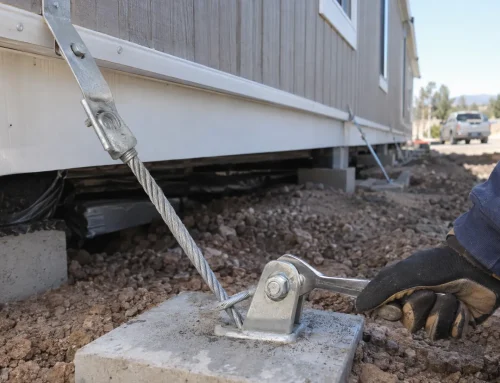
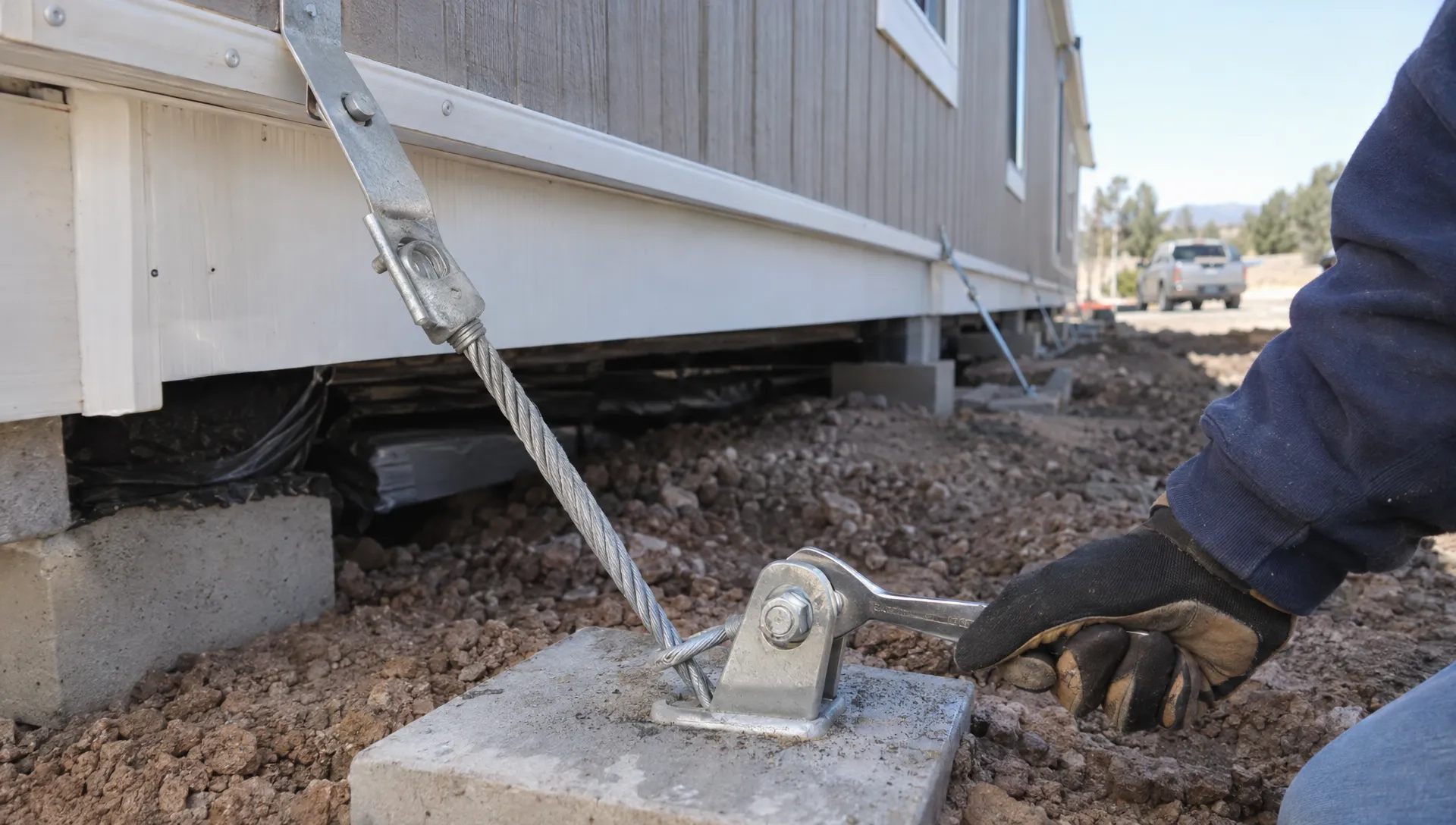
| Installation and foundation system | Must match code, lender requirements, soil conditions, and manufacturer specifications |
| Site preparation | May include clearing, grading, pad work, driveway access, and drainage planning |
| Utility connections | Electric, water, sewer, septic, gas, and internet can affect timeline and cost |
| Permits and inspections | Local requirements vary by city, county, and utility provider |
| Skirting, steps, decks, and porches | Often needed for safety, access, and finished appearance |
| Taxes and insurance | Ongoing costs can vary by location, loan structure, and property classification |
| Community fees or lot rent | Applies when the home is placed in a land-lease community |
| Move-in costs | Furniture, window coverings, appliances, storage, and basic maintenance tools can add up |
The best quote is itemized. If two homes appear to have the same price but one includes setup, delivery, steps, skirting, and key appliances while the other does not, they are not really the same deal.
For buyers considering a full land purchase, this land and home packages guide explains how the home, land, lending, installation, and utilities can be coordinated.
Choose features for Texas heat, not just showroom appeal
Texas weather should influence your home choice. In much of the state, especially around San Antonio, cooling performance is a major comfort and cost factor. Attractive interiors matter, but insulation, windows, HVAC sizing, roof design, ductwork, and shade planning can have a real impact on day-to-day living.
Look closely at the home’s energy package. Ask about insulation levels, window type, HVAC efficiency, duct sealing, thermostat options, and ventilation. Also consider the home’s placement on the lot. A home that receives harsh afternoon sun may feel very different from the same model placed with better shade or orientation.
Modern manufactured homes can include open kitchens, large islands, walk-in closets, utility rooms, and spa-style bathrooms. Those features are valuable, but Texas buyers should balance style with performance. A beautiful home that struggles to stay cool can lead to frustration every summer.
For more detail, Homes2Go has a dedicated guide on energy-efficient manufactured homes in Texas heat.
Match the floor plan to your real life
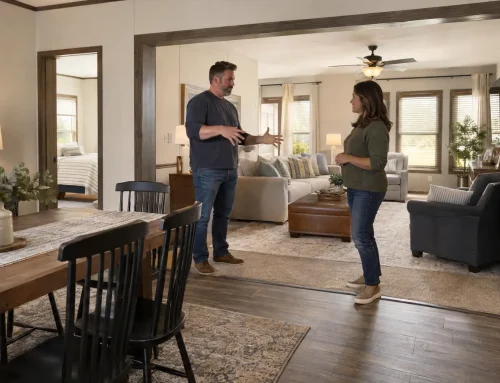
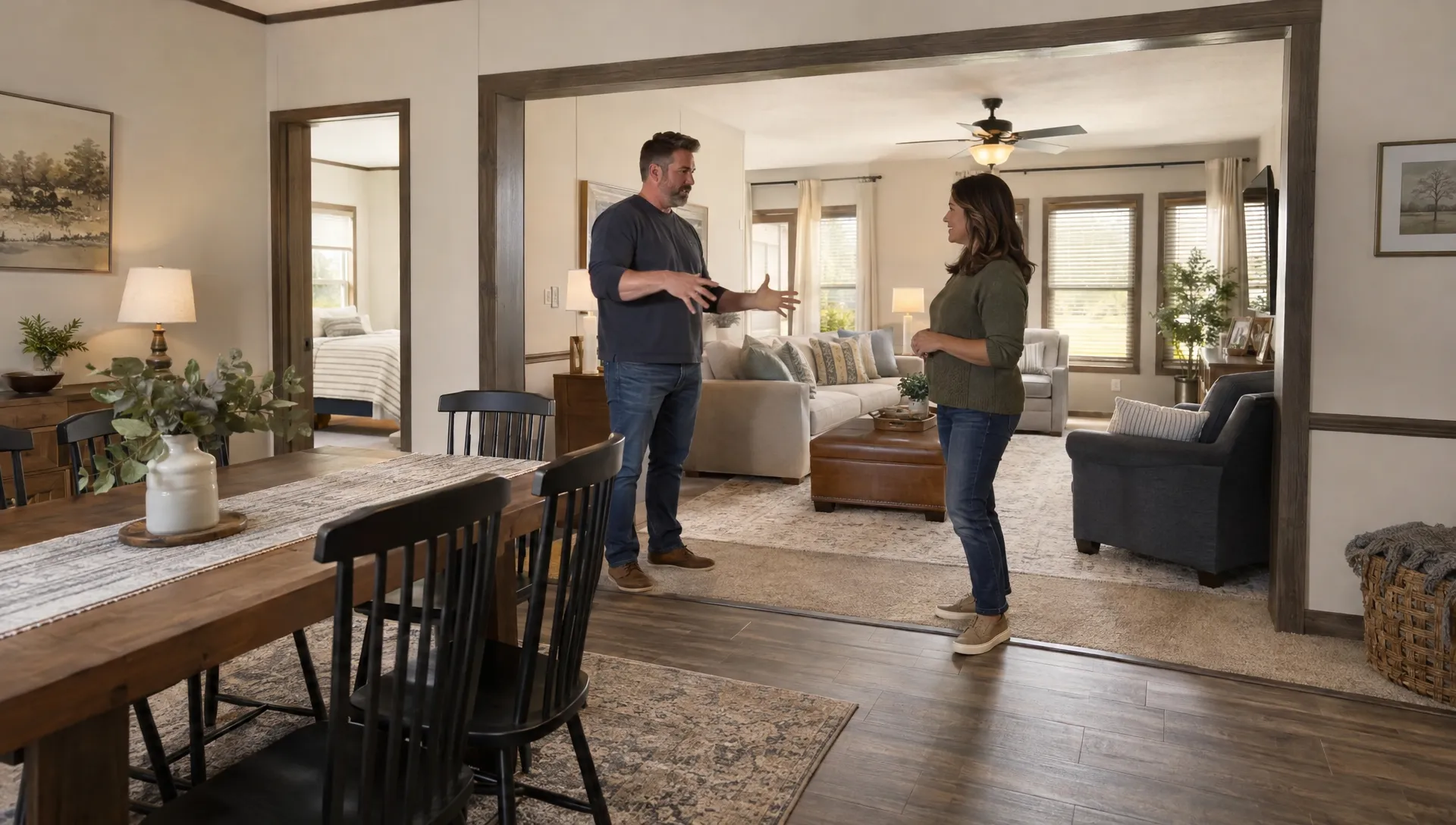
A good floor plan should support how you actually live. For some buyers, that means a large kitchen and an open living room for family gatherings. For others, it means a split-bedroom layout for privacy, a flex room for remote work, or a utility room near the back door for work clothes and sports gear.
Do not judge a floor plan only by square footage. Two homes with similar size can feel completely different depending on hallway space, storage, window placement, kitchen design, and room proportions.
Storage is especially important. Families need space for school supplies, tools, holiday bins, hobbies, and collectibles. If you are the kind of buyer who keeps shoes boxed or follows sneaker and streetwear collections, ask where those items will live so closets, climate control, and flex-room storage are part of the decision.
When touring models, walk through daily routines. Where do backpacks go? Is there a place for laundry baskets? Can furniture fit without blocking traffic? Is the pantry large enough? Will guests have privacy? These small details often matter more after move-in than the flashiest upgrade in the model home.
Inspect the home and the site carefully
A manufactured home purchase has two parts: the home itself and the place it will sit. Both need attention.
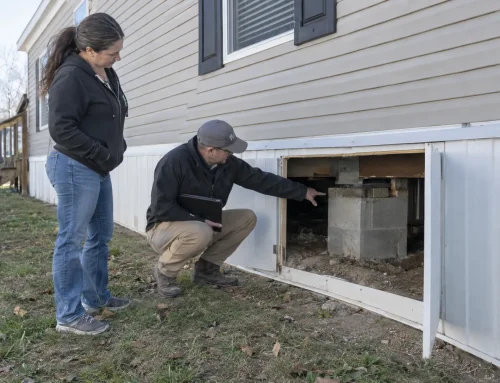
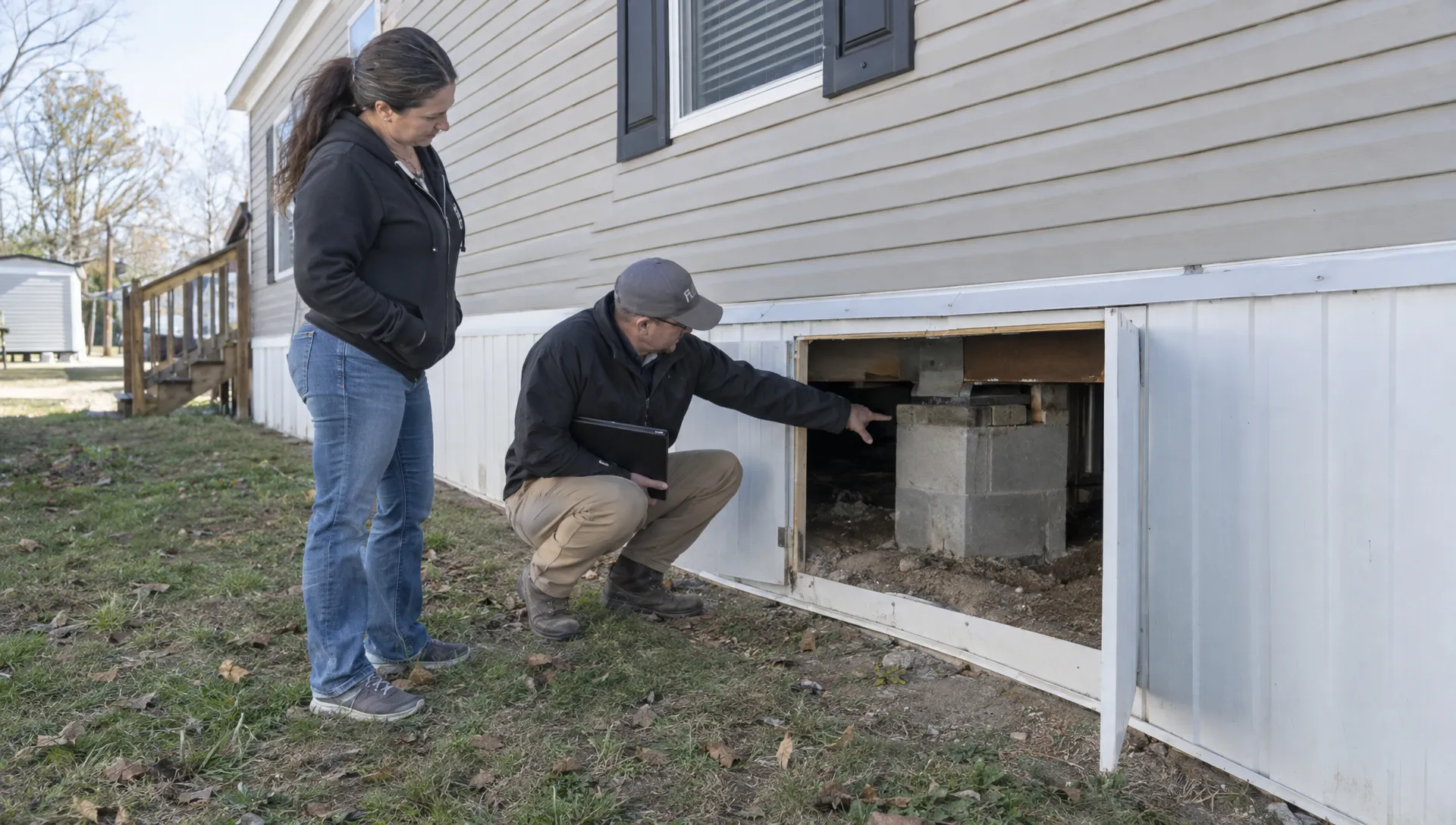
For the home, confirm the model details, floor plan, included features, warranty information, and delivery condition. If buying used, consider a professional inspection. Older homes may have roof issues, plumbing concerns, soft flooring, outdated electrical components, or signs of water intrusion.
For the site, confirm access for delivery trucks, soil and pad preparation, drainage, utility locations, septic or sewer options, setbacks, floodplain status, and local permitting. A road that looks easy for a pickup truck may not work for transporting a multi-section manufactured home.
If the home will be placed in a community, review the lease and rules before committing. Ask about lot rent increases, trash, parking, pets, fencing, guest parking, home maintenance standards, and what happens if you later sell the home.
Buyer checklist before making an offer
Use this checklist before you sign a purchase agreement, especially if you are a first-time manufactured home buyer in Texas.
- Confirm whether the home is manufactured, modular, or an older mobile home.
- Verify the seller or retailer is properly licensed when required.
- Ask for an itemized quote showing what is included and excluded.
- Confirm where the home will be placed before selecting a final model.
- Review community rules or land restrictions in writing.
- Check permits, utility access, septic or sewer needs, and delivery access.
- Get prequalified and compare total monthly payment estimates.
- Ask how the Statement of Ownership will be handled.
- Review warranties, installation details, and inspection steps.
- Budget for insurance, taxes, lot rent if applicable, and move-in expenses.
This checklist is not a replacement for professional legal, tax, or lending advice, but it can help you ask better questions before money changes hands.
Common red flags to avoid
Most manufactured home purchases go more smoothly when buyers slow down and insist on written details. Be cautious if a seller pressures you to sign quickly, refuses to itemize costs, cannot explain ownership paperwork, or says permits are not necessary without verifying local requirements.
Also be careful with used homes that must be moved. Transporting and reinstalling a used manufactured home can involve additional inspections, code requirements, and site limitations. A low purchase price may not be a bargain if the home needs major repairs, cannot be financed, or costs more than expected to relocate.
Another red flag is choosing land before confirming whether manufactured homes are allowed. Deed restrictions, city ordinances, subdivision rules, utility limitations, and floodplain issues can all affect placement. Always verify before closing on land.
How Homes2Go San Antonio helps Texas buyers
Buying a manufactured home is easier when you have guidance from people who understand models, financing, communities, and local placement questions. Homes2Go San Antonio helps buyers compare home options, review detailed floor plans, explore flexible financing paths, and connect with trusted local lenders.
For San Antonio-area buyers, local knowledge matters. The right home should fit your budget, your land or community plan, and your long-term lifestyle. Whether you are a first-time buyer, downsizing, or looking for a land and home package, working with an experienced team can help you avoid costly mistakes.
You can start by reviewing the broader manufactured homes in San Antonio guide or visiting Homes2Go San Antonio to learn more about available options.
Frequently Asked Questions
Are mobile homes and manufactured homes the same in Texas? Many people use the terms interchangeably, but technically a mobile home usually refers to a factory-built home made before June 15, 1976. A manufactured home is built after that date to the federal HUD Code.
Can I put a mobile home on any land in Texas? No. You must check local zoning, deed restrictions, utility access, floodplain status, driveway access, septic or sewer requirements, and permits. Rules can vary by city, county, subdivision, and utility provider.
Is it cheaper to buy a manufactured home in a community or on private land? A community may reduce upfront land costs because you rent the lot, but you will usually pay monthly lot rent. Private land can offer more control, but site prep, utilities, permits, and land financing can raise the total project cost.
What credit score do I need to buy a manufactured home in Texas? Requirements vary by lender and loan program. Credit score, income, debt-to-income ratio, down payment, home condition, and whether land is included can all affect approval.
Can first-time buyers finance mobile homes in TX? Yes, qualified first-time buyers may have several possible financing paths depending on the home and land situation. It is best to get prequalified early and compare total payment estimates before choosing a model.
What should I inspect before buying a used mobile home? Check the roof, flooring, plumbing, electrical system, HVAC, windows, walls, signs of water damage, ownership documents, liens, and whether the home can be moved or financed. A professional inspection is often worth the cost.
Ready to compare mobile homes in TX?
If you are shopping in San Antonio or nearby Texas communities, Homes2Go San Antonio can help you compare models, understand financing options, and plan the next steps with confidence. Start with your budget, decide where the home will go, and work with a team that can guide you from floor plan to move-in.
Explore your options with Homes2Go San Antonio and take the next step toward affordable manufactured homeownership in Texas.
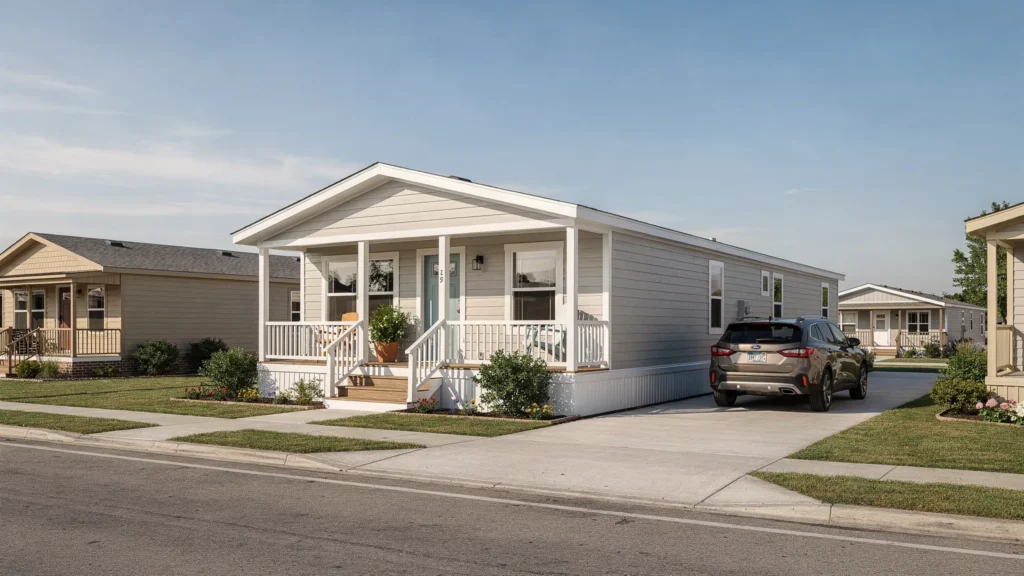 3 Bedroom Trailers for Rent Near Me: Smart Search Tips
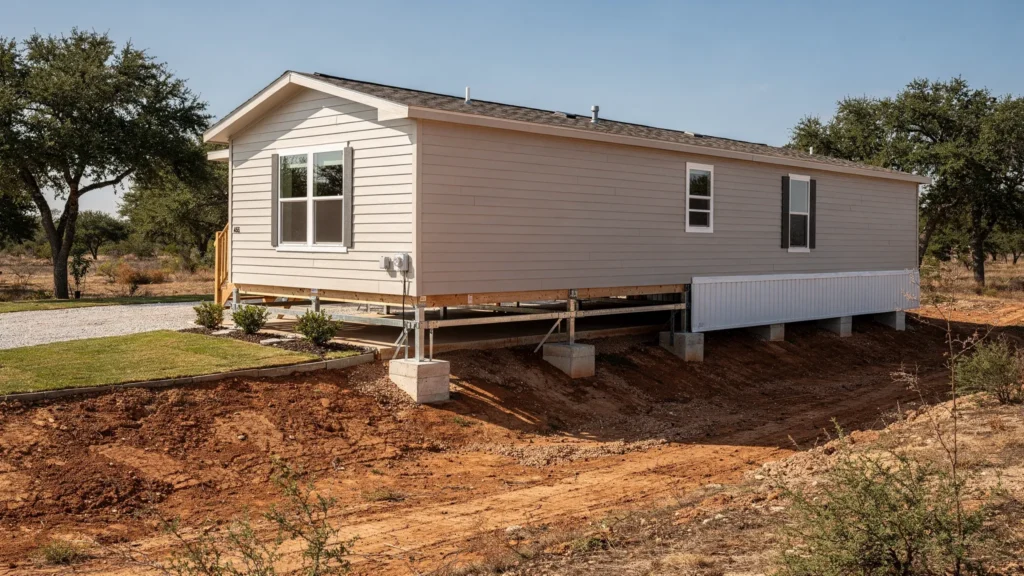 Manufactured Home Foundation Inspection: What Matters