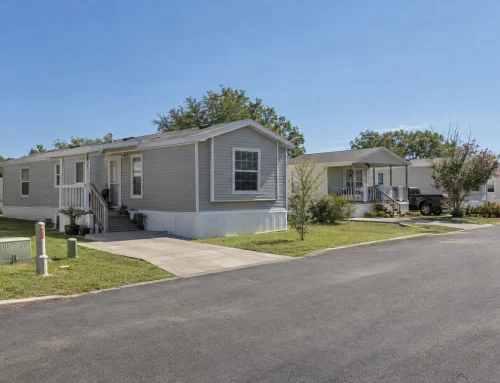

Choosing a manufactured home community is almost as important as choosing the home itself. The floor plan affects how you live inside the home, but the community affects your monthly budget, commute, rules, services, neighbors, and long-term flexibility.
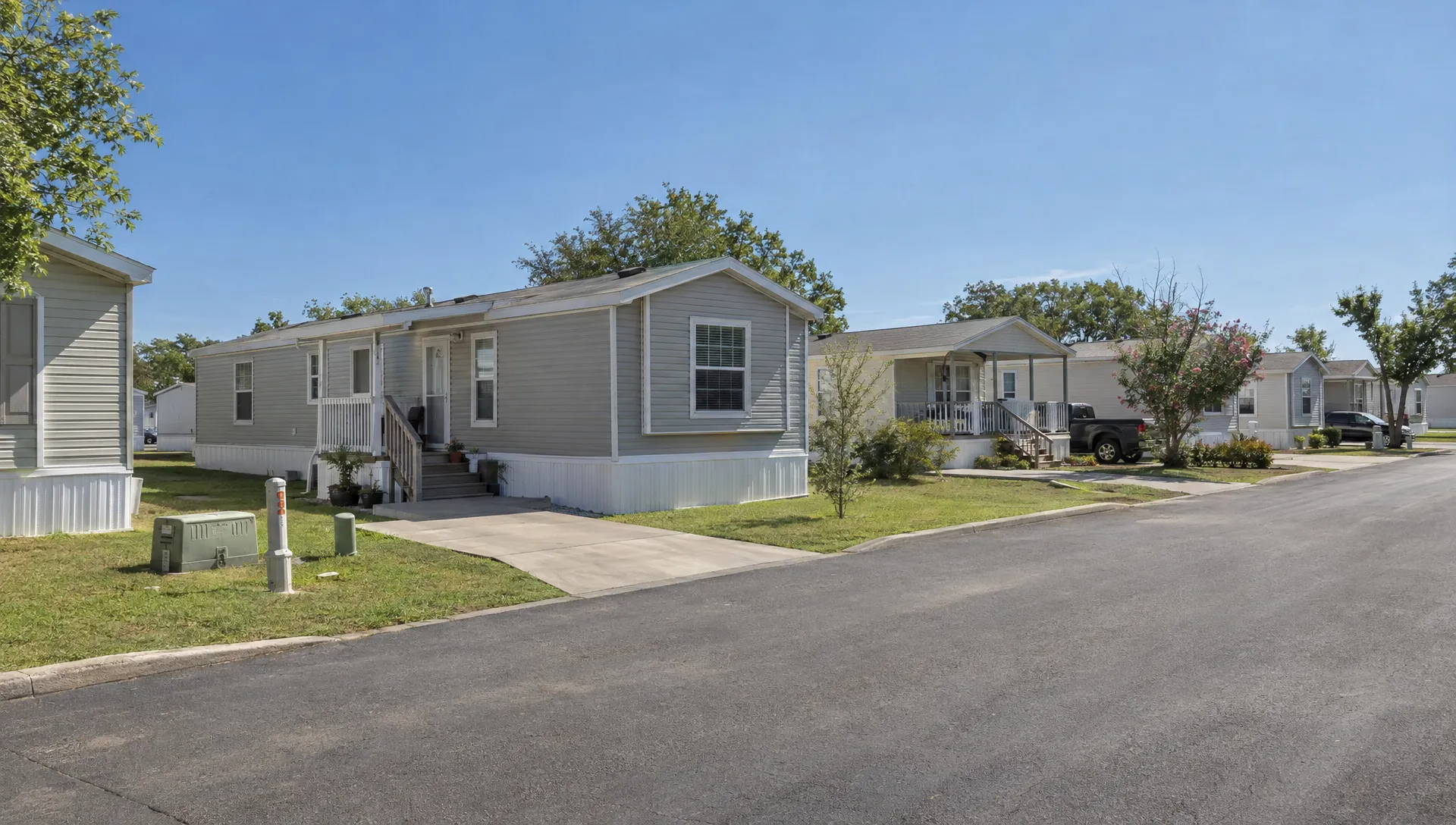
That is especially true for all-age manufactured home communities. These communities are designed for residents across different life stages, including singles, couples, families with children, retirees, and multigenerational households. If you are searching for all age manufactured home communities near me in the San Antonio area, the best choice is rarely the first result on a map. It is the community that fits your home, your finances, and your daily life.
Below is a practical framework for comparing communities before you apply, sign a lease, or place a manufactured home on a lot.
What all-age manufactured home communities really mean
An all-age manufactured home community is not age-restricted. Unlike a 55+ community, it generally welcomes qualified residents regardless of age, subject to normal application standards, lease rules, occupancy limits, and community guidelines.
This distinction matters because age-restricted housing has specific rules under federal fair housing law. The U.S. Department of Housing and Urban Development explains that the Fair Housing Act protects against discrimination based on familial status, while certain housing for older persons may qualify for an exemption if it meets legal requirements.
All-age does not mean anything goes. A community may still have rules about pets, parking, exterior appearance, noise, lot maintenance, guests, fencing, sheds, and vehicle storage. The key is to understand those rules before you commit.
Modern manufactured homes are also different from older mobile homes. New manufactured homes are built to the federal HUD Code, which sets construction and safety standards for manufactured housing. HUD provides more detail on its manufactured housing program. A community may still set its own requirements for home size, age, condition, skirting, installation, and exterior style.
Start with your non-negotiables
Before comparing communities, define what your household actually needs. Otherwise, it is easy to be distracted by a nice entrance sign, a low advertised lot rent, or an amenity you may rarely use.
Start with the basics:
- Your maximum total monthly payment, including home payment, lot rent, utilities, insurance, taxes, and fees.
- The home size you want, such as single-section, double-section, number of bedrooms, and parking needs.
- Commute needs for work, school, medical appointments, childcare, and regular errands.
- Household priorities such as pets, outdoor space, playgrounds, quiet streets, or access to public transportation.
- Financing plans, since not every loan type works the same way for a home on leased land.
For San Antonio buyers, location can change daily life quickly. A community that looks affordable may become frustrating if it adds 35 minutes to your commute on I-35, Loop 410, Highway 90, or Loop 1604. A slightly higher lot rent may be worth it if the location saves fuel, time, and stress every week.
Compare total monthly cost, not just lot rent
Lot rent is only one part of the cost. When comparing all-age manufactured home communities, ask for a written fee schedule and estimate the full monthly payment before deciding whether a community is affordable.
| Cost category | What to ask | Why it matters |
|---|---|---|
| Lot rent | What is the current lot rent and when can it increase? | A low starting rent may not stay low over time. |
| Utilities | Are water, sewer, trash, electricity, gas, or internet billed separately? | Utility billing can change the real monthly cost. |
| Application fees | What does each adult applicant pay? | Fees add up for larger households. |
| Deposits | Is there a security deposit, utility deposit, or pet deposit? | Move-in cash can be higher than expected. |
| Home payment | What will the manufactured home payment be? | The home and lot cost should be evaluated together. |
| Insurance and taxes | What coverage and tax responsibilities apply? | These costs can vary by home, lender, and location. |
| Community fees | Are there fees for pets, extra vehicles, amenities, late payments, or maintenance violations? | Small recurring fees can affect affordability. |
A good rule of thumb is to compare communities based on the amount you will actually pay each month, not the number advertised on a flyer. If you are considering a more energy-efficient home, also think about long-term comfort and utility costs. In South Texas heat, insulation, HVAC efficiency, windows, and air sealing can make a meaningful difference. Homes2Go has a helpful guide to energy-efficient manufactured homes in Texas heat if cooling costs are a priority.

Read the rules before you fall in love with the community
Community rules should be reviewed before you apply, not after approval. Rules affect how you can use the lot, what changes you can make, and whether your lifestyle fits the property.
Pay close attention to rules for pets, breeds, weight limits, fencing, sheds, decks, skirting, satellite dishes, business use, parking, recreational vehicles, boats, trailers, guests, and quiet hours. If you have work vehicles, multiple drivers in the household, or large pets, this step is especially important.
Also ask how rules are enforced. A written rule that is consistently and fairly enforced is different from a vague rule that changes depending on who you ask. If a community cannot provide written guidelines, that is a reason to slow down.
Lease terms deserve the same attention. Ask whether the lease is month-to-month or longer term, how much notice is required for rent changes, what happens if you sell your home, and whether the buyer must be approved by the community. If you may relocate in a few years, resale and transfer rules matter.
Match the home to the lot before you buy
A manufactured home may be beautiful, affordable, and move-in ready, but it still has to fit the community’s requirements. Do not assume every community accepts every home.
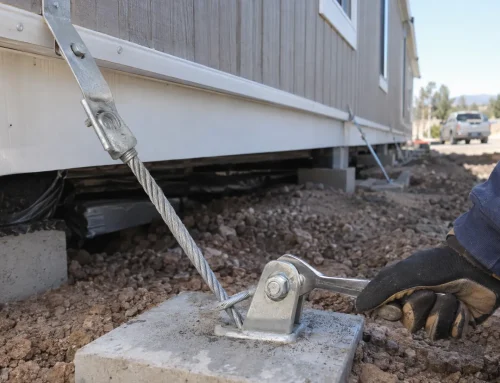
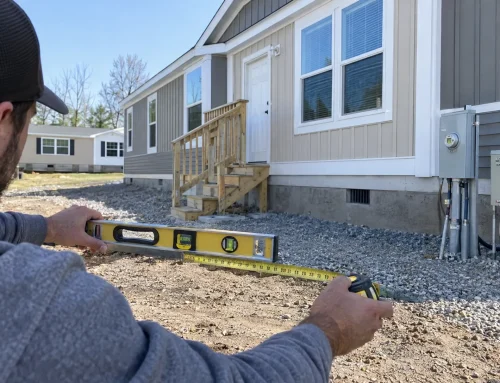
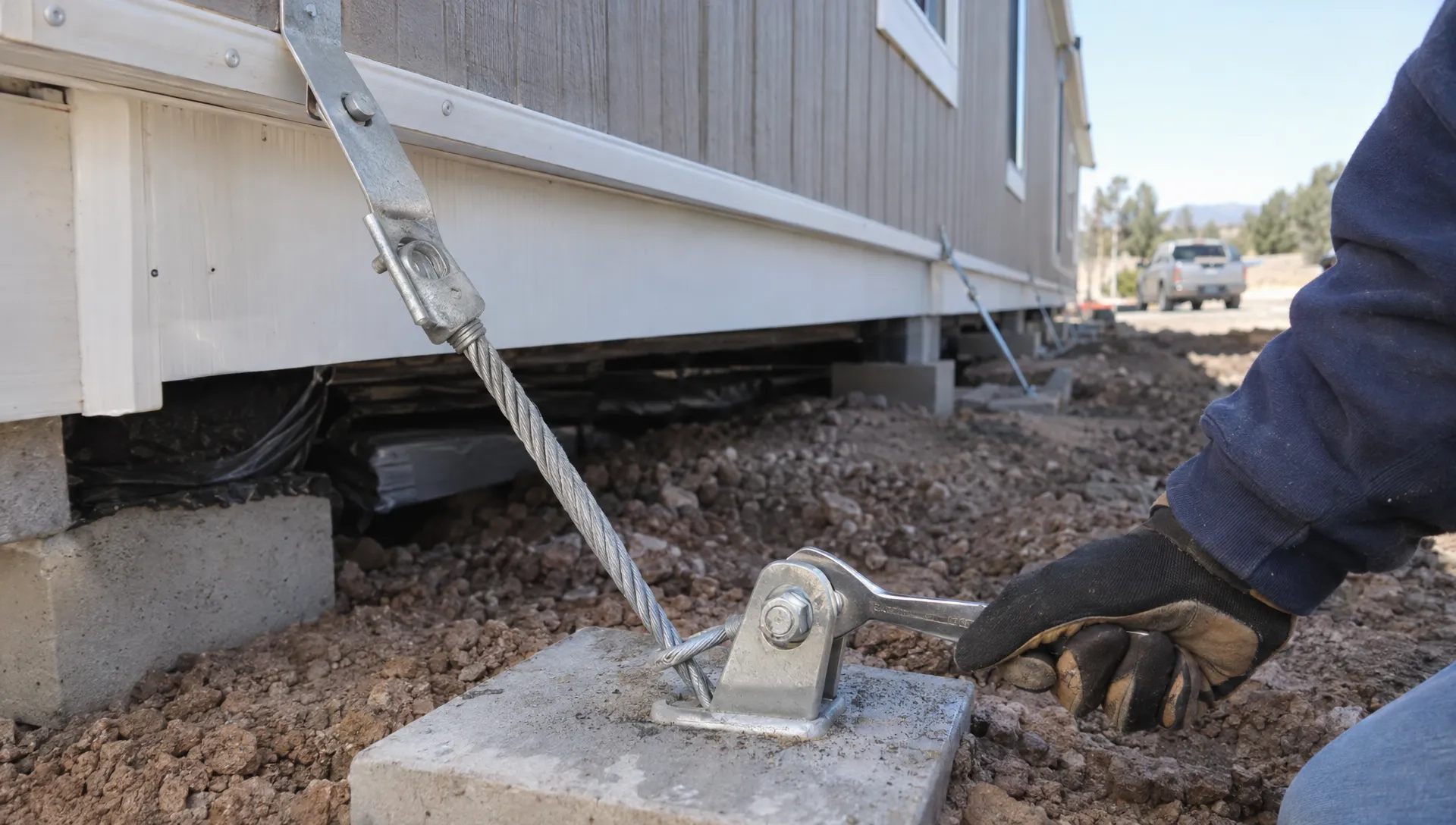
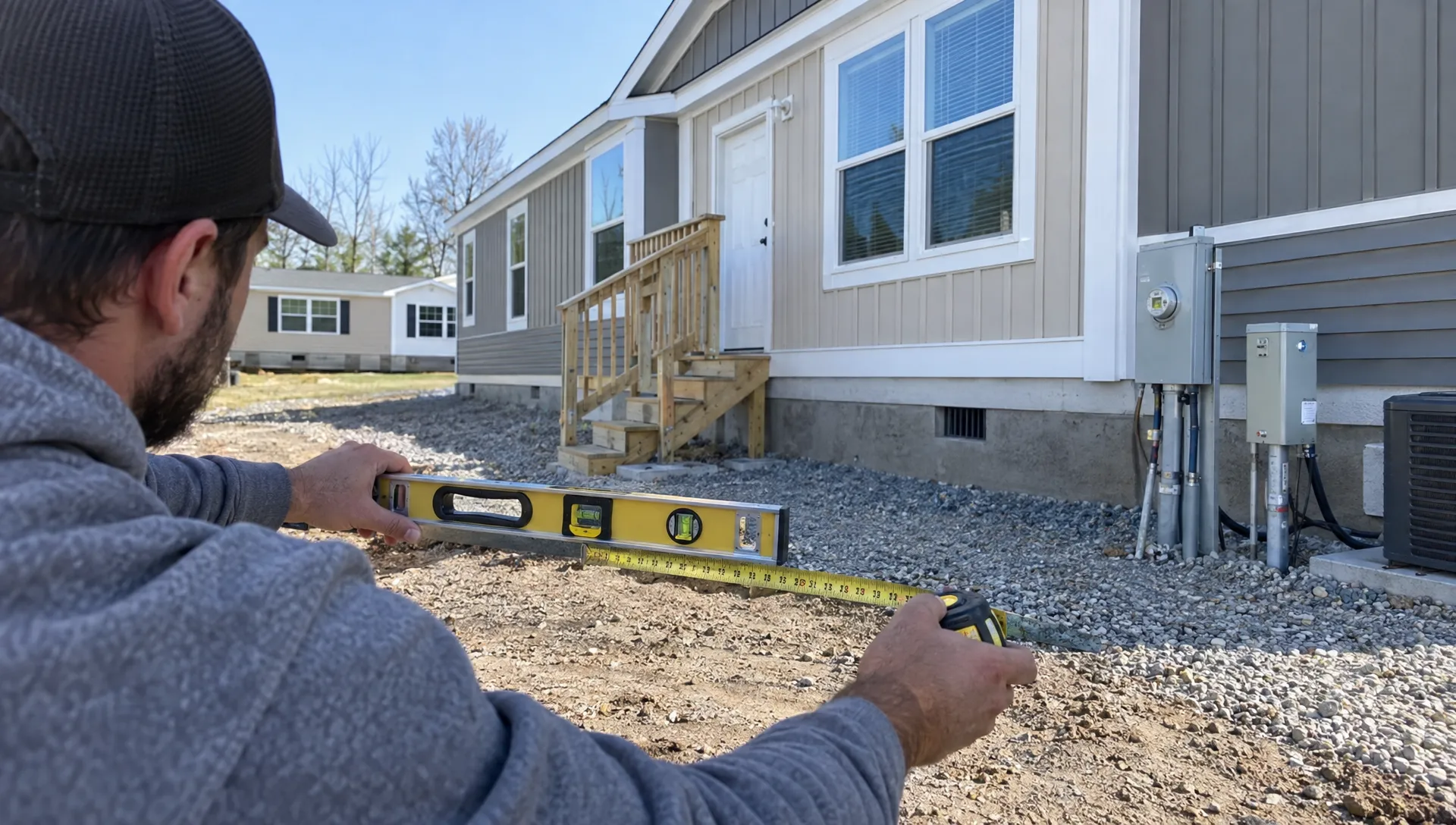
Ask the community about accepted home types, including single-section or double-section homes, minimum size, maximum size, age restrictions, exterior standards, roof pitch, foundation or anchoring requirements, skirting, steps, decks, and utility connections. The lot itself should also be checked for dimensions, setbacks, drainage, driveway location, and access for delivery and installation.
This is where many buyers get delayed. They choose a home first, then discover the lot will not work, the community has a home age restriction, or utility connections need more work than expected. If possible, compare the home and community together from the beginning.
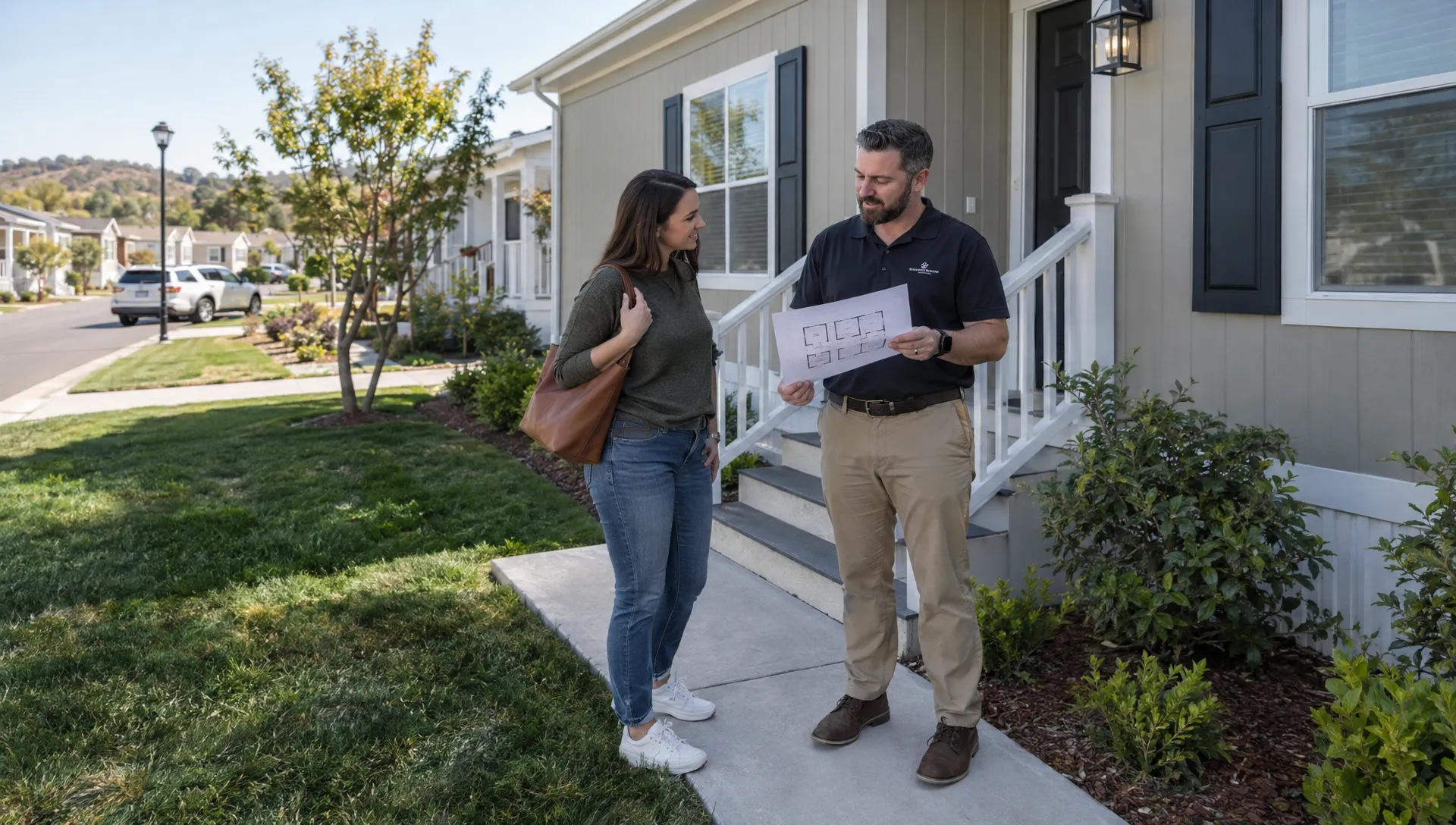
Homes2Go San Antonio can help buyers look at home models, floor plans, financing options, and community fit as part of the same conversation. That is especially helpful for first-time buyers who may not know which questions to ask yet.
Evaluate location like you already live there
A community tour during a quiet weekday afternoon may not show the full picture. Try to visit at different times, such as after work, on a weekend, or after heavy rain if possible. Daily life looks different when school traffic, work commutes, and weather are involved.
For San Antonio and nearby areas, consider:
- Drive time to work during real commute hours.
- School district and campus assignments, confirmed through the district rather than assumptions.
- Distance to grocery stores, pharmacies, medical care, childcare, and public services.
- Road condition, lighting, entrances, and visibility at night.
- Drainage, low spots, standing water, and flood risk.
Flood risk is worth checking even if a property looks dry during your tour. You can review general flood map information through the FEMA Flood Map Service Center, and you should also ask the community about drainage history and past storm issues.
Look at management quality and maintenance
Community management has a major impact on your experience. A well-managed community usually has clearer communication, better-kept common areas, more consistent rule enforcement, and faster answers when problems come up.
Look for signs of basic upkeep: maintained roads, visible lot numbers, trimmed common areas, working streetlights, managed trash areas, drainage maintenance, and homes that appear cared for. One messy lot does not define a community, but widespread neglect can signal deeper issues.
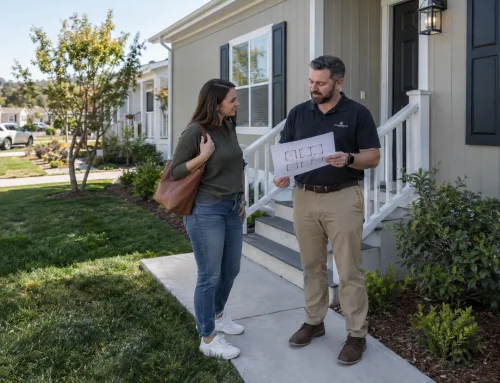
When touring, notice how staff answer questions. Do they explain fees clearly? Do they provide written documents? Do they know which homes fit available lots? Do they pressure you to apply before you understand the costs? A professional process should make you feel informed, not rushed.
If appropriate, ask current residents simple, respectful questions about management responsiveness, utility reliability, noise, and whether they would choose the community again. Current residents often notice things that do not appear in brochures.
Use a simple comparison scorecard
When you tour several communities, details can blur together. A scorecard helps you compare options objectively instead of relying only on memory.
| Category | What to compare | Score from 1 to 5 |
|---|---|---|
| Total cost | Lot rent, fees, utilities, deposits, and estimated full monthly payment | |
| Location | Commute, schools, errands, healthcare, and road access | |
| Home compatibility | Lot size, accepted home types, installation requirements, and utility setup | |
| Rules and lease | Pets, parking, guests, exterior changes, rent increase terms, and resale rules | |
| Management | Communication, document clarity, maintenance, and professionalism | |
| Property condition | Roads, drainage, lighting, common areas, and general upkeep | |
| Lifestyle fit | Noise level, amenities, outdoor space, household needs, and long-term comfort | |
| Financing fit | Whether your lender and loan type work with the home and community setup |
A community does not need to score perfectly in every category. The goal is to see tradeoffs clearly. For example, one community may have better amenities but a longer commute. Another may have fewer amenities but lower total monthly cost and better lot fit.
Understand how financing connects to community choice
Financing can be different when the home is placed in a manufactured home community, especially if the land is leased. The Consumer Financial Protection Bureau explains that manufactured home financing may vary depending on whether you are buying the home only, the land only, or both together.
In many leased-lot communities, buyers use home-only financing, often called chattel financing. This can be a practical path for buyers who want to own the home without purchasing land, but the monthly payment should be compared carefully with lot rent and other fees. Homes2Go has a deeper overview of manufactured housing chattel loans if you want to understand the pros and cons.
Some loan programs and lenders may require community approval, specific home documentation, insurance, installation standards, or lease details. Before you get too far into the process, ask what documents the lender needs and what documents the community can provide.
Watch for red flags and green lights
No community is perfect, but some signs should make you pause. A red flag does not always mean you should walk away, but it does mean you need clearer answers before moving forward.
| Red flag | Why it matters | What to ask next |
|---|---|---|
| Fees are explained verbally but not in writing | Verbal pricing is hard to verify later. | Can I have the full fee schedule in writing? |
| Lease or rules are not available before applying | You cannot evaluate obligations you have not seen. | May I review the lease and rules before paying fees? |
| Approval standards are unclear | You may spend time and money without knowing the criteria. | What credit, income, background, and household requirements apply? |
| Lot condition is uncertain | Site issues can delay delivery or increase costs. | Has the lot been measured and checked for utilities and drainage? |
| Pressure to decide immediately | Rushed decisions increase the chance of missing details. | How long is this lot available, and what is required to reserve it? |
| Poor drainage or neglected common areas | Maintenance issues can affect comfort and long-term value. | How are drainage, roads, and common areas maintained? |
Green lights include clear written pricing, helpful staff, clean and maintained common areas, transparent approval criteria, documented community rules, confirmed lot measurements, and a willingness to coordinate with your home retailer or lender.
Do not compare amenities in isolation
Amenities can make a community more enjoyable, but they should not outweigh the fundamentals. A playground, pool, clubhouse, or walking area is valuable only if the total cost, rules, location, safety, and home fit also work for your household.
Think about how often you will actually use each amenity. A pool may be attractive in summer, but if the community adds a long commute or stretches your budget, it may not be worth the tradeoff. On the other hand, a simple, well-managed community with fewer amenities may be a better fit if it keeps your monthly costs predictable and your daily routine easier.
For households with children, do not rely only on playgrounds or marketing language. Confirm school assignments, bus routes, nearby childcare, traffic safety, and outdoor space. For retirees or remote workers, quiet streets, reliable utilities, and good internet access may matter more than shared amenities.
Questions to ask during a community tour
Bring a notebook or use your phone to record answers while touring. Ask the same questions at each community so your comparison stays fair.
- What is the full monthly cost, including lot rent, required fees, and typical utilities?
- What lease terms apply, and how are rent increases handled?
- What home sizes, ages, and exterior styles are accepted?
- Are there available lots that fit the home model I am considering?
- What are the rules for pets, parking, guests, fencing, sheds, and exterior improvements?
- What is the application process, and what can cause denial?
- Who handles utility connections, lot preparation, steps, skirting, and related setup items?
- What happens if I want to sell the home later?
The best communities will answer these questions clearly and consistently. If you receive different answers from different staff members, ask for written clarification.
Frequently Asked Questions
What is an all-age manufactured home community? An all-age manufactured home community is a community that is not limited to older residents. Qualified residents of different ages may live there, subject to the community’s application process, lease terms, and rules.
Are all-age manufactured home communities the same as family mobile home parks? Many people use those phrases to mean a community that welcomes households with children, but all-age manufactured home community is usually the clearer term. The community may still have occupancy rules, conduct rules, pet policies, and approval requirements.
What is the most important cost to compare? Compare the total monthly cost, not just lot rent. Include the home payment, lot rent, utilities, insurance, taxes, application fees, deposits, pet fees, vehicle fees, and any required community charges.
Can I finance a manufactured home in an all-age community? Often, yes, but the right financing depends on whether you are buying only the home, buying land with the home, or placing the home on leased land. Ask your lender and the community what documents are required before you commit.
Should I choose the home or the community first? Ideally, compare them together. The home must fit the lot, the community rules, and the financing plan. Choosing a home before checking community requirements can create delays or limit your options.
Compare communities with the right home in mind
The best all-age manufactured home community is not just the one with the lowest lot rent or the nicest brochure. It is the one where your home fits, your payment works, the rules are clear, and your household can live comfortably for years.
If you are looking in the San Antonio area, Homes2Go San Antonio can help you compare manufactured home models, review floor plans, explore flexible financing options, and think through community fit before you make a decision. Visit Homes2Go San Antonio to start exploring manufactured homes and get guidance for your next step toward homeownership.
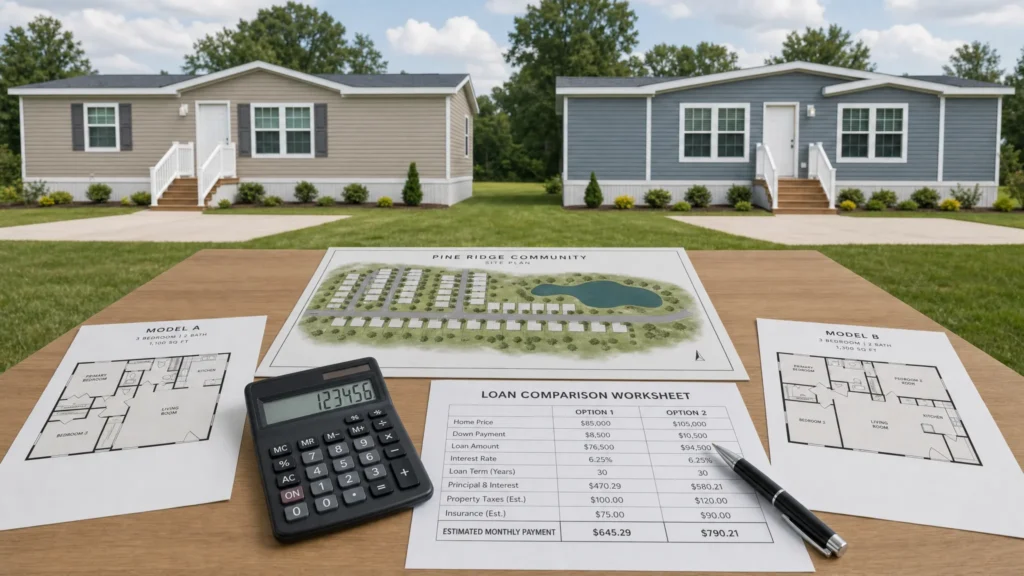 Manufactured Housing for Sale: How to Compare Smartly
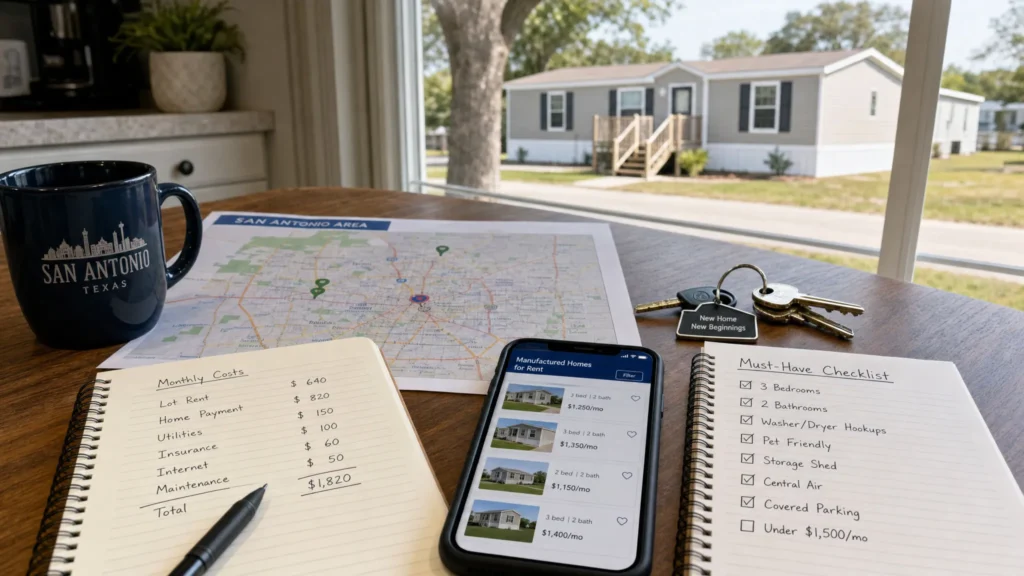 Double Wide Mobile Homes for Rent Near Me: Smart Search