
If you’re searching “rent to own trailer home near me”, you’re probably trying to solve two problems at once: finding an affordable home and getting around the hurdles of a traditional mortgage. Rent-to-own can work in some situations, but it’s also one of the easiest places for buyers to get trapped in one-sided contracts, unclear title issues, and “you lose everything if you’re late” terms.
This guide breaks down the most common rent-to-own contract traps buyers run into (especially in Texas), plus what to verify before you sign anything so you can move toward ownership without stepping on landmines.
First, what “rent to own” can mean (and why the label matters)
Sellers use “rent-to-own” as a catch-all phrase, but the legal structure underneath it changes your rights dramatically. In manufactured housing, it’s also important to separate two things:
- The home (a manufactured home can be titled like personal property, similar to a vehicle, unless it’s properly attached/converted)
- The land (you might be buying land, leasing a lot in a community, or doing a “land and home” package)
Before you evaluate a deal, ask for the actual contract type and read the definitions section. Here’s a quick comparison of common arrangements you’ll see advertised as “rent to own.”
| “Rent-to-own” label in ads | What it often is | What you should watch most closely | Who holds power if you miss a payment |
|---|---|---|---|
| Lease-option | You rent now and have the option (not obligation) to buy later | Whether rent credits apply and whether the option fee is refundable | Usually the seller/landlord |
| Lease-purchase | Like a lease-option, but structured to push you into buying | Default terms, required financing deadline, rent credit language | Usually the seller/landlord |
| Contract for deed (installment contract) | You pay toward ownership over time, deed transfers later | Forfeiture clauses, cure periods, recording requirements | Often heavily favors the seller if drafted aggressively |
| Owner financing (promissory note + deed of trust) | You buy now, seller finances, you get ownership interest up front | Interest rate, lien position, balloon payments, foreclosure process | More balanced if properly documented |
If a seller won’t clearly explain which structure you’re signing, treat that as your first red flag.
The biggest contract traps to avoid in a rent-to-own trailer home deal
Not every deal includes these, but the most expensive mistakes tend to come from the same few clauses and missing documents.
1) The purchase price is vague, adjustable, or hidden in addendums
A fair agreement should state a clear purchase price (or a clear formula), plus exactly how credits apply.
Watch for language like “price to be determined at time of purchase,” “market price at exercise,” or “seller may adjust price for repairs, taxes, or carrying costs.” That can turn your “path to ownership” into a moving target.
2) “Rent credits” sound generous but are easy to lose
Many agreements advertise that part of your monthly payment goes toward the purchase. The trap is that the contract may say credits only apply if:
- You never pay late (sometimes even one late payment voids all credits)
- You buy by a specific date
- You pay certain fees first (admin fees, inspection fees, “program fees”)
If credits are real, the contract should state exact dollar amounts and when they vest.
3) The option fee is nonrefundable (and not applied to the purchase)
Option fees can be legitimate, but they should be clearly applied to the purchase price if you buy, and you should understand the consequence if you don’t.
A common trap is a large upfront payment marketed as a “down payment,” but legally it’s just a nonrefundable fee. If the deal collapses later, you may have no equity and no refund.
4) Balloon payments that make the “buy” part unrealistic
Some rent-to-own agreements are structured so your monthly payments barely reduce what you owe, then a large balloon payment is due at the end.
Ask: “At the end of the term, what exact amount is due to purchase?” If the answer depends on refinancing you may not qualify for, that’s not a plan, it’s a gamble.
5) You’re responsible for repairs like an owner, but treated like a tenant on default
This is one of the most common mismatches.
Some contracts push maintenance, major repairs, appliances, HVAC, and even insurance onto the buyer, but if you miss a payment the seller can terminate quickly and keep your money.
Fairer terms spell out:
- Who handles major systems (roof, plumbing, electrical, HVAC)
- A process for pre-existing issues (inspection, repair escrow, or seller repairs before move-in)
- A written standard for what counts as “damage” vs normal wear
6) Default and late-fee clauses that trigger immediate loss
Read the default section like your future depends on it (because it does). Contract traps include:
- Very short cure periods
- Automatic termination for small payment issues
- Stacked late fees and “notice fees”
- Clauses that convert your payments to “rent only” upon default
If the contract can wipe out years of payments because of one rough month, you need to renegotiate or walk away.
7) Title and lien problems (you can’t buy what the seller can’t convey)
In manufactured housing, title issues can be especially messy.
You want to confirm:
- Who legally owns the home today
- Whether there are liens (lender liens, tax liens, judgment liens)
- Whether the home is properly documented with Texas manufactured housing records
In Texas, manufactured homes are commonly tracked through the Texas Department of Housing and Community Affairs (TDHCA). Ask for documentation tied to the home’s identification, and verify using TDHCA resources where applicable (start at the TDHCA Manufactured Housing Division).
If the seller cannot prove clean ownership and the ability to transfer, do not rely on verbal assurances.
8) Confusion over land: you might be buying a home, but still renting the lot
A “trailer home” deal can be structured so you’re only buying the home, not the land underneath.
If the home will be placed in a land-lease community (mobile home park), you still need to qualify for the community and sign a separate lot lease. That lot lease can include:
- Lot rent increases
- Community rules and penalties
- Limits on who can live there
- Requirements to keep the home in certain condition
Make sure you understand the total monthly cost: rent-to-own payment plus lot rent plus utilities plus insurance.
9) The contract blocks inspections, walk-throughs, or professional review
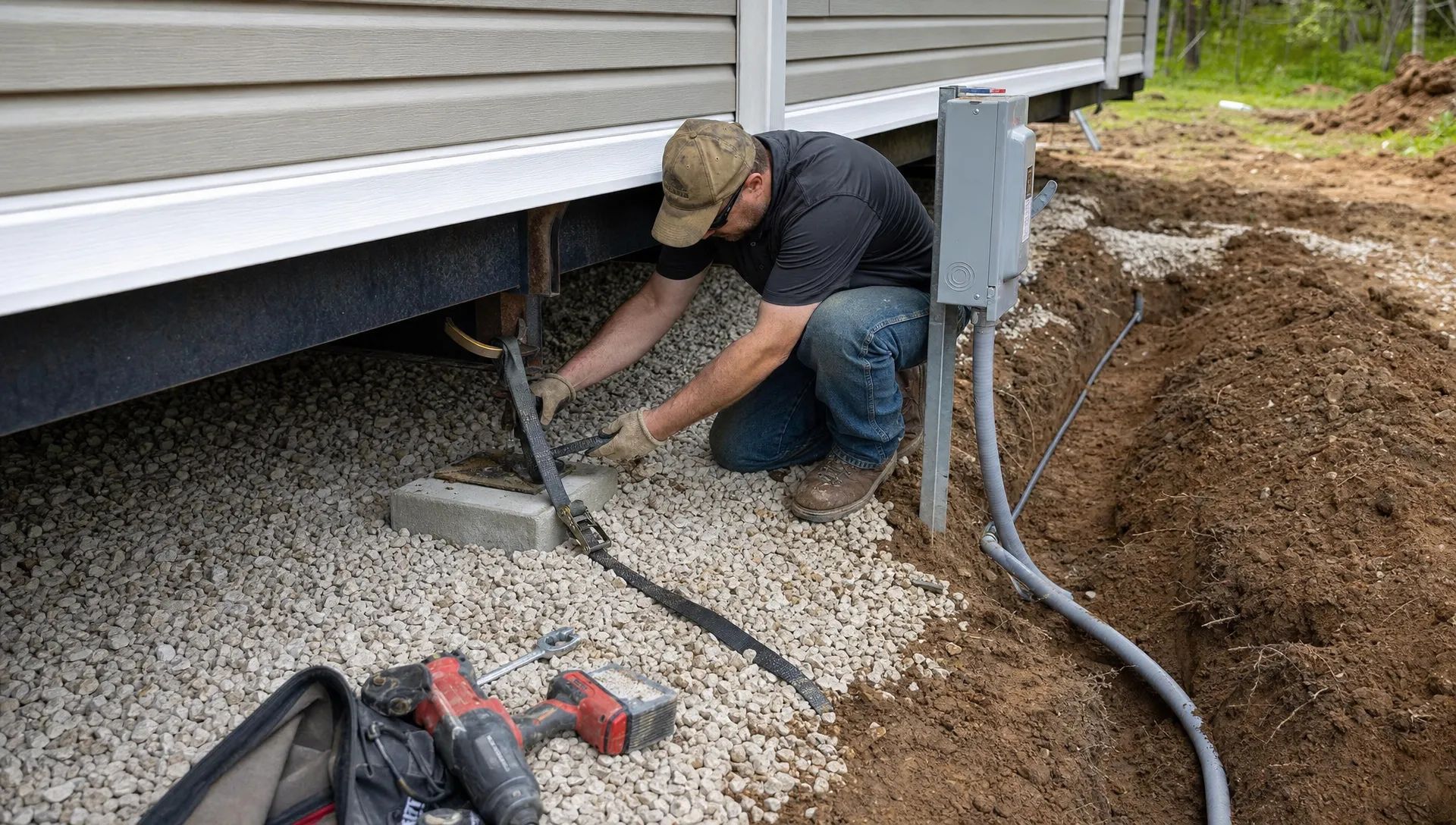
Any “no inspection” pressure is a major red flag. Manufactured homes have unique inspection considerations (tie-downs, skirting, piers, moisture control, HVAC sizing, roof condition, subfloor softness).
If a seller discourages an independent inspection or won’t allow you time to review with an attorney, they are telling you the risk level.
10) You’re relying on verbal promises (and the contract says only written terms count)
Most contracts include an “entire agreement” clause that means your conversations do not matter if the terms are not written in the contract.
If someone promises:
- “We’ll count every payment toward the purchase,”
- “We’ll fix the roof after you move in,”
- “You can refinance easily in a year,”
then those promises must be written into the agreement to be enforceable.

A practical verification checklist before you sign
Use this as a quick due diligence framework. It’s not legal advice, but it will help you ask the right questions and spot missing paperwork early.
| Item to verify | What to ask for | Why it matters |
|---|---|---|
| Contract type | Lease-option, lease-purchase, contract for deed, or owner financing | Your remedies and risks change dramatically by structure |
| Purchase price and timeline | Exact price, deadline to buy, and what happens if you miss the date | Prevents “moving target” pricing |
| Credit for payments | Exact monthly credit amount and rules for losing it | Avoids paying extra with no equity benefit |
| Upfront fees | Option fee, admin fees, deposits, and whether they apply to purchase | Prevents “down payment” that is really a forfeitable fee |
| Default and cure period | Late fee schedule, notices, cure time, termination terms | One clause can erase years of payments |
| Title/ownership proof | Evidence seller owns the home and can transfer it, lien status | You cannot safely buy if title is not clean |
| Land or lot lease terms | Separate lot lease, rent increases, community rules, move-out rules | Your monthly cost and stability depend on it |
| Taxes and insurance | Who pays property taxes, home insurance, and when coverage starts | Prevents surprise bills and coverage gaps |
| Inspection rights | Written right to inspect and negotiate repairs | Protects you from hidden defects |
If anything is missing, slow down. High-pressure “sign tonight” tactics are rarely used in fair deals.
A quick cost reality check (the math catches a lot of bad deals)
Even when the paperwork is clean, rent-to-own can become expensive if the monthly payment is well above market rent and credits are limited.
Before signing, write down:
- Total upfront fees
- Monthly payment
- Amount of each payment credited to purchase (if any)
- Lot rent (if applicable)
- Required purchase price or payoff at the end
Then ask yourself one question: “If I do this for 24 months and something goes wrong, what do I walk away with?” If the answer is “nothing,” the contract needs to be extremely fair in every other respect.
Safer paths to ownership if “rent to own” feels risky
For many San Antonio buyers, a traditional rent-to-own structure is not the only route. Depending on whether you’re buying just the home or doing land plus home, you may be able to explore financing options that are more standardized and easier to compare.
Homes2Go San Antonio publishes an overview of common manufactured-home financing routes (including chattel loans and government-backed options) on their financing page. If you’re weighing a rent-to-own offer against financing, it can help to compare total costs, timeline, and what legal protections you have when you’re the documented owner.
If you’re also trying to solve the land piece, their guide on land and home packages in San Antonio is a useful starting point to understand how the process and closing differ.
For additional consumer guidance on risky homebuying structures, you can also review information from the Texas Attorney General and the Consumer Financial Protection Bureau.
Frequently Asked Questions
Is rent-to-own the same as owner financing for a manufactured home? Not usually. “Rent-to-own” is often a lease-option or lease-purchase where you may not gain ownership until the end, while owner financing can be structured so you buy now and repay over time with clearer ownership rights.
Can I do rent-to-own in a mobile home park and still have stable monthly costs? You can, but you need to read the separate lot lease carefully. Lot rent increases, fees, and community rules can change your total monthly payment even if your home payment stays the same.
What’s the biggest red flag in a rent-to-own trailer home contract? A default clause that lets the seller terminate quickly and keep all prior payments and credits, especially if you’re also responsible for repairs and maintenance.
How do I verify who owns the manufactured home in Texas? Ask for ownership documentation and lien status tied to the home’s identifying information, and use Texas manufactured housing resources where applicable (see the TDHCA Manufactured Housing Division). If you’re unsure, consult a qualified professional.
Should I have an attorney review a rent-to-own agreement? If the contract is anything more complex than a standard lease, a review can be worthwhile. Many of the most harmful terms are buried in default, fees, and title language.
Talk to Homes2Go San Antonio before you commit to a risky contract
If you found a “rent to own trailer home near me” deal and something feels off, you don’t have to guess your way through it. Homes2Go San Antonio can help you compare a rent-to-own offer against more straightforward paths to ownership, including manufactured home financing options and land and home solutions.
Explore your options here:
- Learn about financing: https://homes2gosa.com/financing/
- Start with a broader buyer guide: Mobile homes San Antonio: a quick buyer guide
- If you’re considering land plus home: Land and home packages San Antonio complete guide
 Land for Mobile Home Near Me: Zoning, Utilities, and Access
 FHA Loan for Double Wide: Eligibility, Foundation, and Steps