
If you are searching “land for mobile home near me,” you are usually trying to answer one question fast: Can I legally place a manufactured home on this land, and what will it take to make it livable?
In Texas, the “right” lot is rarely just about price per acre. The real make or break factors are:
- Zoning and restrictions (what’s allowed)
- Utilities (what’s already there, and what you must install)
- Access (can the home be delivered, and do you have legal, drivable entry)
This guide walks you through the due diligence steps that save buyers the most time and money, especially around San Antonio and the surrounding counties.
1) Zoning vs deed restrictions (and why both matter)
A common surprise is that zoning is not the only rulebook.
- Zoning and land-use rules are set by a city, county, or authority with jurisdiction.
- Deed restrictions, HOA rules, and subdivision covenants are private restrictions that can be stricter than zoning.
So even if a county allows a manufactured home, a neighborhood’s restrictions can still forbid it.
What to verify before you make an offer
Ask these questions early, in writing when possible:
- Is the parcel inside city limits, in an ETJ (extraterritorial jurisdiction), or in the unincorporated county?
- Does zoning (or county rules) allow a HUD Code manufactured home on a private lot?
- Are there minimum home size, roof pitch, foundation, skirting, or age requirements?
- Are there setbacks (distance from property lines) that a home plus driveway and septic can realistically fit?
- Are there deed restrictions or an HOA?
For background on what qualifies as a manufactured home and the federal construction standard it’s built to, see the HUD Manufactured Housing Program.
Who you should call (San Antonio area)
The right first call depends on where the land sits:
- Inside a city: the city Planning/Zoning department and the local building permits office.
- Unincorporated county: the county office that handles development rules, plus the local utility providers.
- If you are unsure: ask the listing agent for the parcel’s jurisdiction, then confirm directly with the municipality or county.
If you want a bigger-picture walkthrough for combining land and a home purchase, Homes2Go also has a detailed local guide to land and home packages in the San Antonio area.
2) Utilities: what “available” actually means
Land listings often say “utilities available.” That can mean anything from “power at the road” to “you need a well and septic and a long trench.” Before you buy, define exactly what is in place.
Electricity
Key checks:
- Is there a meter already installed, or only a nearby line?
- Is the service sized appropriately for the home (your installer and utility can confirm load requirements)?
- Is there a clear path for trenching and conduit if needed?
Water: public water vs well
- Public water: confirm the meter status, tap fees, and whether there is a main at the road.
- Well: confirm drilling feasibility, depth expectations in the area, water quality considerations, and required permits.
Sewer: public sewer vs septic
If the property is not on public sewer, you will likely need an onsite sewage facility (septic). Septic feasibility is heavily dependent on soil and space.
Practical due diligence:
- Ask if there is an existing septic system and whether it is permitted.
- If not, plan for a soil evaluation and a septic design.
For statewide consumer guidance on onsite sewage systems, see the Texas Commission on Environmental Quality (TCEQ) OSSF overview.
Gas: natural gas vs propane
- If natural gas is not available, many buyers use propane.
- Confirm placement rules for the tank and whether there are any neighborhood restrictions.
Internet and cellular
Internet is not a “nice to have” for many households now. Verify serviceability before closing.
- Ask local providers for a service qualification at the address.
- If rural, check fixed wireless options and test cellular signal on-site.
Drainage and stormwater
Even a “level” lot can have drainage issues that show up only after heavy rain.
- Look for low spots, standing water, and evidence of runoff paths.
- Ask whether any drainage easements cross the property.
3) Access: legal ingress/egress and delivery reality
A lot can be perfectly zoned with utilities nearby and still fail the access test.
Legal access (paperwork)
Confirm you have one of the following:
- Public road frontage, or
- A recorded access easement that is wide enough and clear enough to use year-round
If access is via a private road, ask who maintains it and whether there are any shared road agreements.
Physical access (can a home actually get there?)
Manufactured homes are delivered by specialized transport. That means your route and entrance must handle:
- Turning radius at corners and gates
- Overhead clearance (trees, lines)
- Road and bridge limits
- A driveway entrance wide enough for the home and escort vehicles
A simple tip: before you buy, ask your retailer/installer what they need to evaluate a delivery route. Many issues can be identified early with a site visit and basic measurements.
4) Flood risk and site conditions (often missed until it’s too late)
Even when zoning and utilities check out, flood risk can change your insurance costs, your foundation requirements, and sometimes whether a placement is allowed.
- Review the property on the FEMA Flood Map Service Center.
- If any portion is in a floodplain, ask what is buildable and what elevation rules apply.
Also consider:
- Soil and compaction (important for stability)
- Slope (may increase site work and driveway cost)
- Easements (utility easements can limit where you can place a home, septic, or driveway)
5) A quick “call list” and checklist you can reuse
When you are comparing multiple “land for mobile home near me” options, speed comes from having the same checklist for every parcel.
Here is a simple framework you can copy into your notes.
| Topic | What to confirm | Who to contact | Why it matters |
|---|---|---|---|
| Zoning / land-use | Manufactured home allowed? Any placement standards? | City planning/zoning or county office | Prevents buying land you cannot use |
| Deed restrictions / HOA | Any private rules against manufactured homes? | Title company, HOA, seller disclosures | Private rules can override your plan |
| Water | Public meter present or well required? | Water utility or well contractor | Big cost and timeline driver |
| Sewer / septic | Sewer available or septic needed? Soil suitability? | Utility provider, septic professional, local authority | Septic feasibility can stop a project |
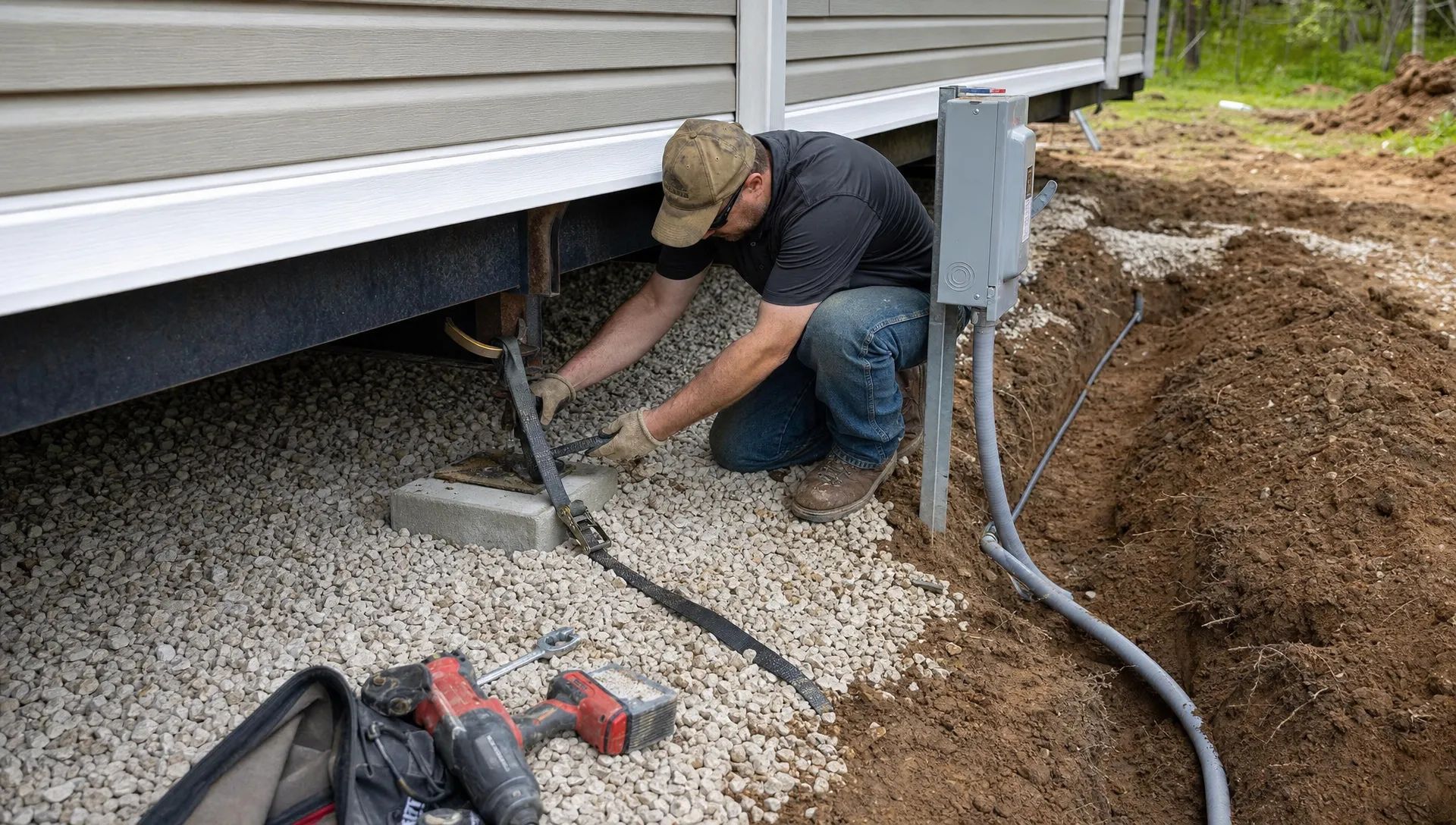
| Electric | Meter, pole, trenching needs | Electric utility | Required for move-in and inspections |
| Driveway / access | Legal access and delivery route workable | Title company (legal), installer (physical) | Delivery problems cause delays and added fees |
| Floodplain / drainage | Flood zone, drainage patterns | FEMA maps, local floodplain admin | Affects insurance and build requirements |
| Permits / inspections | What permits are required for setup and utilities? | Local permitting office | Avoids last minute surprises |

6) When a prepared lot or community can simplify everything
If your goal is to move faster and reduce unknowns, consider land that is already prepared for manufactured housing, or a community designed for it.
Benefits often include:
- Utilities already planned (or installed)
- Clear placement standards
- Established road access
- A smoother path for permits and inspections
Homes2Go San Antonio sometimes has opportunities like this, for example their property/community listing in Elmendorf (Sandy Oaks) that highlights lots prepared for manufactured homes with key infrastructure details. Availability and specs can change, so always confirm current status with the sales office.
7) How land impacts financing (and why it changes your search)
Land details affect not just feasibility, but also how you finance the project.
- If you own land (or buy land and home together), you may have more pathways than a home-only purchase.
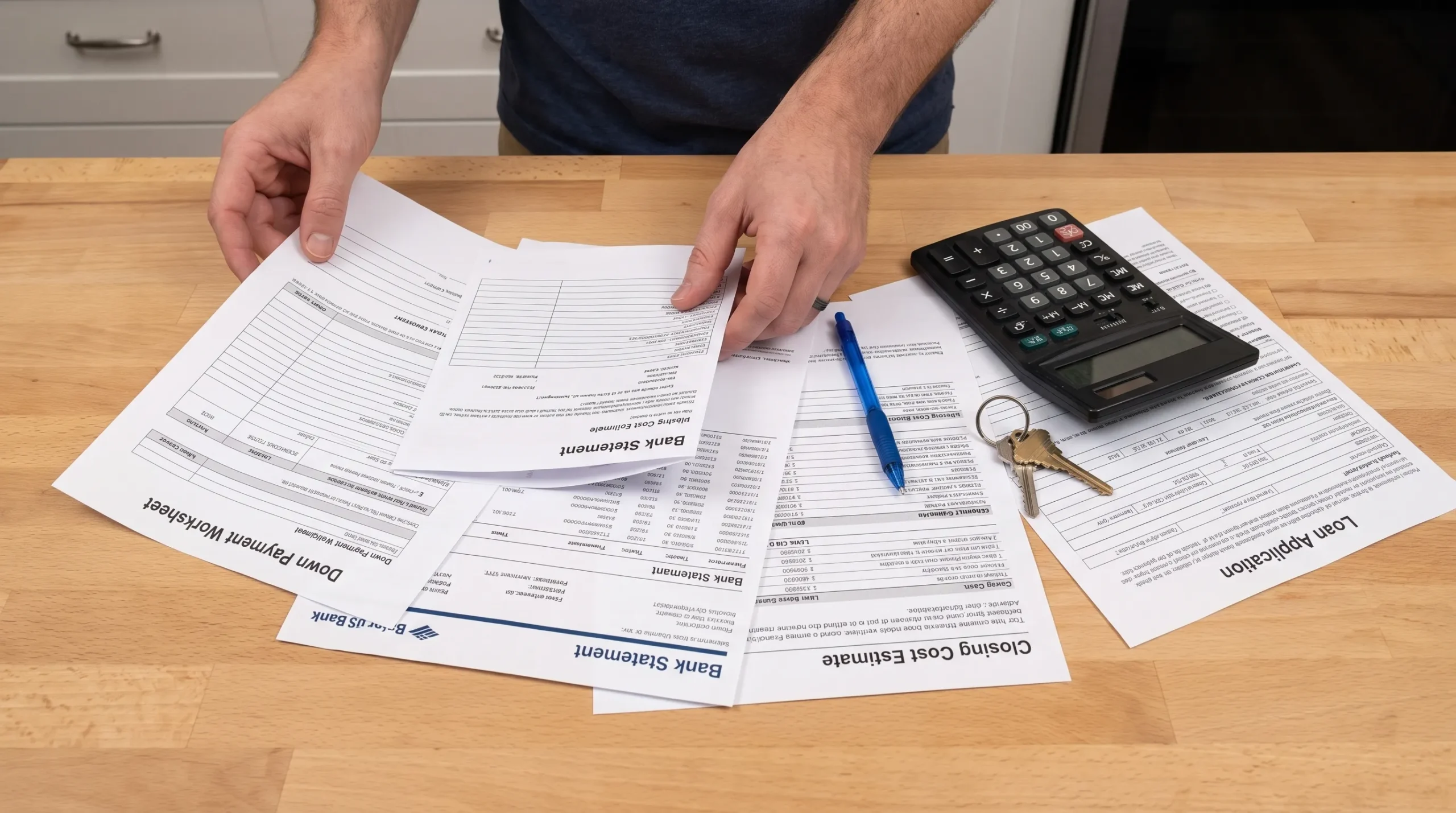
- If utilities and access are uncertain, lenders may require additional documentation or may limit options.
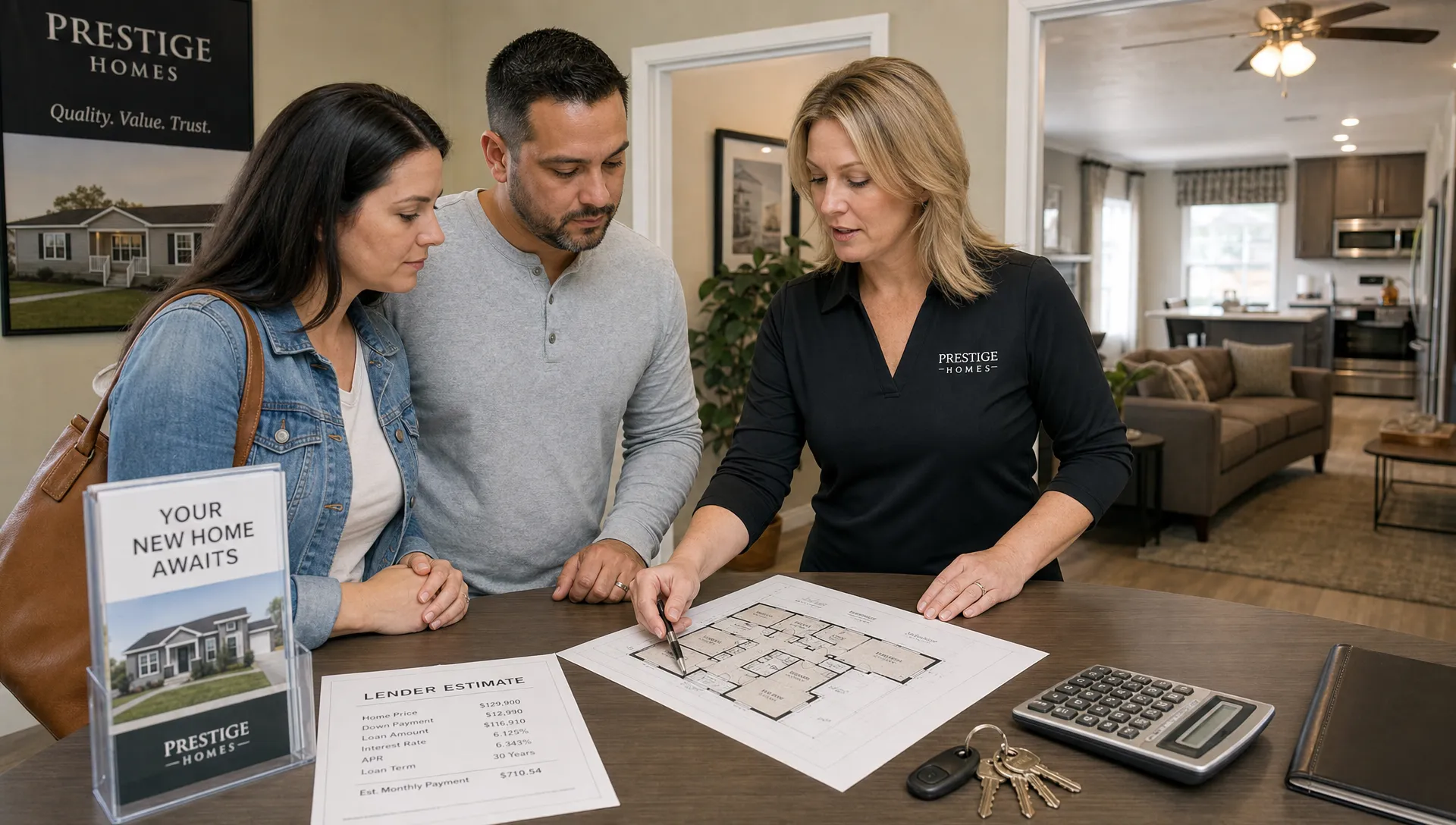
If you are exploring loan types (including options that may apply to manufactured homes placed on land), see Homes2Go’s overview of manufactured home financing options. For a broader buyer roadmap, their mobile home buyer guide for San Antonio is a helpful companion.
Frequently Asked Questions
Can I put a manufactured home on any land in Texas? Not automatically. You must confirm local land-use rules (city or county), plus any deed restrictions or HOA rules that may prohibit manufactured homes.
What does “utilities available” mean on a land listing? It often means utilities are nearby, not necessarily installed. Verify whether you have a meter, tap, or connection already in place, and what it costs and takes to connect.
Do I need septic for a mobile or manufactured home? If the land is not served by a public sewer system, you will likely need septic. Feasibility depends on soil conditions, space, and local requirements.
How do I check flood risk before buying land? Start with the FEMA Flood Map Service Center and then confirm any local floodplain requirements with the county or city, especially if any part of the parcel is in or near a flood zone.
What is the biggest access mistake buyers make? Assuming that a dirt path or narrow gate is “good enough.” You need legal ingress/egress and physical access that can handle delivery and setup equipment.
Want help finding land that actually works for a manufactured home?
If you are comparing land options around San Antonio and want a second set of eyes on zoning, utilities, and access, Homes2Go San Antonio can help you match a home to a realistic site plan and financing path.
Explore available options and next steps:
- Browse the Homes2Go property/community listing
- Review financing options
- Learn the full process in the land and home packages guide
 Cheap Homes for Sale San Antonio: Where Deals Are Still Possible
 Rent to Own Trailer Home Near Me: Contract Traps to Avoid