
Buying a manufactured or mobile home in Texas is exciting, but the roof deserves more than a quick glance from the driveway. In San Antonio and across South Texas, roofs deal with intense sun, sudden downpours, hail, high winds, and long cooling seasons. A small leak can become stained ceiling panels, damaged insulation, mold concerns, or a surprise repair bill after move-in.
This mobile home roof inspection checklist is designed for Texas buyers who want to shop with confidence. Use it before making an offer on a pre-owned home, during a final walkthrough, or when comparing new manufactured home options and asking the right questions about installation, warranties, and long-term maintenance.
Why a mobile home roof inspection matters in Texas
Manufactured homes are built under federal construction and safety standards administered by HUD, while installation, titling, and consumer protections in Texas involve state-level requirements. Buyers can learn more from the HUD manufactured housing program and the Texas Department of Housing and Community Affairs Manufactured Housing Division.
The roof is one of the most important parts of that system. It does more than keep rain out. It protects insulation, helps control interior temperatures, supports ventilation, and affects insurance and financing confidence. In Texas, a roof that looks “good enough” in dry weather may reveal problems after the first major storm.
A careful inspection is especially important when:
- The home is pre-owned or has been moved before.
- The roof has a low-slope or older metal design.
- There are visible ceiling stains or soft interior panels.
- The home has attached porches, carports, additions, or patio covers.
- The property recently experienced hail, wind, or heavy rain.
- You are buying a land-home package and want fewer surprises before closing.
Even if you plan to hire a professional inspector, knowing what to look for helps you ask better questions and understand whether a roof issue is minor maintenance or a serious negotiating point.
Start with documents before you inspect the roof
Before looking at shingles, seams, or vents, ask for paperwork. Roof condition is easier to evaluate when you know the age of the home, roof type, and repair history.
Ask the seller, dealer, or community manager for:
- The home’s year, manufacturer, model, and HUD data plate information if available.
- Any roof repair records, receipts, or warranty documents.
- Records of roof coatings, roof-over systems, or replacement work.
- Disclosure of past leaks, storm damage, or insurance claims.
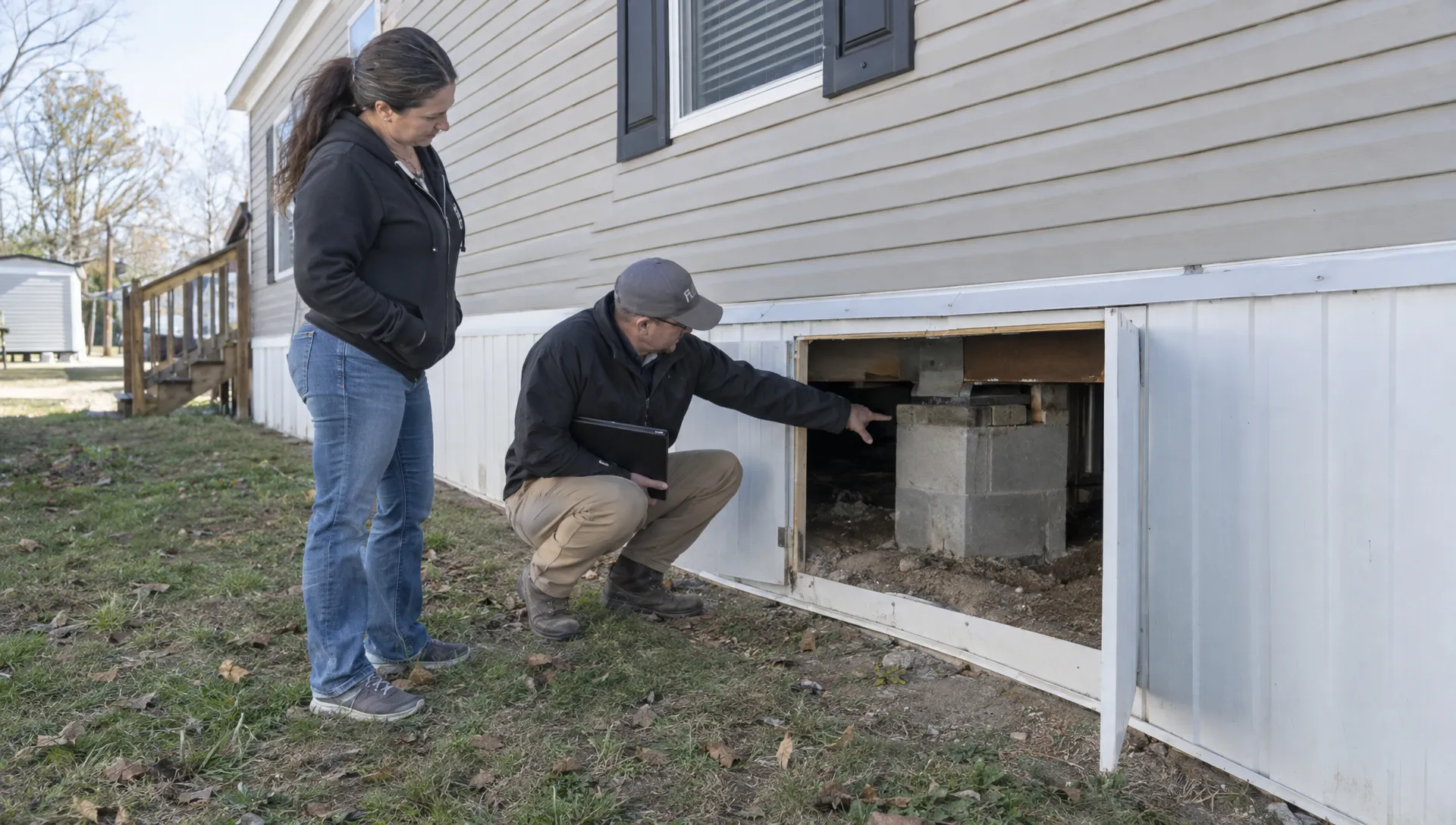
- Installation and setup documentation, especially if the home was moved.
- Community rules if the home sits in a manufactured home park.
- Permit or approval information for attached structures, if applicable.
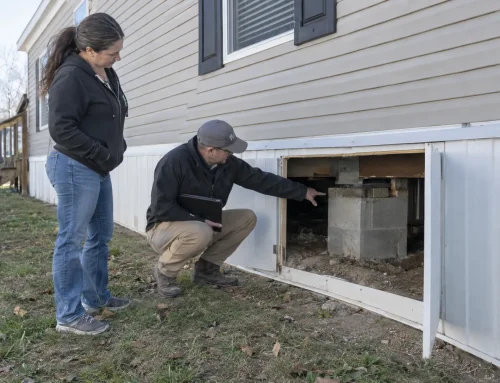
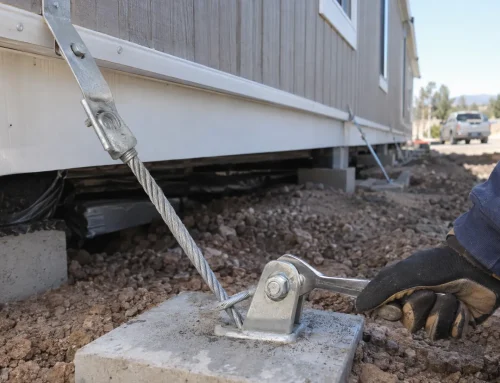
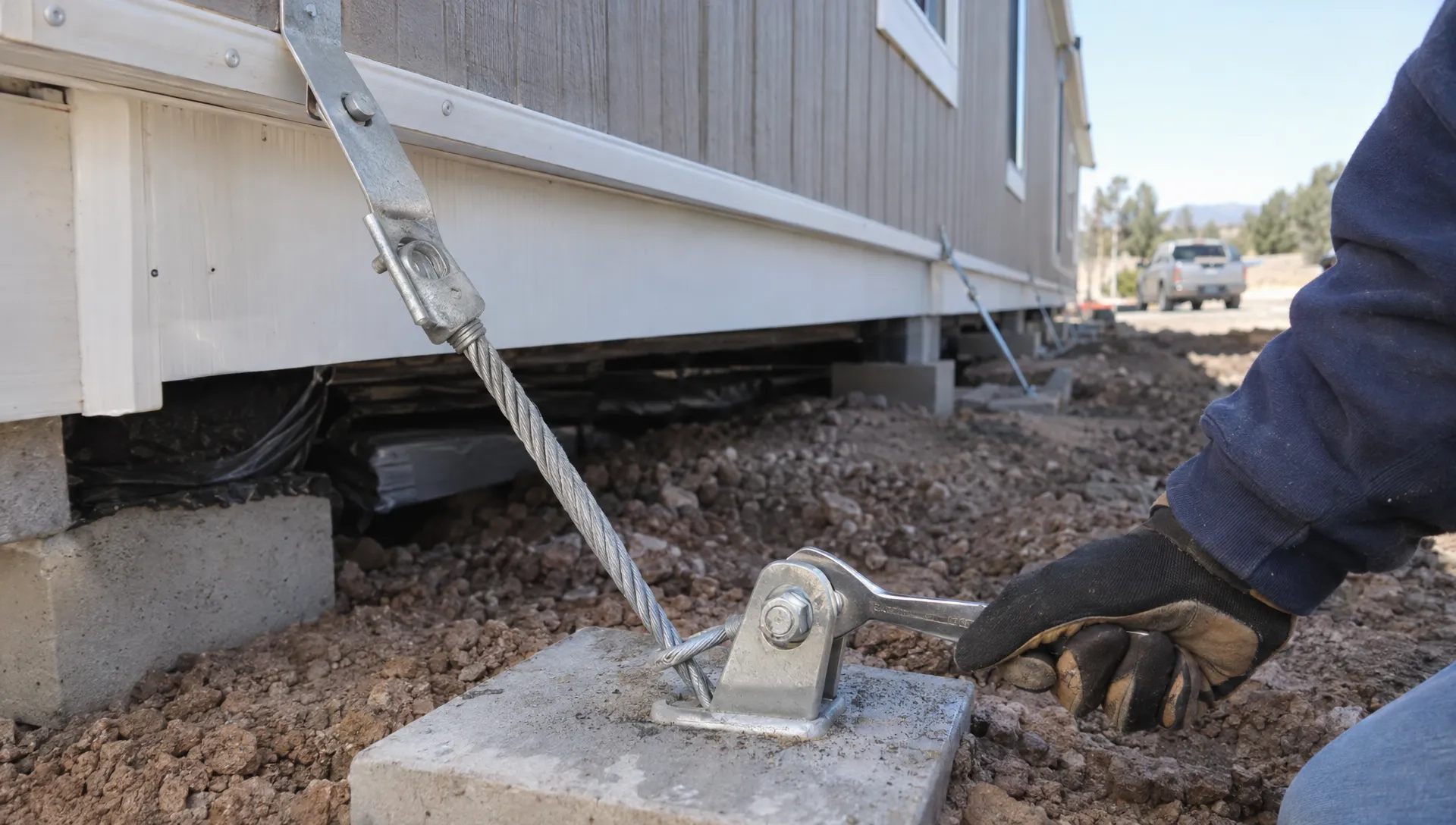
If the home may be relocated, confirm that the home is suitable for the destination site and wind zone requirements. Coastal Texas areas may have different wind considerations than San Antonio. A qualified professional can help verify whether the home, roof, anchoring, and installation plan match the location.
Mobile home roof inspection checklist for Texas buyers
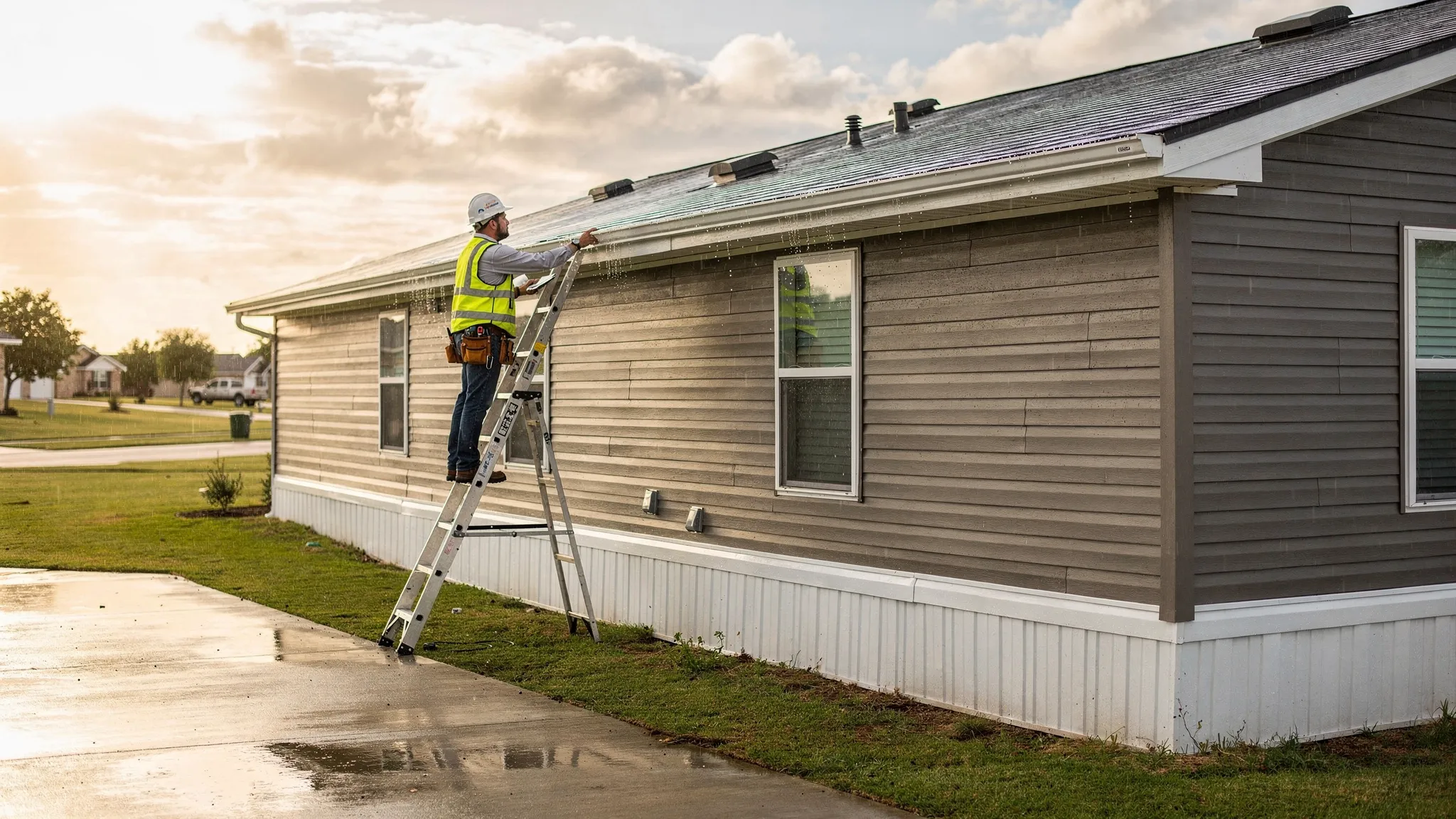
Use this table during a walkthrough. Do not climb on the roof unless you are trained, properly equipped, and the roof is designed to support it. Many roof problems can be spotted from the ground, a ladder at the eave, or the interior ceiling.
| Inspection area | What to check | Why it matters |
|---|---|---|
| Roof shape and slope | Look for sagging, uneven rooflines, low spots, or areas where water may collect. | Sagging can indicate structural movement, decking damage, or long-term moisture problems. |
| Roof surface | Check for missing shingles, cracked coating, rust, punctures, dents, or worn membrane. | Surface damage is the first path for water intrusion. |
| Seams and ridges | Look closely at ridge caps, seams on metal roofs, lap joints, and roof-over edges. | Failed seams are common leak points on manufactured homes. |
| Flashing | Inspect around vents, skylights, chimneys, plumbing stacks, and roof transitions. | Poor flashing can allow water to enter even when the roof covering looks fine. |
| Fasteners | Look for loose screws, backed-out fasteners, missing sealant, or exposed nail heads. | Texas wind and heat cycles can loosen fasteners over time. |
| Roof edges | Check drip edges, fascia, trim, and the roof perimeter for gaps or rot. | Water often enters at the edges and damages walls or ceiling panels. |
| Gutters and drainage | Look for clogged gutters, missing downspouts, overflow stains, or water dumping near the foundation. | Good drainage protects both the roof and the home’s support system. |
| Attached structures | Inspect where patios, porches, carports, or room additions meet the home. | Attachments can create leaks if they are not flashed or supported correctly. |
| Ceiling panels | Look inside for stains, bubbles, sagging, cracks, or mismatched panels. | Interior marks often reveal roof leaks that were patched outside. |
| Walls and windows | Check upper wall corners, window trim, and cabinets for swelling or discoloration. | Roof leaks can travel before becoming visible. |
| Odor and air quality | Notice musty smells, especially after rain or in closed-up rooms. | Odor may suggest trapped moisture or mold-like growth. |
| Recent repairs | Look for fresh paint, new ceiling panels, heavy sealant, or mismatched roof materials. | Repairs are not always bad, but they should be documented and tested. |
Know the roof type you are inspecting
Not all manufactured home roofs are the same. A roof issue that is minor on one roof type may be more serious on another.
Asphalt shingle roofs
Many modern manufactured homes have pitched roofs with asphalt shingles, similar in appearance to site-built homes. Look for curling, missing tabs, granule loss, exposed underlayment, cracked shingles, and nail pops. In Texas, hail can bruise shingles or knock off granules, shortening roof life even if no leak is visible yet. The NOAA National Severe Storms Laboratory explains how hail forms and why hailstorms can cause property damage.
Also ask whether the roof has more than one shingle layer. Extra layers can add weight and may hide decking problems. If you see an overlay, have a manufactured-home-aware roofer or inspector evaluate whether the installation is appropriate.
Metal roofs
Older mobile homes and some manufactured homes may have metal roof systems. Metal can perform well, but it depends heavily on seams, fasteners, coatings, and maintenance. Look for rust, loose screws, cracked sealant, dents, separated seams, and ponding water. A metal roof that has been repeatedly patched with roof cement may need a more thorough repair plan.
Low-slope membrane or coated roofs
Some manufactured homes have low-slope roof systems with membrane materials or elastomeric coatings. These require careful inspection because water may not drain as quickly. Watch for blistering, peeling, cracks, soft areas, and places where water stands after rain. A coating is only as good as the surface preparation and the condition of the roof below it.
Roof-over systems
A roof-over adds a new roof layer or structure over the existing roof. It can improve performance when done correctly, but it should not be treated as automatically problem-free. Ask who installed it, when it was installed, what materials were used, whether ventilation was addressed, and whether any warranties apply. Pay close attention to edges, transitions, and any signs of trapped moisture.
Texas-specific roof red flags
A mobile home roof inspection in Texas should account for local climate and buying conditions. San Antonio buyers do not face the same salt-air exposure as coastal buyers, but they still need to think about heat, hail, wind, and drainage.
Hail and storm damage
Hail damage may appear as dents in metal, bruised shingles, missing granules, cracked skylights, or damaged vent covers. Sometimes the roof looks acceptable from the ground, but the soft damage becomes a leak later. If the area recently had a major storm, ask whether the home was inspected afterward and whether any insurance claim was filed.
Wind uplift and loose edges
High winds can lift shingles, pull at roof edges, loosen flashing, and stress attached structures. On a manufactured home, pay special attention to perimeter trim, ridge caps, and the connection points of porches or carports. If the home is being moved to private land, installation and anchoring should be reviewed as part of the full site plan.
Heat, UV exposure, and ventilation
Texas heat can dry out sealants, age shingles, and increase attic temperatures. Poor ventilation can also make the home harder to cool. When comparing newer homes, ask about roof insulation, ventilation, and energy-efficient design features. For more on comfort and utility savings, Homes2Go has a guide to energy-efficient manufactured homes in the Texas heat.
Drainage around the home
Roof runoff should move away from the home, not under it. Water pooling around piers, skirting, steps, or the perimeter can create moisture problems that buyers may mistake for roof leaks. If you are buying land with the home, check flood risk and drainage patterns. The FEMA Flood Map Service Center is a useful starting point for understanding mapped flood zones, although local site conditions still matter.
Interior signs that point to roof problems
The inside of the home often tells the truth about the roof. Walk every room slowly, especially bathrooms, closets, hallways, and areas around vents or skylights. Ceiling stains are important, but they are not the only clue.
| Interior clue | Possible meaning | Buyer action |
|---|---|---|
| Brown or yellow ceiling stains | Past or active water intrusion | Ask when it happened, whether the roof was repaired, and request documentation. |
| Sagging ceiling panels | Moisture damage or weakened material | Have a professional inspect before moving forward. |
| Fresh paint in only one ceiling area | Possible covered-up stain | Ask direct questions and look for matching exterior repairs. |
| Musty odor | Trapped moisture, poor ventilation, or hidden leaks | Inspect after rain if possible and consider moisture testing. |
| Swollen trim or wallboard | Water traveling from roof or window areas | Check flashing, roof edges, and exterior wall penetrations. |
| Soft flooring near exterior walls | Moisture may be entering from above or below | Inspect roof drainage, windows, skirting, and plumbing. |
If you are touring after a dry spell, ask whether you can revisit after rain or have an inspector use moisture detection tools. A roof leak that is invisible on a sunny day can become obvious during or shortly after a storm.
New manufactured home buyers should still ask roof questions
If you are shopping for a new manufactured home, the roof inspection process is different, but it still matters. You are not usually looking for years of wear. Instead, you are verifying materials, installation quality, transport condition, and warranty information.
Ask about roof pitch, roof covering, insulation, ventilation, energy-efficiency options, and what documentation is provided at purchase. During delivery and setup, the home should be checked for transportation-related damage, proper sealing at marriage lines for multi-section homes, and correct completion of exterior trim and roof details.
Homes2Go San Antonio helps buyers compare manufactured home models, review floor plans, explore flexible financing options, and understand the path to move-in. If you are still deciding between floor plans or siting options, start with this overview of manufactured homes in San Antonio.
What to do if the roof has issues
A roof problem does not always mean you should walk away. The key is knowing whether the issue is cosmetic, maintenance-related, or evidence of a larger water intrusion problem.
For small items, such as a missing vent cap or limited sealant failure, you may be able to request repair before closing. For bigger issues, such as sagging rooflines, active leaks, widespread hail damage, or repeated patching, get a written evaluation from a qualified inspector or roofing professional before making a decision.
A practical buyer response looks like this:
- Get the issue in writing with photos and location notes.
- Ask for repair history, warranty information, and storm claim details.
- Request a written estimate from a contractor familiar with manufactured homes.
- Confirm whether repairs affect insurance, financing, or community approval.
- Negotiate repairs, price, or credits only after you understand the full scope.
- Re-inspect completed repairs before final acceptance.
If you are financing the home, do not assume every repair can wait until after move-in. Some lenders or insurers may care about roof age, active leaks, or overall condition. Homes2Go buyers can also review available paths on the manufactured home financing page.
When to hire a professional inspector
A buyer walkthrough is helpful, but it is not a substitute for a professional inspection. Hire a qualified inspector, roofer, or manufactured home specialist if the home is used, the roof is older, there are visible stains, the roof has been coated multiple times, or the home has storm history.
Choose someone who understands manufactured homes, not just site-built houses. Ask whether they inspect roof penetrations, marriage lines, attached structures, moisture signs, skirting, drainage, and installation-related concerns. If they recommend repair, ask for photos and plain-language explanations you can use in negotiations.
It is also smart to think beyond the roof once you are close to move-in. Exterior lighting, door hardware, alarms, cameras, and access control can all be part of a safer homeownership plan. For general examples of residential security options, companies such as Locked Safe Holland show how homeowners often combine alarms, cameras, locks, and monitoring services to protect a property.
A simple roof walkthrough sequence
When touring a home, follow the same order every time so you do not miss obvious clues.
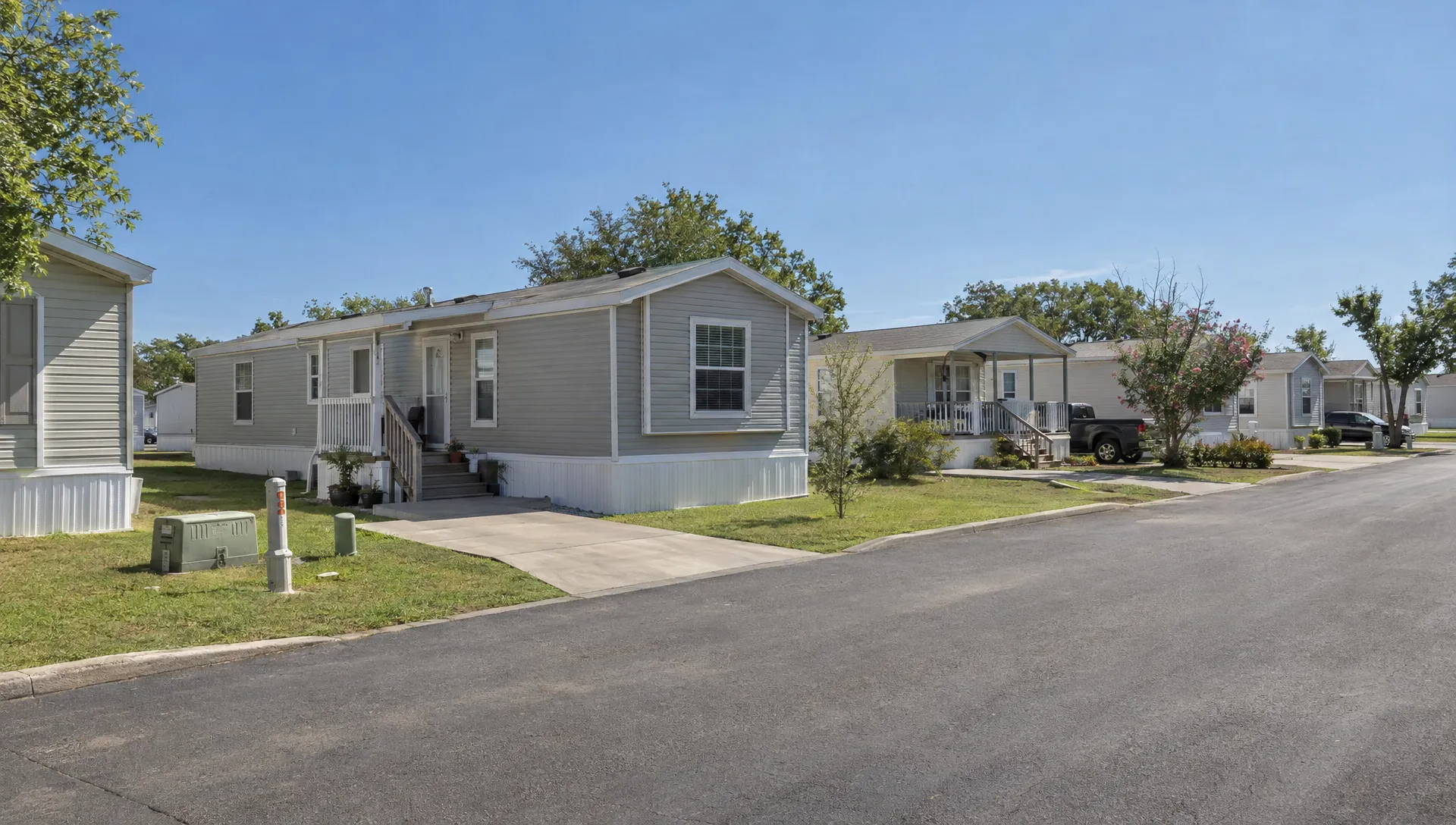
Start across the street or at the far edge of the lot and look at the full roofline. Then walk the perimeter and check edges, gutters, downspouts, vents, and attached structures. Step inside and scan the ceilings before focusing on rooms with plumbing, closets, and exterior wall corners. Finally, ask the seller or representative direct questions about leaks, repairs, storm damage, and warranties.
This process takes only a few extra minutes, but it can reveal whether you should move forward, ask for a professional opinion, or keep shopping.
Frequently Asked Questions
Can I inspect a mobile home roof myself before buying? Yes, you can do a basic visual inspection from the ground, from inside the home, and from a safe ladder position at the edge. Do not walk on the roof unless you know it is safe and you have proper equipment. A professional inspection is still recommended for used homes or any roof with visible concerns.
How often should a mobile home roof be inspected in Texas? At least once a year and after major hail, wind, or heavy rain events. Texas weather can damage sealants, shingles, vents, and seams quickly, so regular checks help catch small problems before they become expensive repairs.
Are roof stains inside a manufactured home always a deal breaker? Not always. A stain may come from an old leak that was properly repaired, but it may also indicate active water intrusion. Ask for documentation, look for matching exterior repairs, and consider moisture testing or a professional inspection before deciding.
What roof type is best for a manufactured home in San Antonio? The best roof depends on the home design, budget, installation, ventilation, and maintenance history. Pitched shingle roofs, metal roofs, and properly installed roof-over systems can all perform well when they are appropriate for the home and maintained correctly.
Does roof condition affect manufactured home financing or insurance? It can. Lenders and insurers may review overall property condition, roof age, active leaks, and repair needs depending on the loan type and home situation. If you see roof concerns, ask early so you understand your options before closing.
Find the right manufactured home with confidence
A good roof inspection protects your budget, comfort, and peace of mind. Whether you are comparing new manufactured homes, exploring move-in ready options, or planning a land-home purchase, the right questions make the buying process easier.
Homes2Go San Antonio helps buyers review home models, compare floor plans, explore flexible financing options, and get expert guidance throughout the process. If you are ready to shop for a manufactured home in the San Antonio area, contact Homes2Go SA and take the next step toward homeownership with a clearer checklist in hand.
 How to Find Mobiles for Rent Without Getting Scammed
 FHA Loan for Double Wide Homes: Key Requirements