
Renting out a mobile home can create steady income, help cover ownership costs, or turn an unused home into a long-term asset. But doing it casually can lead to expensive problems, especially if the home sits in a community, has a loan attached, or needs repairs before a tenant moves in.
The right approach is simple: confirm you are allowed to rent it, prepare the home properly, price it based on real costs, use a strong written lease, and manage the rental like a business.
This guide walks through how to rent out a mobile home the right way, with practical tips for owners in San Antonio, Bexar County, and surrounding Texas areas.
Start by identifying what you are actually renting
Before you advertise the home, get clear on the rental arrangement. A “mobile home rental” can mean different things, and each setup affects your responsibilities, lease structure, insurance, and tenant expectations.
| Rental setup | What the tenant rents | Key issue to confirm |
|---|---|---|
| Home only in a park or community | The manufactured home, while the lot is controlled by the community | Whether the park allows rentals, subleasing, or tenant occupancy approval |
| Home and land together | The home plus the lot or acreage it sits on | Zoning, utilities, septic, access, and landlord responsibilities for the property |
| Lot only | A space where another person places their home | Different lease terms, utility duties, and community rules may apply |
| Room or partial-home rental | Part of the home while someone else also occupies it | Local rules, safety, privacy, and lease clarity are especially important |
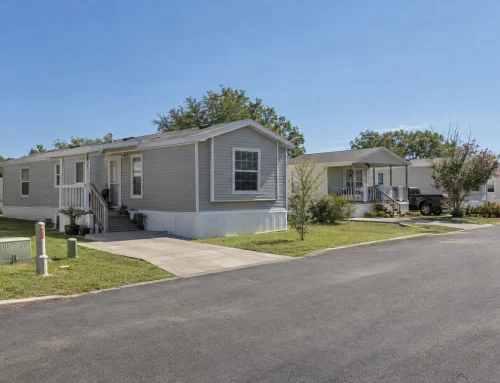
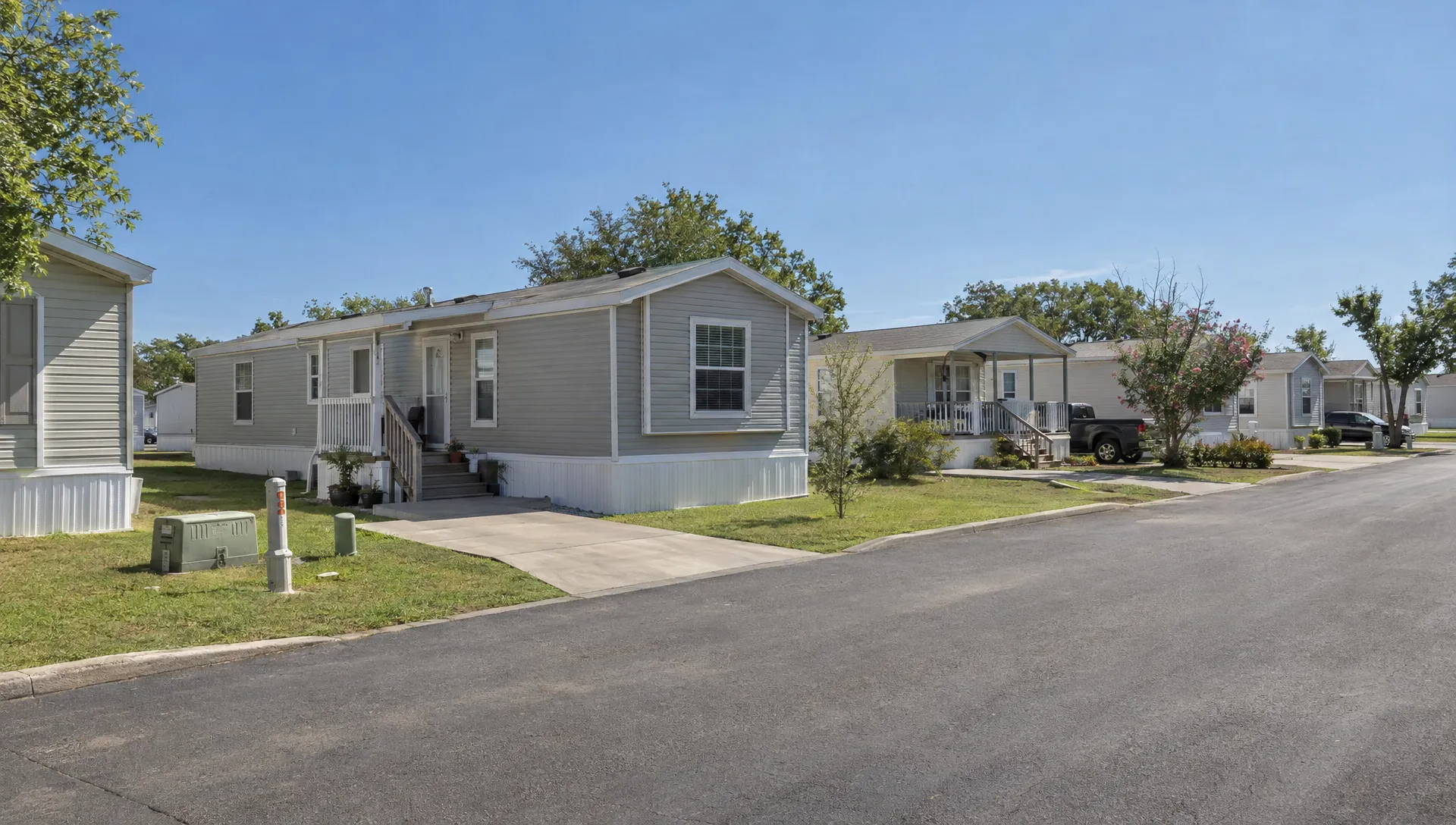
If your home is in a manufactured home community, do not assume you can rent it out just because you own the home. Many communities require written approval, tenant screening, age or occupancy compliance, or specific lease documents. Some prohibit rentals entirely.
If the home is on private land, you still need to think about zoning, utility service, septic capacity, access, insurance, and local permitting requirements. In San Antonio and nearby areas, rules can vary depending on whether the property is inside city limits, in unincorporated Bexar County, or in another municipality.
Confirm you are legally and contractually allowed to rent it
The first serious step is permission. Many rental problems begin because the owner skips this part and lists the home before checking the fine print.
Review these items before accepting applications:
- Community or park rules: If the home sits in a park, ask management whether rentals are allowed and what approval process tenants must complete.
- Loan documents: Some financing programs may have owner-occupancy rules or restrictions on using the home as a rental.
- Insurance policy: A policy for an owner-occupied home may not cover rental use. Ask your insurance agent about landlord or rental coverage.
- Title and ownership records: Make sure the ownership is properly documented before signing a lease.
- Local requirements: Check city, county, zoning, and utility requirements that may apply to rental housing.
Manufactured homes built after June 15, 1976 are constructed to the federal HUD Code. You can learn more from the HUD Manufactured Housing Program. That federal standard is separate from local rules about where a home can be placed, how it is connected to utilities, and whether it can be rented.
In Texas, landlord-tenant rules also apply. Because legal requirements can change and depend on the property, it is wise to have a Texas real estate attorney, property manager, or qualified housing professional review your lease and rental process before you begin.
Prepare the home before listing it
A clean home is not automatically a rent-ready home. Before you rent out a mobile home, it should be safe, functional, insurable, and ready for everyday living.
Focus first on health and safety. Test smoke alarms, check doors and locks, inspect stairs and decks, confirm windows open and close properly, and make sure electrical, plumbing, and HVAC systems work as intended. In South Texas, air conditioning is not a minor comfort issue. A weak or failing HVAC system can quickly become a major tenant complaint during summer heat.
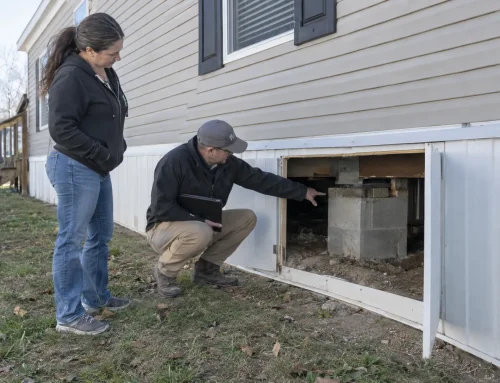
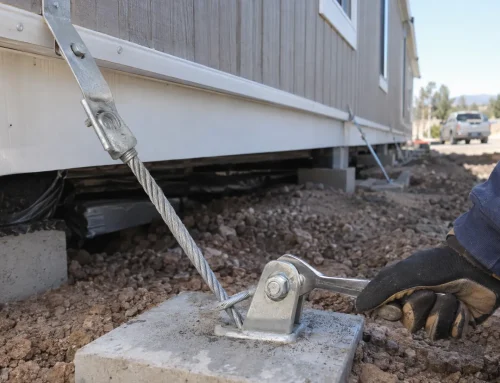
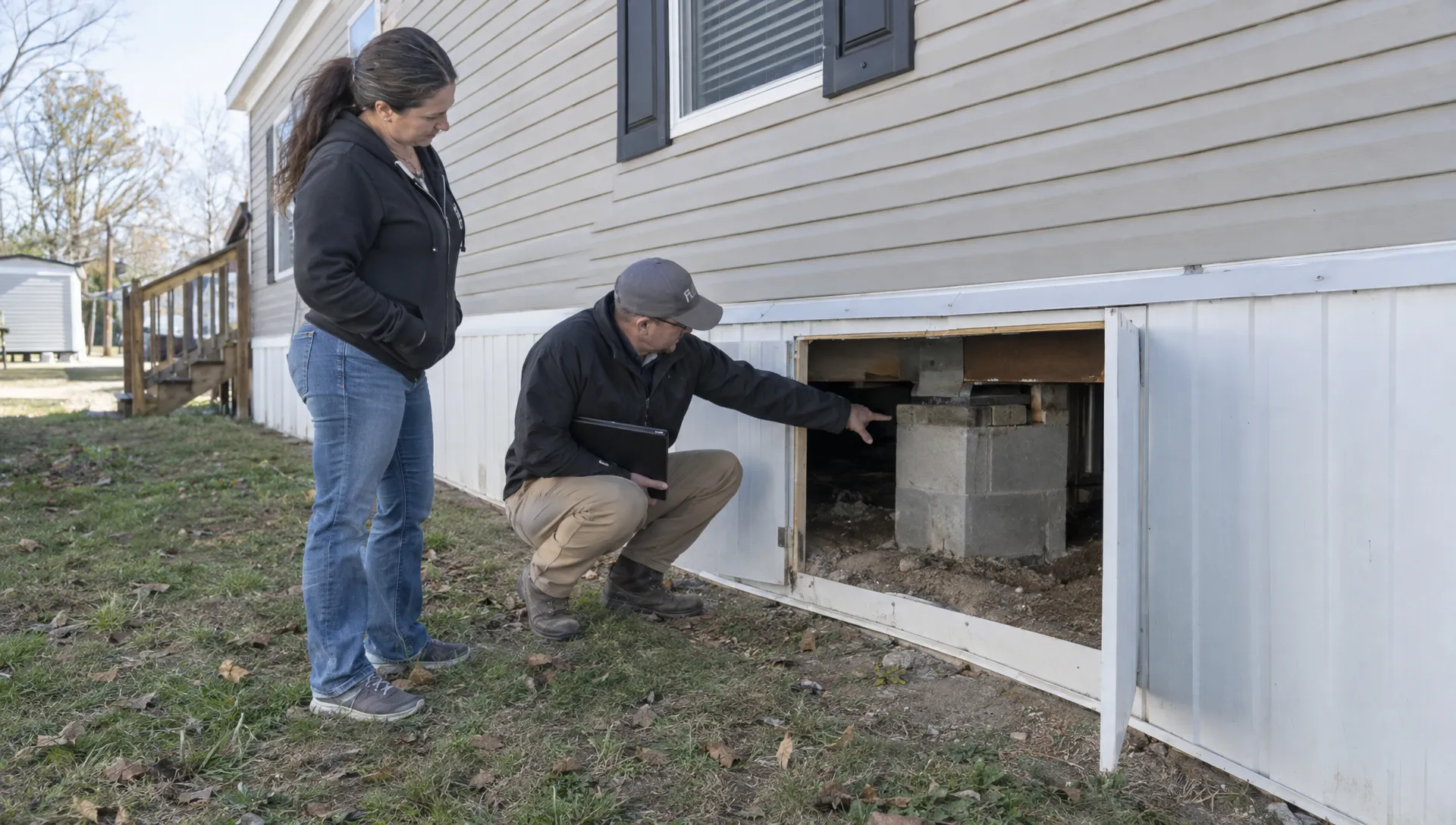
Also inspect the underbelly, skirting, roof, water lines, flooring, and signs of moisture intrusion. Small leaks can become major repairs if ignored, especially in older mobile or manufactured homes.
| Area to inspect | What to check before renting |
|---|---|
| Roof and exterior | Leaks, damaged siding, soft spots, missing skirting, drainage problems |
| HVAC | Cooling performance, filter condition, thermostat function, service history |
| Plumbing | Leaks, water pressure, shutoff valves, water heater performance |
| Electrical | Outlets, breakers, light fixtures, exposed wiring, GFCI protection where needed |
| Interior | Flooring, cabinets, appliances, doors, windows, pest issues |
| Safety | Smoke alarms, secure steps, handrails, locks, exterior lighting |
| Utilities | Electric, water, sewer or septic, trash service, internet availability |
If you are unsure about the condition of the home, hire licensed professionals where appropriate. A documented HVAC service, plumbing repair, or roof inspection can protect you from disputes later.
Price the rental based on total ownership cost
The best rent price is not just the highest number you think someone might pay. It should reflect the local market, the condition of the home, included utilities, lot rent, and your ongoing costs.
Start by comparing similar rentals in the same area. Look at the number of bedrooms and bathrooms, home age, parking, appliances, yard space, school zones, commute routes, and whether the home is in a community or on private land.
Then calculate your monthly ownership cost. A simple formula looks like this:
Home payment or mortgage + lot rent or land cost + taxes + insurance + utilities you pay + maintenance reserve + vacancy reserve + management costs = minimum monthly cost to evaluate
This does not mean the market will always support your target rent. It simply helps you understand whether the rental makes financial sense.
For example, if your monthly costs are close to the rent you can realistically charge, one major repair could erase your profit for months. Set aside a maintenance reserve for items like HVAC service, plumbing repairs, appliance replacement, roof work, and normal wear and tear.
If the tenant must pay separate lot rent, utilities, trash, water, or community fees, be clear in the listing. Renters dislike surprises, and unclear pricing can lead to disputes before move-in.
Create a strong written lease
A handshake agreement is not enough. A mobile home rental should have a written lease that clearly explains who is responsible for what.
At minimum, your lease should address:
- Names of all adult occupants: Every adult living in the home should be listed and should sign where appropriate.
- Property description: Include the home address, lot number if applicable, and any included storage, parking, or yard areas.
- Rent and due date: State the rent amount, due date, grace period if any, late fees, and accepted payment methods.
- Security deposit: Explain the amount, conditions for deductions, and the process for return under Texas law.
- Utilities and fees: Clarify who pays electric, water, sewer, trash, gas, internet, lot rent, and community fees.
- Maintenance responsibilities: Define what the landlord handles and what the tenant must maintain, such as filters, yard care, pest prevention, and reporting leaks quickly.
- Community rules: Attach park or community rules if the home is located in a manufactured home community.
- Pets, vehicles, and guests: Set expectations for pets, parking, long-term guests, noise, and occupancy limits.
- Access and inspections: Explain when and how the landlord may enter for repairs, inspections, or emergencies.
- Move-out process: Include cleaning expectations, keys, final inspection, abandoned property, and forwarding address.
Texas landlord-tenant law has specific requirements, so do not rely on a random lease template without review. The Texas State Law Library provides landlord-tenant law resources, but professional guidance is still helpful if you are renting property for the first time.
Screen tenants fairly and consistently
Good tenant screening protects your property and helps create a stable rental experience. The key is to use the same written criteria for every applicant.
A fair screening process may include income verification, rental history, employment history, credit review, background checks where allowed, and references from prior landlords. If the home is in a community, the tenant may also need approval from park management.
Be careful with advertising and screening language. The federal Fair Housing Act prohibits discrimination based on protected characteristics. HUD offers helpful information on fair housing rights and responsibilities. In practice, that means your rental criteria should be based on legitimate factors such as ability to pay, rental history, occupancy standards, and lease compliance, not personal preferences about who you want living in the home.
Keep records of applications, screening criteria, approval decisions, denial reasons, and communications. Consistency is one of the best ways to reduce risk.
Handle insurance, taxes, and records like a business
Once a home becomes a rental, your financial responsibilities change. Treat the rental like a small business from day one.
Talk with your insurance agent before the tenant moves in. Tell them the home will be rented and ask what coverage is appropriate for the structure, liability, loss of rent, and any detached structures. If the tenant owns personal belongings, they may need renters insurance. Your landlord policy typically does not protect the tenant’s furniture, electronics, or clothing.
You should also keep detailed financial records. Track rent received, repairs, mileage, advertising, insurance, taxes, professional fees, and other rental-related expenses. The IRS generally requires rental income to be reported, and some expenses may be deductible depending on your situation. The IRS rental real estate income guide is a useful starting point, but a tax professional can help you apply the rules correctly.
Good records are not just for taxes. They also help you measure whether the rental is actually profitable.
Document the move-in condition
Before handing over the keys, do a move-in inspection with photos and written notes. This step can prevent arguments about damage later.
Photograph every room, appliance, wall, floor, cabinet, bathroom fixture, exterior wall, porch, steps, skirting, yard, and utility area. Save the photos with the date. Use a move-in checklist and have the tenant acknowledge the condition of the home.
Pay special attention to areas that commonly lead to disputes, such as flooring, blinds, appliances, countertops, bathroom fixtures, doors, and exterior steps. If something is already worn but functional, document it clearly.
Maintain the home proactively
Mobile and manufactured homes can be excellent rentals, but they need consistent maintenance. Waiting for a small issue to become a large issue is one of the fastest ways to lose money.
In the San Antonio area, prioritize HVAC, roof condition, moisture control, pest prevention, and drainage. Heat and humidity can be hard on building materials, and a small water leak can damage subflooring if ignored.
A practical maintenance schedule might include HVAC filter reminders, seasonal AC service, roof checks after major storms, plumbing checks under sinks, skirting inspections, and periodic exterior walkthroughs. If the home is in a community, also stay aware of rule violations such as yard condition, parking, pets, trash, or exterior modifications.
Respond to repair requests promptly and keep communication in writing. Even if a repair takes time, tenants appreciate clear updates.
Know what to do if the tenant falls behind
No landlord wants to deal with nonpayment, but you should have a plan before it happens. Your lease should explain rent due dates, late fees, notices, and default procedures. If payment is late, respond professionally and consistently.
Do not change locks, shut off utilities, remove doors, or try to force a tenant out on your own. Texas has legal procedures for eviction, and mistakes can create serious problems for landlords. If you reach that point, consult a qualified attorney or property manager familiar with Texas rental law.
The best prevention is strong screening, clear lease terms, easy payment methods, written communication, and quick action when rent is late.
Avoid common mobile home rental mistakes
Many first-time landlords make the same avoidable mistakes. These are the big ones to watch for:
| Mistake | Why it creates problems | Better approach |
|---|---|---|
| Renting without park approval | The tenant may be rejected or the owner may violate community rules | Get written approval before advertising |
| Using a generic lease | It may not address lot rent, community rules, utilities, or Texas requirements | Use a lease reviewed for your rental setup |
| Underpricing repairs | Older homes can need HVAC, plumbing, roof, or flooring work | Build a maintenance reserve into your numbers |
| Skipping tenant screening | A bad fit can lead to nonpayment, damage, or rule violations | Use written criteria for every applicant |
| Ignoring insurance changes | Owner-occupied coverage may not apply to rental use | Ask your agent for proper landlord coverage |
| Being vague about fees | Tenants may dispute lot rent, utilities, or deposits | Disclose all required costs in writing |
The main lesson is that clarity beats speed. It is better to spend an extra week preparing the rental properly than to rush into a lease that causes months of stress.
If you are buying a mobile home to rent out, plan ahead
If your goal is to buy a manufactured home and use it as a rental, make that plan part of the buying process from the beginning. The home model, location, financing type, community rules, and utility setup all affect whether the property will work as a rental.
For example, a move-in ready home in a well-managed community may be attractive to renters, but only if the community allows rental occupancy and the numbers work after lot rent and fees. A home on private land may offer more control, but it can involve more responsibility for utilities, septic, driveway access, lawn care, and repairs.
Financing also matters. Some loan options are designed for owner-occupants, while others may be more suitable for investment use. Before you assume a home can become a rental, talk with a lender about your plans. Homes2Go San Antonio works with buyers exploring manufactured home options, floor plans, communities, and financing paths. You can start by reviewing available financing options or reading more about manufactured homes in San Antonio.
If you need land and home guidance, this overview of land and home packages in San Antonio can help you understand site planning, utilities, and financing considerations before you buy.
Frequently Asked Questions
Can I rent out a mobile home in a park? Sometimes, but only if the park or manufactured home community allows it. Many communities require written approval, tenant screening, and a separate application before a renter can move in.
Do I need a special lease to rent out a mobile home? You should use a written lease that fits the rental setup. A mobile home in a park may require terms for lot rent, community rules, parking, utilities, and tenant approval. Have a Texas professional review the lease.
How much should I charge for mobile home rent? Compare similar rentals nearby, then calculate your full monthly cost, including home payment, lot rent, insurance, taxes, maintenance, vacancy, and any utilities you cover. The final rent should match the market, not just your expenses.
What repairs should I make before renting a mobile home? Prioritize safety, HVAC, plumbing, electrical systems, roof leaks, flooring, doors, locks, steps, skirting, and appliances. In Texas, reliable cooling and moisture prevention are especially important.
Do I have to report rental income from a mobile home? In most cases, rental income must be reported to the IRS. Keep accurate records of rent and expenses, and speak with a tax professional about deductions and reporting requirements.
Is renting out a mobile home a good investment? It can be, if the home is properly located, legally rentable, well maintained, and priced correctly. The investment is strongest when you understand all costs before buying or leasing it to a tenant.
Thinking about a manufactured home in San Antonio?
Whether you plan to live in your home, place it in a community, or explore long-term investment potential, the right home and location matter. Homes2Go San Antonio helps buyers compare manufactured home models, review floor plans, explore flexible financing options, and understand local community opportunities.
If you are considering your next step, visit Homes2Go San Antonio to browse options and get guidance from a local team that understands manufactured homes in the San Antonio area.
 Local Mobile Home Parks: Fees, Rules, and Red Flags
 Mobile Home Courts Near Me: Tour Questions to Ask