
If you are trying to estimate the cost of new single wide mobile home ownership, start with one key idea: the home price and the total move in budget are not the same number. The model you choose matters, but so do delivery, setup, land, utilities, insurance, financing and the condition of the site where the home will be placed.
For San Antonio buyers, that difference can be the line between a comfortable purchase and a stressful one. A new single wide manufactured home is often one of the most affordable paths to homeownership, but the best budget is built around the full project, not just the advertised price.
The cost of new single wide mobile home ownership starts with scope
A single wide manufactured home is a factory built home made in one transportable section. Most are narrower than double wide homes, which helps keep material, transportation and installation costs lower. Since manufactured homes built after June 15, 1976 must follow the federal HUD Code, new homes are built to national construction, safety and energy standards rather than local site built housing codes.
The U.S. Department of Housing and Urban Development explains that manufactured homes are built in controlled factory environments and installed on a site after transport. That factory process is a major reason single wide homes can remain more budget friendly than many traditional homes.
Still, the cost of new single wide mobile home ownership depends on your buying setup. A home placed in an established community with existing utility access may cost less to complete than the same home placed on raw land that needs clearing, grading, septic, water and electrical work.
What the home price usually includes
The base price of a new single wide typically covers the manufactured home itself, including the floor plan, standard finishes and factory installed components. Depending on the model, that may include cabinets, appliances, HVAC equipment, flooring, windows, doors, fixtures and standard bathroom finishes.
Base price does not always include everything needed to live in the home. Delivery, foundation work, installation, skirting, steps, utility connections, permits and site improvements may be priced separately. Some dealers package several of these items together, while others separate them line by line.
National pricing data can help set expectations. The U.S. Census Bureau Manufactured Housing Survey tracks average sales prices for new manufactured homes by size and section type. Its reports consistently show that single-section manufactured homes sell for far less, on average, than multi-section homes. Local pricing in San Antonio can still vary by brand, floor plan, lender requirements and site conditions.
If you are comparing models, Homes2Go’s guide to new mobile homes for sale, features and pricing can help you understand which upgrades are worth paying for and which ones are more about personal preference.
A practical price range to plan around
Use the following ranges as budgeting guardrails, not as a quote. The cost of new single wide mobile home ownership in San Antonio can land differently depending on the home, the community, the land and the financing structure.
| Cost category | Common planning range | What can change the number |
|---|---|---|
| New single wide home | $60,000 to $110,000 plus | Size, brand, layout, appliances, finishes and energy features |
| Delivery and setup | $5,000 to $15,000 plus | Distance, site access, crane needs, blocking, anchoring and labor |
| Foundation and site prep | $5,000 to $25,000 plus | Grading, soil conditions, pad, drainage and permanent foundation needs |
| Utility connections | $3,000 to $20,000 plus | Electric, water, sewer, septic, gas availability and trenching distance |
| Skirting, steps and exterior access | $2,000 to $10,000 plus | Materials, porches, decks, ramps and local requirements |
| Permits, inspections and closing costs | Varies by deal | Jurisdiction, lender, title work, documentation and escrow items |
| Land or lot rent | Varies widely | Community lease, private land purchase or land already owned |
A basic home in a prepared manufactured home community may stay close to the lower end because infrastructure is already in place. A larger upgraded home on private land that needs utility work can cost much more by the time it is ready for occupancy.
Delivery, setup and site prep are not small details
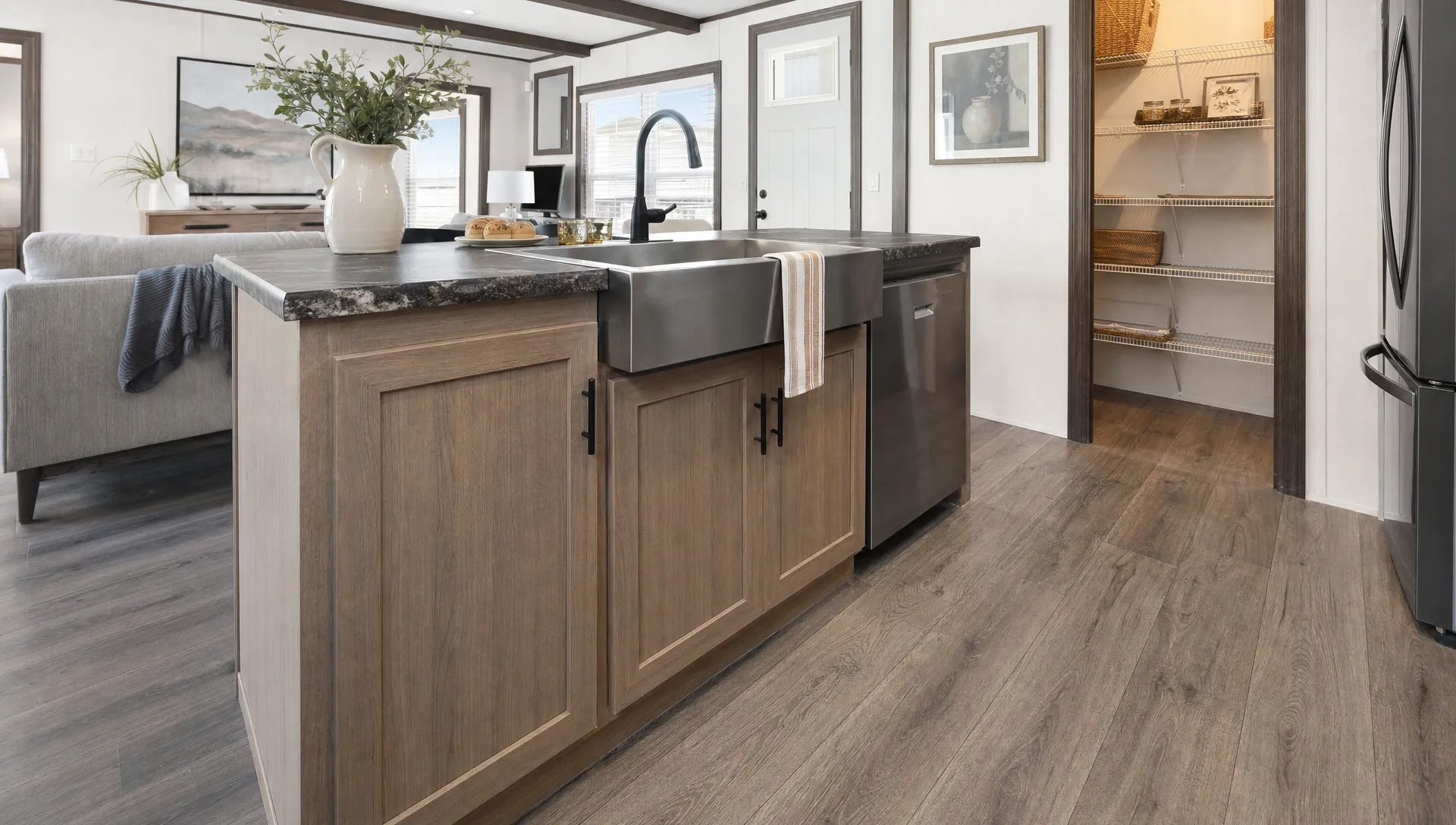
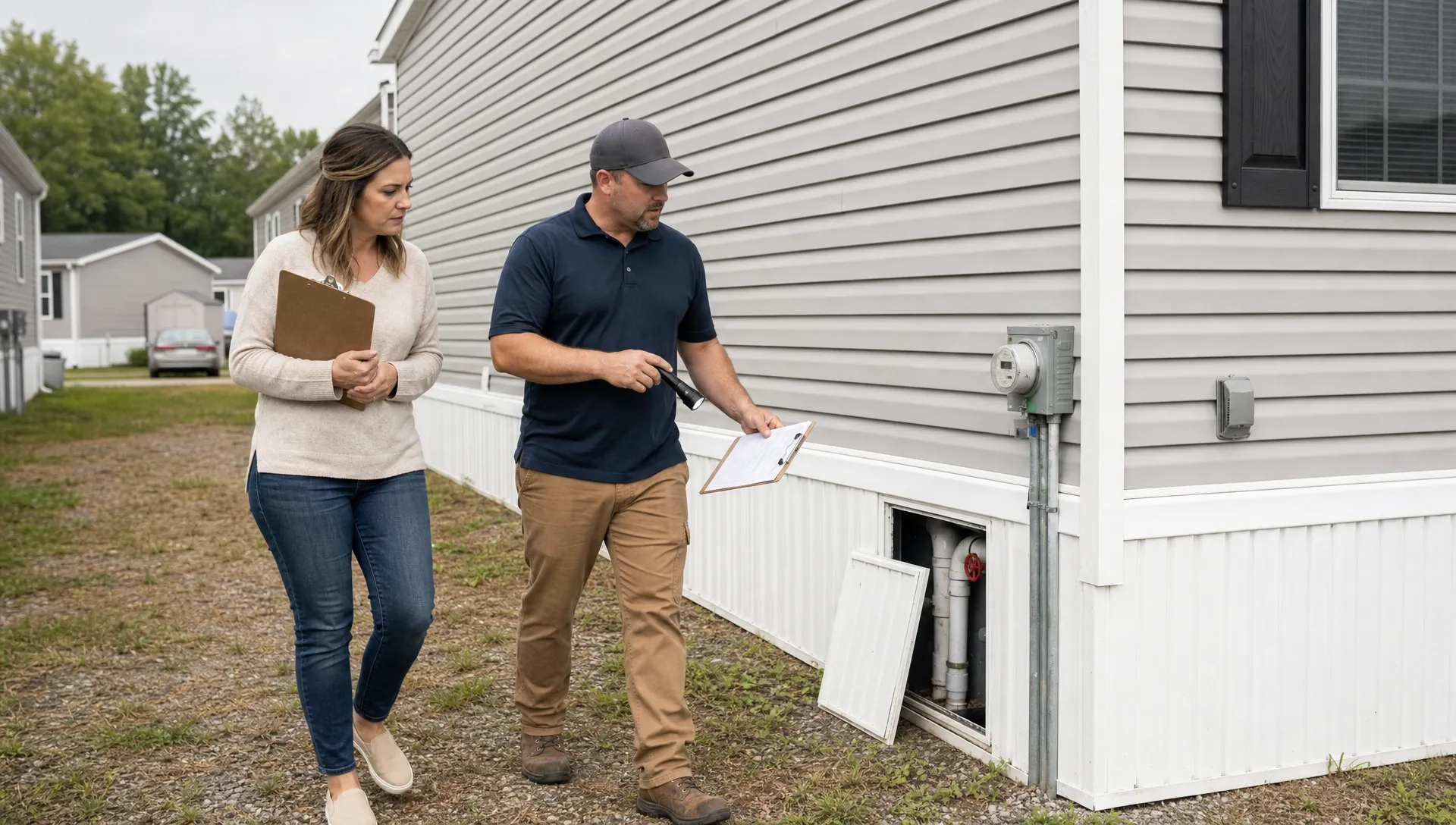
Delivery and setup are easy to underestimate because they are not as visible as cabinets, flooring or a kitchen island. Yet they determine whether the home is properly placed, leveled, anchored and ready for inspections.
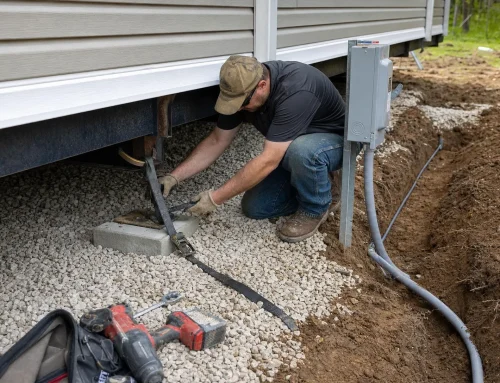
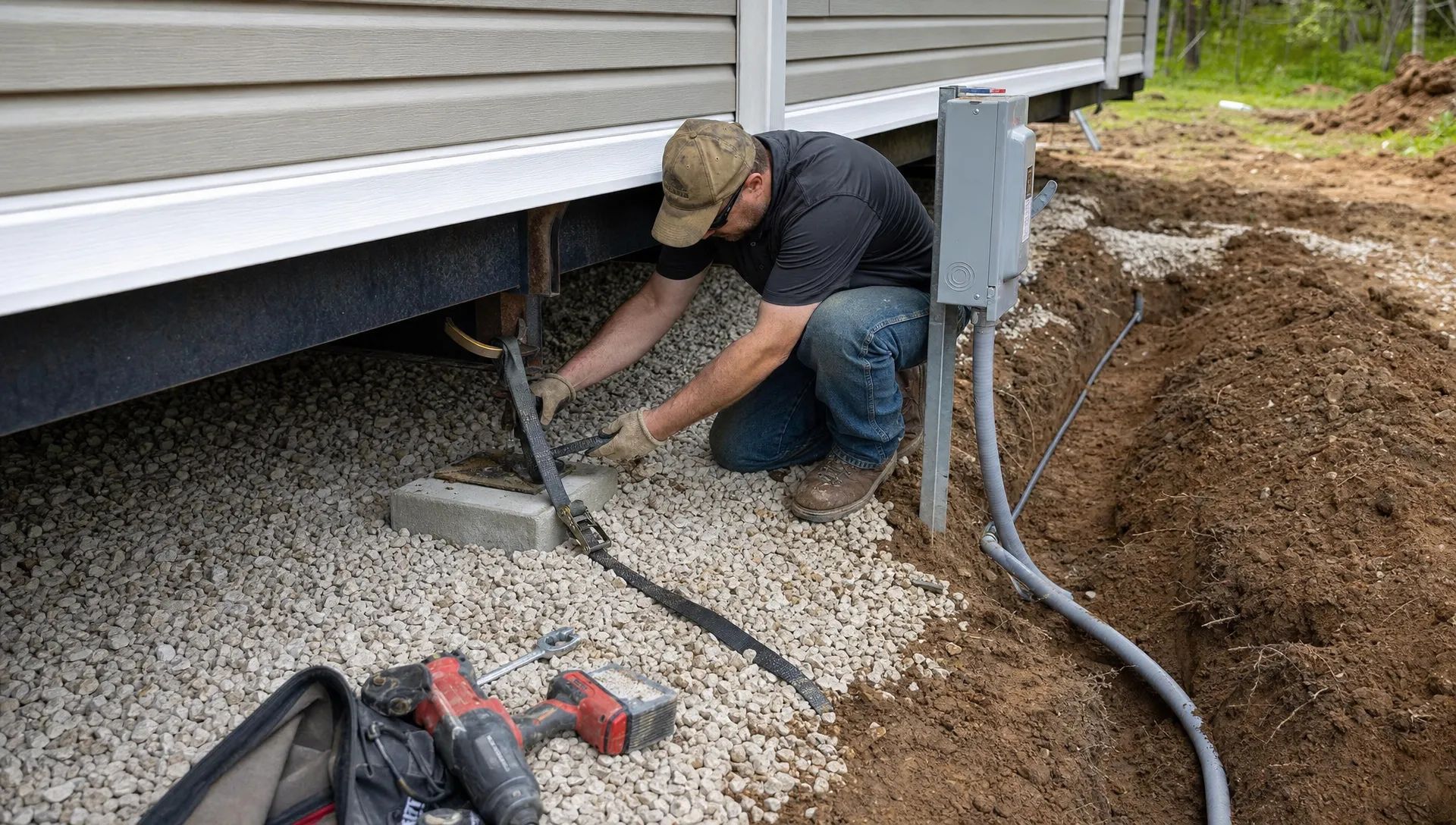
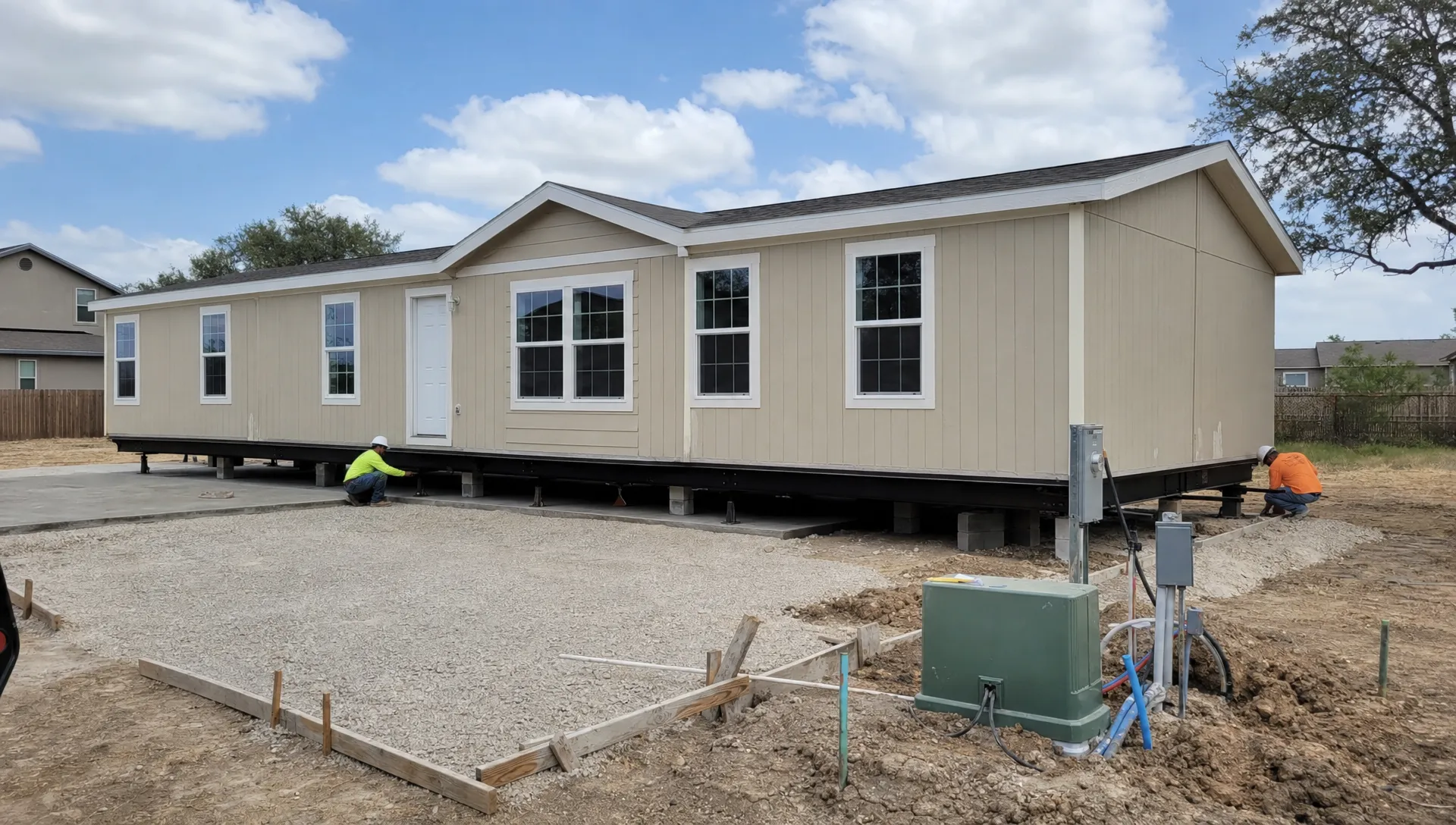
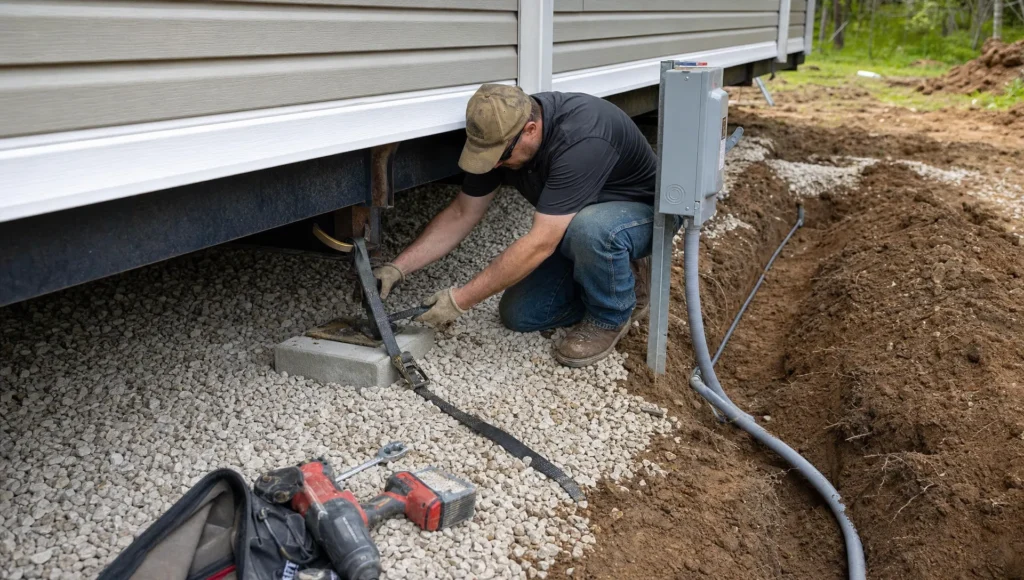
Setup work may include transporting the home, placing it on the site, installing supports, anchoring the structure, connecting sections if required by the design, sealing openings, completing trim out and preparing the home for utility connections. Site prep can include clearing vegetation, grading soil, building a pad, improving drainage and making sure the delivery route can handle the transport.
This is where the cost of new single wide mobile home ownership becomes site specific. A flat, accessible lot with nearby utilities is very different from rural land with a long driveway, uneven terrain or no existing water and sewer access.
Land, lot rent and community placement change the math
The land decision is often the biggest budget fork. You may place the home in a land lease community, buy land separately, place the home on land you already own or work with a package that combines home and land. Each path changes the upfront cost and the monthly payment.
A leased lot may reduce upfront cash needs because you are not buying land. It can also simplify placement if the community already has utility access and home placement standards. The tradeoff is a recurring lot rent payment, community rules and possible rent changes over time.
Buying land can give you more control, but the purchase price is only one part of the budget. You still need to confirm zoning, access, floodplain status, utility availability, septic requirements, driveway needs and lender rules. If land is part of your plan, Homes2Go’s guide to comparing total costs for mobile homes with land is a useful next step.
The cost of new single wide mobile home ownership can look lower at first in a community and higher at first with private land, but the long-term comparison depends on monthly costs, resale goals and how long you expect to stay.
Financing affects your real monthly cost
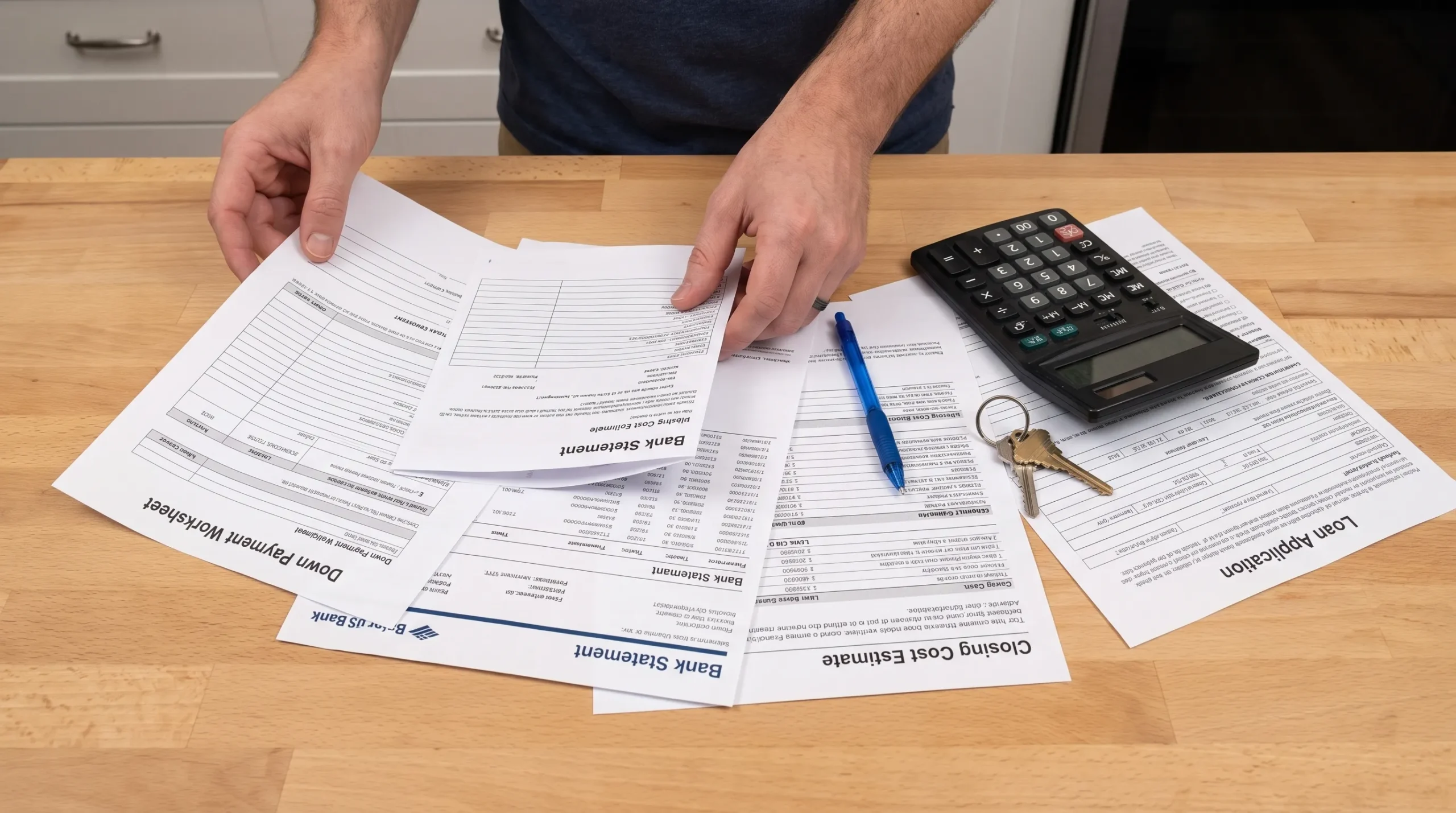
Many buyers focus on the purchase price first, but the monthly payment is shaped by loan type, interest rate, down payment, credit profile, loan term, insurance, taxes and whether land is included. A lower purchase price does not automatically mean the lowest monthly cost if the loan terms are less favorable.
Manufactured home financing can be structured in different ways. A home only loan, often called a chattel loan, is common when the home is placed on leased land. A mortgage style loan may be possible when the home and land are financed together and the home meets lender requirements, which may include a permanent foundation.
When comparing the cost of new single wide mobile home options, ask for a monthly estimate that includes more than principal and interest. Insurance, taxes, lot rent, escrow requirements, service fees and utility expectations can change affordability.
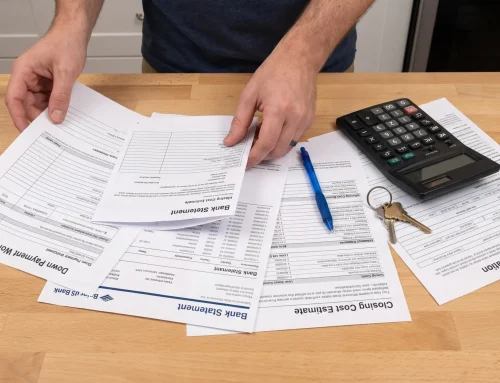
First-time buyers should also ask what cash is needed before closing. Down payment, deposit, appraisal, title fees, inspections, permits and setup related costs can all affect how much money is required upfront.
Upgrades can be smart, but they need a budget
Upgrades are not automatically wasteful. Some make daily life better, reduce maintenance or improve energy performance. Others may be nice to have but less important if they push the payment beyond your comfort zone.
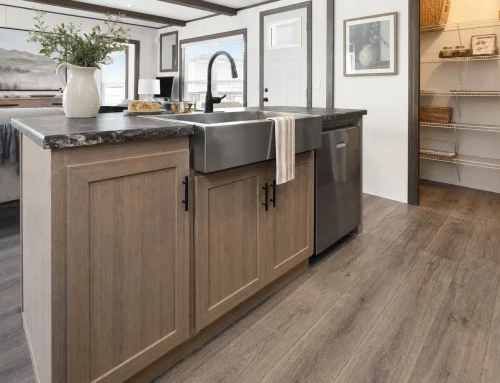
Common upgrades include higher grade flooring, upgraded cabinets, improved insulation, energy efficient windows, larger showers, kitchen islands, appliance packages, ceiling fans, exterior doors and premium siding. In San Antonio, energy performance deserves real attention because cooling costs can affect monthly affordability.
A fair cost of new single wide mobile home comparison should separate functional upgrades from cosmetic ones. If two homes have similar payments but one has better insulation, stronger HVAC specifications or a more practical layout, the better value may not be the one with the lowest sticker price.
If you are still deciding whether this home type fits your household, the guide to single wide mobile home pros, costs and best uses explains where single wide homes make the most sense compared with larger manufactured homes.
Example budgets for different buying situations
The following examples show how total cost can shift. They are simplified for planning and should not replace a written quote from a dealer, lender or contractor.
| Buyer situation | Likely budget pattern | Main cost risk |
|---|---|---|
| New home in an established community | Lower site work, possible lot rent, simpler utility access | Monthly lot rent and community rules |
| New home on owned prepared land | More control, fewer land costs if utilities are already nearby | Foundation standards, permits and final utility tie-ins |
| New home on raw private land | Highest flexibility, highest setup complexity | Septic, well, electric extension, driveway and grading |
| Upgraded model with premium finishes | Higher home price, possibly better comfort and appearance | Paying for cosmetic items before essential site work |
The main lesson is that two buyers can choose the same floor plan and still land at different final budgets. The site and financing often explain the difference.
How to avoid surprise costs
The best way to control the cost of new single wide mobile home ownership is to ask for a complete written estimate early. You want to know what is included, what is excluded and which items are allowances rather than fixed prices.
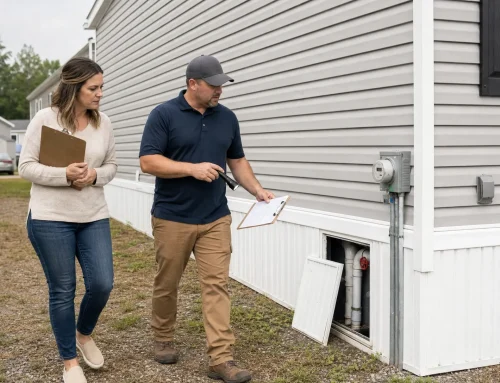
Ask whether the estimate includes delivery, setup, skirting, steps, HVAC connections, utility tie-ins, permits and inspections. If the home will go on private land, ask who is responsible for site evaluation, soil conditions, septic design, electrical service, water access and driveway improvements.
It also helps to compare homes by total monthly cost rather than base price alone. A slightly higher priced home with better financing, lower utility costs or fewer required repairs may be easier to own than the lowest priced option.
Before signing, request a floor plan, model specifications, lender estimate and a list of buyer responsibilities. A good dealer should be able to explain the process clearly and help you understand which costs are firm and which depend on third parties.
Frequently Asked Questions
What is the average cost of new single wide mobile home ownership? The average depends on the home, land and setup. As a planning range, many buyers should think beyond the home price and budget for delivery, setup, utilities, insurance, taxes and any land or lot costs.
Is a single wide manufactured home cheaper than a double wide? Usually, yes. A single wide has one section, less square footage and lower transport and installation complexity. Double wide homes often offer more space, but they usually cost more to buy, move and install.
Does the listed price include land? Not always. Many listed prices are for the home only. Land, lot rent, delivery, setup, site prep and utility connections may be separate, so ask for a full written breakdown.
Can I finance a new single wide manufactured home? Many buyers use financing. Loan options depend on credit, income, down payment, where the home will be placed and whether land is included. Homes2Go works with buyers who need guidance on available financing paths.
What costs do first-time buyers overlook most often? Common surprises include utility hookups, skirting, steps, permits, insurance, taxes, lot rent, site grading and closing costs. These items can be manageable when planned early.
Get a clearer single wide home budget in San Antonio
A realistic budget starts with the home you want, then adds the costs required to place it, connect it and finance it responsibly. If you want help comparing models, floor plans, communities and financing options, Homes2Go San Antonio can walk you through the process without leaving you to guess at the numbers.
The right question is not only what the home costs. It is what the complete path to move in ready homeownership looks like for your land, your payment goals and your family’s needs.
 How to Buy a Manufactured Home on Land You Own