
FHA modular and manufactured home loans can look almost identical when you are comparing monthly payments, down payment options, and floor plans. The difference becomes much clearer once the lender starts asking how the home was built, how it is titled, what foundation it sits on, and whether the land is part of the loan.
For San Antonio buyers, that distinction matters. A modular home and a manufactured home may both be factory-built, but FHA does not evaluate them in exactly the same way. Understanding the difference before you choose a home can help you avoid delays, choose the right lender, and ask better questions during your home search.
The short answer: FHA can finance both, but the rules are different
FHA financing may be available for both modular homes and manufactured homes, but they generally follow different property paths.
A modular home is built in sections in a factory, then assembled on a permanent foundation. Once complete, it is usually treated much like a site-built home because it is built to state and local residential building codes.
A manufactured home is built to the federal HUD Code. According to HUD’s Manufactured Housing Program, manufactured homes must meet federal construction and safety standards administered by HUD. For FHA financing, the lender will look closely at HUD labels, the data plate, title status, installation, foundation, and whether the home is classified as real property.
The right question is not simply whether FHA allows the home. The better question is whether the specific home, land setup, title paperwork, and lender program fit FHA requirements.
FHA borrower basics are similar for both home types
Before the property details come into play, FHA borrower requirements are broadly similar. FHA does not lend money directly. Instead, an FHA-approved lender makes the loan, and FHA provides mortgage insurance for eligible loans.
HUD explains that FHA loans are designed to help buyers with more flexible credit and down payment options than many conventional loans. FHA minimums commonly allow a 3.5 percent down payment for borrowers with a credit score of 580 or higher, while borrowers with scores from 500 to 579 may need 10 percent down, according to HUD’s general FHA homebuyer guidance. Individual lenders can set stricter standards, often called overlays.
Borrowers should also expect lenders to review income, debts, employment history, assets for closing, owner-occupancy, and the ability to pay mortgage insurance. Those borrower-side rules matter for both modular and manufactured homes. The bigger differences show up on the property side.
How FHA views modular homes
With modular homes, FHA is mainly concerned that the finished home is legally and physically real property. Since modular construction follows the same state or local building codes used for site-built homes, the factory-built aspect is usually not the main obstacle.
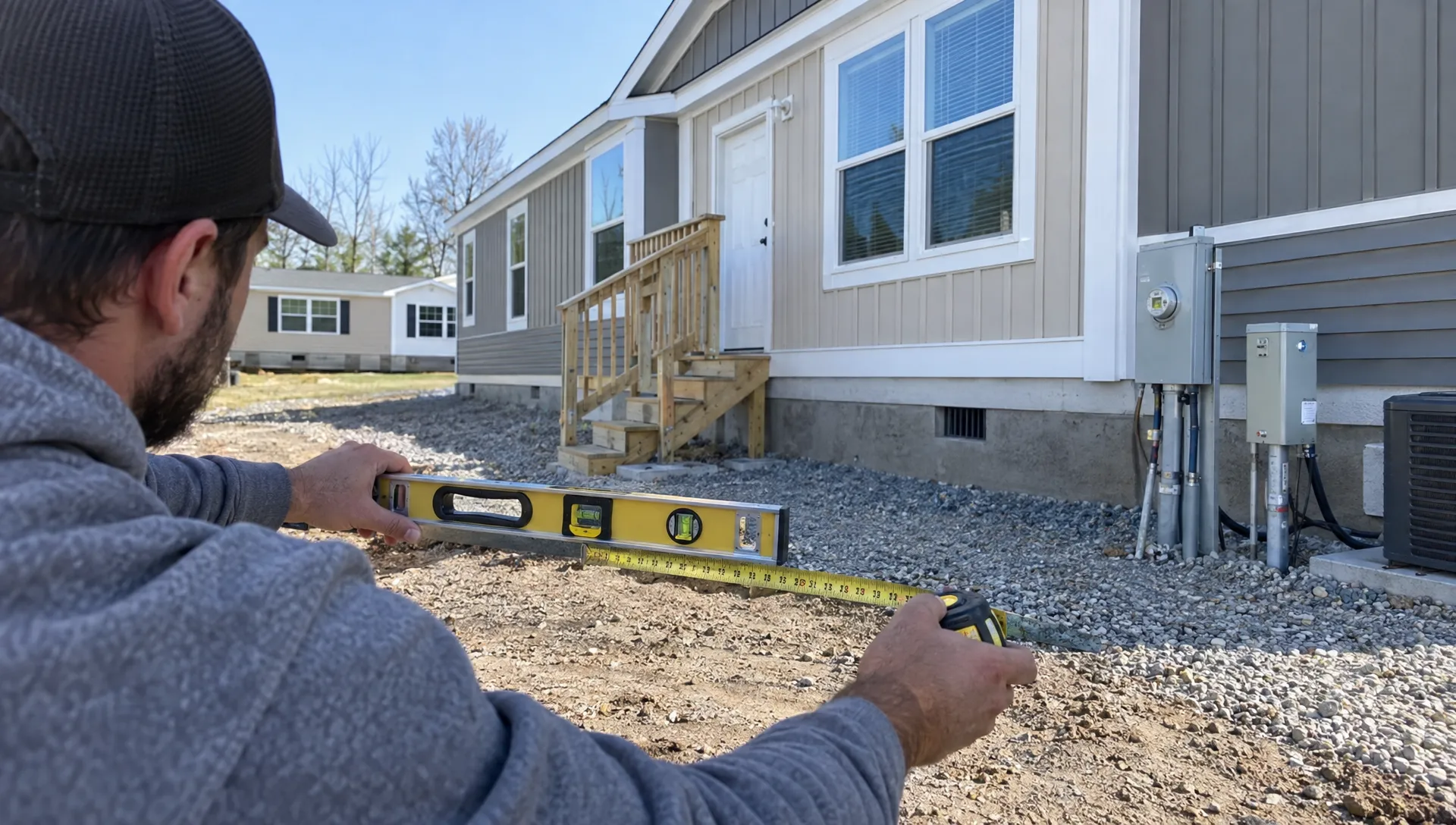
A modular home generally needs to be installed on a permanent foundation, permitted correctly, and completed according to local building requirements. The appraiser and lender may review plans, inspections, completion documents, and comparable sales. Once finished, the home is often appraised and underwritten similarly to a traditional site-built property.
This can make modular financing feel more familiar to lenders who regularly handle standard FHA purchase loans. Still, timing can matter. If the home is not complete yet, you may need a construction-to-permanent structure or another lender-approved process. If the home is already complete and properly documented, the path may be more straightforward.
For a deeper dive into property standards, borrower qualifications, and appraisal issues, Homes2Go has a separate guide to FHA loan requirements for modular homes.
How FHA views manufactured homes
Manufactured homes have their own set of FHA considerations because they are built to the HUD Code rather than local site-built codes. FHA-eligible manufactured homes generally must have been built after June 15, 1976, when the HUD Code took effect. Homes built before that date are often referred to as mobile homes and typically do not qualify under modern FHA manufactured home rules.
For a manufactured home, the lender will want documentation that proves the home is HUD-code compliant. This often includes HUD certification labels, sometimes called HUD tags, and the HUD data plate. A doublewide home normally has more than one transportable section, so documentation for each section can become important.
The lender will also review how the home is titled. In Texas, manufactured homes are documented through the Texas Department of Housing and Community Affairs using a Statement of Ownership. If the buyer is using an FHA mortgage that treats the home as real property, the title and land records need to line up with the lender’s requirements.
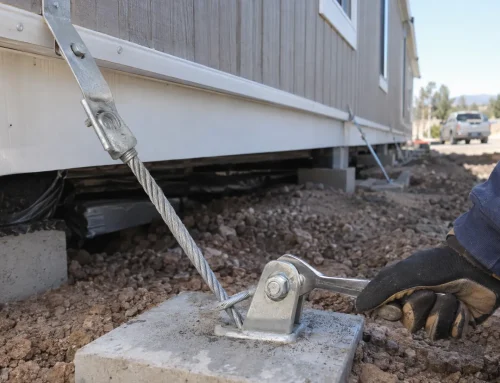
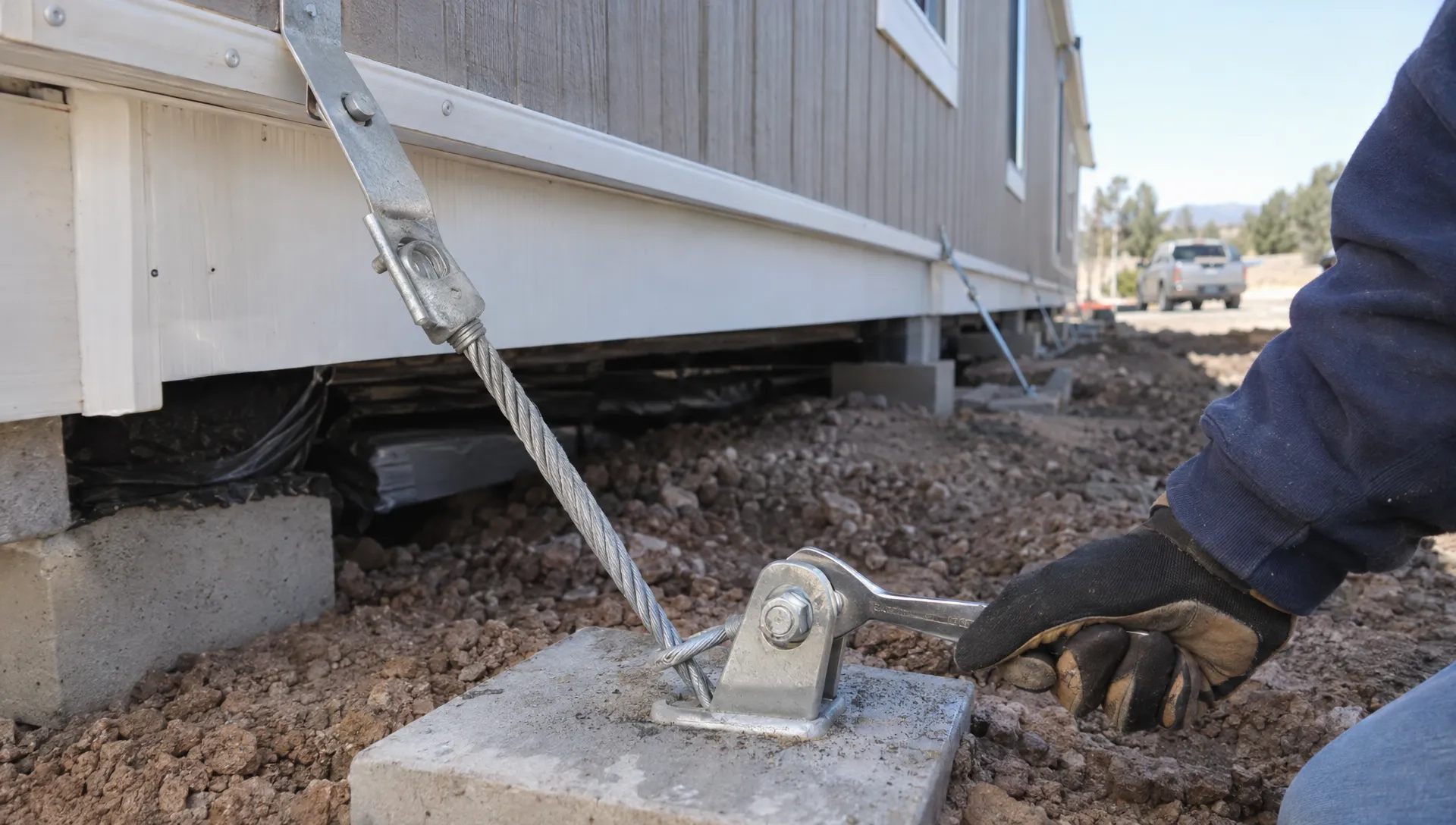
Foundation standards are also critical. For many FHA manufactured home mortgage scenarios, the home must be installed on a permanent foundation that meets applicable FHA and lender guidelines. If the foundation is not acceptable, the financing file can stall even when the borrower qualifies financially.
If you want the manufactured-home version of the checklist, review Homes2Go’s plain-English guide to FHA loan requirements for manufactured homes.
FHA modular vs manufactured home loans at a glance
| Comparison point | Modular home with FHA | Manufactured home with FHA |
|---|---|---|
| Building standard | State or local residential building code | Federal HUD Code |
| Common FHA treatment | Often treated like a site-built home once complete | Reviewed under FHA manufactured home rules |
| Key identification | Building permits, inspections, plans, certificate of completion or occupancy | HUD certification labels, HUD data plate, manufacturer details, serial numbers |
| Foundation | Permanent foundation expected for real property financing | Permanent foundation is often required for FHA Title II real property financing |
| Title status | Usually real property after installation | May start as personal property and may need real property conversion depending on loan type |
| Appraisal approach | Often compared with site-built or similar modular properties | Usually requires manufactured home comparables when available |
| Land relationship | Land is typically part of the real estate collateral | Land ownership, lease terms, or community setup can affect loan options |
| Common friction point | Construction timing, permits, completion documentation | Title paperwork, HUD labels, foundation certification, installation records |
Title I vs Title II is mostly a manufactured home issue
When buyers compare FHA modular and manufactured home loans, Title I and Title II often cause confusion.
For modular homes, the FHA path is typically closer to a standard FHA mortgage on real estate. The home is built off-site, but once it is assembled and permanently attached, lenders often evaluate it like other real property.
Manufactured homes may involve either FHA Title I or FHA Title II, depending on the property and lender. Title II is the FHA mortgage program many buyers think of first. It generally applies when the manufactured home is treated as real estate, often with the land included or otherwise acceptable to the lender.
Title I is different. It can be used for certain manufactured home loans, including situations involving a manufactured home, a lot, or both. It may be relevant when the home is not being financed in the same way as traditional real estate. Availability, terms, and lender participation can vary, so buyers should ask lenders early which FHA manufactured home programs they actually offer.
This is why shopping for a lender is not only about the interest rate. Experience with manufactured home documentation can save time. Homes2Go’s guide to comparing FHA manufactured home loan lenders explains the questions worth asking before you commit.
The paperwork that can make or break approval
For modular homes, the documentation usually centers on construction quality and completion. Lenders may ask for permits, plans, inspection records, foundation information, and evidence that the completed home complies with local code.
For manufactured homes, the documentation is more specialized. The lender may need HUD labels, the data plate, serial numbers, title records, foundation documentation, installation records, and proof that the home is legally tied to the land if the loan requires real property treatment.
That does not mean manufactured homes are harder in every case. It means the file needs the right documents from the beginning. A buyer who chooses a home, verifies the land or community setup, and works with a lender familiar with manufactured housing may have a smoother process than a buyer who starts with the wrong loan type.
How this affects your San Antonio home search
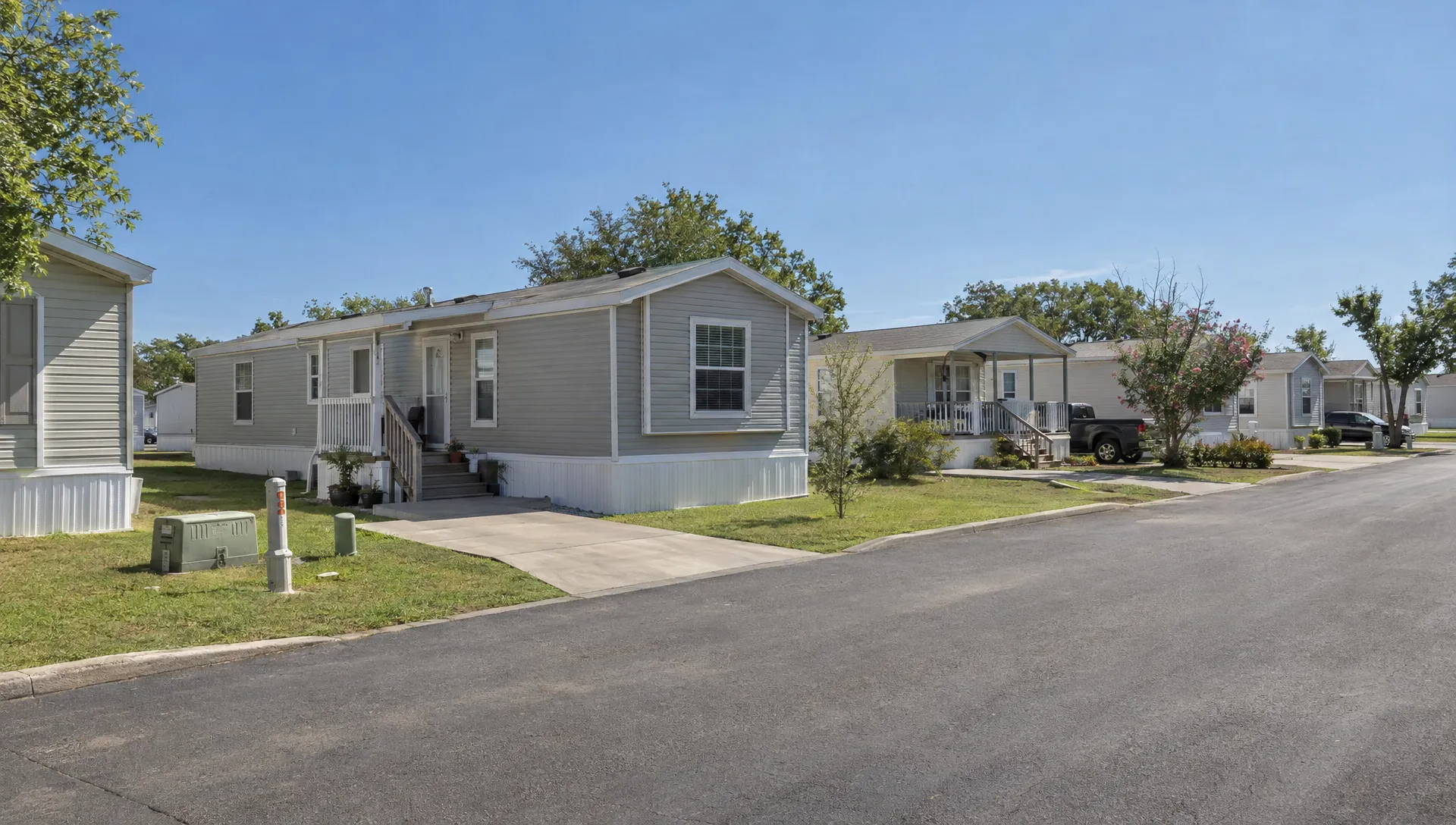
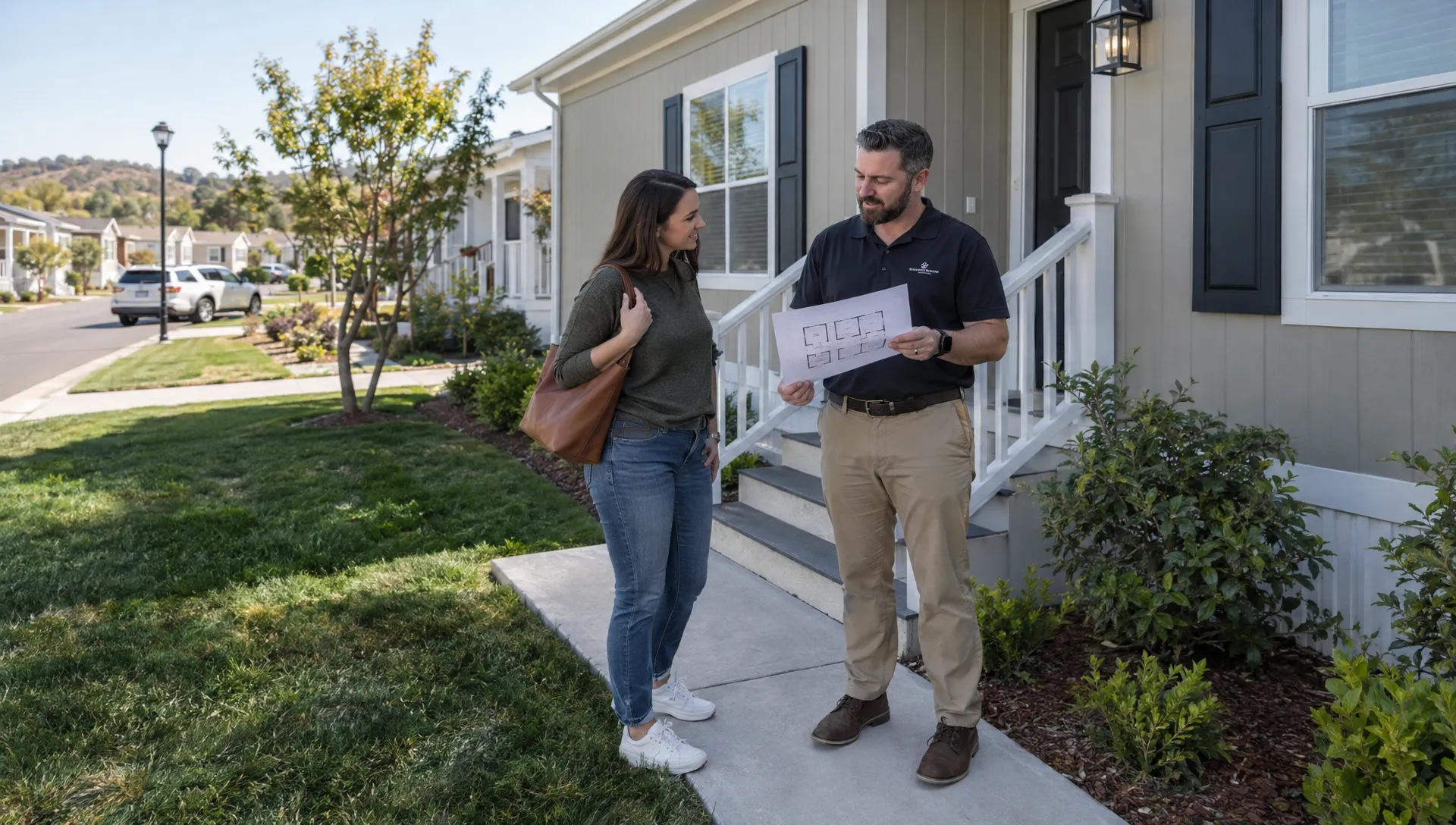
In San Antonio, the financing conversation should happen alongside the home search, not after it. The home model, land, community, foundation plan, and lender all need to work together.
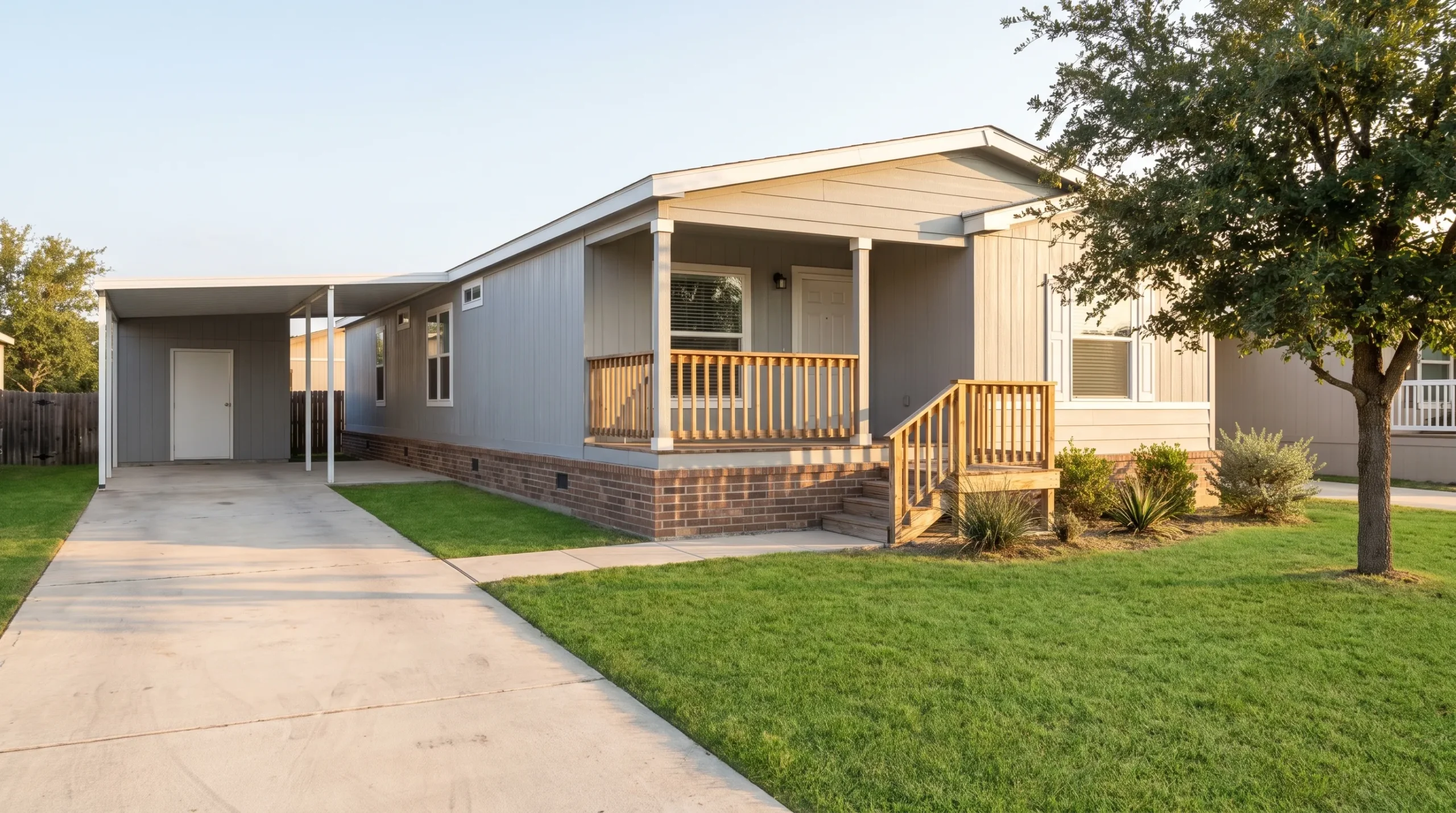
If you are comparing manufactured homes, start with floor plans that fit your budget and household needs, then ask how each option may fit FHA requirements. For example, the Cavco Addison is a 3 bedroom, 2 bathroom, 1,717 sq ft doublewide manufactured home based on Cavco Homes floor plan Valu Premier 3256 3G. A larger doublewide like this may appeal to buyers who need more living space while still exploring manufactured home financing options.
Another example is the Legacy Aubrey, a 3 bedroom, 2 bathroom, 1,372 sq ft doublewide manufactured home with 32' x 48' dimensions. It is based on Legacy Housing floor plan C-32×48-32B and is Legacy’s best-selling doublewide floor plan. Looking at real models like these helps you have a more practical financing conversation because the lender can evaluate an actual home, not just a general price range.
The important point is that choosing a model is only one part of FHA readiness. The home also needs the right site, installation plan, foundation approach, and paperwork.
Which option may fit your goals better?
Neither modular nor manufactured is automatically better. The right choice depends on your budget, land plans, timeline, and comfort with the financing process.
A modular home may be a strong fit if you want a factory-built home that is generally treated like site-built real estate after completion. It can be especially attractive if you already have land, want local-code construction, and are prepared for the permitting and completion process.
A manufactured home may be a strong fit if affordability, floor plan variety, and access to home communities are priorities. Manufactured homes can offer modern interiors, energy-efficient designs, and move-in ready options, but FHA financing requires close attention to HUD-code documentation, foundation requirements, and title status.
| Buyer priority | Option that may fit well | Why |
|---|---|---|
| Standard real estate treatment | Modular home | Often underwritten more like a site-built home after completion |
| Broad floor plan selection | Manufactured home | Many doublewide and single-section layouts may be available |
| Home-only or community living questions | Manufactured home | FHA Title I or other financing paths may be discussed with qualified lenders |
| Land and permanent foundation ready | Either | A prepared site can simplify lender review |
| Lowest paperwork surprises | Depends on lender experience | The right lender and dealer support matter as much as the home type |
Common mistakes to avoid
FHA financing can be manageable, but buyers often run into trouble when they assume all factory-built homes are treated the same.
Avoid these common mistakes:
- Calling every factory-built home a mobile home without confirming whether it is modular or HUD-code manufactured.
- Shopping for a home before asking the lender whether they finance that specific property type.
- Ignoring foundation requirements until late in the process.
- Assuming a manufactured home title issue can be fixed instantly.
- Comparing rates without comparing lender experience, documentation requirements, and closing timelines.
The earlier you clarify the home type, the easier it is to choose the right FHA path.
Frequently Asked Questions
Are modular homes and manufactured homes the same for FHA loans? No. Modular homes are usually built to state or local building codes and are often treated like site-built homes after completion. Manufactured homes are built to the federal HUD Code and have separate FHA documentation, title, and foundation considerations.
Can I use FHA financing for a manufactured doublewide in San Antonio? It may be possible if the borrower, home, foundation, title status, and land or site arrangement meet FHA and lender requirements. A doublewide will usually need proper HUD-code documentation for each section.
Do I need to own the land for an FHA manufactured home loan? It depends on the FHA program and lender. FHA Title II usually focuses on real property treatment, while Title I may apply to certain manufactured home, lot, or combined situations. Ask lenders which programs they offer before choosing a home.
Is a modular home easier to finance than a manufactured home? Sometimes, but not always. Modular homes may fit more easily into standard real estate underwriting once complete. Manufactured homes can also be financed successfully when the title, HUD labels, foundation, and site details are in order.
What documents should I ask about before applying? For modular homes, ask about permits, plans, inspections, and completion documents. For manufactured homes, ask about HUD labels, the data plate, serial numbers, Statement of Ownership, installation records, and foundation documentation.
Should I talk to a lender before choosing a home model? Yes. A lender familiar with FHA modular and manufactured home loans can help you understand which homes, sites, and title setups are likely to fit their program requirements.
Take the next step with local guidance
FHA modular and manufactured home loans can both help buyers move toward homeownership, but they are not interchangeable. The best path depends on the home type, land setup, foundation, title paperwork, and lender experience.
Homes2Go San Antonio helps buyers compare manufactured home models, review floor plans, explore flexible financing options, and connect with guidance throughout the process. If you are considering a manufactured home in the San Antonio area, start by exploring available options with Homes2Go San Antonio and ask early which financing path fits your situation.
 How Manufactured Homes Can Lower Utility Bills
 Singlewide Mobile Homes in San Antonio: Buyer Guide