
FHA financing is often attractive because it can lower the upfront cash needed to buy a home. But when the home is factory-built, the details matter. A true modular home can often be financed much like a site-built home, while a manufactured home follows a different set of FHA rules tied to HUD labels, title conversion, and installation standards.
That distinction is the key to understanding FHA loan requirements for modular homes. If you are shopping in San Antonio, you need to know what FHA looks for in the borrower, the home, the land, the foundation, and the construction status before you apply.
Modular home vs. manufactured home: why FHA treats them differently
A modular home is built in sections in a factory, transported to the homesite, and assembled on a permanent foundation. Once complete, it is typically treated as real estate and must meet the same state and local building codes that apply to site-built homes.
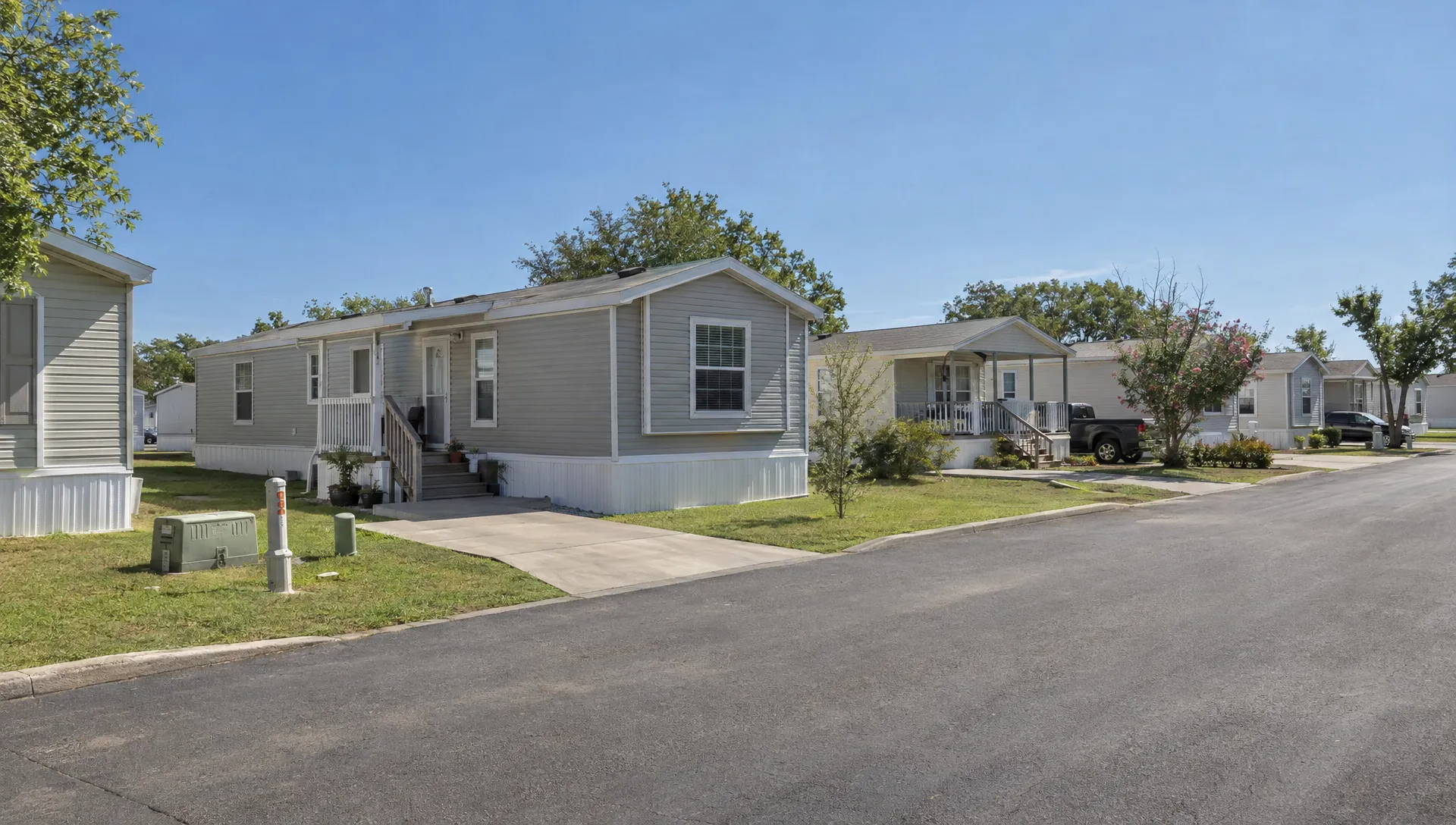
A manufactured home is different. It is built to the federal HUD Code, which has governed manufactured housing since June 15, 1976. Manufactured homes have HUD certification labels and a data plate, and FHA has specific manufactured housing requirements for items like the permanent foundation, title status, and installation.
This matters because many buyers use the words “modular,” “manufactured,” and “mobile home” interchangeably, but lenders do not. If the home is truly modular, it generally goes through FHA as a standard single-family property. If it is manufactured, it may still qualify for FHA financing, but the documentation path is different.
For a deeper comparison, Homes2Go has a related guide explaining how an FHA loan for a modular home differs from manufactured housing.
The basic FHA borrower requirements
Before FHA looks closely at the property, the lender reviews the buyer. FHA loans are issued by approved lenders and insured by the Federal Housing Administration, so the lender must confirm that the borrower meets FHA and lender-specific guidelines.
Common FHA borrower requirements include:
- Primary residence occupancy: FHA loans are generally for owner-occupied homes, not vacation homes or investment properties.
- Minimum credit standards: FHA allows lower credit scores than many conventional programs, though individual lenders may set higher standards.
- Down payment: FHA commonly allows a 3.5% down payment for borrowers who meet the credit score threshold, while lower scores may require more.
- Debt-to-income review: The lender evaluates your monthly debts compared with your income.
- Income and employment documentation: Pay stubs, W-2s, tax returns, bank statements, and other documents may be required.
- Mortgage insurance: FHA loans include upfront and annual mortgage insurance premiums.
HUD’s official Single Family Housing Policy Handbook is the main policy source lenders use, but lenders can also apply overlays. In plain English, that means two FHA-approved lenders may review the same buyer slightly differently.
FHA property requirements for modular homes
For a modular home to qualify, FHA needs the property to be safe, sound, secure, and legally acceptable as real estate. The home does not need to be luxurious, but it must meet FHA minimum property standards and local code requirements.
The home must be real property
A modular home financed with an FHA mortgage should be part of the real estate. That means the home and land are typically included together in the loan, with a legal description, property taxes, and recorded ownership similar to a site-built house.
This is different from personal property or chattel financing. If the home is not legally attached to land as real property, FHA financing becomes more complicated and may not fit the standard modular home path.
The foundation must be permanent
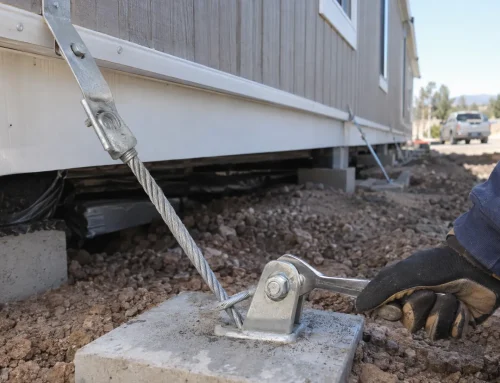
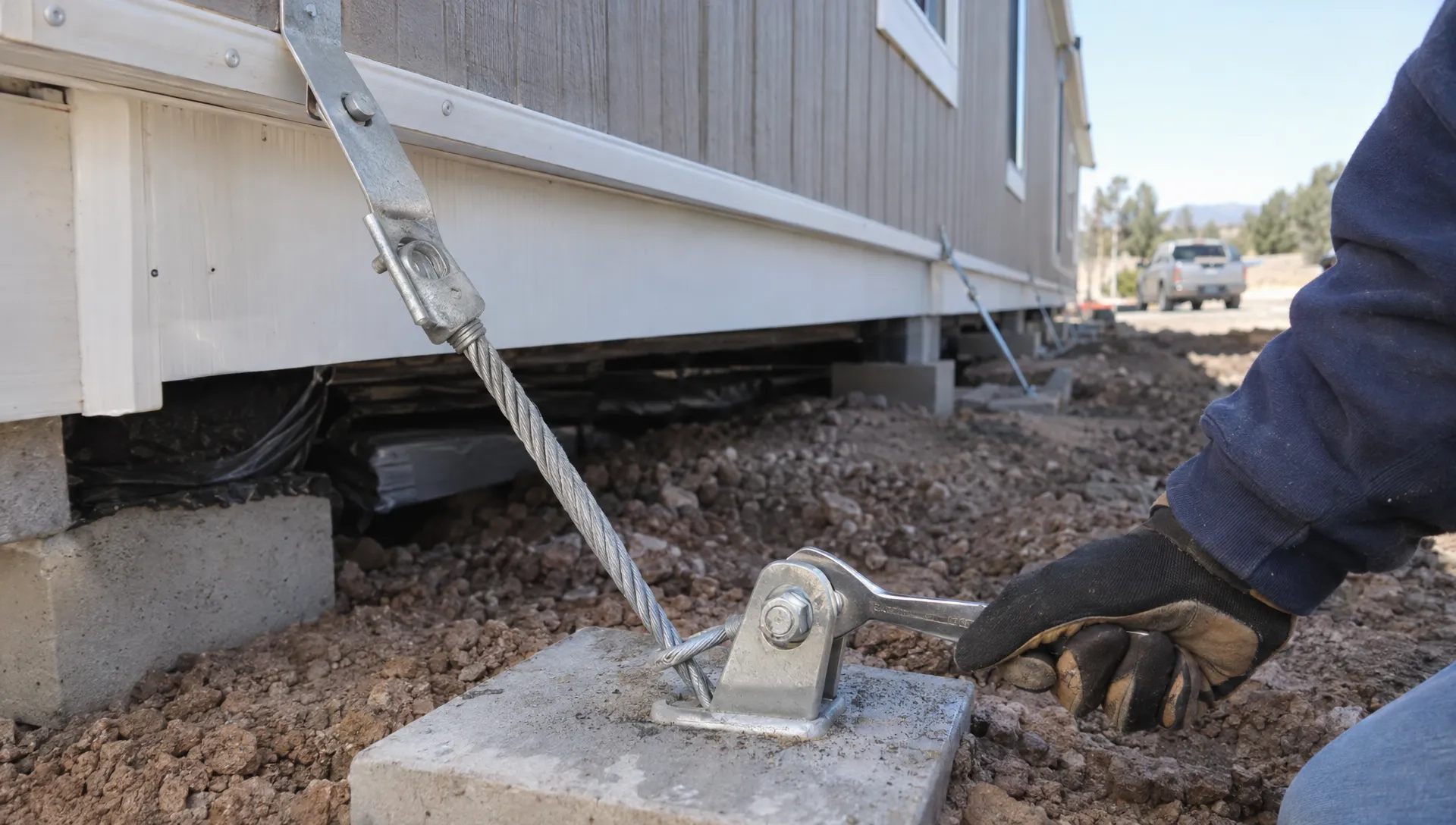
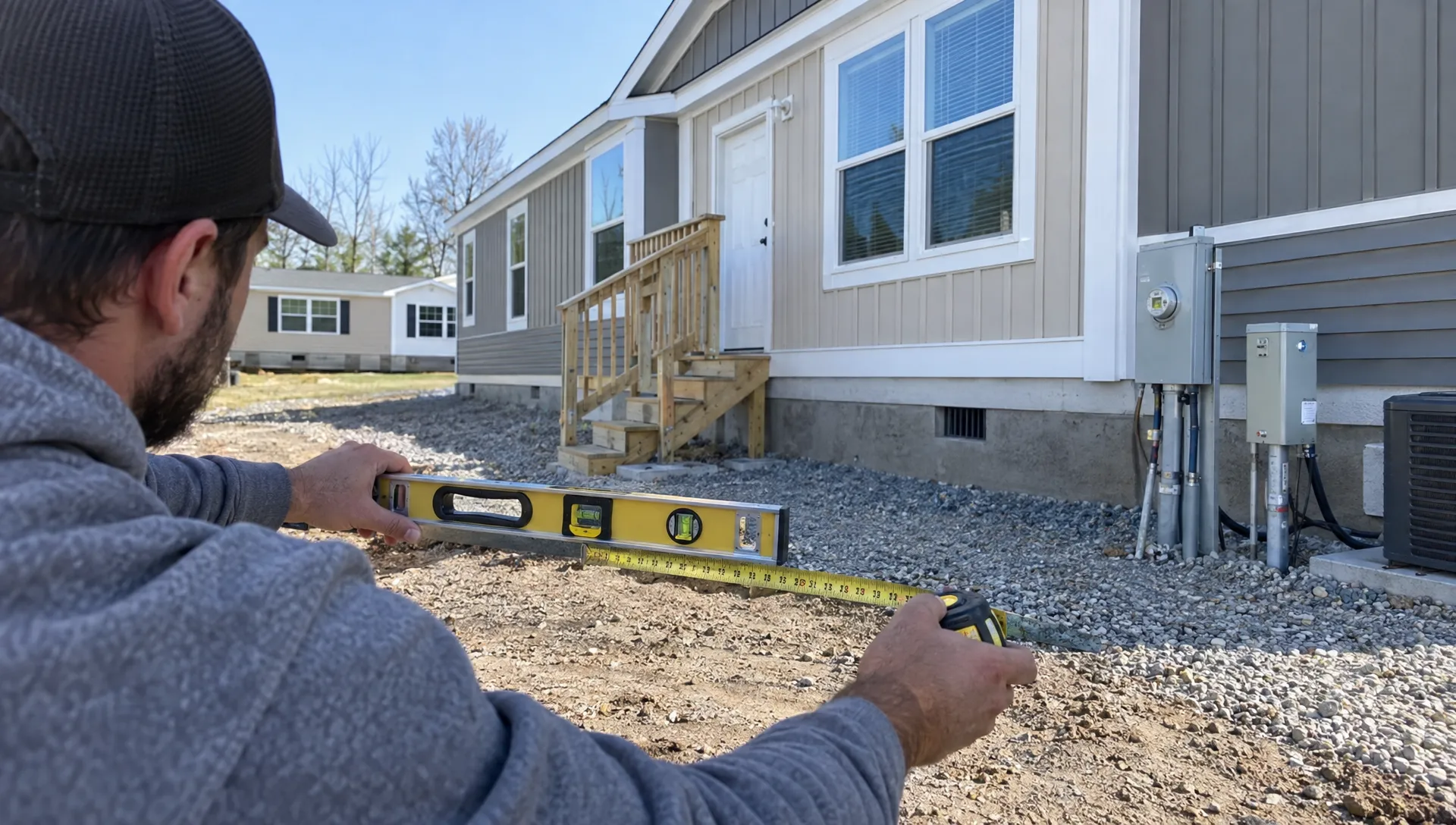
FHA will expect the modular home to be installed on a permanent foundation that supports the structure safely and meets applicable building codes. The lender, appraiser, or underwriter may request documentation showing that the foundation was properly designed, permitted, and inspected.
For a true modular home, the foundation is typically evaluated much like a site-built home foundation. For a manufactured home, FHA may require a foundation certification tied to HUD’s manufactured home permanent foundation standards. This is one of the biggest reasons the modular-versus-manufactured classification needs to be clear early.
The home must meet building code requirements
A modular home must comply with state and local residential building codes. In Texas, modular or industrialized housing is regulated differently than HUD-code manufactured housing, and buyers should confirm which classification applies before they begin loan paperwork.
The lender may ask for permits, inspections, a certificate of occupancy, engineering documents, or manufacturer documentation. New modular construction usually requires more documentation than an existing home that is already built, completed, and occupied.
Utilities and site access must be acceptable
FHA wants the home to be functional as a residence. The property should have safe access, acceptable utilities, and required local approvals. If the site uses a private well or septic system, the lender may require tests, inspections, or local health department documentation.
Road access, drainage, flood zone status, easements, and zoning can also affect approval. In the San Antonio area, this can be especially important for buyers considering land outside city limits, where utility access and site preparation may vary from one property to another.
FHA modular home requirements at a glance
The exact documents vary by lender and property, but this table gives a practical overview of what buyers should expect.
| Requirement area | What FHA and the lender usually review | Why it matters |
|---|---|---|
| Borrower eligibility | Credit, income, debts, down payment, occupancy | Confirms the buyer can qualify for FHA financing |
| Property classification | Modular vs. manufactured vs. site-built | Determines which FHA rules and documents apply |
| Real property status | Home and land treated as real estate | Supports standard FHA mortgage eligibility |
| Foundation | Permanent foundation, inspections, engineering if required | Shows the home is safely and permanently installed |
| Appraisal | FHA appraisal and minimum property standards | Confirms value, safety, and marketability |
| Site requirements | Access, utilities, zoning, flood zone, septic or well if applicable | Confirms the property is suitable for residential use |
| Construction status | Existing home, new build, or construction-to-permanent | Determines the loan process and closing structure |
Existing modular home vs. new modular construction
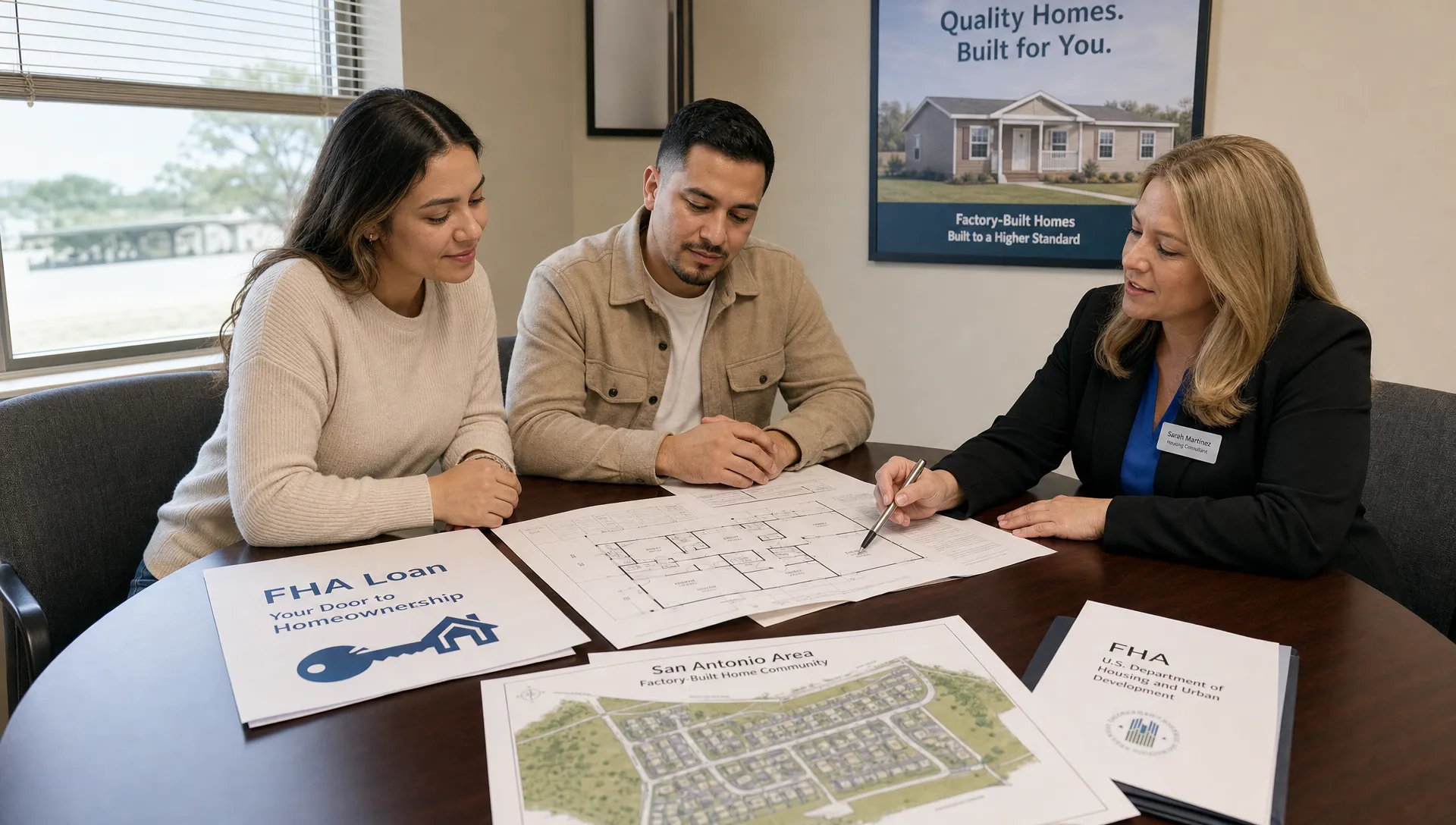
The FHA process is usually simpler when the modular home is already complete, permanently installed, and legally classified as real estate. In that case, the loan may look similar to a standard FHA purchase of an existing single-family home.
New modular construction can require a different loan structure. If the home has not been built or installed yet, the buyer may need a construction-to-permanent loan, sometimes called a one-time close construction loan. This type of financing can combine the construction phase and permanent mortgage into one process, but it has more moving parts.
For new modular construction, the lender may review builder approval, plans and specifications, construction contracts, inspections, draw schedules, land ownership, and completion timelines. If you are exploring that route, review Homes2Go’s explanation of whether you can use an FHA construction loan for a modular home.
What the FHA appraisal looks for
An FHA appraisal is not just a value opinion. The appraiser also checks whether the property meets FHA’s minimum property requirements. The goal is to protect the buyer, lender, and FHA insurance fund by confirming that the home is livable, marketable, and free from obvious safety issues.
For modular homes, the appraiser may consider comparable sales of similar homes where available. Depending on the market, comparable sales may include modular, site-built, or other similar residential properties. The lender will decide whether the appraisal support is acceptable.
The appraiser may flag issues such as missing handrails, damaged roofing, exposed wiring, inadequate access, peeling paint in older homes, drainage concerns, or incomplete work. Any required repairs usually need to be completed before closing, unless the loan program allows a specific repair escrow.
Land requirements for FHA modular home financing
Land is a major part of the FHA approval picture. A modular home placed on land you already own may have different documentation needs than a home and land purchased together.
The lender will typically review the deed, legal description, property taxes, zoning, access, and whether the site is acceptable for residential use. If there are liens, easements, shared roads, private utilities, or boundary concerns, those issues may need to be resolved before closing.
Flood zones are another important factor. If the property is in a designated flood hazard area, flood insurance may be required. Some properties may also need elevation information or additional review before the lender can approve the file.
Modular homes and Texas buyers: what to ask early
If you are buying in or around San Antonio, the best time to ask classification and financing questions is before you fall in love with a floor plan or land parcel. A little clarity upfront can prevent delays later.
Ask these questions early in the process:
- Is the home legally modular or manufactured? The answer determines the FHA documentation path.
- Will the home be titled and taxed as real property? FHA mortgage financing usually depends on real property status.
- Is the foundation permanent and code-compliant? Foundation issues can delay or stop approval.
- Are utilities, access, and permits already in place? Site readiness affects cost, timeline, and loan approval.
- Does the lender have experience with factory-built housing? An experienced lender is less likely to be surprised by documentation requirements.
This is also where working with a local housing team helps. Homes2Go San Antonio works with buyers comparing factory-built home options, financing paths, and communities in the area.
If you are comparing modular and manufactured options
Some buyers begin by searching for modular home financing, then discover that a manufactured home may better fit their budget, timeline, or preferred community. That is perfectly normal, but it is important to adjust your FHA expectations.
Manufactured homes can qualify for FHA financing when they meet the applicable HUD-code, foundation, title, and property requirements. However, they are not reviewed exactly the same way as true modular homes.
For example, a buyer comparing larger doublewide manufactured homes at Homes2Go might look at the Cavco Addison, a 3 bedroom, 2 bathroom, 1,717 sq ft doublewide manufactured home, or the Legacy Aubrey, a 3 bedroom, 2 bathroom, 1,372 sq ft doublewide manufactured home. Those homes can be worth exploring if you are open to manufactured housing, but your lender would evaluate them under manufactured home rules rather than true modular home rules.
If that is the direction you are leaning, this guide to FHA loan requirements for manufactured homes may be more relevant to your next steps.
Common reasons FHA modular home loans get delayed
Many FHA delays are avoidable. The most common issues involve classification, incomplete property documents, and site-related questions.
A loan can slow down when the buyer calls the home modular, but the paperwork shows it is manufactured. It can also slow down if the foundation has not been inspected, the certificate of occupancy is missing, the appraisal identifies repairs, or the land has unresolved access or title issues.
Another common issue is assuming that FHA approval is only about the buyer’s credit score. Credit matters, but the home and land must also qualify. A strong borrower can still run into problems if the property does not meet FHA standards.
How to prepare before applying
Preparation can make the FHA process much smoother. Start by confirming the home type, because every next step depends on that answer. Then gather the documents your lender will likely request.
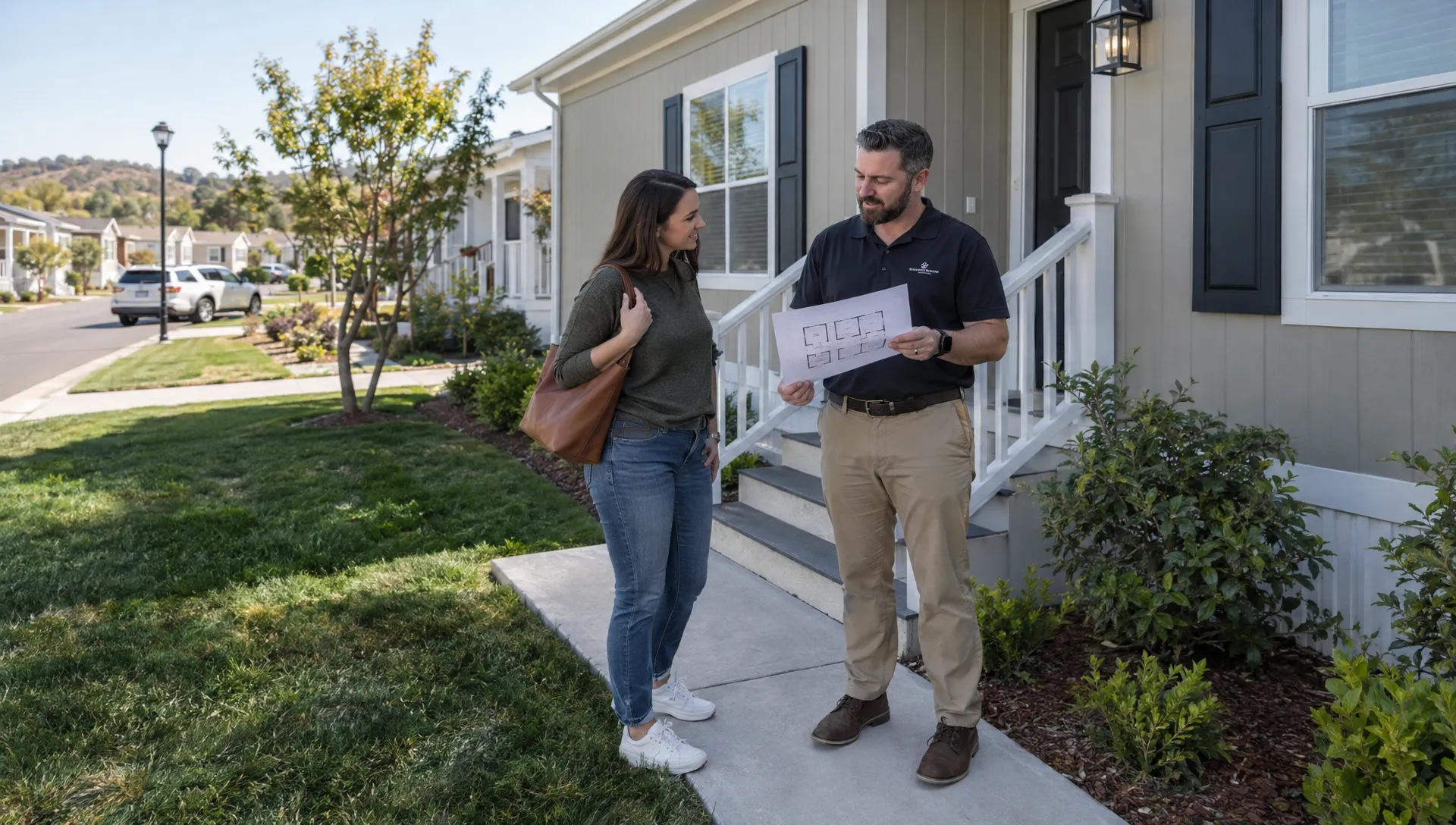
Helpful documents may include a purchase contract, floor plan, manufacturer information, permits, inspection records, site details, land deed if you already own the property, tax information, and any utility or septic documentation. For new construction, expect additional builder and construction documents.
On the financial side, review your credit, estimate your down payment and closing costs, and avoid taking on new debt while preparing to apply. A lender will look at your full financial picture, not just the home price.
Frequently Asked Questions
Can you use an FHA loan to buy a modular home? Yes, a true modular home can often be financed with an FHA loan if it meets FHA property standards, is legally treated as real estate, sits on an acceptable permanent foundation, and the borrower qualifies.
Is a modular home the same as a manufactured home for FHA financing? No. Modular homes are generally built to state and local building codes, while manufactured homes are built to the federal HUD Code. FHA can finance both in certain situations, but the requirements and documentation are different.
Does FHA require a permanent foundation for a modular home? Yes, the home must be permanently installed on an acceptable foundation. The exact documentation depends on the property, lender, local code requirements, and whether the home is modular or manufactured.
Can FHA finance the land and modular home together? In many cases, yes. FHA financing commonly includes the home and land as real property. The land must meet lender and FHA requirements, including access, zoning, utilities, and title standards.
Can I use an FHA construction loan for a new modular home? It may be possible through an FHA construction-to-permanent loan if the borrower, builder, plans, land, and property meet program requirements. These loans are more document-heavy than financing an existing completed home.
Ready to compare your options in San Antonio?
FHA loan requirements for modular homes are manageable when you know what lenders are looking for: the right property classification, real estate status, a permanent foundation, an acceptable appraisal, and a qualified borrower.
If you are still comparing modular and manufactured home options, Homes2Go San Antonio can help you review available homes, understand floor plans, and connect with financing guidance suited to your situation. The earlier you confirm the home type and loan path, the easier it is to move toward a confident purchase.
 Do FHA Approved Mobile Home Parks Really Exist?
 New Mobile Homes in San Antonio: Smart Buying Tips