
Shopping for double wide trailer homes for sale can feel straightforward at first: tour a few homes, compare the monthly payment, then choose the one that looks best. In reality, the smartest buyers compare the full picture, including layout, delivered cost, financing, installation, community fit, energy performance, and dealer support.
That matters because two homes with similar square footage can have very different long-term costs and comfort levels. One may include more site work, better insulation, a more practical kitchen, or easier financing support. Another may look affordable on paper but require extra expenses before it is truly move-in ready.
Also, the word trailer is often used casually. Most homes buyers are comparing today are manufactured homes built to the federal HUD Code. According to HUD's Manufactured Housing Program, manufactured homes are built in a factory to federal construction and safety standards. A double wide is typically built in two sections, transported to the site, and joined together during installation.
If you are buying in or around San Antonio, use the following comparison framework before you commit.
Start by Comparing the Same Type of Home
Before looking at finishes or floor plans, make sure every listing you compare is in the same category. A new double wide on a dealer lot, a custom-ordered model, a used home in a community, and a land-home package can all have different pricing structures.
A lower advertised price is not automatically a better deal if it does not include delivery, setup, utility connections, steps, skirting, permits, or other required items. A higher quote may actually be more competitive if it includes more of what you need to live in the home comfortably.
| What to Compare | Why It Matters | Question to Ask |
|---|---|---|
| New vs. used | Condition, warranty, repairs, and financing options may differ | Is this home new, pre-owned, or a display model? |
| Home-only vs. land-home | The loan type and total monthly cost may change | Does the price include land, or only the home? |
| Community vs. private land | Lot rent, rules, utilities, and setup needs differ | Where can this home be placed? |
| In-stock vs. ordered | Timing, options, and customization may differ | Is this available now, or does it need to be built? |
| Included vs. optional features | Upgrades can change the final price | What is included in the written quote? |
For a broader overview of the buying process, Homes2Go also offers a helpful guide to double wide manufactured homes for sale, but this article focuses specifically on how to compare your options side by side.
Compare the Floor Plan by Daily Use, Not Just Square Footage
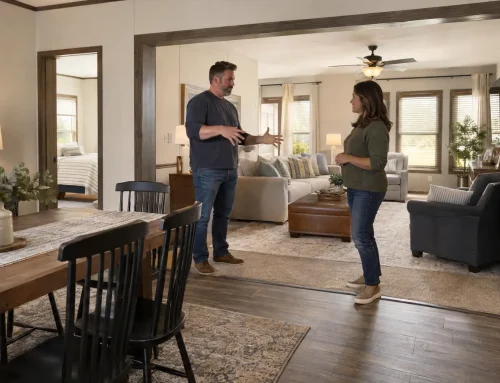
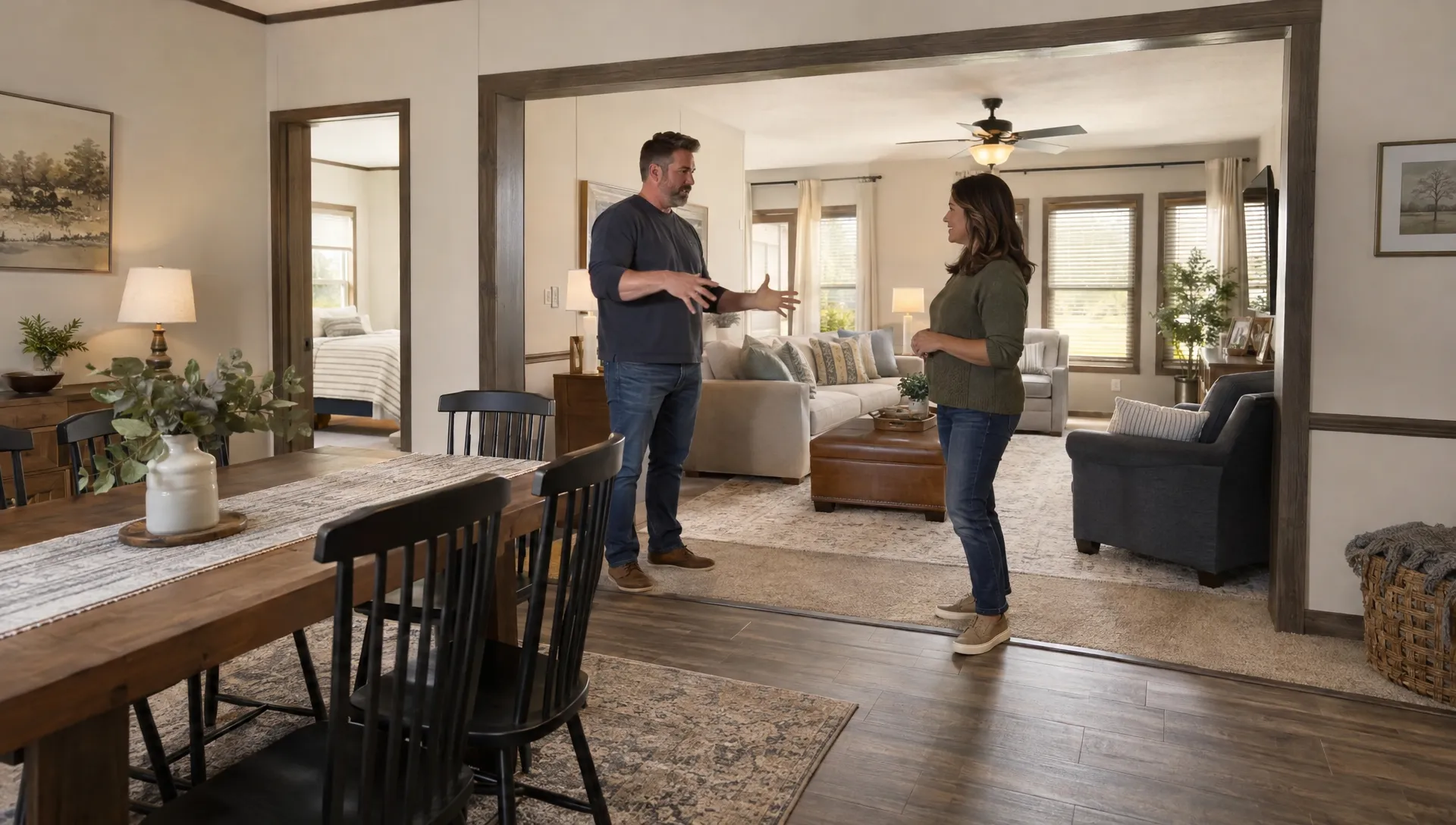
Square footage is useful, but it does not tell the whole story. A well-designed double wide can feel larger than a bigger home with narrow hallways, limited storage, or an awkward kitchen. When you walk through a model, picture your normal day inside the home.
Look at how people will move from the entry to the living room, kitchen, bedrooms, and utility area. If you cook often, counter space and pantry storage may matter more than a slightly larger living room. If multiple people get ready at the same time, bathroom placement may be more important than an extra decorative feature.
| Floor Plan Feature | What to Look For |
|---|---|
| Bedroom separation | A split-bedroom plan can create more privacy between the primary suite and secondary rooms |
| Kitchen layout | Compare counter space, cabinet storage, island placement, and traffic flow |
| Living area | Make sure your furniture can fit without blocking walkways or windows |
| Utility room | Check space for laundry, storage, exterior access, and noise control |
| Bathrooms | Compare tub or shower size, vanity storage, and access from bedrooms |
| Closets and pantry space | Storage often affects everyday comfort more than buyers expect |
A good question to ask during a tour is simple: where will everything go? If the answer is unclear, the home may not live as well as it looks in photos.
Compare the True Total Cost, Not Only the Sticker Price
One of the biggest mistakes buyers make is comparing only the base home price. A double wide home is not complete until it is delivered, installed, connected to utilities, and ready for daily living. Your goal is to compare the total move-in cost as clearly as possible.
Ask for a written estimate that separates the home price from site-related costs. If an item is not included, ask whether it is required, optional, or handled by another provider. This helps you avoid surprises after you have already chosen a home.
| Cost Category | Why It Can Affect Your Budget |
|---|---|
| Home price | The base model, size, floor plan, and features set the starting point |
| Delivery and setup | Transport distance, site access, and installation needs can vary |
| Foundation or support system | Requirements depend on site, lender, and local rules |
| Utility connections | Water, sewer or septic, electricity, and other services must be planned |
| Permits and inspections | These can vary by location and project type |
| Skirting, steps, and access | These are often necessary for safety, appearance, and completion |
| Insurance and taxes | Ownership costs continue after the purchase |
| Lot rent or land payment | Community placement and private land create different monthly obligations |
The most useful comparison is not home A versus home B. It is move-in-ready home A versus move-in-ready home B.
Compare Financing Like a Buyer, Not Just a Monthly Payment
A monthly payment can be helpful, but it can also hide important differences. Two payments may look similar even when the loan term, down payment, interest rate, fees, or property classification are different. Ask lenders and dealers to explain the structure clearly.
For manufactured homes, financing may depend on whether you are buying only the home, buying land with the home, placing the home on leased land, or converting the home to real property where applicable. Loan programs have different requirements, and approval depends on your credit, income, debt, property details, and lender guidelines.
When comparing financing, look at the interest rate, APR, loan term, estimated closing costs, down payment, whether taxes and insurance are included, and what happens if your site or home choice changes. The Consumer Financial Protection Bureau's Loan Estimate guide is a useful resource for understanding how lenders present key loan terms.
FHA financing may be an option for some double wide manufactured homes, but the home and site must meet specific requirements. If you are exploring that path, review the key approval steps for FHA for double wide homes before assuming a particular home will qualify.
Compare the Land or Community Fit
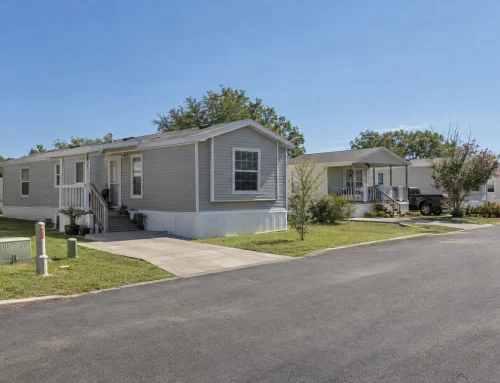
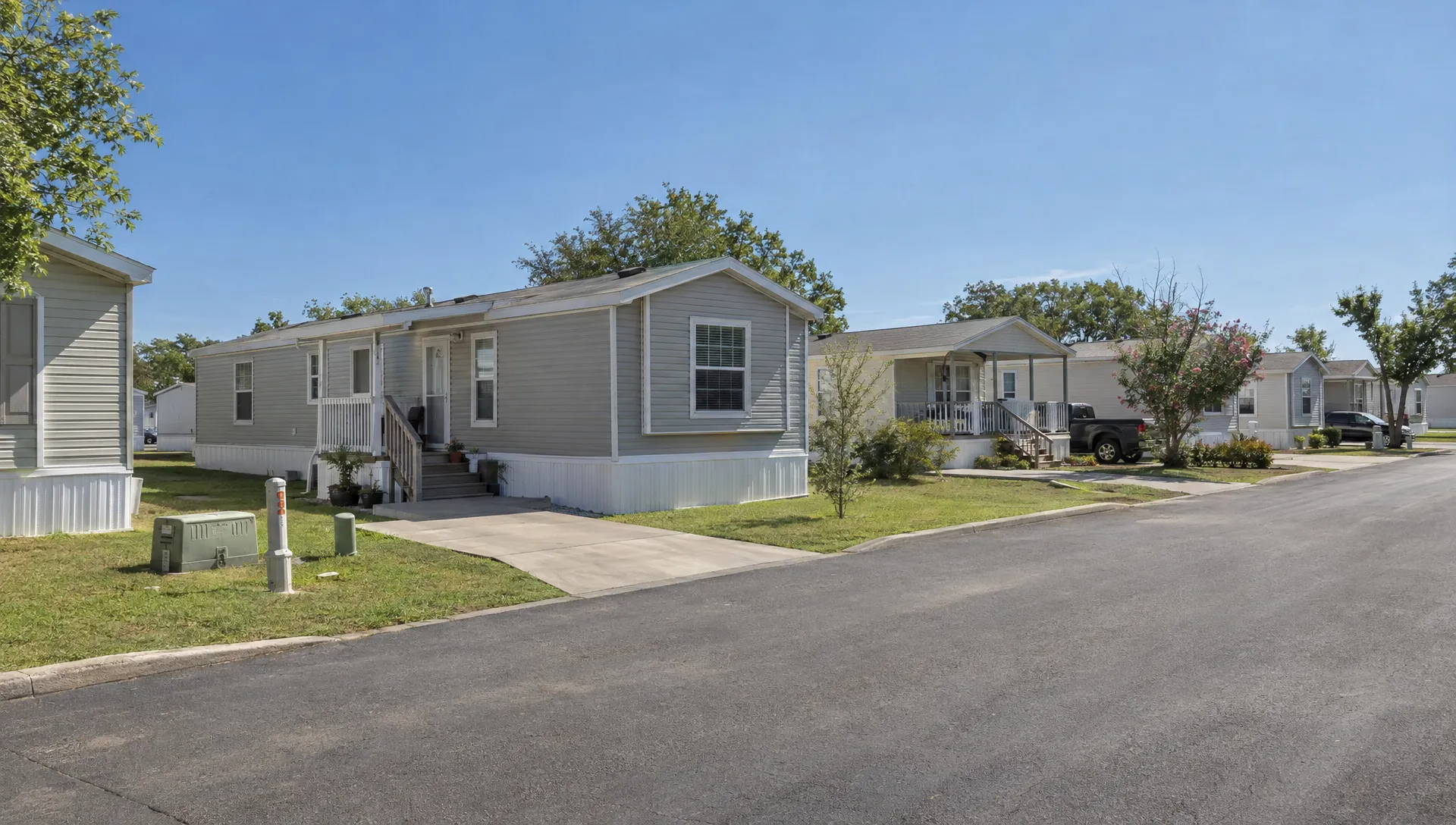
Where the home will sit is just as important as the home itself. Some buyers place a double wide on private land. Others choose a manufactured home community because they want a more streamlined location option, shared infrastructure, or access to community amenities.
For private land, compare utility access, driveway needs, drainage, site preparation, restrictions, and the cost of bringing services to the home. A beautiful home can become expensive if the land requires more work than expected.
For a community, compare the monthly lot rent, what it includes, guest parking, pet policies, home appearance standards, maintenance rules, lease terms, and approval requirements. You should also consider daily routes such as work, errands, medical care, and school commute. If you are focused on community living, this guide on how to compare all-age manufactured home communities can help you evaluate options more carefully.
Compare Construction Details and Installation Readiness
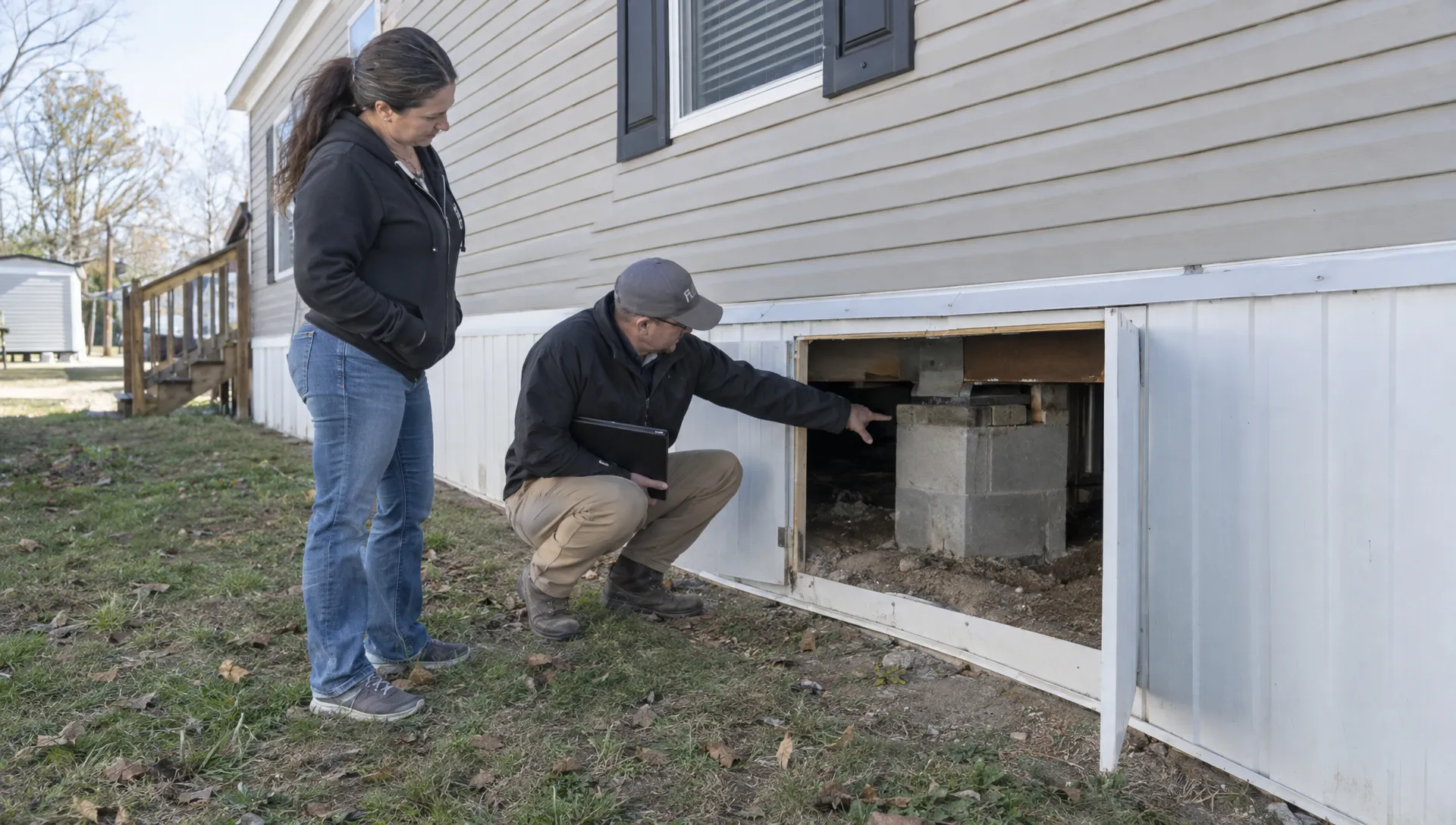
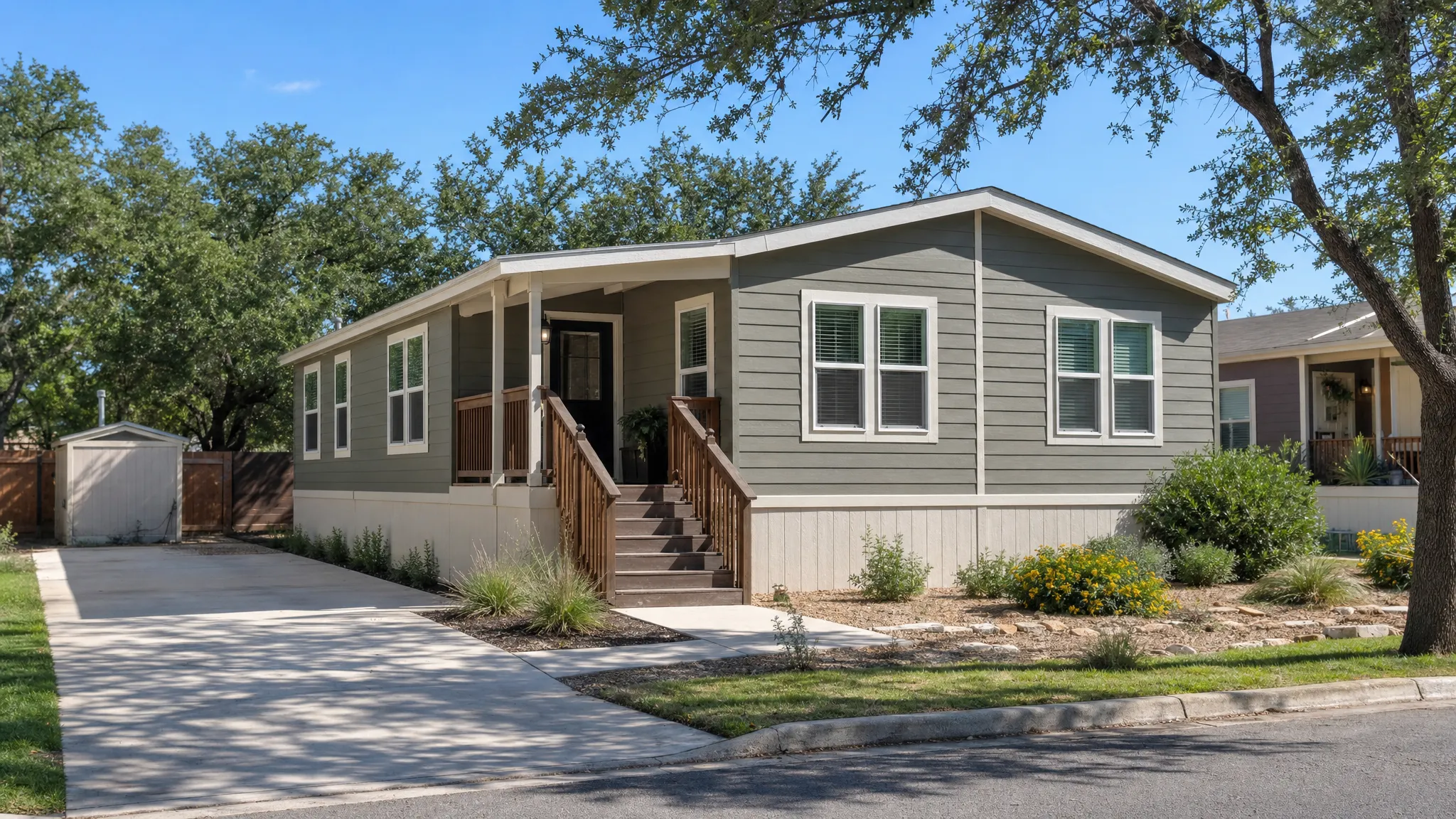
A double wide can look attractive during a tour, but the details behind the walls, roof, windows, and installation plan matter. Start by confirming that the home has the proper HUD certification labels and documentation, especially if you are financing the purchase or buying a used home.
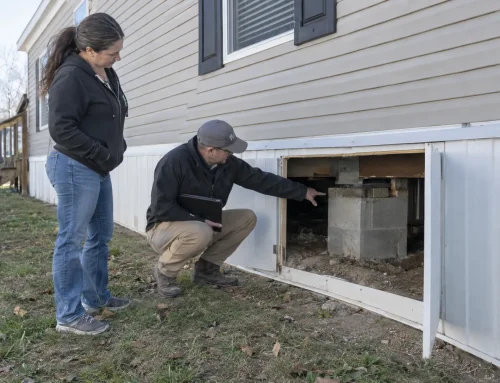
For used homes, ask about the year, title status, previous moves, roof condition, HVAC age, plumbing, electrical system, flooring condition, and any visible signs of moisture damage. If the home will be moved, find out whether it can be moved safely and whether moving it affects financing, warranties, or setup requirements.
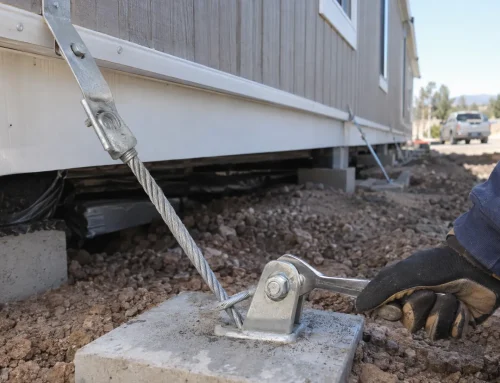
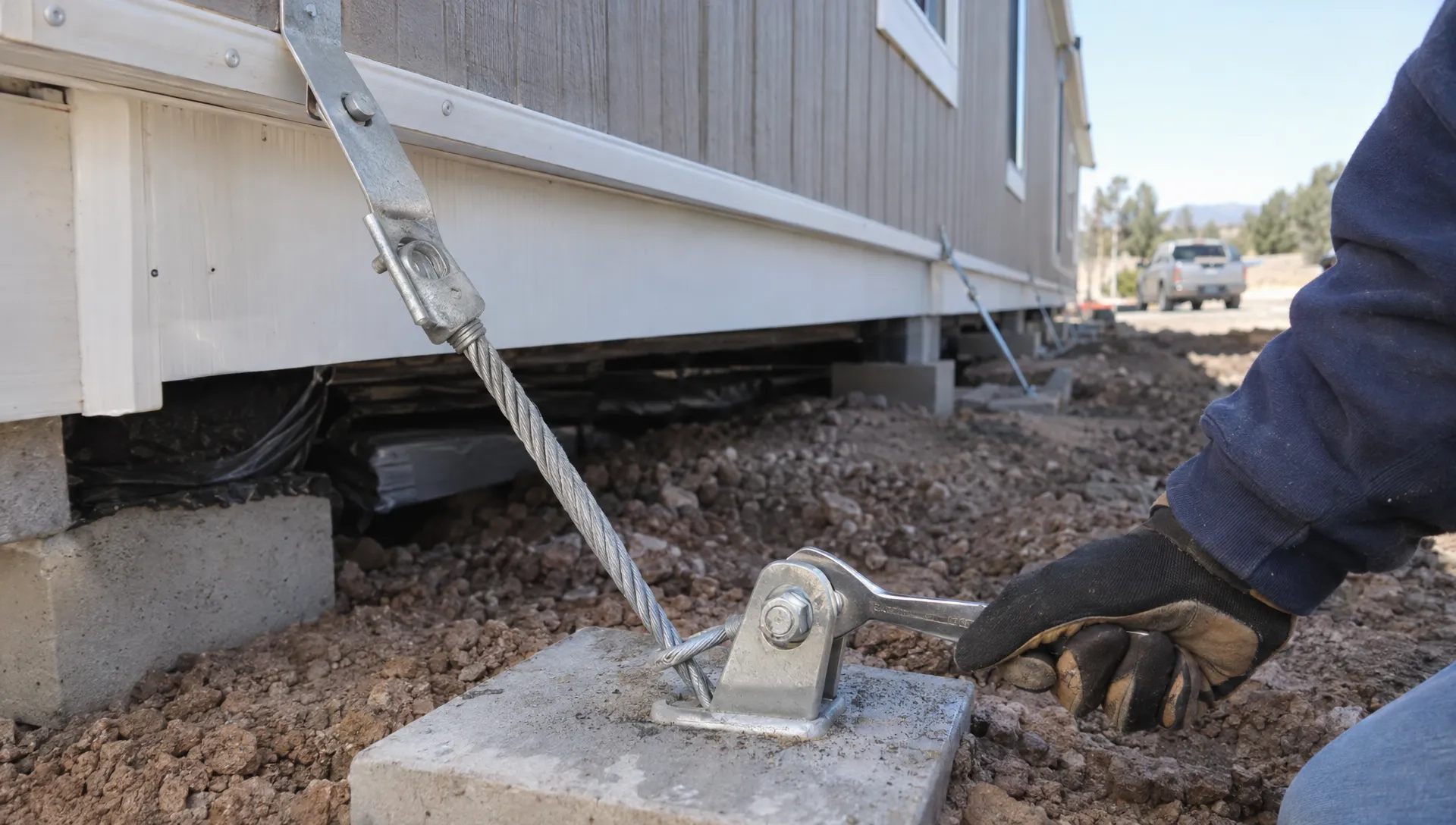
Installation quality also affects comfort and durability. The site needs to be prepared correctly, the sections need to be joined properly, and the home must be leveled and supported according to applicable requirements. Drainage, grading, access, and utility planning should be discussed before delivery.
A good comparison question is this: what has to happen between purchase and move-in? The clearer the answer, the easier it is to compare homes fairly.
Compare Energy Efficiency for South Texas Living
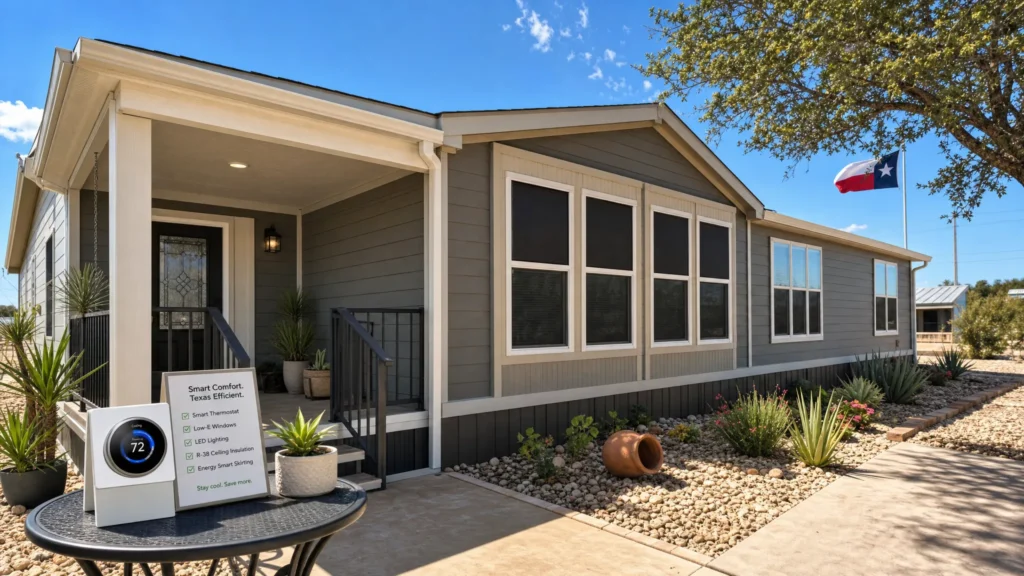
In San Antonio, cooling costs and indoor comfort are major considerations. A lower purchase price may not feel like a bargain if the home is harder to cool during long hot seasons. Compare insulation, windows, HVAC equipment, ductwork, ventilation, appliance efficiency, and thermostat options.
Energy-efficient manufactured homes can help reduce long-term operating costs when properly installed and maintained. ENERGY STAR's manufactured homes resources explain how certified homes are designed to meet efficiency requirements beyond standard construction.
When touring homes, ask which efficiency features are standard and which are upgrades. You can also ask whether the HVAC system is sized for the home and climate, whether ducts are sealed, and what kind of windows are included. These details are not always obvious during a walk-through, but they can make a real difference in monthly comfort.
| Efficiency Feature | Why It Matters |
|---|---|
| Insulation package | Helps maintain indoor temperature and reduce strain on HVAC equipment |
| Window quality | Impacts heat gain, comfort, and natural light |
| HVAC system | Affects cooling performance and energy use |
| Duct sealing | Helps conditioned air reach the rooms where it is needed |
| Appliances | Efficient appliances can reduce ongoing utility use |
| Ventilation | Supports indoor air quality and moisture control |
Compare Dealer Support and the Buying Experience
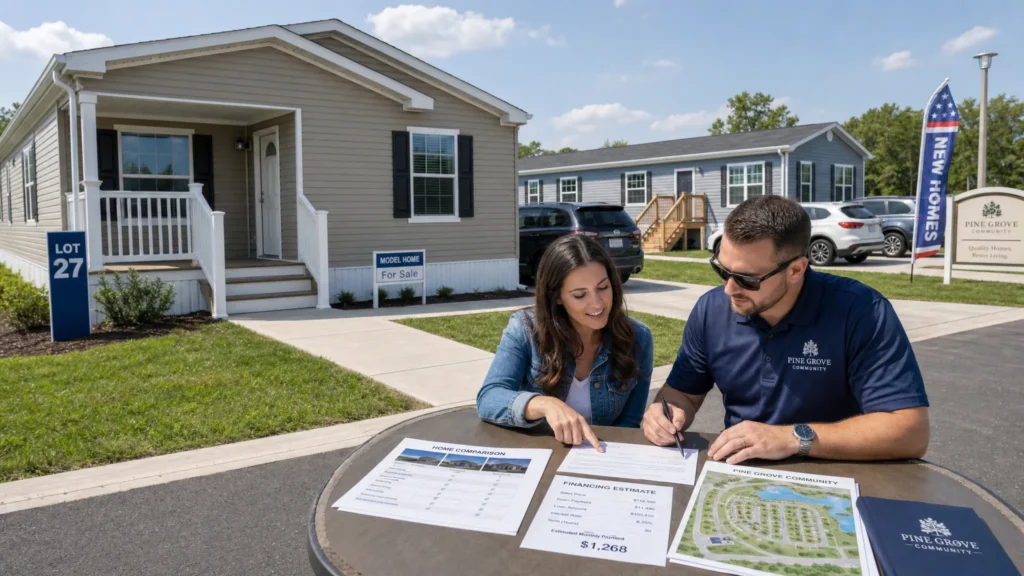
The dealer you choose can shape the entire buying process. A strong home center should help you understand models, pricing, floor plans, financing paths, delivery steps, community options, and what to expect before move-in. This is especially important for first-time manufactured home buyers.
When comparing dealers, pay attention to how clearly they answer questions. Do they explain what is included? Do they provide detailed floor plans? Do they help you understand financing options without pressuring you? Do they know the San Antonio market and local community options?
Homes2Go San Antonio focuses on affordable manufactured and mobile homes, a wide selection of models, flexible financing options, modern interiors, energy-efficient designs, and guidance throughout the process. If you want help comparing homes instead of sorting through listings alone, local experience can be valuable.
Compare New and Used Double Wide Homes Carefully
Both new and used double wides can make sense, depending on your budget, timeline, location, and financing needs. The key is to compare them by total value, not only purchase price.
| Factor | New Double Wide | Used Double Wide |
|---|---|---|
| Condition | Typically unused with current finishes | Depends on maintenance, age, and previous owners |
| Customization | More choices may be available | Usually limited to the existing layout and features |
| Timeline | In-stock models may be faster, ordered homes may take longer | May be available sooner if title, site, and approvals are ready |
| Financing | May have more straightforward lender options | Can depend heavily on age, condition, HUD labels, and placement |
| Repairs | Fewer immediate repairs are expected | Inspection and repair budgeting are important |
| Warranty | Manufacturer and dealer support may apply | Coverage varies and should be confirmed in writing |
A used home with a low price can still be a good fit, but only if you understand the repair costs, moving costs, installation needs, and financing limitations. A new home may cost more upfront but can provide more predictability.
Red Flags When Comparing Listings
Some listings deserve extra caution. A deal may still be legitimate, but you should slow down and ask more questions if important details are missing.
- The listing advertises a payment but does not explain the loan term, down payment, APR, or required qualifications.
- The price does not say whether delivery, setup, skirting, steps, permits, or utility connections are included.
- The seller cannot provide clear information about HUD labels, title status, year, or previous moves.
- Community costs, lot rent, rules, or approval requirements are vague.
- You are pressured to decide before receiving a written estimate.
- The home looks updated cosmetically, but roof, HVAC, plumbing, or flooring condition is not documented.
Trustworthy comparisons require written details. If you cannot get clear answers before buying, it may be harder to get help after buying.
A Simple Scorecard for Comparing Double Wide Homes
Before choosing a home, create a side-by-side scorecard. You do not need anything complicated. Give each home a rating from 1 to 5 in each category, then write down the reason for your score.
| Category | Home 1 | Home 2 | Home 3 |
|---|---|---|---|
| Layout works for daily life | |||
| Total move-in cost is clear | |||
| Financing terms are understandable | |||
| Land or community fit is strong | |||
| Energy efficiency meets expectations | |||
| Installation plan is clear | |||
| Dealer support feels reliable | |||
| Timeline fits your needs |
This method prevents one attractive feature, such as a large kitchen or low advertised price, from overpowering the full decision. The best home is the one that fits your budget, location, lifestyle, and long-term ownership plan.
Frequently Asked Questions
Are double wide trailer homes the same as manufactured homes? Many people use the phrase double wide trailer homes when searching online, but modern homes built after June 15, 1976 are generally called manufactured homes if they are built to the federal HUD Code. A double wide is built in two sections and joined on-site.
What is the most important thing to compare before buying? The total move-in cost is one of the most important factors. Compare the home price, delivery, setup, site work, utility connections, permits, skirting, steps, financing, insurance, taxes, and land or lot costs.
Can I finance a double wide manufactured home? Yes, many buyers finance double wide manufactured homes, but the available loan options depend on the home, land, placement, credit profile, income, and lender requirements. Always compare APR, term, down payment, fees, and property classification.
Is a used double wide a good idea? A used double wide can be a smart purchase if the condition, title, HUD labels, site requirements, repair costs, and financing options are clear. Always inspect carefully and ask for documentation before making a decision.
Should I buy in a community or place the home on private land? Both can work. A community may offer a more convenient placement option, while private land may offer more control. Compare lot rent or land costs, utility access, rules, site preparation, commute, and long-term plans.
Find the Right Double Wide Home in San Antonio
Comparing double wide homes is easier when you have clear pricing, detailed floor plans, financing guidance, and local support. Homes2Go San Antonio helps buyers explore affordable manufactured homes, modern interiors, energy-efficient designs, move-in ready options, and access to home communities in the San Antonio area.
If you are ready to compare real options, visit Homes2Go San Antonio and connect with a team that can help you evaluate models, financing paths, and next steps with confidence.
 How Energy Efficient Mobile Homes Cut Texas Bills
 How to Shop Mobile Trailer Homes for Sale Locally