
Getting an FHA loan for a double wide home is possible, but approval depends on more than a credit score. The lender has to approve you as a borrower and approve the home, land, foundation, title status, and appraisal as eligible collateral.
That is where many buyers get surprised. A double wide may look move-in ready, have a great floor plan, and fit the monthly budget, but an FHA file can still stall if the HUD labels are missing, the foundation is not documented, or the home is not treated correctly for the type of loan being used.
If you are shopping in San Antonio or the surrounding South Texas area, the best approach is to work backward from FHA approval before you commit to a home, a lot, or a land package. Here is the step-by-step path to improve your chances of getting approved for an FHA double wide home.
First, understand what FHA is actually approving
FHA does not lend money directly to most homebuyers. Instead, the Federal Housing Administration insures loans made by FHA-approved lenders. That insurance helps make financing more accessible, especially for buyers who need a lower down payment or more flexible credit guidelines than some conventional loans allow.
For manufactured homes, FHA is not simply asking whether the home is attractive or affordable. The home must fit specific eligibility standards. A double wide is usually a multi-section manufactured home, meaning it was built in two sections in a factory, transported to the site, and installed together as one dwelling.
The key point: FHA approval is tied to the home being a HUD-code manufactured home, not just a structure people casually call a mobile home. HUD-code manufactured homes are built under federal construction and safety standards that apply to homes produced after June 15, 1976. HUD explains these national standards through its Manufactured Housing and Standards program.
For a double wide, each section matters. If the home has two sections, the lender will usually expect documentation for both sections, including HUD certification information and serial or VIN details.
Step 1: Choose the right FHA loan path before shopping too far
The first approval step is choosing the right financing structure. Many buyers say they want FHA for a double wide home, but there are different paths depending on whether the home is being financed with land, placed on owned land, or placed in a community.
The two FHA paths most buyers hear about are FHA Title II and FHA Title I. They are not interchangeable.
| FHA option | Common use | What matters most for approval |
|---|---|---|
| FHA Title II | A manufactured home and land financed as real estate | Permanent foundation, real property status, land eligibility, FHA appraisal |
| FHA Title I | Manufactured home, lot, or home and lot financing in certain cases | Principal residence use, lender participation, program limits, site rights |
| Other manufactured-home loans | Chattel loans, conventional, VA, USDA, or portfolio loans | Depends on lender, land status, borrower profile, and home type |
If you are buying a double wide and the land together, FHA Title II is often the loan type people mean when they talk about an FHA mortgage. In that case, the home and land generally need to work as real estate collateral, with the home permanently installed.
If the home will be placed in a leased-lot community, ask your lender early whether FHA is realistic for that exact setup. Some buyers may need a home-only manufactured housing loan or another financing option. Homes2Go San Antonio works with buyers who are comparing financing paths, including FHA, chattel loans, conventional options, VA loans, and USDA loans. You can start with the local Homes2Go financing overview to understand the main options.
Step 2: Get pre-qualified with a lender that understands manufactured homes
FHA manufactured home approval is easier when the lender understands this property type. Not every lender is equally comfortable with double wides, foundation certifications, Texas title records, or land-home packages.
A strong pre-qualification should look at your credit, income, debts, cash needed to close, and the type of property you want to buy. FHA program rules may allow lower down payments for eligible borrowers, but lenders can have their own overlays. That means one lender may ask for a higher credit score, more reserves, or additional documentation than another.
Before you choose a home, ask the lender these questions:
- Do you finance double wide manufactured homes with FHA?
- Do you offer FHA Title II, FHA Title I, or both?
- Will this work if the home is on private land, in a community, or part of a land-home package?
- What foundation certification do you require?
- What documents do you need for HUD labels, data plates, title, and appraisal?
A lender who gives clear answers upfront can save you weeks of frustration later.
Step 3: Verify the double wide meets FHA property basics
Once you have a financing direction, the home itself needs to pass FHA eligibility checks. This is where many deals slow down, especially with older or pre-owned homes.
For FHA approval, a double wide manufactured home will generally need to meet these basic conditions:
- It was built after June 15, 1976, under the HUD Code.
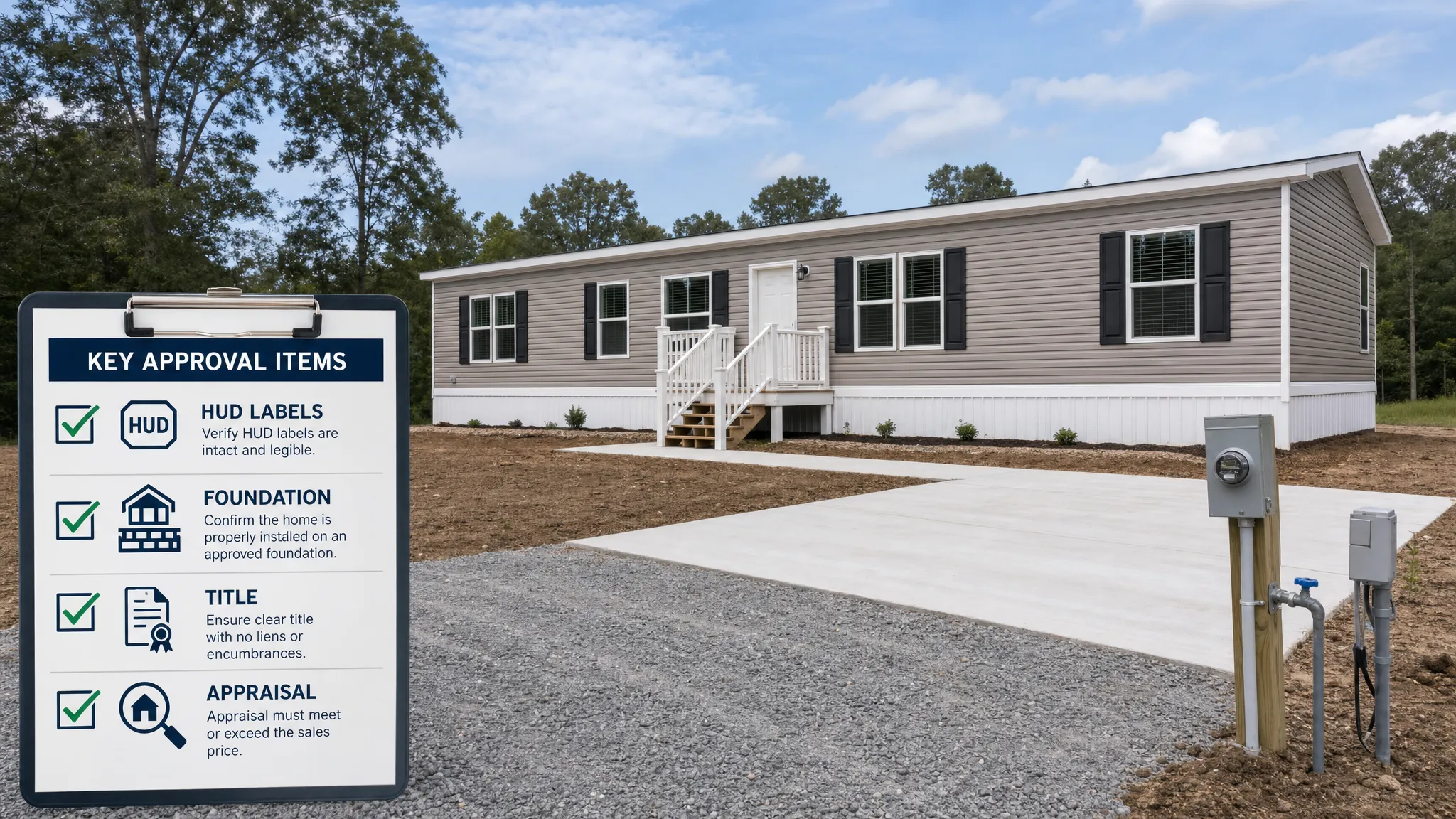
- It has HUD Certification Labels, often called HUD tags, for each transportable section.
- It has a data plate or acceptable verification showing key manufacturing details.
- It is designed as a one-family dwelling and used as your primary residence.
- It remains on a permanent chassis, as manufactured homes are built that way.
- It meets FHA size, safety, access, utility, and property condition requirements.
The HUD Certification Label is usually a small metal plate attached to the exterior of each section. On a double wide, there should typically be one label per section. The data plate is often located inside the home, such as in a kitchen cabinet, utility area, electrical panel, bedroom closet, or similar location. It lists information such as the manufacturer, serial number, wind zone, roof load zone, and thermal zone.
If a label or data plate is missing, do not assume the deal is dead, but do not ignore it. Some information may be verifiable through the manufacturer or the Institute for Building Technology and Safety, commonly known as IBTS. However, lender acceptance can vary, so this needs to be addressed before you spend money on inspections, appraisals, or deposits.
Step 4: Confirm the land, lot, or community is eligible
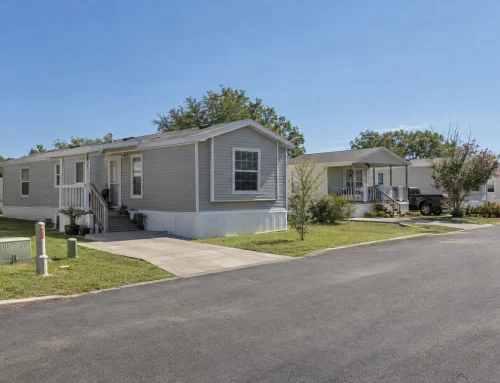
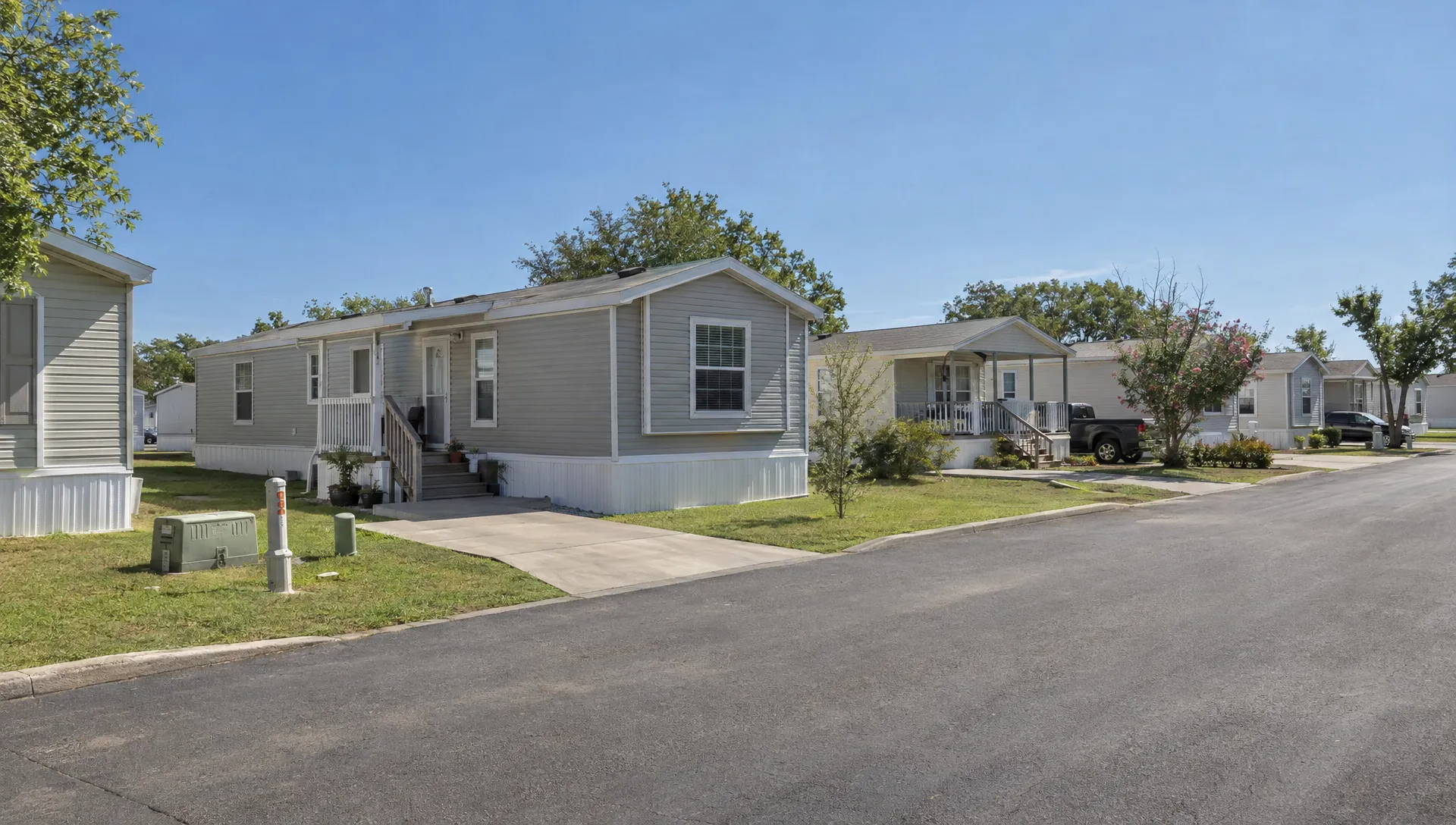
FHA approval for a double wide is not just about the home. The site matters. In the San Antonio area, buyers may place manufactured homes on private land, buy a land-home package, or choose a manufactured home community. Each option has different approval questions.
For private land or a land-home package, the lender may review zoning, deed restrictions, access, utilities, flood zone status, survey details, and whether the site is ready for a manufactured home. In and around Bexar County, buyers should also think about city limits, extraterritorial jurisdiction rules, septic requirements, driveway access, drainage, and utility availability.
For a community, the lender may need to understand the lot arrangement, lease terms, community approval process, and whether the financing option fits a leased-lot setup. Even if a community allows double wides, that does not automatically mean every FHA loan structure will work there.
Before you move forward, verify these site details:
- The home type and size are allowed on the lot.
- The lot has or can receive proper utility connections.
- Setbacks, easements, and access requirements can be met.
- Floodplain and drainage issues have been checked.
- Deed restrictions or community rules do not block manufactured homes.
- The site can support the required foundation and installation.
This is one reason many San Antonio buyers prefer to coordinate the home, land, financing, and installation conversations together instead of treating them as separate decisions.
Step 5: Plan for the foundation early
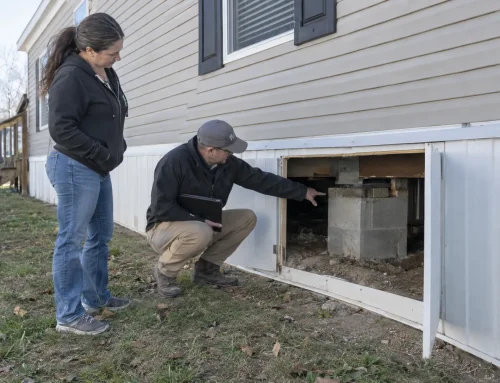
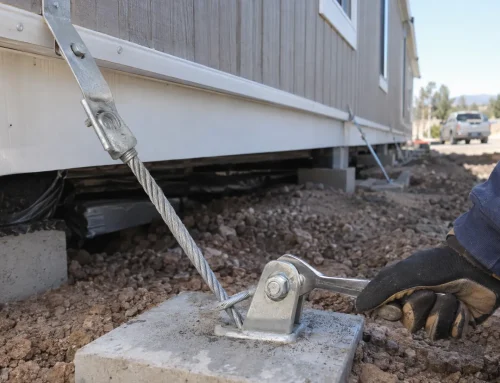
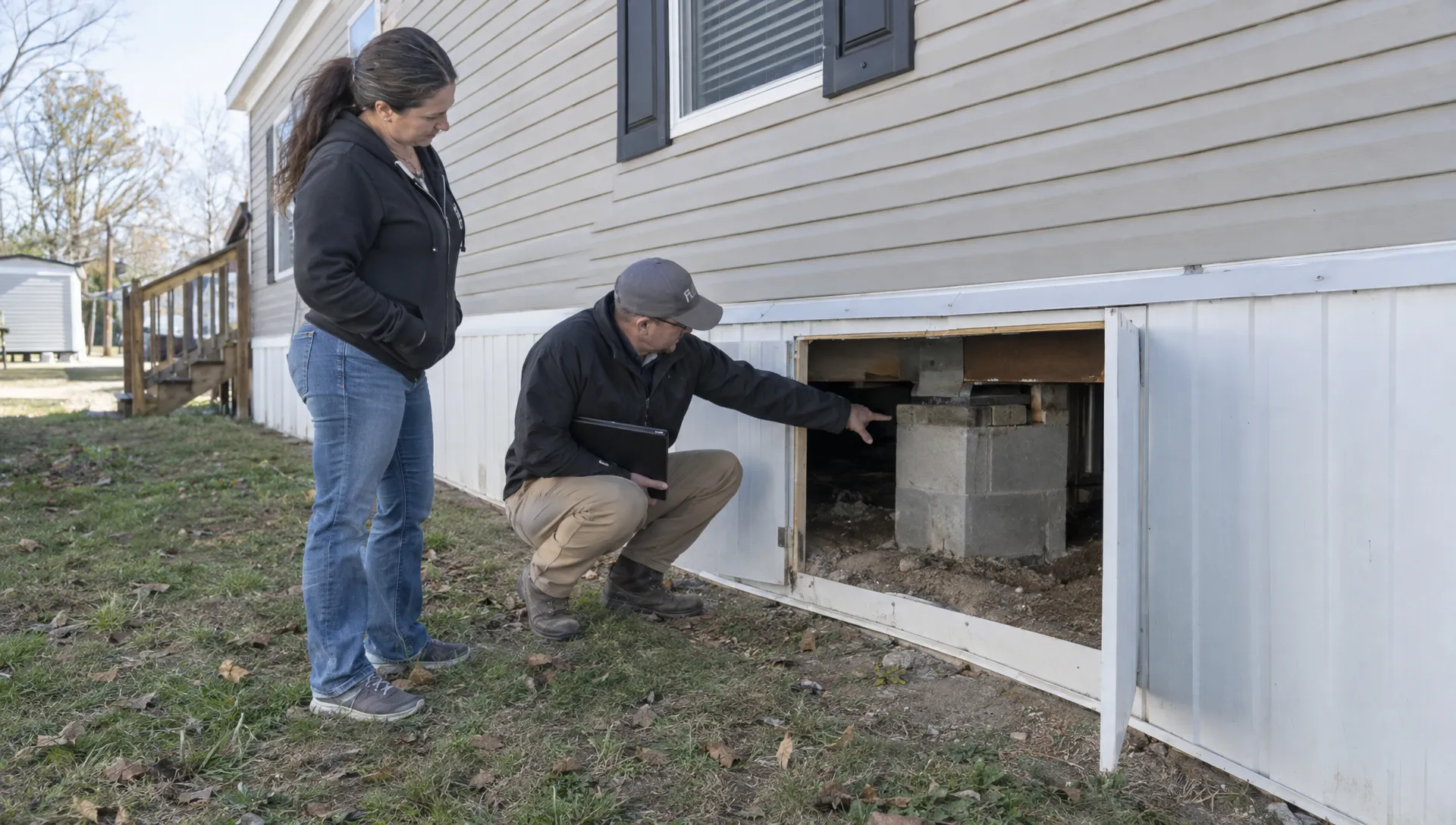
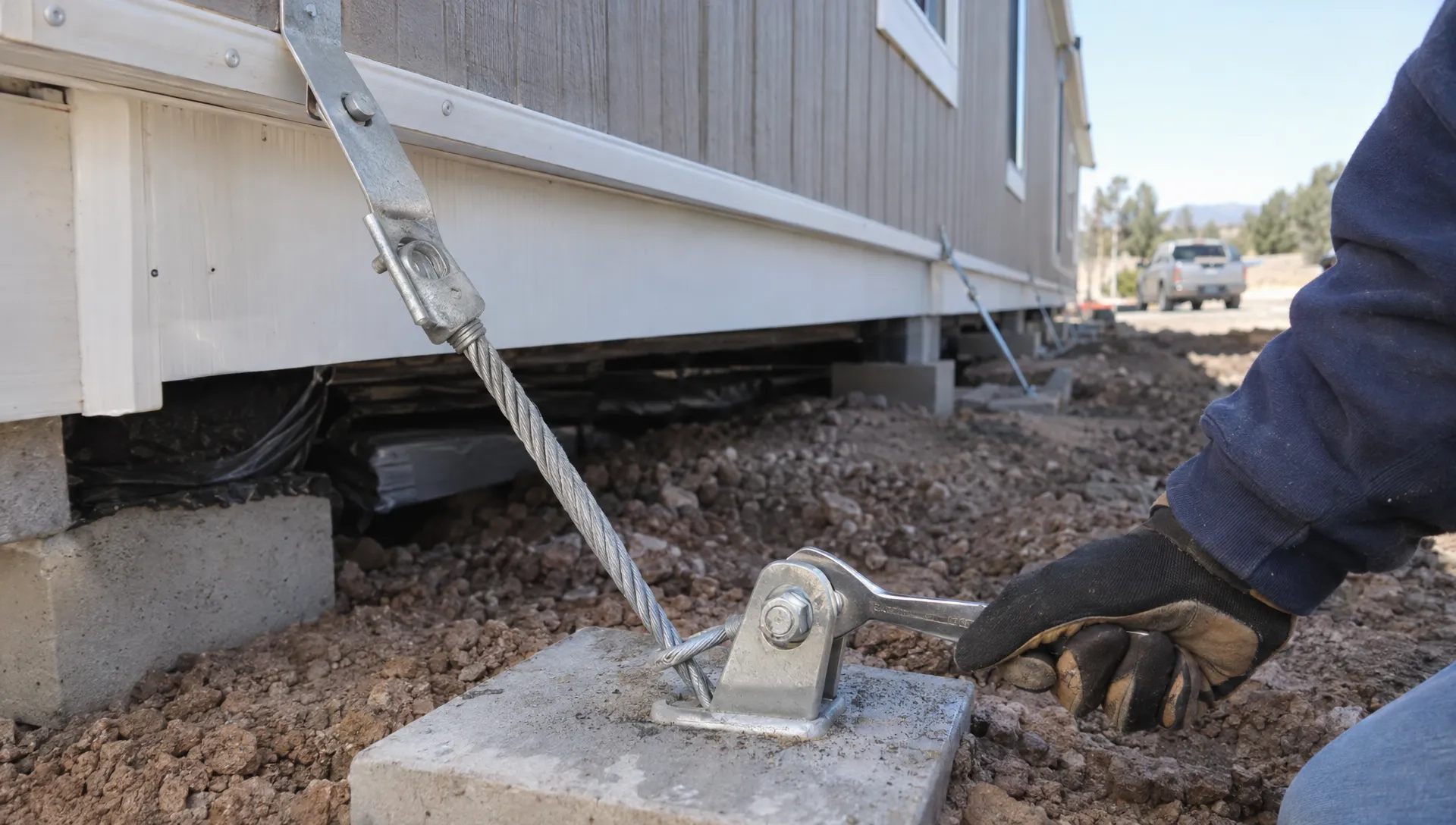
The foundation is one of the most important FHA approval items for a double wide. For many FHA mortgage scenarios, the home must be permanently attached to a foundation that meets applicable standards. Lenders often require a foundation inspection or certification from a licensed professional engineer.
A compliant foundation is not just about concrete. The review may involve piers, footings, anchoring, marriage line support, drainage, skirting or enclosure, utility connections, and whether the home has been installed according to approved requirements. The towing hitch, wheels, and axles are typically removed as part of permanent installation.
For a new double wide, talk about the foundation before the home is delivered. The installer, retailer, lender, and site contractor should all understand what the loan requires. For an existing double wide, expect the lender to ask for a foundation certification. If the home was not originally installed to FHA expectations, repairs or retrofits may be required before closing.
A previously moved home can be a serious FHA challenge. If a pre-owned double wide has been relocated from one site to another, ask the lender about eligibility before making an offer. Some loan programs are strict about prior installation history.
Step 6: Get title and real property status right
Title status is another common approval issue. Manufactured homes can be treated as personal property or real property, depending on the loan type, land ownership, and state process. For FHA Title II mortgage financing, the home often needs to be classified and documented as real property with the land.
In Texas, manufactured home ownership records are handled through the Texas Department of Housing and Community Affairs. TDHCA uses a Statement of Ownership system for manufactured homes. If the home is being converted to real property, the title company, lender, and appropriate state and county offices may need to coordinate documentation. You can learn more through the TDHCA Manufactured Housing Division.
Do not leave title questions until the week before closing. A double wide can have multiple serial numbers, liens, ownership records, or section details that must match the lender file. If the home and land are not documented correctly, final approval can be delayed even when the borrower is fully qualified.
Step 7: Build a clean document file
A clean file helps the lender, underwriter, appraiser, title company, and retailer move faster. Missing documents do not always cause denial, but they do create conditions. Too many unresolved conditions can push closing back.
Here is a practical document checklist for FHA double wide approval.
| Document or item | Why it matters |
|---|---|
| Borrower income and asset documents | Supports credit approval, down payment, and closing cost review |
| Purchase agreement for the home | Shows price, model, seller, and transaction terms |
| Land contract or deed information | Confirms land ownership, purchase terms, or site rights |
| HUD label numbers for each section | Proves HUD-code construction for the double wide |
| Data plate or verification | Confirms manufacturer, serial numbers, and design zones |
| Foundation plan or engineer certification | Supports permanent installation requirements |
| Installer and setup documents | Helps verify proper installation and utility connection details |
| Survey, site plan, or plot plan | Shows placement, access, setbacks, and site layout |
| Title or Statement of Ownership records | Confirms ownership and lien status |
| Community approval, if applicable | Shows the home can be placed in the selected community |
The exact list will vary by lender and transaction type. Still, gathering these items early gives you a major advantage.
Step 8: Prepare for the FHA appraisal
The FHA appraisal is a major checkpoint. The appraiser is not just estimating value. The appraisal also helps confirm the property meets FHA minimum property standards and is acceptable collateral for the loan.
For a double wide, the appraiser may look at the condition of the home, site, utilities, access, safety items, and comparable sales. In some areas, finding good comparable manufactured home sales can take extra effort, especially if the property is rural or the home has unusual features. This can affect timing and sometimes value.
The appraisal is not the same as a home inspection. A separate home inspection is still a smart move, especially for pre-owned homes. An inspector may identify roof issues, plumbing concerns, HVAC performance, moisture problems, or installation concerns that are not fully covered by the appraisal.
If the appraiser calls for repairs, the lender will usually need those repairs completed and verified before closing. For a newly installed double wide, final inspections or completion confirmations may be needed once the home is set, connected, and ready.
Step 9: Avoid the most common approval blockers
Most FHA double wide delays are predictable. The earlier you identify them, the easier they are to solve.
| Approval blocker | Why it causes problems | Best next step |
|---|---|---|
| Missing HUD label information | Lender cannot easily verify HUD-code eligibility | Request verification early and ask lender what they accept |
| No data plate | Key manufacturer and design details may be unclear | Check interior locations, then explore manufacturer or IBTS options |
| Foundation is not certified | FHA may require proof of permanent installation | Order an engineer inspection or plan needed corrections |
| Home is still personal property | May not fit FHA mortgage requirements | Coordinate title conversion with lender and title company |
| Site has deed restrictions | Manufactured homes may be prohibited | Review restrictions before buying land |
| Poor drainage or flood concerns | Property may not meet lender or insurance expectations | Check flood maps, elevation, drainage, and insurance early |
| Appraisal value comes in low | Loan amount may no longer work | Revisit price, scope, down payment, or home selection |
| Debt-to-income ratio is too high | Borrower may not qualify for the payment | Adjust budget, reduce debts, or compare eligible loan options |
The biggest mistake is falling in love with a specific home and lot before checking whether the full package can be financed. With FHA, the home, land, foundation, title, appraisal, and borrower file all need to tell the same story.
Step 10: Keep your purchase aligned through final underwriting
Final approval happens when underwriting clears all borrower and property conditions. This is the stage where the lender may ask for updated pay stubs, bank statements, explanations, title updates, insurance documents, repair confirmations, or final inspection reports.
During this period, avoid taking on new debt, opening new credit accounts, changing jobs without talking to your lender, or moving money between accounts without documentation. Even small financial changes can create new underwriting questions.
For manufactured homes, also stay in close contact with the retailer, installer, lender, and title company. A double wide purchase has more moving pieces than a typical existing site-built home. Delivery dates, site work, utility connections, foundation certification, title paperwork, and appraisal conditions all need to line up.
New double wide vs. pre-owned double wide: which is easier for FHA?
Both new and pre-owned double wides may be possible, but the approval experience can be different.
| Home type | FHA approval advantages | What to watch closely |
|---|---|---|
| New double wide | Easier access to manufacturer specs, labels, floor plans, and installation planning | Site readiness, foundation requirements, delivery timing, final inspections |
| Pre-owned double wide on its original site | May already have utilities, skirting, access, and established land value | Foundation certification, repairs, missing labels, title records, appraisal value |
| Pre-owned double wide to be moved | May look affordable upfront | Prior relocation and new installation can create major FHA eligibility issues |
If your goal is a smooth FHA approval, a new double wide placed on eligible land with the right foundation plan can be simpler to document. A pre-owned home may still work, but it requires careful review before you spend money.
How Homes2Go San Antonio can help buyers prepare
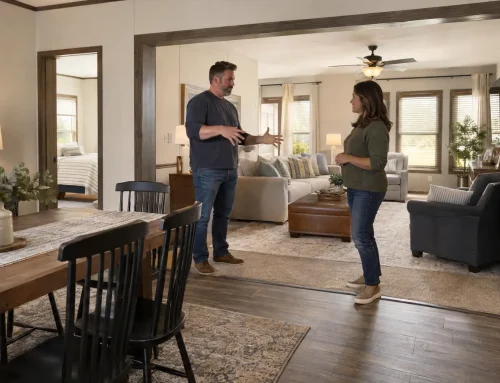
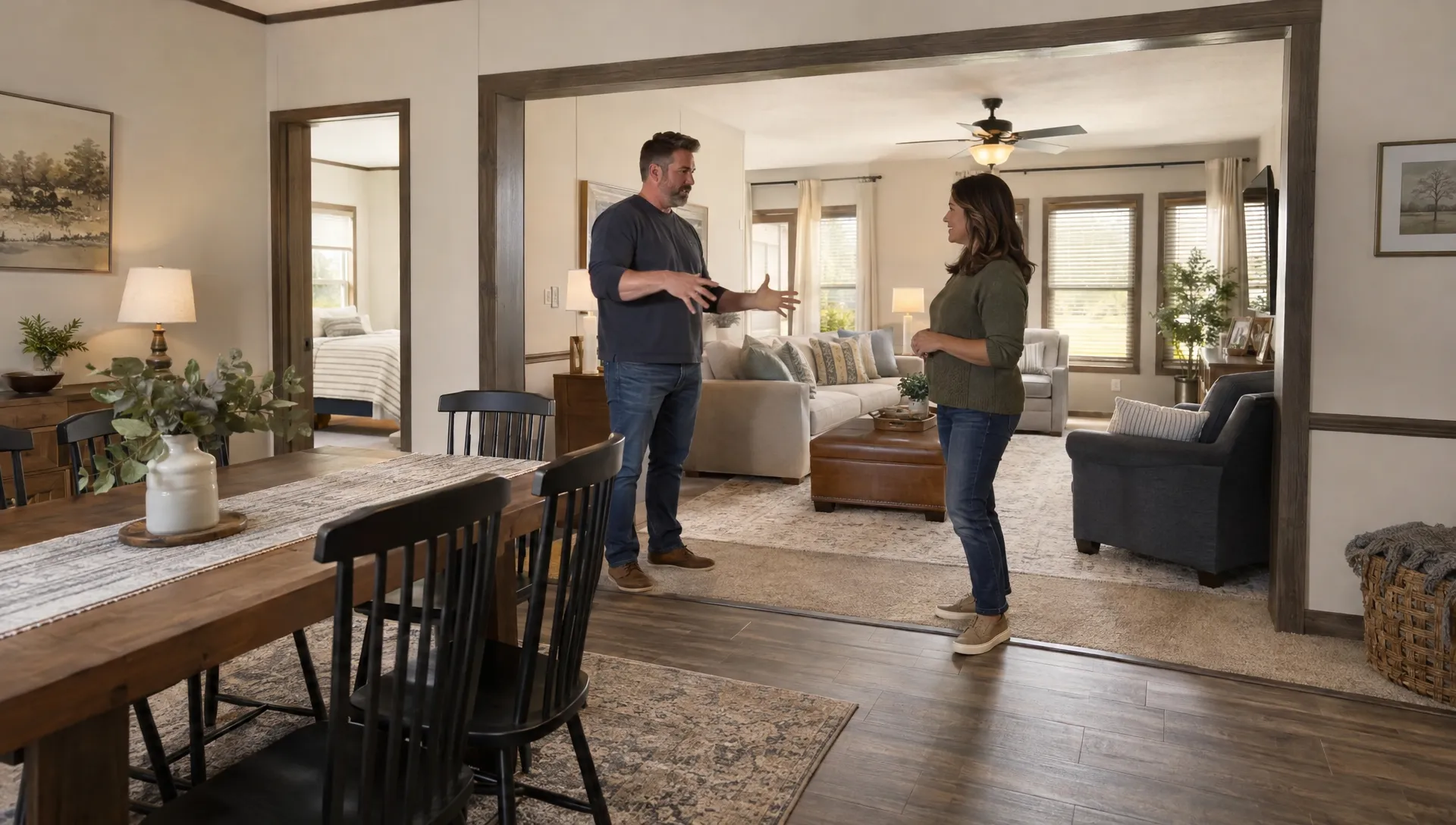
FHA approval is easier when you compare homes and financing with the approval requirements in mind. Homes2Go San Antonio helps buyers explore manufactured and mobile home options, review available floor plans, understand financing paths, and connect with guidance throughout the process.
For buyers who want a double wide, that support can be especially valuable. The right team can help you think through model selection, land or community fit, energy-efficient design options, lender conversations, and move-in readiness. If you are also considering a land-home setup, the Homes2Go guide to land and home packages in San Antonio is a helpful next read.
Frequently Asked Questions
Can you buy a double wide with an FHA loan? Yes, many buyers can use FHA financing for a double wide manufactured home if the borrower, home, site, foundation, title status, and appraisal meet FHA and lender requirements.
Does FHA require a double wide to be on a permanent foundation? For many FHA mortgage transactions, yes. The home typically needs to be permanently installed, and lenders often require a foundation certification from a licensed engineer.
Do both sections of a double wide need HUD labels? Usually, yes. A double wide is a multi-section manufactured home, so each transportable section should have its own HUD Certification Label or acceptable verification.
Can FHA finance a double wide in a mobile home park? It depends on the loan type, lender, lease arrangement, and property structure. If the home will be on a leased lot, ask the lender upfront whether FHA is available or whether another manufactured-home loan fits better.
What is the biggest reason FHA double wide approvals get delayed? Missing documentation is one of the most common reasons. HUD label issues, missing data plates, unclear title records, foundation certification problems, and site concerns can all slow approval.
Is an FHA appraisal the same as a home inspection? No. The FHA appraisal helps the lender evaluate value and minimum property standards, but it is not a full home inspection. A separate inspection is still recommended, especially for pre-owned homes.
Ready to explore FHA-friendly double wide homes in San Antonio?
If you are planning to buy a double wide manufactured home, start with the approval steps before you commit to a model or lot. The right home, site, foundation plan, and lender can make the process much smoother.
Homes2Go San Antonio can help you compare double wide models, review financing options, and understand what lenders may need for your situation. Visit Homes2Go San Antonio or explore the financing page to take the next step toward affordable homeownership.
 FHA Rules for Double Wide Mobile Homes Explained
 How Manufactured Homes Help the Housing Affordability Crisis