
Texas homeowners know the real cost of summer is not just the temperature outside. It is the electric bill that arrives after weeks of air conditioning, hot afternoons, warm nights, and a home that has to work hard to stay comfortable.
That is why energy efficient mobile homes matter so much in San Antonio and across Texas. A well-built manufactured home can reduce wasted cooling, keep rooms more consistent, and make monthly housing costs easier to predict. The savings do not come from one magic feature. They come from a complete system: insulation, air sealing, windows, HVAC, appliances, home placement, and everyday habits working together.
For buyers, this changes the way a home should be evaluated. The lowest purchase price is not always the lowest monthly cost. A home that is better built for Texas heat can help reduce utility strain for years.
Why Texas Utility Bills Hit Mobile Home Owners So Hard
Texas homes use a lot of electricity because cooling season is long. In places like San Antonio, air conditioning may run heavily from late spring into early fall, and sometimes beyond that. When a home leaks air, has weak insulation, or uses an inefficient cooling system, the AC has to run longer to reach the same temperature.
The U.S. Energy Information Administration notes that space heating and air conditioning are major parts of home energy use. In Texas, the cooling side of that equation is especially important because heat is not an occasional issue. It is part of daily life for much of the year.
For manufactured home buyers, the key is to think about total monthly cost. That includes the home payment, land or community costs, insurance, maintenance, and utilities. Energy efficiency can help with the utility portion, which is one of the most noticeable costs during extreme weather.
What Energy Efficient Really Means in a Mobile Home
Many people use the term mobile home casually, but most new homes sold today are manufactured homes built to federal HUD standards. Energy efficiency in these homes is about how well the structure controls heat, air, and moisture while using efficient equipment.
A home is more energy efficient when it can maintain indoor comfort with less wasted energy. In practical terms, that means cooler rooms in summer, fewer drafts, less hot air entering through gaps, and an HVAC system that does not run nonstop.
The ENERGY STAR program is one useful benchmark for buyers because it identifies products and homes that meet energy performance guidelines. Even when a home is not marketed with a certification, you can still look for the same core features that drive better performance.
| Feature to compare | How it can cut bills | What to ask before buying |
|---|---|---|
| Roof, wall, and floor insulation | Slows heat transfer into the home | What insulation levels are included in the model? |
| Air sealing | Reduces cooled air escaping through gaps | How are penetrations, doors, and multi-section connections sealed? |
| Efficient windows | Limits heat gain from direct sun | Are the windows low-E or otherwise designed for hot climates? |
| Proper HVAC sizing | Helps the system run efficiently instead of short cycling or overworking | What size system is recommended for this floor plan and climate? |
| Sealed ductwork | Keeps cooled air from leaking before it reaches rooms | Are ducts inspected and sealed during setup? |
| Efficient appliances and lighting | Reduces everyday electricity use | Which appliances are included and what efficiency ratings do they have? |
| Smart or programmable thermostat | Helps avoid cooling an empty home | Is a programmable or smart thermostat available? |
The Biggest Bill Saver Is Reducing Cooling Load
In Texas, the biggest energy question is simple: how much heat is the home fighting?
A mobile home with better insulation, tight construction, and heat-resistant windows has a lower cooling load. That means the air conditioner does not have to remove as much heat every hour. When cooling demand drops, energy use often drops with it.
This is why buyers should not focus only on the AC unit. A high-efficiency air conditioner still wastes money if the home has air leaks, poor insulation, or ducts losing cooled air. The best results come when the home shell and HVAC system are matched.
If you want a deeper look at specific features for local weather, Homes2Go has a related guide to energy-efficient manufactured homes in Texas heat. The main takeaway is that comfort begins before the thermostat is ever touched.
Insulation and Air Sealing Keep Cool Air Where It Belongs
Insulation helps slow heat from moving through the roof, walls, and floor. In a hot climate, the roof and ceiling area are especially important because the sun can heat the home from above for hours. Floor insulation matters too, particularly in manufactured homes where the underside may be exposed to outdoor air conditions.
Air sealing is just as important. Tiny gaps around doors, windows, plumbing penetrations, electrical openings, and section connections can let hot air in and cooled air out. The AC then has to replace that lost comfort again and again.
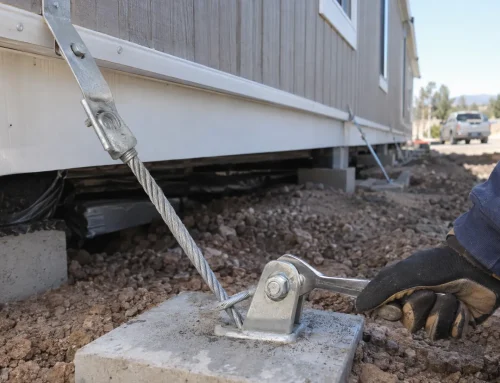
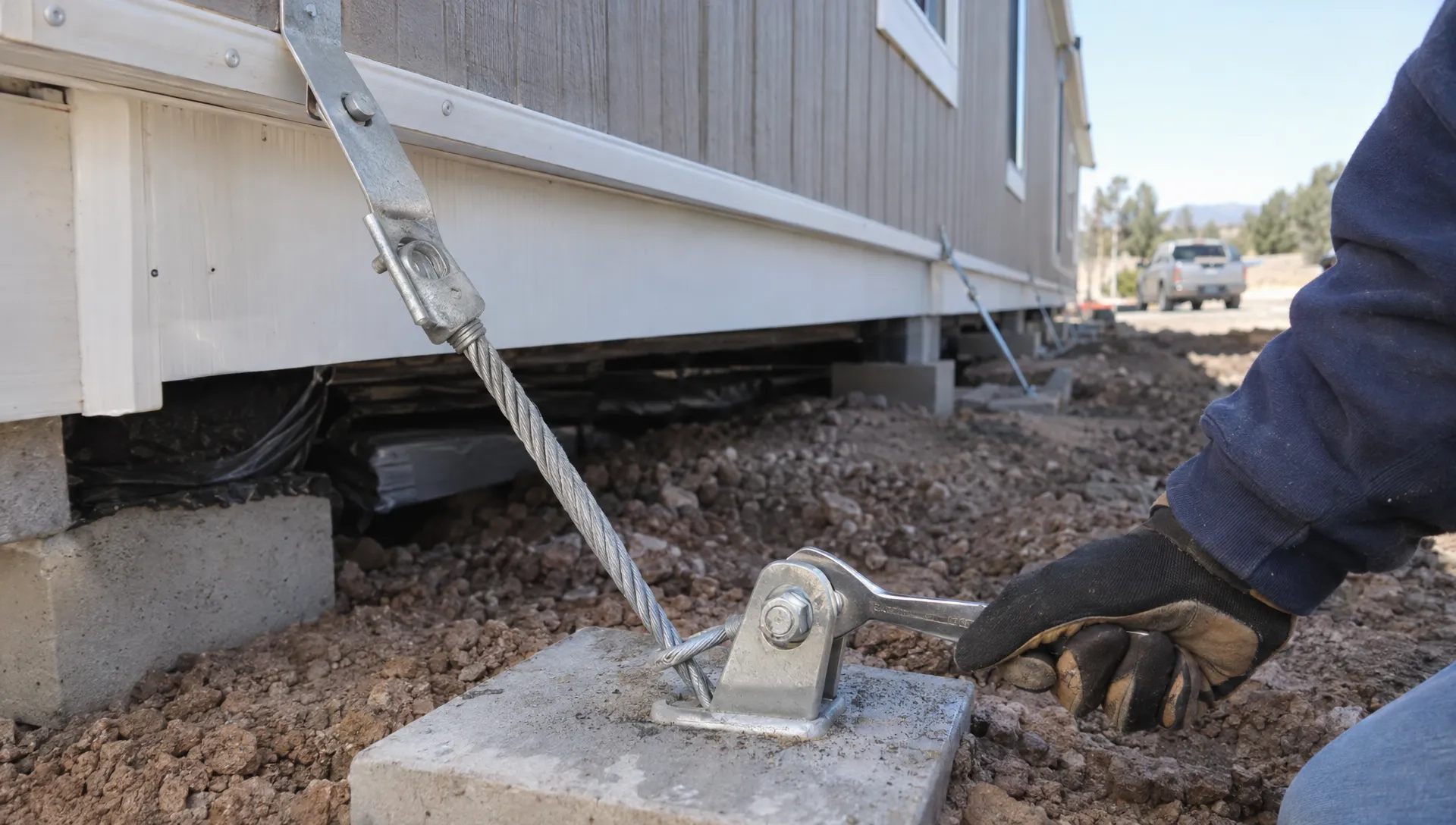
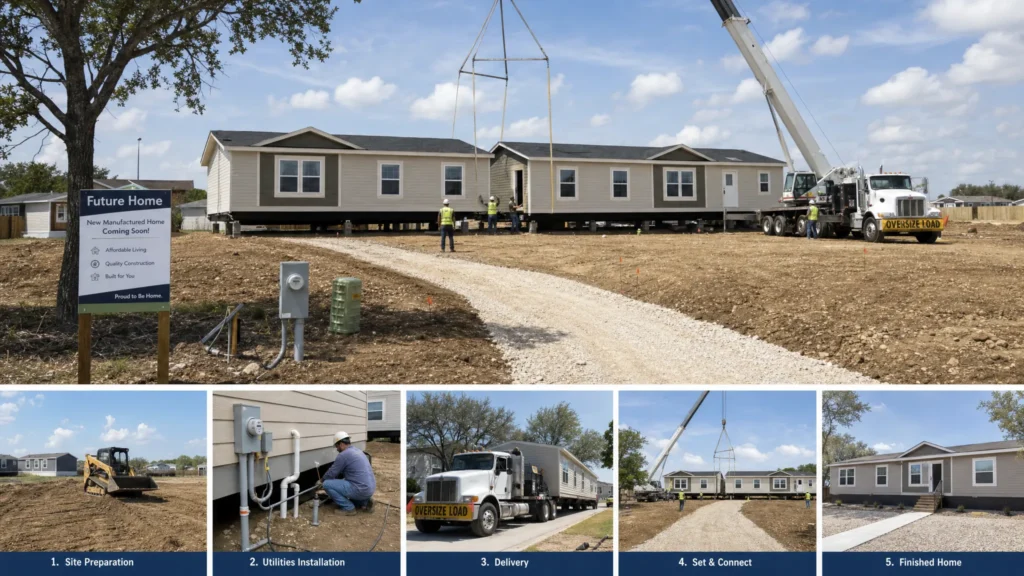
The U.S. Department of Energy explains that weatherization measures such as sealing air leaks and improving insulation can help improve comfort and reduce energy waste. For manufactured homes, proper installation and setup are part of that conversation. Even a good home can underperform if it is not sealed, leveled, and finished correctly on site.
Windows, Shade, and Layout Can Lower Heat Gain
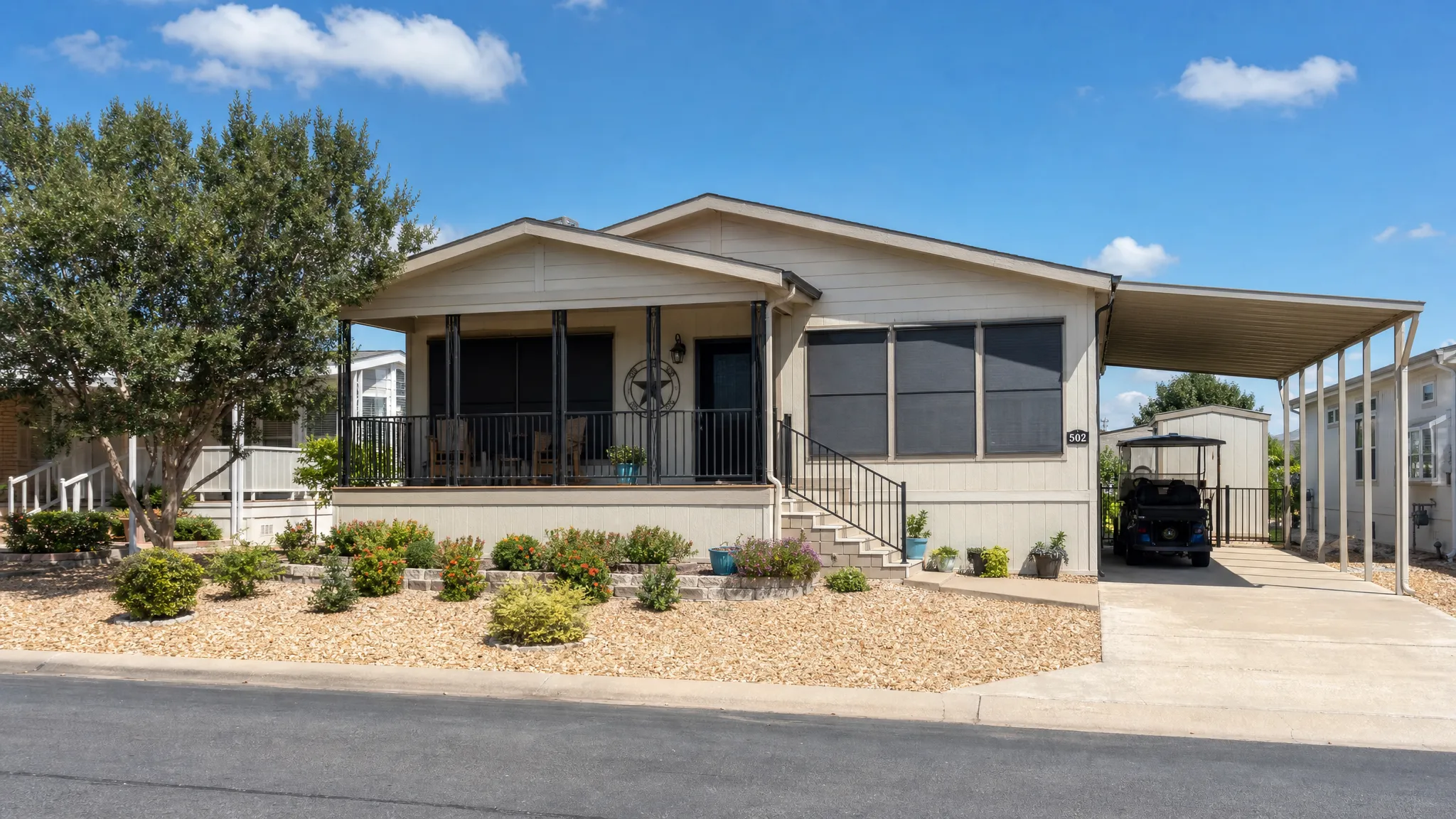
Windows bring in daylight, but in Texas they can also bring in a lot of heat. Efficient windows help reduce unwanted heat gain, especially on sides of the home that receive strong afternoon sun. Low-E glass, good seals, and quality installation can all help keep indoor temperatures more stable.
Shade also matters. A porch, awning, nearby trees, or thoughtful placement of outdoor features can reduce direct sunlight on windows and walls. While buyers cannot always control every part of the site, it is worth thinking about sun exposure before choosing a home location.
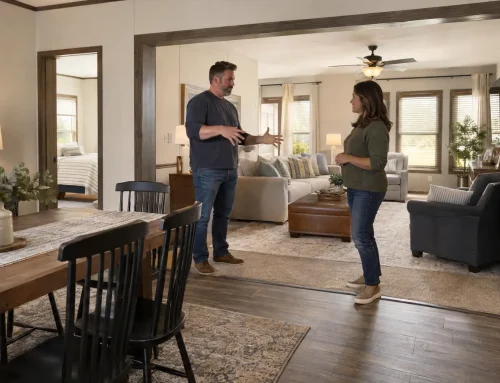
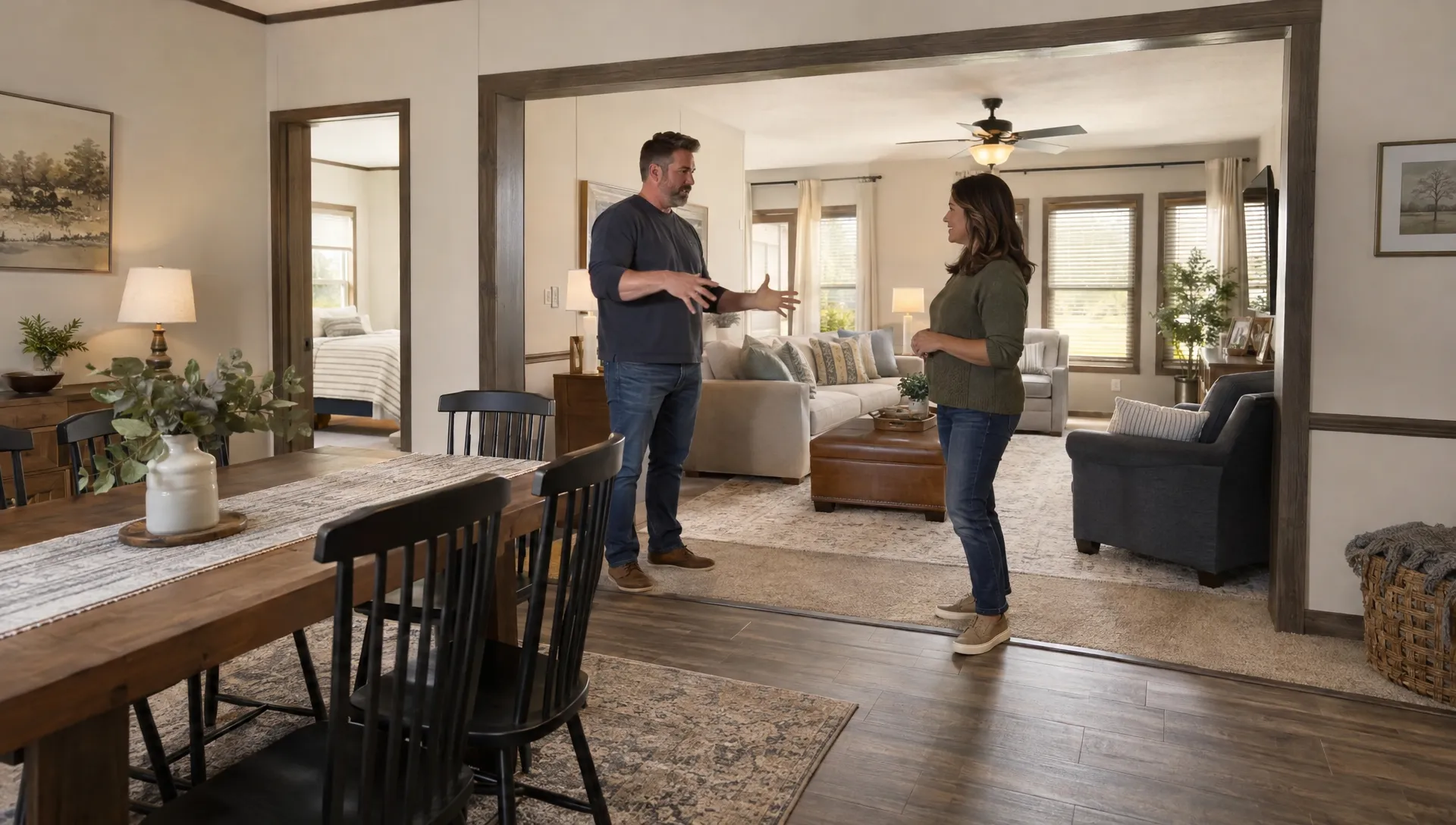
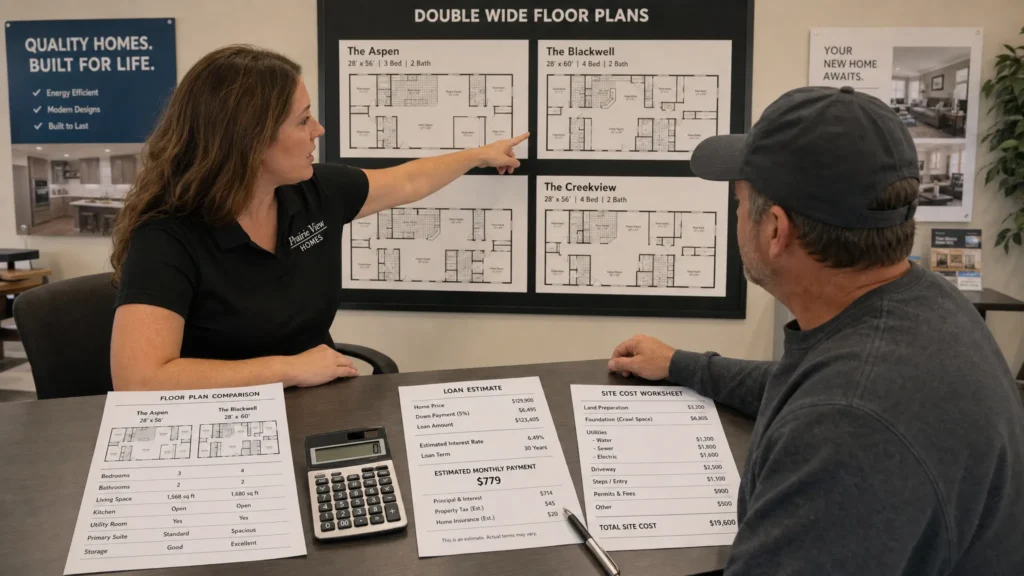
Layout plays a role too. Open floor plans can help conditioned air move through the home, while poorly placed vents or closed-off spaces may create hot rooms. When reviewing floor plans, pay attention to where bedrooms sit, how the main living area receives sunlight, and whether air can circulate easily.
HVAC Efficiency Is About More Than the Unit
The HVAC system is one of the most important pieces of the energy puzzle. A modern, efficient system can reduce electricity use, but only if it is properly sized and installed.
An oversized AC may cool the air quickly but shut off before removing enough humidity, which can leave the home feeling clammy. An undersized system may run constantly and still struggle in peak heat. The right system should match the size, insulation level, layout, and local climate conditions of the home.
Ductwork deserves special attention in mobile and manufactured homes. If ducts leak, cooled air may escape before it reaches the rooms. That means you pay for cooling that never fully benefits your family. Ask whether ducts are sealed, protected, and inspected during setup.
Thermostat use also matters. A programmable or smart thermostat can help reduce cooling when you are away or asleep. The savings depend on how you use it, but the principle is straightforward: do not pay to cool the home more than necessary.
Water Heating, Appliances, and Lighting Add Up
Cooling is the big target in Texas, but it is not the only source of energy use. Water heaters, refrigerators, washers, dryers, cooking appliances, and lighting all affect the bill.
Efficient appliances reduce the everyday baseline of electricity use. LED lighting creates less heat than older bulbs and uses less power. In summer, even small reductions in indoor heat can help because the AC has less heat to remove.
Water heating is another area to review. Ask what type of water heater is included, whether it is appropriately sized, and how it is located. A home with efficient equipment and thoughtful design can help reduce waste without asking your family to sacrifice normal comfort.
What Modest Monthly Savings Can Mean Over Time
Energy savings vary by home, weather, utility rates, family habits, and equipment. No dealer can honestly guarantee the same bill for every buyer. Still, it is useful to see how even modest monthly reductions can matter over time.
| Estimated monthly utility reduction | Annual savings | 10-year savings before rate changes |
|---|---|---|
| $25 per month | $300 per year | $3,000 |
| $50 per month | $600 per year | $6,000 |
| $75 per month | $900 per year | $9,000 |
These examples are simple math, not a promise of performance. The point is that energy efficiency should be part of the affordability conversation. If one home has a slightly higher purchase price but helps lower monthly bills, it may be more affordable over the long run than it first appears.
This is especially important for first-time buyers and budget-conscious families. Homes2Go has also covered the broader benefits of a mobile home for budget-conscious buyers, including how monthly costs can shape the buying decision.
Questions to Ask When Shopping for an Energy Efficient Mobile Home
A smart buyer does not need to become an energy engineer. You just need to ask better questions before choosing a model.
- What insulation features are included in the roof, walls, and floor?
- Are the windows designed to reduce heat gain in hot climates?
- What HVAC system is recommended for this floor plan?
- Are ducts sealed and inspected during setup?
- Which appliances come with the home, and are efficient options available?
- Can I review detailed floor plans before deciding?
- How will financing affect my total monthly cost, including expected utilities?
The last question is important. Flexible financing can make homeownership more accessible, but buyers should still compare the full cost of living in the home. A knowledgeable local team can help you look beyond the sticker price and understand which features matter most in San Antonio conditions.
Site Placement and Communities Can Affect Bills Too
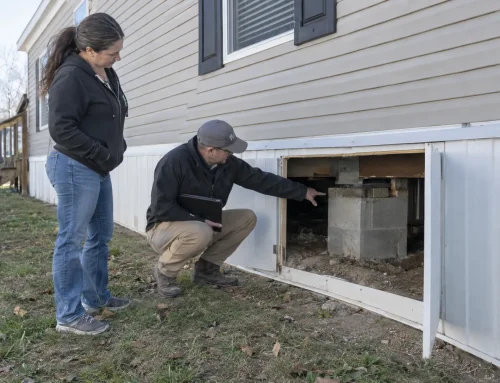
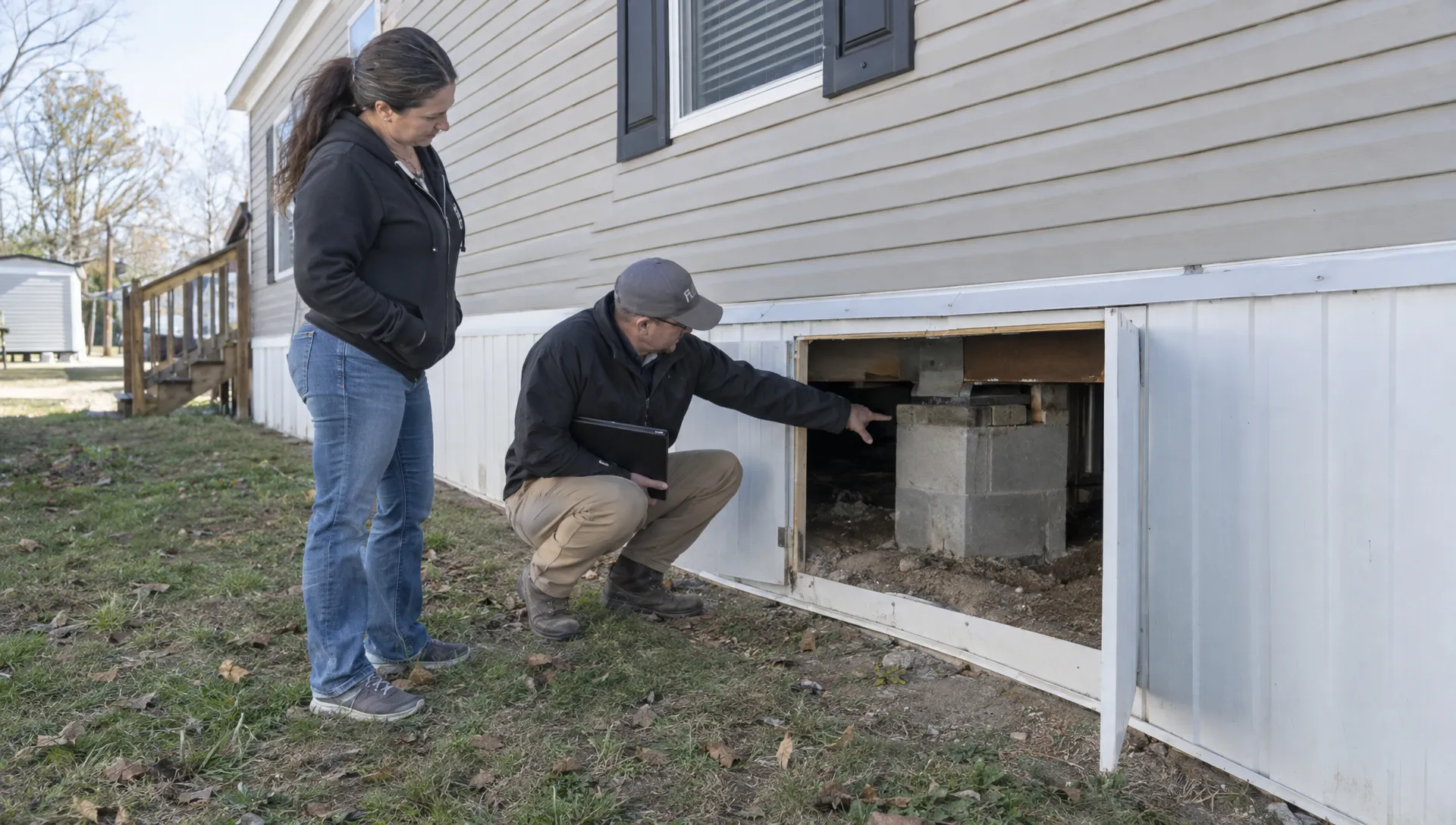
The home itself matters, but where and how it is placed can also influence comfort. A home exposed to harsh afternoon sun may work harder to stay cool than one with better shade. Proper setup can help protect the underbelly, reduce air intrusion, and support long-term performance.
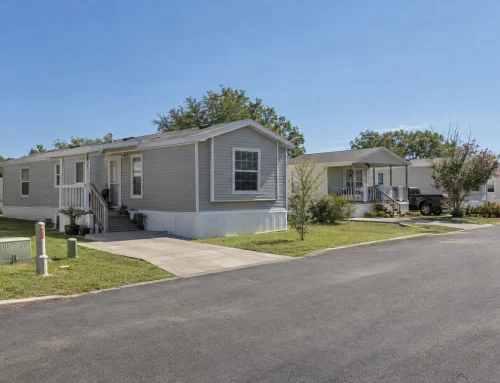
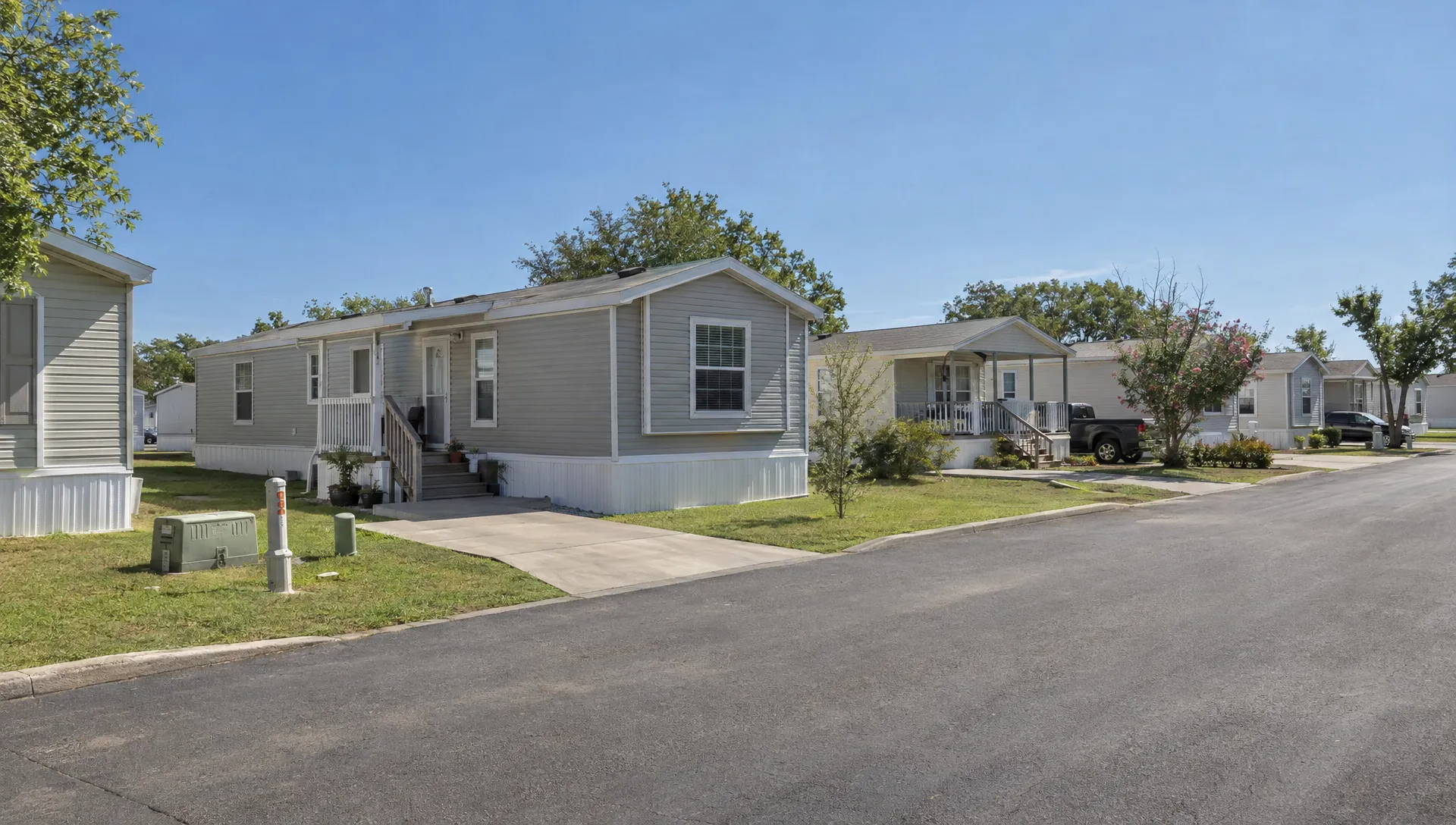
Community choice can matter as well. Some buyers want access to established home communities, while others are comparing private land options. Each path has different cost considerations, utility setups, and maintenance responsibilities. If you are still sorting through those choices, this quick buyer guide to mobile homes in San Antonio can help you frame the decision.
When touring homes, look at both the model and the environment it will sit in. Ask about setup, skirting, utility connections, shade opportunities, and maintenance needs. Energy efficiency is strongest when the home, site, and buyer habits work together.
Common Mistakes That Keep Bills High
One common mistake is choosing upgrades only for appearance while ignoring performance. Modern interiors are important, but comfort features behind the walls can affect your budget every month.
Another mistake is assuming a bigger AC is always better. Correct sizing usually matters more than size alone. A properly matched system can cool more consistently and manage humidity better than a unit chosen only for capacity.
Some owners also lose savings through poor maintenance. Dirty filters, blocked vents, leaky ducts, and neglected outdoor units make HVAC systems work harder. Even the most efficient home needs basic care to keep performing well.
Finally, buyers sometimes compare homes without comparing utility expectations. A less expensive home with weak efficiency features can become more expensive during Texas summers. That is why energy efficient mobile homes are not just an environmental choice. They are a practical budgeting choice.
Frequently Asked Questions
Do energy efficient mobile homes really lower Texas bills? They can help reduce utility costs by lowering cooling demand, reducing air leaks, improving insulation, and using more efficient equipment. Actual savings depend on the home, setup, weather, utility rates, and how the household uses energy.
What is the most important energy feature for a mobile home in Texas? Cooling performance is usually the top priority. That includes insulation, air sealing, efficient windows, properly sized HVAC, and sealed ductwork. These features work together to keep cool air inside and reduce AC runtime.
Is an ENERGY STAR label worth looking for? Yes, ENERGY STAR can be a helpful benchmark because it points to verified energy performance standards. Even if a specific home is not labeled, buyers can still ask about ENERGY STAR appliances, efficient HVAC options, windows, and insulation features.
Can older mobile homes be made more efficient? Many older homes can be improved with air sealing, added insulation where appropriate, duct repairs, window treatments, LED lighting, and HVAC maintenance. The best upgrades depend on the home’s condition, so an inspection is often a smart first step.
Should I pay more upfront for energy efficiency? It depends on your financing, expected utility savings, and how long you plan to live in the home. Instead of looking only at purchase price, compare estimated total monthly cost, including utilities, comfort, and maintenance.
Find a Home Built for Texas Heat
If you are shopping for a manufactured or mobile home in San Antonio, energy efficiency should be part of the conversation from the start. The right features can help reduce cooling strain, improve comfort, and make monthly costs easier to manage.
Homes2Go San Antonio helps buyers compare home models, review floor plans, explore flexible financing options, and find homes designed for real family living in South Texas. If you want a move-in ready home with modern interiors and practical guidance from a local team, start by comparing the energy-efficient options available today.
 Double Wide Manufactured Homes for Sale: Buyer Guide
 Double Wide Trailer Homes for Sale: What to Compare