
Double wide homes for rent often appeal to people who want more space than an apartment, but are not ready to buy. A double wide may offer multiple bedrooms, a larger kitchen, parking, a yard area or a quieter community setting, depending on the property and location.
The catch is that double wide rentals are not priced the same way everywhere. One listing may include the home and the lot. Another may advertise only the home rent, then add lot rent, utilities, trash, lawn care, pet fees and community charges. The lease can also shape your real cost, especially when it comes to repairs, renewals and early move-out rules.
If you are searching for double wide homes for rent in San Antonio or nearby areas, the best approach is to compare the full monthly cost, the exact lease structure and how well the home fits your household before you submit an application.
What a double wide rental actually includes
A double wide is a manufactured home built in two sections and joined together on site. Compared with a single wide, it usually has a wider footprint, a more house-like layout and more separation between bedrooms and living areas. Listings may use terms such as double wide, manufactured home, mobile home or trailer home, even when they are describing similar properties.
In the United States, manufactured homes built after June 15, 1976 are built under federal construction and safety standards administered by HUD. If you want to understand the basic federal framework, HUD explains it through its manufactured housing program. For renters, the main takeaway is simple: the label on the listing is less important than the condition of the home, what is included in the lease and who is responsible for each cost.
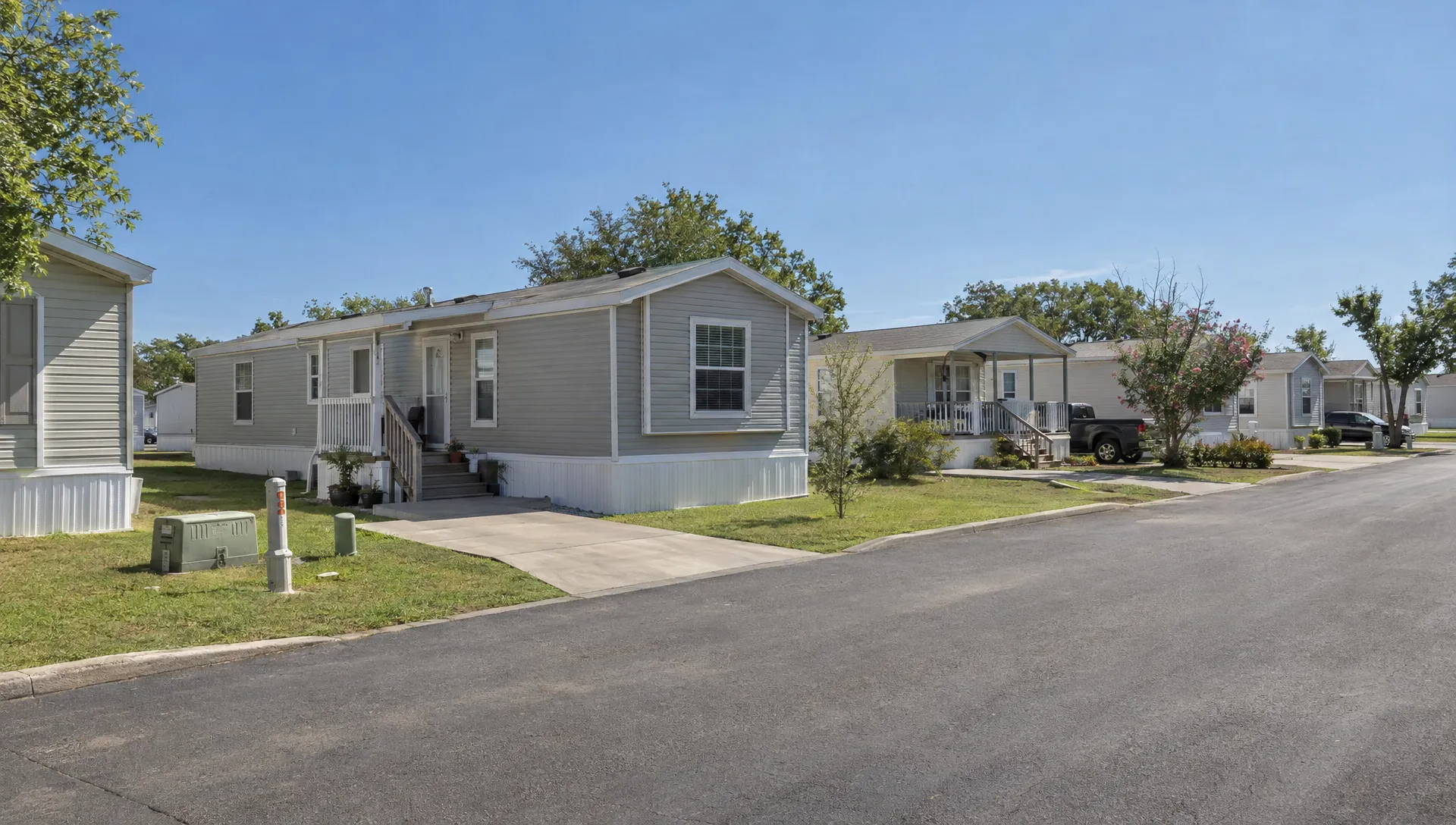
Before comparing prices, confirm whether the listing includes the home, the land or both. In a manufactured home community, you may be renting a home on a leased lot. On private land, you may be renting the home and the property from one owner. If your search is location-based, this local guide on what to check before renting a double wide home near you can help you spot listing details that deserve a closer look.
The real cost of double wide homes for rent
The advertised rent is only the starting point. A double wide rental can be affordable, but only if you understand the recurring costs and move-in costs before signing. Market pricing changes by neighborhood, home age, floor plan, school zone, commute access, community amenities and whether utilities are included.
Rather than relying on a single online average, ask each landlord or property manager for a written cost sheet. Then compare each home using the same categories.
| Cost item | Why it matters | What to ask |
|---|---|---|
| Base rent | This is the advertised monthly amount for the home or property | Does this include the lot, parking or any utilities? |
| Lot rent or site fee | Some community rentals separate the home rent from the land cost | Is lot rent included, separate or subject to a different agreement? |
| Utilities | Electric, water, sewer, gas and internet can change the monthly budget | Which utilities are tenant-paid, submetered or billed through the community? |
| Trash and community fees | Smaller fees can add up over a 12-month lease | Are trash, amenities, mailbox, parking or gate fees required? |
| Renter's insurance | Some leases require a policy before move-in | Is insurance required and what coverage amount is needed? |
| Pet fees | Pet rent, deposits and breed rules vary widely | Are pets allowed and are fees refundable or nonrefundable? |
| Lawn care | A home with outdoor space may come with maintenance duties | Who cuts the grass, trims trees and maintains the yard? |
| Deposits | Security deposits affect how much cash you need upfront | What is refundable and what conditions affect the refund? |
| Application and screening fees | These are often due before approval | Are fees charged per adult applicant and are they refundable? |
| Late fees and penalties | A low rent can become costly if penalties are strict | When is rent late and how are late fees calculated? |
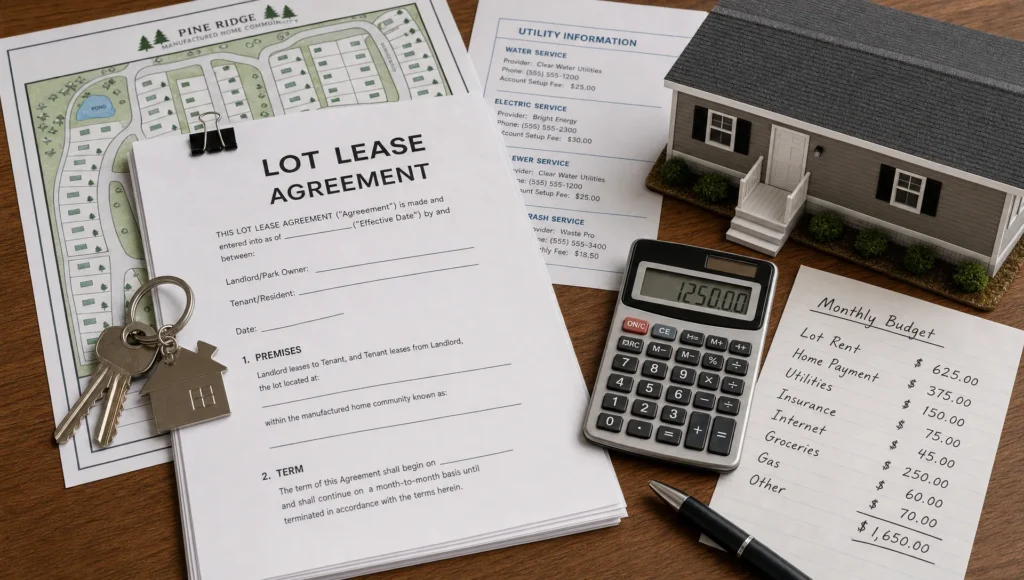
A practical comparison uses two numbers. First, calculate the total monthly cost: rent plus required fees, average utilities, insurance and pet rent if applicable. Second, calculate the move-in cash needed: first month, deposits, application fees, utility deposits and any required admin fees.
For many renters, the annual cost is even more useful. A home with slightly higher rent but lower utility bills, included lot rent and clearer maintenance terms may be cheaper over 12 months than a lower-priced listing with multiple add-ons.
Common lease setups for double wide rentals
Lease structure matters because it determines who collects rent, who handles repairs and what rules apply. Do not assume every double wide rental works like a standard apartment lease.
| Rental setup | How it usually works | What to watch |
|---|---|---|
| Home and lot rented together | One landlord or company rents you the home and the site | Confirm all included fees, utilities and repair duties in one lease |
| Home rented in a community | The home may be owned by one party while the community controls lot rules | Ask whether you must sign a separate community agreement |
| Private land rental | The home sits on private property and the owner rents both together | Clarify septic, well, driveway, yard and access responsibilities |
| Rent-to-own or lease-purchase | Part of the arrangement may point toward future ownership | Get written terms for title transfer, credits, default rules and maintenance |
Rent-to-own deserves extra care. It can be useful for some renters, but verbal promises are not enough. The agreement should explain whether any payment is credited toward purchase, when title transfers, who pays taxes or insurance and what happens if you miss a payment or move out early.
If you want a deeper rental-focused checklist, Homes2Go also covers key double wide trailer lease terms to know before you commit.
Lease clauses that can change your budget
A lease is more than a rent amount and a move-in date. It is the rulebook for the rental relationship, so read it slowly and ask for clarification before paying nonrefundable fees.
Look closely at these clauses:
- Lease length and renewal: A month-to-month lease gives flexibility, but it may allow faster rent changes. A fixed-term lease gives more predictability, but may be harder to leave early.
- Rent increases: Ask how much notice is required before a rent increase and whether community fees can change separately from rent.
- Repairs and maintenance: The lease should define who handles appliances, HVAC, plumbing, skirting, windows, pest control and storm-related damage.
- Community rules: Parking, pets, guests, quiet hours, outdoor storage, fencing and vehicle limits can affect daily life.
- Alterations: Many rentals restrict painting, satellite dishes, sheds, ramps, landscaping changes and fixture replacement.
- Occupancy limits: Make sure the lease allows your household size and any expected long-term guests.
- Early termination: Job changes, family needs or home purchase plans can make this clause important. Ask what fees apply if you leave before the term ends.
- Purchase options: If there is any path to ownership, it should be written clearly and separated from ordinary rental language.
For Texas renters, it can also help to review general landlord-tenant topics through the Texas State Law Library landlord tenant guide. Local rules, lease language and property type can affect how a situation is handled, so get qualified advice when a dispute or large financial commitment is involved.
Is a double wide rental a good fit for you?
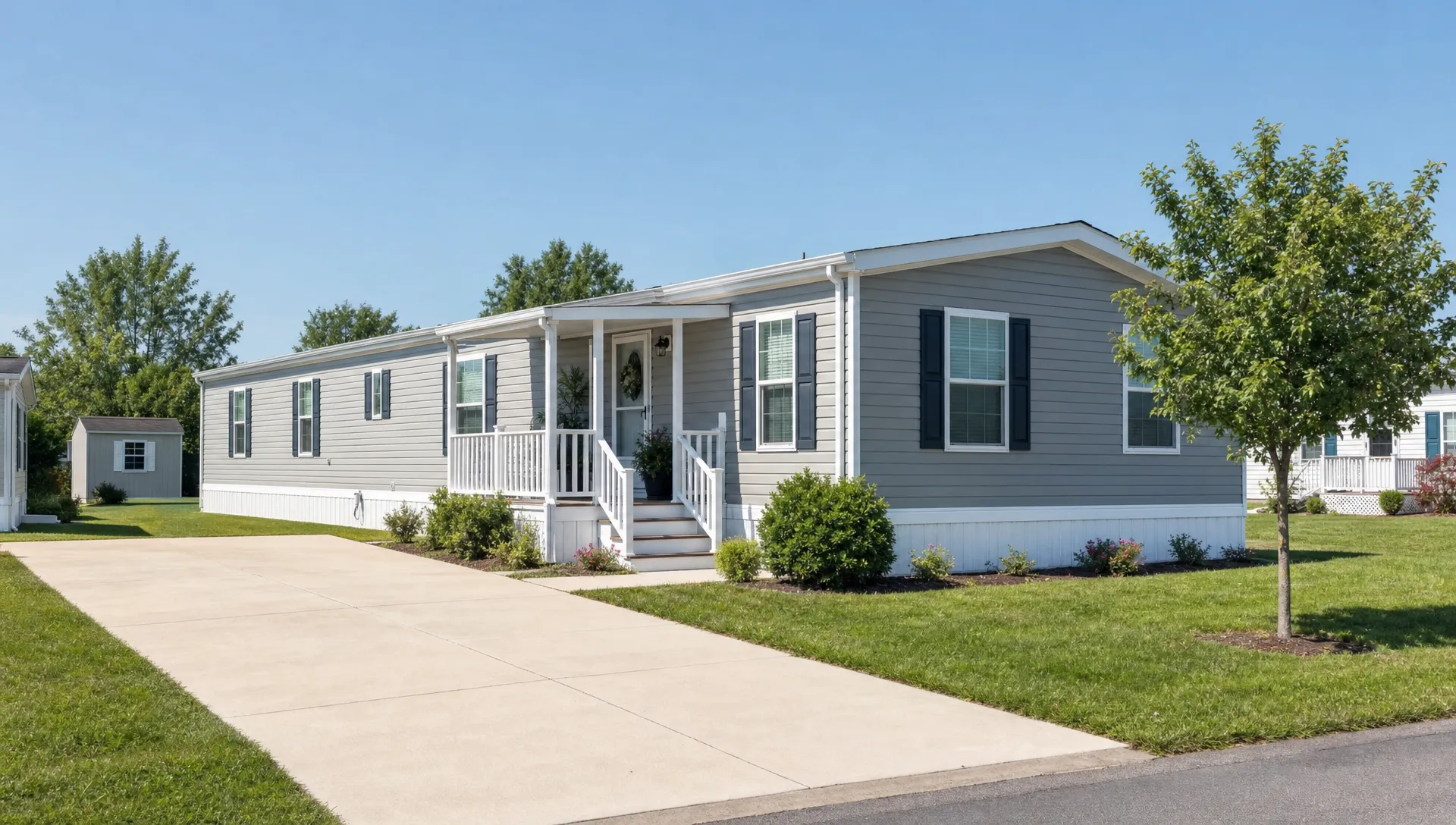
A double wide rental can be a strong fit when you need more usable space, want fewer shared walls or prefer a home layout over an apartment building. It can also be a practical stepping stone if you are learning what size, layout and community style you want before buying a manufactured home.
The fit is not only about square footage. A great-looking home may not work if the commute is too long, the community rules conflict with your lifestyle or the lease restricts pets, parking or outdoor storage.
| Double wide rental may fit if | You may want to reconsider if |
|---|---|
| You need multiple bedrooms or a split-bedroom layout | You need short-term housing with no early move-out risk |
| You want a yard, porch or more privacy than an apartment | You do not want any yard or exterior responsibility |
| You have pets and the lease allows them clearly | Pet rules, deposits or breed restrictions are unclear |
| You want to test manufactured home living before buying | You want your monthly payment to build equity right away |
| You value community living with parking and outdoor space | Community rules feel too restrictive for your household |
What to inspect before you sign
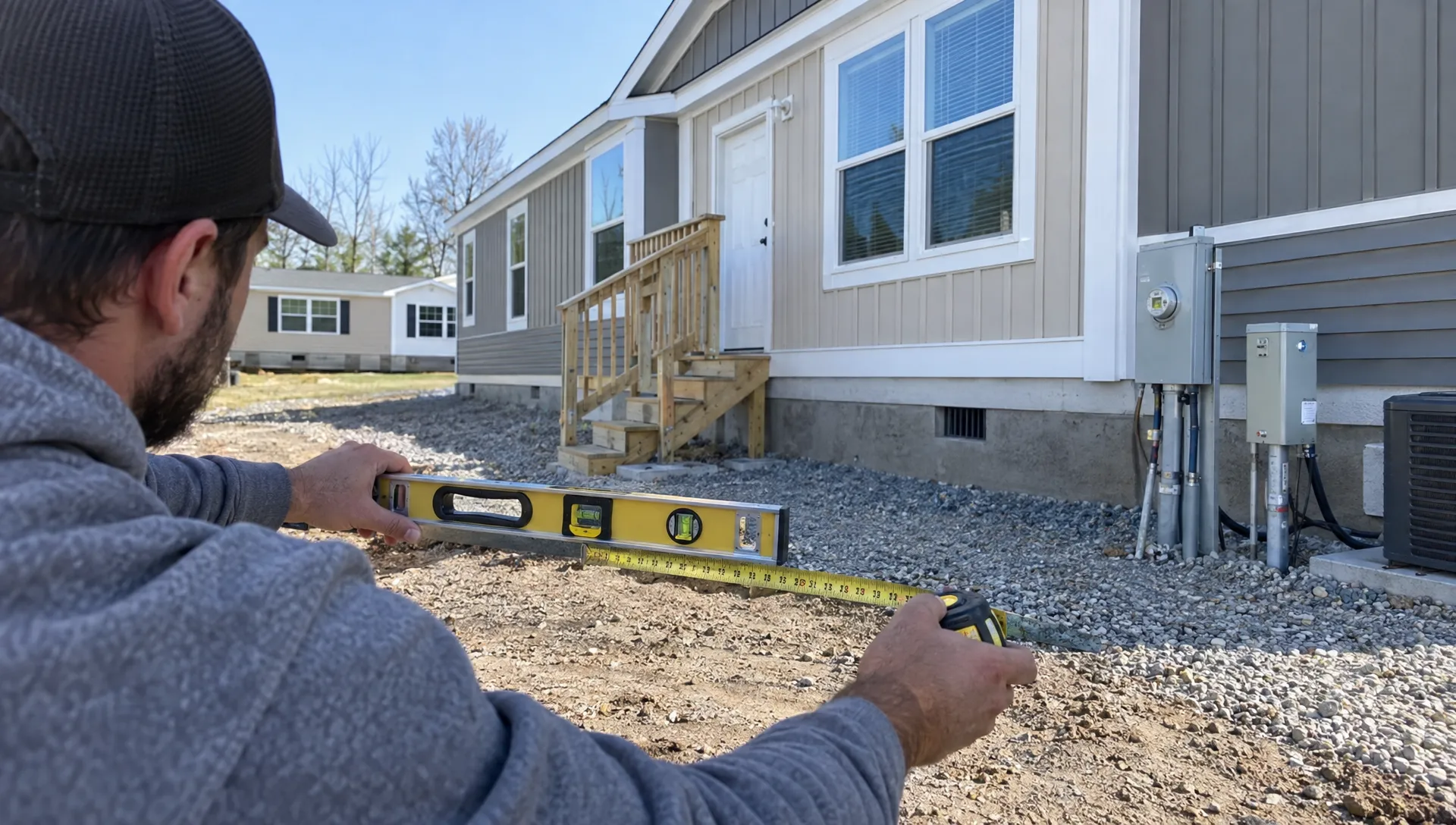
A rental inspection should focus on comfort, safety and likely repair issues. Cosmetic updates matter, but water intrusion, HVAC problems, soft floors and poor drainage can affect your day-to-day life far more than cabinet color or flooring style.
Walk the home during daylight if possible. Test what you can, take photos with permission and ask the landlord to document any existing damage before move-in. If a repair is promised, get the deadline in writing.
Key areas to check include:
- Roof and ceilings: Look for stains, sagging, patched areas or active leaks after rain.
- Floors and subfloor feel: Soft spots near doors, bathrooms, laundry areas and kitchen fixtures may signal water damage.
- Windows and doors: Check locks, seals, drafts, cracks and whether doors close properly.
- HVAC system: Ask when it was last serviced and test heating and cooling before move-in.
- Plumbing: Run faucets, flush toilets and look under sinks for moisture, odors or staining.
- Electrical function: Test outlets where practical and confirm smoke detectors are installed.
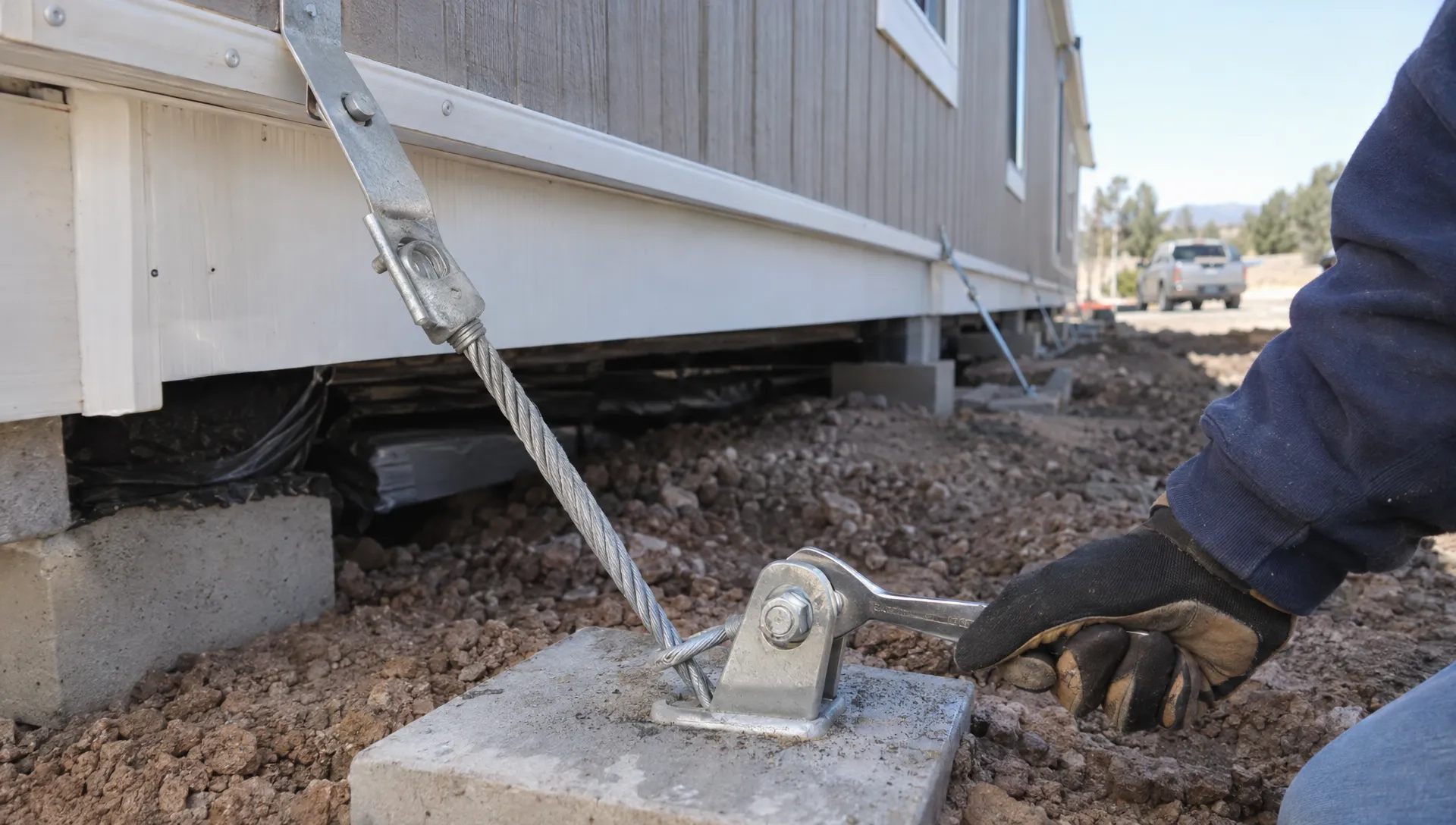
- Skirting and foundation area: Damaged skirting, standing water or poor drainage can lead to pests and moisture issues.
- Appliances: Confirm which appliances are included and who repairs or replaces them.
- Pest signs: Look inside cabinets, around vents, under sinks and near exterior openings.
- Parking and access: Verify assigned parking, guest parking, driveway condition and emergency access.
A thorough inspection protects both sides. It helps you avoid surprises and gives the landlord a clear record of the home's condition at move-in.
How to compare three rentals side by side
When you find several double wide homes for rent, avoid choosing only by rent. A simple side-by-side comparison can reveal which option is actually the best value.
| Comparison point | Why it matters | Best sign |
|---|---|---|
| Total monthly cost | Shows the real cost after required add-ons | Fees and utilities are clearly explained |
| Move-in cash | Helps you avoid draining savings upfront | Refundable and nonrefundable charges are separated |
| Lease flexibility | Matters if your job, family or purchase plans may change | Early termination and renewal rules are clear |
| Home condition | Affects comfort and repair risk | Major systems work and promised repairs are written down |
| Location | Commute and daily errands affect quality of life | The home fits your work, school and routine needs |
| Community rules | Rules can affect pets, guests, parking and outdoor use | You can follow the rules without changing your lifestyle |
If two rentals are close in price, choose the one with clearer terms, better condition and fewer unknowns. Uncertainty has a cost, especially when you are signing a lease that affects your housing stability.
Renting versus buying a double wide home
Renting is often the right move when you need flexibility, are new to the area or want to test a manufactured home lifestyle. It can also give you time to improve credit, save for a down payment or compare communities before making a longer commitment.
Buying may make more sense if you plan to stay in the area, want more control over the home and are ready to compare financing, land options, insurance, taxes and maintenance. Ownership is not automatically cheaper each month, but it can give you more control over upgrades, layout choices and long-term housing plans.
If your rental search is really about finding more space at a manageable cost, it may be worth reviewing what goes into double wide mobile homes for sale so you can compare renting and owning with a fuller picture. Look at the full monthly payment, not just the home price, and include site costs, utilities, insurance and maintenance.
Questions to ask before applying
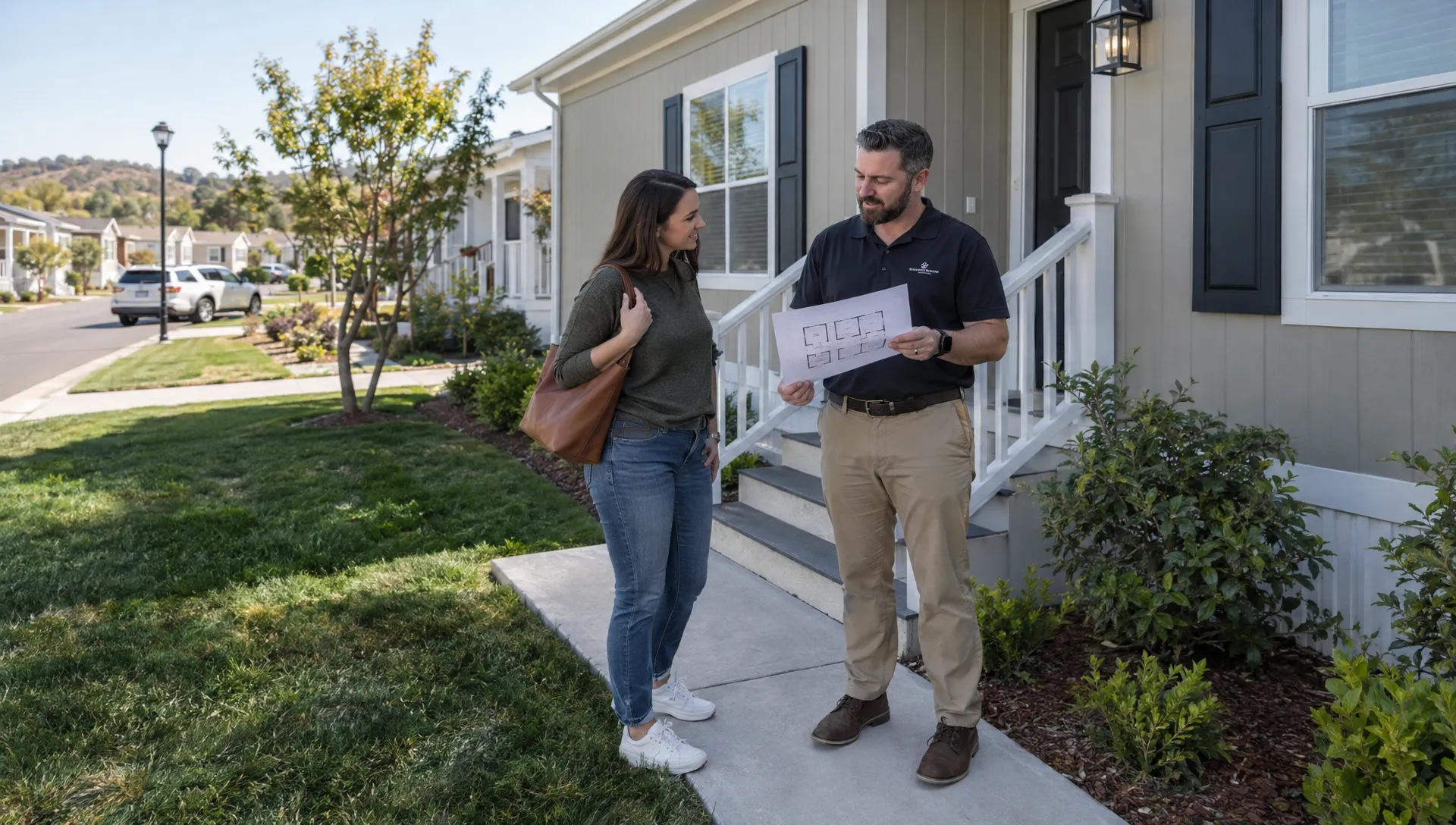
Before you pay an application fee, ask the landlord or property manager direct questions and compare the answers with the written lease. If the answer is vague, ask for it to be added in writing.
| Question | Why to ask it |
|---|---|
| What exactly is included in the monthly rent? | Separates rent from lot fees, utilities and community charges |
| Who owns the home and who manages the community? | Identifies who handles approval, rules and repairs |
| Which repairs are the tenant's responsibility? | Prevents disputes over appliances, HVAC, plumbing and exterior items |
| Are there planned rent or fee increases? | Helps you budget beyond the first month |
| What are the pet, parking and guest rules? | Confirms whether the home fits your household |
| What must happen to receive the deposit back? | Clarifies cleaning, damage and notice requirements |
| Are there any nonrefundable fees? | Helps you understand the true move-in cost |
| What happens if I want to buy a home later? | Keeps your rental decision aligned with longer-term plans |
Frequently Asked Questions
Are double wide homes for rent usually cheaper than houses? They can be cheaper than some site-built house rentals, but it depends on location, condition, lot rent, utilities and fees. Always compare total monthly cost instead of advertised rent only.
Do double wide rentals include land or lot rent? Sometimes. In a community, the home and lot may be bundled or billed separately. On private land, both may be included in one lease. Ask for a written breakdown before applying.
Can I rent-to-own a double wide home? Some owners offer lease-purchase arrangements, but the details matter. The contract should explain payment credits, title transfer, maintenance duties and what happens if you move out or miss payments.
What should I inspect in a double wide rental? Focus on roof leaks, soft floors, HVAC, plumbing, electrical function, windows, doors, appliances, skirting, drainage and signs of pests. Document existing damage before move-in.
Is a double wide rental good for first-time manufactured home buyers? It can be a useful way to test layouts, community rules and manufactured home living before buying. If you already know you want long-term stability, comparing purchase options may also make sense.
Take the next step with a clearer plan
Double wide homes for rent can be a smart fit when the total cost, lease terms and home condition all line up. If the rental search is also showing you that you want more long-term control, compare ownership options before you decide.
Homes2Go San Antonio helps families and individuals explore manufactured home models, floor plans, communities and flexible financing options with local guidance. Visit Homes2Go San Antonio to start comparing homes that fit your space needs and budget goals.
 Buying a Manufactured Home in a Park: What to Expect
 Double Wide Prefab Homes: What Buyers Need to Know