
Double wide prefab homes appeal to buyers who want more space than a single-section home, a faster path to ownership than many site-built options and a layout that feels like a traditional house. For San Antonio buyers, they can be especially practical because they offer room for growing families, multigenerational living or remote work without automatically pushing homeownership out of reach.
The key is understanding what you are actually buying. “Prefab” is a broad word. “Double wide” is more specific. Before you compare floor plans or talk financing, it helps to know how the home is built, how it is delivered, what site requirements apply and which costs are included beyond the home itself.
What does “double wide prefab home” really mean?
A prefab home is built in a factory instead of fully built on site. The sections are transported to the property or community, then installed and finished according to the home type, local requirements and manufacturer specifications.
In everyday home shopping, many people use “double wide prefab homes” to describe double wide manufactured homes. These are typically built in two major sections, transported separately and joined together on site. Because the home is wider than a single wide, it can support larger living rooms, open kitchens, separate bedroom zones and more storage.
The terminology matters because manufactured homes and modular homes are not regulated in the same way. The U.S. Department of Housing and Urban Development oversees the federal construction and safety standards for manufactured housing. Modular homes, by contrast, are usually built to state or local building codes and are treated more like site-built homes once placed on a permanent foundation.
| Term buyers use | What it usually means | Main thing to verify |
|---|---|---|
| Double wide manufactured home | A HUD-code home built in two sections and installed on a site | Installation, title status, lender requirements and community or land approval |
| Double wide mobile home | Often used casually for a manufactured home, though “mobile home” technically refers to homes built before the HUD Code took effect in 1976 | Age, condition, code status and whether it meets today’s buyer expectations |
| Modular prefab home | A factory-built home assembled in modules and built to local or state code | Foundation, permits, local code compliance and comparable financing options |
If you are shopping with Homes2Go San Antonio, the practical conversation usually centers on manufactured and mobile homes available for local buyers. If you want a broader foundation before comparing specific homes, this guide to double wide manufactured homes, layouts, prices and buying tips is a helpful companion resource.
Why buyers like double wide prefab homes
The biggest advantage is usable space. A double wide can feel less like a compact starter home and more like a conventional floor plan, especially when it has an open kitchen, a defined dining area and a private primary suite.
Many buyers also like the buying process. Factory-built construction can reduce some of the uncertainty that comes with building completely on site. You can compare model details, review floor plans and often walk through display homes before deciding. That makes it easier to understand room sizes, traffic flow and finish options before you commit.
Affordability is another major reason buyers consider this category. A double wide prefab home can offer more square footage for the budget than many site-built options in the same area, though the full cost depends on the home, land or community, delivery, installation, utilities, taxes, insurance and financing structure.
For first-time buyers in particular, the appeal is not just the purchase price. It is the possibility of moving into a home with modern interiors, energy-conscious design features and enough room to live comfortably without taking on more house than they need.
Floor plan first: how to compare the space
Square footage is useful, but it does not tell you how the home will live day to day. Two double wide prefab homes with similar size can feel completely different depending on where the bedrooms sit, how the kitchen connects to the living area and whether the home has flexible rooms for work, guests or hobbies.
Start by matching the layout to your real routines. A split-bedroom layout can work well when parents, guests or older children need privacy. A large central living area may be better for families who gather in the kitchen and living room. If you work from home, pay attention to whether a secondary bedroom or flex area can function as a quiet office.
A useful example is the Legacy Avery, a 3 bedroom, 2 bathroom doublewide manufactured home available from Homes2Go in San Antonio, TX. At 1,865 square feet with 32' x 64' dimensions, it gives buyers a concrete reference point for what a larger double wide can offer in terms of bedroom count and overall living space.
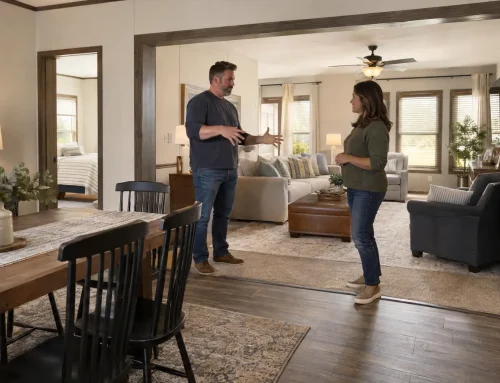
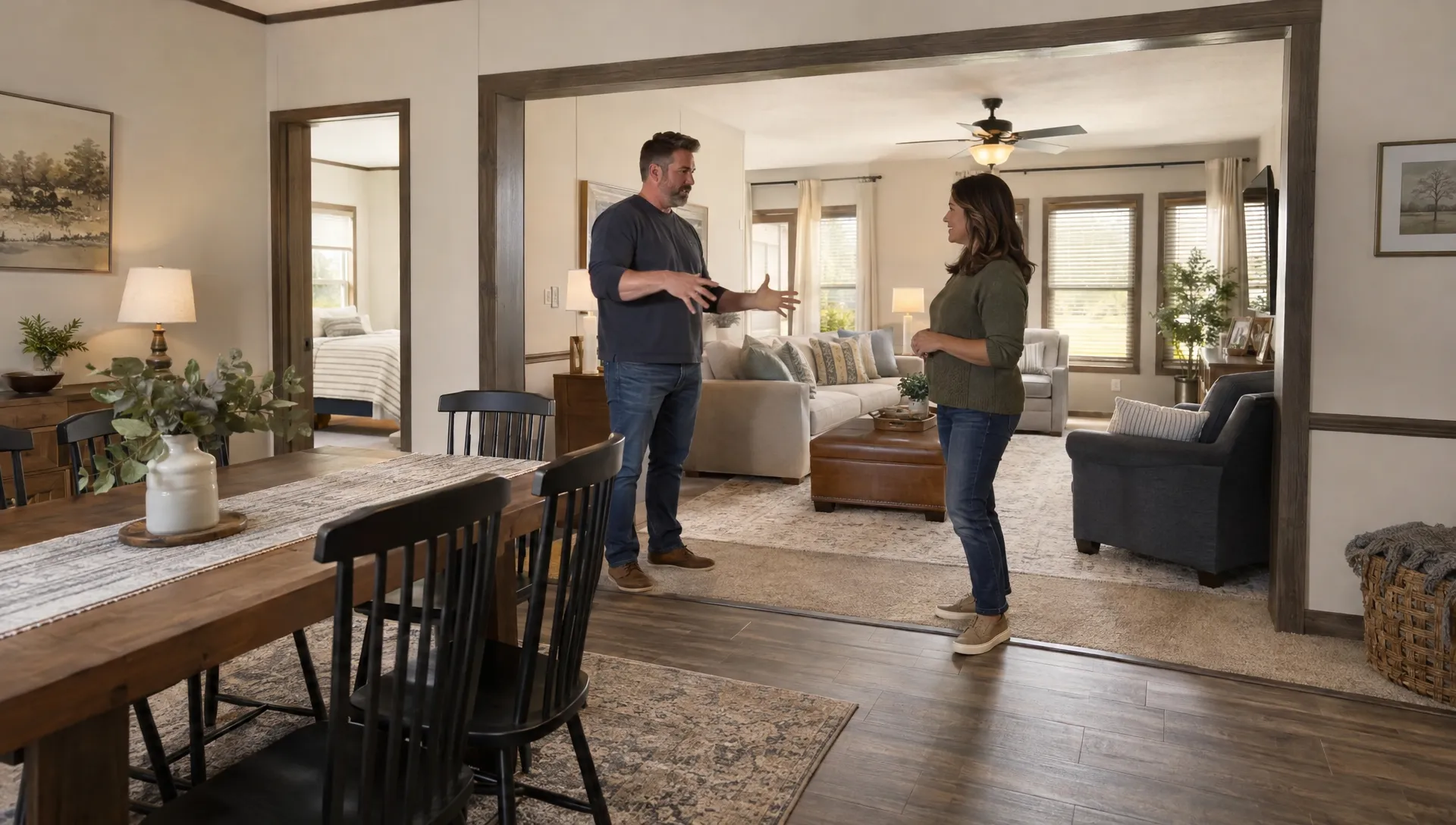
When walking through any model, do not only ask whether the home has enough rooms. Ask whether the rooms are in the right places. Look at closet depth, laundry access, kitchen storage, furniture placement and how guests would move through the home. These details matter more after move-in than a floor plan looks on paper.
Site, community and installation requirements
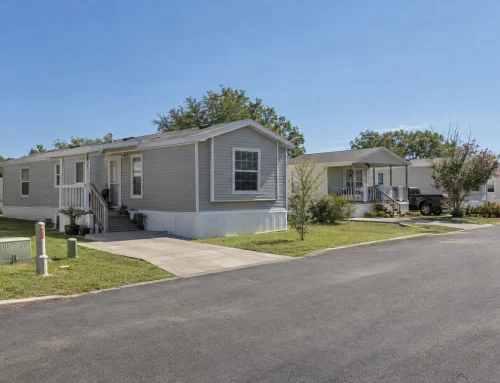
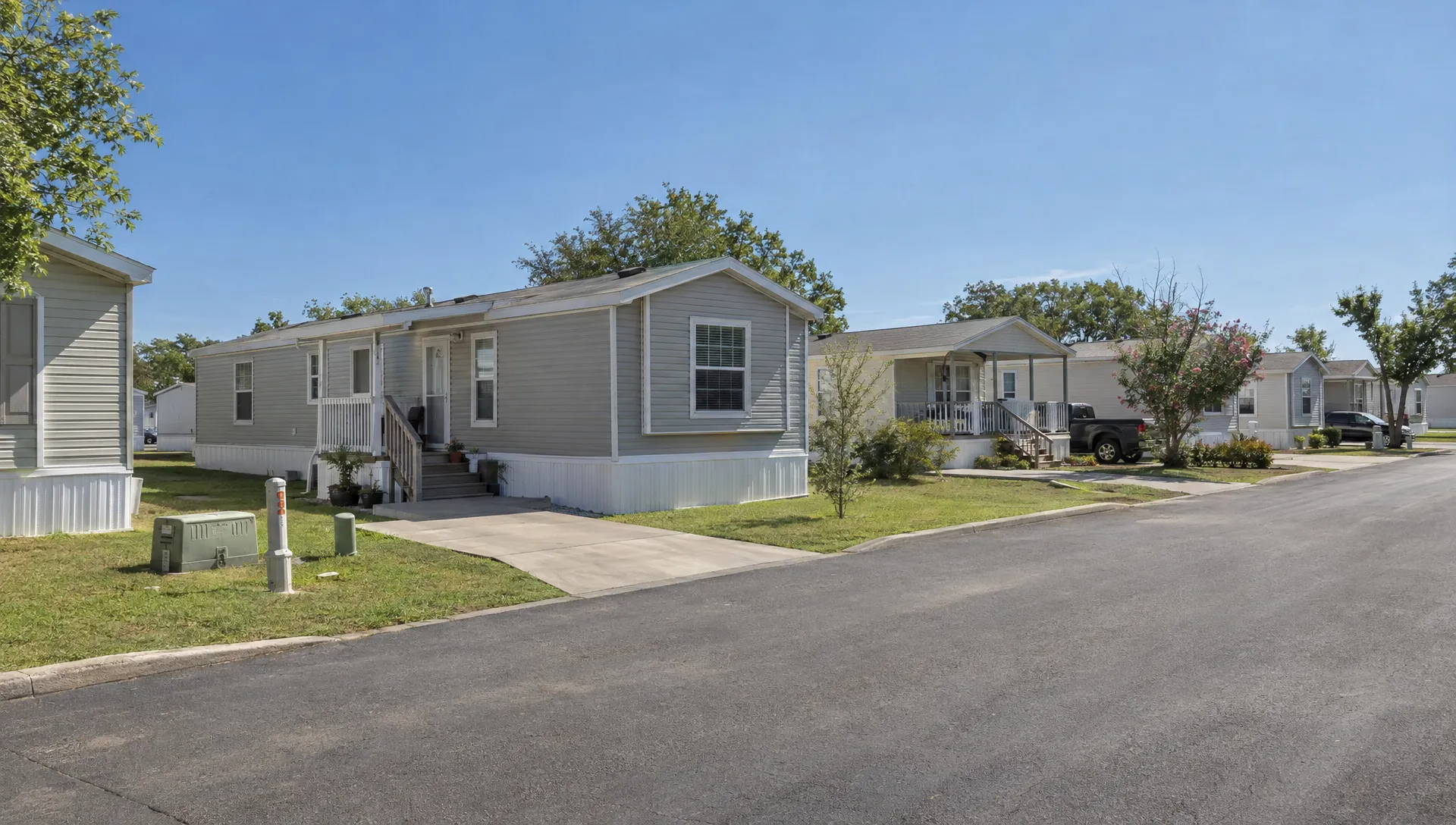
A double wide prefab home needs the right place to land. Some buyers place the home on private land. Others choose an established manufactured home community. Each route has different requirements and timelines.
On private land, you need to confirm zoning, permits, access, grading, utility connections and any restrictions that affect manufactured housing. In a community, you need to understand lot rent, community rules, approval requirements, parking, pet policies and what is included in the monthly cost.
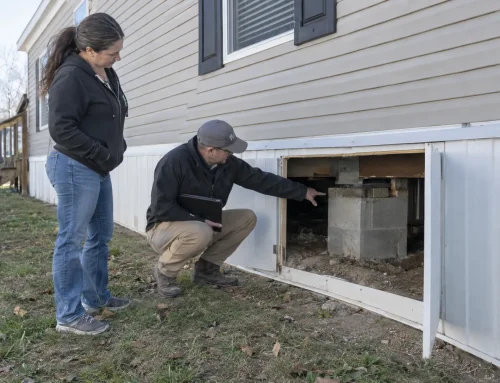
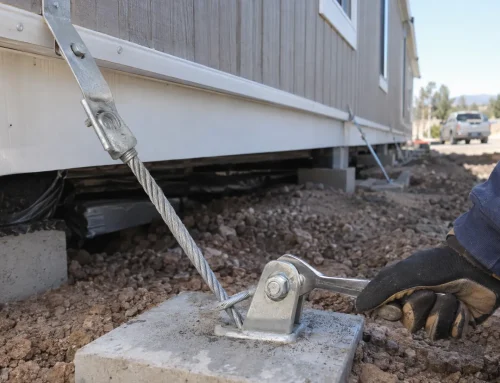
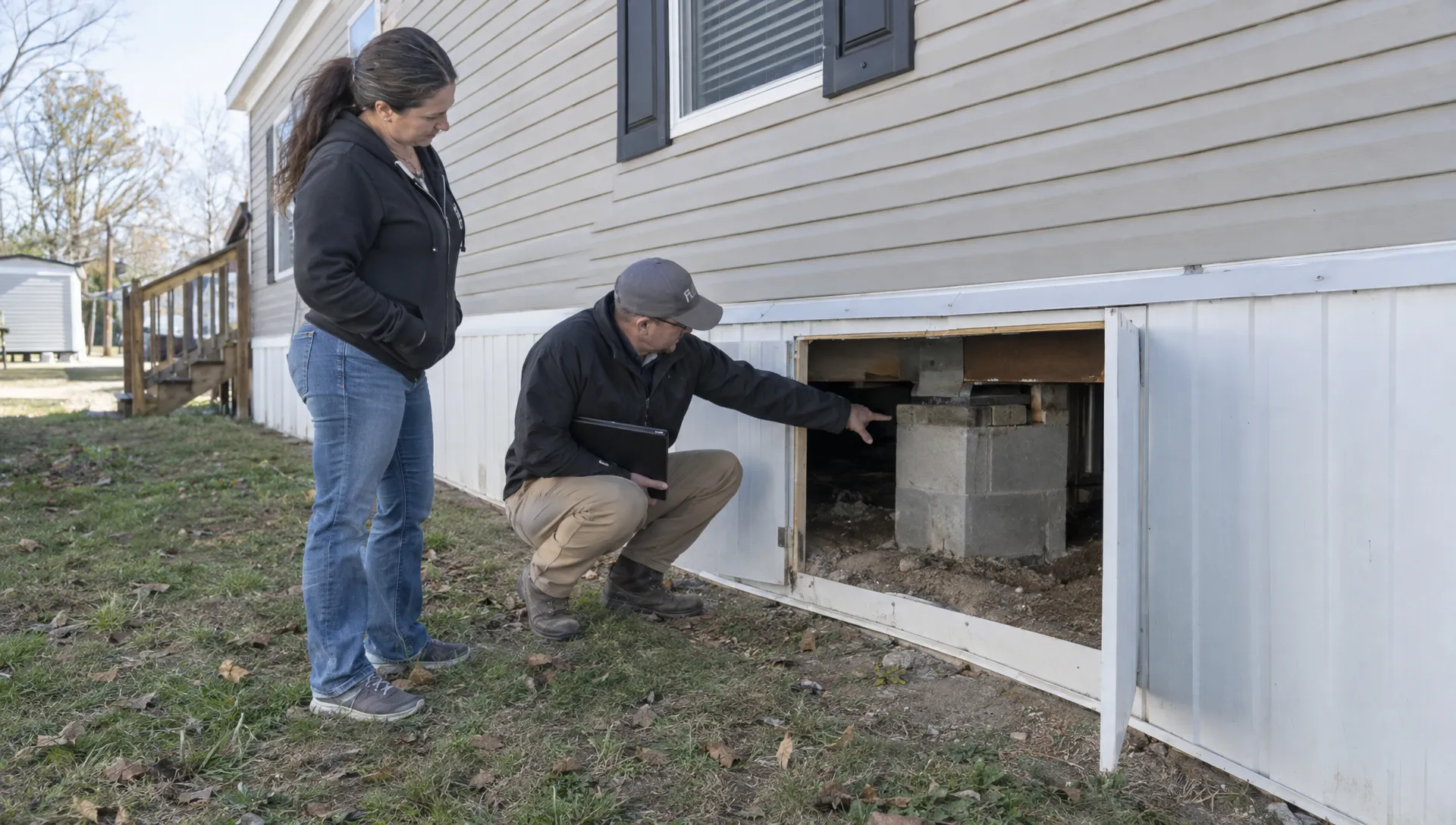
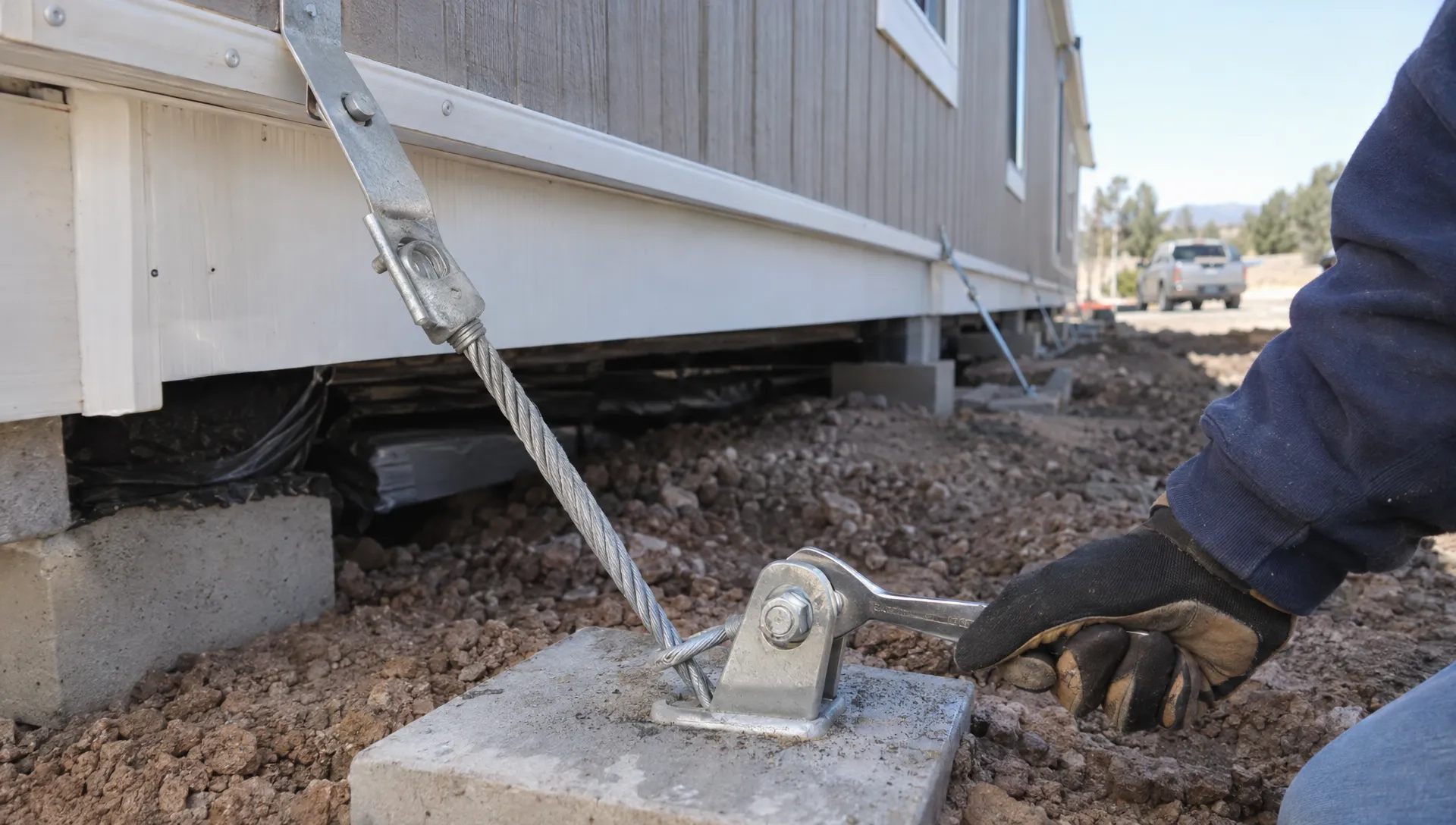
Installation is also a major part of the purchase. The home must be transported, joined, leveled, secured and connected properly. In Texas, manufactured housing records and related consumer information are handled by the Texas Department of Housing and Community Affairs Manufactured Housing Division. Buyers should rely on qualified professionals and make sure the home is installed according to applicable standards.
For San Antonio and surrounding areas, it is also smart to think about practical site conditions. Driveway access, drainage, soil conditions, tree clearance and utility distance can all affect setup. A beautiful floor plan can become stressful if the site is not ready for delivery.
The real cost is more than the home price
When comparing double wide prefab homes, focus on total move-in cost rather than the advertised home price alone. The final number depends on the home selected, the site, the financing route and what is included in the purchase package.
Common cost categories may include the home itself, delivery, installation, skirting, steps or decks, utility connections, permits, site preparation, insurance and taxes. If land is part of the purchase, the financing structure may look different than buying a home to place in a leased community.
Homes2Go San Antonio works with buyers who need guidance through the process, including flexible financing options and access to local lending resources. That support can be especially useful if you are trying to compare monthly payment scenarios, down payment expectations and land or community options.
| Cost area | Why it matters | Question to ask |
|---|---|---|
| Home model and options | Size, layout and finishes affect the final price | What is included in the displayed model and what is optional? |
| Delivery and setup | Transportation and installation are essential to move-in readiness | Is delivery, setup and finishing included in the estimate? |
| Land or lot costs | Private land and community living have different monthly obligations | Am I buying land, leasing a lot or considering both? |
| Utilities and site work | Septic, water, electric and grading can change the budget | What must be completed before the home arrives? |
| Financing and insurance | Loan type, title status and coverage affect monthly cost | What loan options fit this home and placement plan? |
Financing: what buyers should understand early
Financing for double wide prefab homes depends heavily on how the home is titled, where it will be placed and whether land is included. Some manufactured homes are financed as personal property. Others may qualify for mortgage-style financing when paired with land and the right installation setup.
This is why it helps to talk financing early rather than waiting until you fall in love with a model. A lender may need details about the home, the land, the foundation or installation plan and whether the home will be placed in a community. Local lenders familiar with manufactured housing can often explain the path more clearly than a lender who rarely works with these homes.
Buyers should compare more than the monthly payment. Look at loan term, down payment, interest rate, fees, insurance requirements and whether the payment includes land or lot rent. A slightly lower monthly payment may not be the better option if it comes with terms that do not fit your long-term plans.
If you are still deciding whether to buy now or keep comparing, Homes2Go’s local guide to double wide mobile homes for sale covers additional points about placement, inspection and financing that can help you prepare better questions.
Quality, comfort and energy use
Modern double wide prefab homes can include comfortable interiors, practical storage and energy-efficient design features. Still, buyers should review the details of each model rather than assuming every home is built or equipped the same way.
Ask about insulation, windows, HVAC sizing, appliance options, ventilation and the materials used in high-traffic areas. In San Antonio, cooling performance matters. A home that is easier to cool, easier to maintain and laid out for airflow can make daily living more comfortable during long hot seasons.
Also pay attention to how the home feels during a walkthrough. Do doors close smoothly? Do cabinets feel solid? Is the laundry area practical? Are bathrooms large enough for daily use? These observations do not replace a formal review, but they help you compare homes in a way that photos cannot.
Documents to review before you commit
A good buying process should leave you with clear written information. If a detail affects your budget, timeline or obligations, get it in writing before moving forward.
Key documents and details to review include:
- The exact home model, floor plan and dimensions
- A written estimate showing what is included and what is not
- Delivery, installation and site preparation responsibilities
- Warranty information and service procedures
- Financing terms, lender requirements and estimated monthly payment
- Community rules or land approval requirements, if applicable
- Utility connection responsibilities and timing
This is also a good time to ask what could delay the process. Weather, permits, utility scheduling, site access and lender documentation can all affect the timeline. A realistic schedule is better than an optimistic one that does not account for real-world steps.
Common mistakes to avoid
One common mistake is shopping by square footage alone. More space is useful only when the layout supports the way you live. A smaller plan with better storage, bedroom placement and kitchen flow may feel better than a larger plan that wastes space.
Another mistake is comparing one home’s base price against another home’s more complete estimate. If one quote includes delivery and setup while another does not, the numbers are not comparable. Ask every seller to clarify the same categories so you can compare fairly.
Buyers also sometimes wait too long to confirm site approval. Before you assume a home can go on a piece of land, verify zoning, access, utilities and any restrictions. For communities, ask about application requirements and monthly costs early in the process.
Finally, do not treat financing as a last step. The type of home, the land situation and the installation plan can all influence loan options. Early guidance can save time and help you choose a home that fits both your needs and your budget.
Frequently Asked Questions
Are double wide prefab homes the same as manufactured homes? Often, yes. Many buyers use “double wide prefab home” to describe a double wide manufactured home built in a factory and installed in two sections. However, prefab can also refer to modular homes, so always confirm the home type before comparing financing or site requirements.
Can I put a double wide prefab home on my own land near San Antonio? Possibly, but it depends on zoning, deed restrictions, access, utilities, permits and installation requirements. Before buying land or choosing a model, confirm that the property can legally and practically support the home.
Are double wide prefab homes good for first-time buyers? They can be a strong fit for first-time buyers who want more space and a clearer buying process. The best results come from comparing total move-in costs, getting financing guidance early and choosing a layout that supports long-term needs.
How long does it take to move into a double wide prefab home? Timelines vary based on the home, financing, site preparation, permits, delivery scheduling and installation. A move-in ready option in an established community may move faster than a private-land setup that needs utility work or grading.
What should I ask before choosing a floor plan? Ask how the layout supports privacy, storage, furniture placement, daily routines and future needs. Also confirm the exact dimensions, included features, optional upgrades and whether the model you toured matches the home being quoted.
Find the right double wide prefab home in San Antonio
Double wide prefab homes can offer a practical balance of space, value and comfort, but the right choice depends on more than the model name. The best buying decision comes from understanding the home type, confirming the site, reviewing total costs and comparing floor plans with your everyday life in mind.
If you are shopping in the San Antonio area, Homes2Go San Antonio can help you explore available manufactured homes, review floor plans, understand financing options and compare community or placement possibilities with local guidance.
 Double Wide Homes for Rent: Costs, Leases, and Fit
 Champion Home Warranty Coverage: What Buyers Should Check