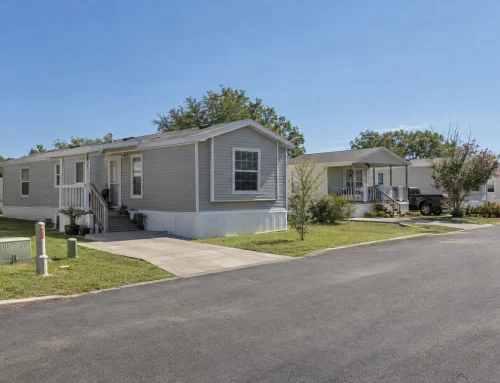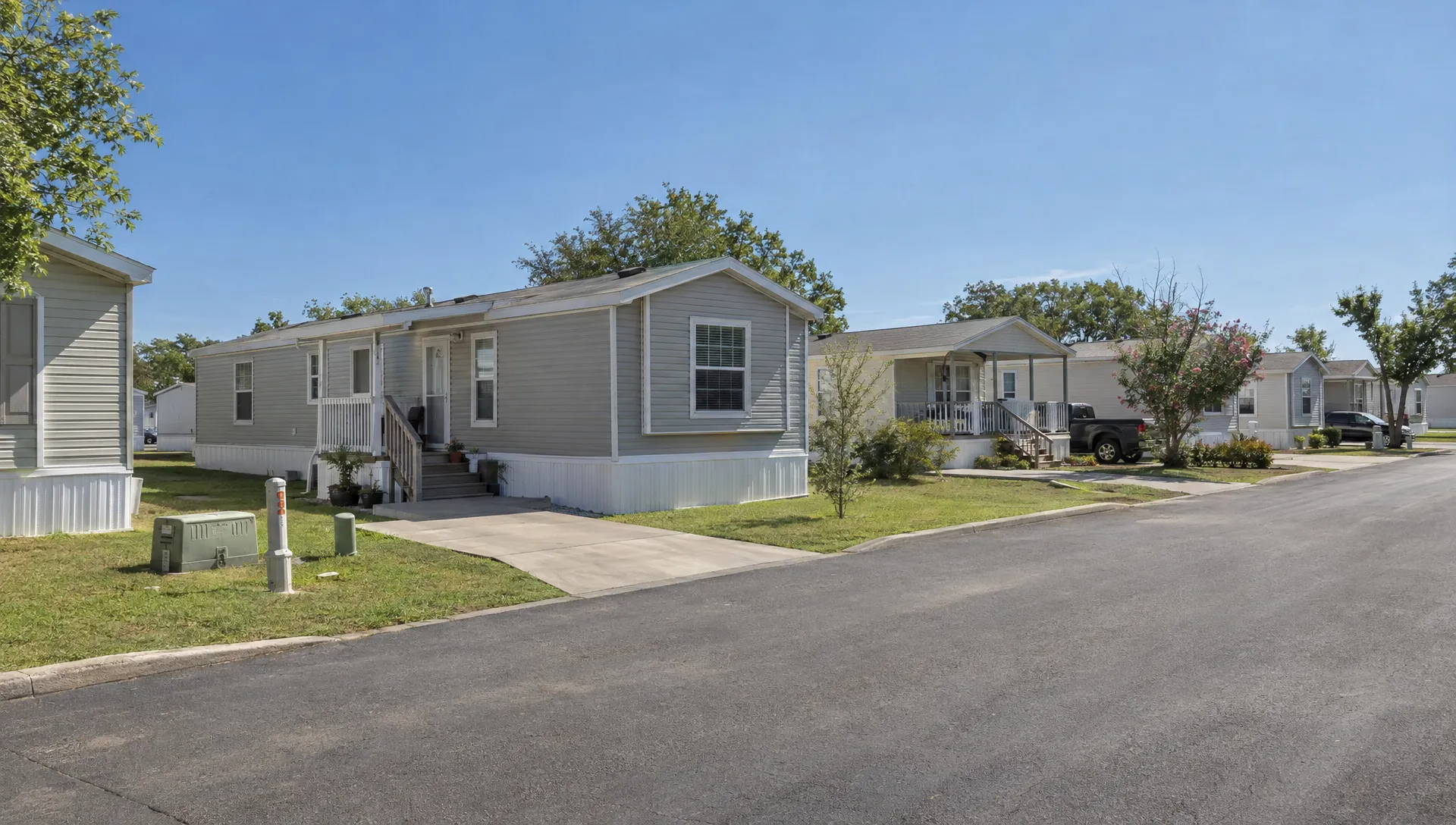

Buying a manufactured home in a park can be a practical path to homeownership, especially if you want a new or newer home without buying land separately. The main difference from buying a manufactured home for private property is that the purchase usually has two parts: you buy the home and lease the lot inside a manufactured home community.
That setup can make the process more affordable and convenient, but it also adds rules, approvals and ongoing costs you need to understand before signing. If you know what to expect up front, you can compare communities with confidence and choose a home that fits both your household and the park where it will be placed.
What buying a manufactured home in a park actually means
A manufactured home is a factory-built home constructed to the federal HUD Code, which has governed manufactured housing since June 15, 1976. HUD explains that these standards cover design, construction, durability, transportability, fire resistance, energy efficiency and quality control through its Manufactured Housing Program.
When that home is located in a park, often called a manufactured home community, you typically own the home itself but lease the land beneath it. Your monthly housing cost may include a home loan payment, lot rent, utilities, insurance, taxes and community fees.
That is different from buying a site-built home on a traditional lot, where the land and structure are usually financed together as real property. In a park, the land-lease arrangement can reduce the upfront cost of homeownership, but the community lease becomes a major part of your decision.
Expect to evaluate both the home and the community
A common mistake is focusing only on the floor plan. The home matters, of course, but the park controls the day-to-day environment around it. Before buying, you should look closely at the community location, lot size, lease terms, pet rules, parking, guest policies, utility setup and management responsiveness.
The best fit is not always the cheapest lot or the largest home. It is the combination that works for your budget, commute, family needs and lifestyle. A beautiful home can become frustrating if the community rules do not match how you live.
If you are still comparing locations, Homes2Go has a helpful manufactured home park tour checklist that goes deeper into what to look for during an in-person visit.
Budget for the full monthly cost, not just the home payment
When buying a manufactured home in a park, the advertised home payment is only one part of the picture. You need a full monthly budget that reflects the cost of owning the home and leasing the space.
| Cost category | What it may include | What to ask before buying |
|---|---|---|
| Home payment | Principal and interest on the manufactured home loan | Is the loan fixed-rate or variable, and what is the total term? |
| Lot rent | Monthly lease payment for the community space | What is included, and how are rent increases handled? |
| Utilities | Electric, water, sewer, trash, gas or internet | Are utilities billed by the provider, the park or both? |
| Insurance | Manufactured home coverage and possibly liability coverage | What coverage does the lender or community require? |
| Taxes and fees | Personal property tax, title fees or community charges | Which costs are due at closing and which recur monthly? |
| Maintenance | Home upkeep, skirting, steps, yard care or minor repairs | Which items are the homeowner’s responsibility? |
Ask for written estimates wherever possible. A lot rent number without utilities, insurance and fees can make the home look more affordable than it really is. A careful budget also helps lenders and community managers see that you are prepared.
Expect two approvals: financing and community approval
Buying in a park usually involves two separate approvals. First, you may need lender approval for the home purchase. Second, the manufactured home community may need to approve you as a resident.
The lender will typically review your credit, income, debt, employment and down payment. The community may review your rental history, background, household size, pets and ability to follow park rules. Each park can have its own application requirements, so ask for them early.
This two-track process can surprise buyers because a lender approval does not automatically mean the park will approve the residency application. The reverse is also true: a park may approve you, but the loan still has to close. Homes2Go’s guide to approval and closing steps for mobile homes for sale in parks explains that sequence in more detail.
For financing basics, the Consumer Financial Protection Bureau also provides a plain-language overview of manufactured housing loan options, including how financing can differ depending on whether land is included.
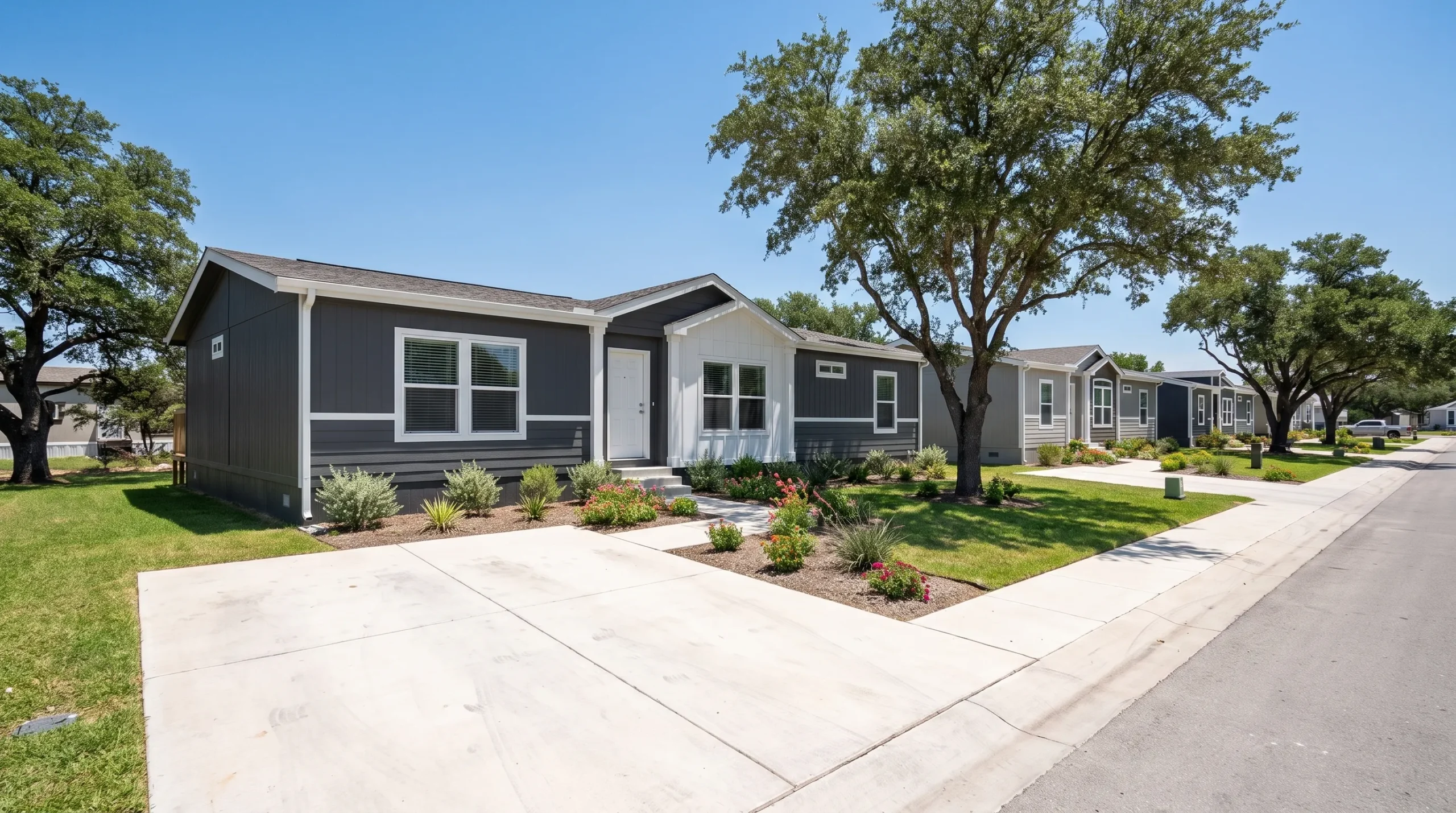
The lease matters as much as the floor plan
Because you are leasing the lot, the community lease deserves careful reading. Do not treat it like a formality. It can affect your monthly budget, your ability to sell the home later and what you are allowed to do on the property.
Pay close attention to policies around rent increases, late fees, maintenance duties, guests, parking, pets, exterior changes, storage sheds, fencing, landscaping and home resale. Some communities also have rules about home age, appearance, skirting, decks or steps.
Ask for the current rules in writing before you spend money on inspections, applications or moving plans. If a rule is not clear, ask the manager to explain how it works in real situations. You can also compare expectations using Homes2Go’s guide to mobile home park amenities, rules and fees.
Match the home size to the lot before you fall in love with a model
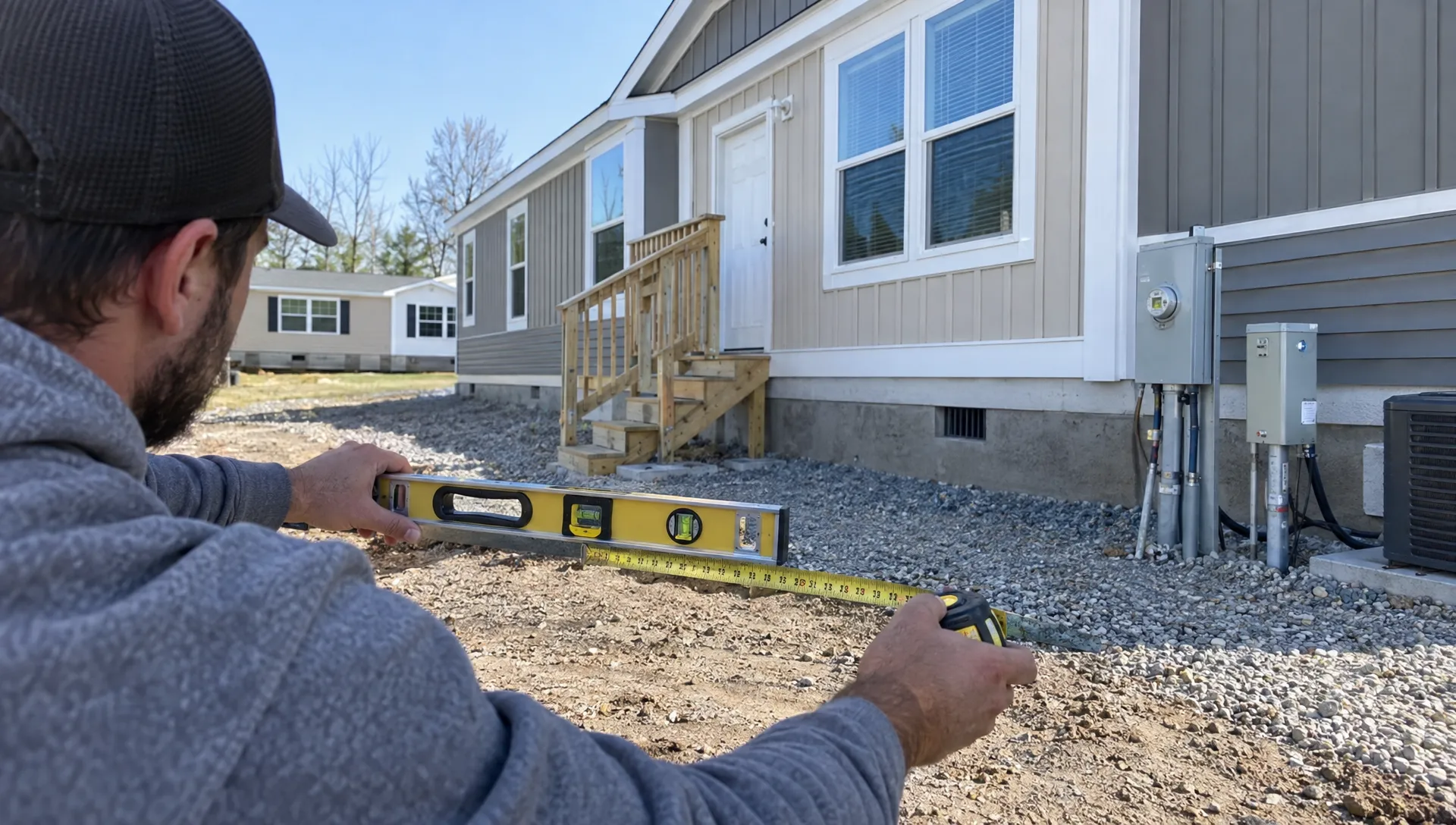
In a land-lease community, not every home fits every lot. Doublewide manufactured homes need enough width, depth, utility access and delivery clearance. The park may also require setbacks from roads, neighboring homes or property lines.
This is where choosing the home and choosing the community have to happen together. If your household needs more bedrooms, a larger doublewide can be a strong option, but you still need to verify that the community can accept the size and configuration.
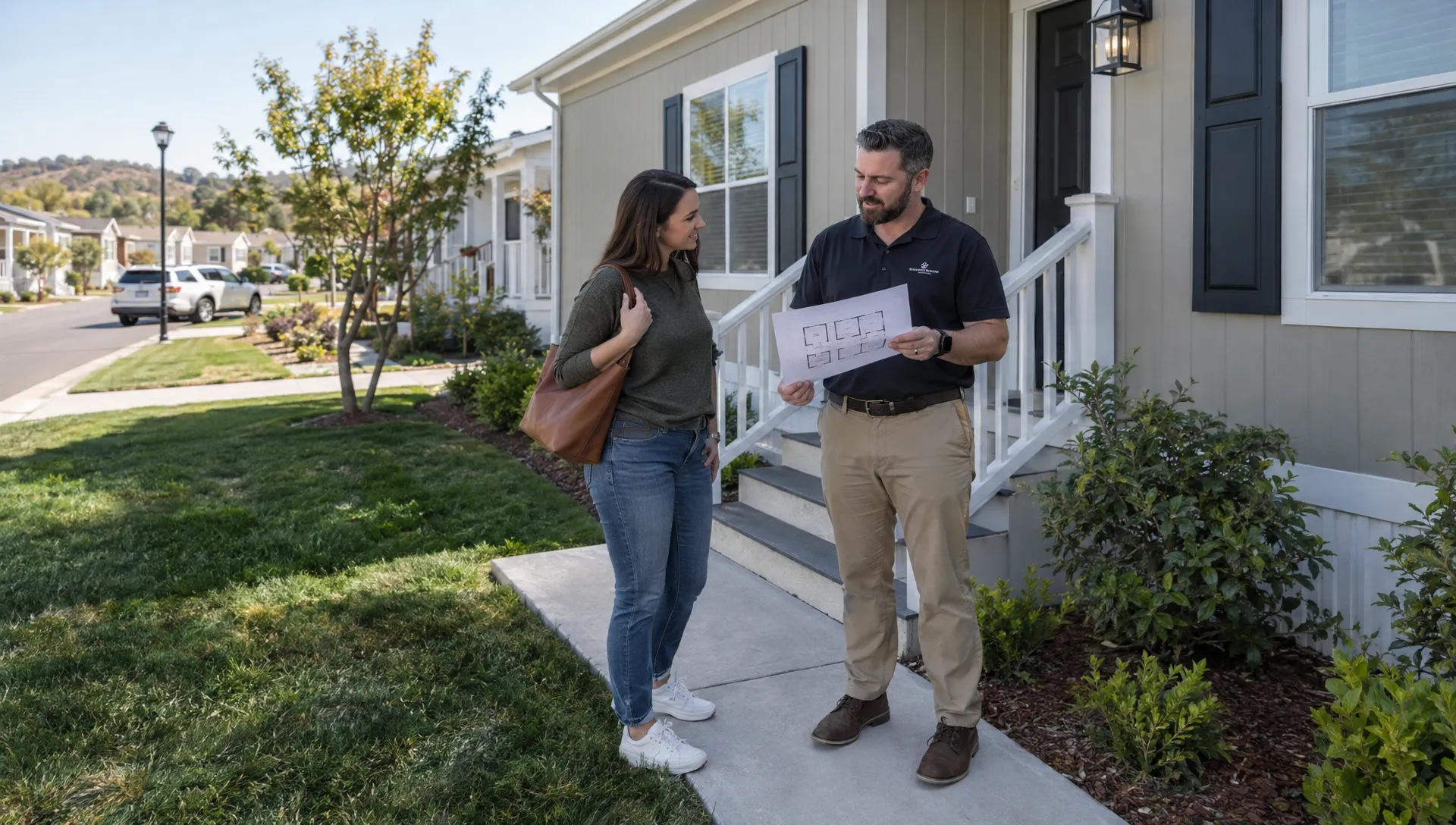
For example, the Oak Creek Hope is a 4 bedroom, 2 to 3 bathroom doublewide manufactured home with 2,077 square feet, based on Oak Creek Homes floor plan R76E. A home like this may appeal to buyers who need separate bedrooms, flexible family space or room for guests, but the lot fit should be confirmed before moving forward.
Another large-family option is the Legacy Anna, a 4 bedroom, 3 bathroom doublewide manufactured home with 2,120 square feet and 32' x 72' dimensions. It is Legacy Housing floor plan 32×72-43A and Legacy’s best-selling doublewide floor plan, making it worth comparing if you want a spacious layout and the community can accommodate the home.
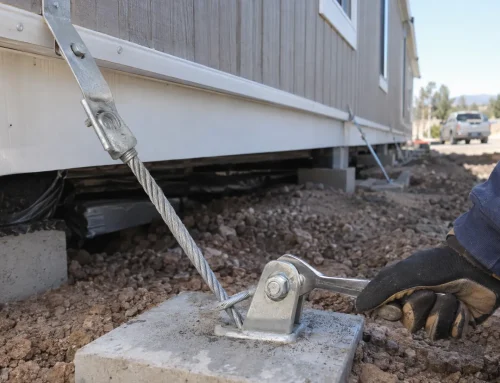
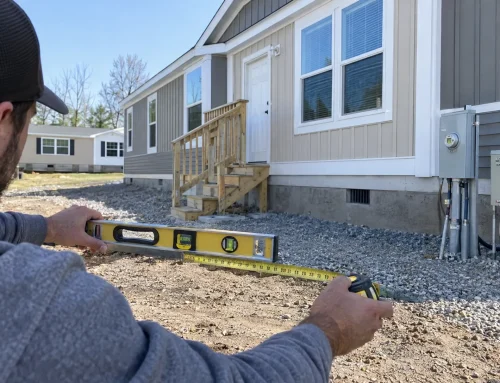
A good dealer will help you think beyond square footage. Delivery route, utility connection points, lot preparation, foundation requirements and community standards can all affect whether a specific model is practical for a specific park.
Understand setup, delivery and move-in timing
If you are buying a new manufactured home for placement in a park, the timeline is not only about closing the loan. The home may need to be ordered or prepared, transported, installed, connected to utilities and inspected before move-in.
Your exact timeline will depend on the home, the park, lender requirements, local permitting and contractor availability. In the San Antonio area, coordination matters because several parties may be involved: the dealer, lender, community, transport team, installation crew, utility providers and inspectors.
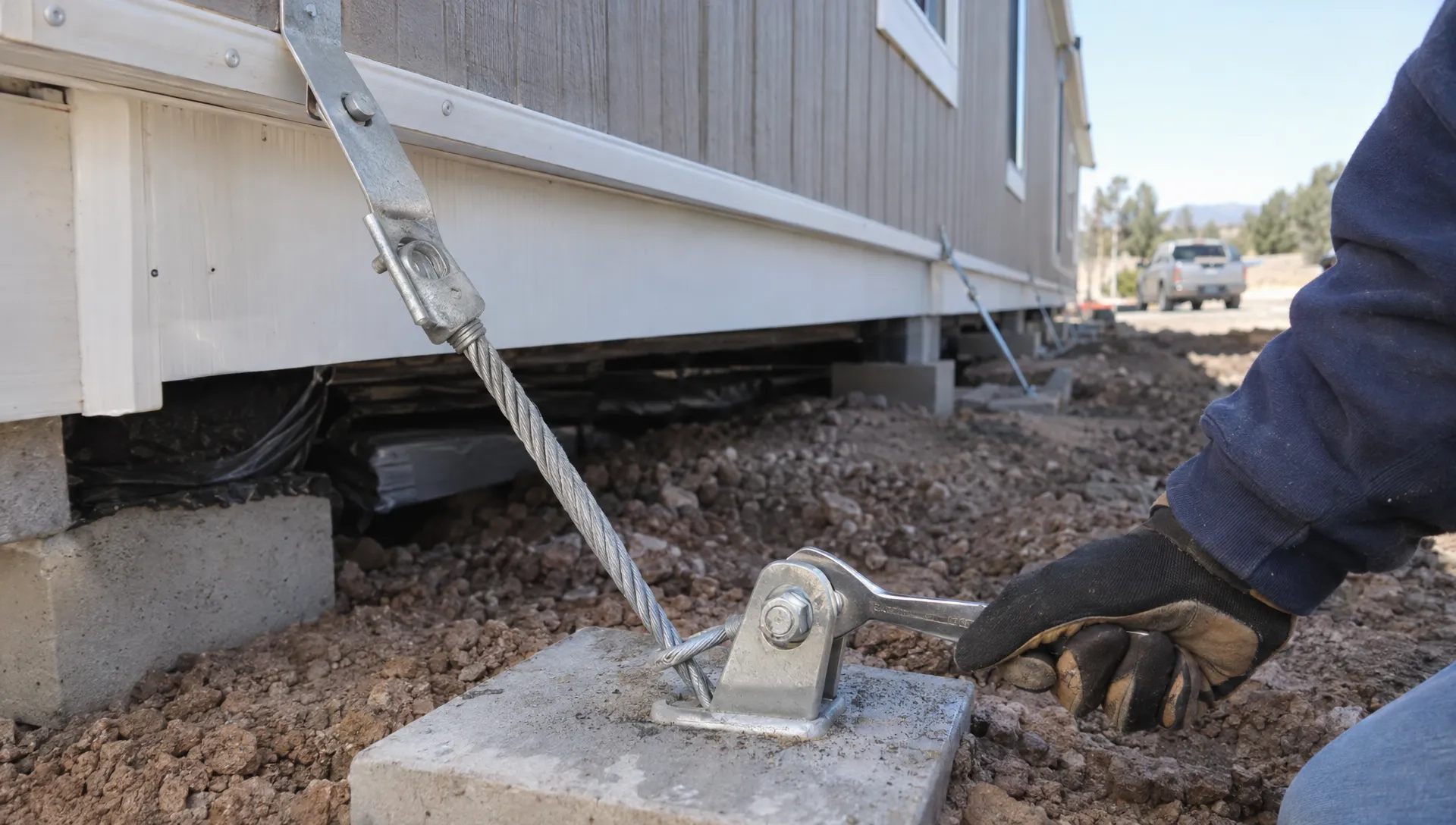
Ask who is responsible for each step. You should know who handles site preparation, utility connections, skirting, steps, air conditioning setup and final inspections. You should also ask what has to happen before the community will allow occupancy.
A move-in ready home may shorten the process, but you still need to confirm title, financing, lease approval and any required community paperwork.
What can make park living attractive
Buying a manufactured home in a park appeals to many buyers because it can simplify the land question. Instead of searching for private land, checking zoning, adding utilities and preparing a site, you may be able to move into a community that already has roads, utility infrastructure and established neighbors.
Some buyers also like that communities may offer amenities, managed common areas or a more predictable neighborhood setting. For first-time buyers, the structure can feel easier to navigate than buying land and coordinating every site improvement independently.
Here is a balanced way to compare the tradeoffs:
| Potential advantage | Possible tradeoff |
|---|---|
| Lower land-related upfront costs | Ongoing lot rent continues after the home is paid off |
| Existing utility infrastructure | Utility billing rules vary by community |
| Established neighborhood setting | Community rules limit some exterior choices |
| Possible amenities or common areas | Fees and access rules should be reviewed |
| Less private land responsibility | You do not control the land unless you own the lot separately |
The right choice depends on your priorities. If you value more land control, private property may be better. If you want a more accessible path into homeownership and a community setting, buying in a park can make sense.
Questions to ask before you commit
Before you sign a purchase agreement or lease, ask direct questions and take notes. Verbal answers are useful, but written documents are what you will rely on later.
- What is the current lot rent, and what does it include?
- How are lot rent increases communicated?
- Are utilities individually metered or billed through the community?
- What are the community approval requirements?
- Are pets, sheds, fencing, decks or carports allowed?
- Who maintains the lot, driveway, steps, skirting and landscaping?
- Can the home be sold in place later, and does the buyer need park approval?
- Are there restrictions on home age, size, exterior colors or additions?
If a community cannot answer basic questions clearly, slow down. Good communication before purchase is often a sign of better communication after move-in.
Frequently Asked Questions
Is buying a manufactured home in a park the same as buying land? Usually, no. In most park purchases, you own the manufactured home and lease the lot from the community. That means your monthly budget includes both the home payment and lot rent.
Can I finance a manufactured home in a park? Yes, many buyers use manufactured home financing, but the loan structure can differ when land is not included. Homes2Go works with trusted local lenders and can help buyers understand available financing paths without requiring them to figure it out alone.
Do I need park approval if I am already approved for the home loan? In most cases, yes. Community approval and lender approval are separate. The park may review your application before allowing you to lease a lot and live in the community.
Can I choose any manufactured home model for a park lot? Not always. The lot must fit the home’s dimensions and meet community requirements for setbacks, utilities, delivery access and appearance. Always confirm compatibility before finalizing a model.
What should first-time buyers watch most closely? Focus on total monthly cost, lease terms, community rules, financing conditions and move-in timing. A lower home payment does not always mean a lower total cost if lot rent, utilities and fees are higher than expected.
Get guidance before you buy in a park
Buying a manufactured home in a park can be a smart move when the home, community and budget all line up. The key is understanding the full process before you commit, including financing, park approval, lot rent, lease rules and home fit.
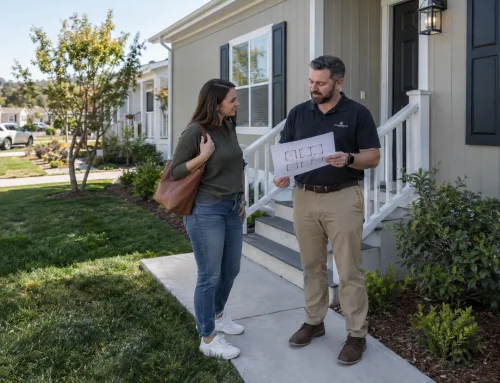
Homes2Go San Antonio helps buyers compare manufactured home models, review floor plans and navigate the steps that come with buying in or near San Antonio. If you are considering a park community, start by exploring available homes through Homes2Go and talk with a local team that can help you move from questions to a realistic plan.
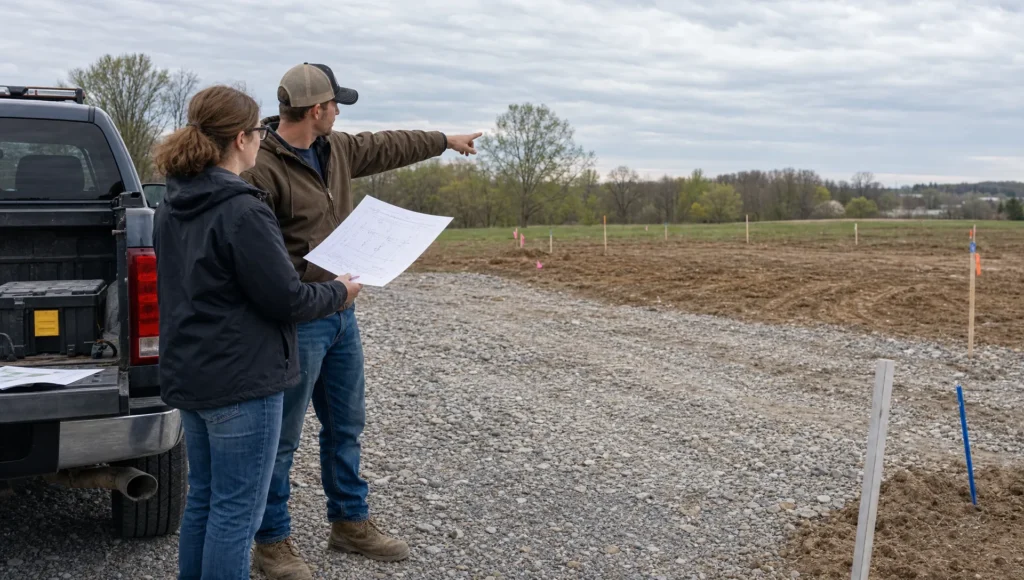 Buying Land for a Manufactured Home: Step-by-Step
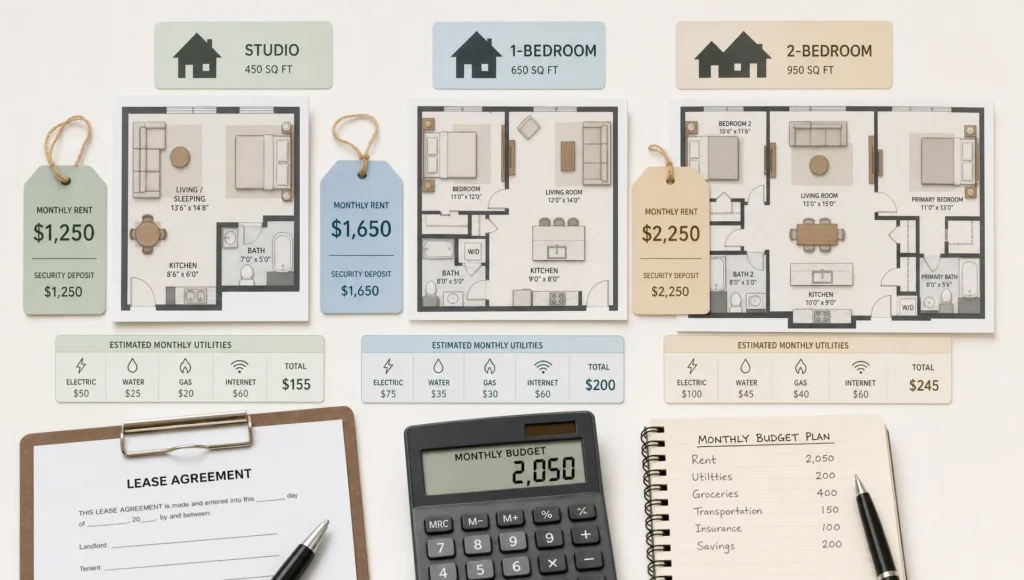 Double Wide Homes for Rent: Costs, Leases, and Fit