
Buying land and putting a manufactured home on it can be one of the most practical paths to homeownership around San Antonio. You get more control over location, yard size, privacy and long-term ownership than you would with a leased lot. You also take on more decisions before the home ever arrives.
The land must allow manufactured homes, support utilities, provide safe delivery access and meet local permit requirements. A beautiful parcel can become expensive fast if it needs a long utility run, a new septic system, major grading or a driveway that was not part of your first budget.
Use this step-by-step guide to evaluate land, choose the right home and avoid the most common surprises when buying land for a manufactured home in Texas.
Step 1: Build a full land-plus-home budget
Start with the total project, not just the land price or the home payment. Raw land can look affordable until you add utilities, site work, permits, driveway access and installation.
Your budget should account for the land, the manufactured home, delivery, foundation or support system, tie-downs, skirting if required, utility connections, septic or sewer, water service, electric service, permits, insurance, property taxes and closing costs. If the property is outside city utilities, you may also need a well, septic design, soil evaluation or longer utility trenching.
A written estimate is better than a verbal ballpark. Ask every vendor what is included, what is excluded and what might change after inspections. If you are comparing private land with bundled options, Homes2Go has a separate guide on how manufactured homes with land packages work so you can understand the difference between buying land separately and purchasing a more coordinated package.
| Budget item | Why it matters before you buy land |
|---|---|
| Land price and closing costs | Sets the base cost and affects loan structure |
| Site preparation | Clearing, grading and pad work can vary widely by lot |
| Water and wastewater | Septic, sewer, well or water meter requirements can change feasibility |
| Electric connection | Distance from existing service affects cost and timing |
| Delivery and setup | Access, road width and home size influence delivery planning |
| Permits and inspections | Requirements vary by city, county and utility provider |
| Insurance and taxes | Ongoing costs affect monthly affordability |
Step 2: Decide what type of land fits your plans
Not every buyer needs the same kind of property. Some want acreage outside the city, some want a small residential lot close to work and schools, and others want a property that already has utilities from a previous home.
Improved land usually costs more upfront but may reduce uncertainty if water, electric, driveway access and septic or sewer connections are already in place. Raw land may cost less but can require more due diligence and more cash before move-in.
Think about lifestyle too. A larger rural lot may offer space and privacy, but it can also mean longer drives, private road maintenance, limited internet options or more complex utility work. A smaller lot closer to San Antonio may have better access to services, but zoning, subdivision rules or deed restrictions may be stricter.
Step 3: Check whether manufactured homes are allowed
This is the step to complete before you fall in love with a parcel. In Texas, the answer depends on where the land is located and what restrictions apply to that specific property.
Inside city limits, zoning ordinances may control where manufactured homes can be placed. Outside city limits, counties usually have more limited zoning authority, but subdivision rules, floodplain regulations, septic rules, utility requirements, easements and private deed restrictions still matter. Some subdivisions prohibit manufactured homes even when the county does not.
Before making an offer, check with the city planning department, county development office, local utility providers and the title company. Ask for written confirmation whenever possible. You should also review the deed restrictions, HOA rules, recorded plats and any architectural standards that apply to the lot.
For a deeper look at land-use checks, the Homes2Go guide to zoning, utilities and access for mobile home land breaks down the issues buyers should verify before committing to a property.
Step 4: Get financing guidance early
Financing land and a manufactured home can be structured in different ways. Some buyers use a land loan first, then finance the home separately. Others use a construction-to-permanent loan, FHA loan, VA loan, USDA loan or another manufactured home financing option if they qualify and the property meets lender requirements.
The right structure depends on whether you already own the land, whether the home will be permanently attached, whether the lender treats the property as real estate, your credit profile, down payment and the condition of the land.
In Texas, manufactured homes are documented through the Texas Department of Housing and Community Affairs Manufactured Housing Division. A manufactured home may be treated differently depending on whether it is elected as personal property or real property on the Statement of Ownership. If your goal is long-term real estate ownership, talk with your lender, title company and retailer early so the land purchase, home purchase and installation plan match the financing requirements.
If you are exploring government-backed options, you can review Homes2Go's step-by-step guide on how to apply for an FHA mobile home loan before you start making offers.
Step 5: Study access, setbacks and the home footprint
A manufactured home has to fit the land legally and physically. Legal fit means the home meets setback rules, easements, minimum lot size rules and local placement requirements. Physical fit means the home can be delivered, turned, placed and serviced without major obstacles.
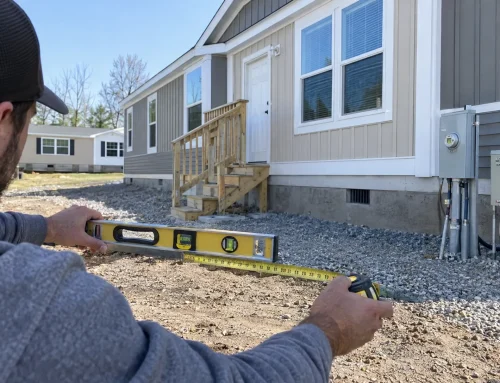
Pay close attention to road frontage, driveway location, gates, low trees, culverts, overhead lines, bridges, soft ground and tight turns. A lot may look spacious on a map but still be hard to access with transport equipment.
This is where choosing a floor plan and evaluating land should happen together. A wider doublewide layout such as the Legacy Heritage H-3248-32A, a 3 bedroom, 2 bathroom, 1,372 sq ft home with 32' x 48' dimensions, will create different site planning needs than a longer and narrower layout such as the Legacy Heritage H-1680-32J, a 3 bedroom, 2 bathroom, 1,193 sq ft home with 16' x 80' dimensions. Neither footprint is automatically better. The right choice depends on your lot shape, setback lines, driveway access, family needs and budget.
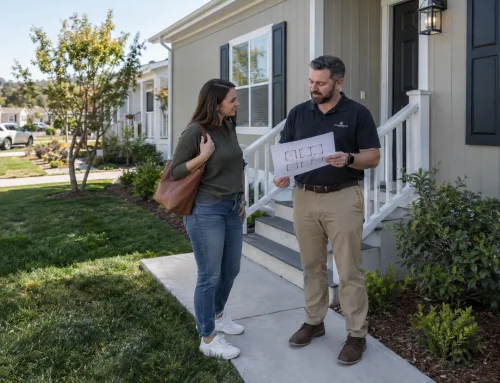
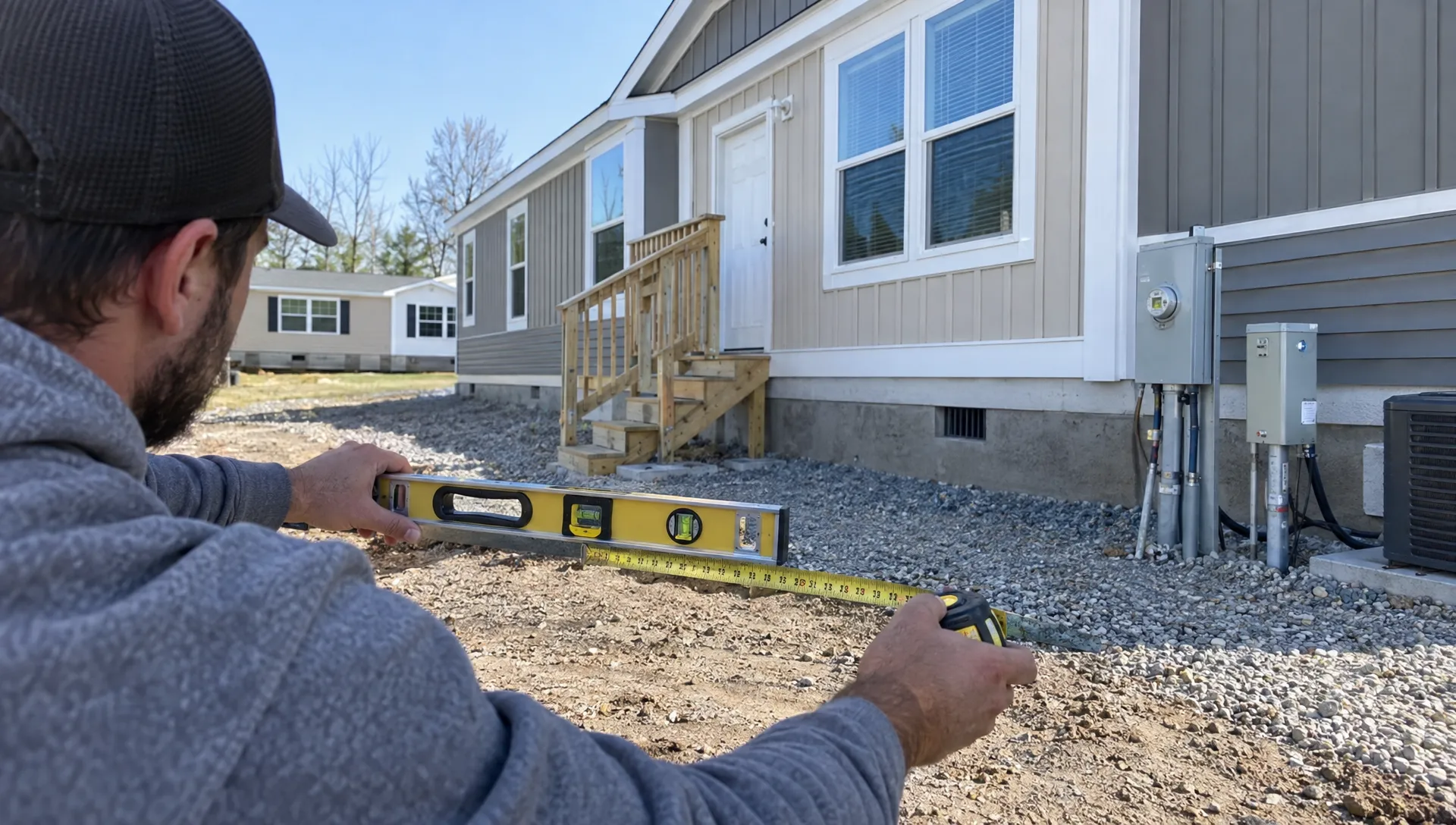
Ask for a survey or site sketch before finalizing the home placement. You want to know where the home, driveway, septic area, utility lines and any future improvements will go.
Step 6: Verify water, wastewater, electric and internet
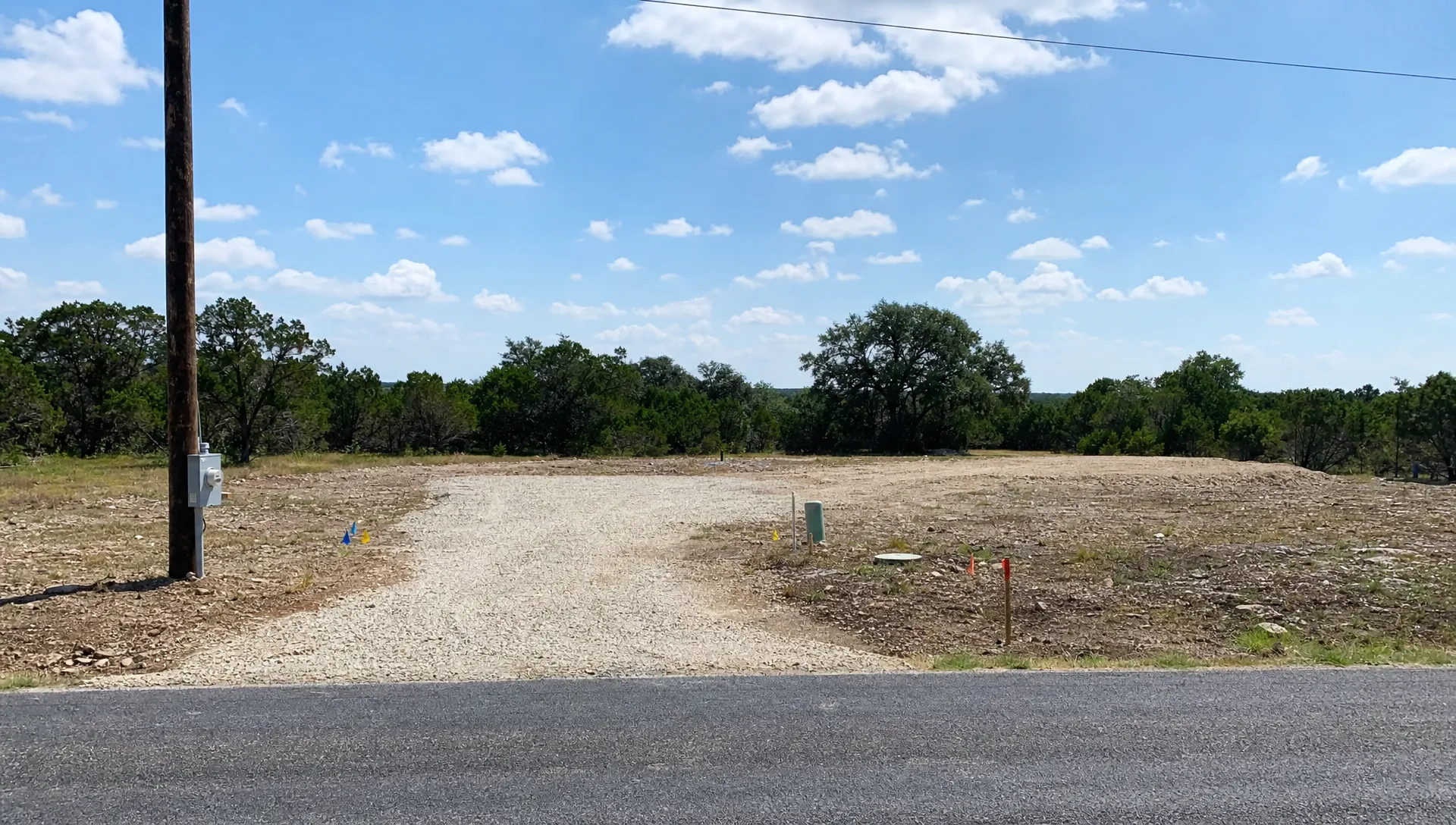
Utilities can make or break the deal. Before buying land for a manufactured home, confirm how the property will get water, how wastewater will be handled and how electricity will reach the home site.
For water, the parcel may connect to a public water system, a rural water supply corporation or a private well. Each option has its own fees, timelines and approval process. For wastewater, the property may connect to sewer or need an on-site septic system. Septic feasibility can depend on soil conditions, lot size, slope, floodplain status and local rules.
Electric service should be confirmed with the utility provider, not assumed from nearby power poles. Ask about the distance to service, meter requirements, easements, trenching, transformer needs and estimated timelines. Internet access also deserves attention, especially outside urban areas. A parcel that looks close to town may still have limited wired internet choices.
Step 7: Check flood risk, drainage and soil conditions
Flood risk is more than a lender issue. It affects safety, insurance, foundation planning, driveway design and long-term maintenance. Use the FEMA Flood Map Service Center to check mapped flood zones, then verify locally because drainage problems can exist outside mapped flood areas.
Walk the property after rain if possible. Look for standing water, washed-out areas, deep ruts, eroded ditches and signs that neighboring land drains onto the parcel. If the property needs a septic system, drainage and soil are even more important because a poor site may require a more expensive system or may not qualify at all.
A survey, floodplain review and soil or septic evaluation can feel like extra steps, but they are cheaper than buying land that cannot support the home you want.
Step 8: Review title, easements and deed restrictions
A title company can help identify ownership issues, liens, recorded easements and other matters that affect the property. Easements are especially important because they can limit where you place the home, driveway, fence, septic system or utility lines.
Review the survey and title commitment carefully. Common issues include utility easements across the front of the property, shared access roads, drainage easements, pipeline easements and old restrictions that limit the type or size of home allowed. If a private road provides access, confirm who maintains it and whether you have a recorded legal right to use it.
This is also the time to confirm mineral rights questions, tax status, rollback taxes if agricultural valuation is removed and any unpaid assessments. Not every issue should stop the purchase, but every issue should be understood before closing.
Step 9: Make an offer with the right contingencies
A land offer should give you enough time to verify that the property works for your manufactured home. The exact contract language should come from your real estate professional or attorney, but the idea is simple: do not give up your option period or due diligence protections too quickly.
Useful contingencies may address financing approval, survey review, title review, manufactured home approval, utility availability, septic feasibility, floodplain review and permit feasibility. If the seller or listing agent says manufactured homes are allowed, still verify it through the proper offices and documents.
A strong offer is not only about price. It is about giving yourself a clear path to close with confidence.
Step 10: Choose the home and finalize the site plan
Once the land checks out, match the home to the site and your daily life. Look at bedroom count, storage, kitchen layout, energy-efficient features, window placement, porch plans and how the home will sit on the lot. A floor plan that looks great on paper should also make sense with the driveway, sun exposure, views, privacy and future additions.
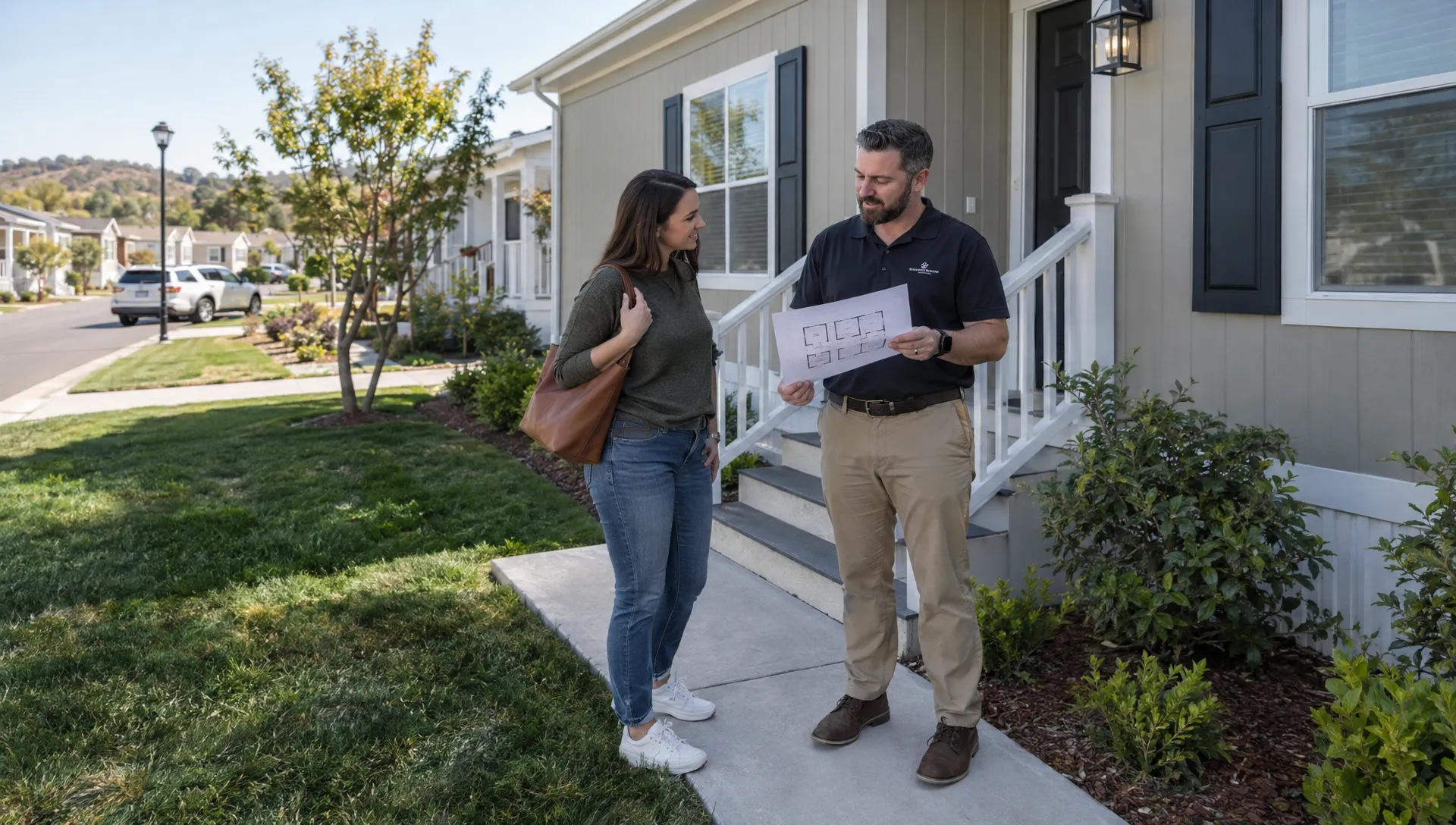
Homes2Go San Antonio offers a wide selection of manufactured home models, detailed floor plans, modern interiors and guidance for first-time buyers. When you review models, bring your land details with you: survey, deed restrictions, utility notes, driveway information and any setback requirements. That helps your home consultant understand what will actually work on the property.
If you have not purchased the land yet, this is still a good time to talk with a retailer. A home professional may spot delivery, setup or footprint concerns that are easy to miss during a casual land showing.
Step 11: Handle permits, installation and inspections
Manufactured homes are built to the federal HUD Code, which has governed manufactured housing construction since 1976. HUD explains that the program covers construction, design, performance and installation standards for manufactured homes through its Manufactured Housing Program.
In Texas, installation and ownership documentation involve the Texas Department of Housing and Community Affairs Manufactured Housing Division. You can review state manufactured housing information through TDHCA, but your retailer, installer, lender and local permitting office should guide the exact steps for your project.
Permit requirements vary by jurisdiction. Depending on the property, you may need development permits, septic permits, driveway or culvert approval, electrical permits, floodplain permits, foundation or installation inspections and a certificate of occupancy or final approval. Ask who is responsible for each item and get the answer in writing.
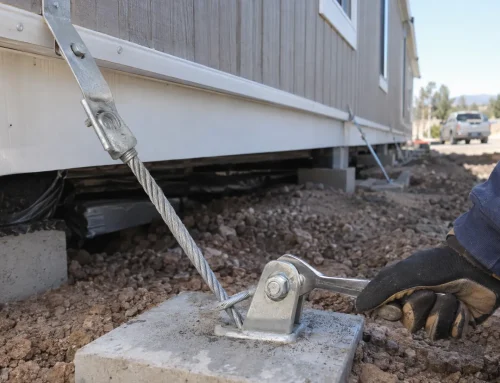
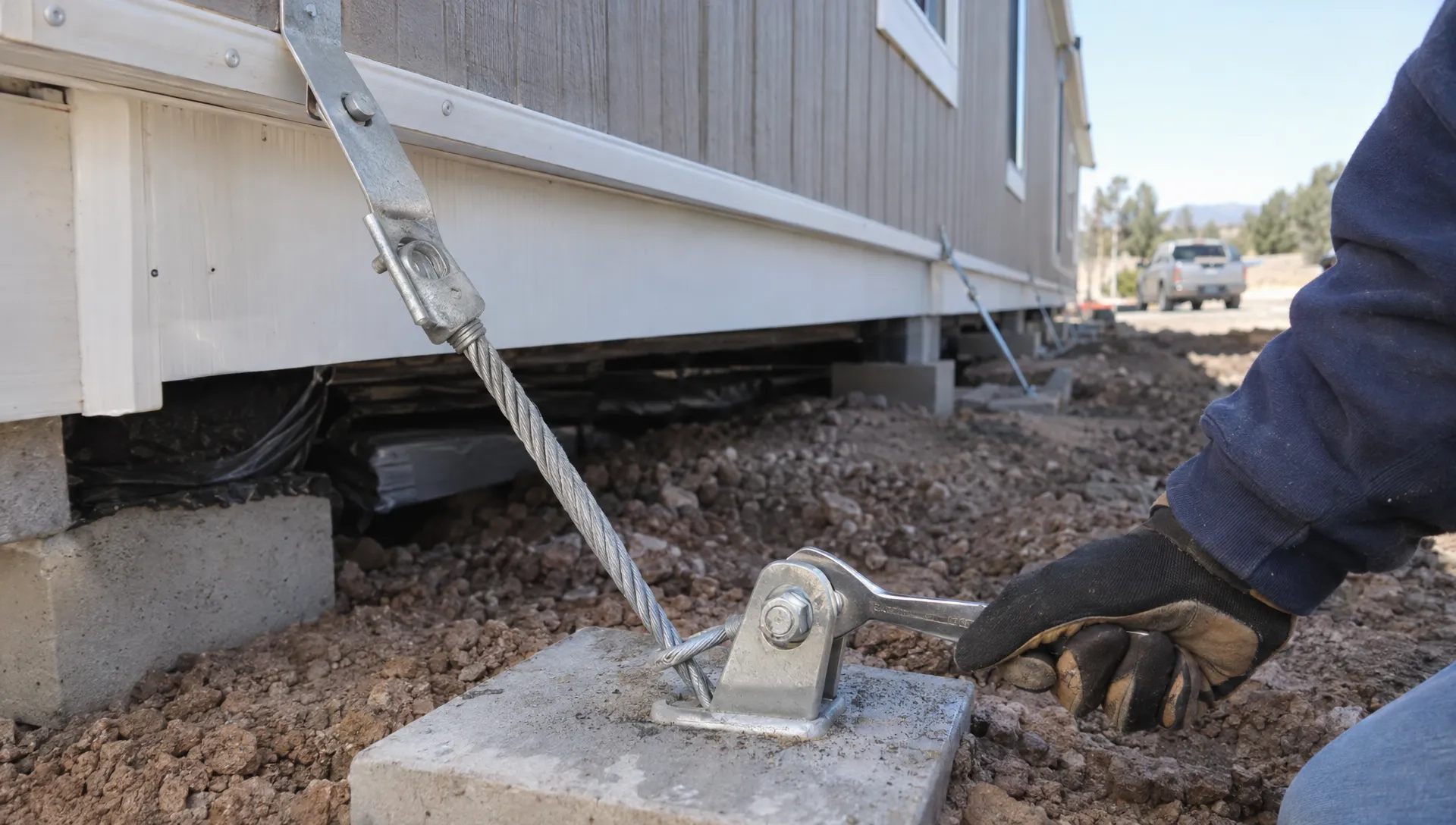
The installation plan should address the foundation or support system, anchoring, utility connections, skirting if applicable, steps, landings and any local requirements. Do not schedule delivery until the site is ready, access is clear and the installer confirms the plan.
Step 12: Close, prepare the site and move in
The final stage has several moving parts. Closing on land, ordering the home, preparing the site, completing utilities and scheduling delivery must line up in the right order. Delays often happen when utility work, permit approvals or weather affect the site preparation schedule.
Before move-in, confirm that water, wastewater, electric and required inspections are complete. Make sure your insurance is active and ask your lender or title company how property taxes and any homestead exemption steps should be handled after closing. Keep copies of your purchase documents, Statement of Ownership, installation documents, permits, warranties and inspection approvals in one place.
A manufactured home on your own land can be a smart long-term housing choice, but it rewards careful planning. The buyers who have the smoothest experience usually verify land rules first, budget for site work honestly and coordinate financing, home selection and permitting before money is locked in.
Quick pre-offer checklist
Use this checklist before you commit to a parcel:
- Confirm manufactured homes are allowed by zoning, deed restrictions, HOA rules and subdivision rules.
- Verify legal access, road frontage and driveway feasibility.
- Check water source, wastewater plan, electric availability and internet options.
- Review floodplain status, drainage patterns and soil or septic feasibility.
- Compare the lot shape and setbacks with the dimensions of the home you want.
- Ask for a survey, title review and copies of recorded restrictions.
- Get written estimates for major site work before finalizing your budget.
- Coordinate with your lender before choosing a contract structure.
Frequently Asked Questions
Can I put a manufactured home on any land I buy in Texas? No. The land must allow manufactured homes under applicable zoning, deed restrictions, subdivision rules and local development requirements. Always verify before making an offer or during your option period.
Is it cheaper to buy land separately or choose a land-home package? It depends on the property, utility needs, financing and site preparation. Buying separately may give you more control, but a package may simplify coordination. Compare written scopes, not just advertised prices.
Do I need utilities already on the land? Not always, but land without utilities can add cost and time. Before buying, confirm water, wastewater, electric and access requirements with the appropriate providers and local offices.
Can a manufactured home become real property in Texas? It may be possible when the buyer owns the land and the home is properly installed and documented according to lender and state requirements. Confirm the process with your lender, title company and the Texas manufactured housing division.
What size land do I need for a manufactured home? There is no single answer. The required lot size depends on local rules, setbacks, easements, septic needs, driveway access and the dimensions of the home. A survey and site plan are the safest way to confirm fit.
Talk through your land and home plan with Homes2Go San Antonio
If you are buying land and putting a manufactured home on it, the best next step is to connect your land search with your home search. Homes2Go San Antonio can help you compare manufactured home models, review floor plans, discuss flexible financing options and understand what to consider before choosing a site.
Visit Homes2Go San Antonio to explore available homes and get guidance on finding a manufactured home that fits your land, budget and homeownership goals.
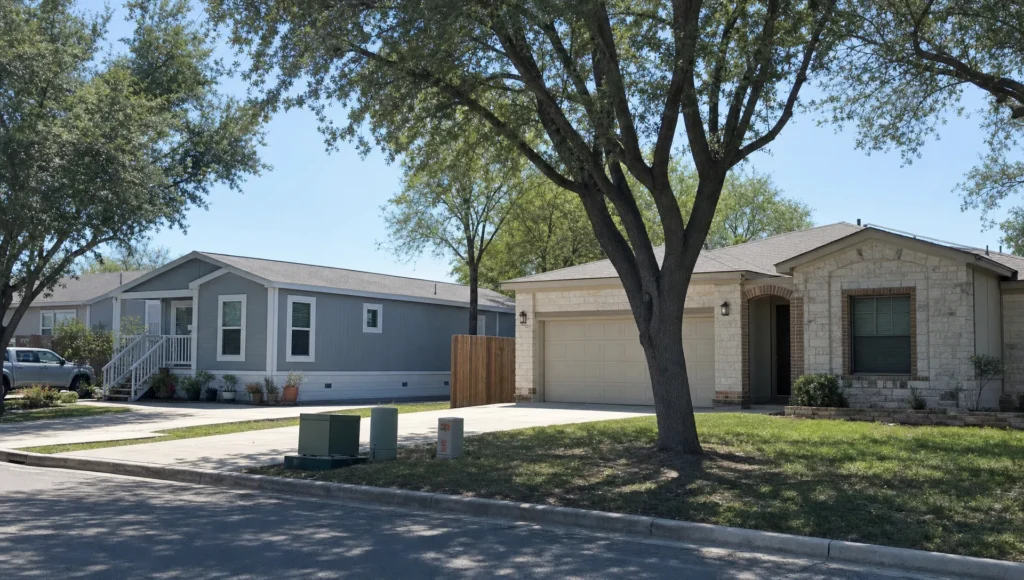 Utility Bills Comparison: Manufactured vs Site-Built Homes
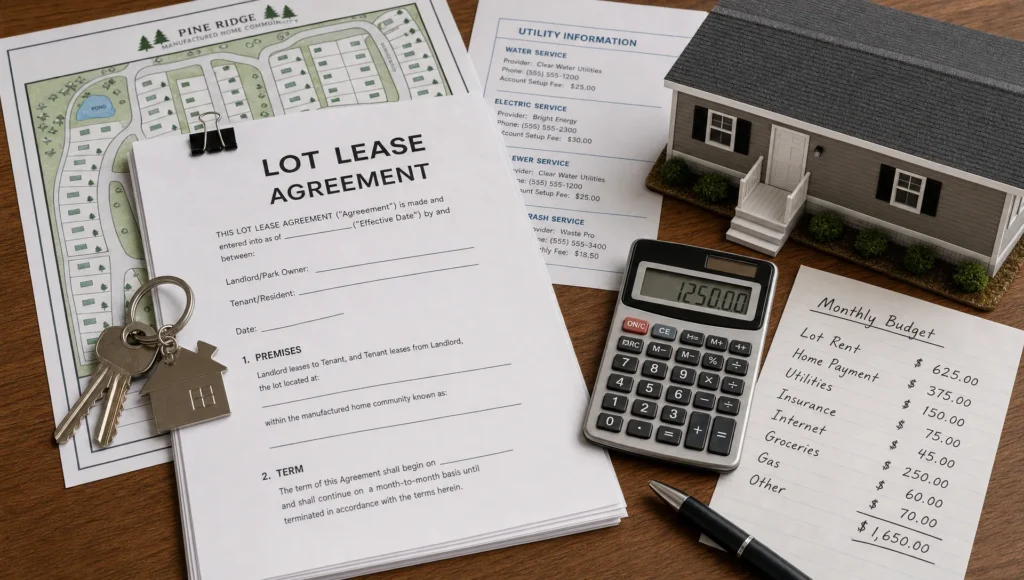 Buying a Manufactured Home in a Park: What to Expect