
Buying a manufactured home with FHA financing can feel confusing at first because several things have to line up at the same time: you have to qualify as a borrower, the home has to meet FHA and HUD standards and the land or community setup has to fit the loan type. The good news is that mobile home FHA guidelines are much easier to understand when you separate them into those three buckets.
One quick note on language: buyers often say mobile home, but FHA and HUD usually use manufactured home for homes built to the federal HUD Code after June 15, 1976. Older true mobile homes, built before that date, generally do not qualify for FHA manufactured home financing.
This guide keeps the rules practical. Use it as a buyer checklist before you choose a model, apply with a lender or put money into site preparation.
The Simple FHA Rule: Buyer, Home and Site Must All Qualify
FHA does not approve a manufactured home just because it is affordable or move-in ready. The lender has to document that the entire purchase fits FHA rules. In plain English, that means three approvals happen together.
| FHA approval area | What the lender checks | Why it matters |
|---|---|---|
| Buyer | Credit, income, debt, employment history and funds to close | FHA insures the loan only when the borrower meets program and lender standards |
| Home | HUD Code status, labels, data plate, size, condition and appraisal | FHA requires the home to be eligible collateral |
| Site and installation | Foundation, utilities, access, permits, flood considerations and title status | The home must be legally and safely installed where it will stay |
This is why a buyer can be financially qualified but still run into problems if the home is missing documentation. It is also why a great home may not work for a specific buyer if the site, community or land arrangement does not match the FHA loan being used.
For a deeper rule-by-rule overview, Homes2Go has a separate guide to FHA loan guidelines for manufactured homes in 2026. This article focuses on the simpler buyer view, what to ask and what to prepare.
FHA Title I vs. Title II: Know What You Are Financing
Most confusion starts here. FHA has different paths for manufactured homes, and they are not interchangeable.
FHA Title I can insure loans for a manufactured home, a lot or both, depending on the approved lender and transaction. HUD explains its manufactured home loan insurance program on its Title I manufactured home page. Title I may be relevant when the home is treated more like personal property, such as a home placed in a leased community.
FHA Title II is closer to a traditional FHA mortgage. It is typically used when the manufactured home and land are financed together as real property. This path usually requires a permanent foundation, real-property classification and a full FHA appraisal process.
The key question to ask early is simple: are you financing only the home, the home and land together or a home that will sit in a leased community? That answer shapes the lender, paperwork and timeline.
Buyer Guidelines: What FHA Lenders Review
FHA financing is designed to make homeownership more accessible, but it is still a documented loan process. A lender will review your ability and willingness to repay. Expect to provide income records, bank statements, identification, employment history and details about current debts.
For many FHA Title II borrowers, the down payment can be lower than a conventional mortgage if credit and program requirements are met. Lenders can also apply their own overlays, which means one FHA lender may ask for stronger credit, more reserves or additional documentation than another. That is one reason local manufactured home lending experience matters.
Before you fall in love with a floor plan, ask your lender these questions:
- Do you offer FHA loans for manufactured homes in Texas?
- Is this transaction likely to be Title I or Title II?
- Do you finance homes in manufactured home communities?
- What credit, income and down payment documents should I gather now?
- Will you require an engineer foundation certification?
- What could delay approval after the home is selected?
If you want the application process broken into order, the guide on how to apply for an FHA mobile home loan step by step walks through the sequence from prequalification to closing.
Home Guidelines: What Makes a Manufactured Home FHA-Eligible
The home itself has to pass FHA and HUD requirements. At minimum, the home must be a manufactured home built after June 15, 1976 and built to the HUD Code. The federal manufactured housing construction and safety standards are found in 24 CFR Part 3280, which covers many construction, safety and performance requirements.
FHA lenders commonly look for these home-related items:
- HUD certification labels on the exterior of each transportable section
- A HUD data plate, usually located inside the home
- A minimum size that meets FHA manufactured housing requirements
- Evidence that the home is designed as a dwelling on a permanent chassis
- Condition that meets FHA appraisal standards
- No major safety, structural or livability issues
- Documentation that matches the home, serial number and ownership records
A missing HUD label or data plate does not always mean the transaction is impossible, but it can slow things down. Replacement verification may be needed through the Institute for Building Technology and Safety or other accepted documentation channels. The sooner you confirm the labels and data plate, the better.
This is also where newer inventory can make the buyer experience smoother. A clearly documented model, dealer paperwork and available floor plan details help the lender and appraiser connect the dots.
Foundation, Installation and Site Guidelines
For many buyers, the home looks like the main requirement. In FHA financing, the site can matter just as much.
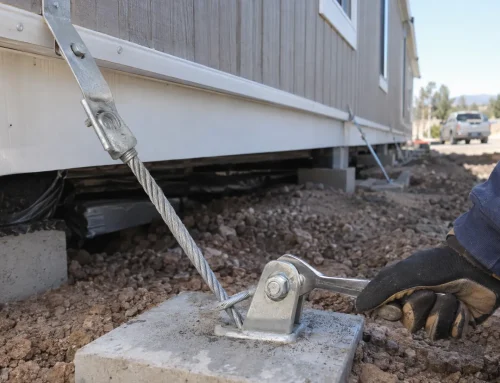
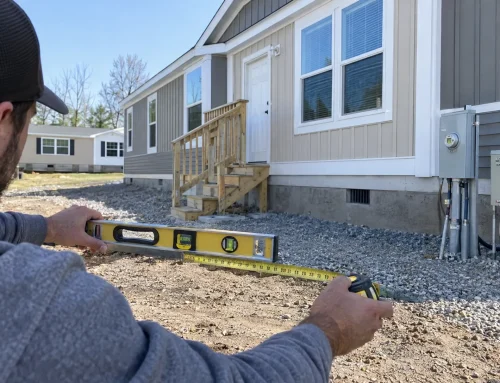
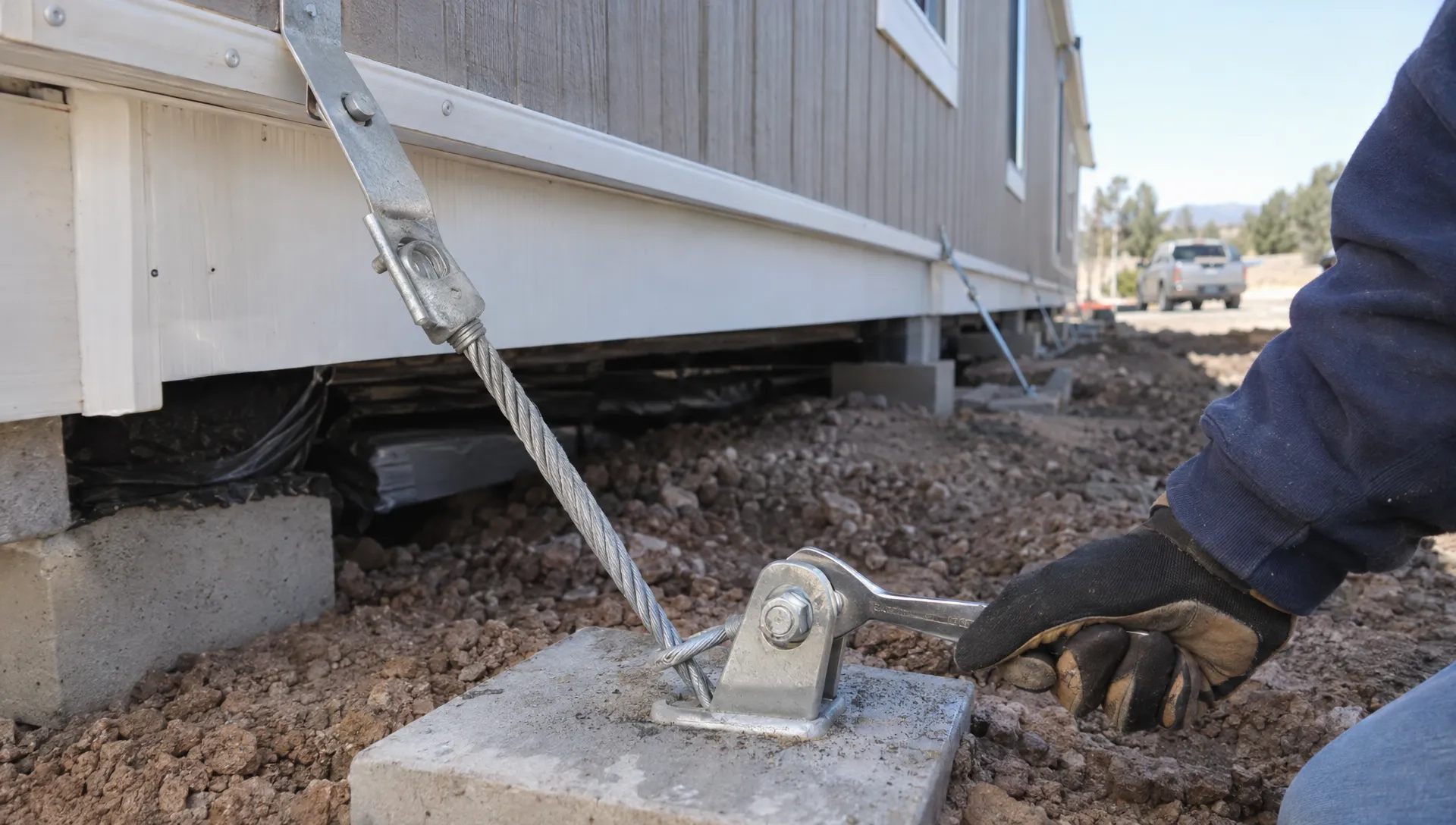
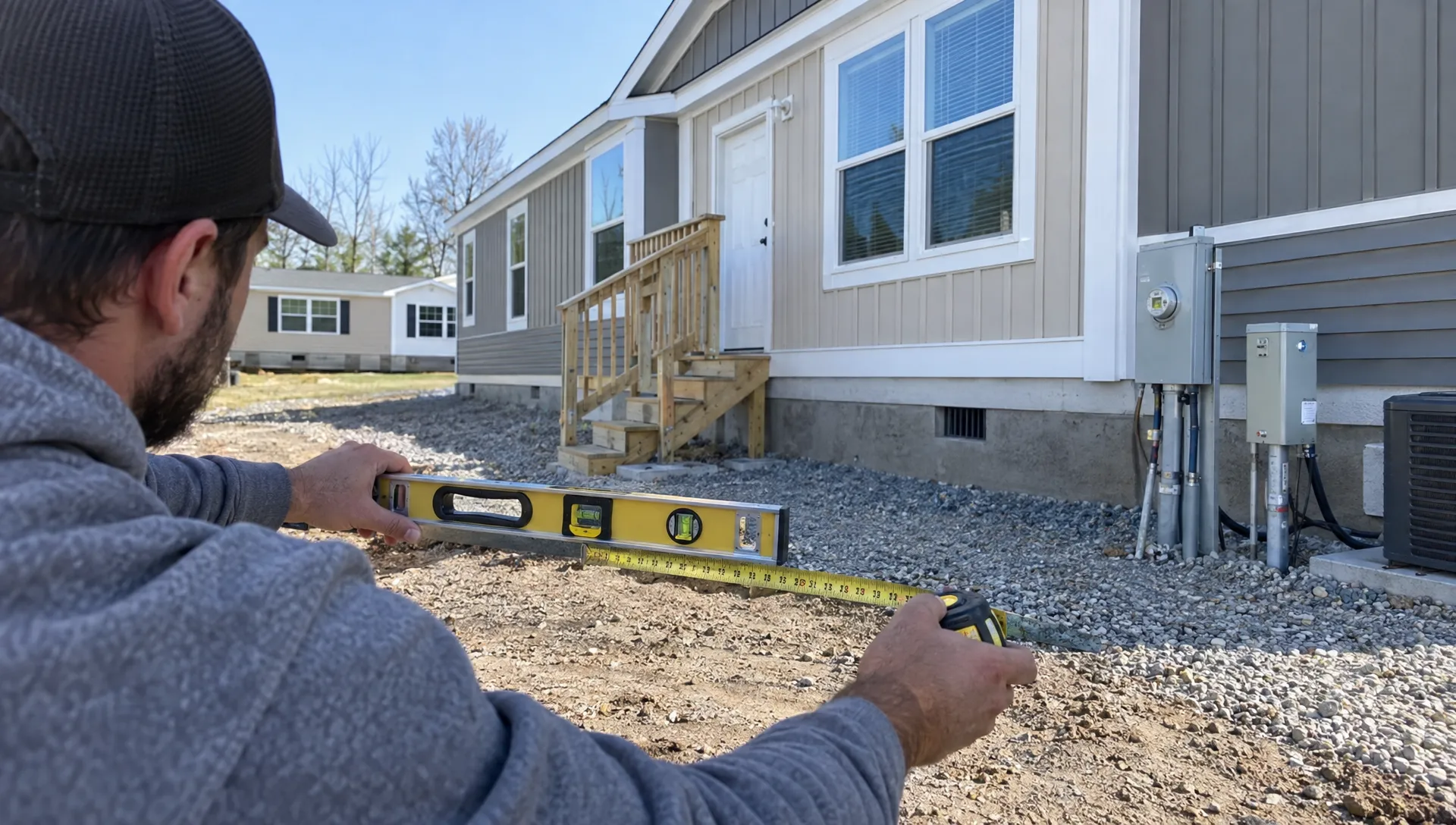
If you are using FHA Title II, the manufactured home usually needs to be installed on a permanent foundation that meets FHA criteria. Lenders often require an engineer certification confirming that the foundation complies with the Permanent Foundations Guide for Manufactured Housing. The home also needs acceptable access, utilities, drainage and local approvals.
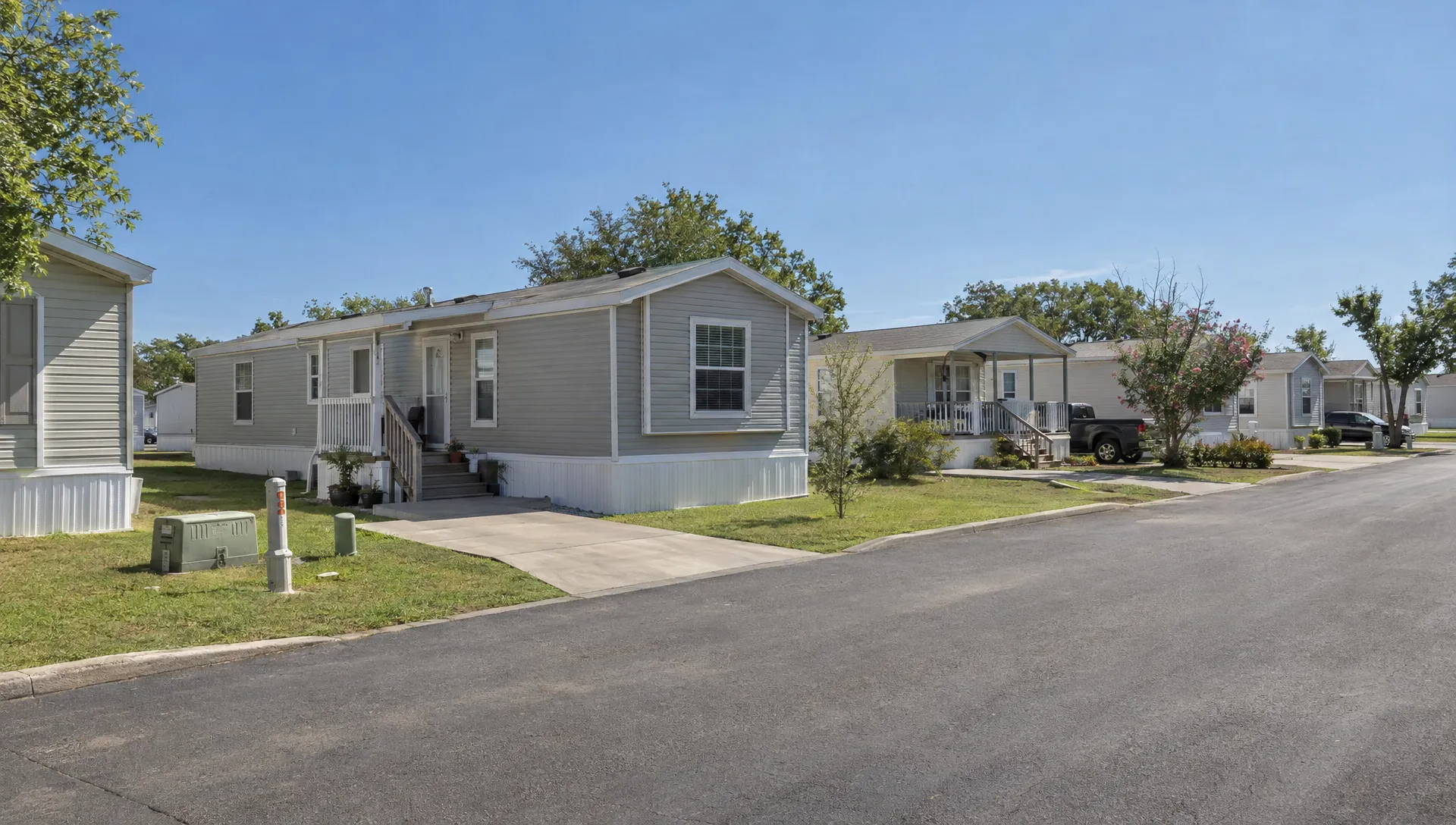
In Texas, paperwork around ownership status matters too. Manufactured home ownership records are handled through the Texas Department of Housing and Community Affairs. If the home and land are being financed together as real property, the records need to support that treatment. If the home is being placed in a community, the lender will review the lease or community arrangement under the applicable program rules.
A buyer-friendly way to think about it is this: FHA wants to know the home is built correctly, installed correctly and legally tied to the place where it will remain.
Choosing a Home Model With FHA Guidelines in Mind
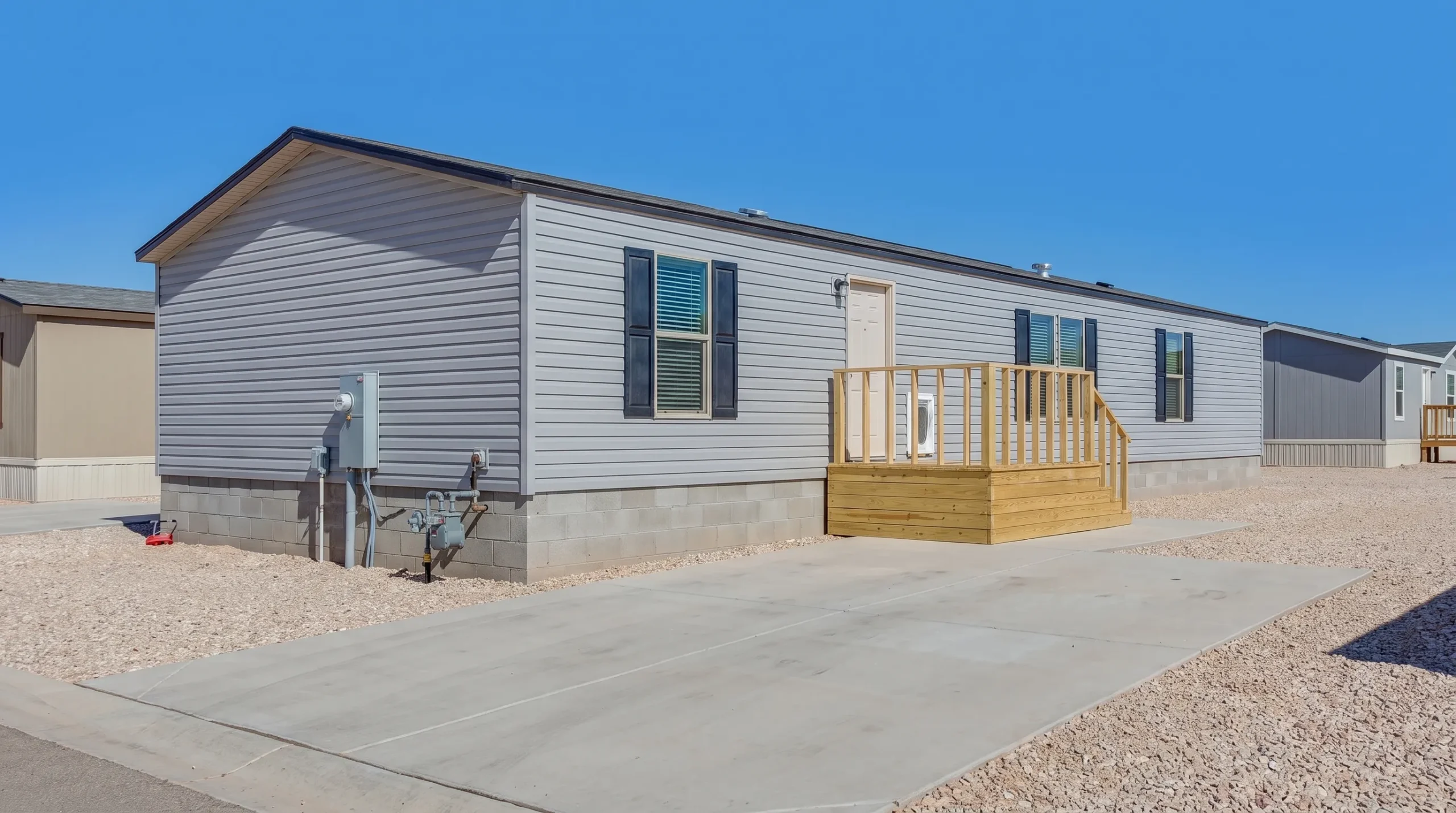
A home model does not automatically qualify for FHA financing by name alone. The lender still has to review the buyer, appraisal, installation, paperwork and site. But choosing a well-documented manufactured home from a local dealer can make the process easier to organize.
For buyers who want a smaller layout, the Legacy Heritage H-1668-22A is a 2-bedroom, 2-bathroom Legacy Housing floor plan with 1,005 sq ft and dimensions of 16' x 68', available from Homes2Go in San Antonio. A buyer who needs an extra bedroom might compare it with the Legacy Heritage H-1672-32B, a 3-bedroom, 2-bathroom Legacy Housing floor plan with 1,068 sq ft and dimensions of 16' x 72'.
The practical FHA takeaway is not that one floor plan is automatically better than another. It is that buyers should compare models while also asking about documentation, lender requirements, delivery, installation and site readiness. A floor plan should fit your life, but the transaction also has to fit the loan.
Common FHA Mobile Home Delays Buyers Can Avoid
Most FHA delays are not mysterious. They usually come from missing documents, unclear title status, site issues or choosing a lender that does not regularly handle manufactured home transactions.
Watch for these common problems:
- Picking a home before confirming whether the lender finances manufactured homes
- Assuming every mobile home community works with FHA financing
- Forgetting to verify HUD labels and the data plate early
- Underestimating foundation certification and installation requirements
- Treating land, utilities, permits or access as afterthoughts
- Waiting too long to gather income, bank and identification documents
- Assuming a previously moved older home will be easy to finance
A previously installed manufactured home can be more complicated, especially if it has been moved after original installation. Many FHA lenders are cautious about homes with move histories because the foundation, structural integrity and documentation become harder to verify.
A Simple Buyer Checklist Before You Apply
Before submitting a full application or signing a purchase agreement, organize your next steps around the three FHA buckets.
| Step | What to confirm | Who can help |
|---|---|---|
| Buyer readiness | Income, credit, debts, down payment funds and closing cost expectations | FHA-approved lender |
| Loan path | Whether the purchase is Title I or Title II | Lender and home consultant |
| Home documents | HUD labels, data plate, floor plan and serial information | Dealer or seller |
| Site plan | Land ownership, community lease, utilities, permits and access | Dealer, lender, community manager or land professional |
| Installation | Permanent foundation needs, setup timeline and engineer certification | Installer, lender and engineer |
| Appraisal | FHA value and property condition review | FHA appraiser ordered by the lender |
This checklist helps you ask better questions. It also helps you spot issues before you spend money on inspections, site work or moving plans.
What FHA Appraisers Look For
An FHA appraisal is not the same thing as a private home inspection. The appraiser is there to estimate value and check minimum FHA property standards. For manufactured homes, the appraiser may review the home condition, site, access, utilities, HUD labels, data plate information and whether the home appears properly attached to the foundation.
A home inspection can still be useful because it gives you a more detailed look at systems, maintenance items and potential repairs. FHA may require certain repairs before closing if the appraiser identifies health, safety or structural concerns.
The best buyer mindset is to assume the appraisal is one step in the loan process, not a full guarantee that every part of the home is perfect.
Frequently Asked Questions
Can I buy a mobile home with an FHA loan? Yes, but FHA generally uses the term manufactured home, and the home must meet FHA and HUD requirements. A true mobile home built before June 15, 1976 usually will not qualify for FHA manufactured home financing.
What is the biggest FHA requirement for a manufactured home? The home must be HUD Code compliant and properly documented. For many FHA mortgage transactions, the home must also be permanently installed and classified correctly with the land or site arrangement.
Do I need to own land to use FHA financing? Not always. FHA Title I may apply to some home-only or leased-site situations through approved lenders. FHA Title II is generally used when the manufactured home and land are treated as real property.
Are double-wide manufactured homes easier to finance with FHA? Not automatically. Size and layout can matter, but FHA eligibility depends on the full transaction, including borrower approval, HUD documentation, foundation, appraisal, title status and site requirements.
Can FHA financing cover setup and installation? It can in some transactions, depending on the FHA loan type, lender and contract structure. Ask the lender early how delivery, installation, foundation work and closing costs are handled.
Should I talk to a lender or choose a home first? Talk to a lender early, then compare homes with your financing path in mind. This helps you avoid choosing a home, site or community that does not fit the loan program.
Get Help Matching the Home, Loan and Site
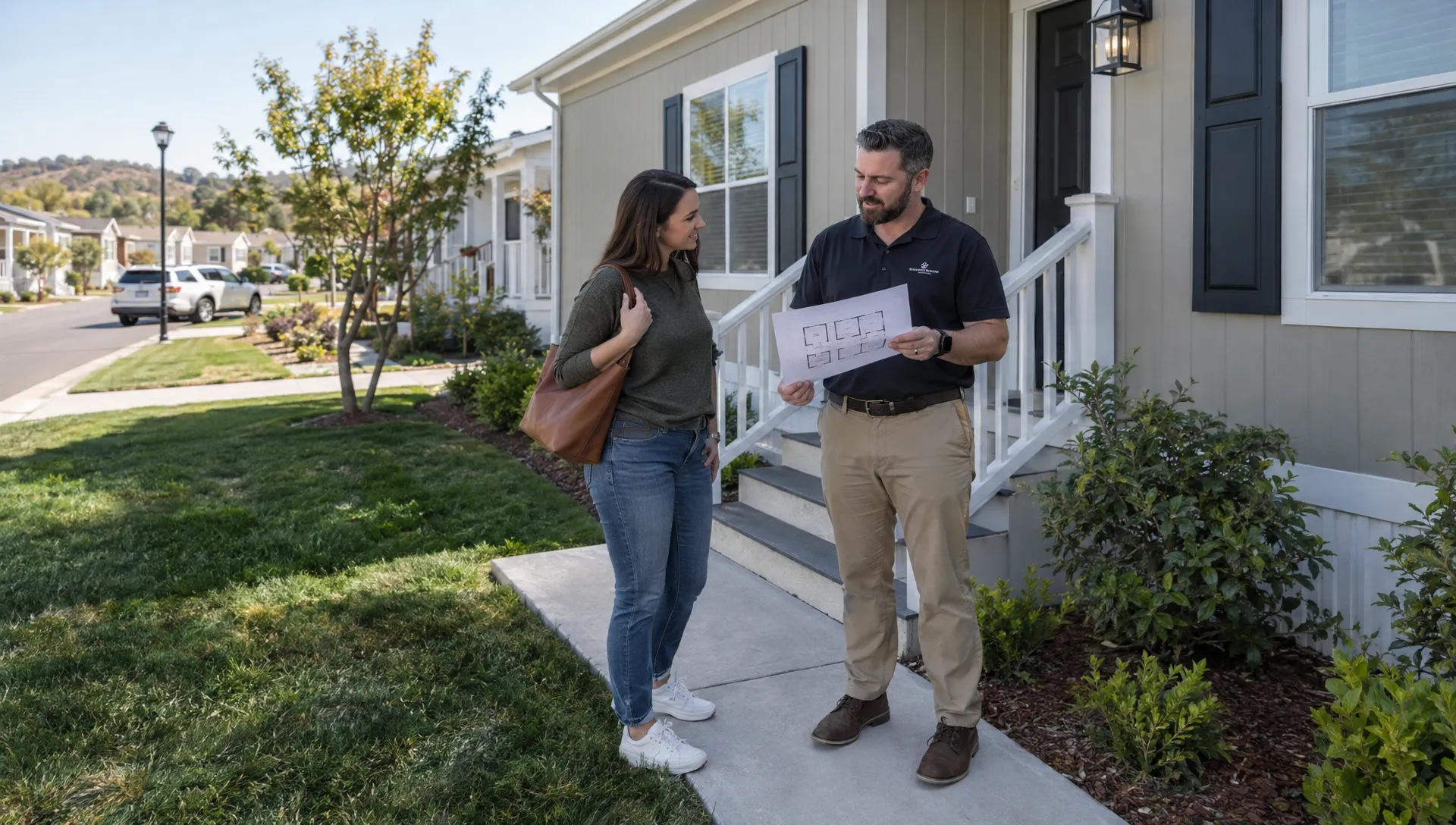
Mobile home FHA guidelines are manageable when you do not try to solve everything at once. Start with borrower readiness, confirm the right FHA loan path, choose a documented manufactured home and make sure the site and installation plan fit lender requirements.
Homes2Go San Antonio helps buyers compare manufactured home models, review floor plans and explore flexible financing options with trusted local lenders. If you are looking for an affordable manufactured home in the San Antonio area, visit Homes2Go San Antonio to see available homes and get guidance on your next step.
 How to Find the Right Doublewide Home for Your Budget
 Prefabricated Homes for Sale: How to Compare Smartly