
Searching for mobile homes for rent all ages usually means one thing: you want a rental that works for the whole household, not just a unit that looks good online. For families, the tour is where the real decision happens. Photos can show the kitchen cabinets and bedroom count, but they cannot tell you how the community feels after school, whether parking works with your routine, or if the lease rules fit your family’s day-to-day life.
An “all-age” mobile home community generally means the community is not limited to residents 55 and older. That matters for households with children, multigenerational families, and anyone who wants a neighborhood mix that is not age-restricted. Still, all-age does not automatically mean every rental is the right fit. Families should tour with a sharper checklist than a single renter might use.
Below are practical tour tips to help you compare homes, ask better questions, and spot the difference between a good family rental and a stressful one.
Start With the Right Kind of All-Age Community
Before you schedule tours, confirm that each option is truly all-age and that the rental setup is clear. Some listings advertise a mobile home for rent, but the details can vary. You might be renting the home and the lot together, renting the home inside a community that charges separate fees, or renting from an owner who still has to follow community approval rules.
The distinction matters because your monthly cost and responsibilities can change depending on the setup. For example, one rental may include trash service, while another may charge it separately. One may allow two vehicles, while another requires paid overflow parking. One may include lawn maintenance, while another expects residents to handle it.
If you want a deeper breakdown of how all-age rentals work, including rules and fees, Homes2Go SA has a helpful guide on all-age mobile homes for rent that explains the basics before you tour.
It is also worth knowing that housing rules around age and families can be specific. The federal Fair Housing Act protects families with children from many forms of housing discrimination, while certain qualified 55+ communities are allowed to operate with age restrictions. You can review HUD’s Fair Housing Act overview for general background, but always ask the community or landlord for written policies that apply to that specific rental.
Build a Family Tour Checklist Before You Arrive
A family-friendly mobile home rental is about more than bedrooms. You are looking for a home and community that support school routines, work commutes, groceries, bedtime, pets, parking, visitors, and weekend life.
Use this quick table to organize your priorities before touring:
| Family priority | What to check during the tour | Why it matters |
|---|---|---|
| Bedrooms and privacy | Bedroom sizes, spacing, closet space, noise between rooms | Kids, guests, and work-from-home needs can change how a floor plan feels |
| Daily routine | Parking, laundry location, kitchen storage, entryway space | Small inconveniences become big frustrations when repeated daily |
| Safety and comfort | Steps, handrails, lighting, flooring, windows, HVAC | Families need a home that feels safe in both normal use and busy moments |
| Community fit | Speed limits, traffic flow, common areas, rules, management presence | The neighborhood experience can matter as much as the home itself |
| Total cost | Rent, deposits, utilities, community fees, pet fees, application fees | A low advertised rent may not be the lowest monthly cost |
| Location | School routes, commute times, nearby stores, healthcare, childcare | Convenience can save time and money every week |
Bring a notebook or use your phone to take notes immediately after each tour. After two or three showings, details blur together quickly. Families should also try to tour at the time they would normally be home, such as late afternoon or early evening, so they can see traffic, noise, parking, and neighborhood activity more realistically.
Look at the Community Before You Look at the Home
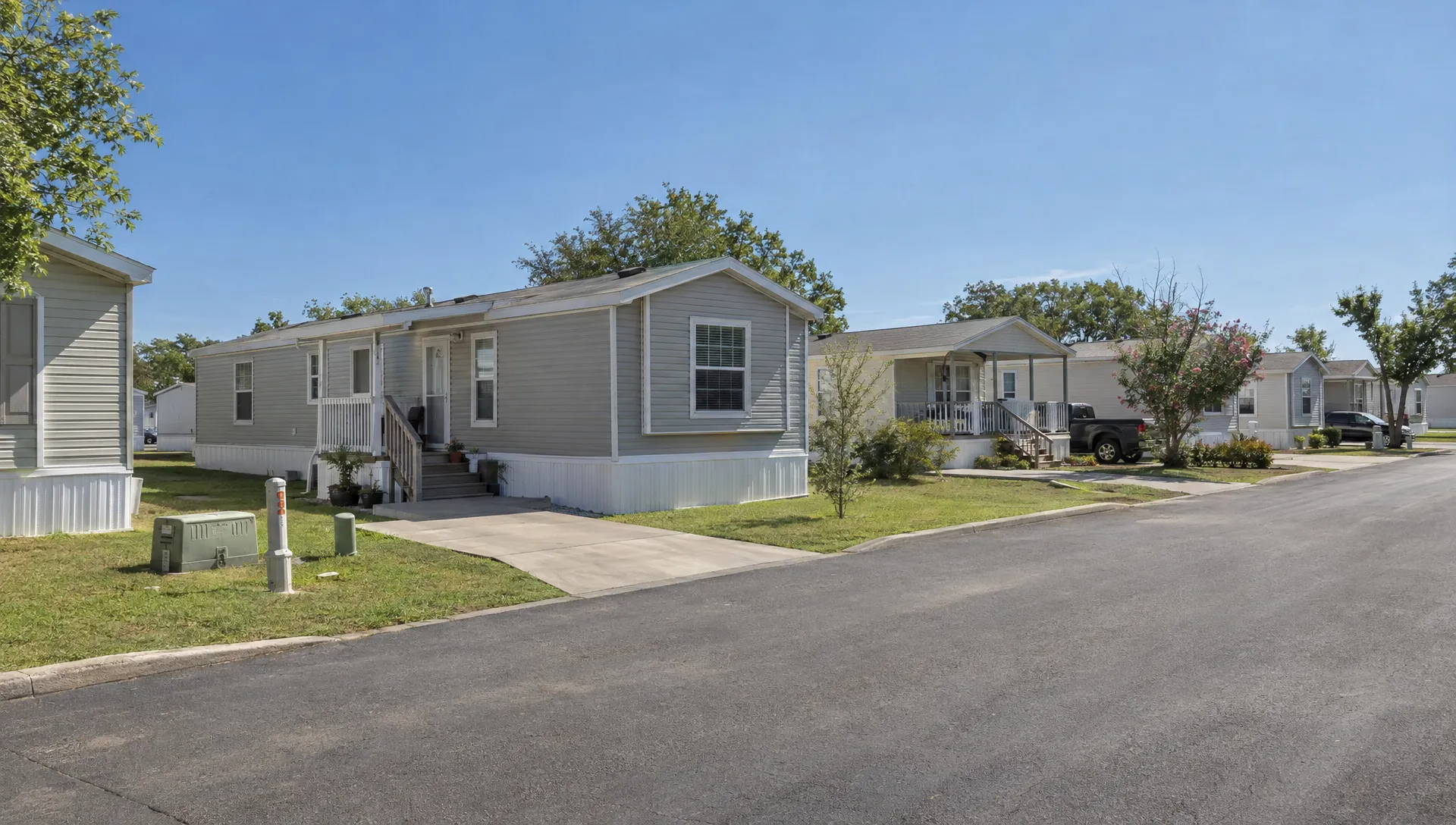
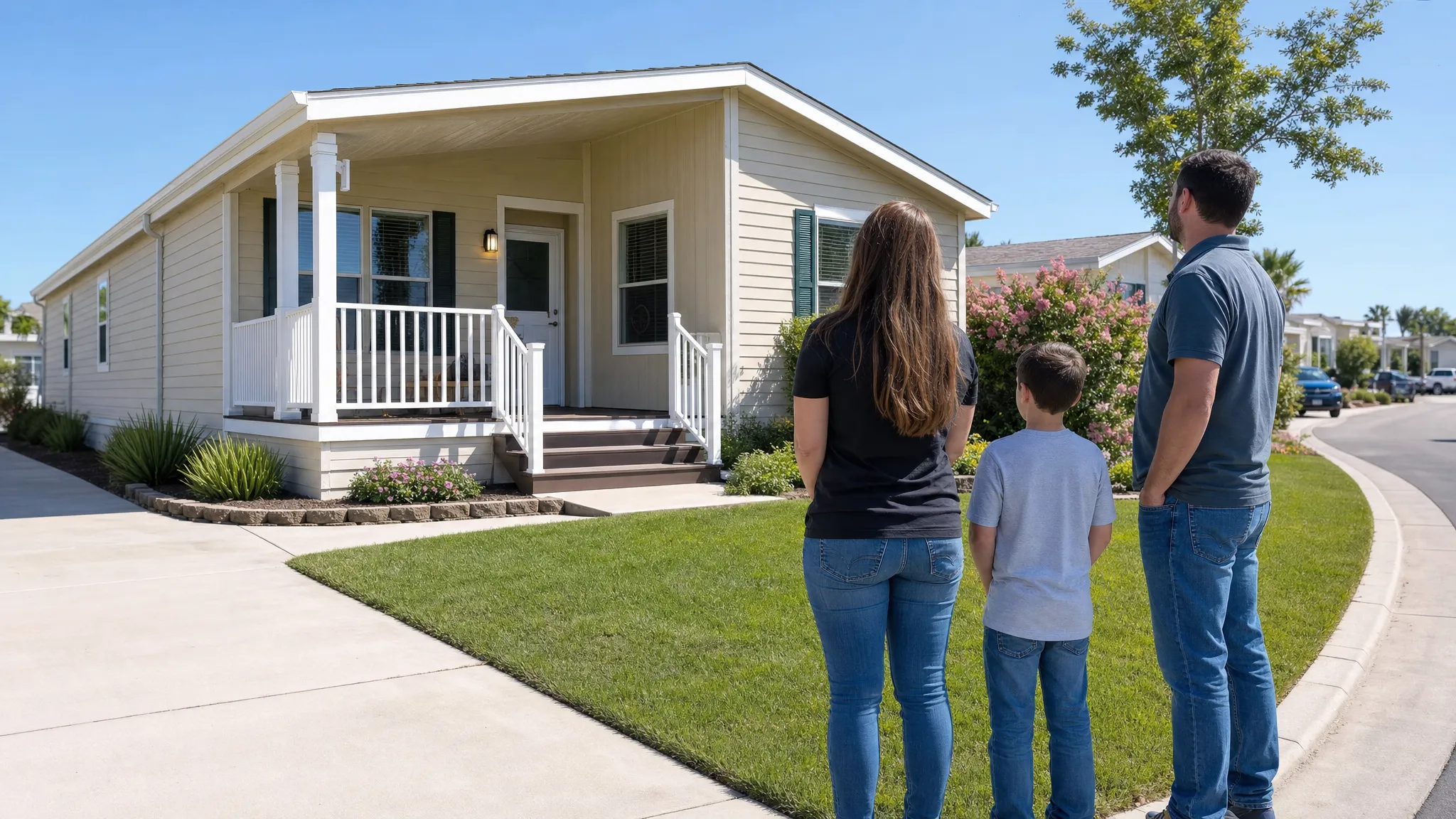
When touring mobile homes for rent in all-age communities, do not rush straight inside the unit. The drive in can tell you a lot.
Notice whether roads are well maintained, whether speed limits are posted, and whether drivers seem to respect them. If you have young children, look closely at traffic patterns around the home. A rental near a main entrance may be convenient, but it may also have more cars passing by throughout the day.
Lighting is another important detail. Ask what the area looks like at night. Are there streetlights near the home? Is the parking area visible? Is the walkway from the car to the door safe and clear? In San Antonio, also pay attention to shade, drainage, and how water might flow around the lot during heavy rain.
Common areas can be a clue about management standards. You do not need everything to look brand new, but you do want signs of consistent care. Trash buildup, abandoned items, broken fixtures, or unclear signage can suggest problems that may affect your living experience later.
If you are comparing multiple communities, Homes2Go SA’s guide to mobile home courts near you offers additional questions that can help you evaluate management, fees, and rules during a tour.
Tour the Home Like You Already Live There
Once inside the home, walk through it as if your family has already moved in. Do not only look at finishes. Imagine backpacks at the door, groceries on the counter, laundry after school, bath time, homework, pets, and guests.
Start with the entry. Is there room for shoes, bags, and coats without blocking the walkway? Does the door open and close smoothly? Are the steps stable, and are handrails secure? For families, the entry area often becomes one of the busiest spots in the home.
In the living room, check whether furniture would fit without making the space feel cramped. If you have children, consider sightlines. Can you see the living area from the kitchen? Is there enough wall space for shelves, a TV, or storage? A home can have the right square footage but still feel awkward if the layout does not support your routine.
In the kitchen, open cabinets and drawers. Look for signs of leaks under the sink, soft flooring, loose fixtures, and working outlets. Ask whether appliances are included and who is responsible if they break. If the home has a dishwasher, washer, dryer, or refrigerator included, confirm that in writing.
Bedrooms deserve more than a quick glance. Measure mentally where beds, dressers, cribs, desks, or bunk beds would go. Check closet depth and door swings. If bedrooms are close together, think about noise. If the primary bedroom is far from the others, decide whether that works for your family’s stage of life.
Bathrooms should be tested carefully. Run faucets, flush toilets, look for water stains, and check ventilation. In a family rental, one small plumbing issue can become a daily headache.
Ask Family-Specific Questions During the Tour
The best tour questions are specific. Instead of asking, “Is this a good place for families?” ask about the exact rules, costs, and responsibilities that will affect your household.
| Topic | Question to ask | What the answer should clarify |
|---|---|---|
| Lease terms | What is the lease length, renewal process, and notice requirement? | Whether the rental fits your school year, job plans, and moving timeline |
| Monthly cost | What is included in rent, and what is billed separately? | The real monthly cost beyond the advertised rent |
| Utilities | Which utilities does the tenant set up, and are there average costs available? | Whether electricity, water, trash, sewer, gas, or internet affect your budget |
| Maintenance | Who handles repairs inside the home and on the lot? | Whether the landlord, tenant, or community is responsible for different issues |
| Community approval | Is a separate community application required? | Whether you must pass both landlord and community screening |
| Parking | How many vehicles are allowed, and where can guests park? | Whether your household and visitors can park without fees or violations |
| Pets | Are pets allowed, and are there breed, size, or fee restrictions? | Whether the rental works for current or future pets |
| Outdoor use | Are grills, toys, bikes, storage bins, or play equipment allowed outside? | Whether the rules fit how your family uses outdoor space |
| Quiet hours | What are the quiet hours and guest policies? | Whether rules match your work schedule, bedtime routine, and family visits |
Always ask for the written version of any rule that could affect your decision. Verbal answers are helpful during a tour, but written terms protect everyone from misunderstandings later.
Pay Attention to Safety Details Families Often Miss
A home can look clean and still have safety concerns. Families should slow down and check the details that matter when children, older relatives, or frequent visitors are part of the household.
Look at steps, porches, decks, and handrails. They should feel stable, not loose or uneven. Check whether the porch has enough room for safe entry, especially when carrying groceries, a baby seat, or school bags. If there are gaps, broken boards, or slippery surfaces, ask whether repairs will be completed before move-in.
Inside, flooring should feel solid. Soft spots near sinks, toilets, exterior doors, or laundry areas can point to water damage. Windows should open, close, and lock properly. Smoke alarms and carbon monoxide alarms should be present where required, and you should ask who maintains them.
Heating and cooling are especially important in San Antonio. Ask how old the HVAC system is, whether it has been serviced recently, and whether filters are the tenant’s responsibility. Energy-efficient designs can help reduce monthly utility pressure, but families should still ask about real-world utility expectations for the specific home.
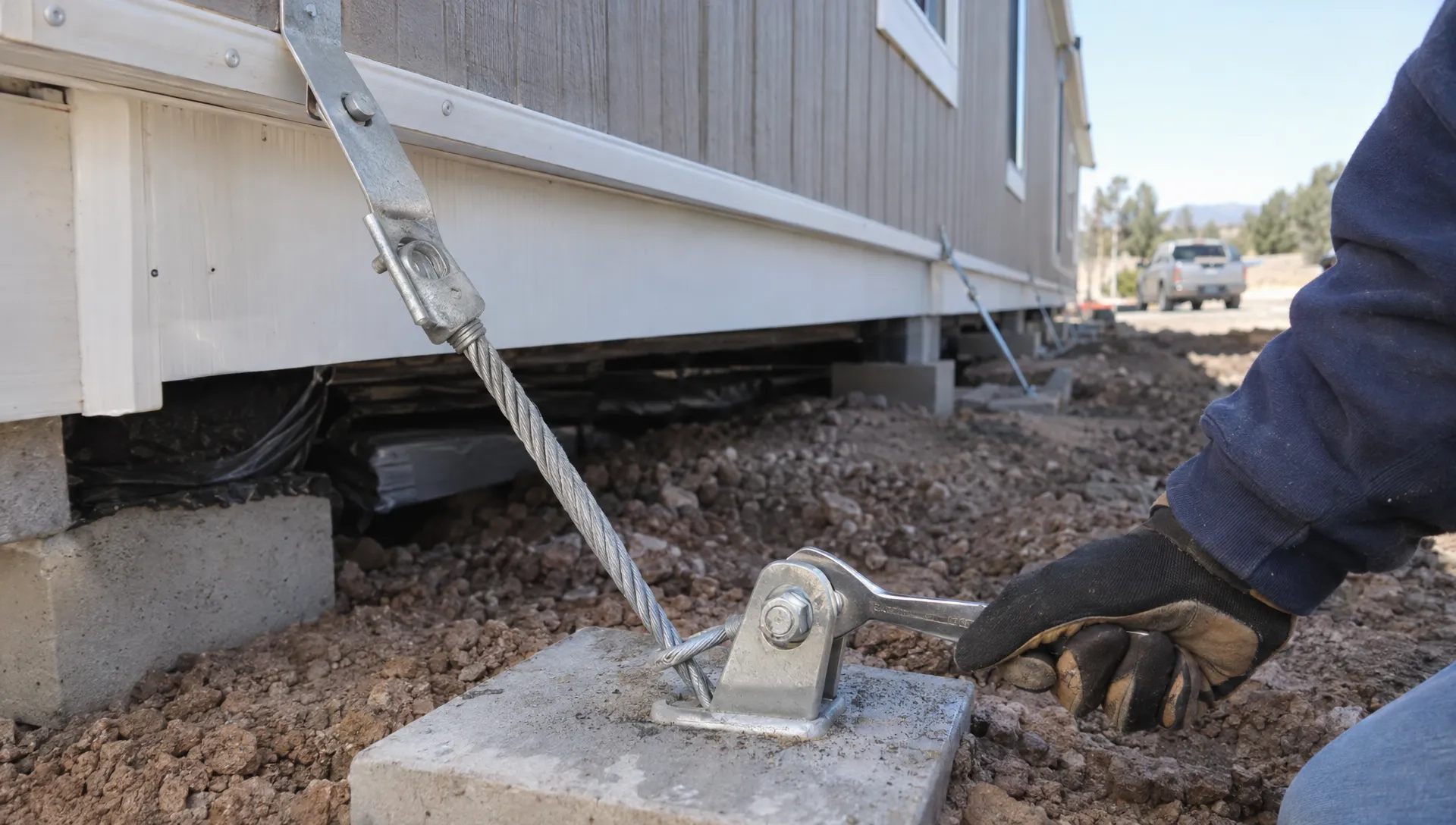
The U.S. Department of Housing and Urban Development oversees the federal construction and safety standards for manufactured homes built after June 15, 1976. HUD’s manufactured housing program is a useful reference if you want to understand the broader standards behind manufactured housing, although the condition of any individual rental still needs to be inspected in person.
Compare the Rules With Your Family’s Real Life
All-age communities can still have rules. That is not automatically a bad thing. Rules can help keep a community orderly, safe, and predictable. The key is making sure the rules are clear, reasonable, and compatible with your household.
For example, if your kids ride bikes, ask where they are allowed to ride. If relatives visit often, ask about guest parking and overnight guest limits. If you work an early or late shift, ask about quiet hours and vehicle policies. If you have outdoor toys, sports gear, or a stroller, ask where those items can be stored.
Pay attention to how rules are explained. A professional landlord or manager should be able to provide written guidelines without making you feel rushed or uncomfortable. If the rules sound vague or seem to change depending on who you ask, treat that as a warning sign.
Also ask how rule violations are handled. Families should understand whether warnings are given, how fines work, and what could affect lease renewal. Clear expectations reduce stress after move-in.
Revisit the Location Like a Local
The right all-age mobile home rental should work beyond the lot line. Before signing, drive the routes that matter to your family.
Test the commute to work during normal traffic hours. Drive to school or childcare at the time you would actually leave in the morning. Check the distance to grocery stores, pharmacies, urgent care, parks, and family members who help with childcare. A rental that is $100 cheaper per month may not save money if it adds long commutes or extra fuel costs.
If school assignment matters, verify district and campus boundaries directly with the school district. Do not rely only on listing descriptions or map apps. Boundaries can be more complex than they appear, and families should confirm before making a decision.
For families still building a shortlist around San Antonio, this guide on comparing family mobile home parks near you can help you weigh location, rules, costs, and community fit together.
Watch for Red Flags Before You Apply
Some warning signs appear during the first conversation. Others show up only when you tour in person. Trust your observations, especially if something feels rushed or unclear.
Be cautious if the landlord or representative will not provide a written lease, cannot explain fees, or pressures you to pay before you have reviewed terms. Be careful with listings that advertise a very low rent but avoid discussing utilities, deposits, application fees, pet fees, or community charges.
Physical red flags matter too. Soft floors, active leaks, strong mildew smells, unsafe steps, exposed wiring, broken windows, or missing locks should be addressed before move-in, not after. If someone promises repairs, ask for the repair list and completion timeline in writing.
Another red flag is confusion over who owns what responsibility. In mobile home rentals, there may be a landlord, a community manager, utility providers, and sometimes a third-party maintenance contact. Before signing, know exactly who you call for repairs, emergencies, billing issues, and community questions.
Bring the Right People to the Second Tour
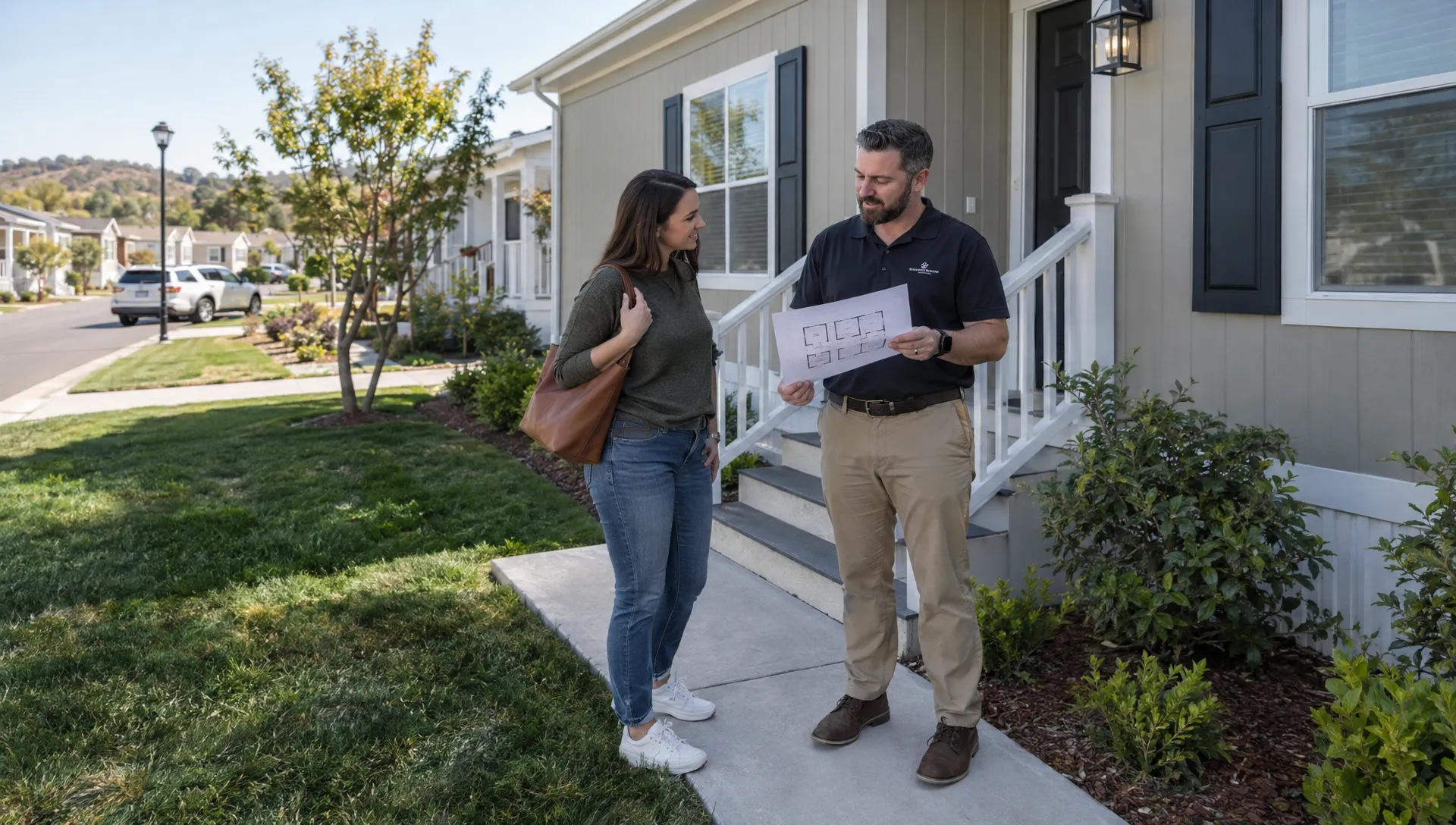
If the first tour goes well, schedule a second visit before committing. Bring the adults who will live in the home, and if appropriate, bring children for a short, focused visit. Kids do not need to make the final decision, but seeing how they move through the space can reveal practical issues.
During a second tour, look at details you may have missed the first time. Open closets again. Stand in each bedroom. Check cell service. Listen for road noise. Watch parking availability. Look at how close neighboring homes are. If possible, visit at a different time of day than your first tour.
This is also the time to ask final budget questions. Before applying, you should know the total move-in amount, first month’s rent, deposits, recurring fees, utility setup costs, and any community application requirements.
When Buying May Fit Better Than Renting
Renting can be the right move for families who need flexibility, are new to San Antonio, or want to learn what type of manufactured home community fits them best. But if you plan to stay in the area for several years, it may be worth comparing long-term renting with homeownership.
Manufactured homes can offer modern interiors, efficient layouts, and move-in ready options depending on availability. For families who want more control over floor plan, finishes, and long-term stability, buying may be worth exploring alongside rentals.
Homes2Go SA helps families and individuals explore manufactured and mobile home options in the San Antonio area, including available models, floor plans, financing guidance, and community considerations. If your rental search is starting to feel like a long-term housing decision, it may be helpful to compare both paths before you sign a lease.
Frequently Asked Questions
What does “mobile homes for rent all ages” mean? It usually refers to mobile or manufactured homes available in communities that are not restricted to residents 55 and older. Families, children, adults, and multigenerational households may be eligible, but renters still need to follow the landlord’s lease terms and community rules.
Are all-age mobile home communities good for families? Many can be a good fit, but it depends on the home condition, location, rules, traffic, parking, management, and total monthly cost. Families should tour in person and compare how each option supports daily routines.
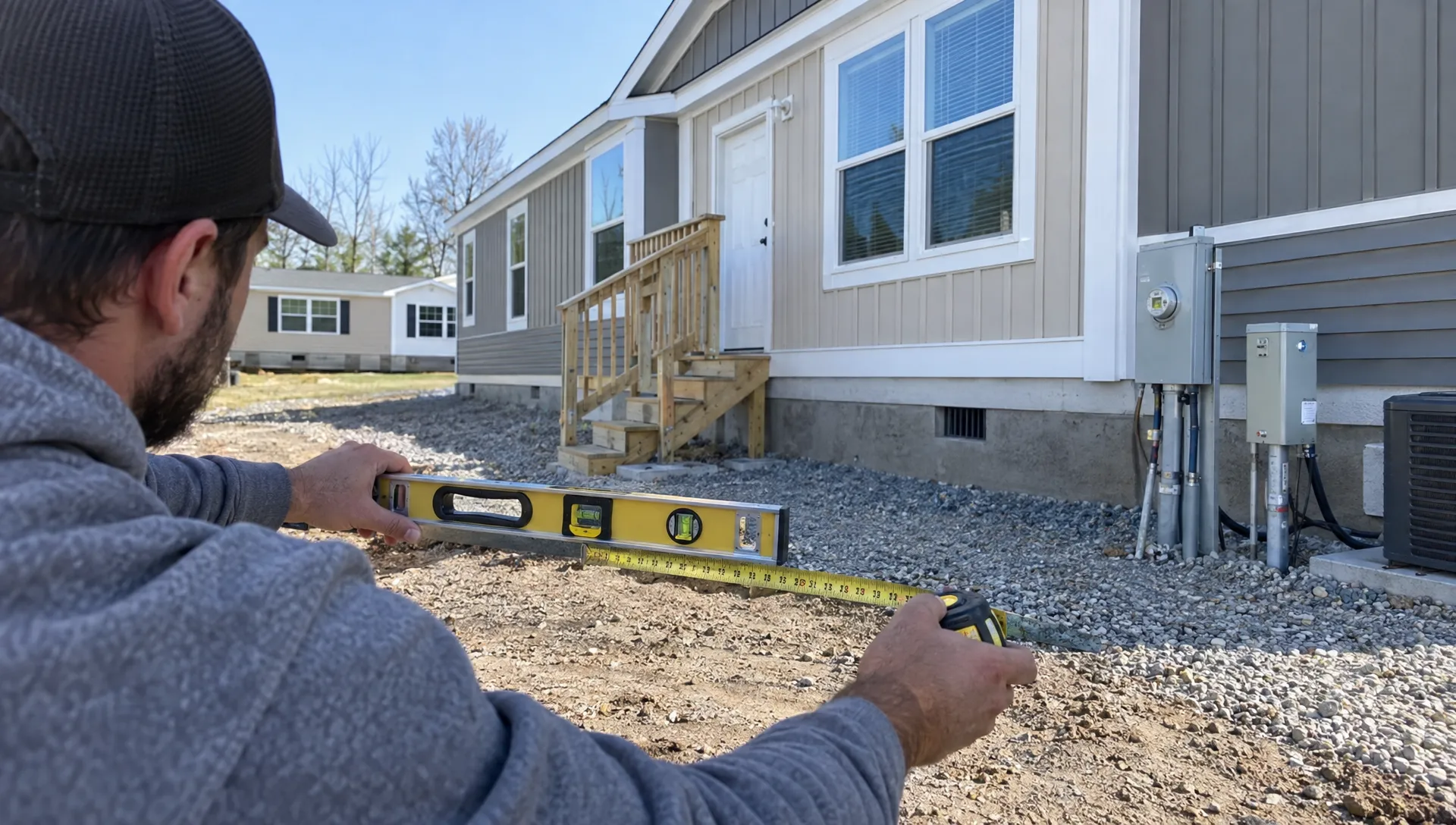
What should I bring when touring a mobile home rental? Bring a checklist, photo ID if an application may be needed, a tape measure if furniture fit matters, your list of questions, and notes about your budget. It also helps to bring another adult who can notice details you might miss.
Can an all-age community still have rules about children? Communities can have general safety and conduct rules, such as speed limits, pool rules, quiet hours, and common area guidelines. However, rules should be clear, written, and applied consistently. If something seems discriminatory, consider reviewing fair housing guidance or seeking professional advice.
What fees should families ask about before applying? Ask about application fees, deposits, pet fees, parking fees, utility setup, trash, sewer, water, lawn care, late fees, community fees, and any move-in charges. The advertised rent is only one part of the monthly cost.
Find a Family-Friendly Manufactured Home Path in San Antonio
A good tour helps you see beyond the listing photos. It shows whether the home, community, rules, and monthly cost truly fit your family’s life.
If you are comparing mobile home rentals but also want to understand ownership options, Homes2Go SA can help you explore manufactured homes in San Antonio with expert guidance, available floor plans, flexible financing options, and access to local community insights. Start with the home that fits your family today, and make sure it also supports where you are headed next.
 FHA Loan Requirements for Manufactured Homes Made Simple
 Cheap Trailer Homes for Rent Near Me: Avoid Costly Mistakes