
FHA financing can be a practical path to homeownership, especially for buyers who want a lower down payment and a more accessible loan structure. But when the home is manufactured, the rules can feel harder to understand because FHA is looking at more than your credit score. The lender also has to review the home, the foundation, the land or lot setup, and the paperwork that proves the home qualifies.
The good news is that FHA loan requirements for manufactured homes become much easier when you break them into simple buckets. If the borrower qualifies, the home is HUD-code compliant, the site meets FHA standards, and the title paperwork is clean, you are already looking in the right direction.
Below is a plain-English guide for San Antonio buyers who want to understand what matters before they apply.
The simple version: what FHA is really checking
FHA does not directly lend money to buyers. Instead, FHA insures loans made by FHA-approved lenders. That insurance helps lenders offer more flexible terms than many conventional mortgage programs, but the property still has to meet FHA rules.
For a manufactured home, the lender usually reviews four areas:
| FHA review area | What it means in plain English | Why it matters |
|---|---|---|
| Borrower eligibility | Your credit, income, debts, down payment, and occupancy plans | FHA is designed for owner-occupied homes, not investment properties |
| Home eligibility | The home must meet HUD manufactured housing standards | FHA will not finance every mobile or factory-built home |
| Site and foundation | The home must be properly installed and supported | Safety, durability, and long-term value depend on proper installation |
| Title and documentation | Ownership records, HUD labels, data plate, and land records must line up | Missing or inconsistent paperwork can delay or stop approval |
Think of FHA approval as a match between the buyer, the home, and the land. A strong borrower may still run into problems if the home has missing HUD documentation. A beautiful home may still be difficult to finance if it is not attached to an acceptable foundation or if the title records are unclear.
FHA Title I vs. Title II: know which path you are using
One reason FHA manufactured home financing gets confusing is that there is more than one FHA path.
FHA Title II is the more traditional mortgage-style option. It is generally used when the manufactured home is treated as real property, often because the buyer owns the land or is buying the home and land together. This is the path many people think of when they hear “FHA mortgage.”
FHA Title I is different. According to HUD’s Title I manufactured home loan information, Title I can be used for manufactured home loans, lot loans, or a combination, subject to program and lender rules. It may be relevant when the home is not being financed exactly like a standard real estate mortgage.
For many buyers, the main question is simple: will the home be financed as real estate with land, or as a home-only purchase? That answer affects the lender, the documents, the appraisal process, and the type of monthly payment you should expect.
If you are still comparing land, communities, and financing styles, Homes2Go SA’s guide to land and manufactured home packages can help you understand how those pieces fit together.
Borrower requirements: the part most buyers expect
FHA borrower requirements are not unique to manufactured homes, but they still matter. Your lender will review your ability and willingness to repay the loan.
In general, buyers should be prepared for:
- A credit review, including score, payment history, and recent debts
- Income verification, such as pay stubs, W-2s, tax returns, or other documents depending on your situation
- Debt-to-income review, which compares your monthly debts to your qualifying income
- Down payment funds, which may come from your own savings or approved gift sources
- Mortgage insurance, which is part of most FHA mortgage payments
- Owner-occupancy, because FHA loans are mainly for primary residences
FHA’s baseline down payment can be as low as 3.5% for borrowers who meet the required credit threshold, but lenders can set their own standards. Some buyers may be asked for a higher score, more reserves, or additional documentation depending on the loan file.
That is why pre-qualification is so useful. It helps you understand your likely budget before you fall in love with a floor plan, community, or piece of land.
Manufactured home requirements: the home must qualify too
This is where manufactured homes are different from site-built houses. FHA has to confirm that the home itself is eligible.
A manufactured home generally needs to meet these basics:
- It must be built on or after June 15, 1976, when the federal HUD Code took effect
- It must be built to the federal Manufactured Home Construction and Safety Standards, commonly called the HUD Code
- It must have required HUD certification labels, often called HUD tags
- It should have a data plate or acceptable verification of key manufacturing details
- It must be designed as a single-family residence
- It must meet FHA minimum size and property standards
- It must be in acceptable condition, especially if it is pre-owned
HUD explains that manufactured homes are built to a federal construction and safety standard rather than local building codes used for site-built homes. You can learn more from HUD’s manufactured housing program information.
The HUD label and data plate are especially important. The HUD label is usually a metal plate attached to the exterior of each section of the home. The data plate is often found inside the home, such as in a cabinet, closet, electrical panel area, or utility space. If either is missing, your lender may request verification, which can add time.
For a new manufactured home, documentation is usually easier to gather. For a pre-owned home, the lender may look more closely at condition, installation, prior movement, foundation, and title records.
Foundation and installation: where many FHA delays happen
The foundation is not just a technical detail. For FHA financing, especially a mortgage-style manufactured home loan, the foundation can make or break the deal.
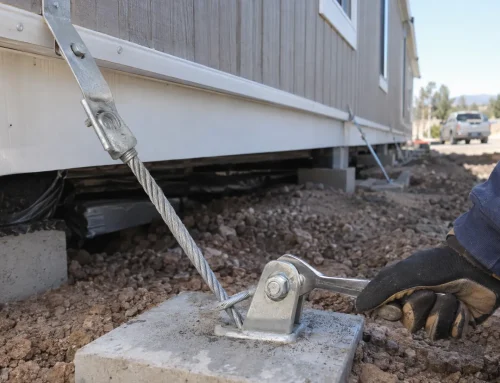
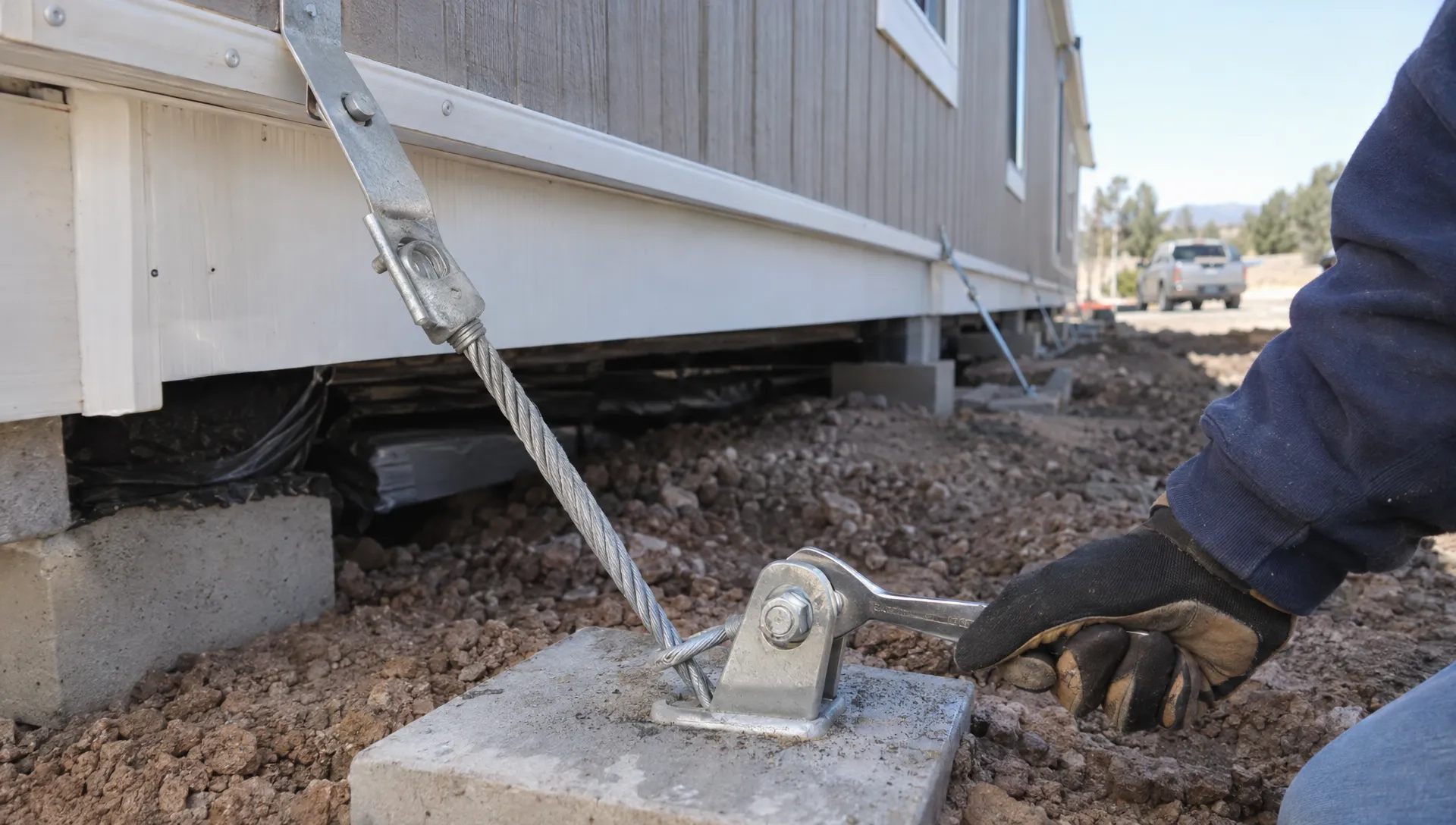
The home must be properly installed and supported. For many FHA Title II loans, the manufactured home must be attached to a permanent foundation that meets FHA and lender requirements. Lenders often require an engineer’s foundation certification, especially for an existing manufactured home.
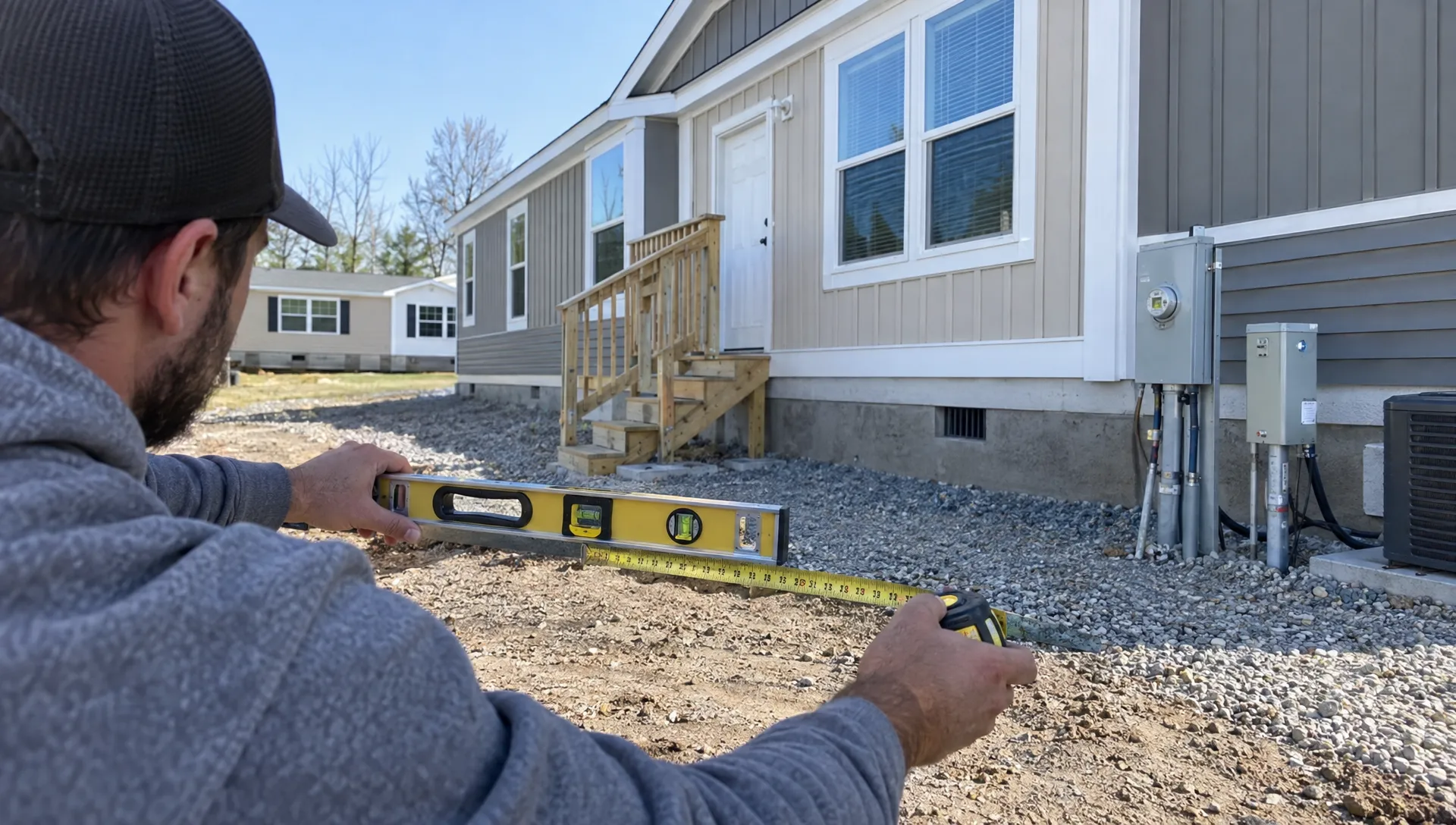
A qualifying foundation is not just about having blocks, piers, skirting, or tie-downs. The lender wants to know that the home is structurally supported, safely anchored, and installed in a way that protects the home over time. Drainage, crawlspace access, grading, and utility connections may also be reviewed.
This matters in San Antonio and South Texas because soil movement, heavy rain, heat, and drainage conditions can affect long-term performance. A home that looks good on the outside can still need foundation or site corrections before a lender is comfortable.
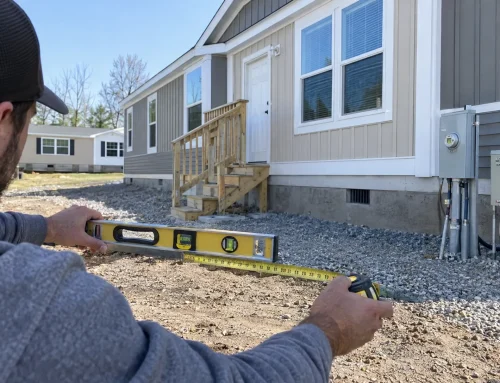
If you are buying a home to place on private land, talk to your lender, retailer, installer, and local officials early. Site preparation, permits, utilities, driveway access, septic or sewer availability, and electrical service can all affect your timeline and budget.
Texas title and real property paperwork
In Texas, manufactured home ownership is tracked differently than a typical site-built house. The Texas Department of Housing and Community Affairs uses a Statement of Ownership for manufactured homes. If the home is being financed as real property, the lender and title company will want the home records, land records, ownership names, lien information, and physical location to match correctly.
This is one of the most common areas where buyers underestimate the process. The home may be physically ready, the buyer may be approved, and the seller may be cooperative, but the transaction can still slow down if the paperwork does not support the loan type.
For FHA mortgage-style financing, the lender may need to confirm that:
- The home and land ownership structure is acceptable
- The manufactured home records are current and accurate
- Any existing liens can be cleared before or at closing
- The home is properly classified for the loan program being used
- The legal description, address, and home identification details are consistent
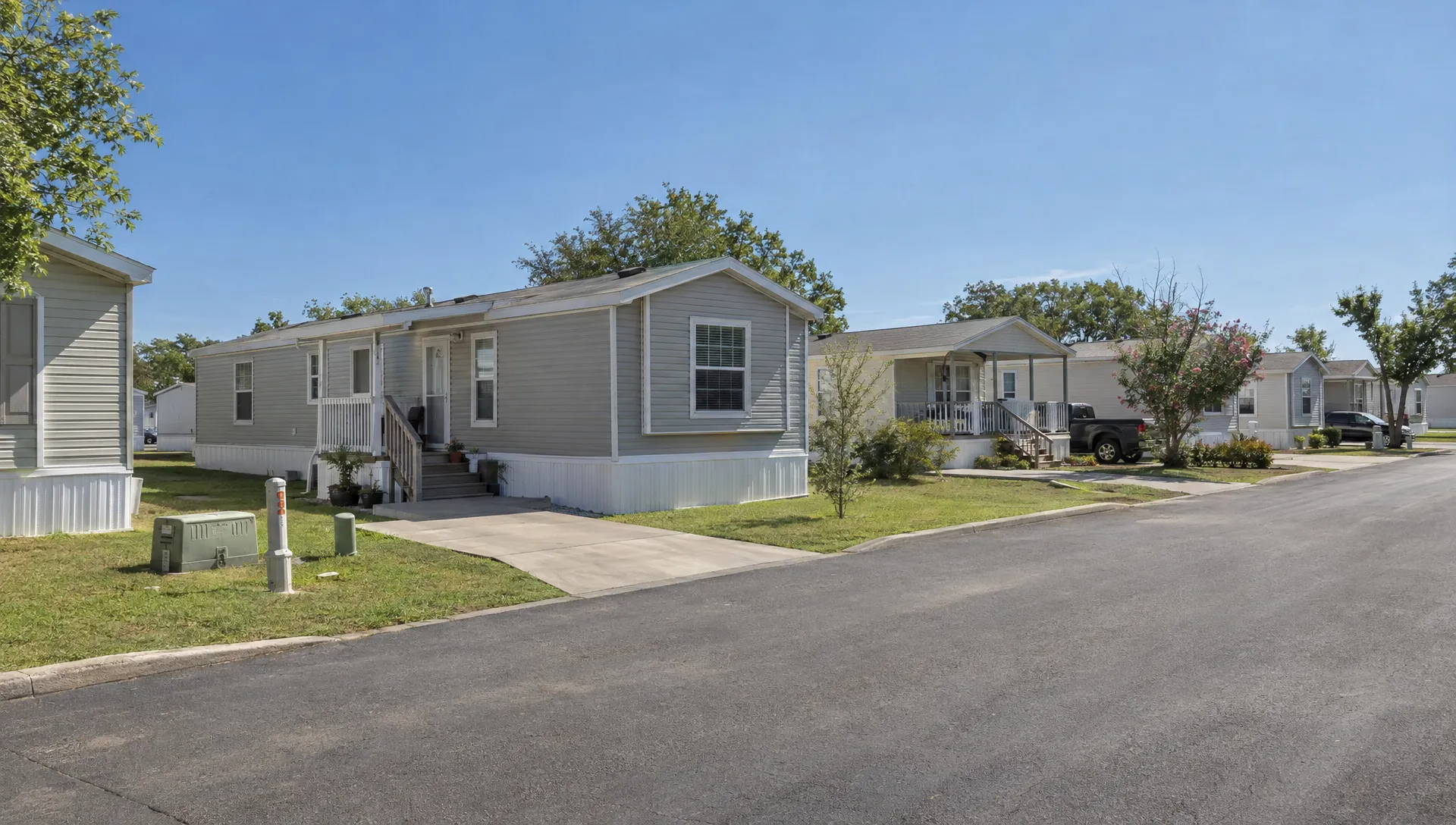
If you are buying a home in a manufactured home community where you lease the lot, the financing path may be different from buying a home with land. That does not automatically mean FHA is impossible, but it does mean you should ask the lender which FHA option applies and what lease or community documents are required.
Common issues that can delay FHA approval
FHA manufactured home financing is not necessarily hard, but it is detail-sensitive. Small documentation problems can create big delays.
| Potential issue | Why it matters | What to do early |
|---|---|---|
| Missing HUD label or data plate | The lender must verify the home was built to HUD standards | Ask for photos and documents before applying |
| Home built before June 15, 1976 | Pre-HUD Code mobile homes generally do not qualify as FHA manufactured homes | Confirm the year and HUD status before spending money on inspections |
| Unclear Texas Statement of Ownership | Ownership or lien issues can block closing | Review title records with the lender or title company |
| Foundation not certified | FHA may require proof that the foundation meets standards | Ask whether an engineer’s certification will be needed |
| Home was moved from a prior installed site | Prior relocation can create FHA eligibility concerns | Tell the lender the home’s full location history upfront |
| Land or lot not ready | Utilities, permits, access, and drainage affect approval and move-in | Check site requirements before finalizing the home choice |
| Appraisal repairs | FHA appraisers look for safety, soundness, and security issues | Budget time for required repairs or corrections |
The biggest mistake is waiting until late in the process to ask FHA-specific questions. It is much easier to solve paperwork, foundation, or site issues before the lender is trying to clear the file for closing.
A simple FHA readiness checklist
Before you get too far into the purchase, gather the basics. You do not need every final document on day one, but the more information you have, the smoother the conversation with your lender will be.
Start with the home details. Ask for the year built, manufacturer, model, size, serial number, HUD label information, and data plate if available. If you are considering a pre-owned home, ask whether it has ever been moved from another installed location.
Next, clarify the land or lot setup. Are you buying land with the home? Placing the home on land you already own? Moving into a community with lot rent? Each setup can lead to a different financing conversation.
Then look at the monthly payment as a whole. FHA buyers often focus on the down payment, but the full payment may include principal, interest, mortgage insurance, property taxes, homeowners insurance, possible flood insurance, utilities, and lot rent if applicable. For a deeper look at payment factors, read Homes2Go SA’s guide to FHA mobile home loan rates.
Finally, ask your lender what they require for manufactured housing specifically. Not every lender handles manufactured homes the same way, and some may have overlays beyond FHA’s minimum rules.
San Antonio buyer tips
Manufactured homes can be a strong fit for San Antonio buyers who want more space, modern layouts, and a more attainable path to homeownership. But local details matter.
In Bexar County and surrounding areas, buyers should pay attention to flood zones, drainage, utility access, school district boundaries, commute times, community rules, and whether the home will be placed inside or outside city limits. A lower home price does not always mean a lower total cost if the land needs major site work or if utility connections are expensive.
If you are shopping in a community, ask about lot rent, application requirements, pet rules, parking, home age restrictions, and whether the specific model you want is accepted. If you are shopping for private land, ask about zoning, permits, septic or sewer, water access, electrical service, driveway requirements, and installation access.
You can also compare the broader buying process in the Homes2Go SA mobile homes San Antonio buyer guide, especially if you are still deciding between a community, private land, or a land-home package.
How Homes2Go SA helps make the process easier
FHA financing is easier to understand when you are looking at homes, floor plans, communities, and payment options together instead of treating them as separate decisions.
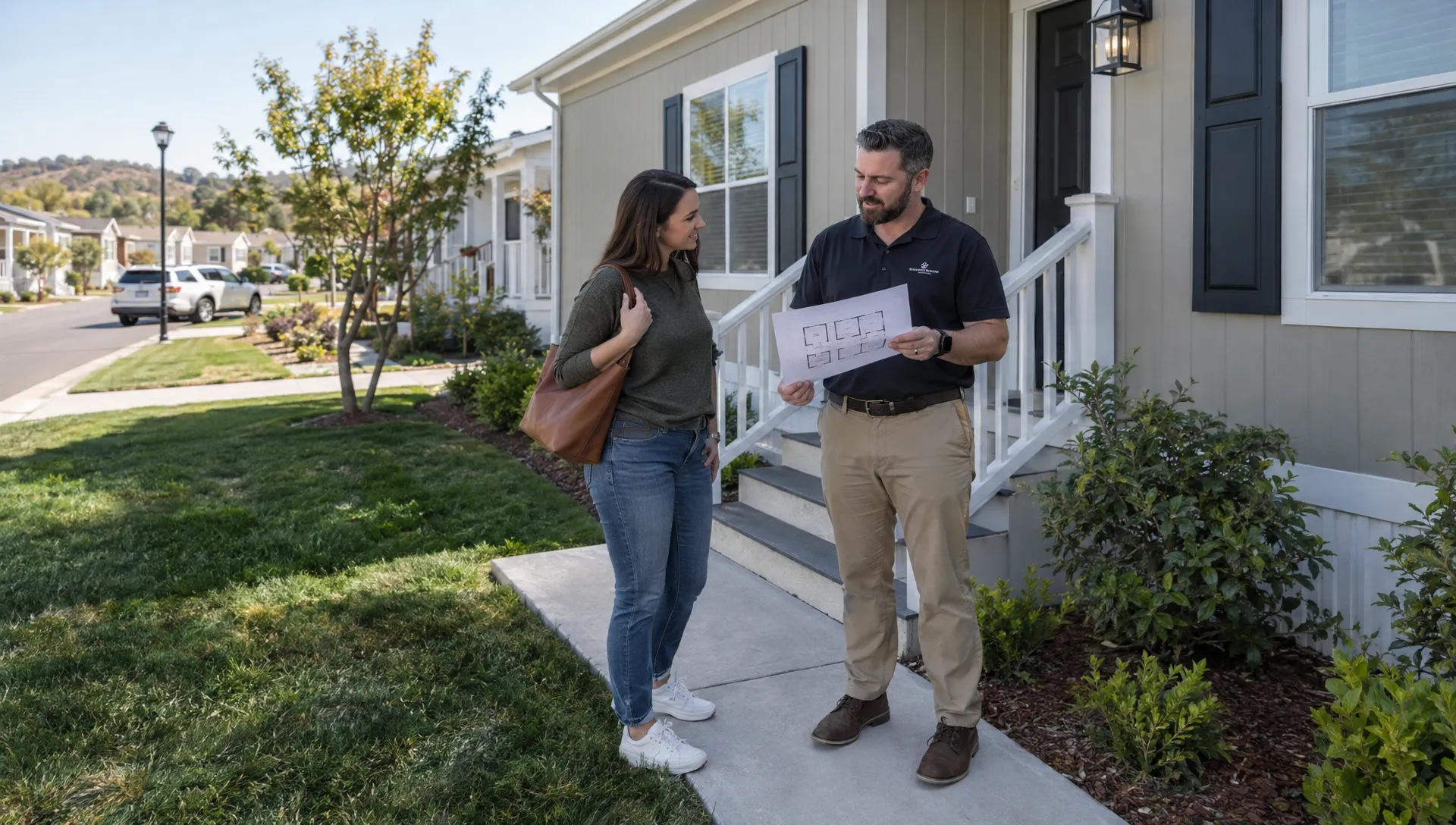
Homes2Go San Antonio helps buyers explore a wide selection of manufactured home models, review detailed floor plans, compare modern interiors and energy-efficient designs, and understand which options may fit their budget. The team can also provide guidance throughout the buying process, including conversations about flexible financing options and connections with trusted local lenders.
That support is especially valuable for first-time buyers. A buyer may know what monthly payment feels comfortable, but still need help understanding how home size, land setup, community choice, taxes, insurance, and financing all work together.
Frequently Asked Questions
What are the basic FHA loan requirements for manufactured homes? The buyer must meet FHA borrower standards, and the home must meet manufactured housing eligibility rules. That usually includes HUD Code construction, required labels and documentation, acceptable condition, proper installation, and a qualifying foundation or loan structure.
Can I buy a single-wide manufactured home with an FHA loan? Yes, a single-wide may qualify if it meets FHA rules for manufactured homes, including HUD Code status, size, condition, foundation, title, and lender requirements. The loan type and site setup matter.
Do I need to own land to use FHA financing? Not always, but owning the land or buying a land-home package often fits FHA Title II mortgage financing more cleanly. If the home will be on a leased lot, ask the lender whether FHA Title I or another financing option is more appropriate.
Can a used manufactured home qualify for FHA? It can, but the lender will review condition, HUD documentation, foundation, title records, and location history. A used home that has been moved from a previous installed site may create eligibility problems for some FHA loan types.
What credit score do I need for an FHA manufactured home loan? FHA has baseline credit guidelines, including low down payment options for borrowers who meet the required score threshold, but lenders may set higher standards. Your income, debts, payment history, and overall file also matter.
Does FHA require a permanent foundation? For many mortgage-style FHA manufactured home loans, yes. The lender may require proof that the home is attached to an acceptable permanent foundation, often through an engineer’s certification.
Ready to make FHA financing simpler?
If you are trying to understand which manufactured homes may fit your financing, budget, and lifestyle, Homes2Go San Antonio can help you take the next step with more confidence. Explore available models, compare floor plans, and talk through financing options with a local team that understands manufactured home buyers in the San Antonio area.
Visit Homes2Go SA to start your home search and connect with a team that can help make the path to homeownership clearer.
 All-Age Mobile Homes for Rent: Rules, Fees, and Fit
 Mobile Homes for Rent All Ages: Tour Tips for Families