
The housing affordability crisis is not just about high home prices. It is about the gap between what people earn and what it costs to live somewhere safe, comfortable, and stable. In many fast-growing areas, including San Antonio and the surrounding South Texas region, that gap has become harder for first-time buyers, growing families, retirees, and working households to close.
Manufactured homes do not fix every part of the problem. Land costs, interest rates, insurance, zoning, and local infrastructure still matter. But they can address one of the biggest barriers in housing: the need for more quality homes at a price point more people can realistically afford.
According to the Harvard Joint Center for Housing Studies, housing cost burdens remain historically high across the United States. At the same time, the U.S. Census Bureau’s Manufactured Housing Survey continues to show manufactured homes as a lower-cost housing option compared with many new site-built homes, especially before land costs are added.
That combination explains why manufactured housing deserves a bigger place in the affordability conversation.
The housing affordability crisis is a supply problem and a monthly payment problem
When people talk about housing affordability, they often focus on sale price. That is important, but it is only one part of the picture. A home becomes affordable when the total monthly cost fits the household budget.
That monthly cost may include the loan payment, taxes, insurance, utilities, land payment or lot rent, maintenance, and community fees. A lower purchase price helps, but buyers also need predictable costs and financing options that match their situation.
The crisis has several causes:
- Too few entry-level homes being built
- Higher construction labor and material costs
- Rising land prices in desirable areas
- Higher mortgage rates compared with the ultra-low-rate years
- Zoning rules that limit where smaller or factory-built homes can be placed
- Rent increases that make it harder for families to save for a down payment
Manufactured homes help most directly with the first two issues: cost and supply. They are built in a controlled factory environment, which can reduce waste, improve consistency, and shorten production timelines. That gives buyers another path to homeownership when traditional site-built homes are out of reach.
What manufactured homes are today
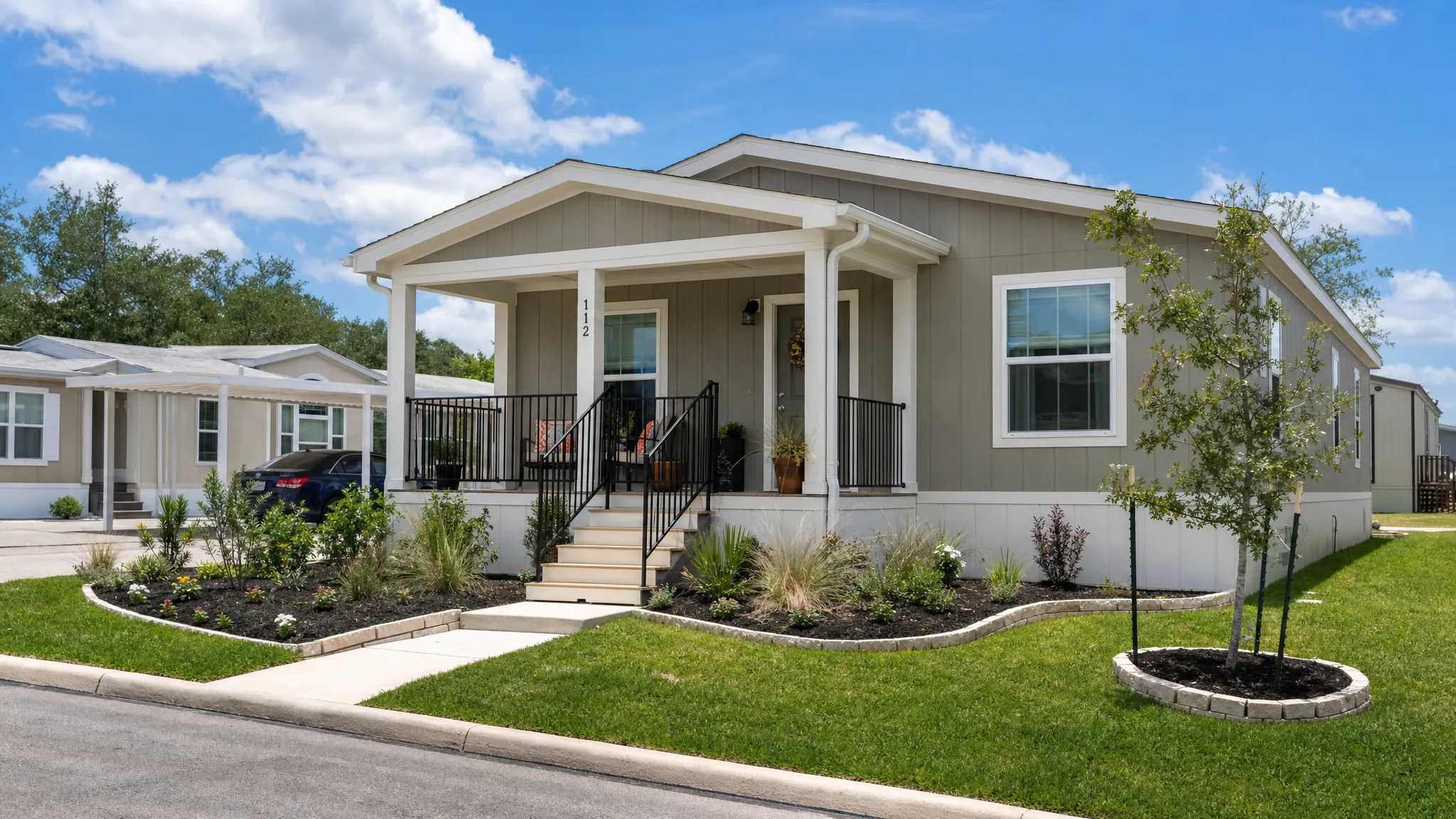
A manufactured home is a factory-built home constructed to the federal HUD Code, then transported to a home site and installed. The HUD manufactured housing program sets national standards for design, construction, durability, fire safety, energy efficiency, and transportability.
This matters because many buyers still picture older “mobile homes” when they hear manufactured housing. Modern manufactured homes can include open-concept layouts, full kitchens, private bedroom suites, energy-efficient features, and contemporary finishes. They can be placed in manufactured home communities, on private land where allowed, or as part of certain land-home packages.
If you are comparing options locally, this guide to manufactured homes in San Antonio explains the differences between manufactured, mobile, modular, and site-built homes in more detail.
How manufactured homes reduce the cost of building
Manufactured homes are not automatically affordable just because they are factory-built. The final cost still depends on the floor plan, finishes, delivery, installation, site work, utilities, financing, land, and local requirements. Still, the building method creates real cost advantages.
Factory construction allows builders to repeat proven floor plans, buy materials at scale, protect materials from weather delays, and coordinate labor more efficiently. That can reduce the cost per square foot compared with many traditional construction projects.
| Affordability factor | How manufactured homes help | What buyers should verify |
|---|---|---|
| Factory production | Homes are built in a controlled environment with repeatable processes | Builder reputation, warranty details, and HUD labels |
| Faster construction | Less exposure to weather delays and on-site scheduling gaps | Delivery timeline, site readiness, and installation schedule |
| Efficient material use | Bulk purchasing and reduced waste can lower production costs | What is included in the base price and what is optional |
| Flexible floor plans | Buyers can choose layouts that fit their household instead of paying for unused space | Bedroom count, storage, accessibility, and future needs |
| Lower entry price | The home itself often costs less than a comparable new site-built home | Total cost including land, utilities, taxes, insurance, and setup |
For families priced out of new site-built construction, these savings can be the difference between continuing to rent and building equity in a home of their own.
Manufactured homes add supply faster
Affordability improves when buyers have more choices. One reason housing costs have risen so sharply in many markets is that new supply has not kept pace with demand, especially at the lower and middle price points.
Manufactured homes can help by increasing the number of available homes more quickly than many traditional construction methods. A factory can keep producing homes while land development, permitting, and site preparation move forward. Once the site is ready, the home can be delivered and installed, often with a more predictable process than a fully site-built project.
This does not mean every manufactured home project is instant. Buyers still need to account for zoning, transportation, utilities, foundations or pads, inspections, community approvals, and lender requirements. But when the pieces are coordinated properly, factory-built homes can create new housing opportunities faster.
In a market like San Antonio, that flexibility matters. Some buyers want a home in a community with existing infrastructure. Others want land outside the urban core. Some need a move-in ready option, while others want to choose a floor plan and prepare a site. Manufactured housing can serve all of these scenarios when the home, land, financing, and local rules line up.
The real affordability advantage is total monthly cost
A lower purchase price is helpful, but the strongest affordability argument for manufactured homes is total monthly cost. Buyers should compare every major cost bucket before deciding what is truly affordable.
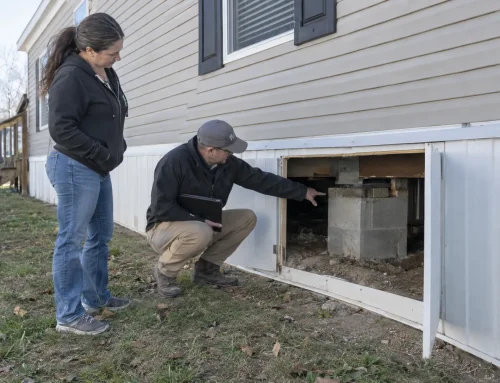
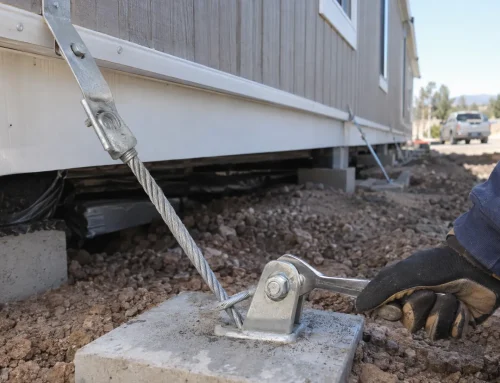
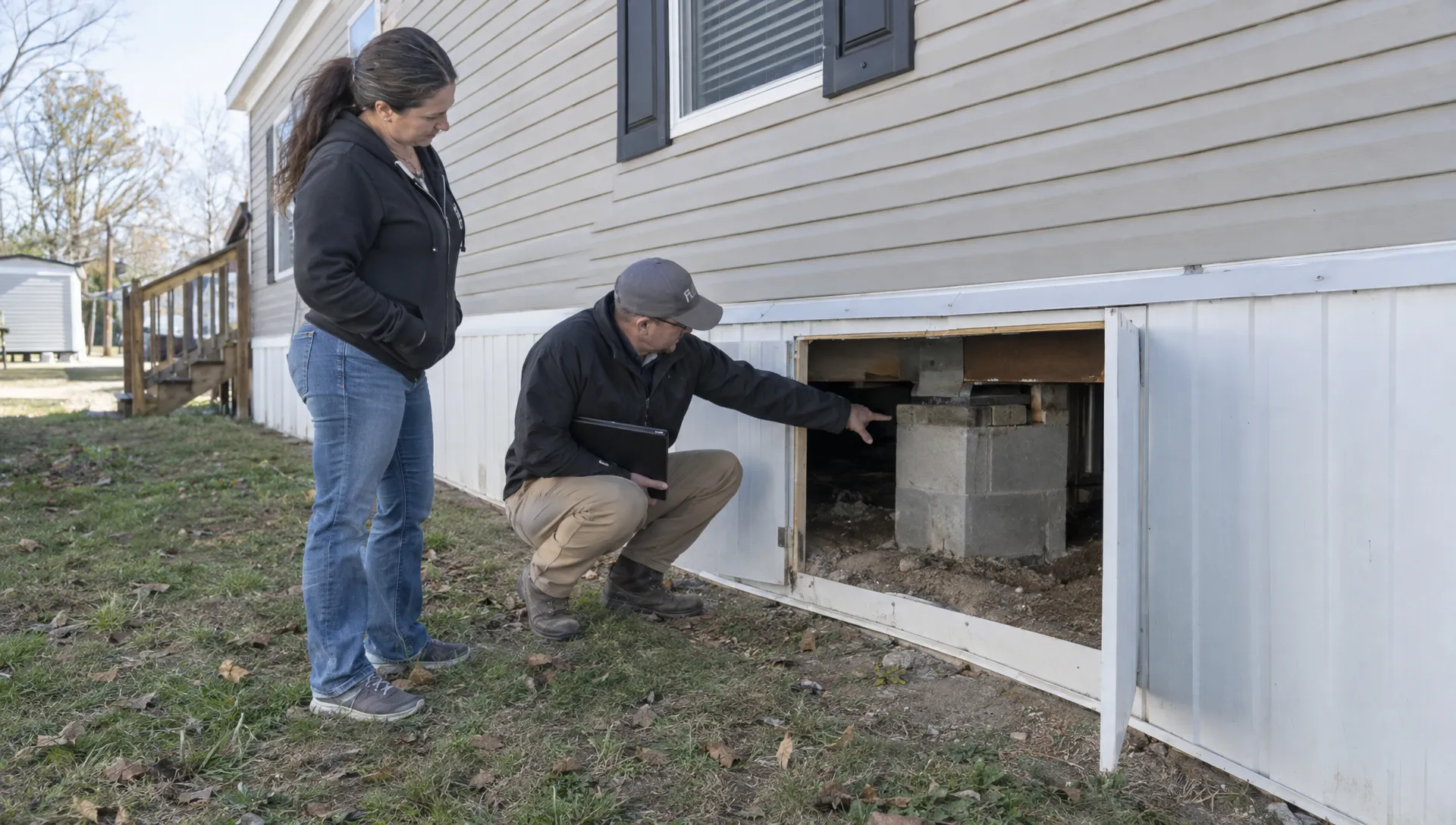
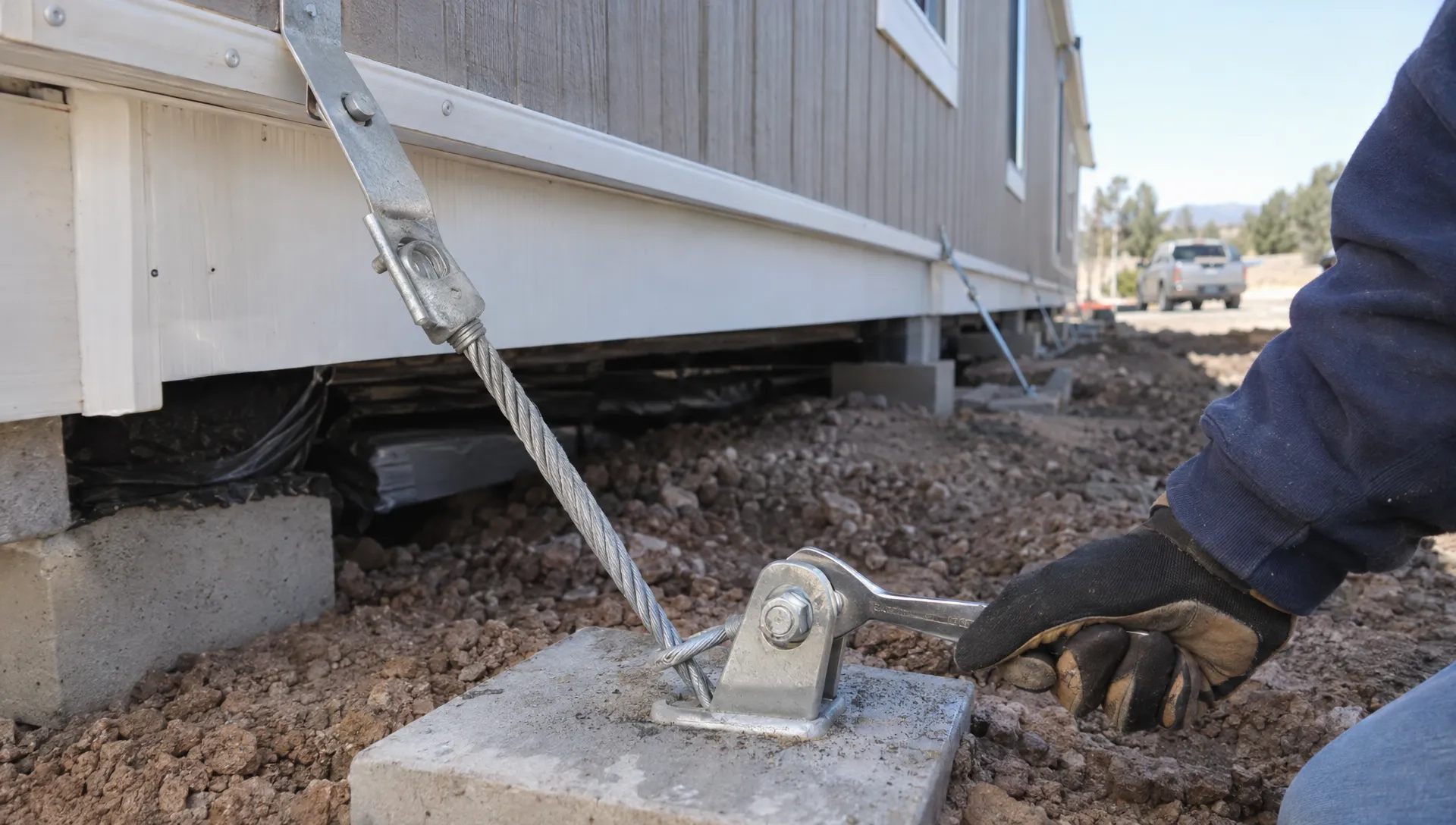
Important cost categories include the home price, delivery and setup, foundation or pad, utility connections, septic or sewer, skirting, steps or decks, taxes, insurance, loan terms, and land or lot rent. In a manufactured home community, lot rent and community rules are part of the budget. On private land, site development and utilities may be larger upfront expenses.
This is where expert guidance matters. A home that looks affordable on paper can become stressful if a buyer underestimates site work or chooses financing that does not fit their situation. Homes2Go San Antonio helps buyers look beyond the sticker price by discussing home models, floor plans, community options, and financing paths with local context.
For a deeper look at loan choices, visit the Homes2Go San Antonio financing options page.
Financing options make homeownership more accessible
One reason manufactured homes can help with the housing affordability crisis is that they support multiple financing paths. The best fit depends on whether the buyer owns land, leases a lot, is buying land with the home, or is purchasing the home only.
Common options may include chattel loans, conventional mortgages, FHA loans, VA loans, and USDA loans, depending on buyer eligibility and property details. Some loans are designed for home-only purchases, while others require the home and land to be financed together as real property.
| Financing path | Common use case | Affordability consideration |
|---|---|---|
| Chattel loan | Home-only purchase, often on leased land | May be faster or simpler, but terms can differ from mortgages |
| Land-home mortgage | Home and land financed together | Can support long-term ownership and land equity when eligible |
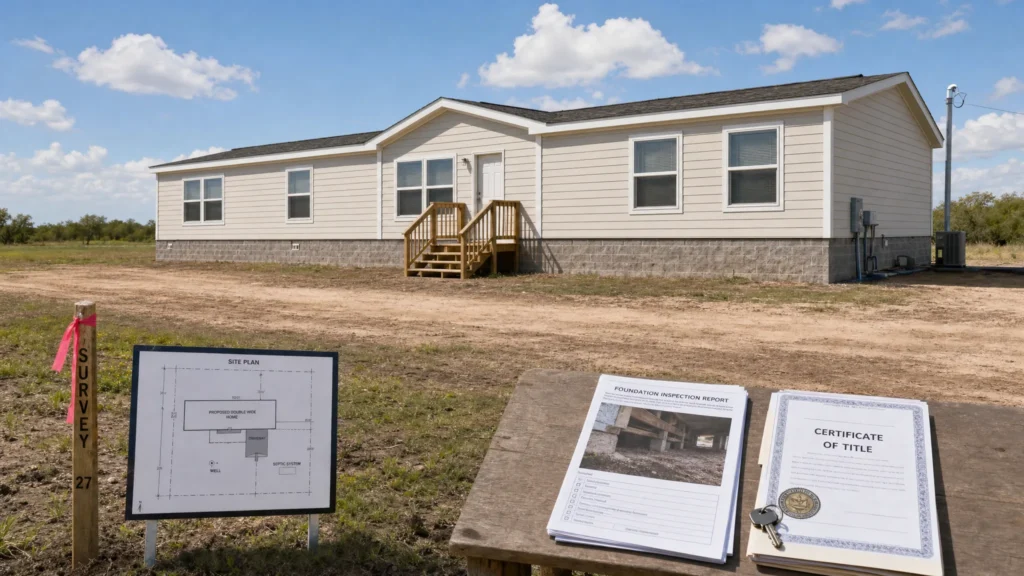
| FHA financing | Qualified buyers seeking government-backed options | Property and foundation requirements must be carefully checked |
| VA financing | Eligible veterans, service members, and surviving spouses | Can be powerful when the home and property meet program rules |
| USDA financing | Eligible rural or suburban areas and qualified buyers | Location, income, and property rules are important |
The key is not to assume one option is best for everyone. A first-time buyer in a San Antonio-area community may need a different strategy than a buyer placing a double-section home on family land outside the city. Working with trusted local lenders can help buyers understand the real payment before they commit.
Energy-efficient designs lower long-term costs
Affordability does not stop at closing. In Texas, utility bills can make a major difference in whether a home remains affordable over time. A home that costs less upfront but performs poorly in the heat may not be the best long-term choice.
Modern manufactured homes can include energy-conscious features such as improved insulation, efficient HVAC systems, better windows, tight ductwork, and smart thermostats. These features help reduce wasted energy and support more consistent indoor comfort.
Buyers in South Texas should pay special attention to cooling performance. A properly sized HVAC system, good air sealing, and shade-conscious placement can make the home more comfortable during long hot seasons. To learn what to look for, read this Homes2Go guide to energy-efficient manufactured homes in Texas heat.
Manufactured homes support different household needs
The affordability crisis does not affect every buyer the same way. A young family may need three bedrooms and a manageable payment. A retiree may want a lower-maintenance home without taking on a large mortgage. A multigenerational household may need more square footage but cannot afford a large site-built home in town.
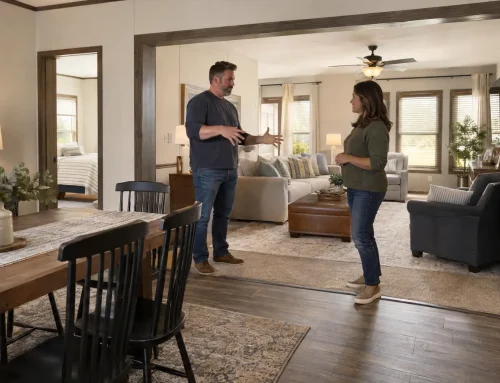
Manufactured housing can help because it offers a wide range of floor plans. Buyers can compare single-section homes, double-section homes, split-bedroom layouts, open kitchens, flex rooms, and accessibility-friendly features. That makes it easier to match the home to the household instead of forcing a family into whatever limited inventory is available.
This flexibility is especially valuable in areas where entry-level site-built homes are scarce. Instead of competing for the same small pool of affordable resale homes, buyers can explore new manufactured home models with modern layouts and available floor plans.
Communities and land-home options expand access
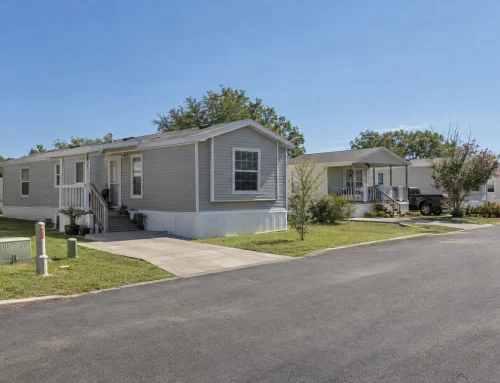
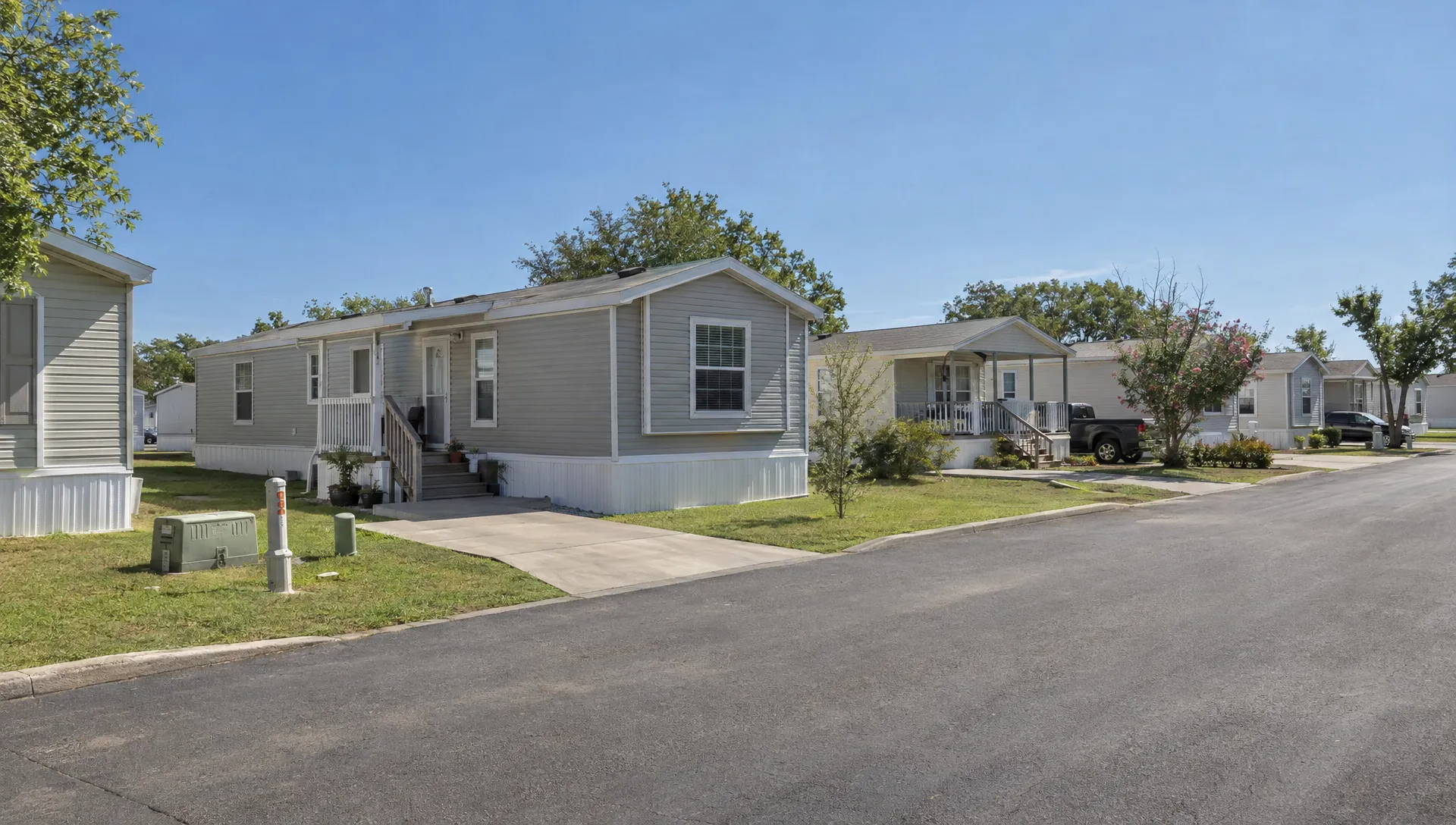
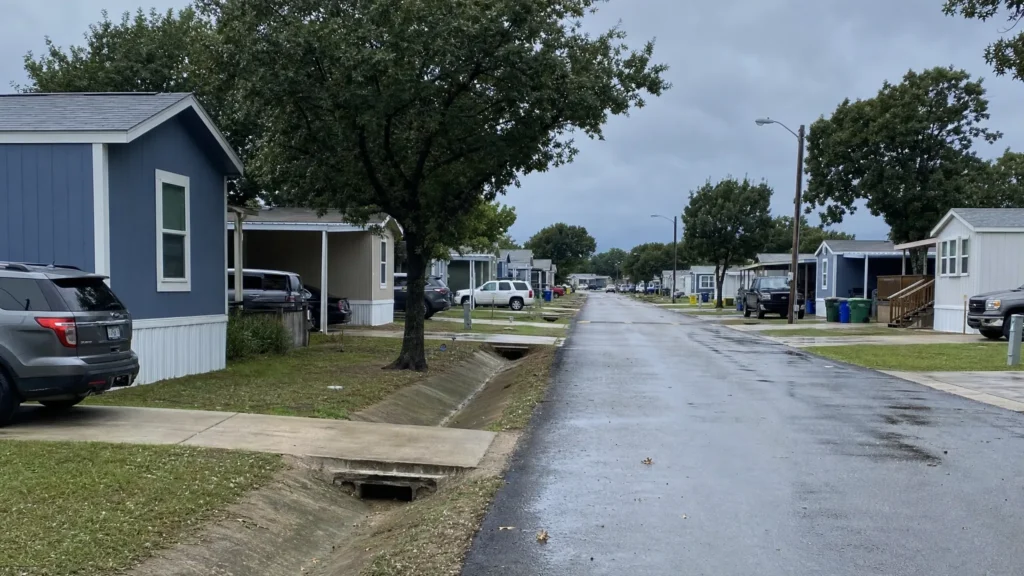
Not every buyer already owns land. In fact, land is one of the biggest barriers to homeownership. Manufactured home communities can help by offering a place for buyers to own the home while leasing the lot, subject to community approval and rules. This can reduce upfront land costs and give buyers access to existing roads, utilities, and neighborhood infrastructure.
For buyers who want land ownership, land-home packages may be another path. These arrangements can combine the home, land, and site planning into a more coordinated process. They are not automatically cheaper, but they can simplify the path for buyers who want a manufactured home on private property.
If land is part of your plan, this guide to land and home packages in San Antonio explains what buyers should understand before moving forward.
What manufactured homes cannot solve alone
Manufactured homes are an important affordability tool, but they are not a complete solution by themselves. The broader housing affordability crisis also requires better land-use policies, more infrastructure investment, responsible lending, consumer protections, and local acceptance of diverse housing types.
Several barriers still limit the impact of manufactured housing:
- Some zoning rules restrict where manufactured homes can be placed
- Buyers may have fewer lender choices than with traditional site-built homes
- Land and site development costs can surprise buyers
- Community lot rents and rules vary widely
- Misconceptions about quality can affect appraisals, resale, and public support
These issues do not make manufactured housing a bad choice. They simply mean buyers need accurate information and local guidance. A well-built home, placed in the right location, installed correctly, and financed responsibly can be a smart long-term housing option.
How to evaluate whether a manufactured home is truly affordable
The best way to use manufactured housing as an affordability solution is to compare the full picture, not just the advertised price. Before choosing a model, buyers should understand their budget, preferred location, financing options, and placement requirements.
A practical affordability check includes these questions:
- What is the total estimated monthly payment, including land or lot costs?
- What delivery, setup, utility, and site work costs are not included in the home price?
- Does the home qualify for the financing program you plan to use?
- Will the home be placed in a community, on private land, or as part of a land-home package?
- What energy-efficiency features are included, and which upgrades are worth considering?
- Are community rules, zoning, permits, and inspections clear before you sign?
- Does the floor plan fit your needs for the next five to ten years?
This type of planning helps buyers avoid one of the most common affordability mistakes: choosing the lowest upfront price without understanding the long-term costs.
Why this matters for San Antonio buyers
San Antonio continues to attract families, workers, retirees, and investors because of its location, culture, job opportunities, and relative value compared with many larger metro areas. But growth also puts pressure on housing supply. As prices rise, buyers need more options between renting and stretching for a site-built home that may strain the budget.
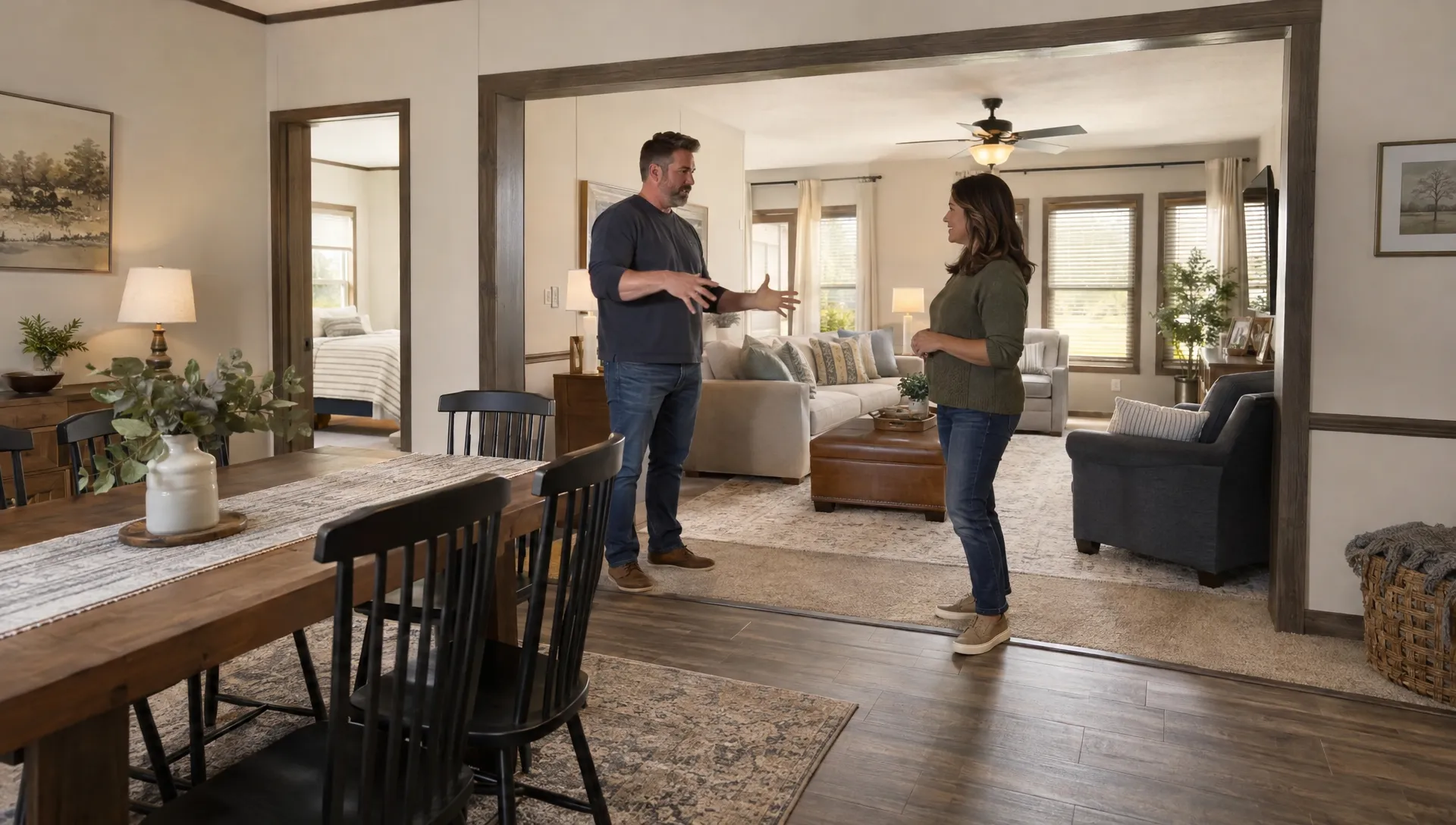
Manufactured homes give local buyers another way to enter homeownership. They can offer modern interiors, energy-efficient designs, flexible layouts, and financing options that may fit a wider range of budgets. For first-time buyers, that can mean building stability sooner. For families, it can mean more space without leaving the region. For downsizers, it can mean a simpler home with a more manageable payment.
The affordability crisis requires many solutions. Manufactured homes are one of the most practical because they address real buyer needs now: cost, speed, flexibility, and access.
Frequently Asked Questions
Do manufactured homes really help the housing affordability crisis? Yes, they can help by adding lower-cost housing supply more quickly than many traditional construction options. They are not a complete solution, but they give buyers another path when site-built homes are too expensive.
Are manufactured homes the same as mobile homes? Not exactly. Homes built after the federal HUD Code took effect in 1976 are manufactured homes. Many people still use the term “mobile home,” but modern manufactured homes follow federal construction and safety standards.
Can I finance a manufactured home in San Antonio? Many buyers can, depending on credit, income, property type, home eligibility, land status, and lender requirements. Options may include chattel loans, FHA, VA, USDA, conventional loans, or land-home financing.
Is a manufactured home always cheaper than a site-built home? The home itself is often less expensive than a comparable new site-built home, but buyers must compare total costs. Land, site work, utilities, insurance, taxes, and financing terms can all affect affordability.
Can manufactured homes be energy efficient? Yes. Many modern models include energy-efficient features, and buyers can look for insulation, efficient HVAC systems, quality windows, sealed ducts, and smart controls that help reduce long-term utility costs.
Where can I place a manufactured home near San Antonio? Placement depends on zoning, land use rules, community requirements, utilities, floodplain considerations, and financing requirements. Buyers should confirm these details before choosing a home or signing a land contract.
Explore affordable manufactured homes in San Antonio
If you are trying to buy a home in today’s affordability crisis, you do not have to navigate the process alone. Homes2Go San Antonio helps buyers compare manufactured home models, review detailed floor plans, explore flexible financing options, and understand community or land-home possibilities around the San Antonio area.
Start by browsing options and asking questions early. The right guidance can help you compare the full monthly cost, avoid surprises, and choose a home that fits your budget and lifestyle.
Visit Homes2Go San Antonio to explore manufactured homes and take the next step toward affordable homeownership.
 FHA for Double Wide Homes: Key Steps to Approval
 What to Look for in an MH Community Before You Move