
Prefab homes can be an affordable path to homeownership in San Antonio, especially when compared with many site-built homes. But when buyers ask whether they can use an FHA loan for a prefab home, the most honest answer is: yes, sometimes, and the details matter.
FHA financing is not based on the word “prefab” alone. It depends on what type of factory-built home you are buying, whether the home will be treated as real estate or personal property, how it is installed, and whether the lender can document that the home and site meet FHA requirements.
For buyers comparing manufactured homes, modular homes, land-home packages, and community placement, this guide explains how FHA loans work, what to ask before you apply, and where deals commonly get delayed.
What “prefab home” means in FHA financing
“Prefab” is a broad consumer term. It usually means some or all of the home is built in a factory, then delivered to the home site. FHA lenders, however, need a more specific category because each type of home is reviewed differently.
| Prefab home type | How it is usually defined | How FHA may view it |
|---|---|---|
| Manufactured home | Built to the federal HUD Code, transported in one or more sections, and installed on a site | Eligible if it meets FHA manufactured housing rules, including construction, size, installation, and property requirements |
| Modular home | Built in factory sections to state or local building codes, then assembled on a permanent foundation | Often treated more like a site-built home once completed and permanently installed |
| Panelized or kit home | Wall panels or components are factory-built, then assembled on site | May be handled as new construction if it meets local code and FHA property standards |
| Park model or RV-style unit | Smaller unit often designed for recreational or seasonal use | Usually not a fit for FHA mortgage financing, especially if it is not a permanent primary residence |
This distinction is important because many people use “mobile home,” “manufactured home,” “modular home,” and “prefab home” interchangeably. FHA does not. A manufactured home has federal HUD labels and a data plate. A modular home is typically built to local or state building code and usually does not have HUD manufactured housing labels.
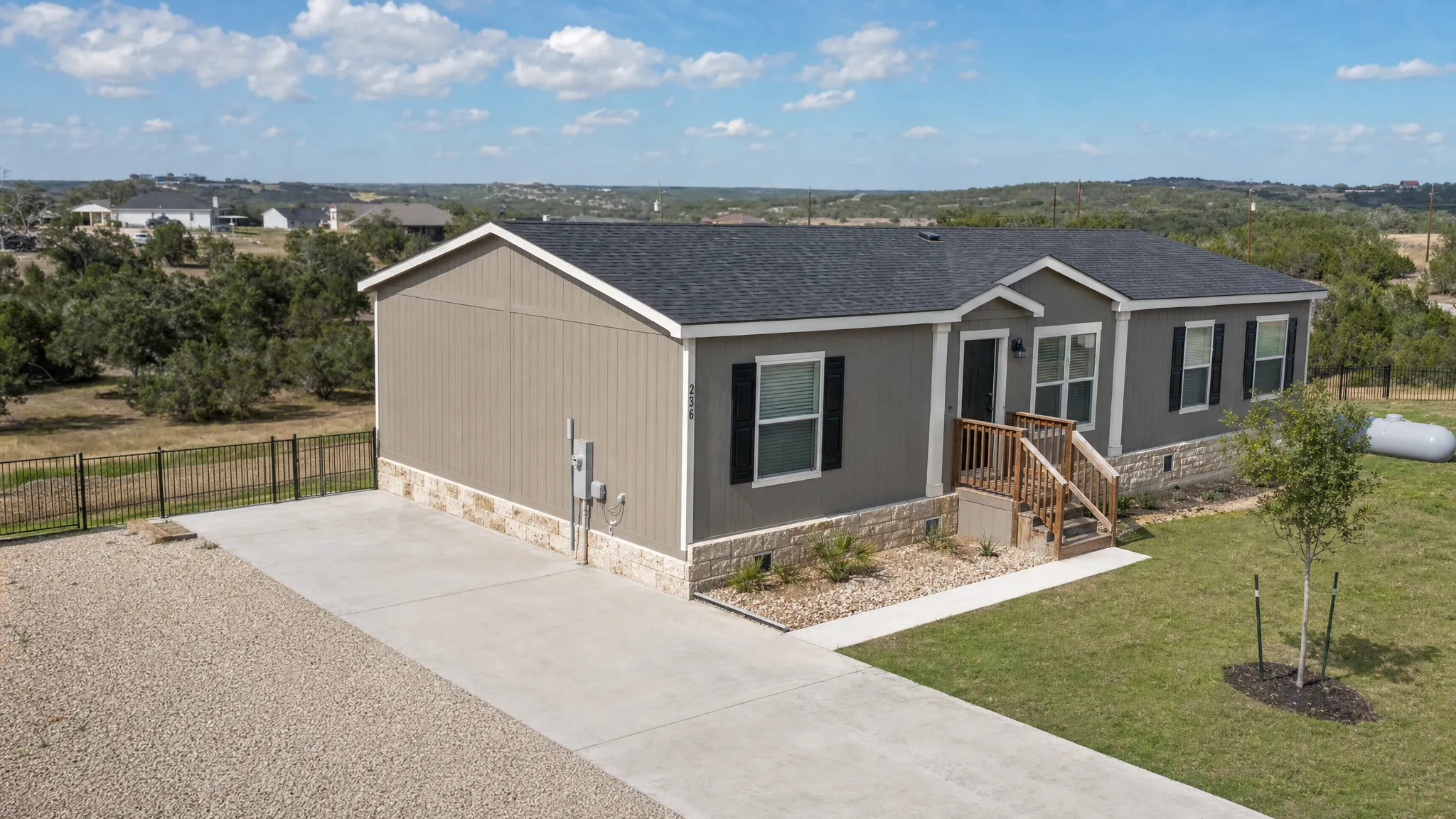
FHA does not lend the money directly
An FHA loan is made by an FHA-approved lender. The Federal Housing Administration insures the loan, which helps reduce lender risk and can make financing more accessible for qualified buyers.
That insurance is why FHA loans are known for flexible credit guidelines and lower down payment options compared with many conventional mortgage programs. For many FHA purchase loans, qualified borrowers may be able to put as little as 3.5% down if they meet the required credit score threshold. Lenders can also have additional requirements, often called overlays, especially for manufactured or prefab homes.
In practical terms, you will work with a lender, not directly with FHA. The lender reviews your income, credit, debts, down payment funds, home choice, land or community arrangement, appraisal, title, and installation documents.
HUD provides information about manufactured home loan insurance through its Manufactured Home Loan Insurance program, and the broader manufactured housing standards are overseen through HUD’s Manufactured Housing Program.
The main FHA loan paths for prefab homes
There are two FHA paths that come up most often for factory-built housing: a standard FHA mortgage under Title II and an FHA Title I manufactured home loan. Modular homes may also be financed through a standard FHA mortgage when they are treated as real property and meet FHA property requirements.
| Feature | FHA Title II mortgage | FHA Title I manufactured home loan |
|---|---|---|
| Common use | Manufactured home and land as real estate, or modular home treated like site-built housing | Manufactured home-only, lot-only, or home-and-lot financing in certain cases |
| Property status | Usually real property | May include personal property scenarios |
| Land requirement | Borrower typically owns or is buying the land with the home | May work with an eligible leased lot, depending on lender and program rules |
| Foundation | Permanent foundation is usually required for manufactured homes | Proper installation and site requirements still matter |
| Best fit | Land-home packages, private land, and qualifying modular homes | Some community or home-only manufactured home purchases |
| Lender availability | Availability varies, but many mortgage lenders understand Title II | Availability can be more limited, so ask early |
For many San Antonio buyers, the biggest question is whether the home will be placed on owned land, purchased together with land, or placed in a manufactured home community. That decision can affect not only the lifestyle and monthly cost, but also the type of FHA financing available.
If you are still comparing loan types, Homes2Go San Antonio’s financing overview is a helpful next step because it explains FHA, chattel, conventional, VA, and USDA options for manufactured-home buyers.
FHA loans for manufactured prefab homes
Manufactured homes are one of the most common prefab housing options in the San Antonio area. They can offer modern interiors, efficient layouts, and lower purchase prices than many traditional homes. FHA financing may work, but the home and site must meet specific standards.
For a manufactured home to be considered for FHA financing, lenders commonly look for requirements such as:
- The home was built after June 15, 1976, when the HUD Code took effect.
- The home has required HUD certification labels and a data plate.
- The home is designed as a one-family dwelling and will be used as the borrower’s primary residence.
- The home meets minimum size and construction requirements.
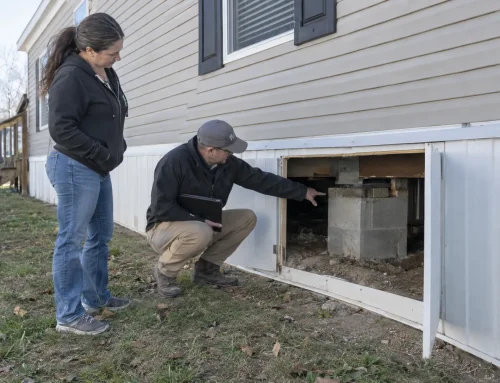
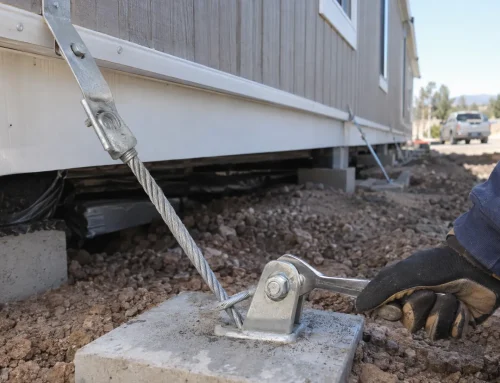
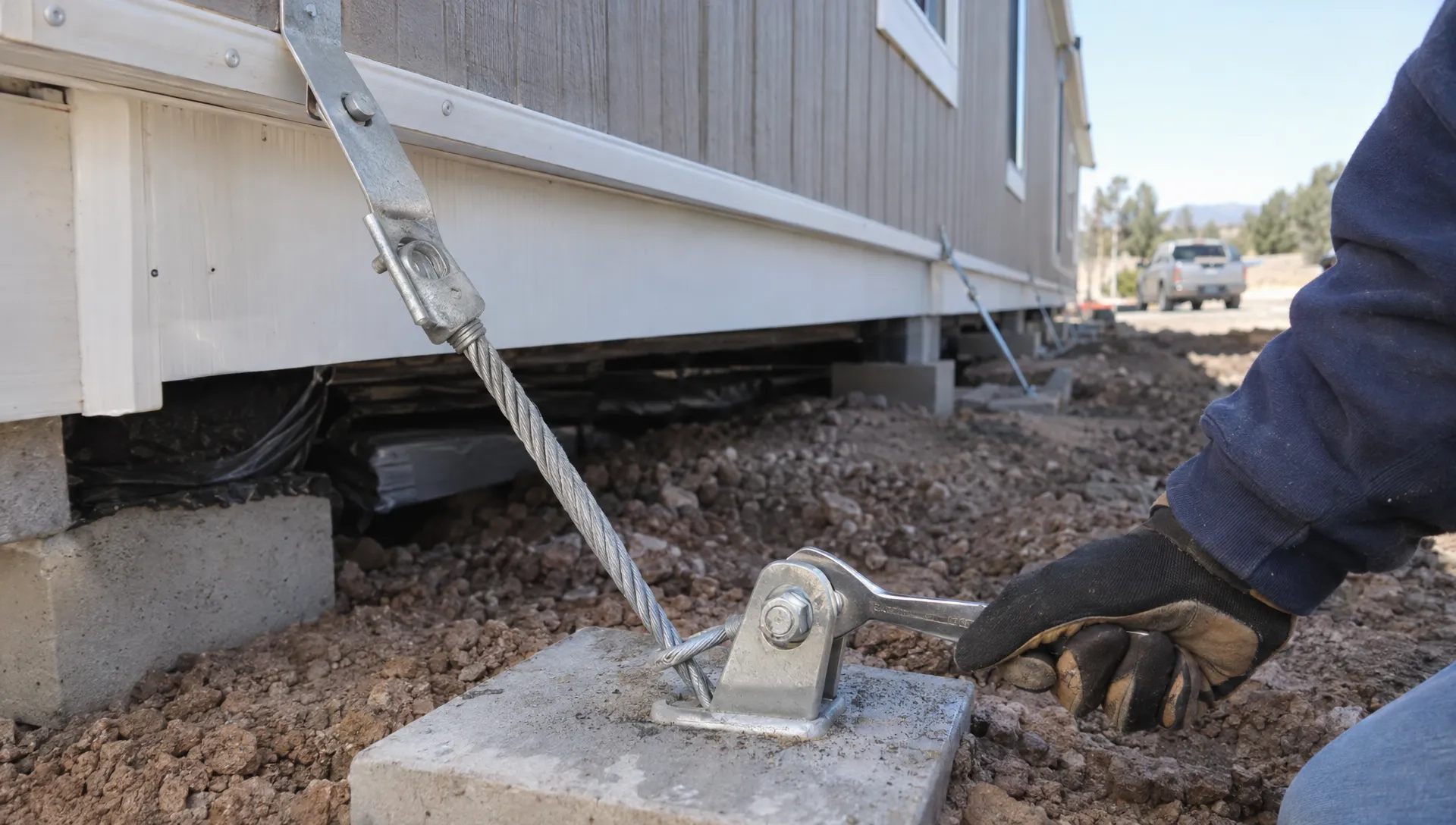
- The home is properly installed according to applicable standards.
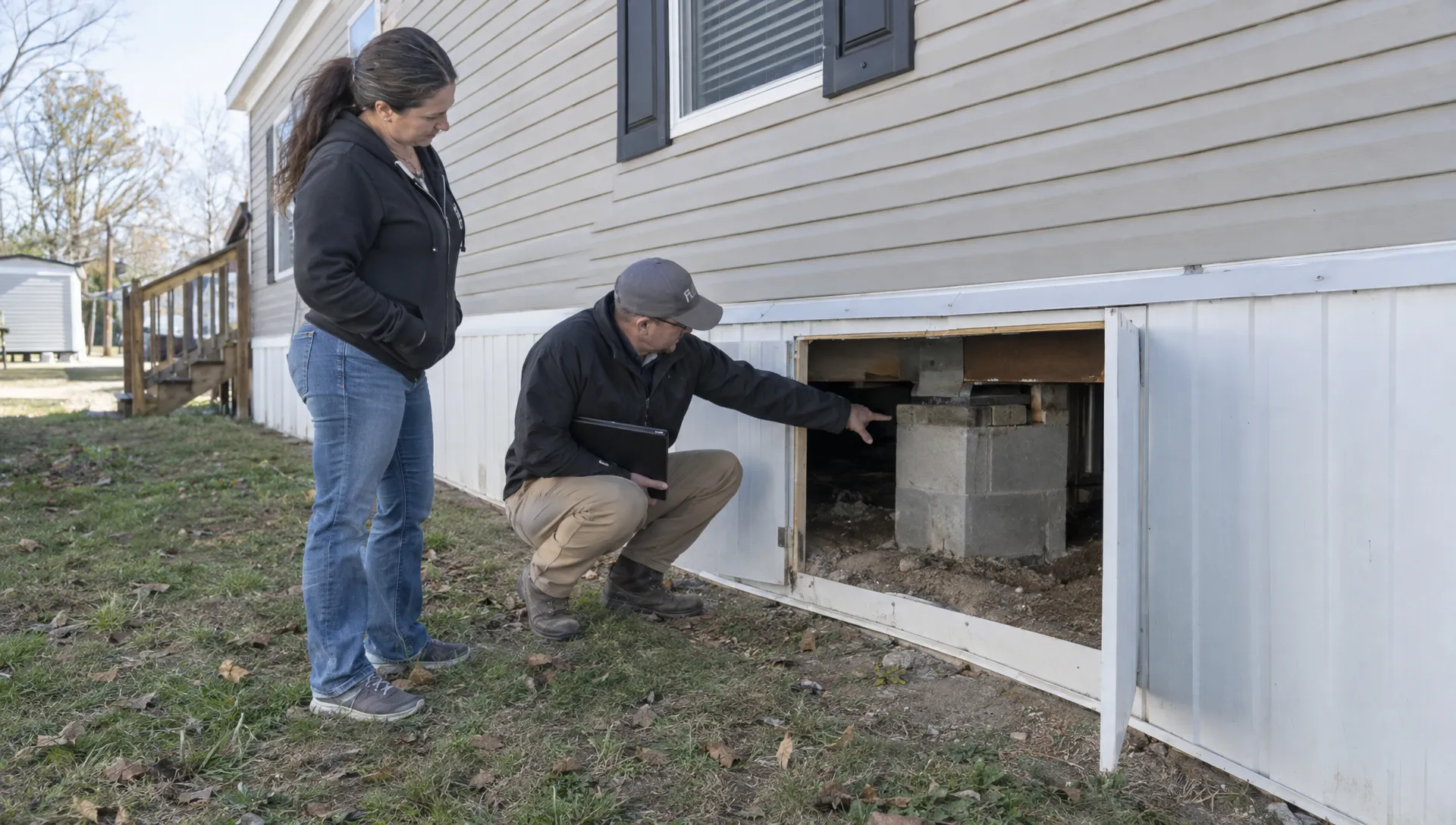
- For a Title II mortgage, the home is on a permanent foundation and classified as real property.
- The site has legal access, utilities, and acceptable zoning or land-use status.
A common mistake is assuming that any manufactured home can be financed with FHA as long as the buyer qualifies. In reality, the home itself must qualify too. Older homes, missing HUD labels, title problems, foundation issues, or land-use conflicts can stop a loan even when the borrower has strong income and credit.
FHA loans for modular prefab homes
Modular homes can be easier to understand if you think of them as site-built homes with factory-built sections. Once the home is assembled on a permanent foundation and passes required inspections, many lenders treat it similarly to a traditional home.
With modular homes, FHA lenders usually focus on the same broad issues they would review for other real estate:
- The home must meet local building code requirements.
- The home must be permanently attached to the land.
- The property must be appraised and meet FHA minimum property standards.
- The borrower must qualify based on income, credit, debt, and occupancy.
- The title, permits, and certificate of occupancy must support the completed home.
The financing structure can vary. Some buyers need a construction-to-permanent setup if the modular home is not yet installed. Others may be buying a completed modular home that can be financed like a standard resale property. This is why it helps to involve the lender before you commit to a floor plan, builder, land contract, or installation timeline.
What lenders review before approving an FHA prefab home loan
An FHA loan for a prefab home has two sides: the borrower and the property. Both must work.
On the borrower side, the lender reviews your credit history, qualifying income, employment stability, debt-to-income ratio, down payment funds, and ability to afford the full monthly payment. The full payment may include principal, interest, FHA mortgage insurance, property taxes, homeowners insurance, flood insurance if required, HOA dues, community fees, or lot rent depending on the deal structure.
On the property side, the lender reviews the home type, appraisal, title, foundation, installation, utilities, access, permits, flood zone, and whether the property is legally acceptable for residential use. For manufactured homes in Texas, title and ownership records can be especially important. The Texas Department of Housing and Community Affairs has a Manufactured Housing Division that handles key manufactured housing records and consumer information.
The most successful buyers start with both sides at the same time. Getting prequalified is helpful, but it does not guarantee that every home, lot, or community will qualify. You want a home and site that fit the financing from the beginning.
How the FHA prefab home process usually works
The exact process depends on whether you are buying a manufactured home, modular home, move-in ready home, or land-home package. Still, most FHA prefab home purchases follow a similar path.
- Confirm the home type: Before asking whether FHA will work, clarify whether the home is manufactured, modular, panelized, or another factory-built product. Ask for the documents that prove the classification.
- Talk with an FHA-experienced lender: Not every lender is comfortable with manufactured or prefab housing. Ask specifically whether they finance your home type, land setup, and location.
- Get prequalified based on your budget: The lender reviews your income, credit, debts, and funds available. This helps you shop within a realistic monthly payment.
- Choose the home and site together: A floor plan that works on private land may not fit a specific community lot. A community lot may have rules about home age, size, roof pitch, skirting, parking, or exterior features.
- Verify land, utilities, and access: FHA lenders care about legal access, water, sewer or septic, electric service, drainage, flood risk, and whether the home can legally be placed there.
- Order appraisal and property review: The FHA appraisal helps confirm value and minimum property standards. For manufactured homes, foundation or installation certifications may also be required.
- Clear title and document conditions: The lender may request title records, sales contracts, manufacturer documents, engineer certifications, insurance quotes, tax information, and proof of occupancy plans.
- Close, install, and finalize: Depending on the transaction, closing may happen before final setup or after all installation conditions are complete. The lender will explain the required sequence.
This is where local guidance matters. A San Antonio buyer may be comparing Bexar County, Elmendorf, private rural land, and manufactured home communities all at once. Each option can have different utility, permitting, commute, school, and financing considerations.
What can delay or derail FHA financing
FHA financing can be a strong option, but prefab homes add documentation steps. Many problems are preventable when you know what to check early.
| Potential issue | Why it matters | What to do early |
|---|---|---|
| The home type is unclear | FHA rules differ for manufactured and modular homes | Ask for manufacturer documents, HUD labels if manufactured, and building-code documentation if modular |
| The home is too old or lacks HUD labels | Manufactured homes must meet HUD Code documentation requirements | Verify labels and data plate before paying for inspections or appraisals |
| Foundation is not acceptable | Title II manufactured home loans generally require a permanent foundation | Ask the lender what foundation certification or engineer report is needed |
| Land is not ready | Missing utilities, driveway, septic, or pad work can affect approval and timeline | Confirm site prep costs and responsibilities in writing |
| Title is not clean | Ownership, liens, or personal-property records can delay closing | Review title status before committing to the home |
| Community rules conflict with financing | Some communities have lease, approval, age, or installation requirements | Get community approval requirements before choosing a home |
| Flood zone or drainage concerns | Flood insurance or site conditions can change affordability | Check flood maps, elevation needs, and insurance quotes early |
The biggest lesson is simple: do not shop for the home, land, and loan in separate silos. They need to fit together.
How FHA affects your monthly payment
FHA is often attractive because of its down payment flexibility, but your payment is about more than the interest rate. A realistic prefab home budget should include all monthly housing costs.
For a land-home FHA mortgage, the payment may include loan principal, interest, property taxes, homeowners insurance, and FHA mortgage insurance. If the property is in a flood zone, flood insurance may also be required. If there is an HOA or community fee, that may be part of your budget review too.
For a manufactured home in a community, your monthly cost may include the home payment plus lot rent, utilities, insurance, and community fees. Depending on the loan type, lot rent may not be part of the mortgage payment, but it still affects what you can comfortably afford.
Energy efficiency also matters in South Texas. A slightly higher home payment for a well-insulated home with efficient windows, sealed ducts, and properly sized HVAC may be easier to live with than a cheaper home that costs more to cool every summer. When comparing floor plans, ask about insulation, HVAC specifications, window performance, and expected utility needs.
FHA vs other prefab home financing options
FHA is not the only way to finance a prefab or manufactured home. It is one option to compare against your home type, land plan, military status, rural eligibility, credit profile, and timeline.
| Loan option | When it may fit | What to watch |
|---|---|---|
| FHA | Buyers who want flexible credit and down payment options for qualifying homes | Property rules, mortgage insurance, and documentation requirements |
| Conventional mortgage | Buyers with stronger credit or larger down payments, especially for real-property transactions | Manufactured home requirements can vary by lender and investor |
| Chattel loan | Manufactured home-only purchases, often in communities or without land ownership | Rates and terms may differ from traditional mortgages, and land equity is not included |
| VA loan | Eligible veterans, active-duty service members, and qualifying spouses | VA eligibility, lender participation, and property requirements still apply |
| USDA loan | Eligible rural properties and qualifying borrowers | Location, income limits, and property eligibility are key |
The right loan is not always the one with the lowest advertised rate. It is the one that fits the home, land, approval timeline, and total monthly cost.
San Antonio tips for using FHA on a prefab home
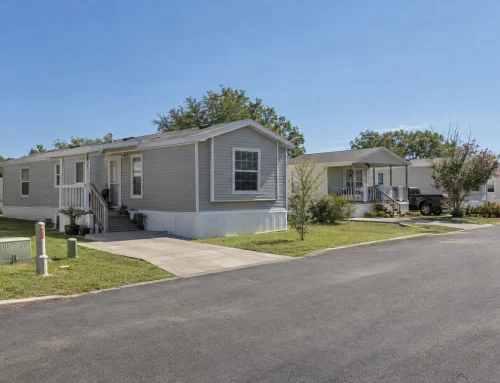
San Antonio-area buyers have a wide range of options, from manufactured home communities to private lots outside the city, to land-home packages near growing corridors. That variety is helpful, but it also means you should confirm local details before you fall in love with a home.
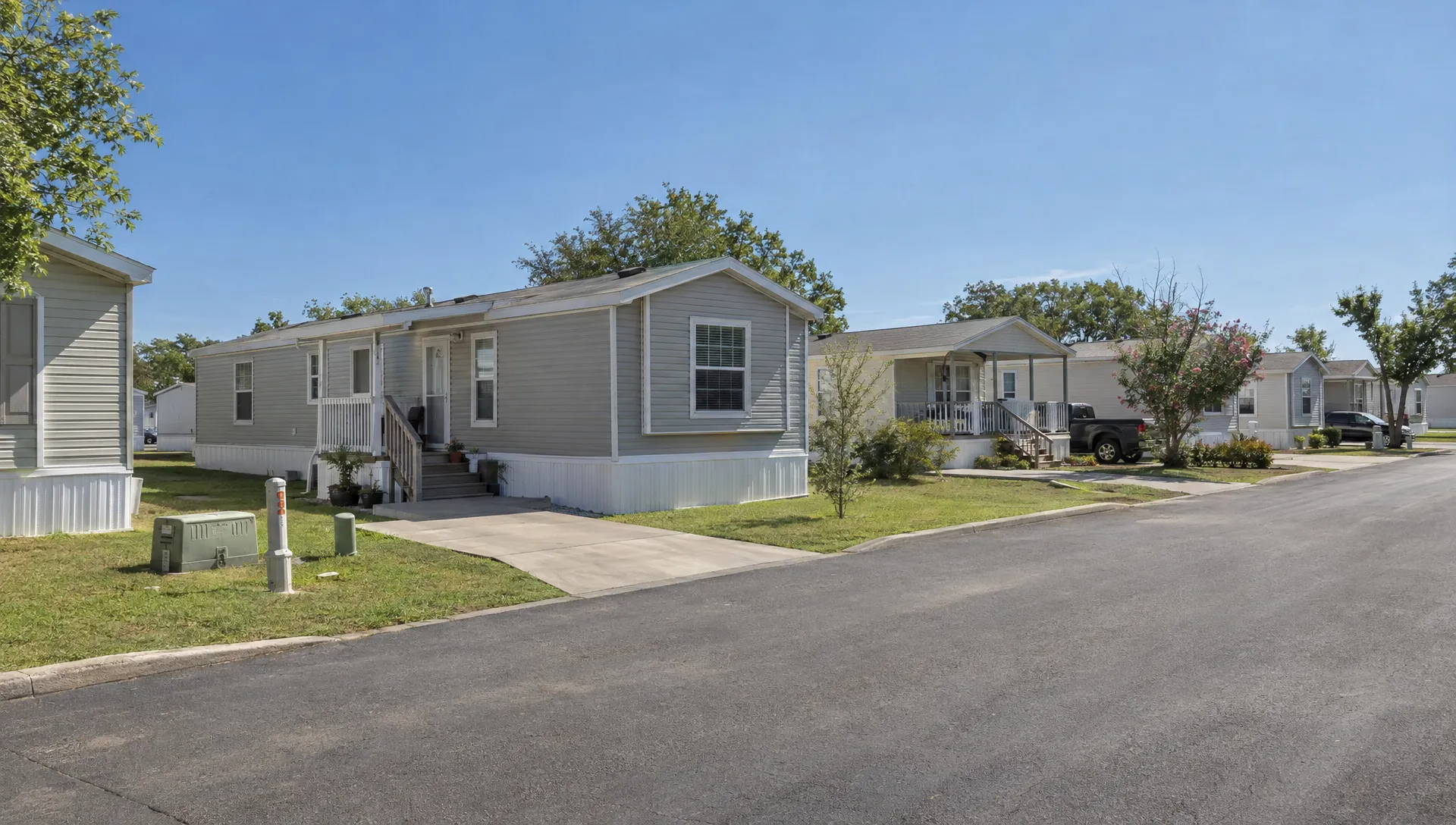
Start by deciding where you want the home to be placed. If you want a community, ask about lot rent, lease terms, approval requirements, pet rules, parking, home age restrictions, and utility billing. If you want private land, review zoning or land-use rules, floodplain status, septic requirements, driveway access, electric availability, and site preparation costs.
Next, match the home to the financing. A move-in ready manufactured home in an established location may have a different FHA path than a new manufactured home being installed on land. A modular home may be reviewed differently from a HUD-code manufactured home. A lender who understands these differences can save you time.
Homes2Go San Antonio helps buyers compare manufactured home models, floor plans, communities, and financing paths. If you are still early in the process, you can browse local opportunities such as available property options and speak with the team about what type of financing may fit your situation.
Documents to gather before you apply
Having documents ready can make the FHA process smoother. Your lender may ask for different items depending on the loan and home type, but it is smart to prepare early.
Common borrower documents include recent pay stubs, W-2s or tax returns, bank statements, photo ID, rental history, and explanations for any major credit issues. Self-employed buyers may need additional tax and business records.
Common property documents may include the purchase agreement, home invoice or sales contract, manufacturer information, HUD label and data plate details for manufactured homes, floor plan, site plan, land contract or lease, title records, foundation documentation, utility information, insurance quote, and community approval if applicable.
Do not worry if you do not know which documents apply yet. A knowledgeable sales consultant and lender can help you identify the right checklist based on the home you choose.
Frequently Asked Questions
Can you use an FHA loan for a prefab home? Yes, FHA financing may be available for prefab homes, but the home must fit the correct category and meet FHA requirements. Manufactured homes, modular homes, and other prefab structures are reviewed differently.
Is a manufactured home the same as a modular home for FHA? No. A manufactured home is built to the federal HUD Code and has HUD labels. A modular home is usually built to state or local building codes. FHA lenders document and underwrite them differently.
Can I use FHA if the manufactured home is in a community? It may be possible through certain financing paths, especially if the loan program and lender allow the land or lease structure. Ask the lender early because community placement can affect loan options.
Does FHA require a permanent foundation for a prefab home? For manufactured homes financed as real property under a Title II FHA mortgage, a permanent foundation is generally required. Modular homes also usually need to be permanently installed to be financed as real estate.
Can first-time buyers use FHA for prefab homes? Yes. FHA loans are often used by first-time buyers, but you do not have to be a first-time buyer to qualify. The borrower, home, and property all need to meet the lender and FHA requirements.
What is the biggest mistake buyers make with FHA prefab financing? The biggest mistake is choosing a home or lot before confirming that the loan, home type, title status, foundation, utilities, and location all work together.
Ready to explore FHA-friendly prefab home options?
If you are considering an FHA loan for a prefab home in the San Antonio area, start with the home type, the site, and the financing together. That gives you a clearer budget and helps you avoid surprises later.
Homes2Go San Antonio offers a wide selection of manufactured homes, detailed floor plans, guidance for first-time buyers, flexible financing options, and access to trusted local lenders. Visit Homes2Go San Antonio to compare options or connect with the team about your next step toward affordable homeownership.
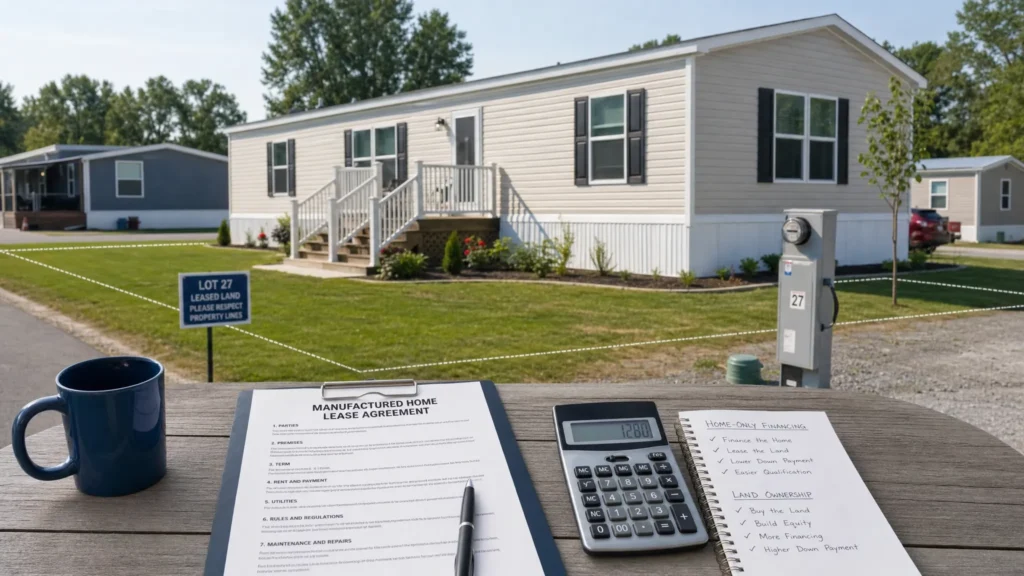 Manufactured Housing Chattel Loans: Pros, Cons, and Fit
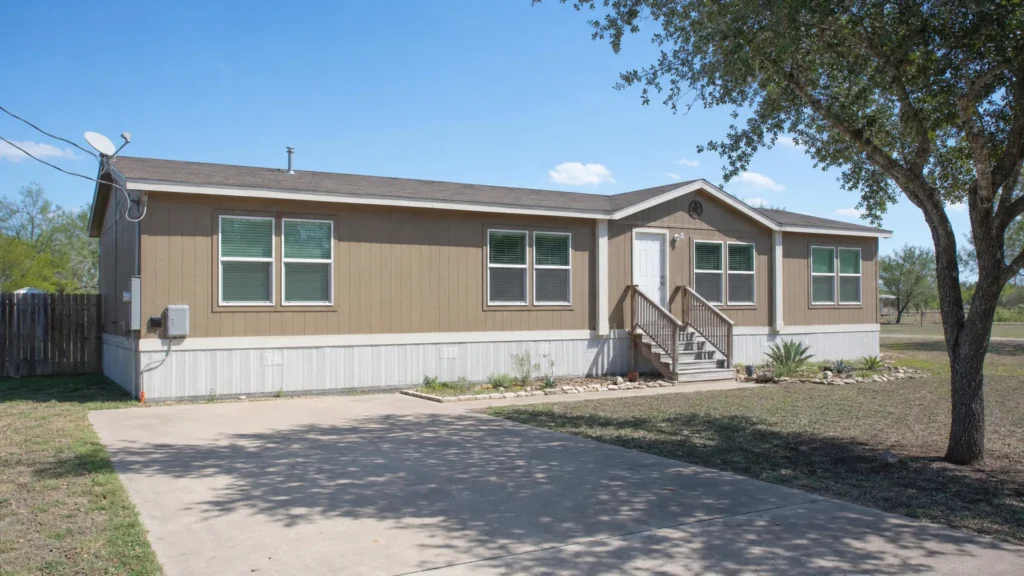 FHA Rules for Double Wide Mobile Homes Explained