
Termites are easy to underestimate in a manufactured home. The home may sit above the ground, the exterior may look clean and the damage may be hidden behind skirting or under the subfloor. By the time soft spots, sagging floors or damaged trim appear, the colony may have been active for months.
A mobile home termite inspection is a focused look for termites, previous termite damage and conditions that make an infestation more likely. For San Antonio buyers and owners, it can be one of the simplest ways to protect a major purchase, especially when the home sits on piers, has skirting, includes attached steps or decks, or is being placed on land that has had previous structures.
Many people use the term mobile home when they mean a modern manufactured home. Either way, the risk is real. Termites feed on cellulose, which can be found in wood framing, subflooring, trim, cabinets, steps, decks, sheds and debris under or near the home. The inspection helps you find problems before they become expensive surprises.
What is a mobile home termite inspection?
A mobile home termite inspection is usually part of a broader wood-destroying insect inspection, often called a WDI inspection. The inspector looks for visible signs of termites and other wood-destroying insects, plus moisture and access conditions that could attract them.
This is different from a general mobile home inspection. A general inspector may point out suspicious damage, moisture or wood-to-soil contact, but a formal termite or WDI report is typically completed by a licensed pest professional. In Texas, structural pest control licensing is overseen by the Texas Department of Agriculture, so buyers should confirm that the inspector is properly licensed if a lender, seller or closing agent needs an official report.
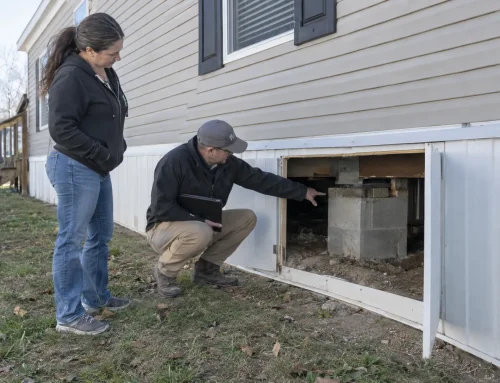
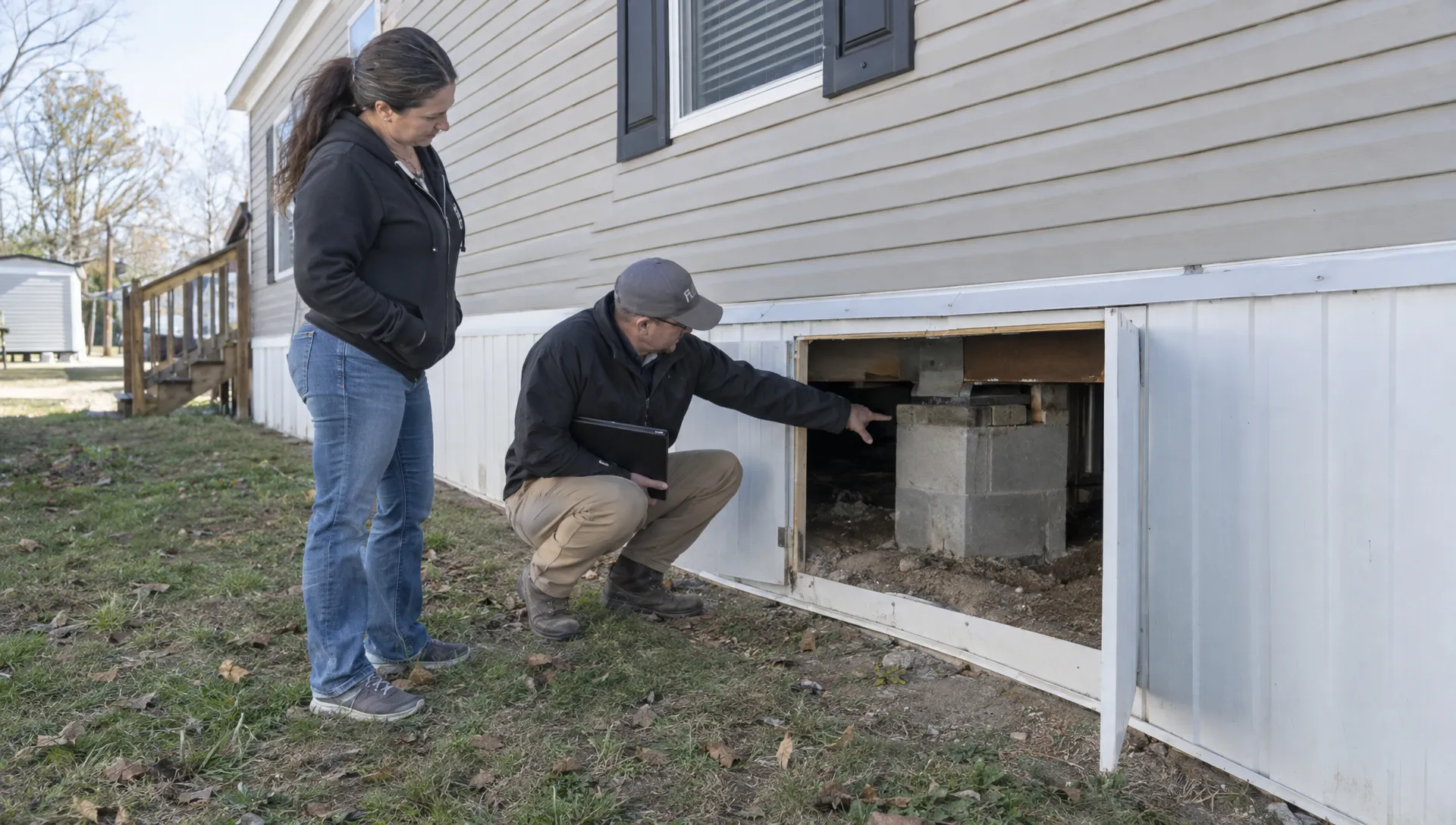
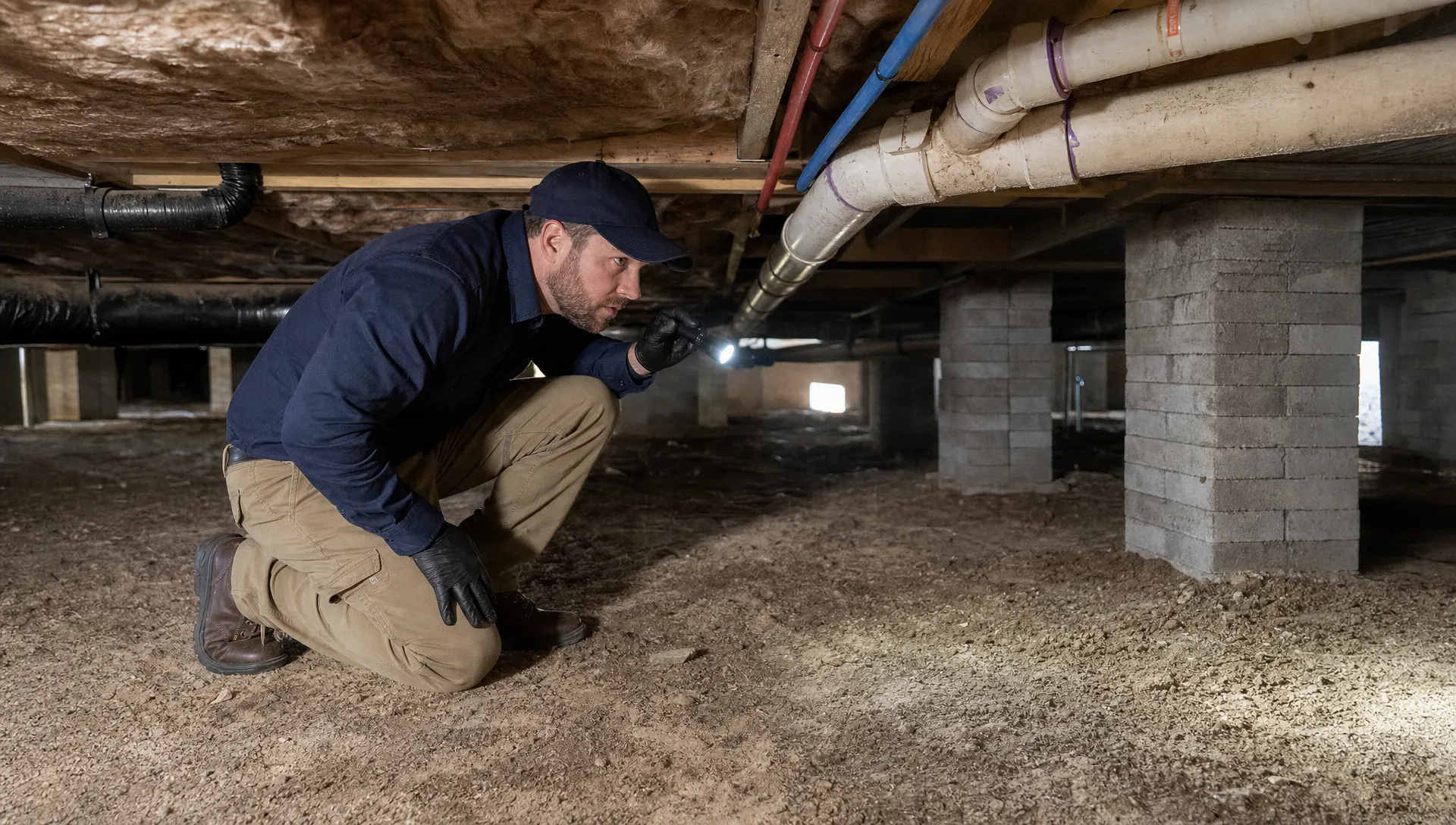
A good inspection does not rely only on the living areas. The underside of the home matters. Termites often enter from the ground, move through sheltered areas and hide behind skirting, around piers, near plumbing penetrations or at wood steps and porches.
Why termite risk is different for mobile and manufactured homes
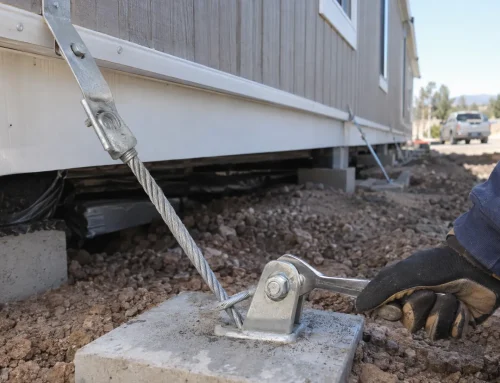
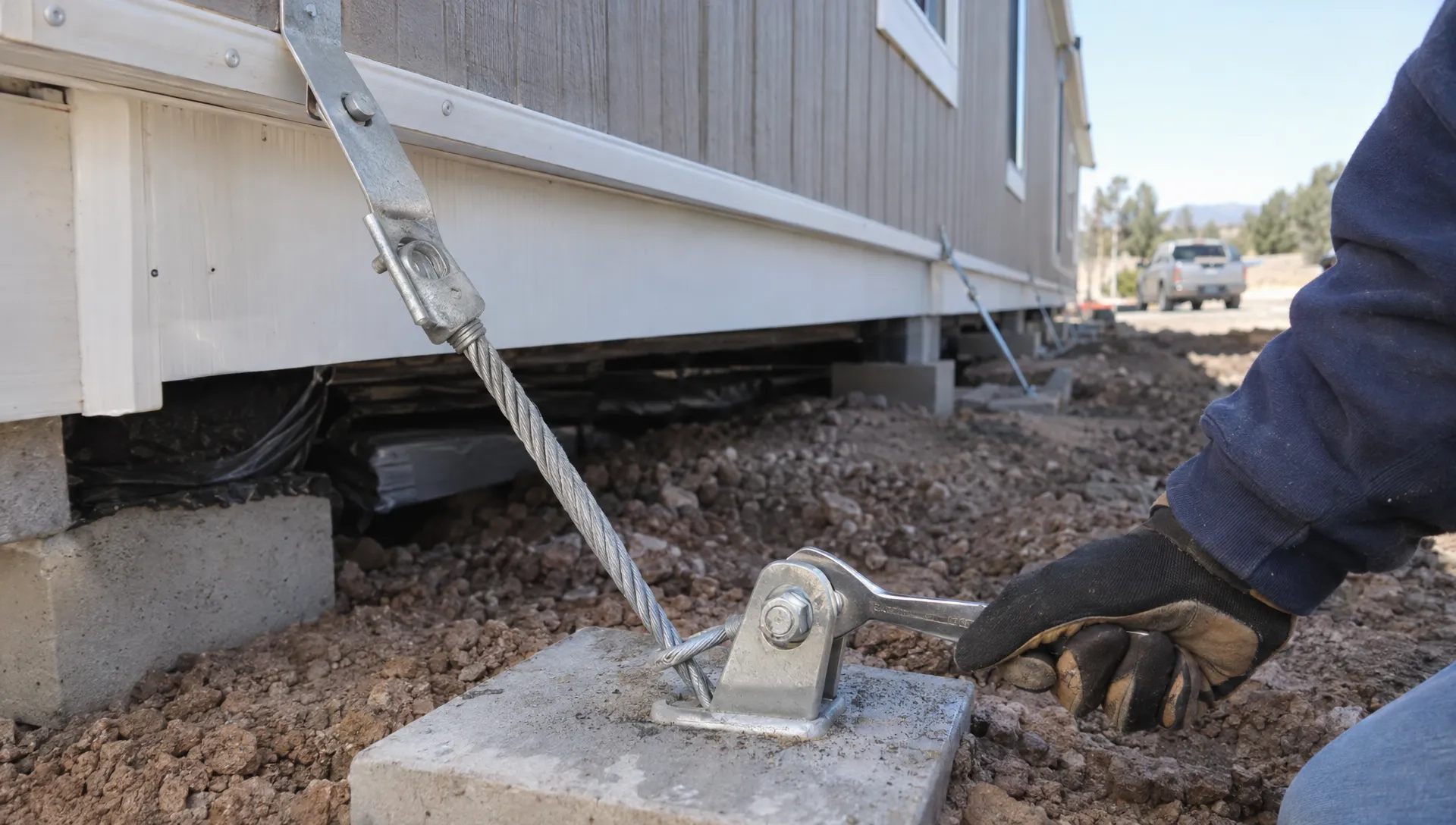
Manufactured homes can be very well built, but their setup creates inspection points that are different from a site-built house. The home is often elevated, skirted and supported by a pier and beam or similar foundation system. That under-home space can hide moisture, wood scraps, mud tubes, plumbing leaks and damaged insulation.
In San Antonio, warm weather and periods of moisture can also support termite activity. The EPA notes that termites can be difficult to detect and that common warning signs include mud tubes, damaged wood and discarded wings. Around a manufactured home, those signs may not be visible from the living room. They may be under the home, behind access panels or along exterior additions.
Subterranean termites are usually the biggest concern because they live in the soil and travel to food sources through mud tubes. Drywood termites can also be a concern in some structures, but they do not need soil contact in the same way. A qualified pest inspector can help distinguish between active infestation, old damage and non-termite issues such as rot or water damage.
When do you need a mobile home termite inspection?
You do not need to wait until you see bugs. In fact, the best time to schedule an inspection is before there is an obvious problem.
| Situation | Why the inspection matters |
|---|---|
| Before buying a pre-owned mobile or manufactured home | It can reveal hidden damage, active infestation or conditions you may want repaired before closing. |
| Before placing a home on an existing lot | The land, old decks, buried wood, sheds or previous structures may create termite risk before the home arrives. |
| When a lender or loan program requests a WDI report | Some transactions require a termite or wood-destroying insect report before approval or closing. |
| After plumbing leaks, roof leaks or flooding | Moisture raises the risk of termites and wood decay, especially under the home. |
| Before selling your home | A clean report can reduce buyer anxiety and help avoid last-minute negotiations. |
| When you see suspicious signs | Mud tubes, soft floors, blistered trim or swarming insects should be checked promptly. |
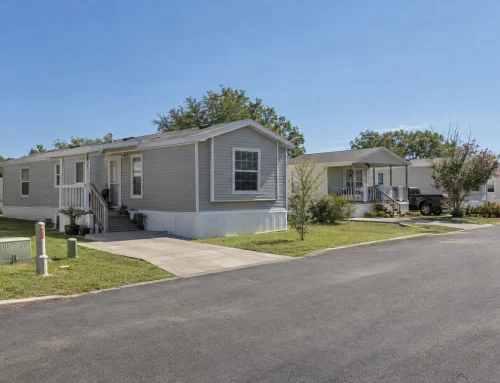
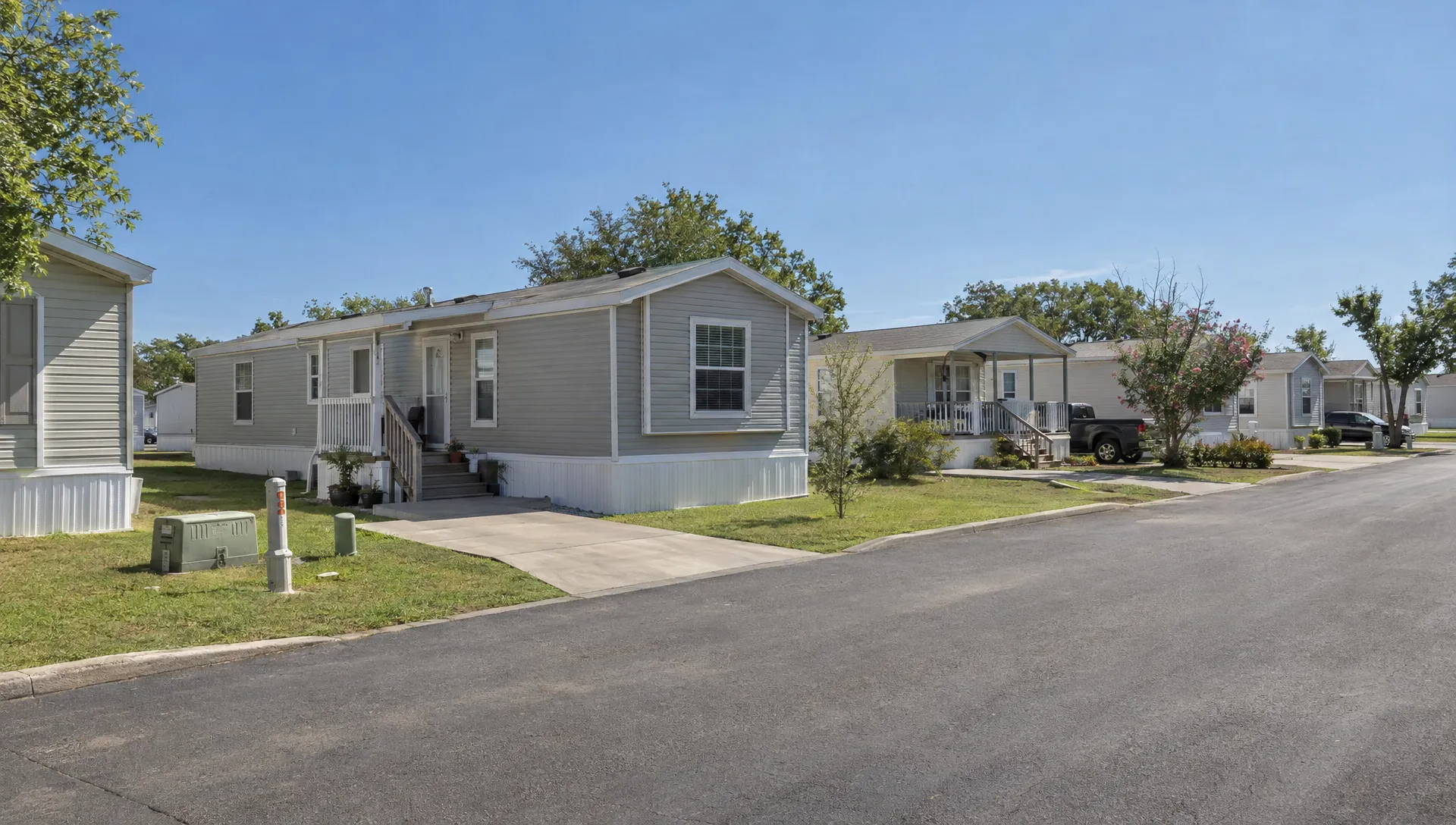
If you are buying a new manufactured home, the inspection may focus as much on the homesite as on the home itself. For example, a buyer looking at a 3 bedroom, 2 bathroom doublewide such as the Legacy Aubrey should still think about drainage, skirting access and nearby wood structures on the lot. A larger 4 bedroom, 2 bathroom home like the Champion Bourbon has a bigger footprint, which means more perimeter and under-home area to keep accessible for inspection and maintenance.
The point is not that a new home is already damaged. The point is that termites are a site and maintenance issue as much as a home-age issue. A clean setup now can prevent problems later.
What inspectors check during a termite inspection
A termite inspection is visual, so access matters. The inspector usually does not tear open walls, remove finished flooring or dismantle the underbelly unless that is part of a separate repair or invasive evaluation. Instead, they look for evidence they can see, probe accessible wood where appropriate and document areas that could not be inspected.
Common inspection points include the exterior perimeter, skirting, crawlspace access, piers, blocking, plumbing penetrations, HVAC penetrations, utility entries, decks, porches, steps, sheds, fence connections, subfloor areas, interior baseboards, window trim, cabinets and areas with moisture staining.
A termite inspection also pairs well with a broader buyer walkthrough. If you are still comparing homes or preparing for closing, this mobile home inspection checklist for Texas buyers can help you organize the non-pest items that should be reviewed at the same time.
| Sign or condition | What it may indicate |
|---|---|
| Mud tubes on piers, skirting or foundation elements | Possible subterranean termite travel path. |
| Soft or spongy floors | Possible termite damage, water damage, rot or subfloor failure. |
| Discarded wings near windows or doors | Possible termite swarm activity. |
| Wood scraps under the home | A food source and conducive condition for termites. |
| Leaking plumbing or standing water | Moisture that can attract termites and damage materials. |
| Wood steps or deck posts touching soil | A direct path from soil to wood. |
| Damaged underbelly material | Easier pest access and possible moisture or insulation problems. |
Foundation and termite concerns often overlap because moisture, drainage and under-home access affect both. If the inspector notes poor drainage, shifting supports or blocked access, it may be worth reviewing a separate mobile home foundation inspection checklist so you can separate pest issues from setup issues.
How termite findings affect a manufactured home purchase
A termite report can change the conversation, but it does not always kill the deal. The impact depends on whether the inspector finds active infestation, old damage, conducive conditions or no visible evidence.
If there is no visible evidence, keep the report with your home records. It gives you a baseline for future inspections and may help when you sell later.
If the report lists conducive conditions, such as wood debris, moisture, soil contact or limited crawlspace access, those are risk factors rather than proof of active termites. Buyers can often ask for cleanup, drainage corrections, access improvements or repairs before closing.
If active termites are found, the next step is usually a treatment proposal from a licensed pest control company and a closer look at any damaged areas. In a purchase transaction, buyers may negotiate treatment, repairs, price adjustments or seller credits depending on the contract and lender requirements. Repairs should not hide the problem before the active infestation is addressed.
The inspection also matters for financing. Requirements vary by loan type, lender and property condition. Some lenders request a WDI report when the appraiser observes possible wood-destroying insect activity or when local risk is considered high. If you are budgeting for a full inspection package, Homes2Go also has a guide on mobile home inspection cost in Texas that explains how different inspection types can affect total cost.
What to do if termites are found
Do not panic and do not start tearing out materials immediately. First, get the written report and make sure it clearly explains what was found, where it was found and whether the inspector believes the activity is active or inactive.
Next, ask for a treatment plan from a licensed pest control provider. Treatment options depend on the type of termite, the location of activity and the setup of the home. Subterranean termite treatment may focus on soil, entry points and perimeter control, but the pest professional should decide the method after inspecting the property.
Repairs should come after treatment planning. If damaged flooring, trim or framing is removed too early, it may disturb evidence that helps determine the size and path of the infestation. For a buyer, that evidence can also matter during negotiation.
If you are already under contract, involve your real estate professional, lender and inspector before agreeing to repairs. A reinspection or clearance letter may be needed after treatment, especially when a lender requires documentation.
How often should mobile home owners schedule termite inspections?
For San Antonio homeowners, a yearly visual check is a smart habit. That does not replace a professional inspection, but it helps you notice changes early. Walk around the home after heavy rain, look for standing water, check skirting panels, inspect steps and porches, and pay attention to soft spots inside.
Professional inspection frequency depends on risk. Homes with past termite treatment, heavy moisture, older wood decks, limited crawlspace access or wooded lots may need more frequent checks. If your pest control company provides a treatment warranty or monitoring plan, follow its inspection schedule.
At minimum, consider a professional termite inspection when buying, selling, refinancing if required, after a major leak or before making additions that attach wood to the home.
Prevention tips for manufactured homes in Texas
Termite prevention is mostly about moisture control, access control and removing easy food sources. You cannot make a property completely termite-proof, but you can make it much less inviting.
- Keep wood scraps, cardboard, old lumber and tree debris out from under the home.
- Repair plumbing leaks quickly, especially in bathrooms, kitchens, laundry areas and under-home lines.
- Make sure water drains away from the home rather than pooling near piers or skirting.
- Avoid direct wood-to-soil contact at steps, decks, ramps, fences and porch posts.
- Maintain skirting access panels so inspectors and repair professionals can see under the home.
- Keep mulch, firewood and stored items away from the perimeter.
- Check underbelly material after plumbing repairs, animal activity or severe weather.
Ventilation also matters. Skirting that traps moisture under the home can contribute to pest and decay problems. If you notice condensation, musty smells or damp soil under the home, treat it as a maintenance issue rather than a cosmetic nuisance.
How to choose the right termite inspector
Look for a licensed pest professional who is familiar with manufactured homes. Ask whether the inspection includes the crawlspace or under-home area, whether photos are included and whether the report is acceptable for your lender or closing requirements.
Before the appointment, clear access to skirting panels and remove stored items that block the perimeter. If you have previous treatment records, repair invoices or seller disclosures, have them ready. Inspectors can do better work when they know where previous problems occurred.
A good inspector should explain limitations, not just findings. If part of the under-home area is inaccessible, the report should say so. Limited access does not mean there is no problem, it means the area could not be fully evaluated.
Frequently Asked Questions
Is a termite inspection required for every mobile home in Texas? Not automatically. Texas does not require every mobile home sale to include a termite inspection, but a lender, loan program, buyer, seller or closing situation may require a WDI report. Even when it is optional, it is often a smart inspection for San Antonio buyers.
Can a new manufactured home get termites? Yes. A new home can be placed on land where termites are already active, and future moisture or wood-to-soil contact can create risk. New homes should still be protected through proper setup, drainage and maintenance.
Does a general mobile home inspection include termites? Usually not in the same way. A general inspector may identify visible damage or suspicious conditions, but a formal termite or WDI report is typically handled by a licensed pest control professional.
What are the most common termite warning signs under a mobile home? Mud tubes, soft subfloor areas, damaged wood, discarded wings, moisture problems and wood debris under the home are all warning signs. Some infestations are hidden, which is why professional inspection matters.
Should I treat termites before or after repairing damage? Treatment planning should come first. Repairing damaged areas before the termite issue is documented and addressed can hide evidence and may not stop the colony.
Can termites damage a home with metal components? Yes. Even if a home includes metal supports or other non-wood components, termites can still attack wood, subflooring, trim, cabinets, steps, decks and other cellulose materials.
Protect your home purchase before problems are hidden
A mobile home termite inspection is a small step that can protect your budget, your closing timeline and your long-term comfort. It is especially valuable in San Antonio, where warm weather, moisture and under-home access points can make termite issues easy to miss.
If you are comparing manufactured homes, preparing a homesite or deciding which inspections to order, Homes2Go San Antonio can help you understand the buying process and explore available home options with local guidance. The right home matters, and so does protecting it from the ground up.
 Can You Add Solar Panels to a Manufactured Home in Texas?
 Texas Mobile Home State Inspections: What Owners Should Know