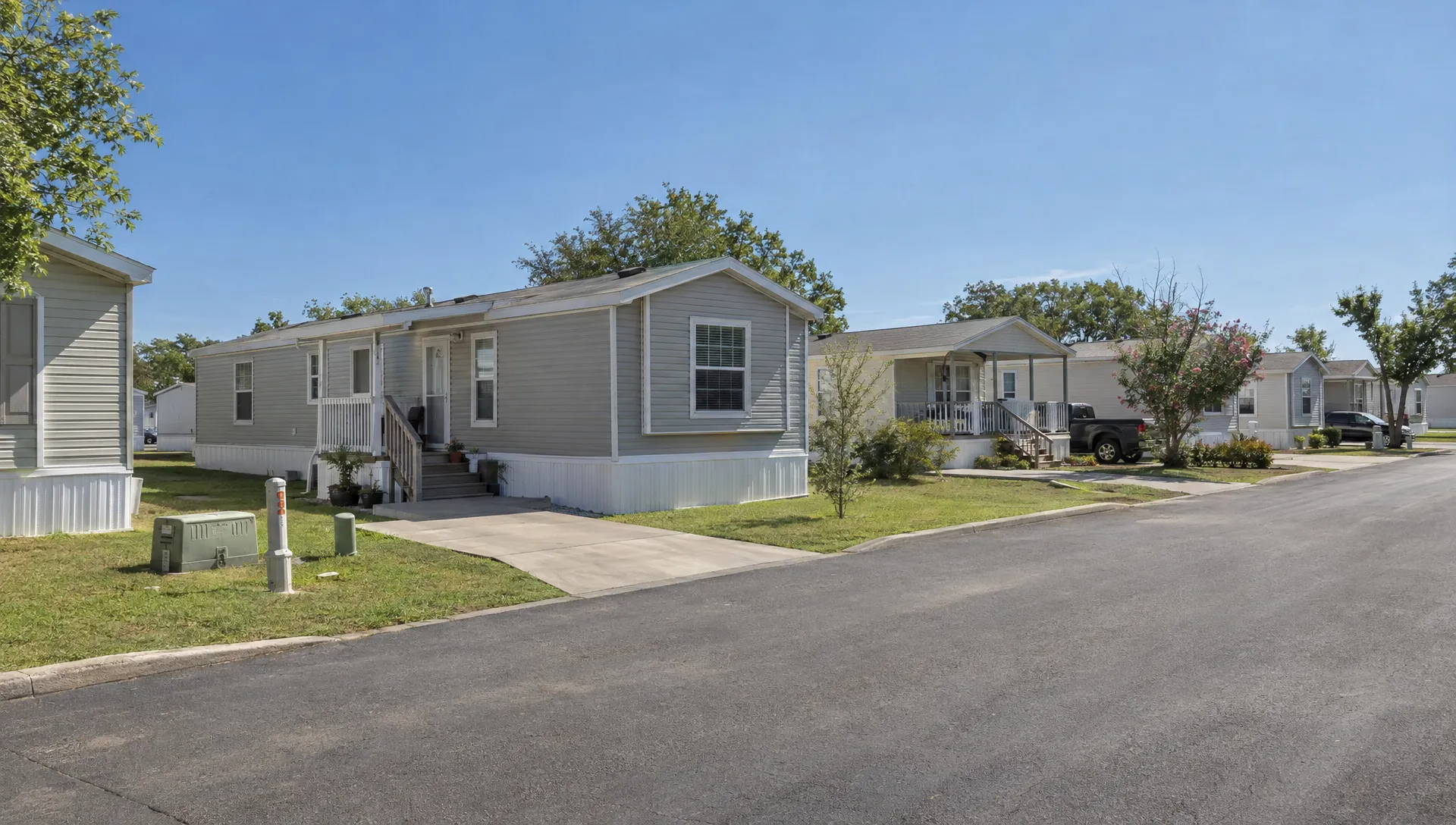

Texas heat does not just test your comfort. It tests your monthly budget. In San Antonio and across South Texas, air conditioning can become one of the largest parts of a home’s utility costs, especially during long stretches of high temperatures. That is why many buyers are looking beyond square footage and price, and asking a smarter question: which energy efficient mobile homes can help keep monthly bills under control?
If you are shopping for a new manufactured home today, the term “mobile home” is still commonly used, but modern factory-built homes are very different from the older units many people picture. Newer manufactured homes can include improved insulation, tighter construction, efficient HVAC systems, modern windows, and appliances designed to use less energy.
The key is knowing which features actually matter in the Texas climate, what to ask before you buy, and how to compare homes based on total monthly cost, not just the sticker price.
Why Energy Efficiency Matters So Much in Texas
In colder states, heating may dominate the utility bill. In Texas, cooling is the big concern. A home that leaks air, has thin insulation, or relies on an outdated air conditioner can feel uncomfortable even when the AC runs constantly.
That creates two problems for buyers. First, the home may be harder to keep cool during peak summer afternoons. Second, the utility bill can become unpredictable, which makes monthly budgeting harder.
Energy efficiency matters because it affects everyday life. It can influence how comfortable bedrooms feel at night, how often the AC cycles, how much humidity stays inside, and how much money remains in your budget after the bills are paid.
According to the U.S. Department of Energy’s Energy Saver guidance, good home design, insulation, air sealing, efficient equipment, and proper orientation can all reduce energy use. For manufactured home buyers in San Antonio, those details are not extras. They are part of choosing a home that fits the local climate.
The Biggest Utility Bill Drivers in a Mobile Home
Before comparing features, it helps to understand where utility costs usually come from. Every household is different, but in Texas, these areas often matter most.
| Utility bill driver | Why it affects cost | What to look for in a home |
|---|---|---|
| Cooling | AC runs heavily during hot months | Efficient HVAC, good ductwork, proper sizing |
| Air leakage | Cool air escapes and hot air enters | Sealed gaps, tight construction, weatherstripping |
| Insulation | Heat moves through roof, walls, and floors | Strong insulation package for the region |
| Windows | Solar heat enters through glass | Low-E windows and good shading potential |
| Water heating | Daily showers, laundry, and dishes add up | Efficient water heater and low-flow fixtures |
| Appliances | Refrigerators, washers, and dryers run often | ENERGY STAR rated appliances when available |
| Lighting | Small loads add up over time | LED fixtures and efficient bulbs |
The best energy efficient mobile homes reduce demand in several areas at once. A better AC helps, but it works best when the home is also well insulated and sealed. Efficient windows help, but they perform even better when the home is positioned with shade in mind.
That is why buyers should think in systems, not single upgrades.
Features That Help Cut Texas Utility Bills
Not every “energy efficient” label means the same thing. When shopping, ask for specifics. The more clearly a home seller can explain the features, the easier it is to compare models.
A strong insulation package
Insulation slows heat transfer. In South Texas, that means it helps keep outdoor heat from pushing into the living space. Roof and ceiling insulation are especially important because the sun beats down on the home for hours each day.
Ask about insulation levels in the roof, walls, and floor. Also ask whether the home is designed for hot climates. A well-insulated home may help the AC run less often, which can improve comfort and reduce energy waste.
Air sealing that keeps cool air inside
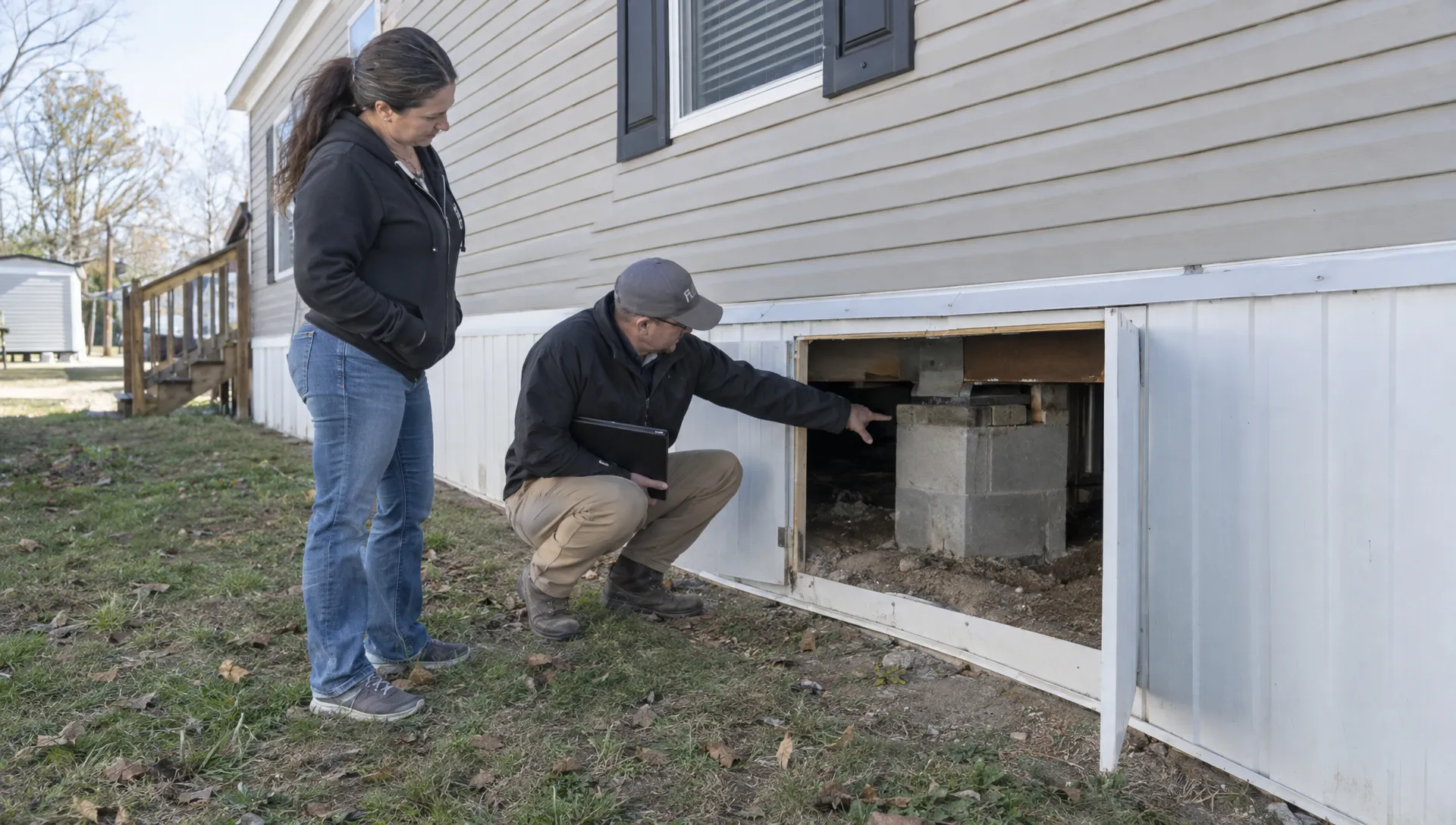
Air leaks are easy to overlook because you may not see them during a home tour. But small gaps around doors, windows, plumbing penetrations, duct connections, and the underbelly can add up.
The Department of Energy explains air sealing as one of the most cost-effective ways to improve comfort and reduce energy loss. For mobile and manufactured homes, this can be especially important around the marriage line in multi-section homes, the belly board area, and utility openings.
When a home is tighter, conditioned air stays where you need it. That can mean fewer hot spots, better humidity control, and less strain on the HVAC system.
Efficient HVAC equipment that is sized correctly
Bigger is not always better. An oversized AC may cool quickly but fail to run long enough to remove humidity. An undersized system may run constantly and still struggle on very hot days.
Ask about the system’s efficiency rating and whether it is sized for the floor plan, insulation level, and local climate. Also ask where ducts are located and how they are sealed. Leaky ducts can waste cooled air before it reaches the rooms.
Low-E windows and smart shading
Windows can bring in light, but they can also bring in heat. Low-E glass helps reduce heat gain while still allowing natural light. In Texas, the solar heat gain coefficient, often called SHGC, can be an important specification because it tells you how much solar heat passes through the window.
Shading also matters. Porches, awnings, trees, and the way the home sits on the lot can all affect afternoon heat. A west-facing wall with large unshaded windows may feel warmer than a similar home with better shading.
Efficient appliances and lighting
Appliances may not be as dramatic as the AC, but they contribute to everyday energy use. Refrigerators run all day. Washers, dryers, dishwashers, and water heaters can add noticeable cost depending on household size.
When available, look for ENERGY STAR rated appliances. The ENERGY STAR program also provides guidance for more efficient new homes, including manufactured housing options that meet program requirements.
LED lighting is another simple feature that helps. It uses less energy than older incandescent bulbs and produces less heat inside the home.
ENERGY STAR and Other Labels: What Buyers Should Know
Labels can help, but they should not replace questions. If a model is advertised as ENERGY STAR certified or built with energy-saving features, ask what that includes.
For example, certification may involve more than one feature. It can include insulation, air sealing, high-performance windows, efficient heating and cooling systems, and third-party verification. If you are comparing certified and non-certified homes, ask for documentation and floor plan details.
Homes2Go has a helpful guide on what ENERGY STAR can mean for modular and manufactured homes if you want a deeper explanation before you start comparing models.
Even if a home is not ENERGY STAR certified, it may still include meaningful efficiency upgrades. The goal is to understand what you are getting and how it affects comfort in real Texas conditions.
How to Compare Energy Efficient Mobile Homes Without Getting Overwhelmed
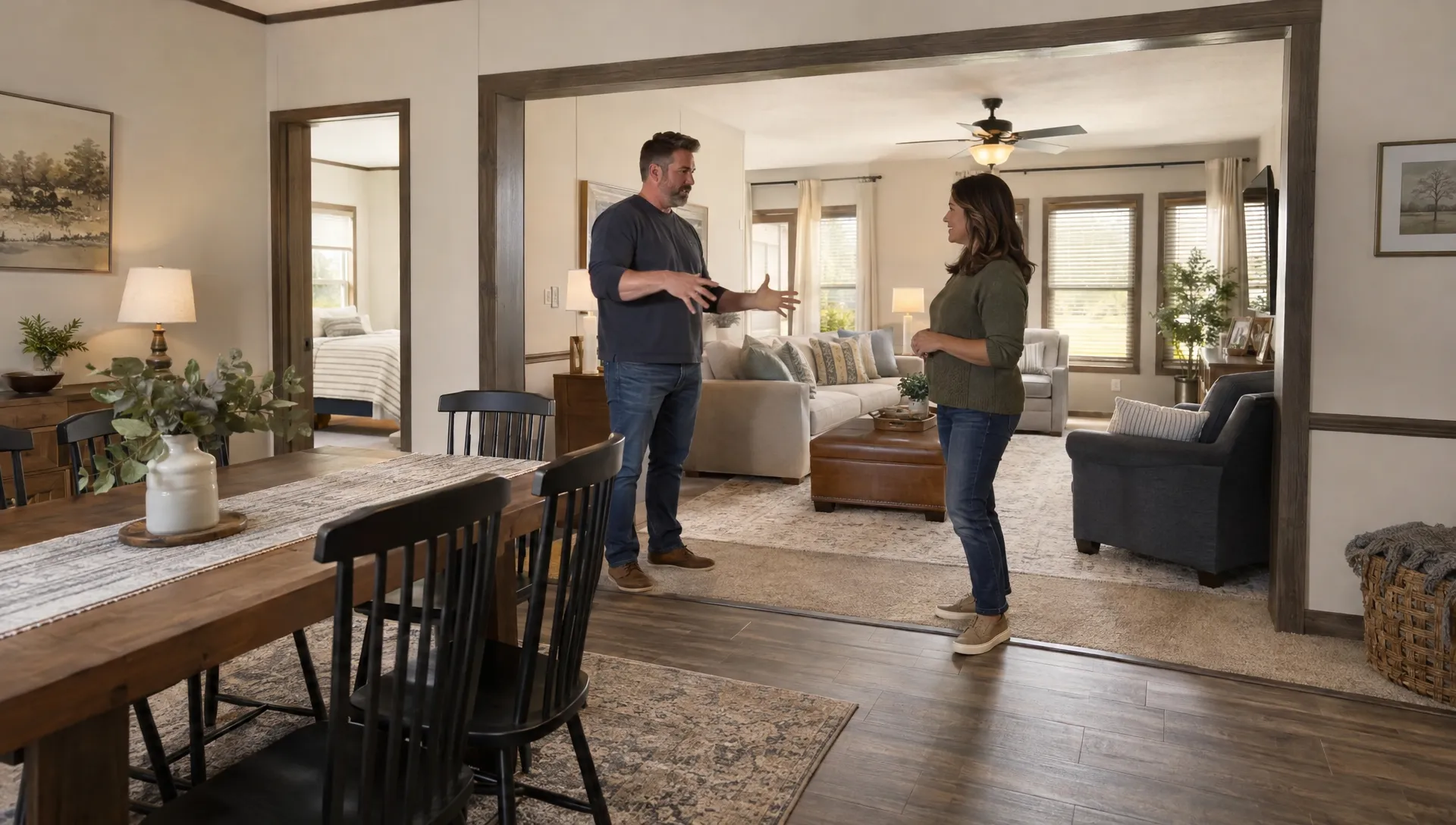
A home tour can be exciting. Modern interiors, open kitchens, large closets, and attractive finishes are easy to notice. Energy features are less obvious, but they can affect your budget for years.
Use a simple comparison process when you look at different homes.
- Ask for the floor plan and specifications, not just the price.
- Compare insulation, windows, HVAC, appliances, and water heater details.
- Ask whether the home includes energy-efficient packages or upgrade options.
- Consider how the home will sit on the lot, including sun exposure and shade.
- Estimate total monthly cost, including payment, lot or land costs, insurance, taxes, maintenance, and utilities.
The most affordable home is not always the one with the lowest starting price. A slightly higher monthly payment may be worth considering if the home is more comfortable, more efficient, and better suited to your household.
If you are still learning the buying process, this quick buyer guide to mobile homes in San Antonio can help you understand key decisions such as community living, private land, financing, and home types.
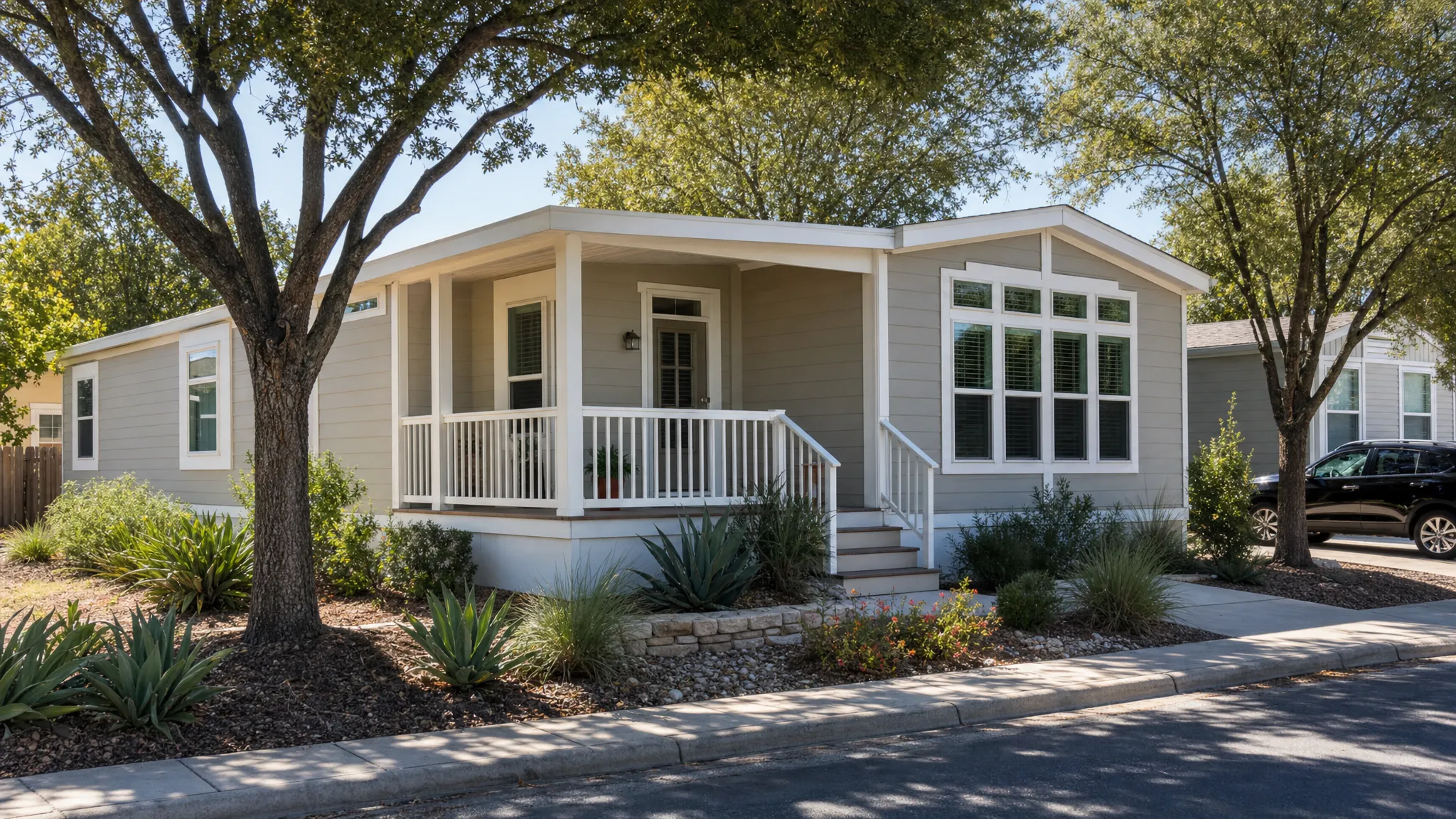
Practical Upgrades That Can Lower Bills After Move-In
Choosing the right home is the biggest step, but everyday habits and small upgrades also matter. Once you move in, there are practical ways to support energy savings without sacrificing comfort.
A programmable or smart thermostat can help you reduce cooling when you are away while keeping the home comfortable when you return. Just avoid extreme temperature swings that force the AC to work harder for long periods.
Air filters should be changed regularly. A dirty filter reduces airflow, makes the system work harder, and can affect indoor air quality. During heavy summer use, check filters more often.
Window coverings also help. Thermal curtains, blinds, and shades can reduce afternoon heat gain, especially on west-facing windows. If community rules or land conditions allow, adding exterior shade through trees, awnings, or covered outdoor areas can make a noticeable comfort difference.
Water use is another overlooked part of utility costs. Low-flow showerheads, faucet aerators, and efficient laundry habits can help reduce water and water-heating expenses. In households with children, roommates, or multigenerational family members, small daily changes can add up.
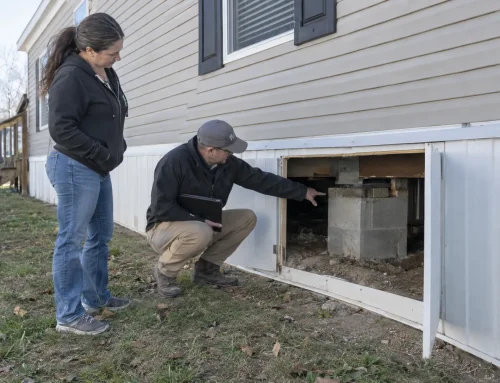
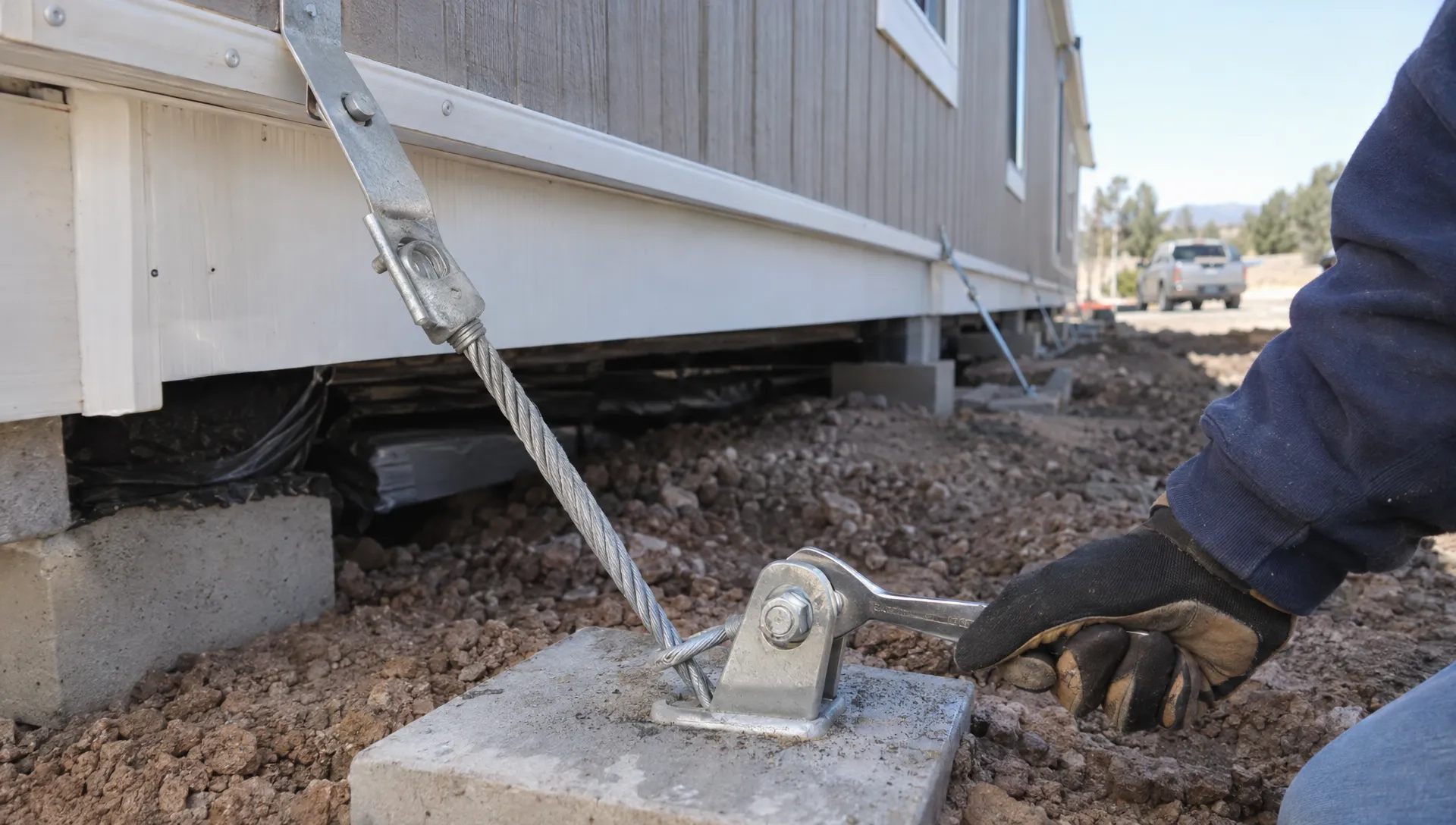
Finally, do not ignore skirting and the underbelly. Proper skirting can help protect the underside of the home from wind, animals, and temperature swings. If ducts or plumbing run below the home, keeping that area protected and maintained is important.
New vs. Older Mobile Homes: Which Is Better for Energy Savings?
Older mobile homes can sometimes be affordable upfront, but they may come with higher utility costs if insulation, windows, ducts, or HVAC equipment are outdated. A used home may also need repairs before it performs well in summer heat.
New manufactured homes often give buyers a clearer path to efficiency because you can review specifications before purchase. You may be able to compare models with different insulation packages, layouts, appliance options, and HVAC setups. Newer homes may also include modern interiors and move-in ready features, which reduces the number of immediate upgrades you need to make.
That does not mean every new home is equal. Buyers should still ask detailed questions and compare total cost. But if your goal is lower monthly bills and better comfort, a newer energy-conscious model is often worth a close look.
For a broader look at how efficiency fits into affordability, Homes2Go also explains how energy-efficient manufactured homes can help in Texas heat.
Questions to Ask Before You Buy
When you are serious about a model, ask direct questions. A good home consultant should be able to help you understand the options without making the process feel confusing.
Here are useful questions to bring to your visit:
- What energy-efficient features are included in this model?
- What are the insulation levels in the roof, walls, and floor?
- Are the windows Low-E or designed to reduce solar heat gain?
- What type of HVAC system is included, and how is it sized?
- Are ducts sealed and located in a way that reduces energy loss?
- Are ENERGY STAR appliances available or included?
- Can I review the full floor plan and specifications before choosing?
- Are there upgrade options that improve comfort in Texas heat?
You do not need to be an energy expert to ask good questions. You simply need to compare homes based on how they will perform after move-in, not just how they look during a tour.
Why Floor Plan Choice Affects Energy Use
Floor plan matters more than many buyers realize. A larger home usually requires more energy to cool, but layout can also affect comfort. Long hallways, closed-off rooms, high ceilings, and large window areas can influence airflow and temperature balance.
For some buyers, a smaller well-designed single-section home may be more affordable to operate than a larger home with unused rooms. For growing families, a double wide may be the better choice, but efficiency features become even more important because there is more space to condition.
Open-concept layouts can help airflow, but bedrooms still need good duct placement and return air pathways. If one room always feels warmer, the household may lower the thermostat for the whole home, which raises energy use.
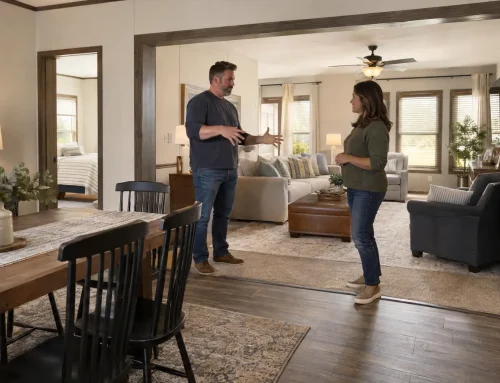
When comparing floor plans, think about daily life. Which rooms will be occupied during the hottest part of the day? Where will children sleep? Does the kitchen get afternoon sun? Are there shaded outdoor areas that reduce direct heat on the home?
A good floor plan should fit your family, your budget, and your climate.
The Role of Financing in Energy-Efficient Home Decisions
Energy-efficient features can influence the full affordability picture. Some buyers focus only on the home payment, but utilities are part of the monthly cost of homeownership. If a home helps reduce energy waste, it may support a more stable budget over time.
This is where guidance matters. Homes2Go San Antonio offers access to home models, floor plans, and financing support, including help for first-time buyers. The right conversation can help you compare not just what you can buy, but what you can comfortably afford month after month.
Always review financing terms carefully and ask questions about the total estimated monthly cost. A manufactured home should fit your lifestyle without creating surprise expenses.
Frequently Asked Questions
Are energy efficient mobile homes worth it in Texas? Yes, they can be worth it because Texas heat places heavy demand on cooling systems. Better insulation, air sealing, windows, and HVAC equipment can improve comfort and may help reduce wasted energy.
Do energy efficient mobile homes cost more upfront? Sometimes they do, especially if they include upgraded windows, HVAC, insulation, or appliances. The key is to compare total monthly cost, including estimated utilities, rather than purchase price alone.
What is the most important feature for lowering cooling bills? There is no single feature that does everything. Insulation, air sealing, efficient HVAC, sealed ducts, and Low-E windows work together. In Texas, the best results usually come from a complete efficiency package.
Can an older mobile home be made more energy efficient? Yes, improvements such as air sealing, HVAC maintenance, new filters, window coverings, insulation repairs, and efficient lighting can help. However, some older homes may still be limited by original construction or aging systems.
Should I only buy an ENERGY STAR certified manufactured home? ENERGY STAR certification is a strong sign that a home meets recognized efficiency standards, but it is not the only factor. Ask for the home’s specifications and compare features carefully, whether the home is certified or not.
Find a Home That Fits Your Budget and the Texas Climate
Energy efficient mobile homes can make homeownership more comfortable and more predictable in San Antonio. The right model can help you manage Texas heat, reduce wasted energy, and plan your monthly budget with more confidence.
If you are ready to compare floor plans, features, and financing options, visit Homes2Go San Antonio. Our team can help you explore manufactured homes designed for modern living, practical comfort, and the realities of South Texas weather.
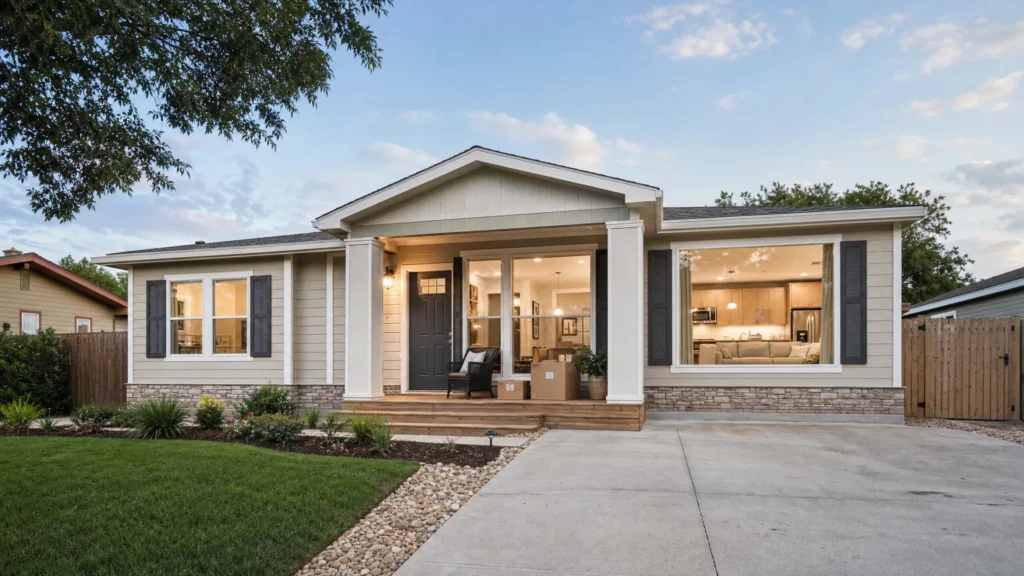 Double Wide Homes: Why More Buyers Choose Them
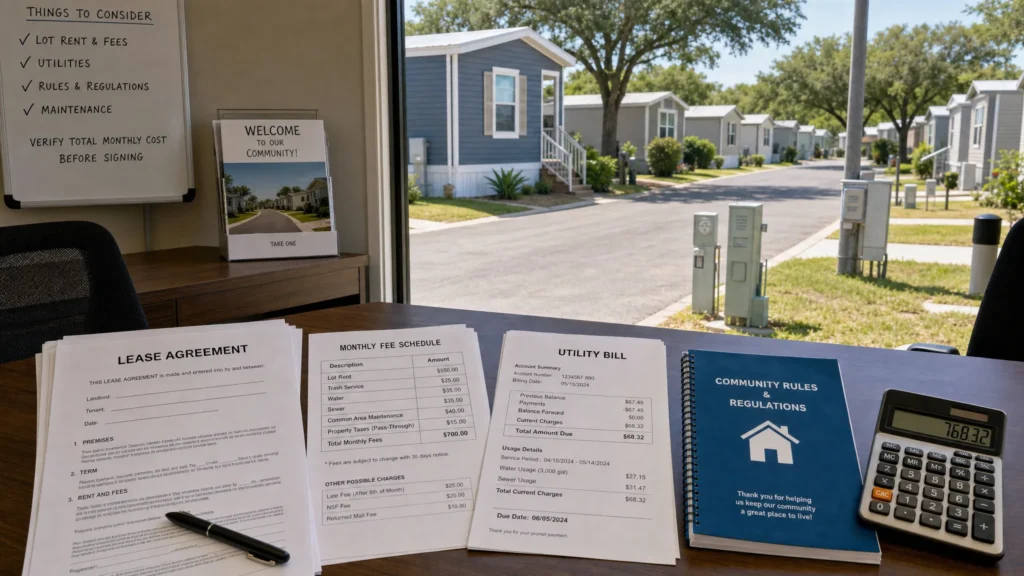 Mobile Homes With Cheap Lot Rent: What to Verify First